
0330 058 0212

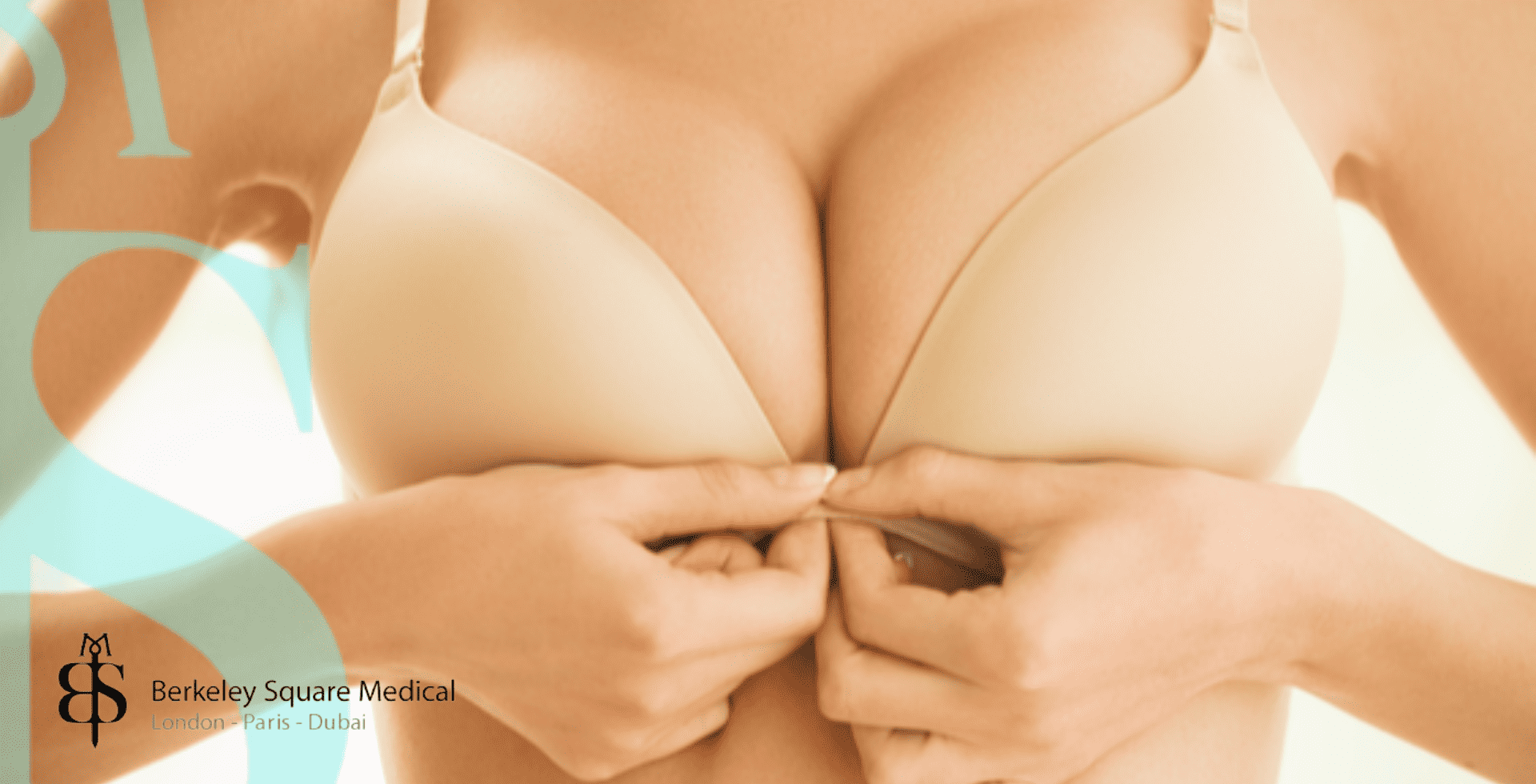
Breast augmentation recovery usually takes around six weeks for most everyday activities, although swelling, scar healing, and implant settling can continue for several months. Most patients feel significantly better after the first week, return to desk-based work within 1–2 weeks, and gradually ease back into exercise over the following month.
That said, recovery is not identical for everyone. Factors such as implant placement, your body’s natural healing response, and the type of work or exercise you do can all influence how quickly you feel back to normal.
One of the biggest misconceptions about breast enlargement surgery is that recovery only lasts a few days. In reality, healing happens in stages. The first week is usually about rest and managing swelling, while later stages focus on getting back to normal activities safely and allowing the implants to soften and settle into position.
In this guide, we explain the breast augmentation recovery timeline week by week, including when you can drive, exercise, sleep normally, return to work, lift children, and what signs of healing are considered normal.
| Recovery milestone | Typical timeline | What to know |
|---|---|---|
| Walking around | Same day or next day | Gentle movement helps circulation, but rest is still the priority. |
| Back to desk work | 1–2 weeks | Depends on pain, swelling and whether your job involves lifting or travel. |
| Driving | After at least 1 week | Only drive once you are off strong painkillers and can move safely. |
| Heavy lifting | Usually 4–6 weeks | This includes gym weights, heavy shopping bags and lifting young children. |
| Exercise | Gradual return after 4–6 weeks | Start with low-impact activity and avoid chest strain until cleared. |
| Final settling | Several months | Implants usually soften and look more natural gradually. |
Although everyone heals at their own pace, most patients follow a fairly predictable recovery pattern. Understanding what is normal at each stage can help reduce unnecessary worry and make planning easier — especially when it comes to work, childcare, exercise, or travel.
The first few days after breast enlargement surgery are usually the most uncomfortable. It is completely normal for the chest to feel tight, heavy, swollen, or sore. Many patients describe the sensation as pressure rather than sharp pain, particularly if implants have been placed under the muscle.
During this stage, your body is responding to both the surgery itself and the stretching of tissues around the implant. You may also notice:
Rest is important, but complete bed rest is not recommended. Short walks around the house can improve circulation and help reduce stiffness.
Many surgeons also recommend sleeping on your back with your upper body slightly elevated during this period to minimise swelling and avoid pressure on the chest.
One lesser-known recovery tip that can make a noticeable difference is keeping your heart rate relatively low for the first 72 hours. Avoiding overexertion and allowing your body to focus entirely on healing may help reduce swelling and improve comfort.
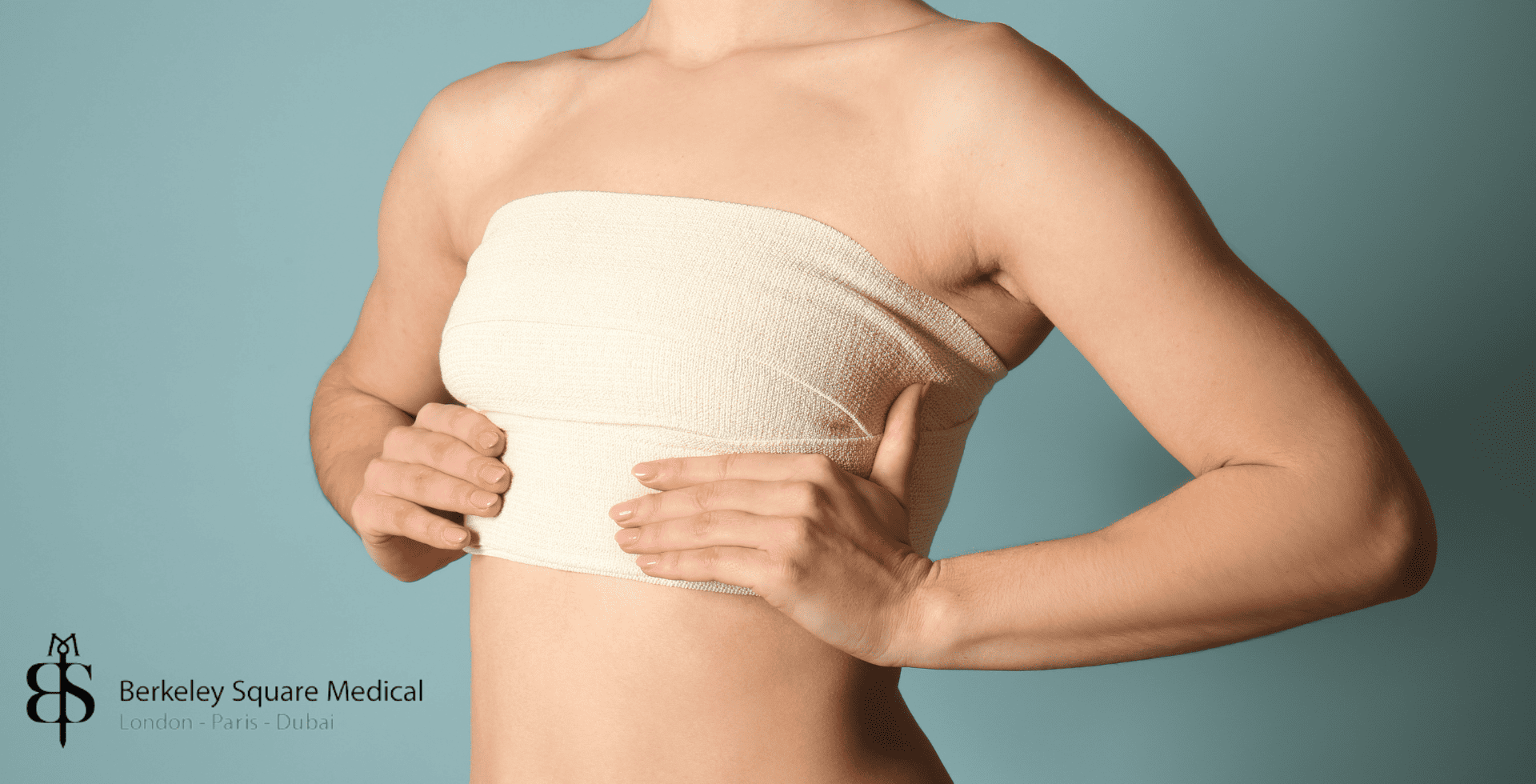
By the end of the first week, most patients notice a clear improvement in discomfort levels, although swelling and tightness are still very common.
You will probably feel more independent by this point, but it is still important not to rush back into normal routines too quickly.
Many patients can comfortably:
However, this is usually not the stage for:
The breasts may also look higher than expected at this stage. This is completely normal and one of the biggest causes of anxiety after surgery. Early swelling and muscle tightness can make implants appear overly full, firm, or positioned high on the chest. They usually begin to soften and settle gradually over the coming weeks.
By weeks two to four, many patients begin to feel noticeably more like themselves again. Energy levels usually improve, discomfort reduces significantly, and swelling starts to settle.
This is often the stage where people feel tempted to jump straight back into normal routines. While it can feel reassuring to regain independence, healing is still very much ongoing underneath the surface.
For many patients, this period marks the return to:
However, the chest may still feel tight, especially in patients with implants placed under the muscle. Sudden arm movements, lifting, or stretching overhead can still feel uncomfortable.
Breasts also tend to look slightly different from week to week during this phase. Swelling rarely disappears evenly, and one breast may settle slightly faster than the other — something that can feel worrying but is usually temporary.
Rather than focusing on symmetry too early, it is usually better to think of recovery as a gradual process. The final shape rarely appears within the first month.
Between one and three months after surgery, the breasts usually start to look more natural.
This is often referred to as the “drop and fluff” stage — a term patients commonly search for but one that many clinic articles barely explain.
In simple terms, implants tend to sit higher on the chest immediately after surgery because tissues are swollen and tight. As healing progresses, swelling reduces, muscles relax, and implants gradually settle into a lower, softer position.
You may notice:
That said, recovery is rarely perfectly linear. Some days your breasts may feel softer, while other days mild swelling or tightness can return, particularly after increased activity.
By this point, many patients can resume more regular exercise, although high-impact activities and heavy chest-focused training should still be approached carefully and only after surgeon approval.
One of the most common questions patients ask before surgery is: “How much time off will I actually need?”
The answer depends largely on your lifestyle and job.
Someone working at a desk may feel comfortable returning within one week, while a fitness instructor, nurse, or someone regularly lifting heavy items may need considerably longer.
If you have young children, recovery planning becomes especially important. Lifting toddlers too early can place strain on healing tissues, so arranging support for school runs, bedtime routines, or lifting during the first two weeks can make recovery considerably easier.
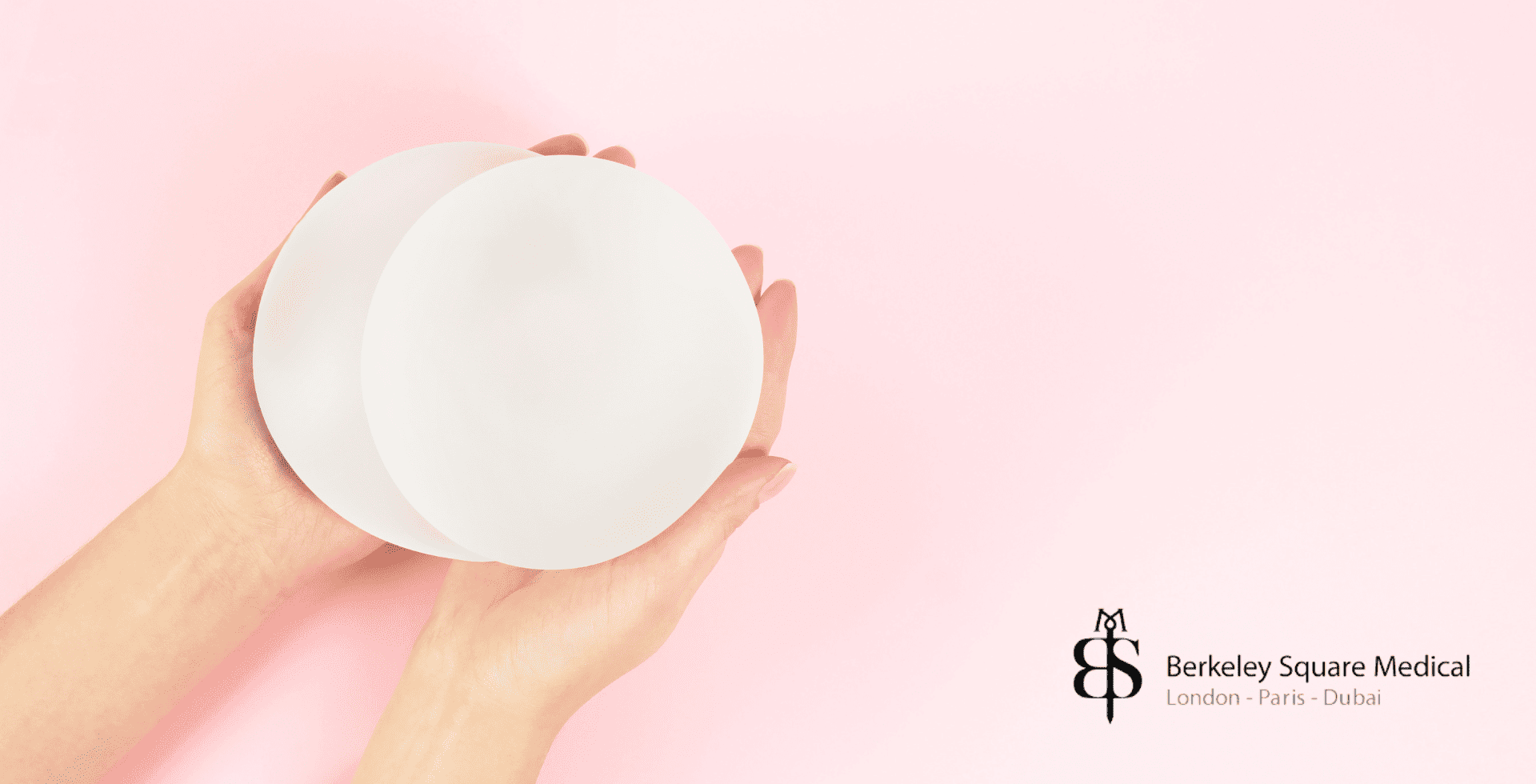
Not all breast augmentation recovery experiences feel the same.
One of the biggest differences comes down to implant placement.
Implants placed under the muscle (submuscular) often involve slightly more tightness and soreness in the early stages because the chest muscle is adjusted during surgery. Patients sometimes describe the sensation as feeling like they have done an intense chest workout.
By contrast, over the muscle (subglandular) implants may involve a slightly easier early recovery because there is less muscular disruption.
That said, recovery is highly individual. Some patients with under-muscle implants recover quickly, while others with over-muscle placement still need extra time. Your surgeon will recommend the most suitable placement based on your anatomy, lifestyle, and desired result rather than recovery speed alone.
After surgery, it is very common to worry that something feels “off.” In reality, many sensations that feel alarming at first are actually a normal part of healing.
Typical symptoms include:
These changes usually improve gradually as tissues settle.
However, certain symptoms should never be ignored.
You should contact your surgeon if you notice:
Although complications are uncommon, early assessment is always best if something feels unusual.
A successful recovery often comes down to preparation just as much as surgery itself.
Many patients find recovery easier when they:
Perhaps most importantly, avoid comparing your recovery too closely to someone else’s. Healing timelines vary, and breasts often continue changing for several months after surgery.
While it can be tempting to judge results early, patience is usually rewarded. What feels swollen, tight, or slightly uneven in the first few weeks often settles into a much softer and more natural-looking result over time.
Most patients feel significantly better within 1–2 weeks and can return to many everyday activities during that time. However, full breast augmentation recovery usually takes around 6 weeks for exercise and lifting restrictions, while swelling and implant settling can continue for several months.
Most patients can drive after around 1 week, provided they are no longer taking strong pain medication and can comfortably turn the steering wheel without pain or restricted movement. Always follow your surgeon’s advice before driving again.
This depends on the type of job you do. Patients with desk-based roles often return within 5–10 days, while physically demanding jobs involving lifting or repetitive movement may require 2–6 weeks off.
Light walking is encouraged almost immediately after surgery, but gym workouts and strenuous exercise are usually restricted for around 4–6 weeks. High-impact exercise and chest-focused training should be reintroduced gradually once approved by your surgeon.
Most surgeons recommend sleeping on your back for at least the first few weeks to avoid pressure on the implants and support healing. Side sleeping is often resumed after several weeks, depending on comfort and your surgeon’s advice.
Heavy lifting, including lifting toddlers or young children, is usually restricted for around 4–6 weeks. If you have young children, it is a good idea to arrange extra help during the first two weeks of recovery.
Breast implants often sit high and feel firm immediately after surgery. Most patients notice visible softening and settling within 6–12 weeks, although final results can continue improving over several months.
For some patients, yes. Under the muscle implants can cause more tightness or soreness in the early stages because the chest muscle is involved during surgery. However, recovery experiences vary and many patients still recover quickly.
Most patients wear a surgical or supportive post-operative bra for several weeks after surgery. Underwire bras are usually avoided until healing is further along and your surgeon confirms it is safe.
Tightness, swelling, bruising, temporary nipple sensitivity, implants sitting high, and mild asymmetry are all common in the early stages of recovery. These symptoms usually improve gradually as the breasts settle.
You should contact your surgeon if you experience severe or worsening pain, one-sided swelling, increasing redness, fever, wound discharge, shortness of breath, or unusual swelling in the leg or calf.


Patient Journey We are here to guide you to make the right decision for your well-being. If you are considering an aesthetic change to your appearance, we know that it’s one of the most important and personal decisions you wish to make. Therefore you need to be certain that the medical advice you receive is […]

Patient Aftercare All cosmetic surgery procedures at Berkeley Square Medical come with a comprehensive aftercare package and a 24-hour service so you can be assured you are always under the care and guidance of our surgical team. All your immediate aftercare is included in the cost of your surgery so there are no hidden extras in our […]

If you are considering Cosmetic Surgery, we understand that it's probably one of the most important decisions you're likely to make, therefore, you need to be sure it's right for you and you receive professional and independent advice about your procedure.

Our Philosophy We began our journey setting foot in the highly fashionable area of Berkeley Square, Mayfair where luxury fashion, galleries and five-star hotels all conveniently meet to set the example for world-leading client services and experience. Our goal was to create a cosmetic surgery practice that would not only exceed patients’ expectations but provide […]

