0330 058 0212
Medically Reviewed by Mr Taimur Shoaib, FRCS (Plast), GMC No. 3615443 | Last Updated: 29 July 2026.
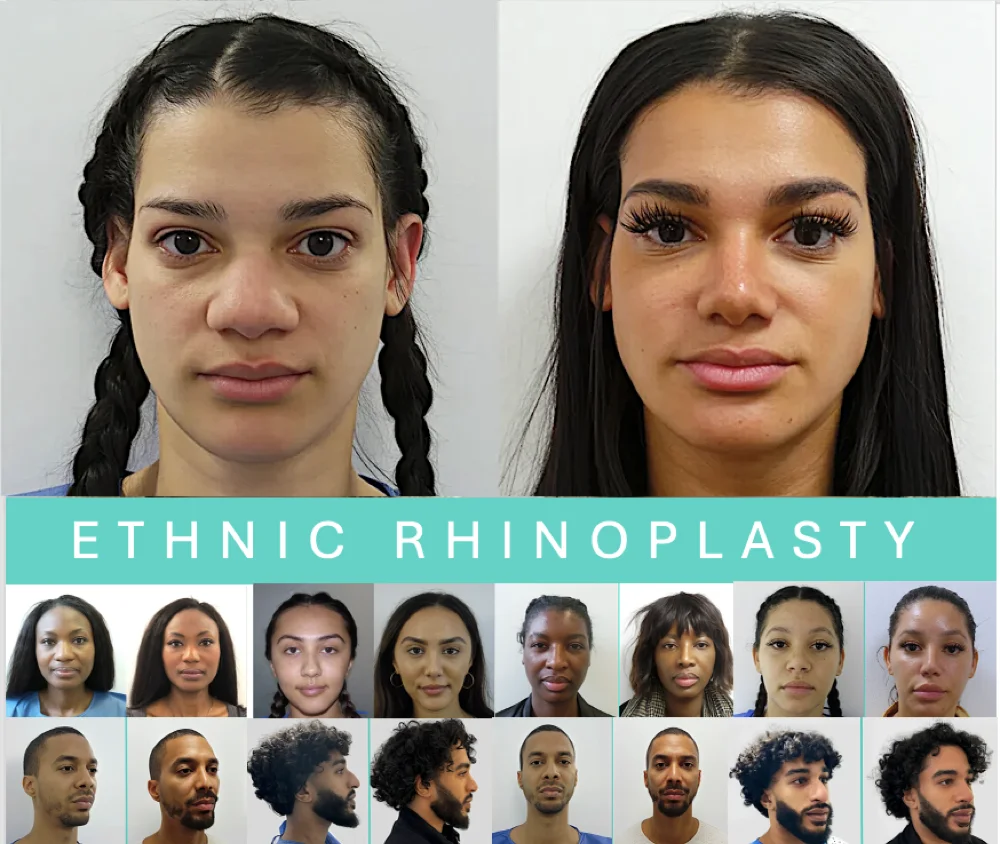
Ethnic rhinoplasty is a specialist field of nose surgery that refines the nose while protecting the features that reflect your heritage. For patients of African and Caribbean, Middle Eastern, South Asian and East Asian descent, the aim is rarely a radical change into a "Westernised" nose. It is a balanced, natural refinement that keeps your face recognisably your own.
Mr Taimur Shoaib, FRCS (Plast), is a consultant plastic surgeon at 64 Harley Street, London, with 31 years of experience in ethnicity-specific, primary and revision rhinoplasty. Every nose is planned around the individual, with the structural support thicker skin types need and conservative reshaping of stronger bridges, so the result looks natural and never over-done.
Treatment is led by an internationally published rhinoplasty specialist.
Every heritage brings its own nasal characteristics, and there is wide variation within each group too. Mr Shoaib plans each operation around your individual anatomy and your own goals, never a single template. Below is an overview of the considerations that commonly come up.
African and Caribbean noses often have a lower, softer bridge, a wider nasal base and a thicker skin envelope. Where a patient wishes to add height or definition, this is usually achieved by building structural support with cartilage grafts, not by removing tissue. Nostril width is a natural, characteristic feature and is only ever adjusted if you specifically ask about it. Read more on African, Caribbean and black rhinoplasty.
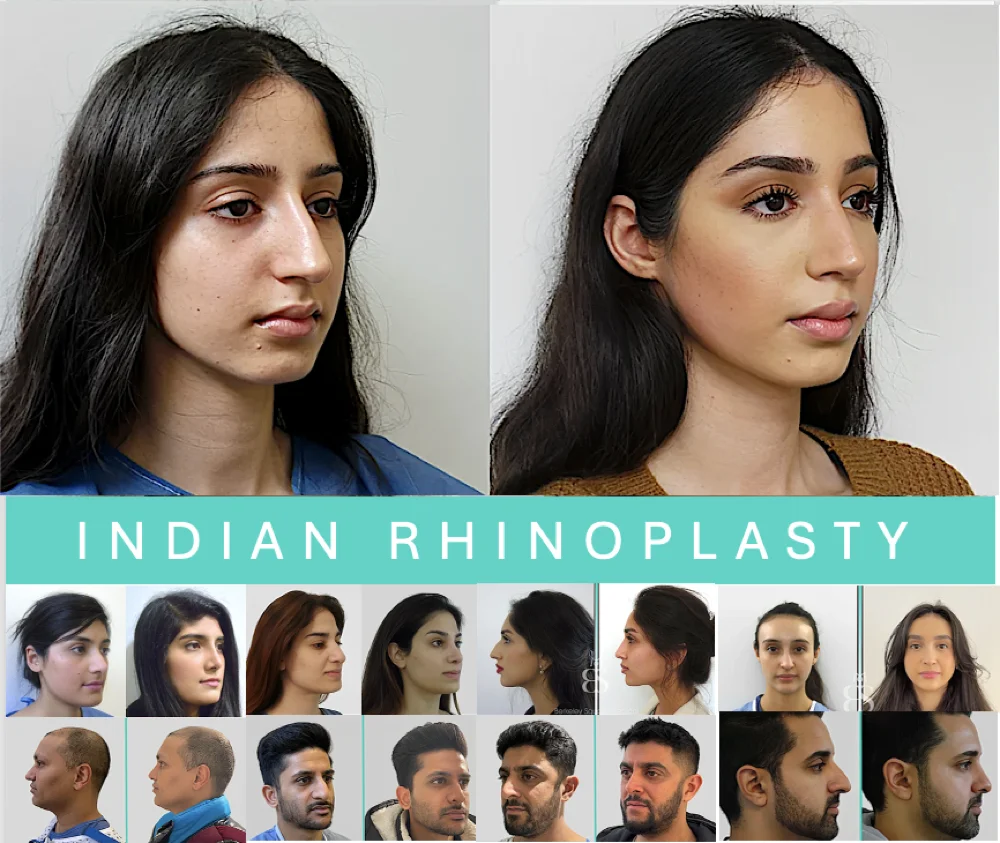
South Asian noses commonly feature a bridge prominence from a lower starting point and a tip that patients often want better defined; the skin can be medium to thicker. The aim is a balanced, natural profile that still reads as your own, never a generic reduced bridge. Read more on Indian, Pakistani and Asian rhinoplasty in London.
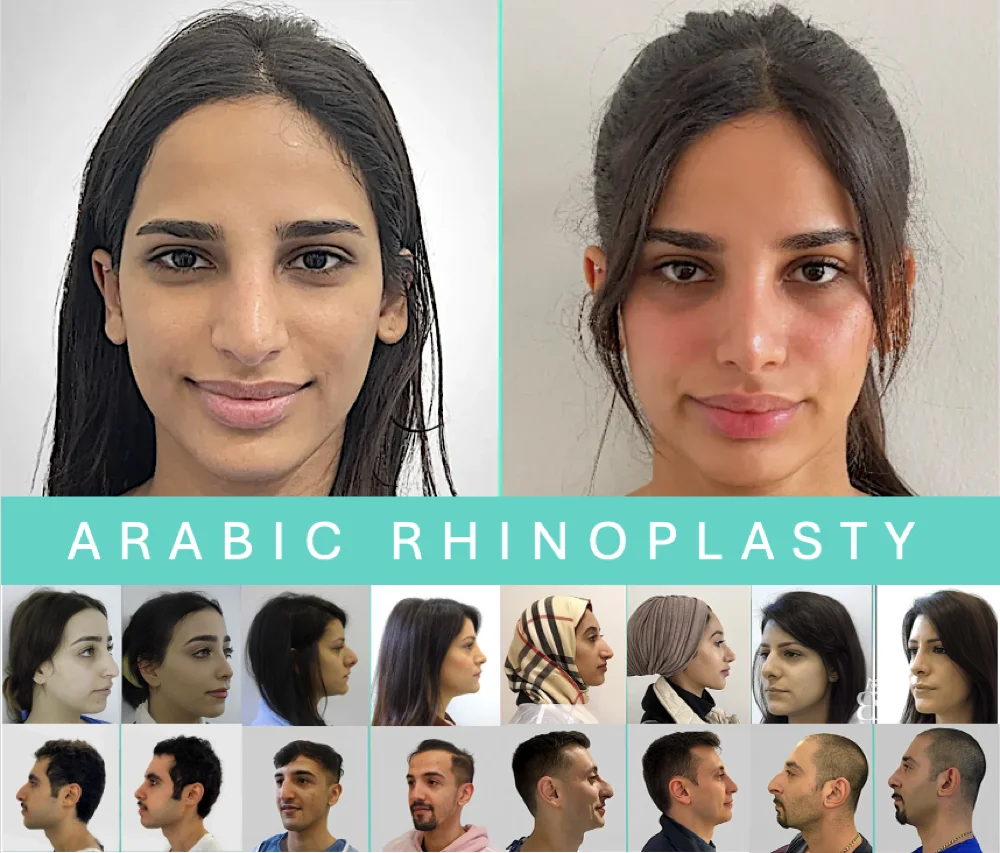
Middle Eastern and Arabic noses often have strong cartilage and a pronounced bridge, and for some a concern about over-projection. Because the cartilage is strong and the skin can be thicker, careful structural work is used so the result is stable and keeps the character of your face. Read more on Middle Eastern and Arabic rhinoplasty.
East Asian noses commonly have a lower bridge and softer tip cartilage, and the goal is frequently augmentation, adding height and tip definition with the patient's own cartilage or grafts, rather than reduction. Every plan is built around what you want and what your anatomy safely allows.
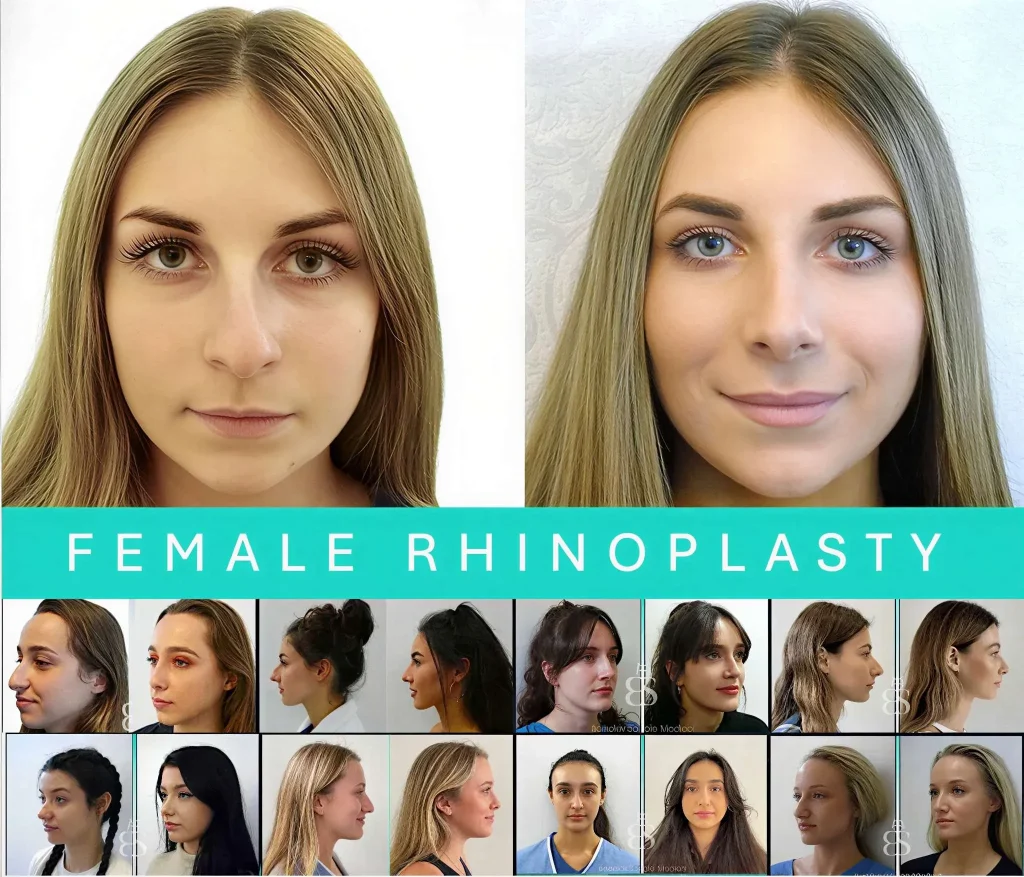
Choose your background below to see the specific techniques, considerations and before-and-after results most relevant to you.
Elegance in Every Angle: Natural Results Tailored to Your Heritage.
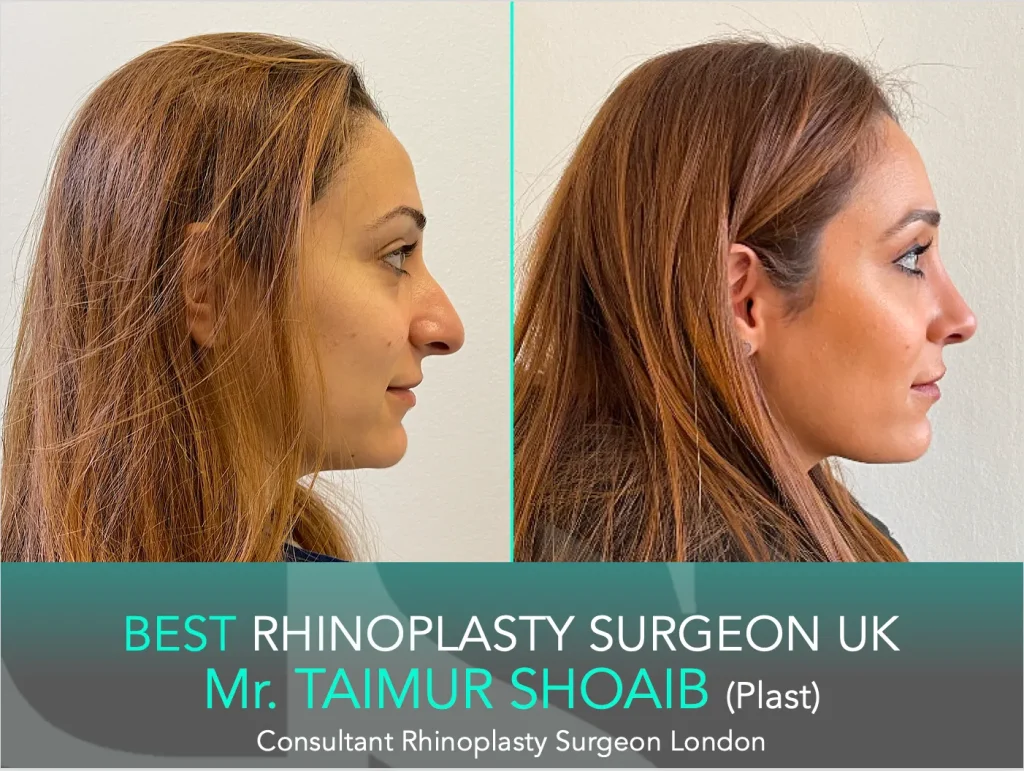
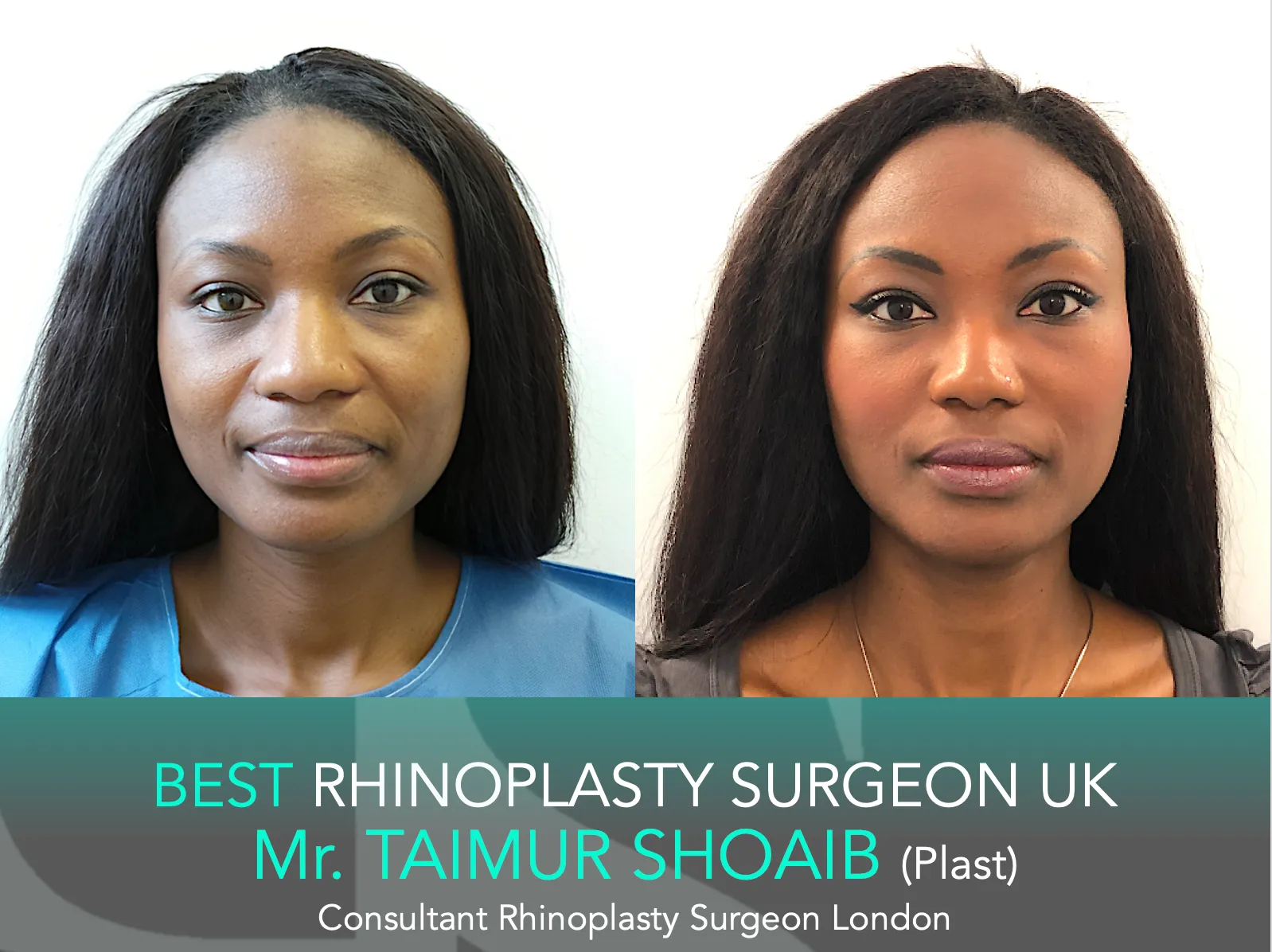
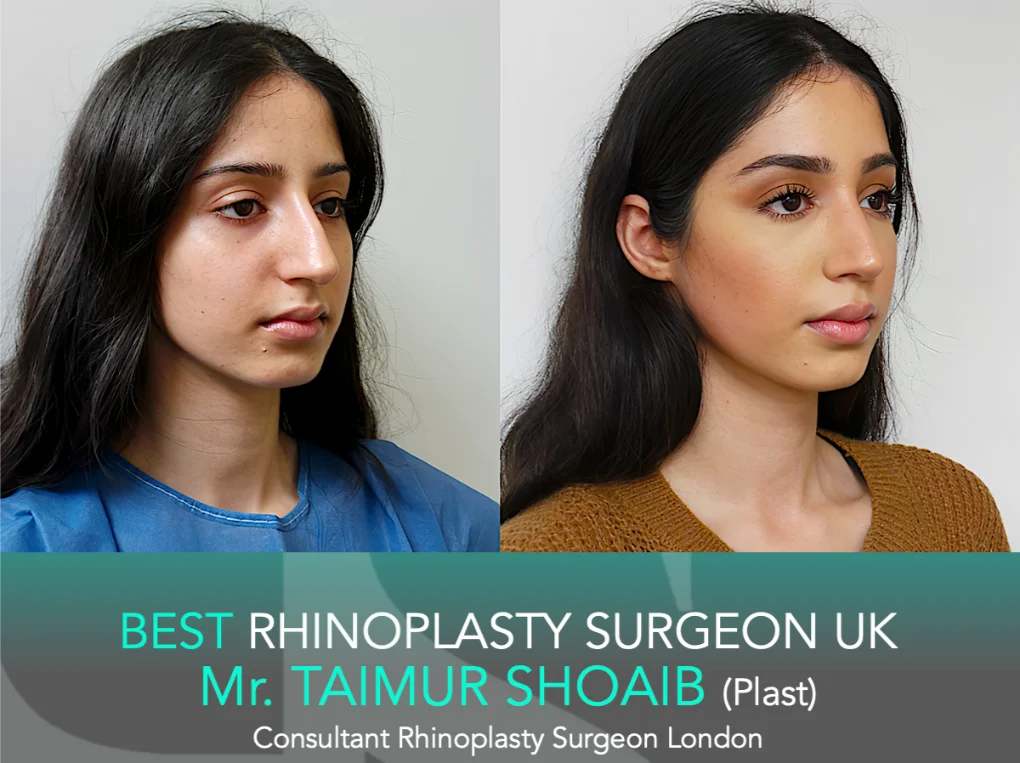
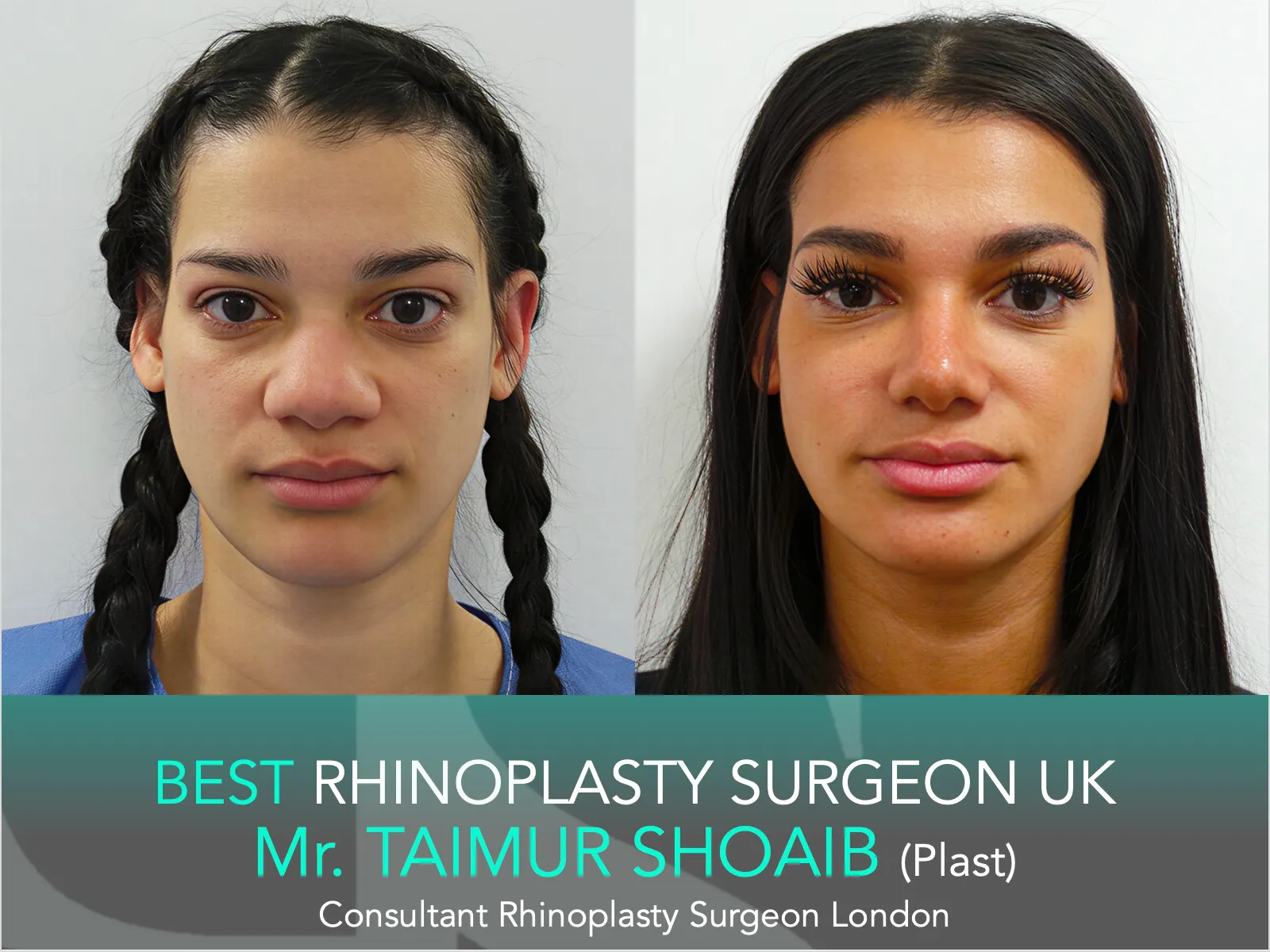
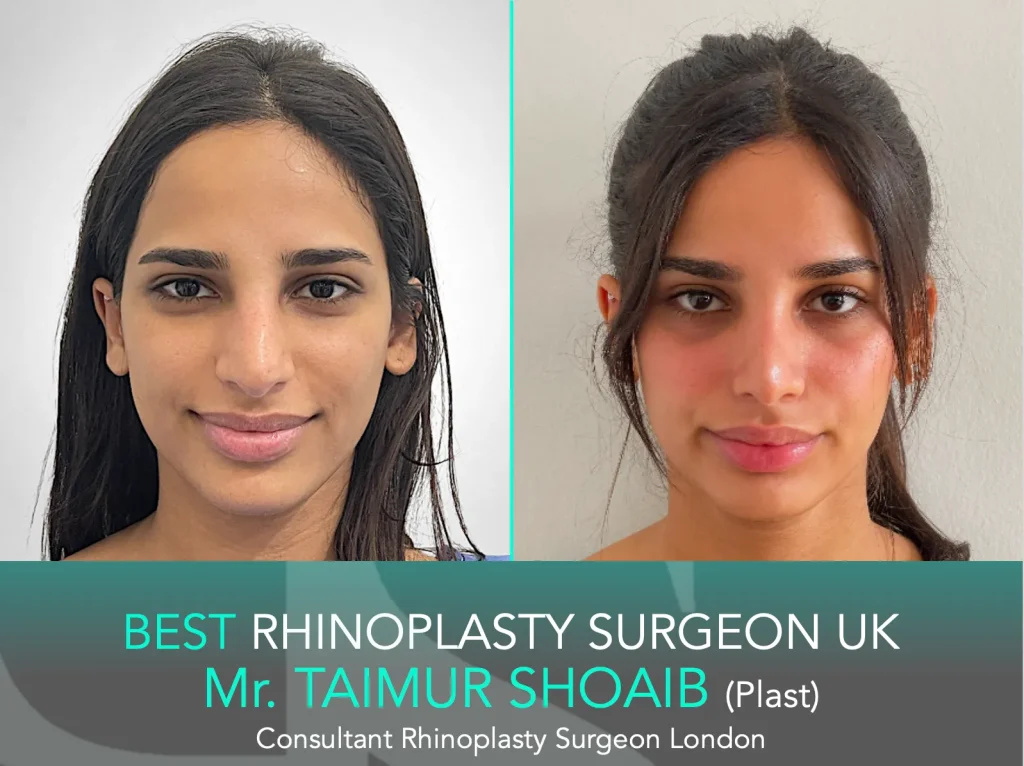
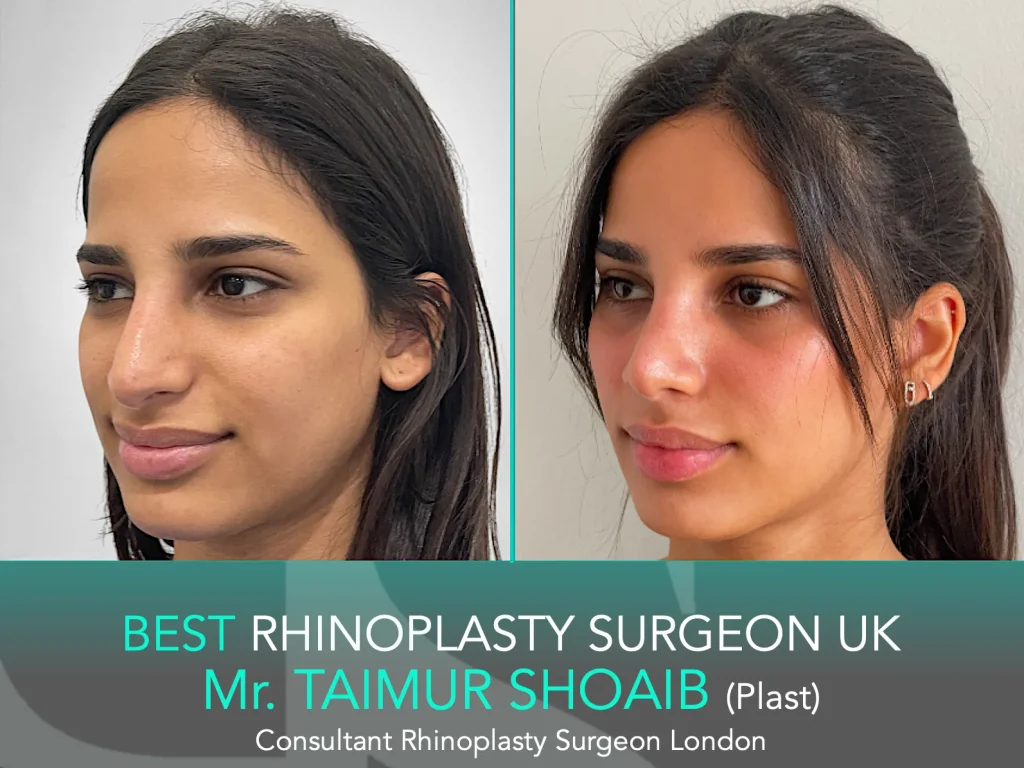
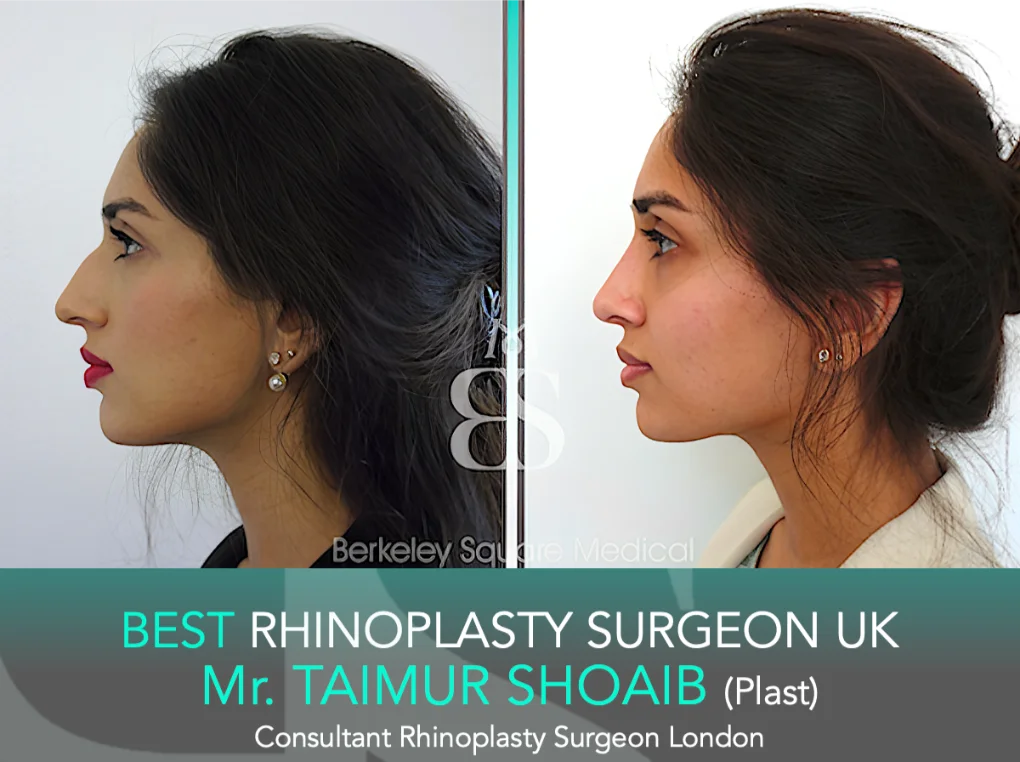
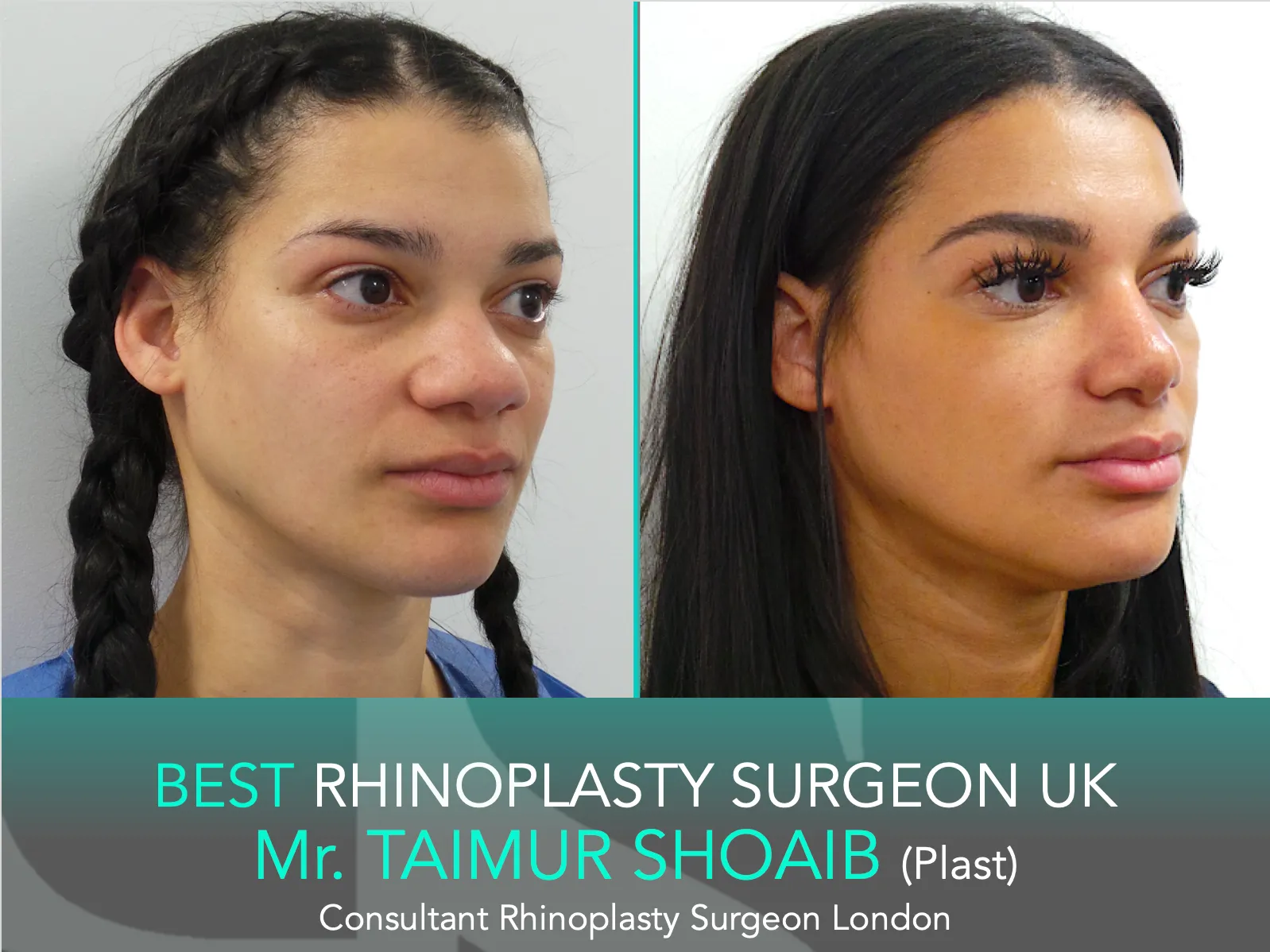
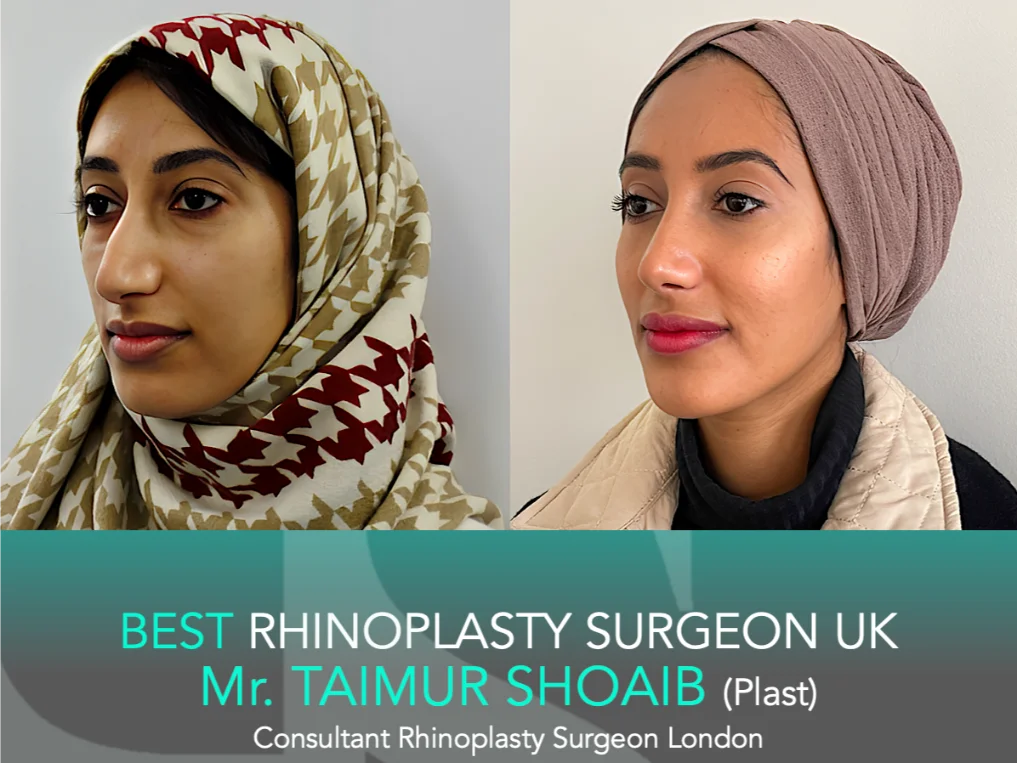
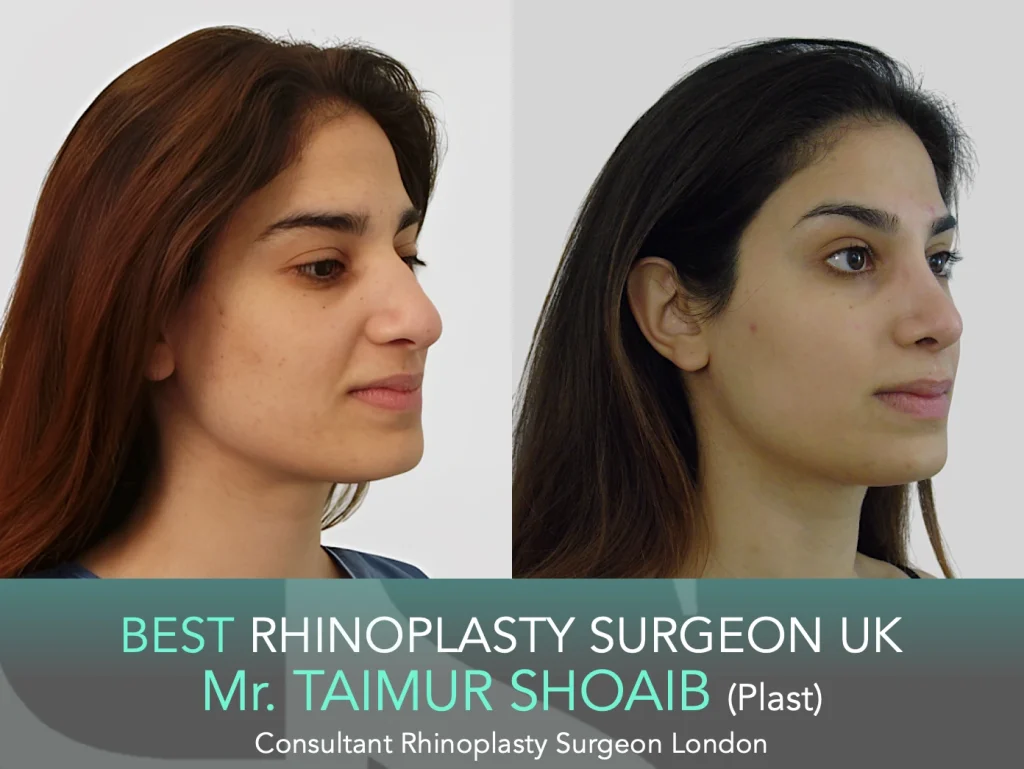
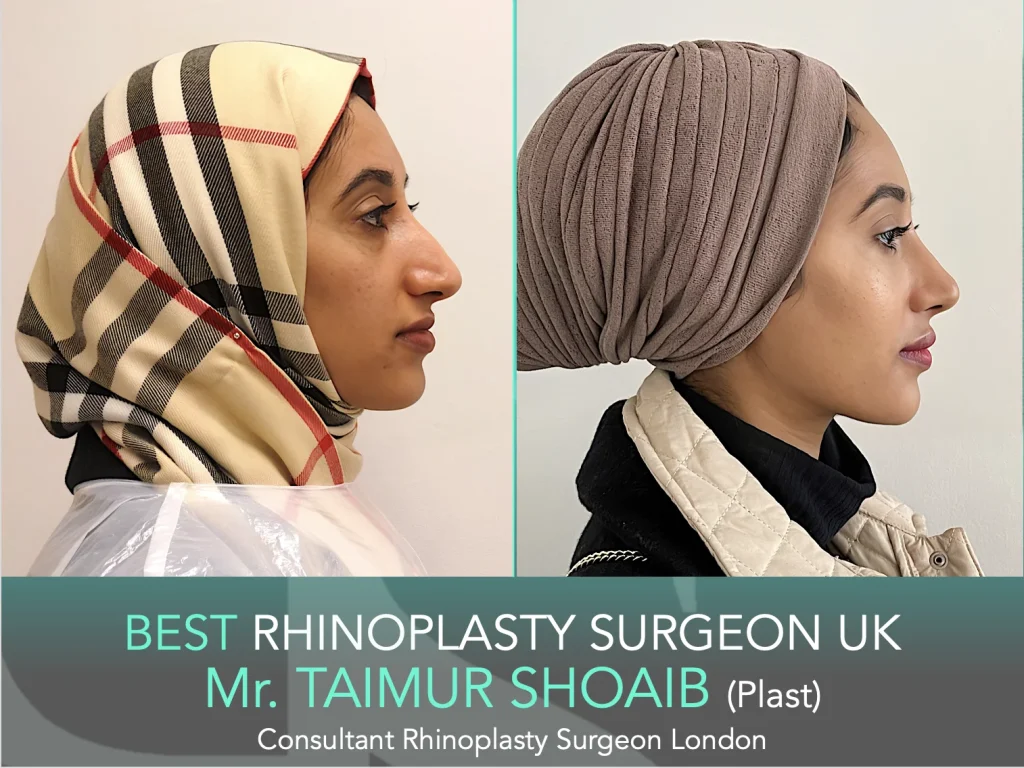
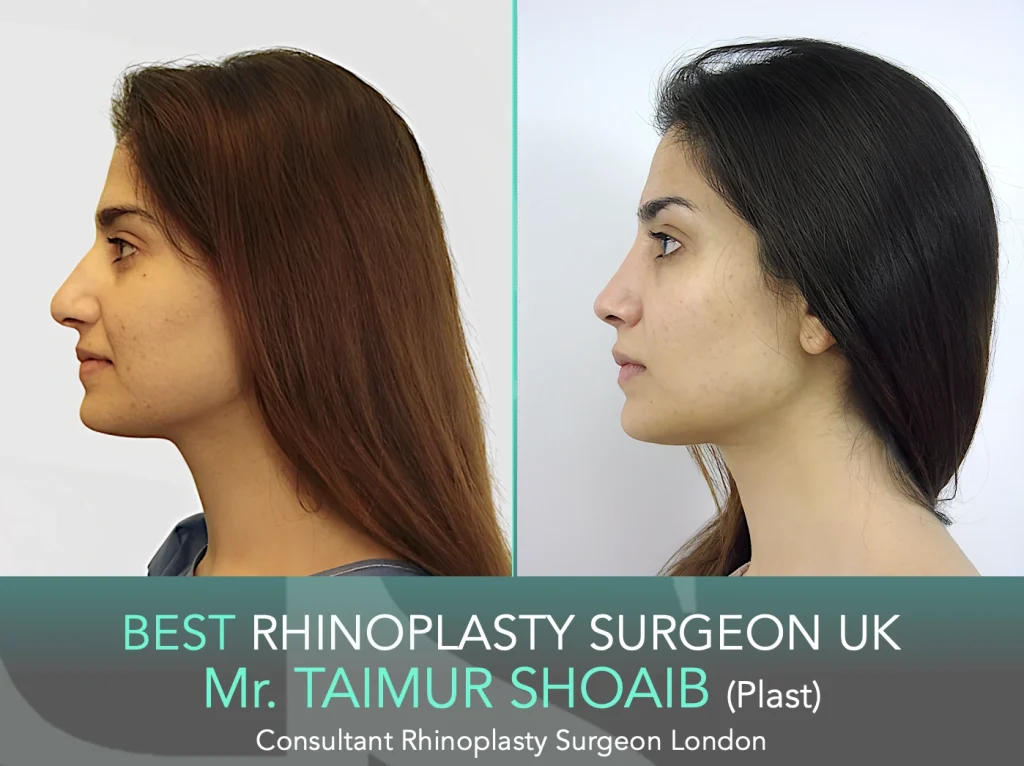
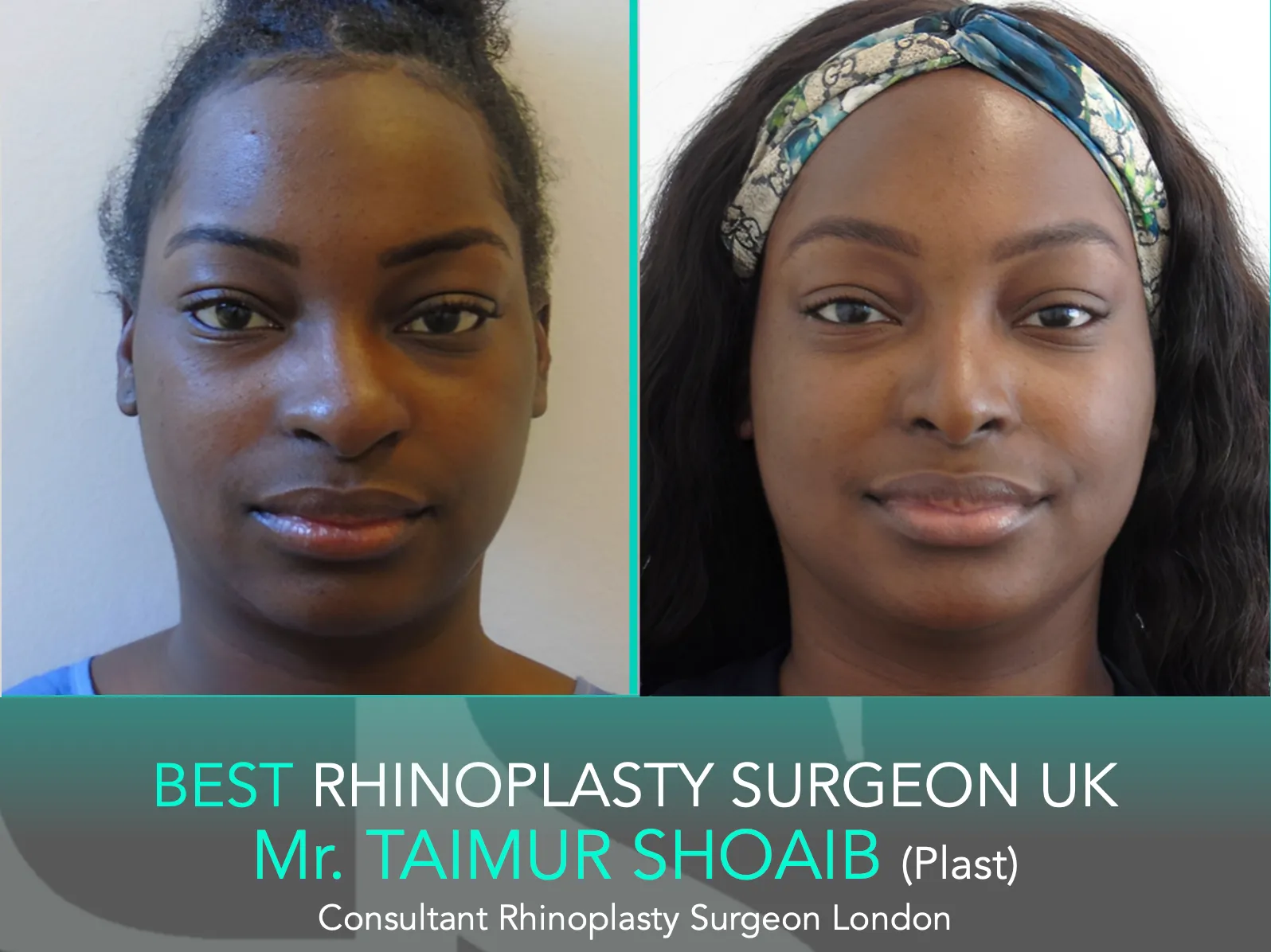
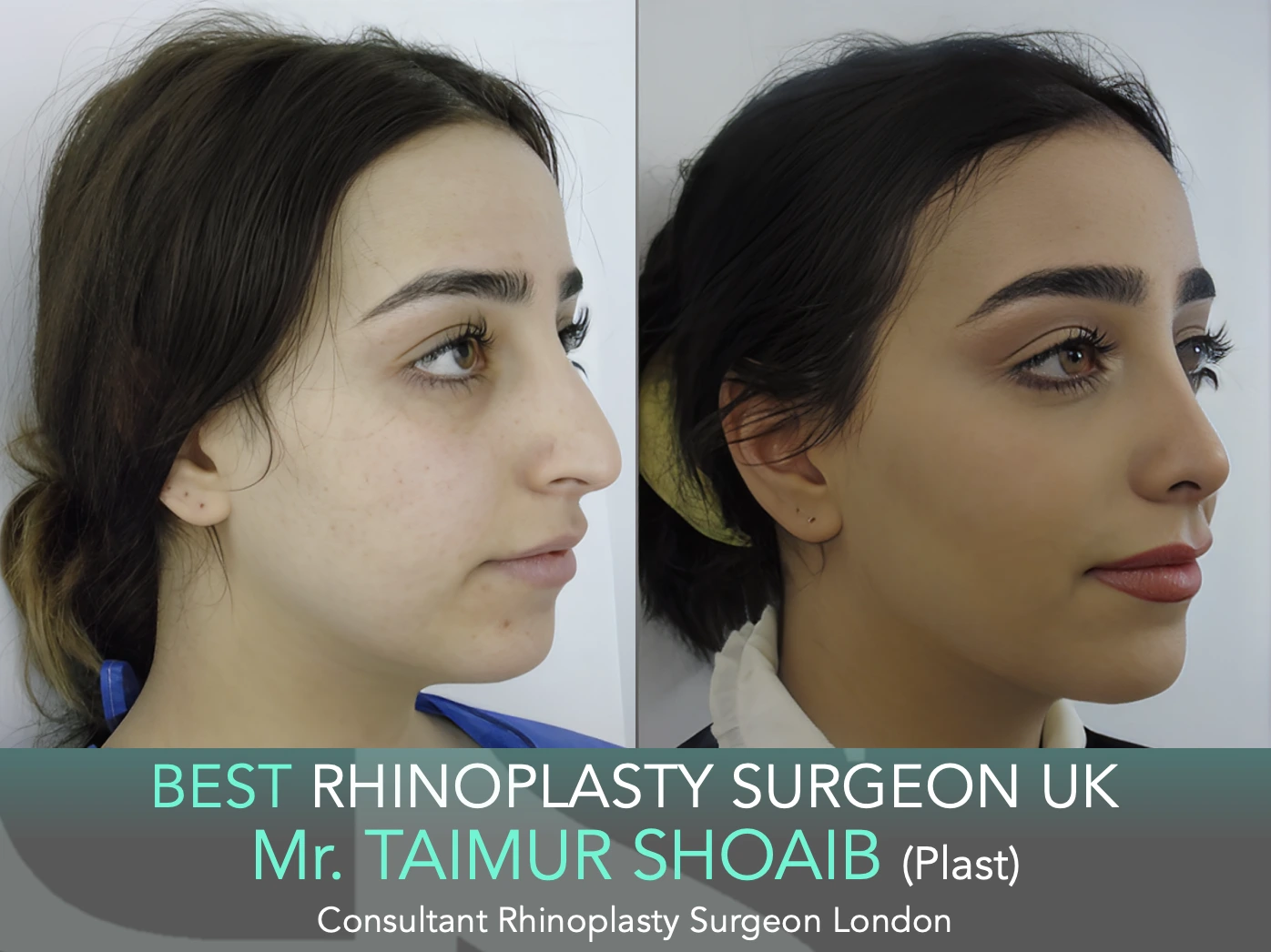
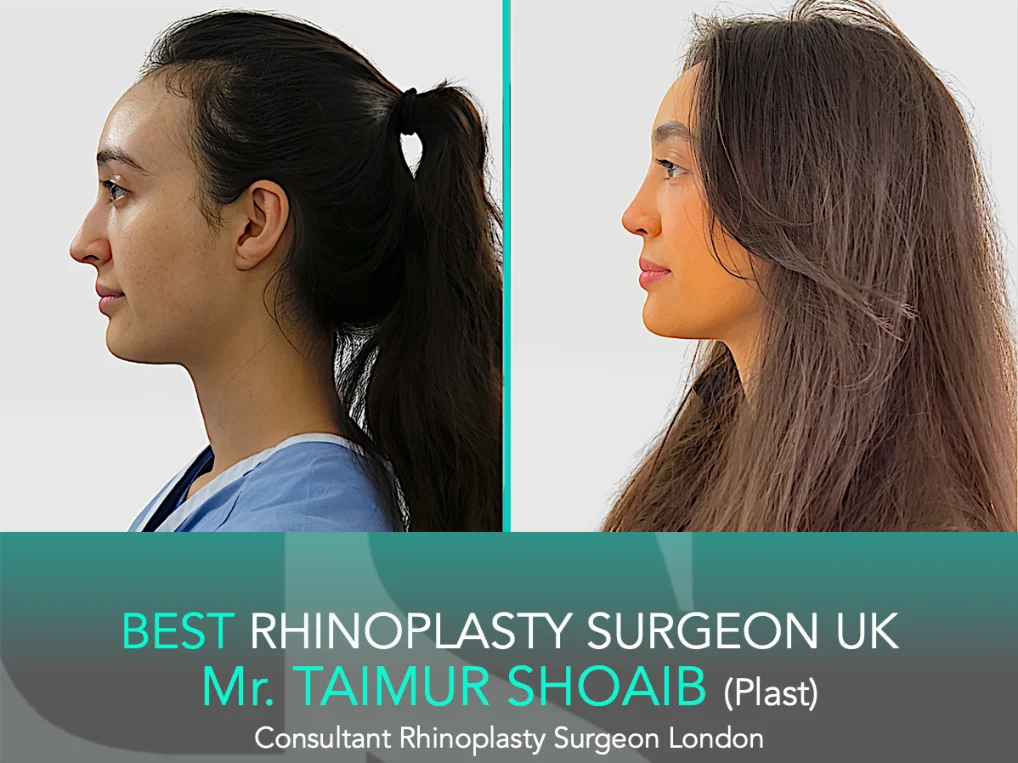
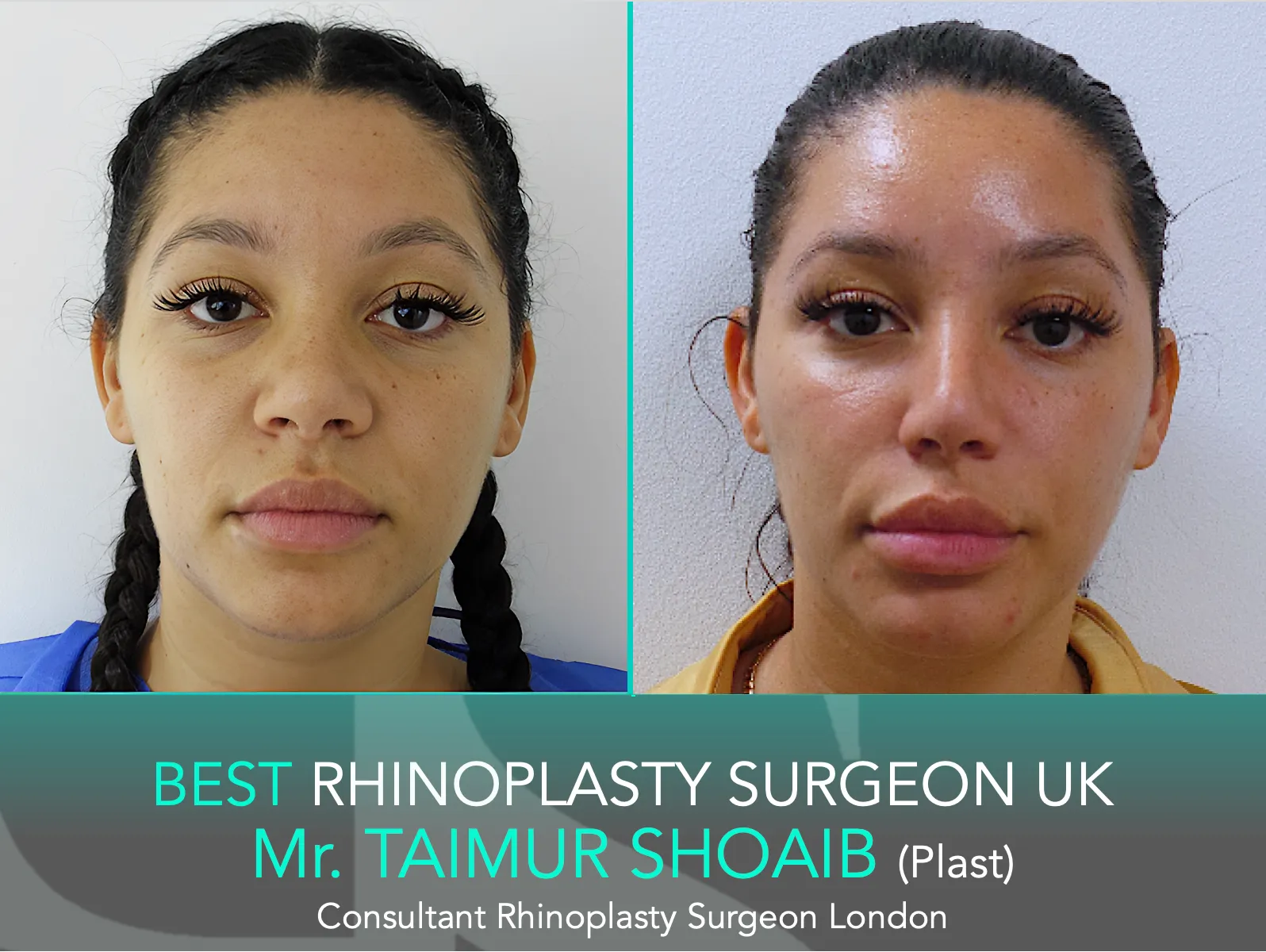
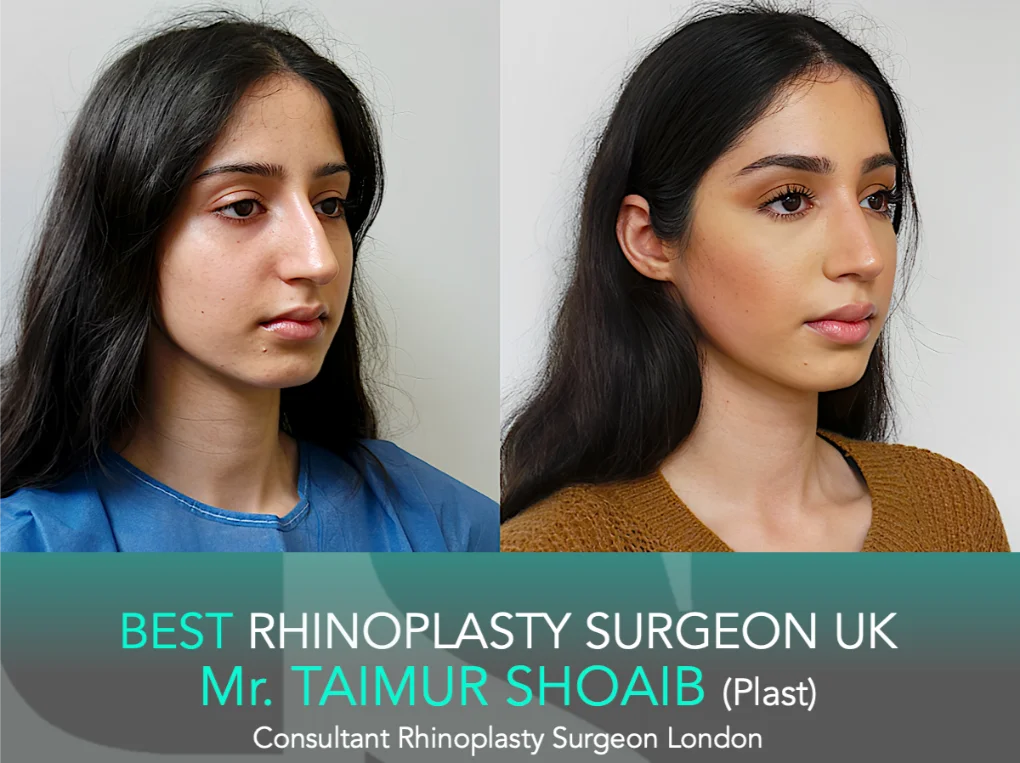
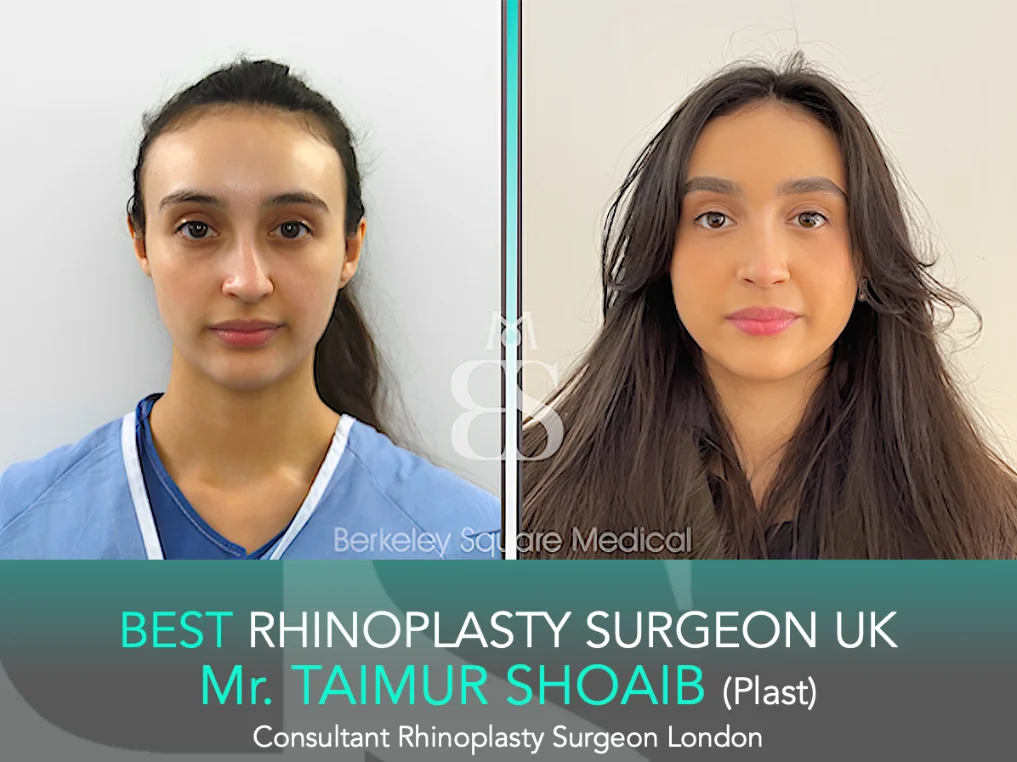
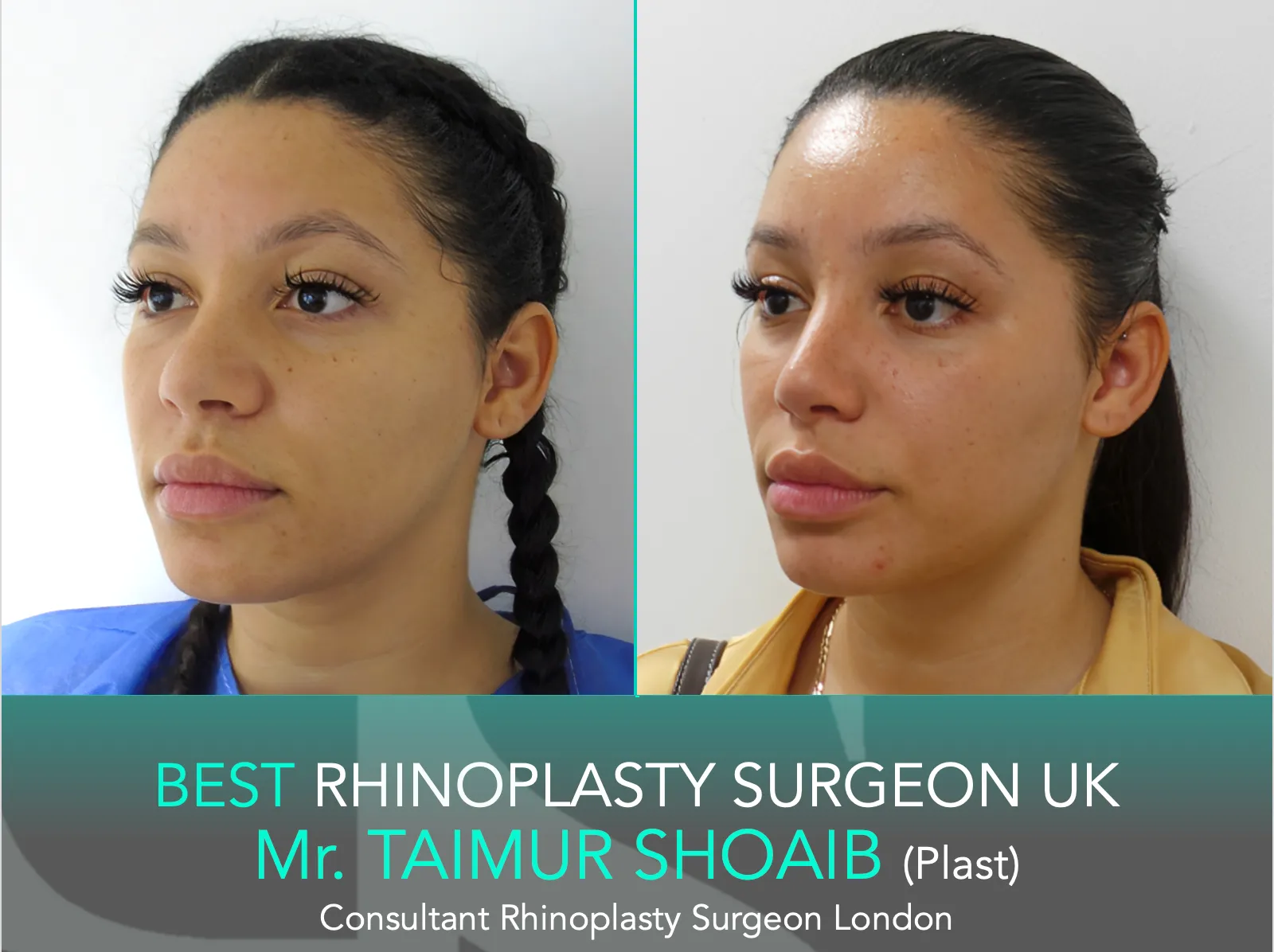
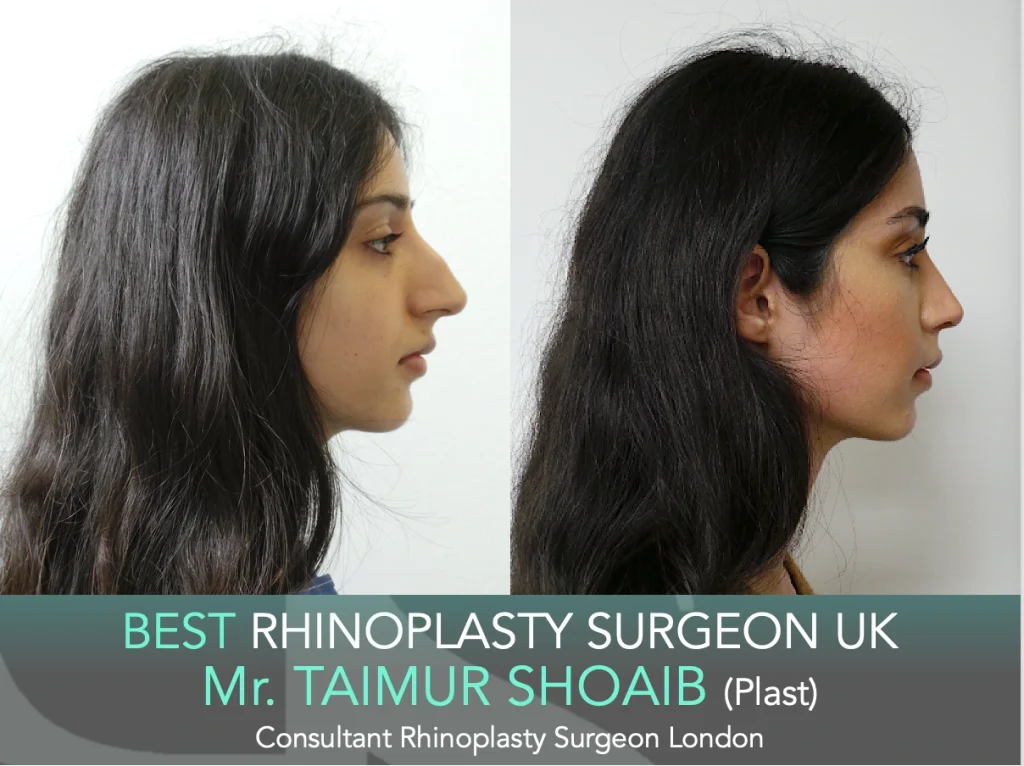
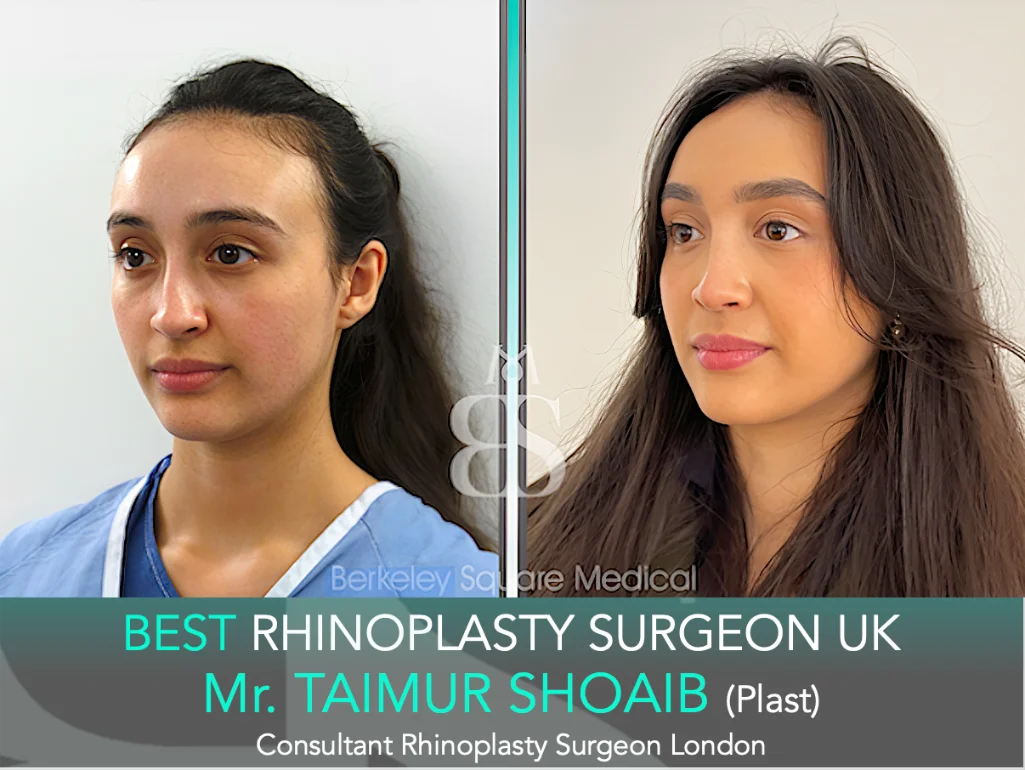
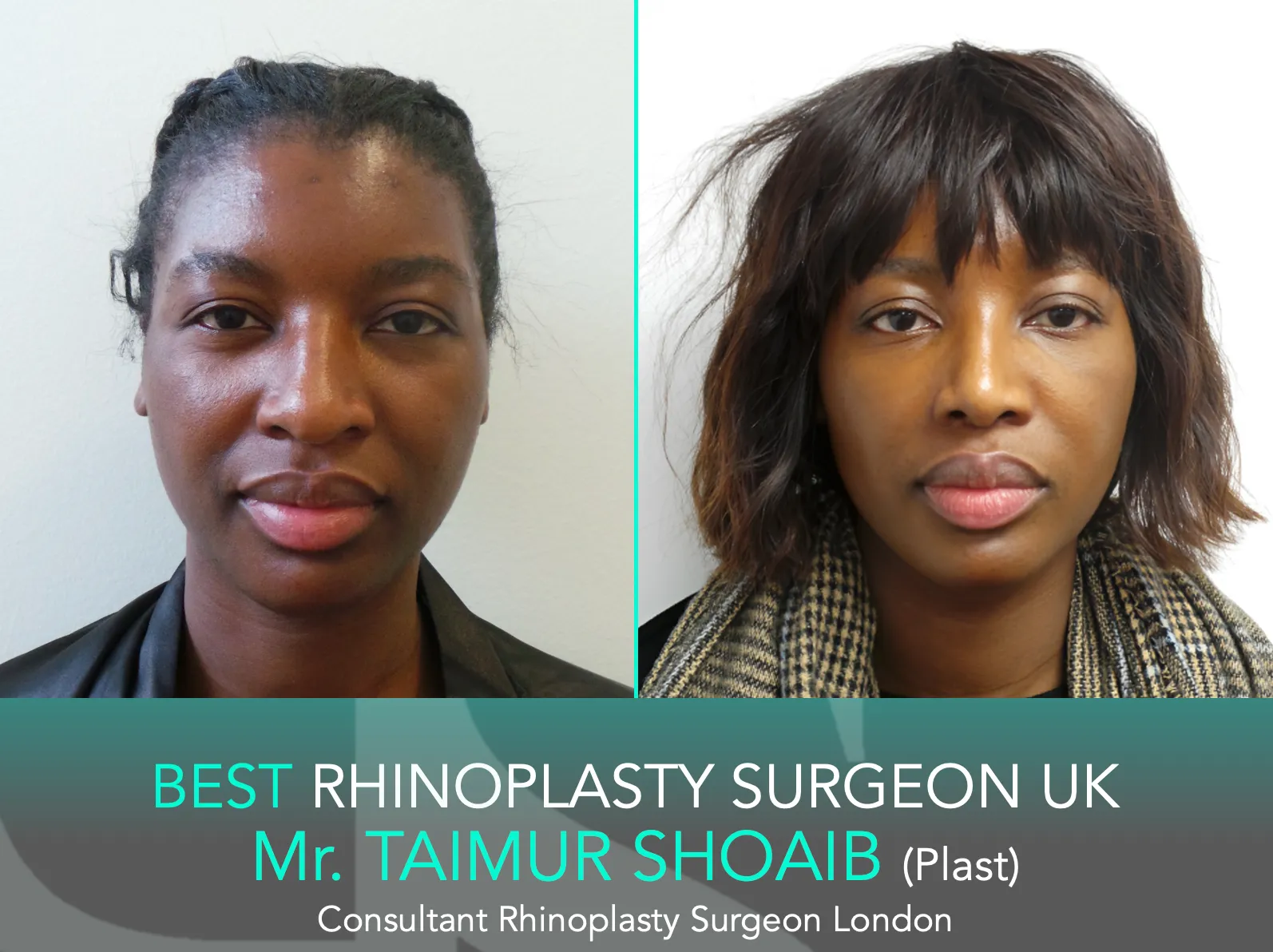
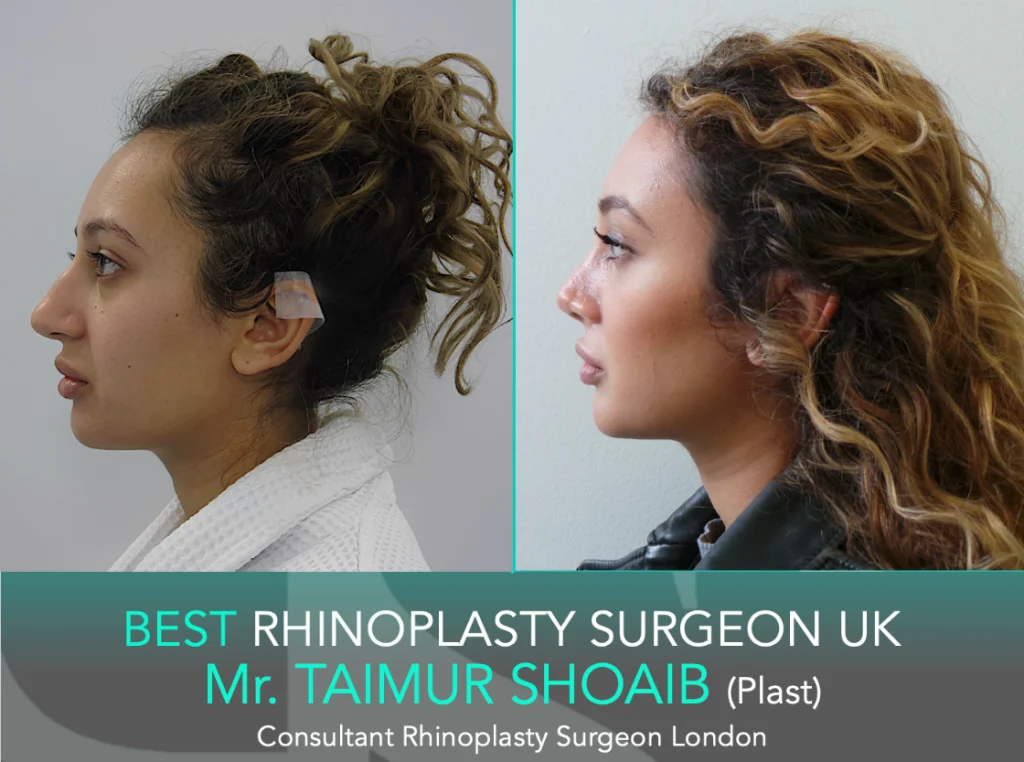
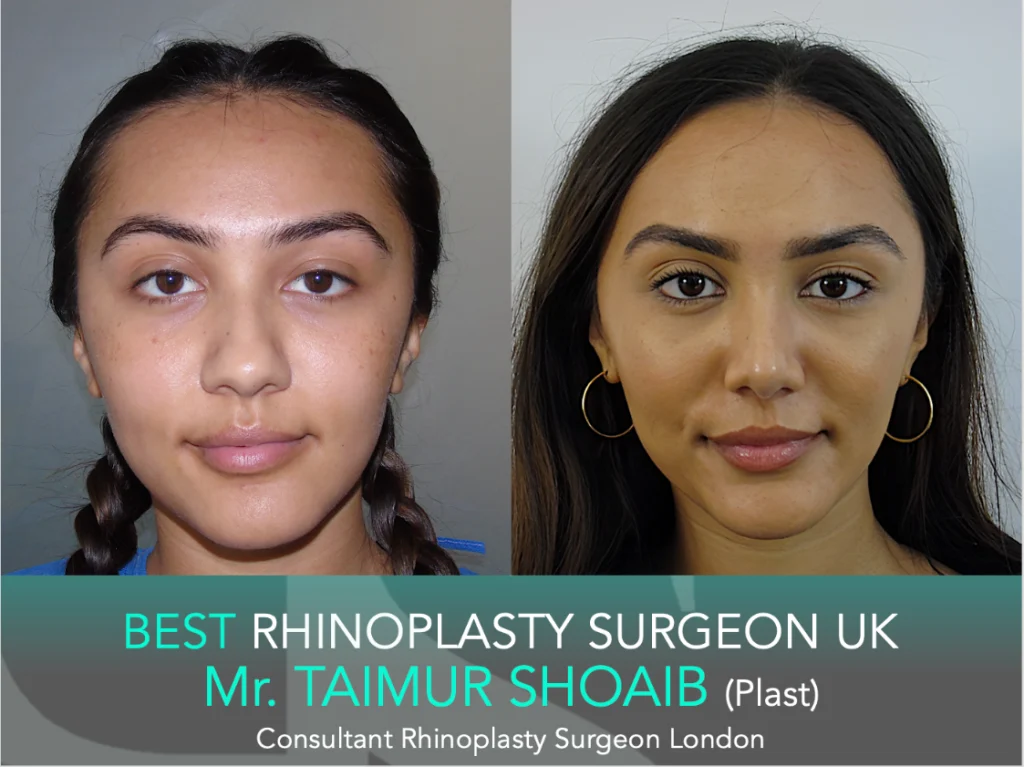
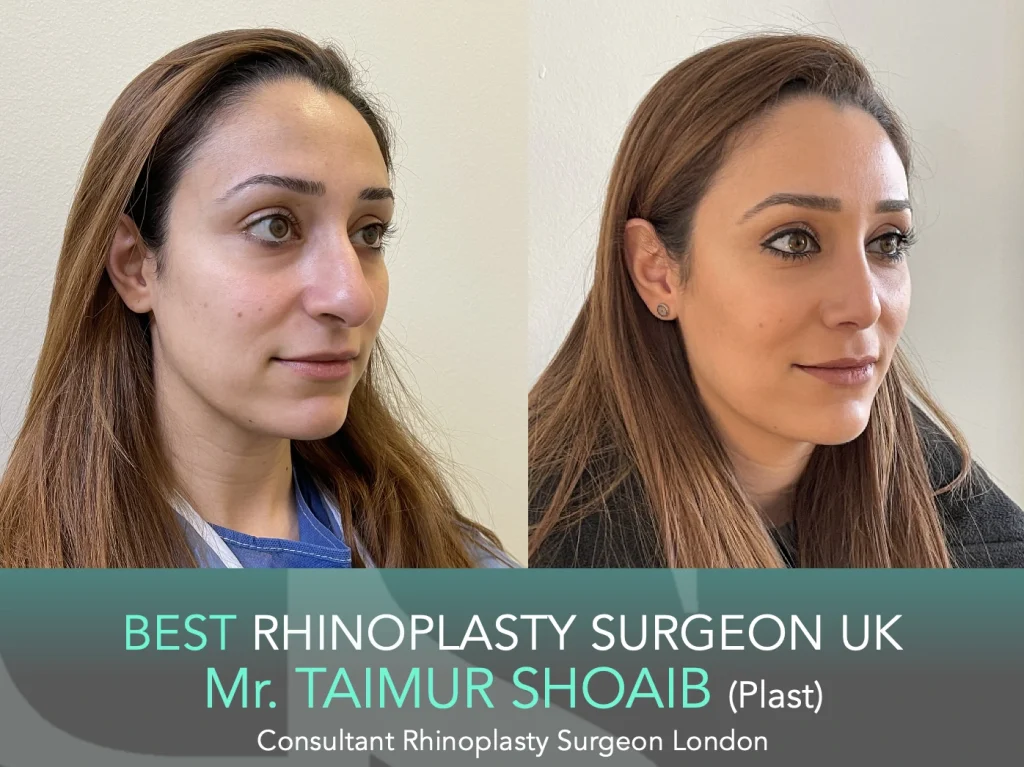
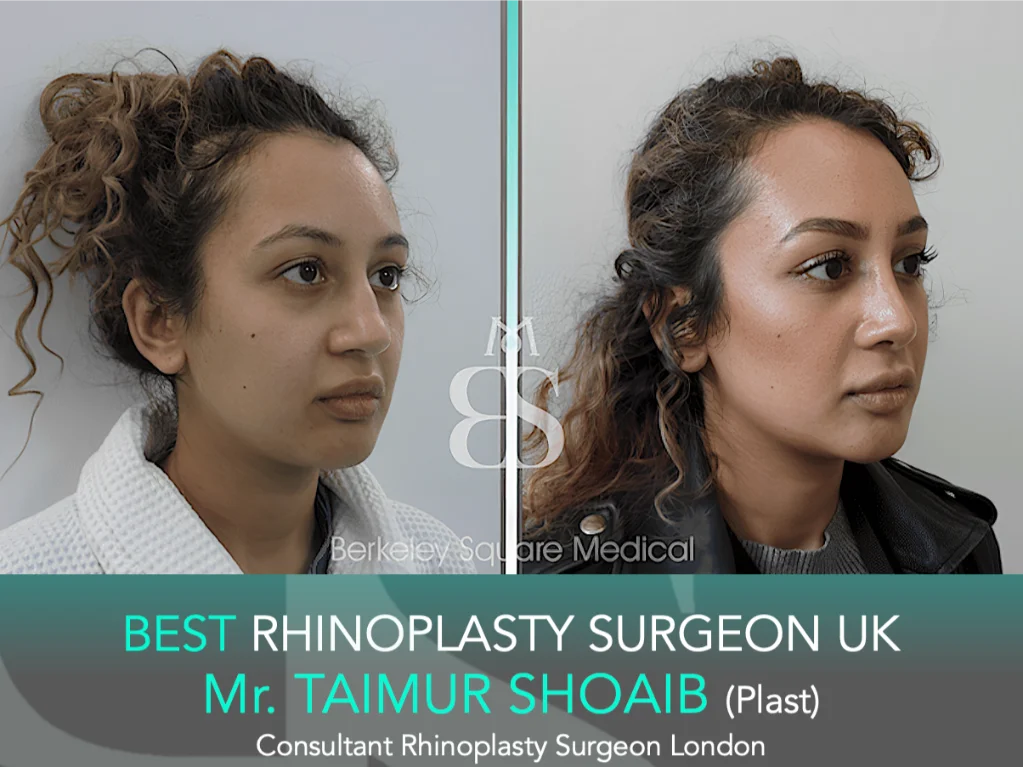
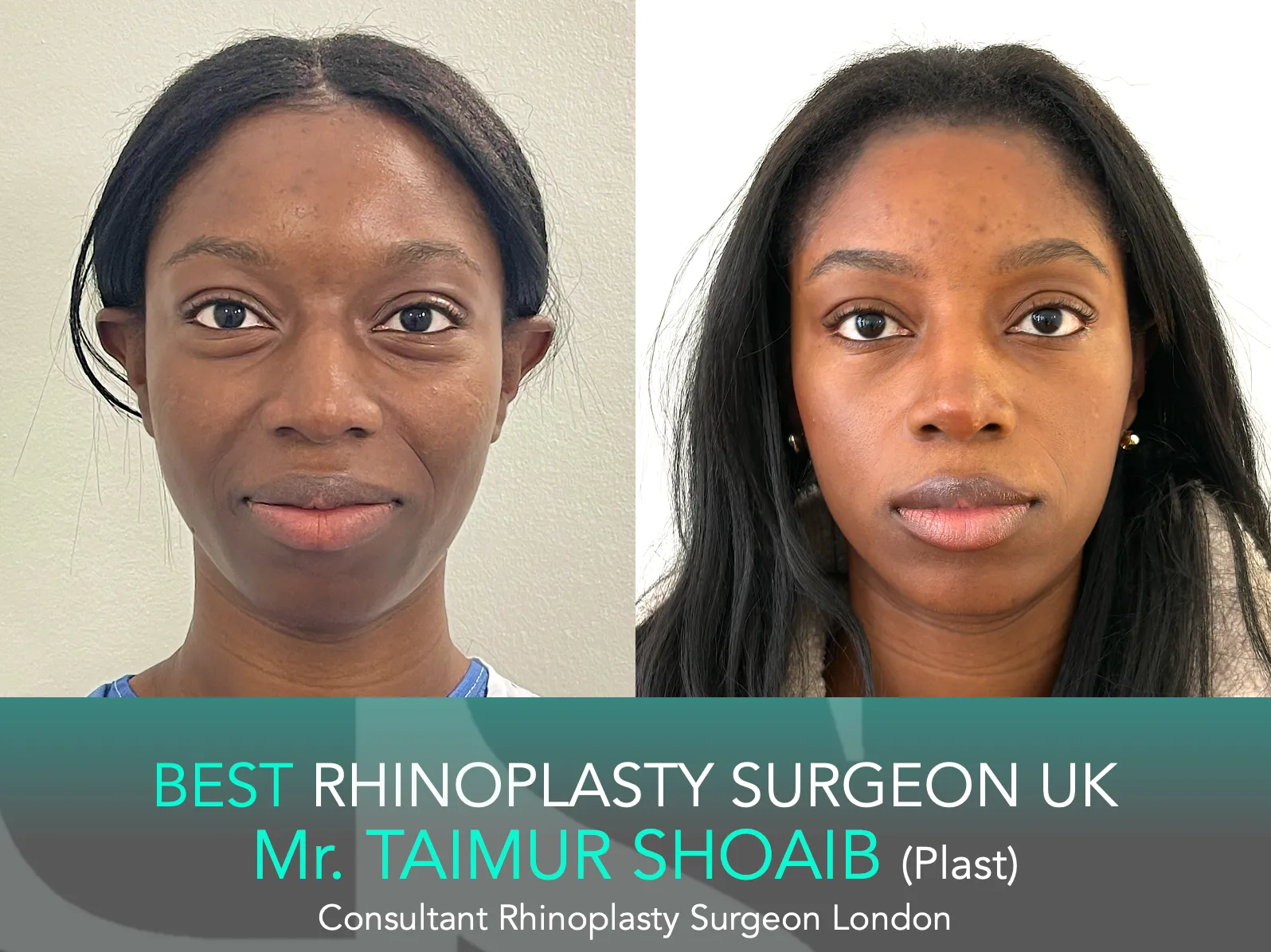
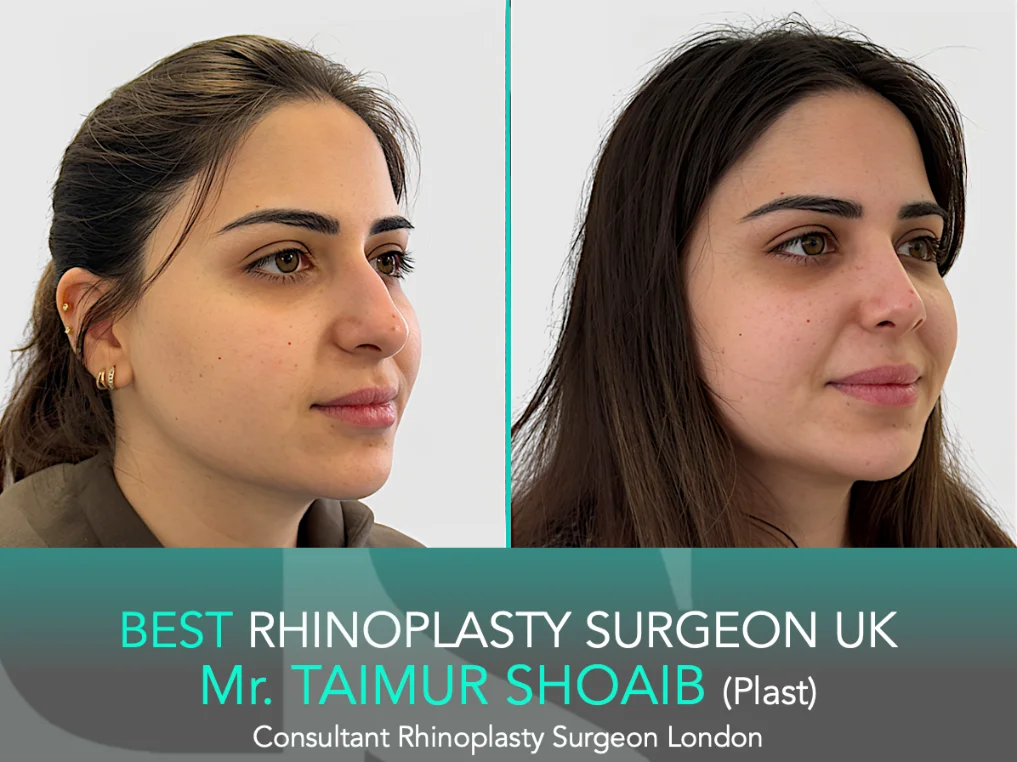
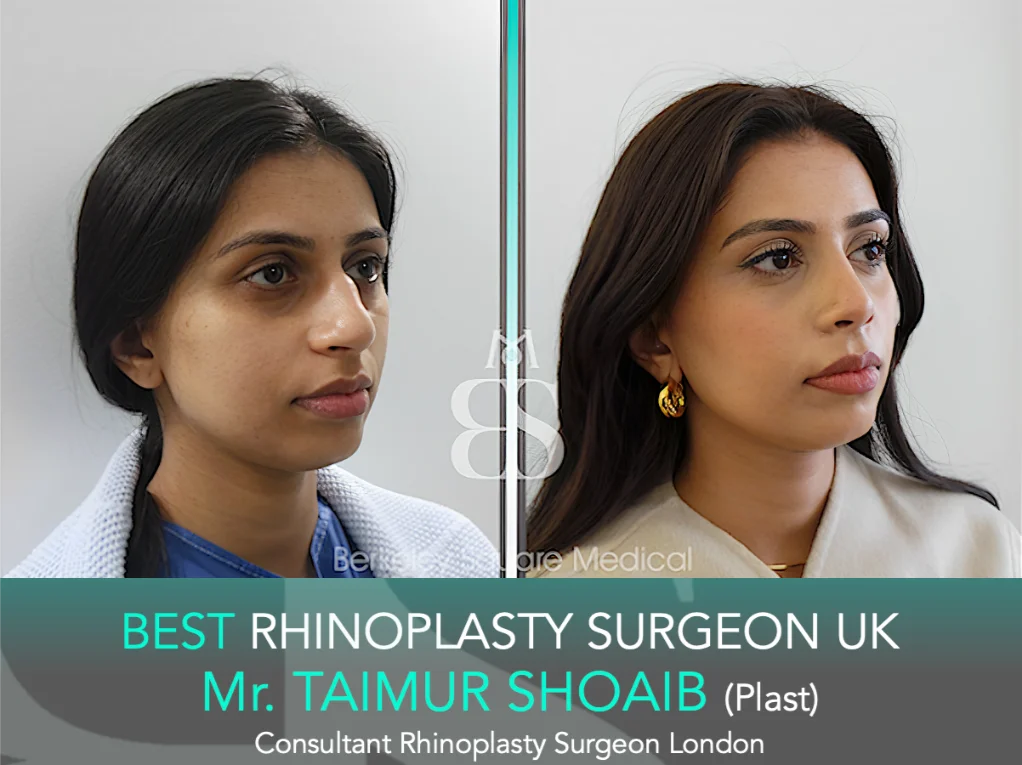
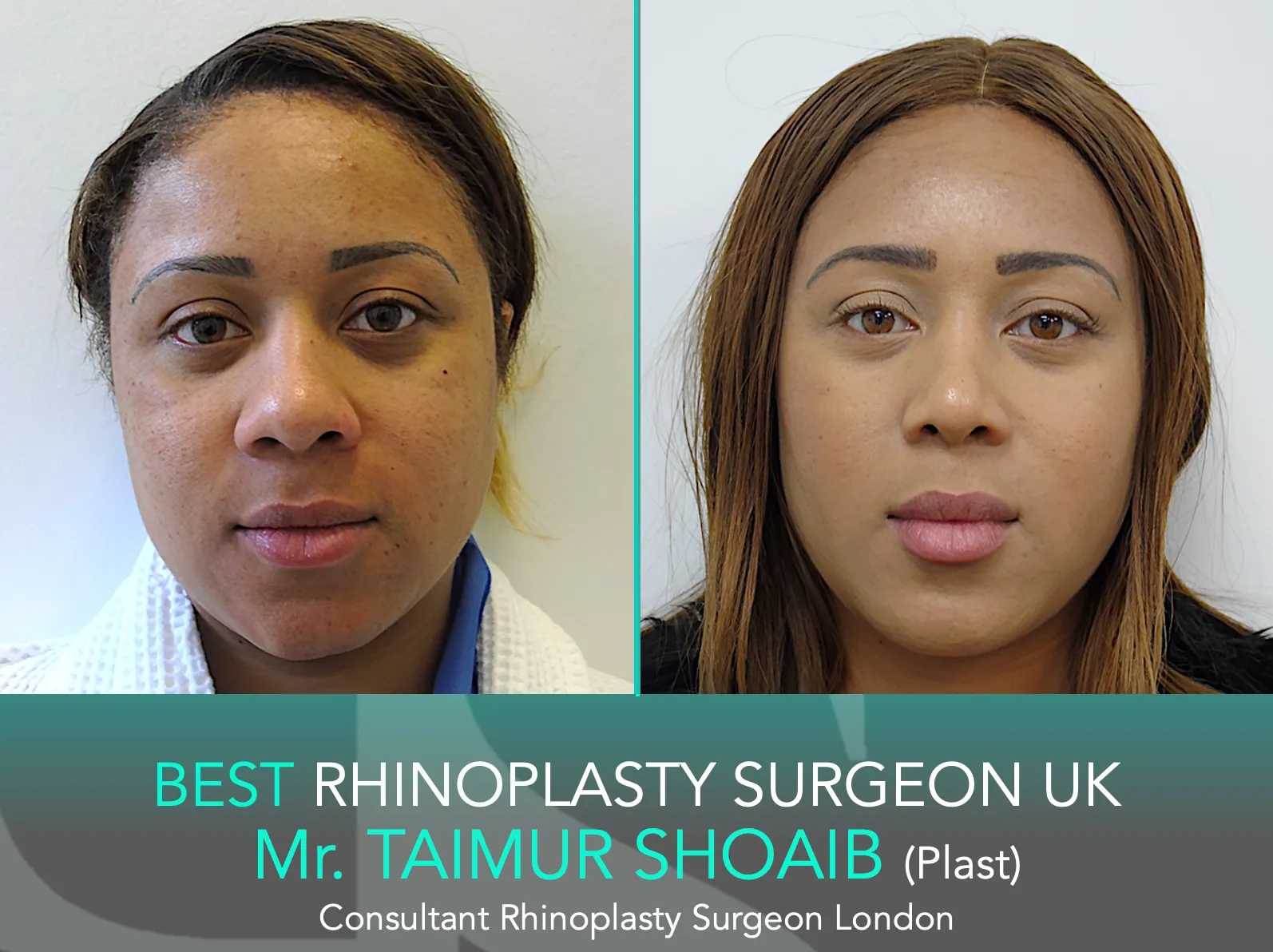
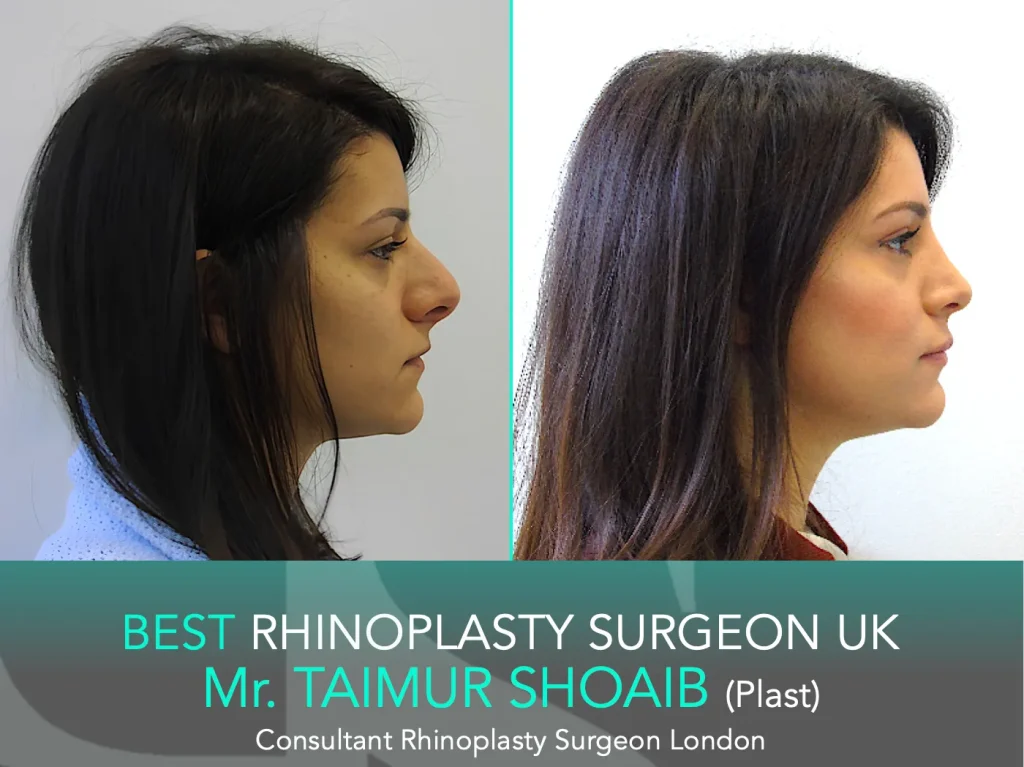
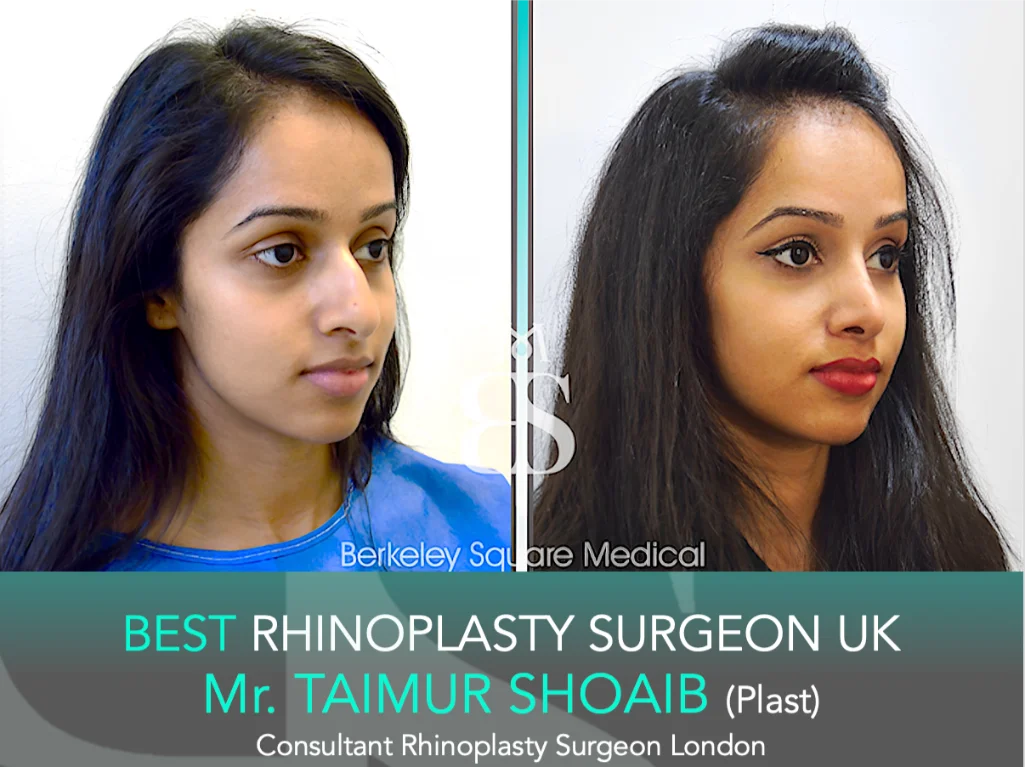
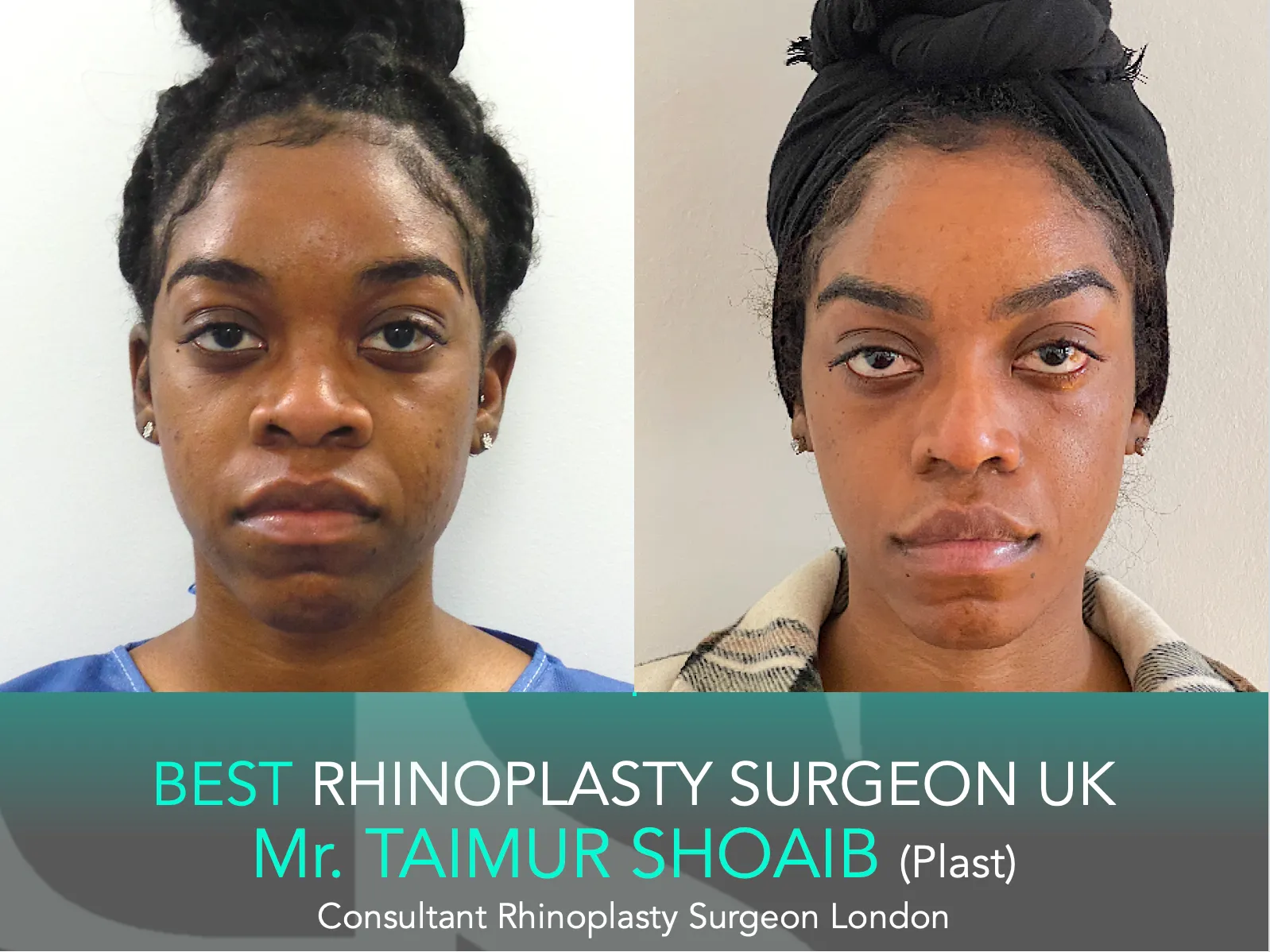
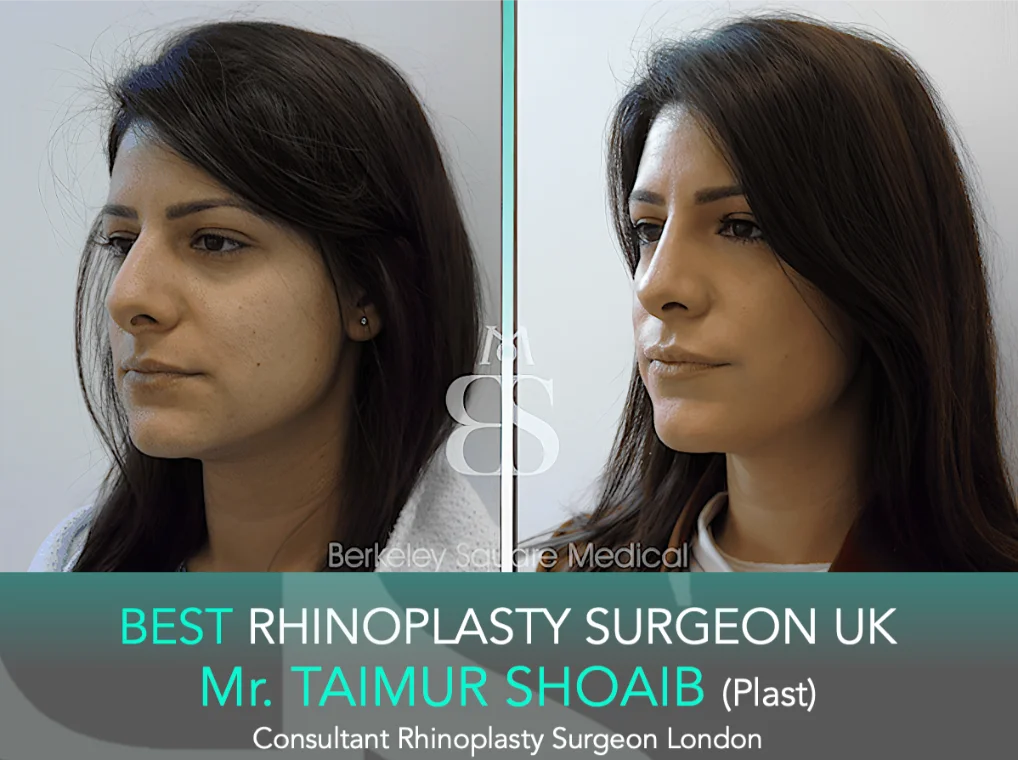
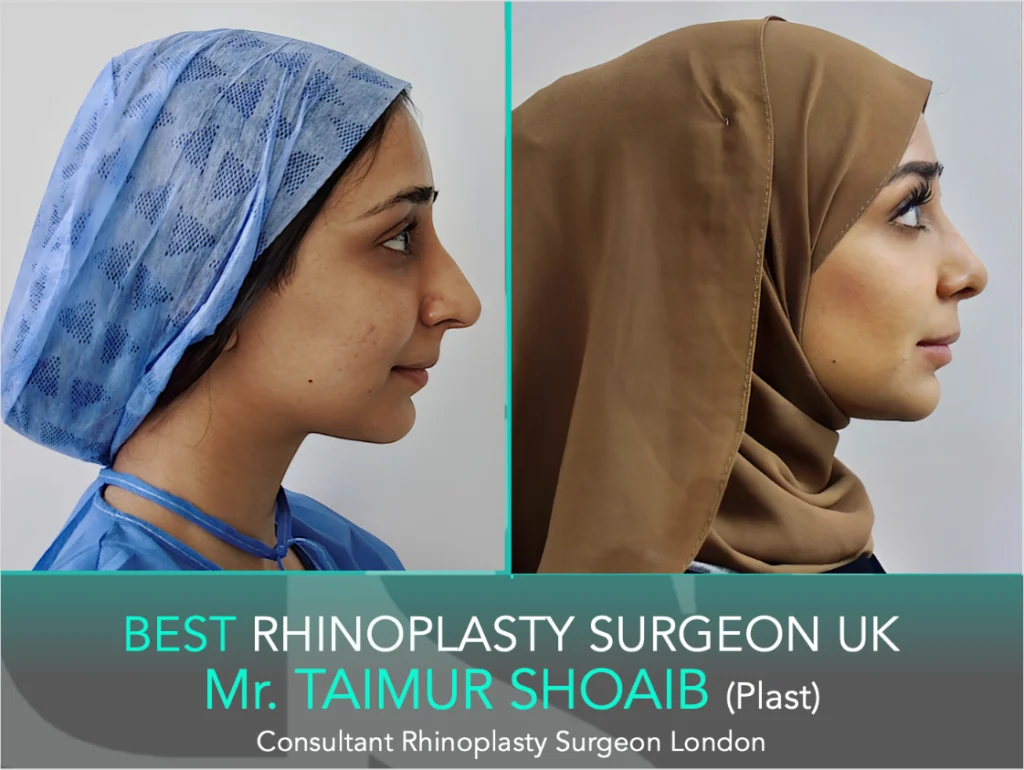
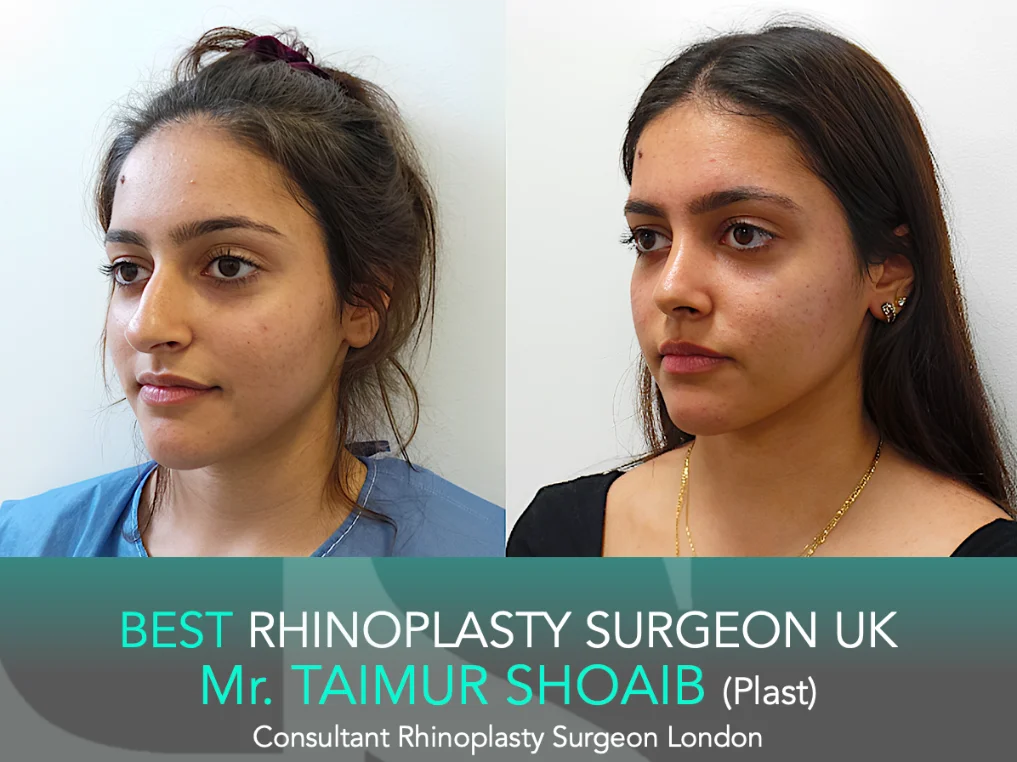
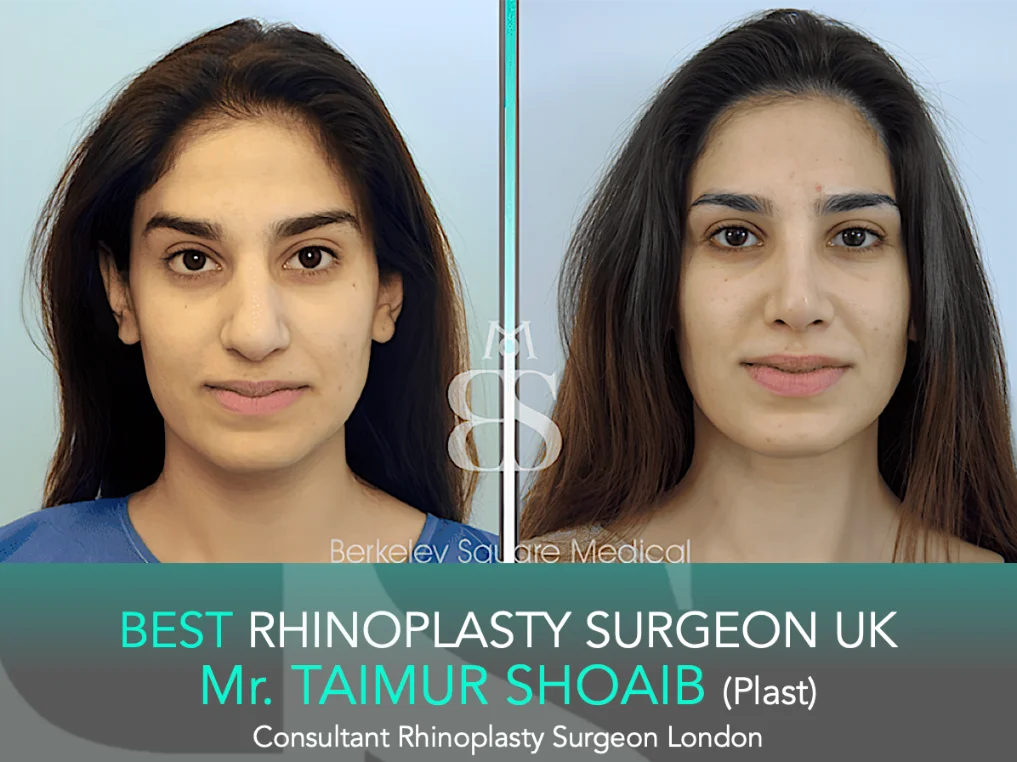
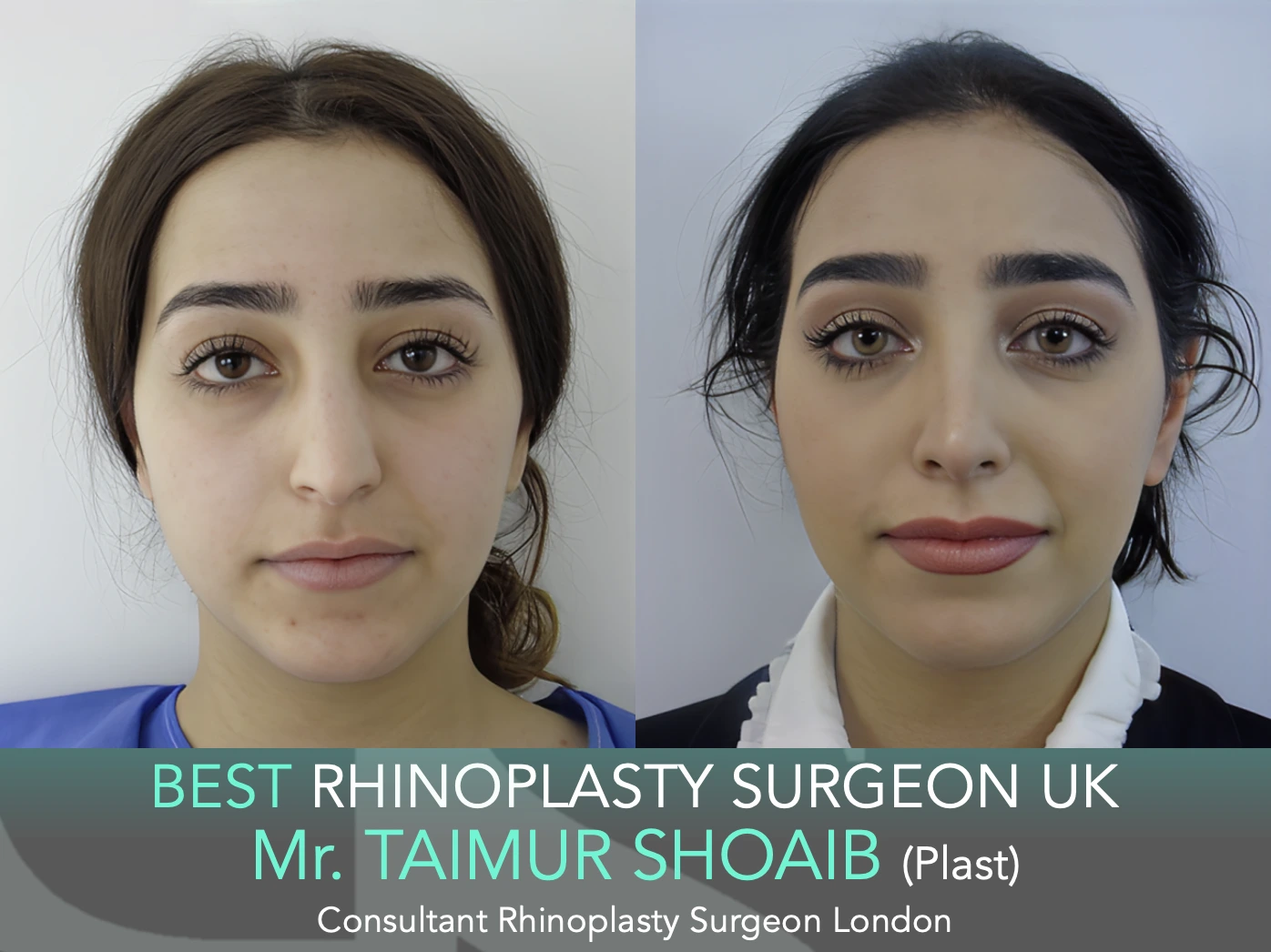
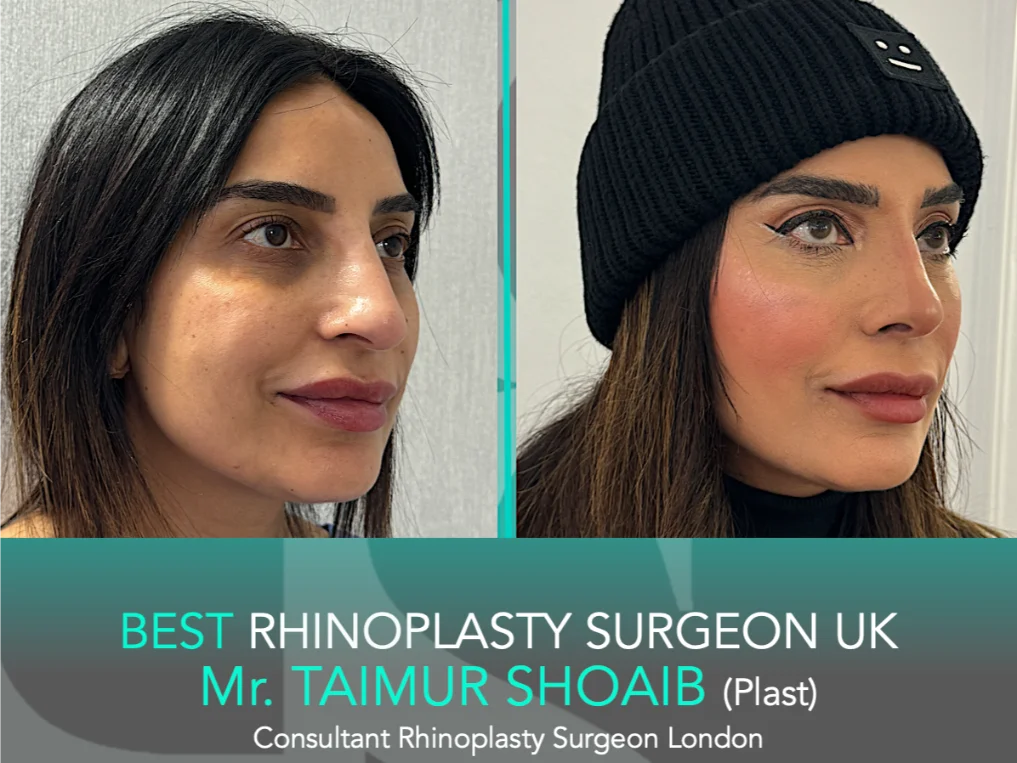
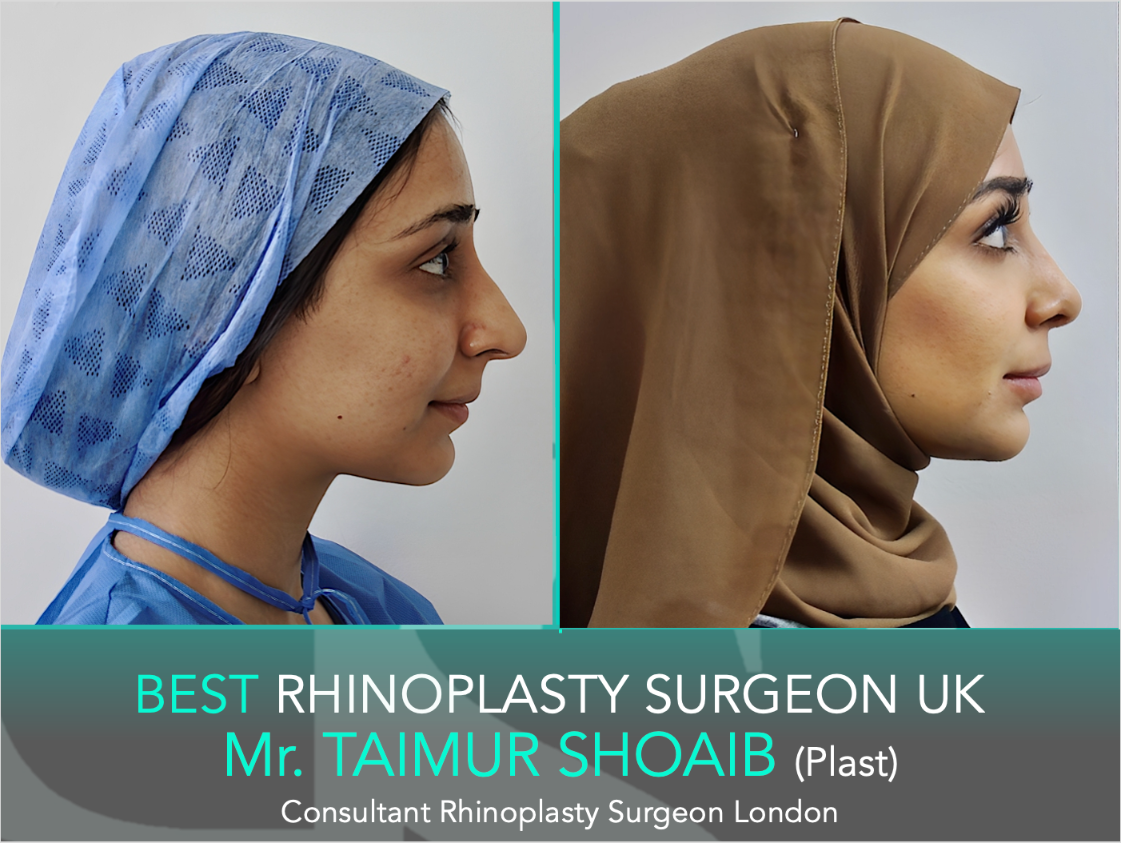
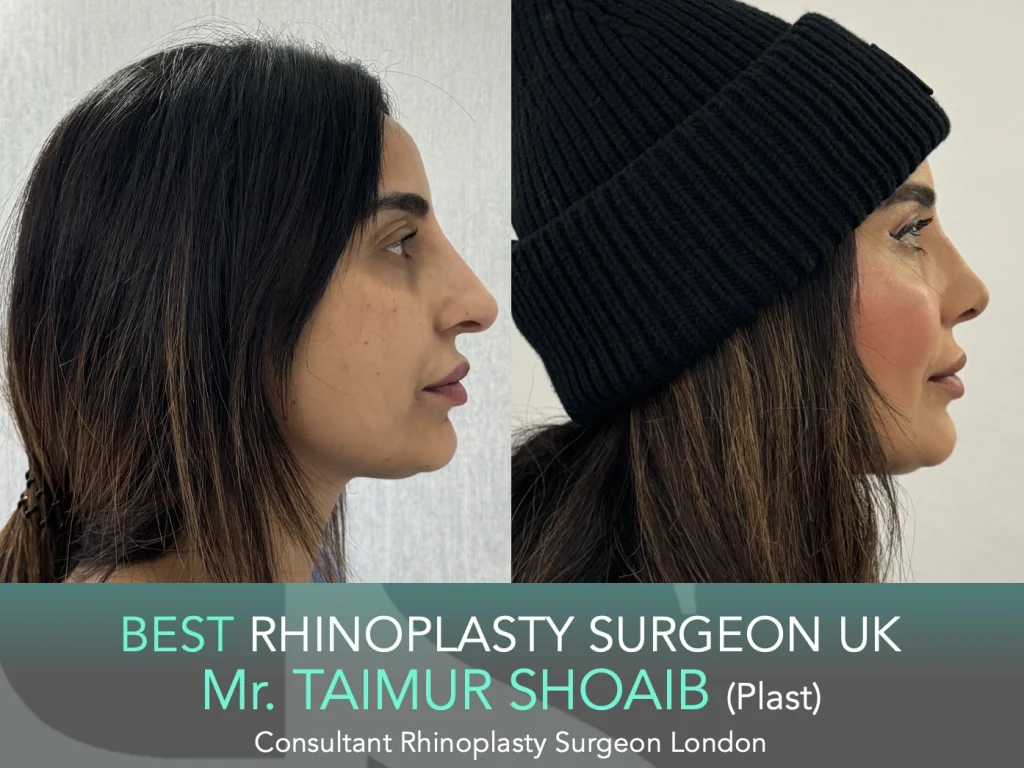
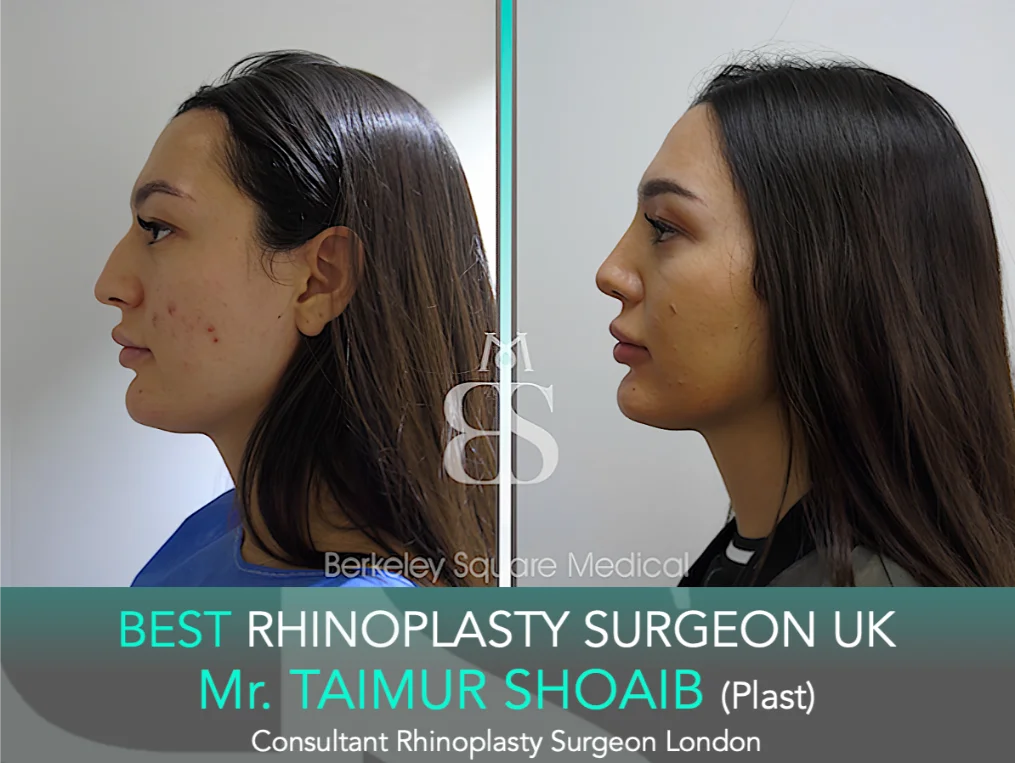
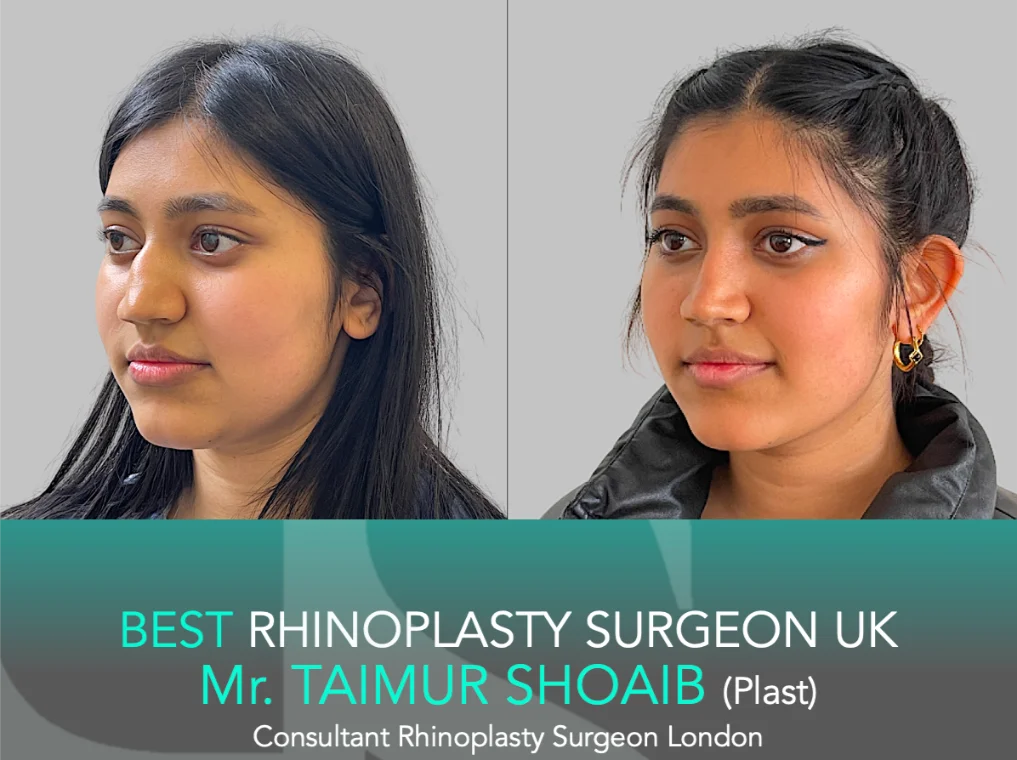
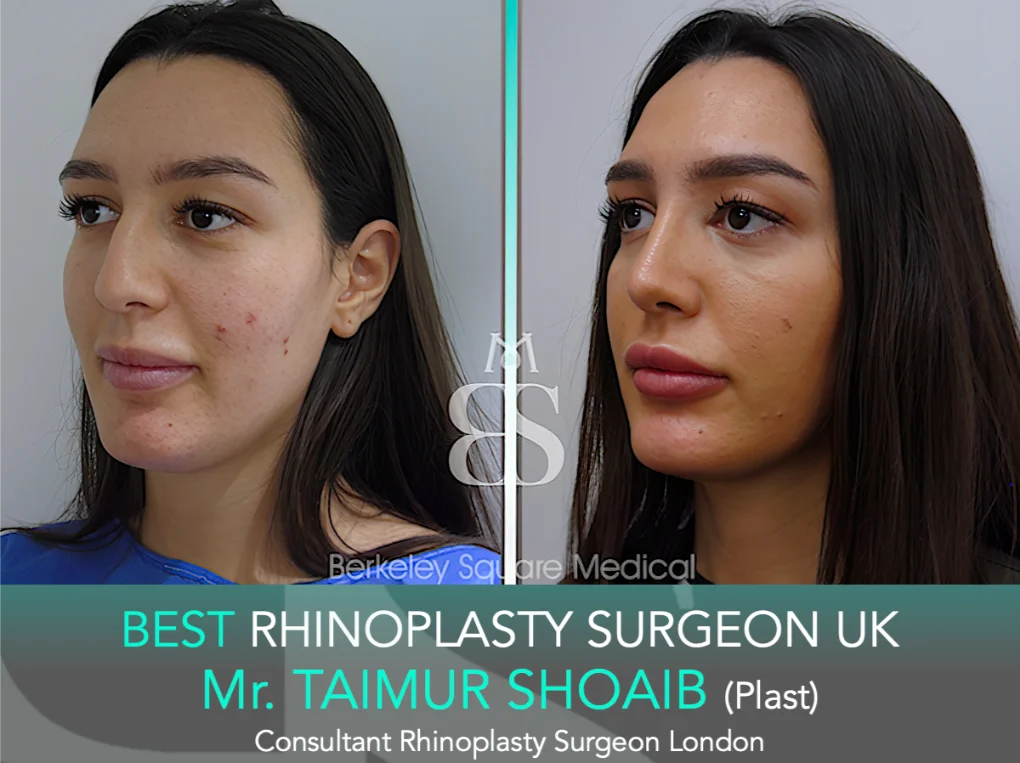
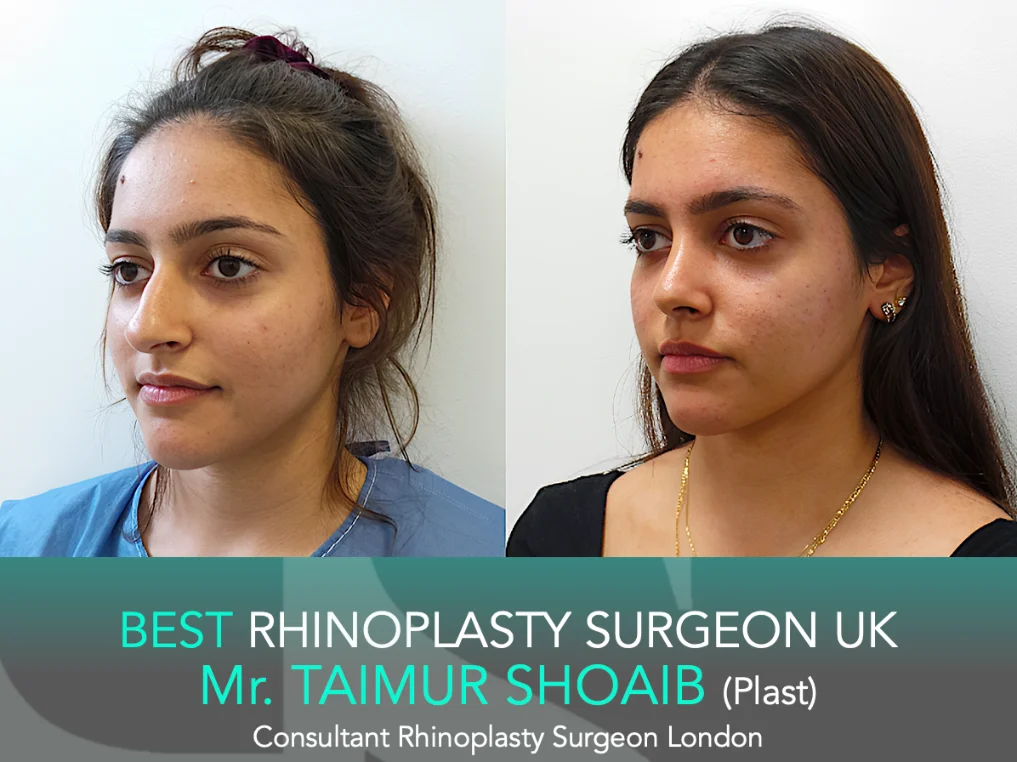
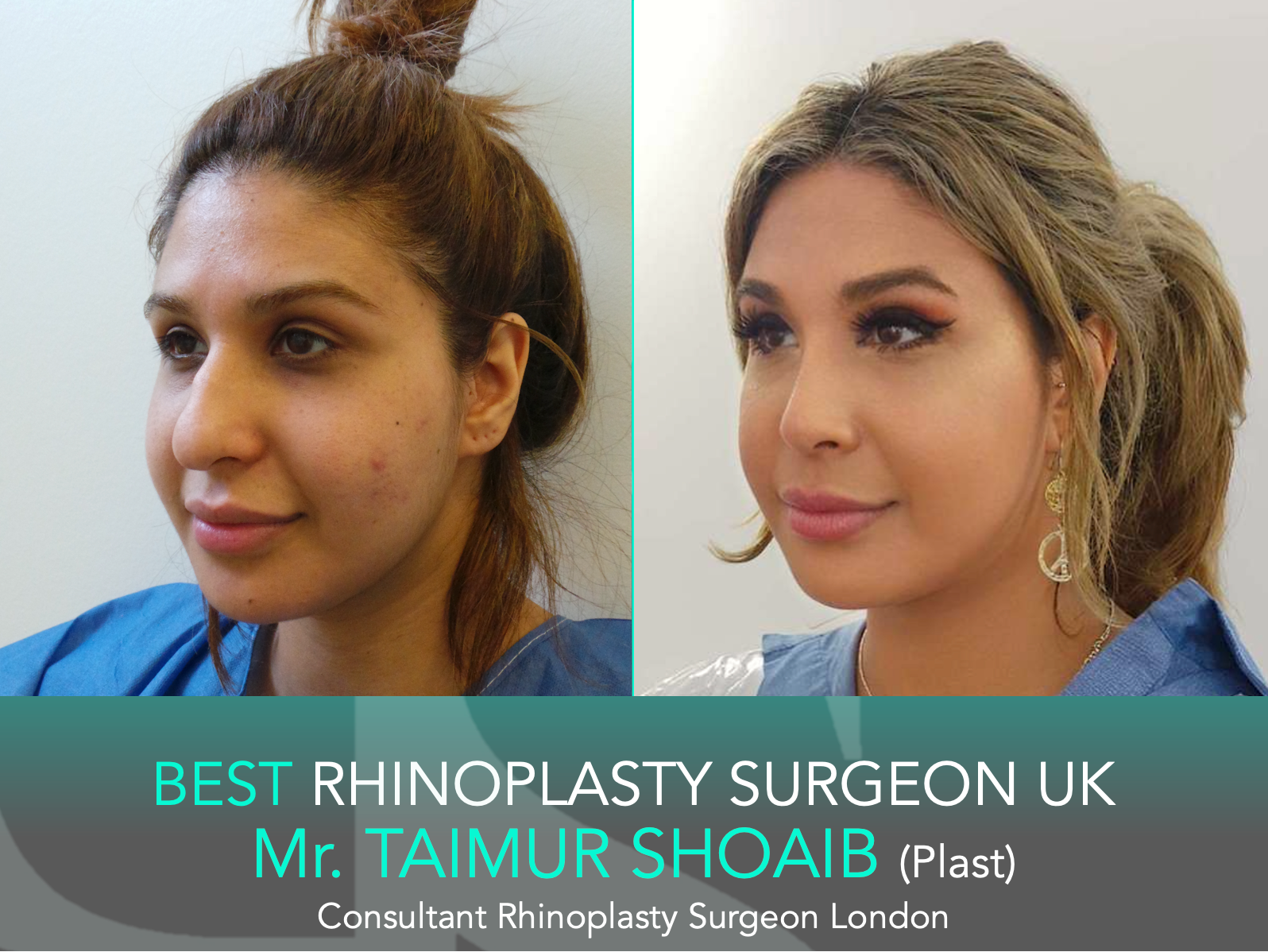
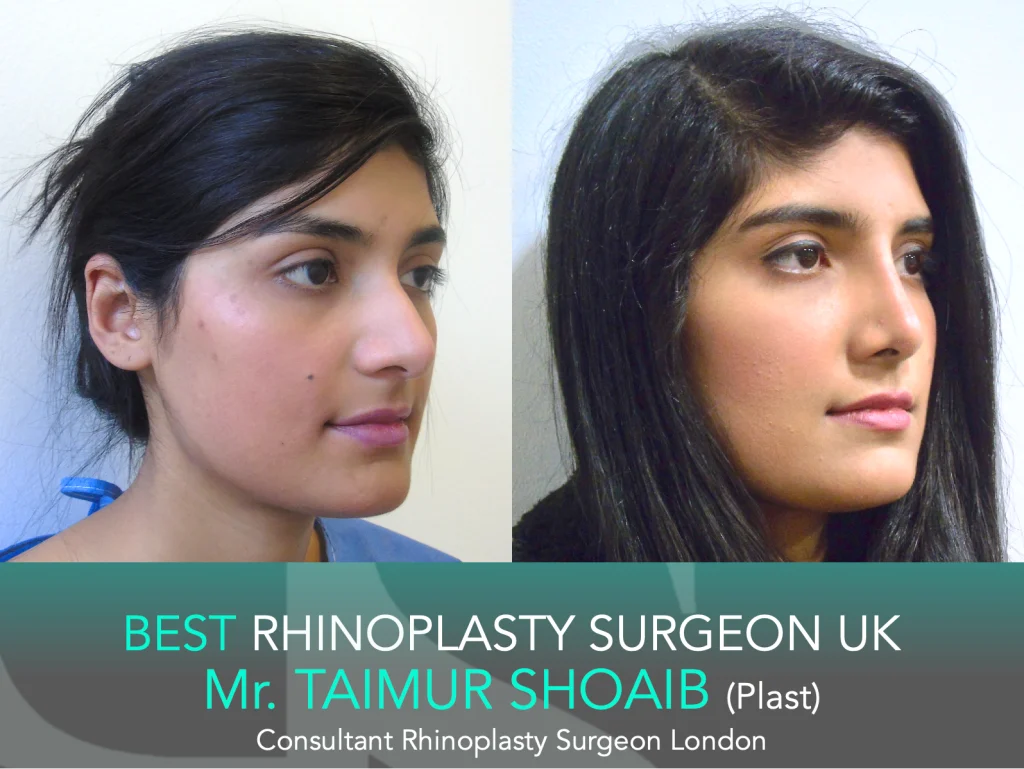
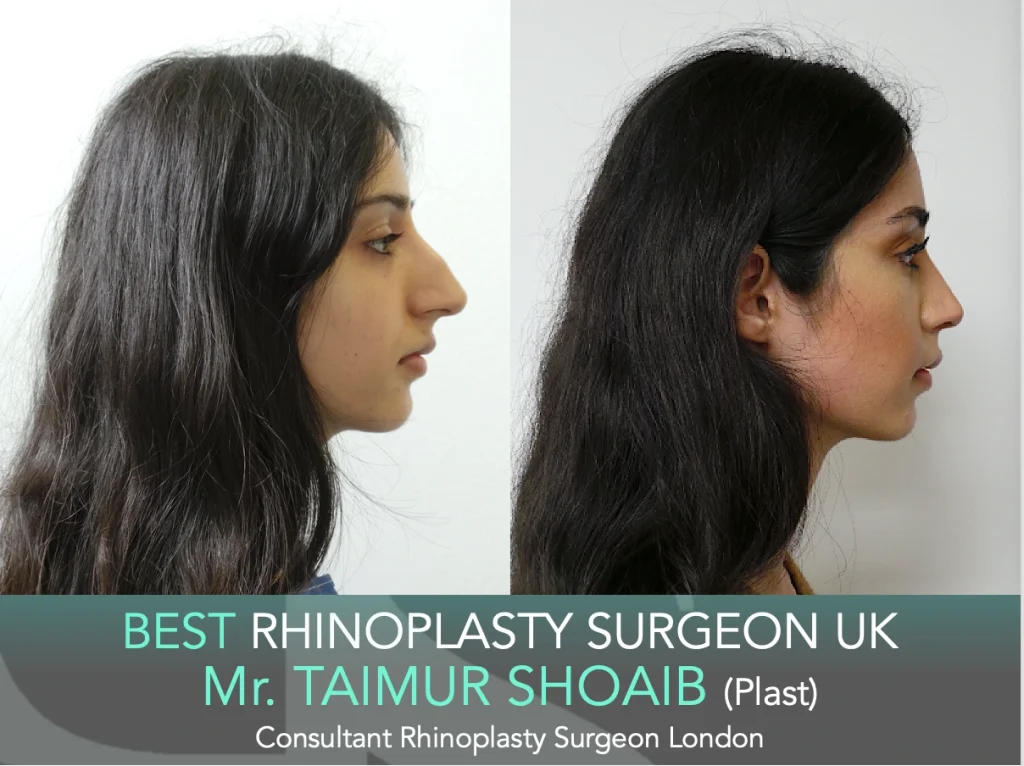
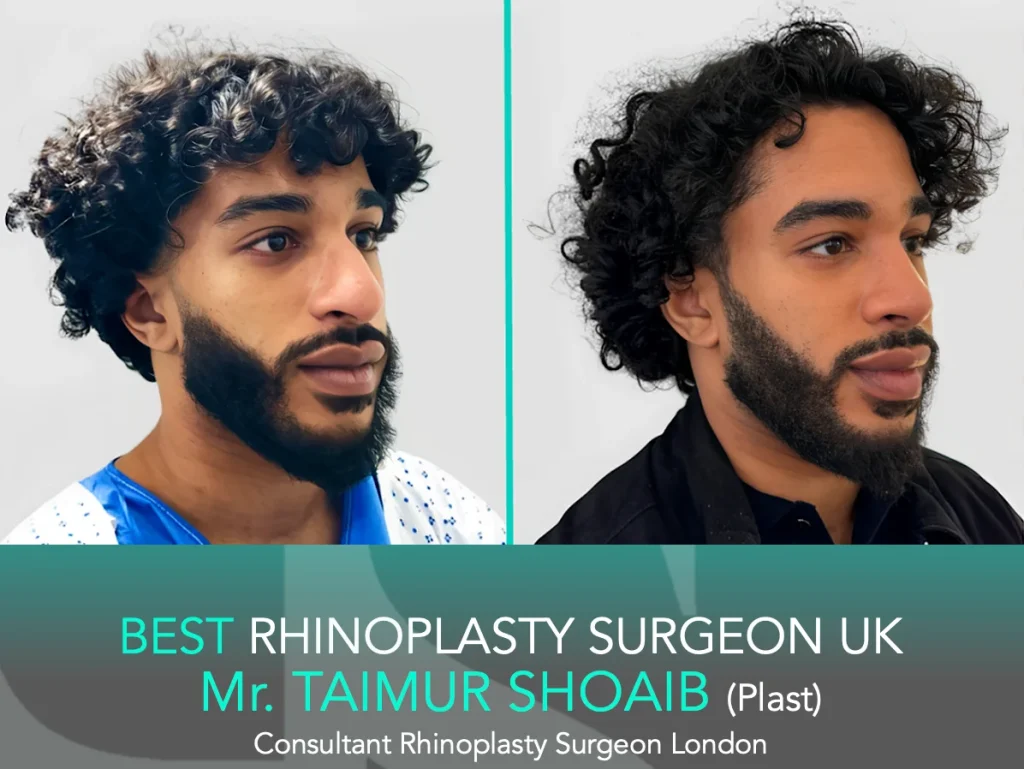
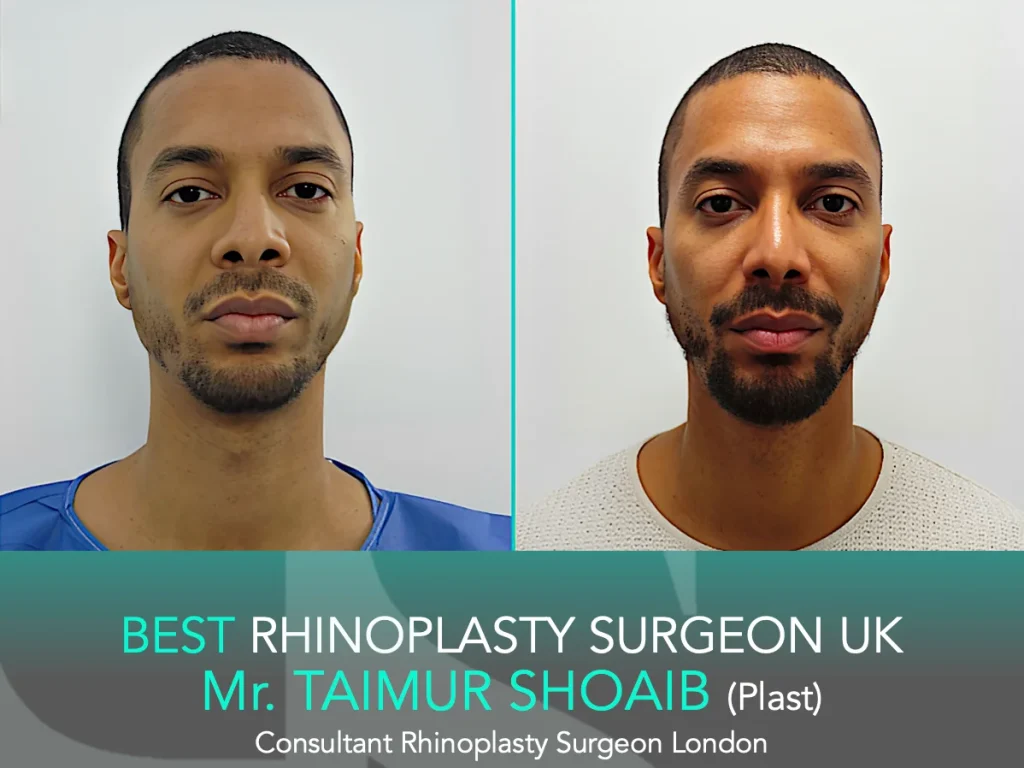
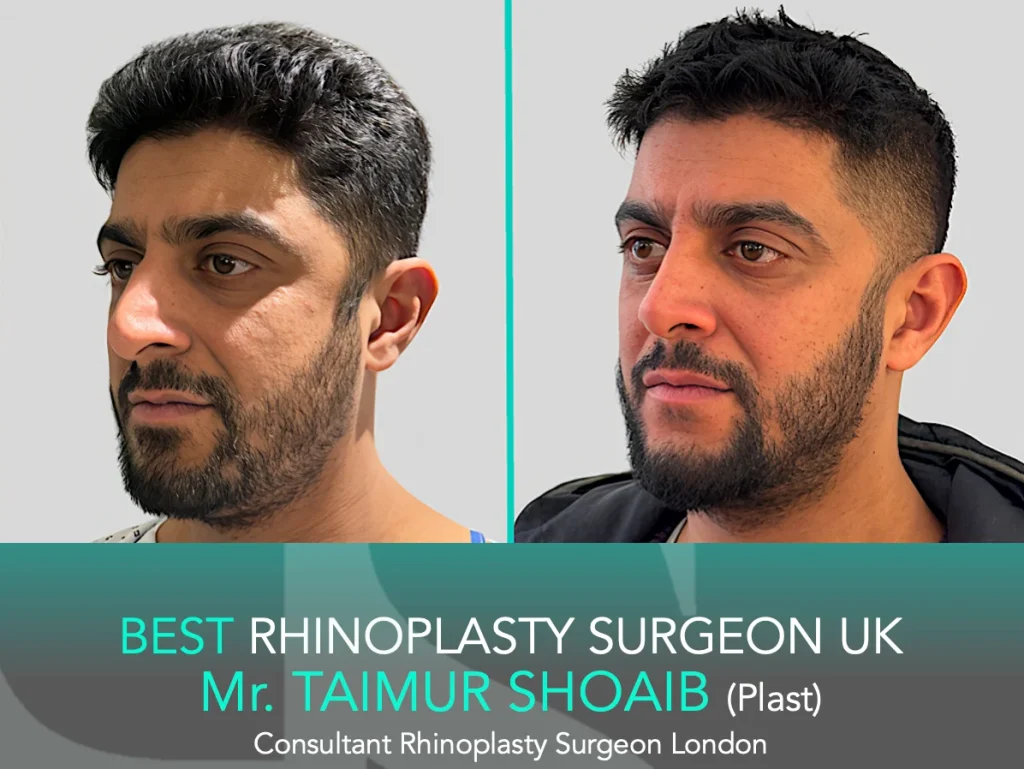
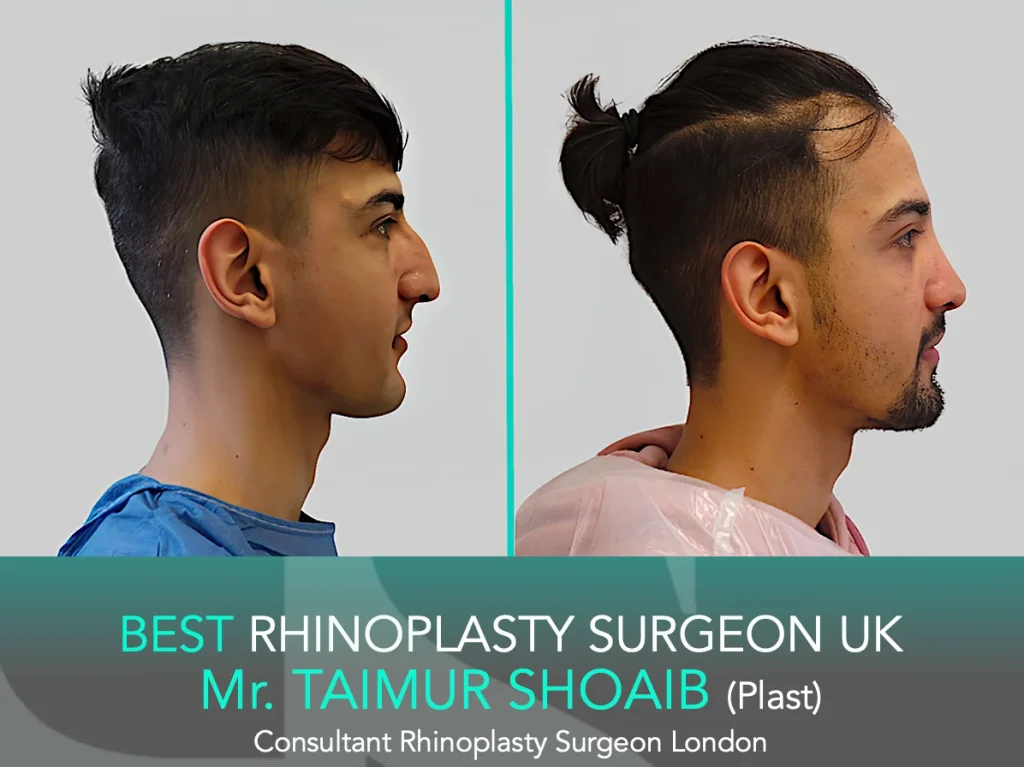
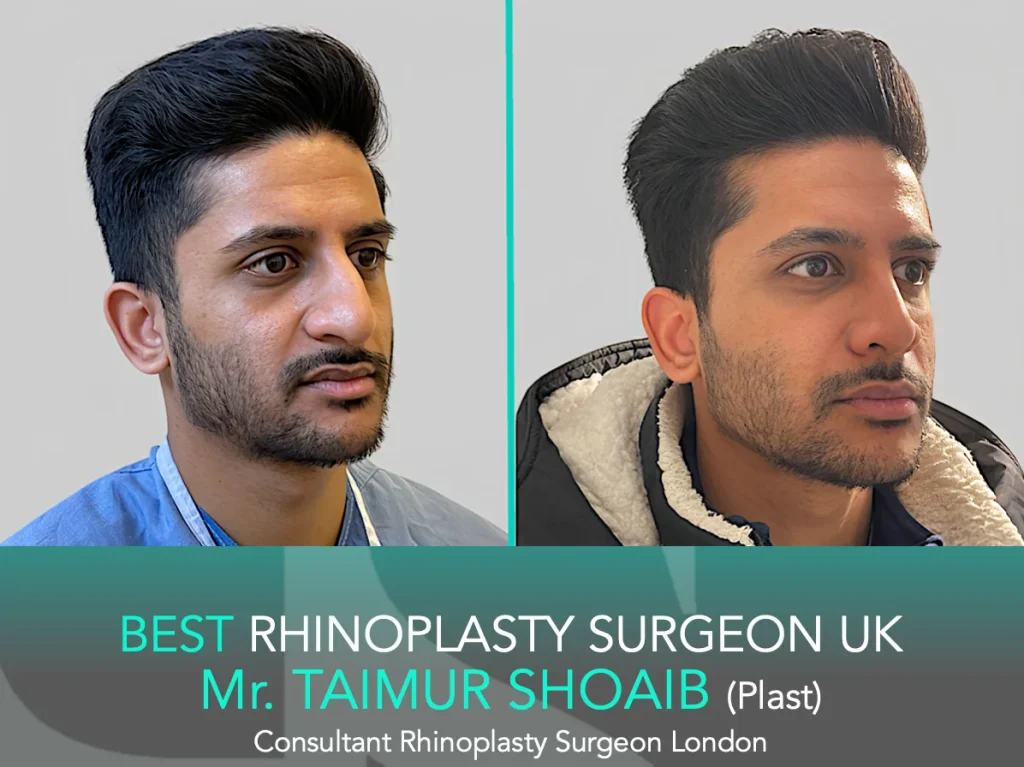
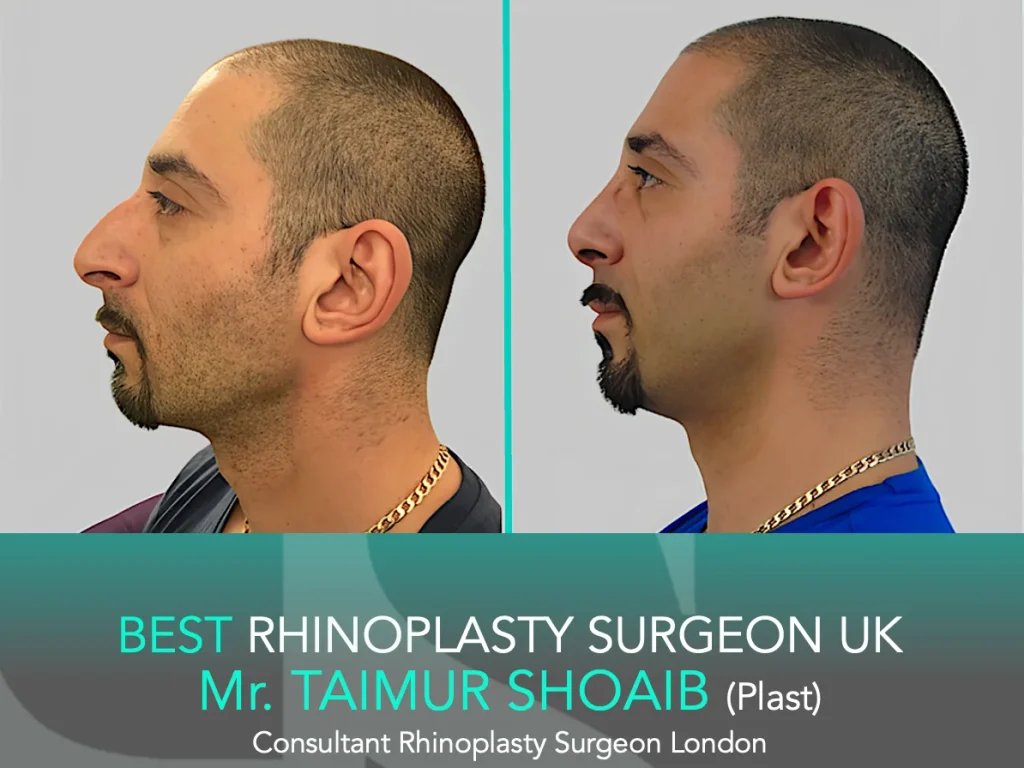
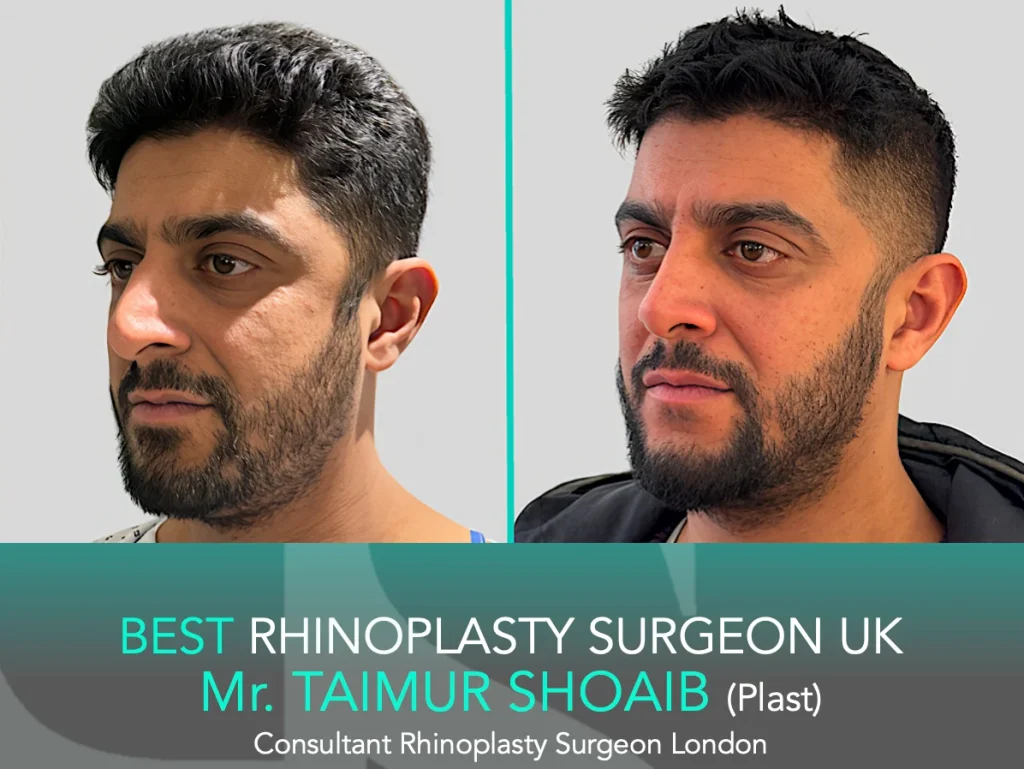
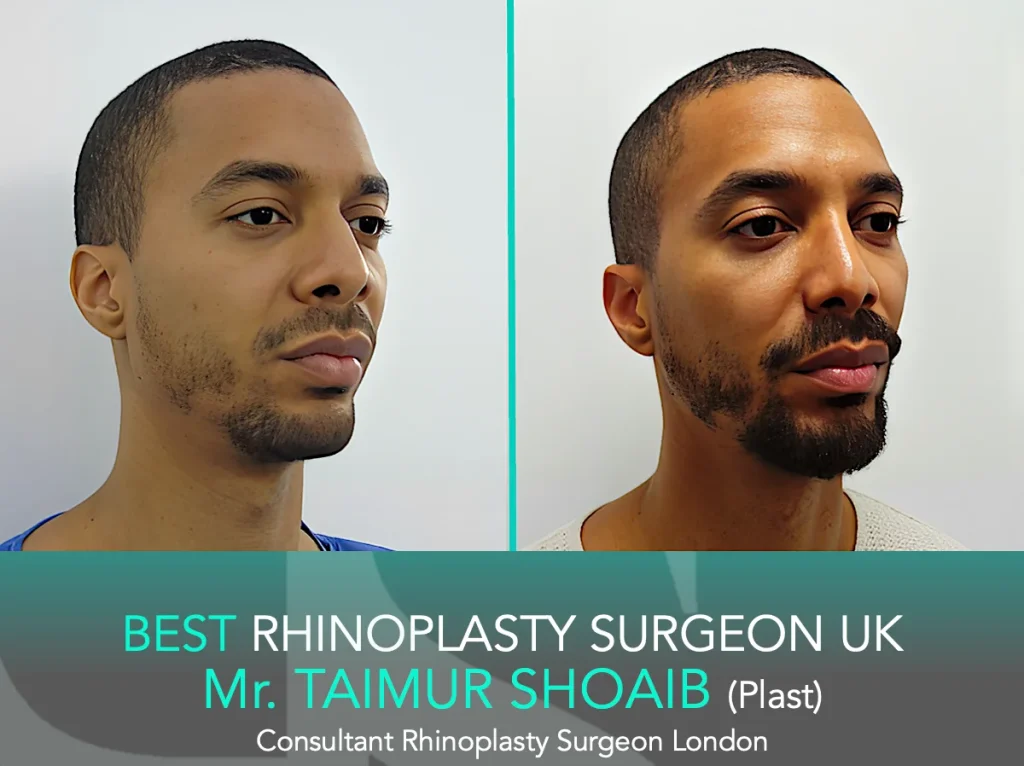
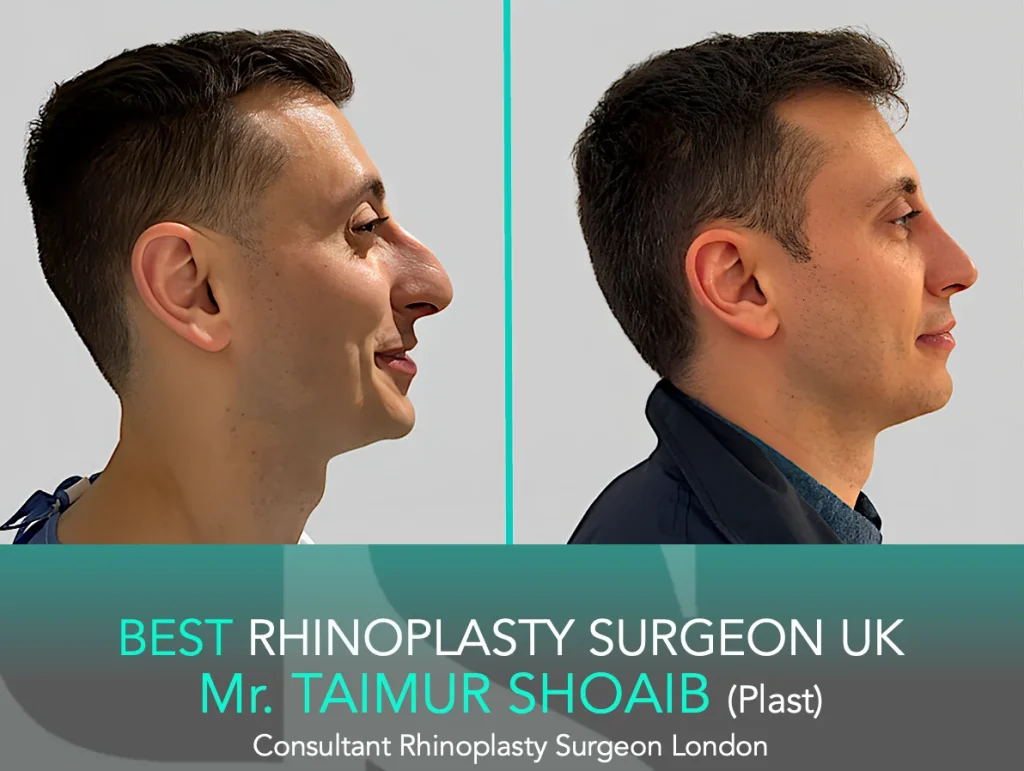
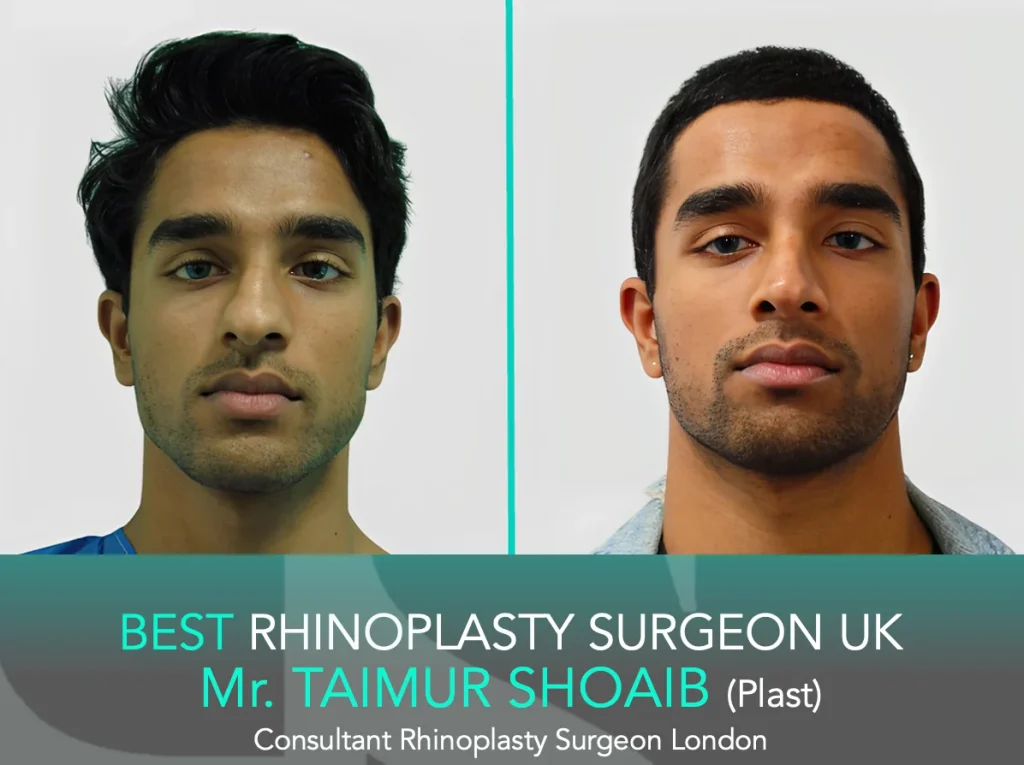
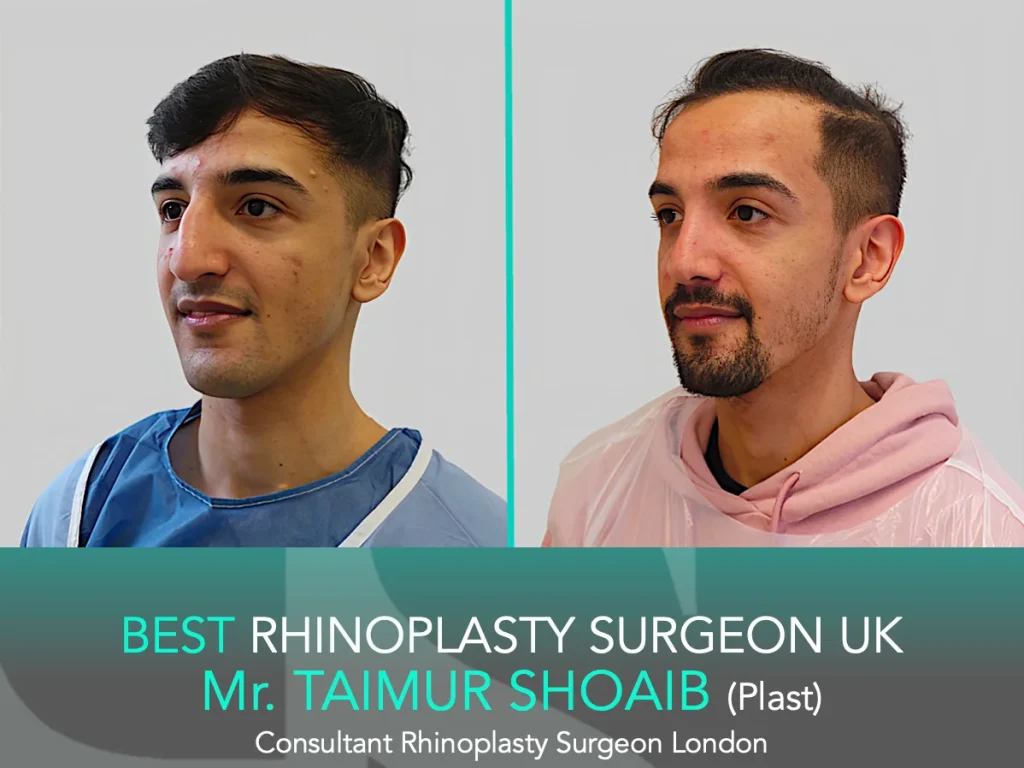
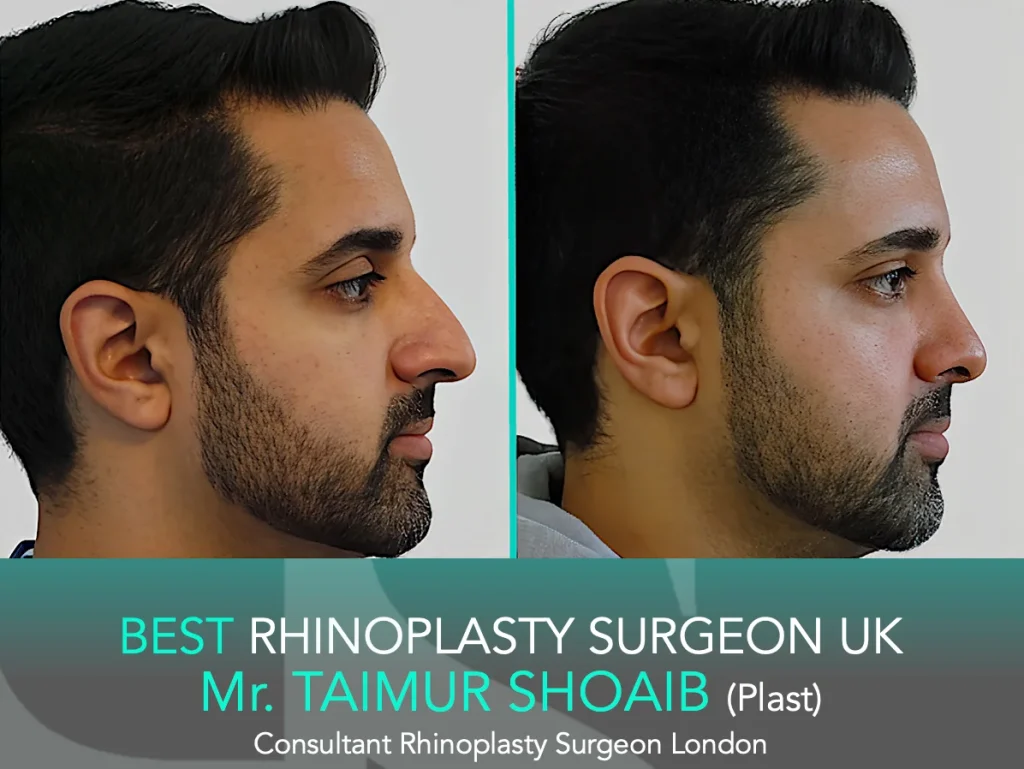
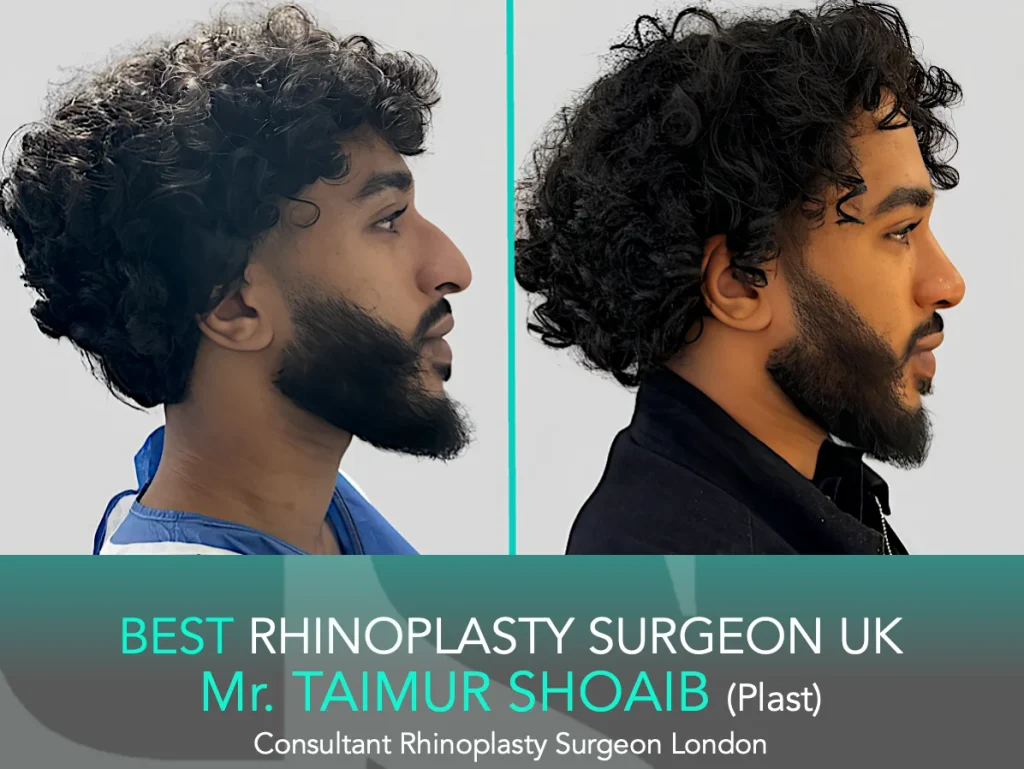
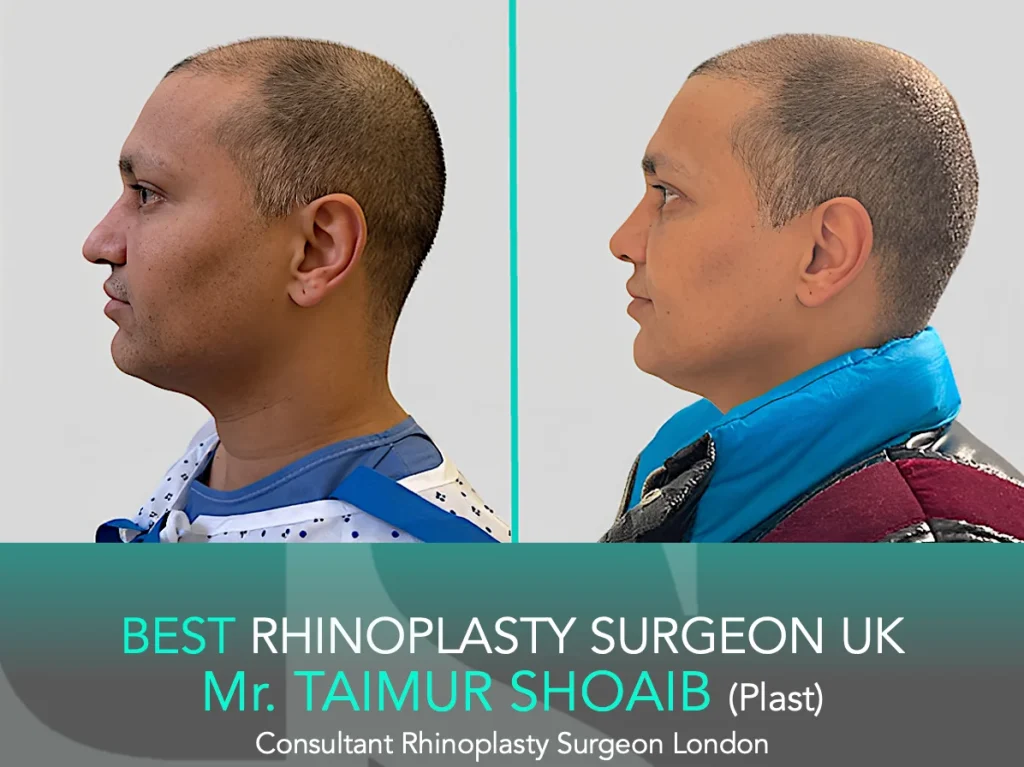
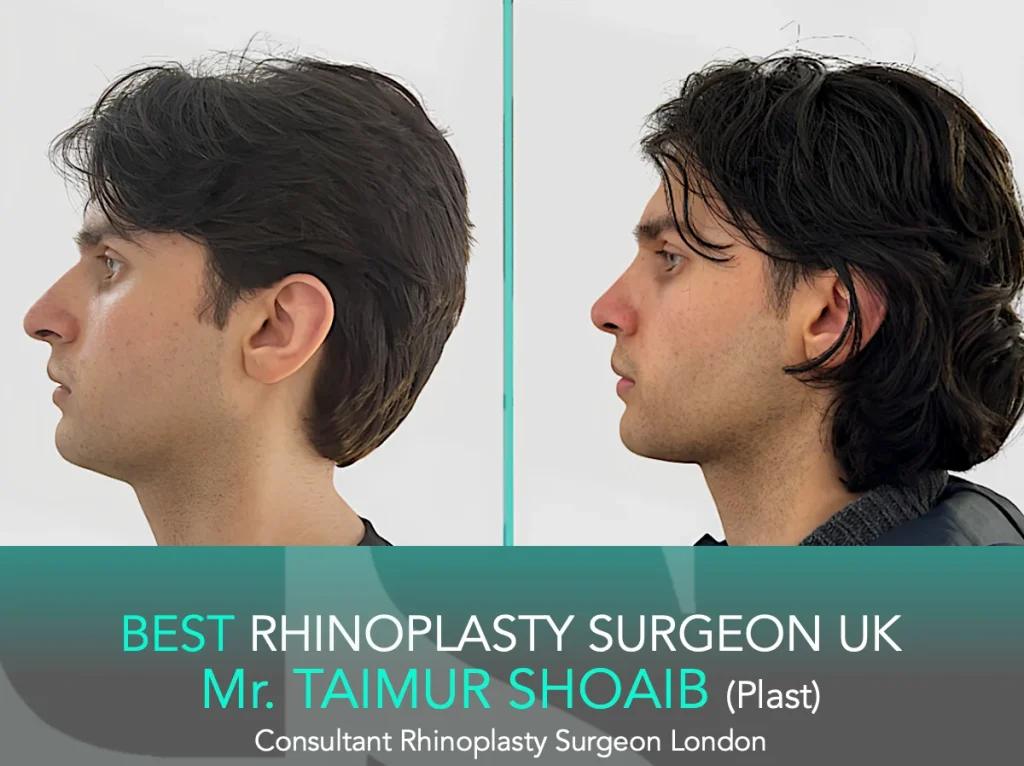
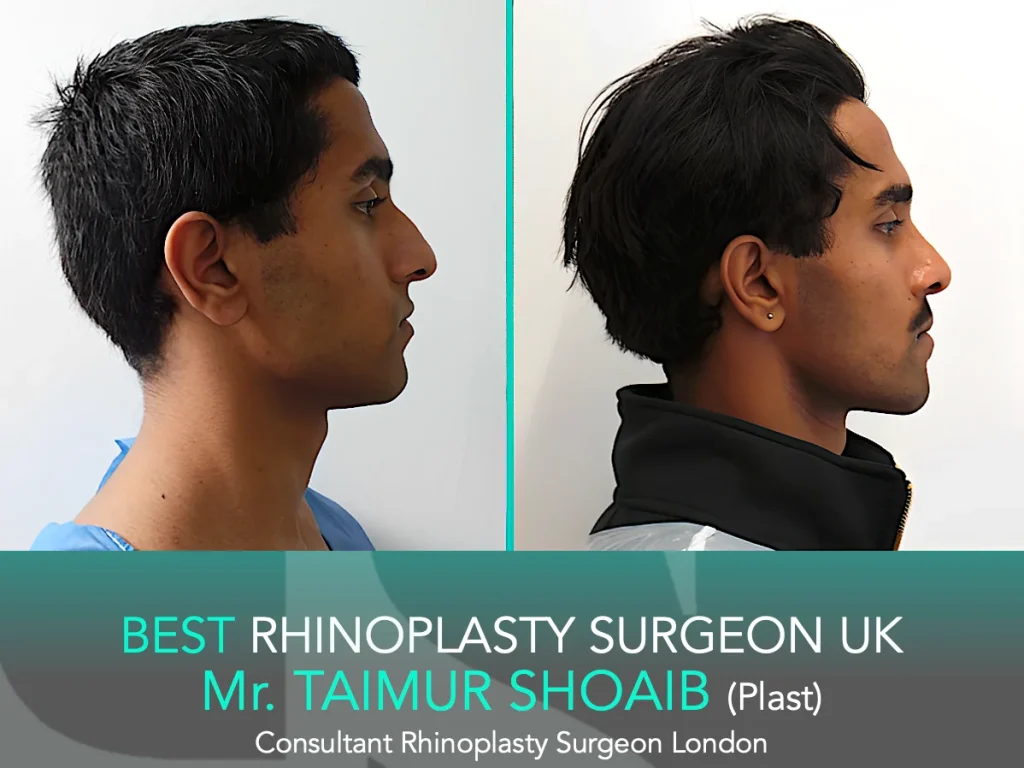
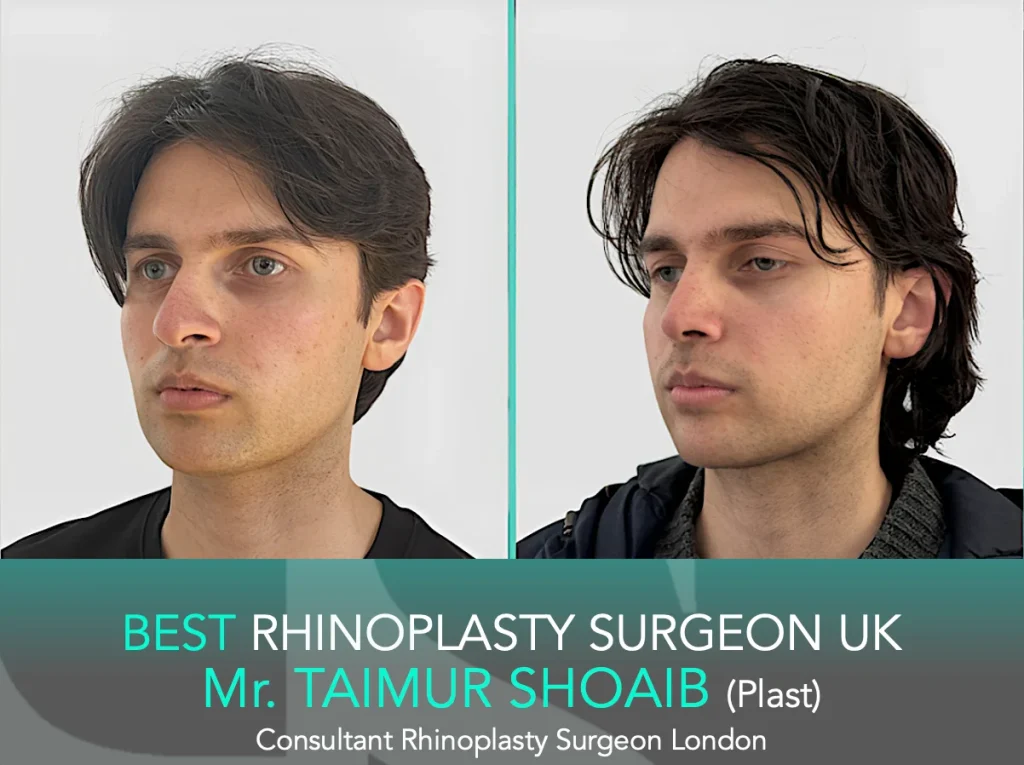
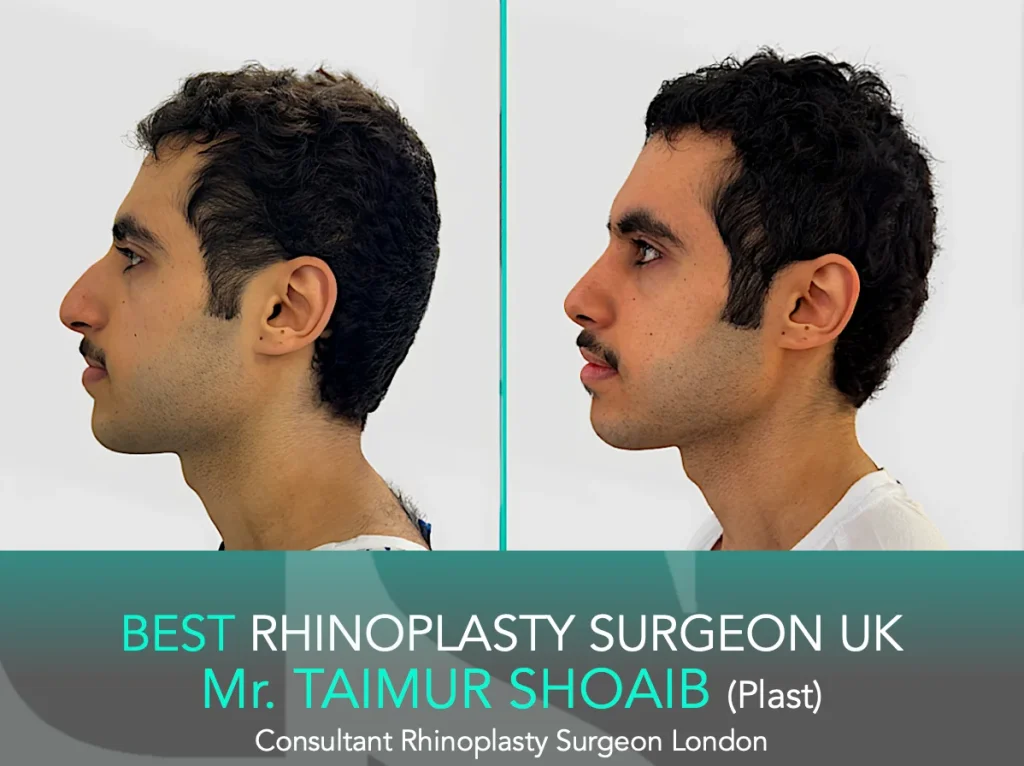
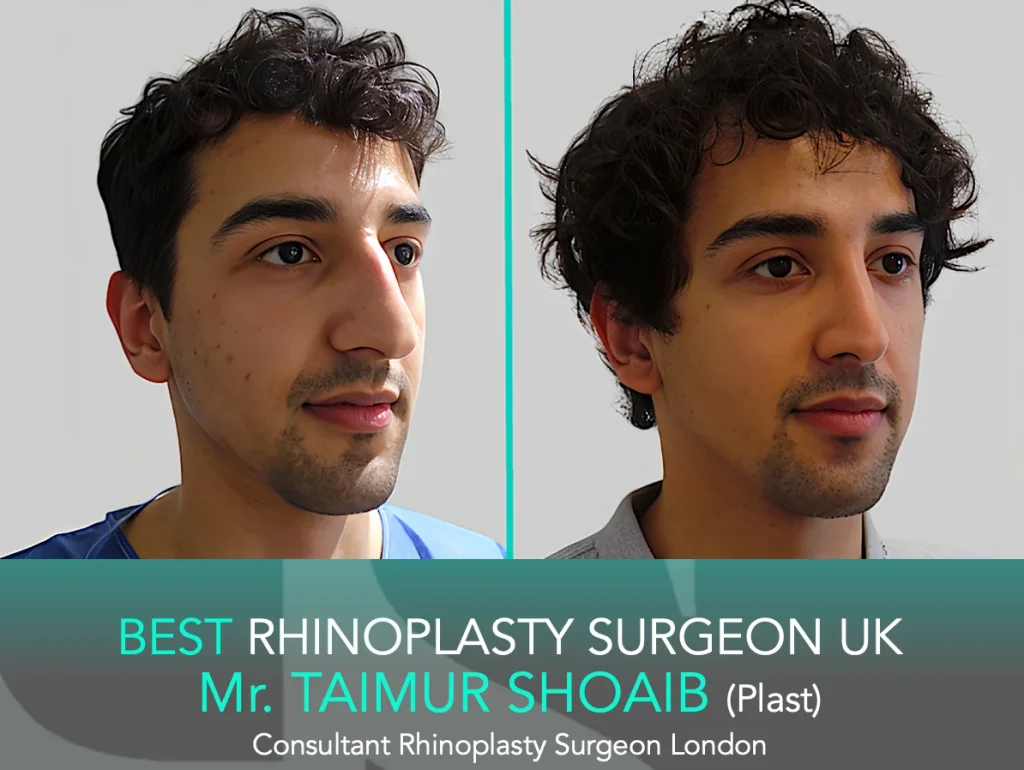
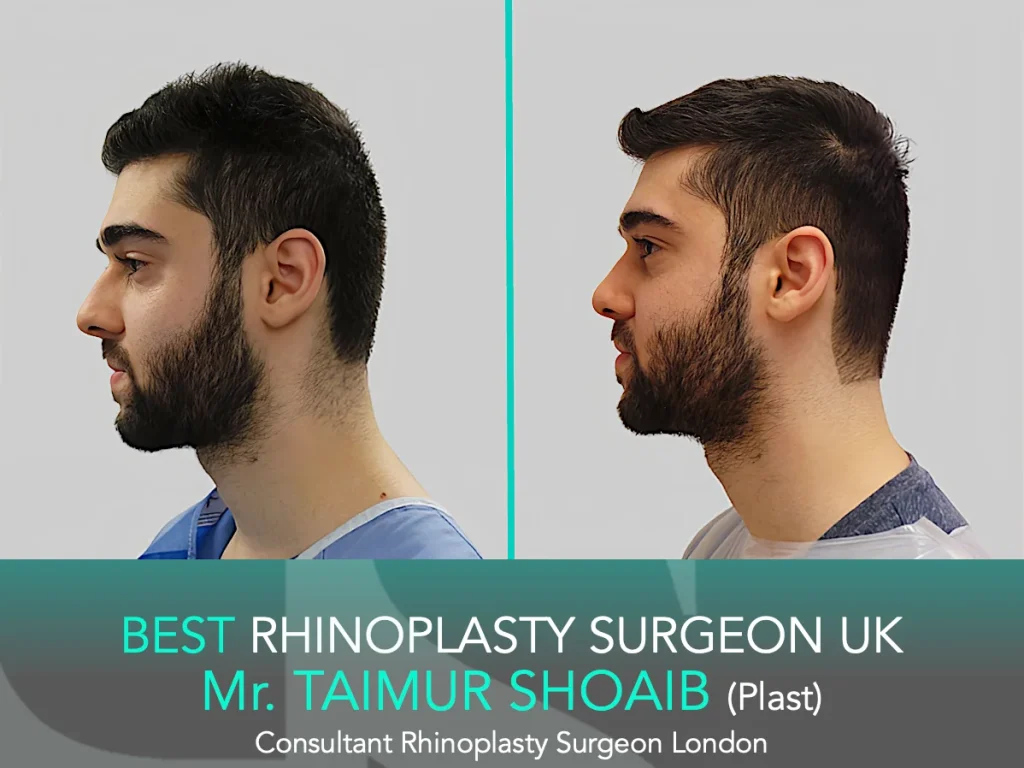
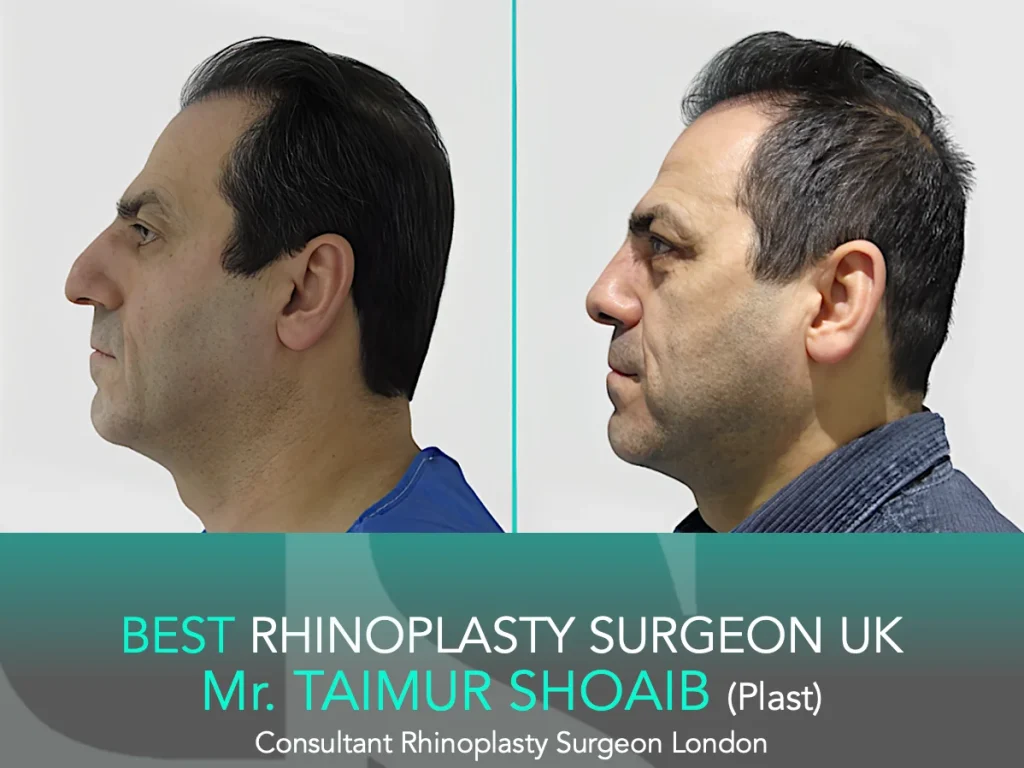
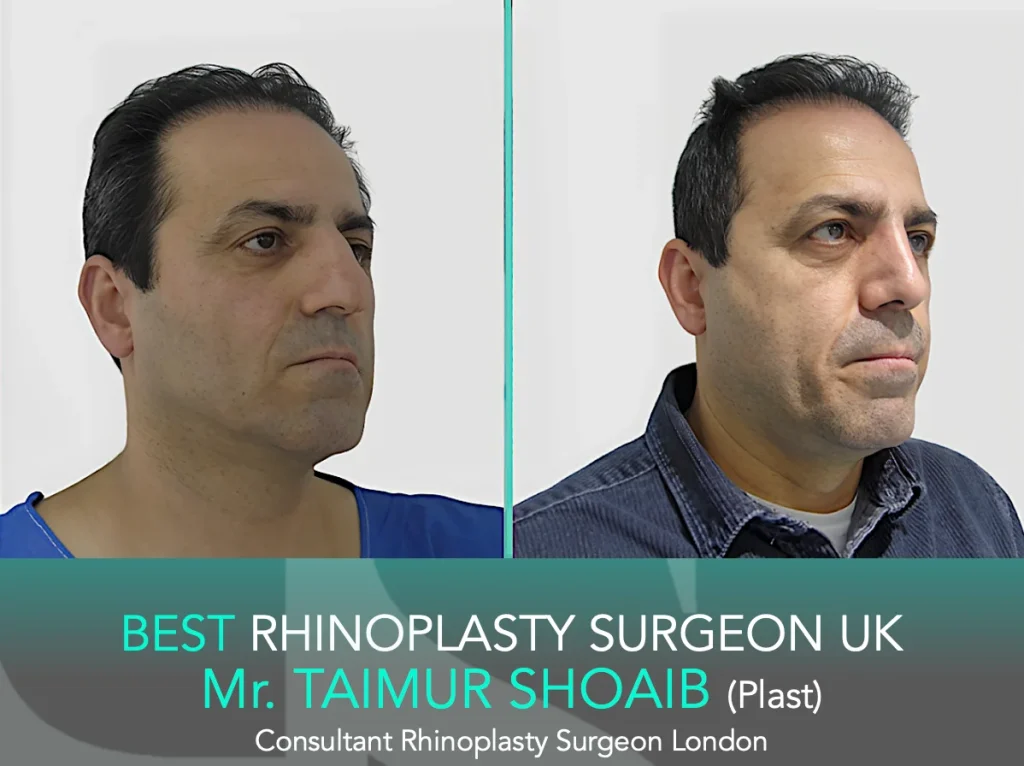
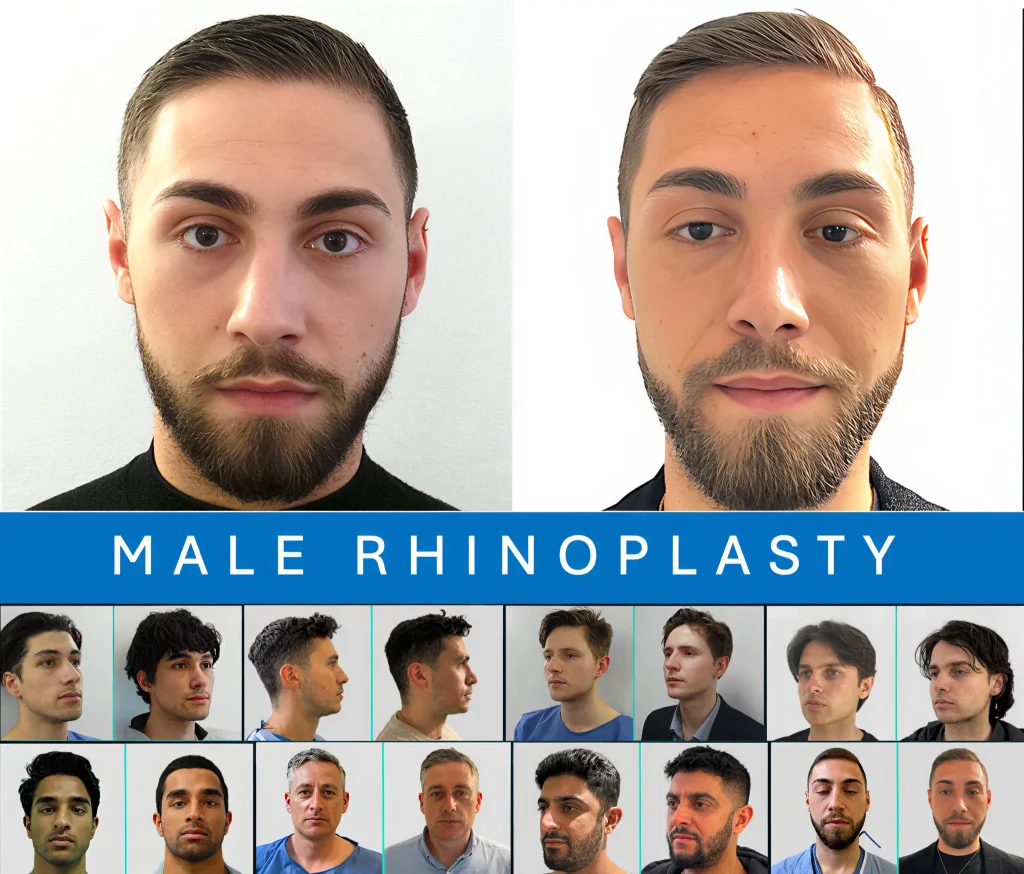
Achieving an optimal result in ethnic rhinoplasty requires a departure from standard reductive techniques. Our clinical approach focuses on structural balance, reinforcing the nasal framework to support thicker skin while refining the profile. The goal is a well-defined result designed to support good function and to settle naturally over time, in harmony with your features; individual results vary.
Berkeley Square Medical welcomes patients from across the UK and travelling from the Middle East, Africa, Asia and beyond for specialist ethnic rhinoplasty. We understand the logistical precision required for international surgery and provide a bespoke coordination service to ensure a seamless experience.
Rhinoplasty is a highly personalised procedure. During your initial consultation with Mr Taimur Shoaib, a comprehensive clinical evaluation of your nasal anatomy, skin quality and breathing function is performed to determine whether surgery is the safest and most effective option for you.
For a full breakdown of prices, what is included and finance options, see our rhinoplasty cost guide.
£8950.00
This fixed fee covers your entire surgical journey, not just the operation itself.
 | Your Full Consultation:£100.00 (Set Fee) Creditable Towards Your Set Surgery Fee Included With Consultation Summary E-Letter. | | TWO (2) Surgeon Consultations:1st - In-Person or Zoom Video Option Included. 2nd - On the Date of Your Treatment Included.
|
| Rhinoplasty Imaging Gallery:Front, Angle and Side Profile Gallery of the Predictive Visual Aim of Your Ethnic Rhinoplasty Treatment Included.
| | Pre-Operative Tests:The Pre-Operative (MRSA) Nasal Swab Test, Essential for Ensuring Safety Before Your Surgical Procedure Included.
|
| Hospital & Anaesthetic Fees:All Hospital Fees, Private Room, Dedicated Nursing Team Assigned For Your Stay Included. | | Take Home After Surgery:All Medication And Garments Provided To Take Home After Surgery Fully Included.
|
| Complimentary Chauffeur Home:Complimentary Chauffeur Drive Home After Surgery In London Included. Options For Living Outside London Included. | | 24-Hour Care Post Surgery:Online Messaging Service 24 Hrs For The First 14 days After Surgery Aftercare Guidance Included.
|
| Post Operative Reviews:7-Day Post Operative Review Included. 1-3 Month Surgeon Review Included. 6-12 Month Surgeon Review Included. | | Non-Surgical Aftercare:Any Non-Surgical Nose Contouring Treatments Included. Any Swelling Reduction (Steroid) Treatment Included. |
Your safety and happiness are of the utmost importance to us. We want to assure you that we are with you every step of the way, and that includes ensuring your rhinoplasty journey is as smooth and manageable as possible, both physically and financially. Below, you can explore our flexible payment options for our fixed £8,950 all-inclusive fee, allowing you to choose a plan that fits your lifestyle while you focus on your aesthetic aims.
Representative example. Subject to status. APR may vary.
Finance is provided subject to status. Taimur Shoaib is authorised and regulated by the Financial Conduct Authority. You can verify this status on the FCA Financial Services Register here .


Yes, that is the whole aim. Ethnic rhinoplasty is about addressing the specific concern you raise while keeping your nose in harmony with the rest of your face, so you still look recognisably like yourself and your family. Mr Shoaib plans every operation around what should stay, not just what changes, and individual results vary.
ethnic rhinoplasty is a specialised form of ethnic nose surgery tailored to differing ethnic facial structures. Unlike standard procedures that often focus on simple reduction, ethnic rhinoplasty addresses specific anatomical traits such as thicker skin envelopes, a prominent dorsal hump, and a drooping nasal tip (ptosis). The goal is to achieve refinement and facial harmony through structural grafting while strictly preserving the patient’s unique ethnic heritage.
Yes. A primary goal of specialist ethnic rhinoplasty at Berkeley Square Medical is to smooth the nasal bridge while maintaining a strong, natural-looking profile. We avoid the "scooped" or over-rotated look by precisely reshaping the bone and cartilage rather than simply "shaving it down." This ensures the result remains culturally authentic and proportional to other ethnic features like the forehead and chin.
Thick nasal skin is a common trait in ethnic rhinoplasty patients and requires a specific surgical technique. Because thick skin can mask fine changes to the underlying structure, we utilise advanced "definition-enhancing" grafts. These provide the necessary internal support to ensure that the new, refined shape of the bridge and tip is clearly visible. It also means that final definition may take slightly longer to appear—typically between 9 and 12 months.
Correcting a "plunging" or drooping tip is one of the most frequent requests in ethnic rhinoplasty. We address this by providing permanent structural support to the nasal tip using cartilage grafting. This supports the tip and is designed to reduce downward movement during facial expressions or speech, for a more balanced appearance; individual results vary.
Nasal de-projection is a technique used when the nose appears to "stick out" too far from the face. Many ethnic rhinoplasty patients feel their nose is too prominent in their profile. By carefully adjusting the height of the bridge and the position of the tip, we can bring the nose closer to the face. This creates a more balanced ratio between the nose, lips, and cheeks, softening the overall facial silhouette.
Most patients can return to work or light social activities within 10 to 14 days, once the initial splint is removed. However, because thicker skin holds more swelling, "residual swelling"—especially at the tip—can take longer to subside. While your new profile will be visible immediately, the final, high-definition results typically settle and mature over a 12-month period.
Any questions, enquiries, or just looking for a consultation? Simply send your enquiry here and we will get back to you with a reply promptly.