0330 058 0212

Dorsal hump rhinoplasty is a highly specialised surgical procedure designed to correct a prominent bridge and restore facial proportion. For many patients, the objective of surgery is not a radical change to their appearance, but rather a sophisticated refinement that creates a smoother, more balanced nasal profile.
While a nasal hump is a common anatomical trait, the surgical approach required to correct it is highly personal and depends on your unique bone and cartilage structure. At Berkeley Square Medical, we utilise precise clinical techniques to ensure every result is structurally sound, natural in appearance, and perfectly suited to your individual facial features.
Dorsal reduction here uses the closed-rhinoplasty approach refined across Mr Shoaib's peer-reviewed publications.
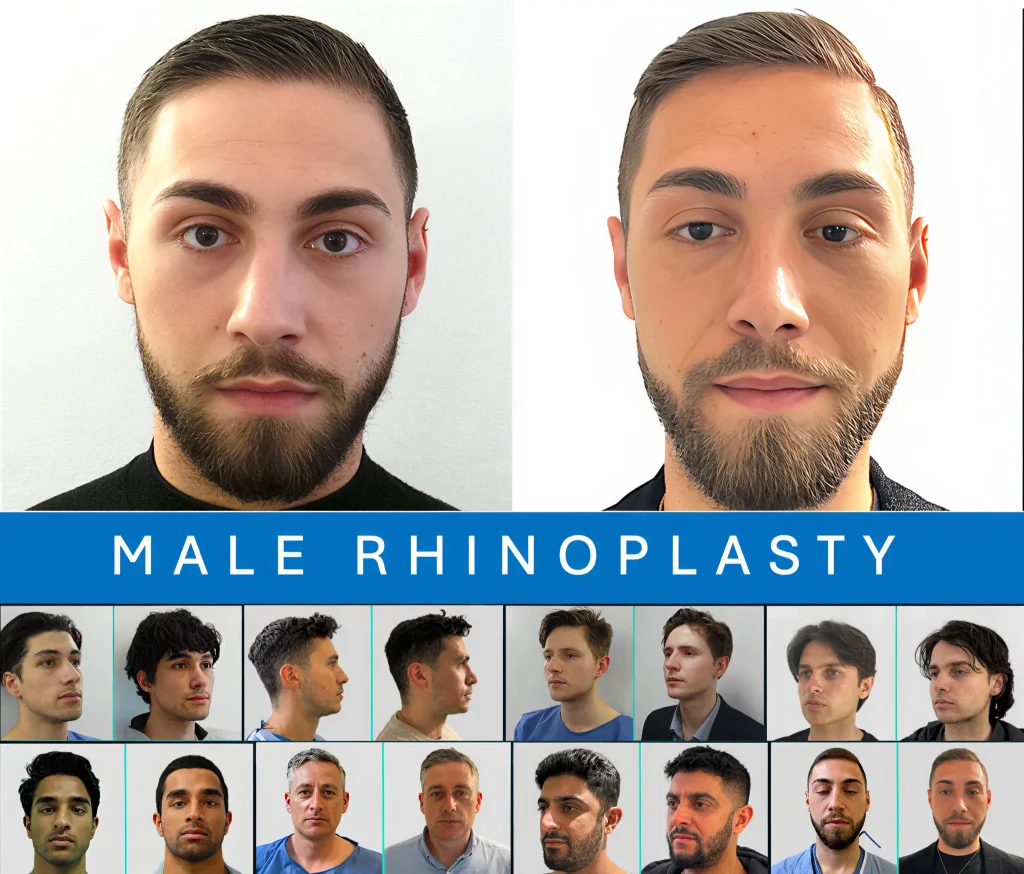
A prominent dorsal hump is one of the most common reasons men seek nose surgery. For a male-specific approach that keeps a strong, masculine profile, see our male rhinoplasty page.
A dorsal hump, the bump of bone and cartilage on the bridge of the nose, is also commonly called a nose bump, and dorsal hump removal is the surgery that smooths it into a straight profile.
Addressing the nasal bridge requires a delicate balance between removing the bone and cartilage hump and maintaining the underlying respiratory function. An expert approach ensures that as the profile is smoothed, the internal structural integrity remains fully supported to prevent future collapse or breathing difficulties.
Modern hump correction is not merely a reductive procedure; it is a structural refinement that can improve both the aesthetic silhouette and the symmetry of the nasal axis. By focusing on these clinical objectives, we achieve a result that looks natural, functions well, and is designed to remain stable over the long term.
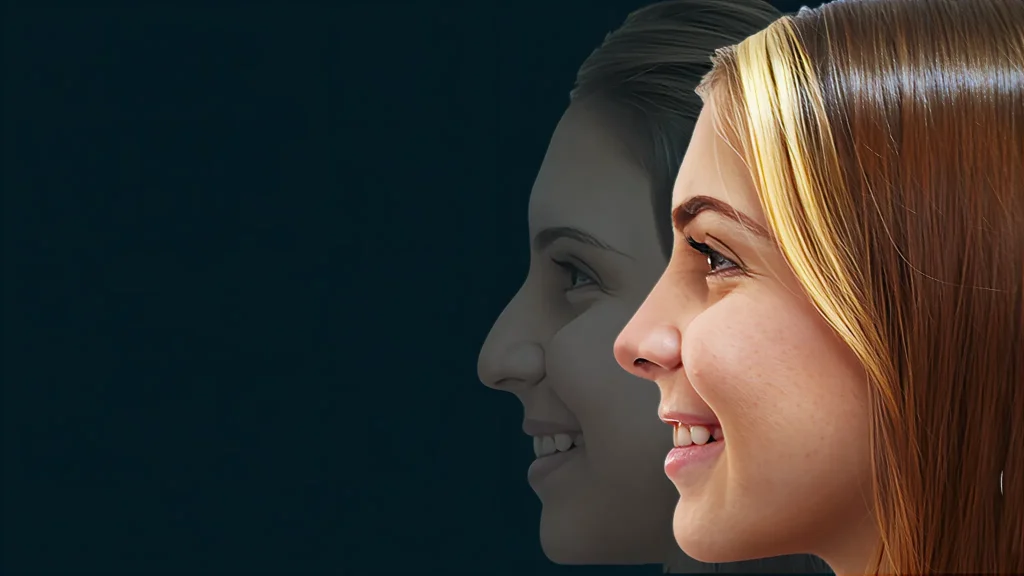
Photo Ready: Side Profile Aesthetic Refinement
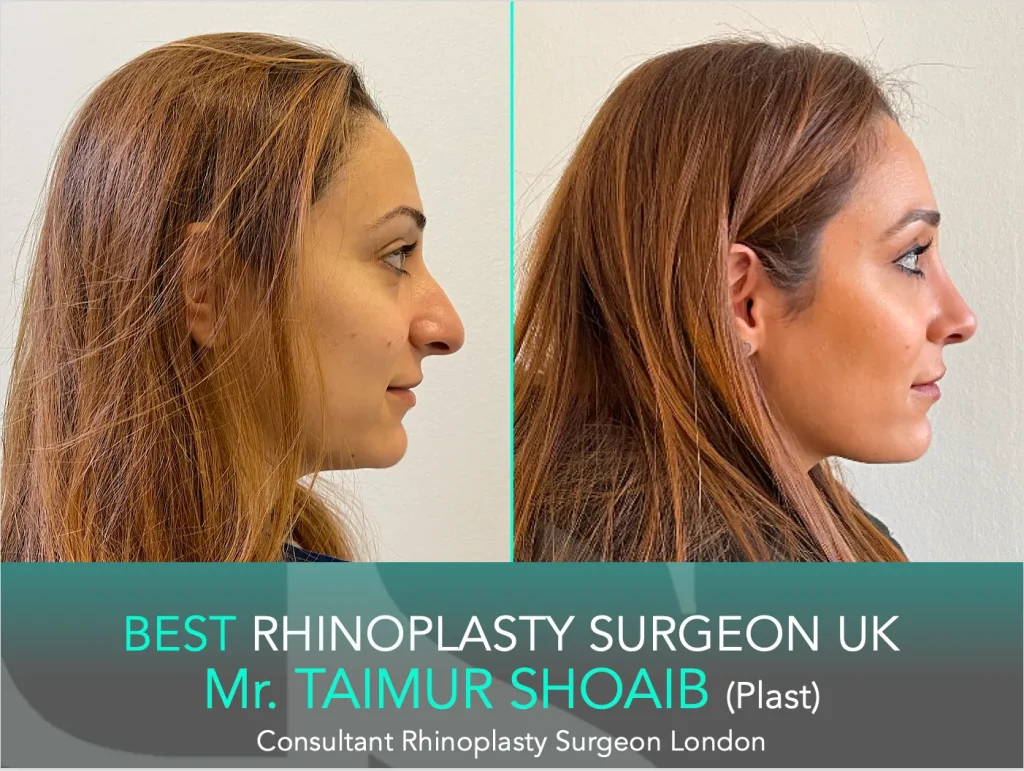
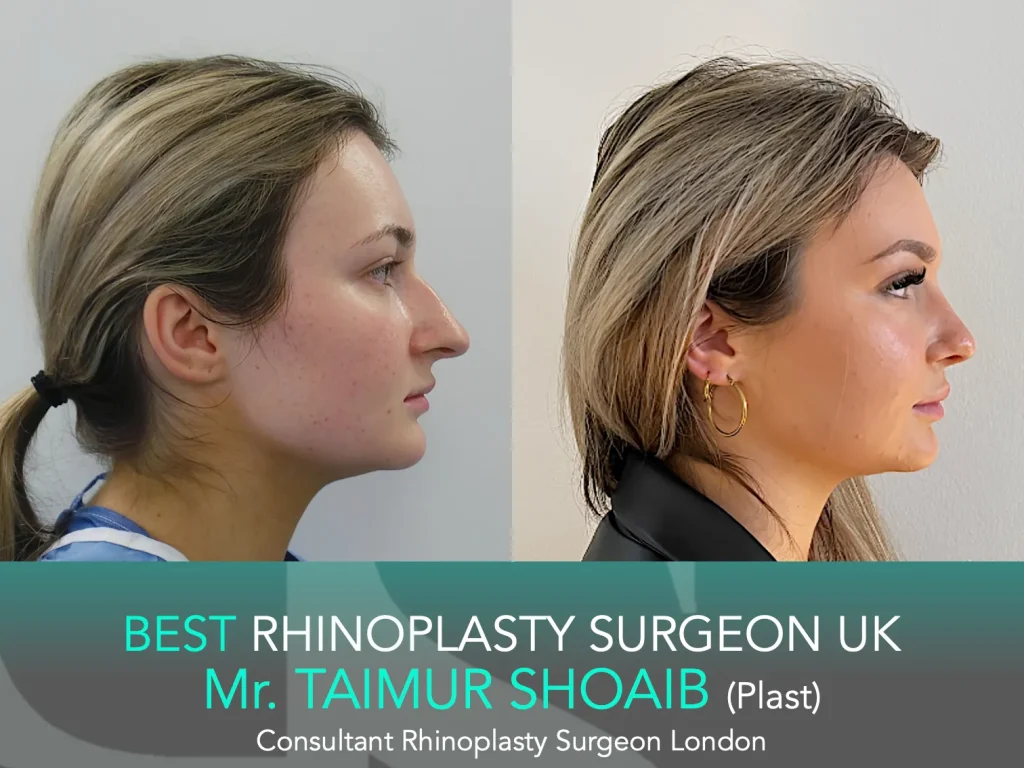
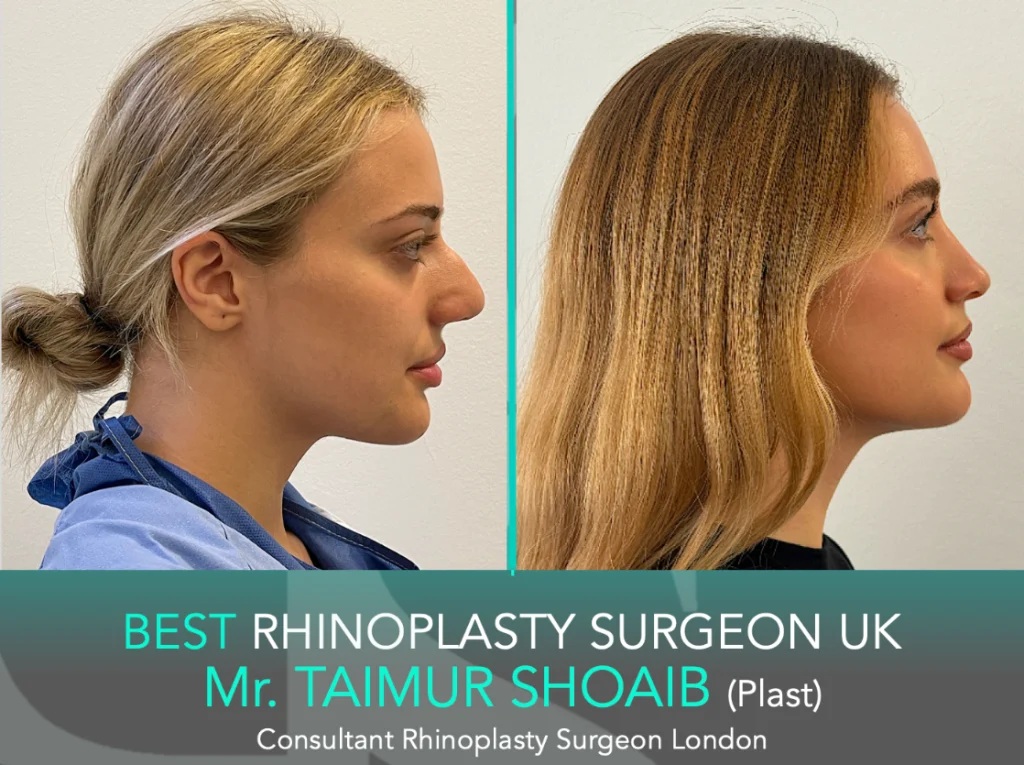
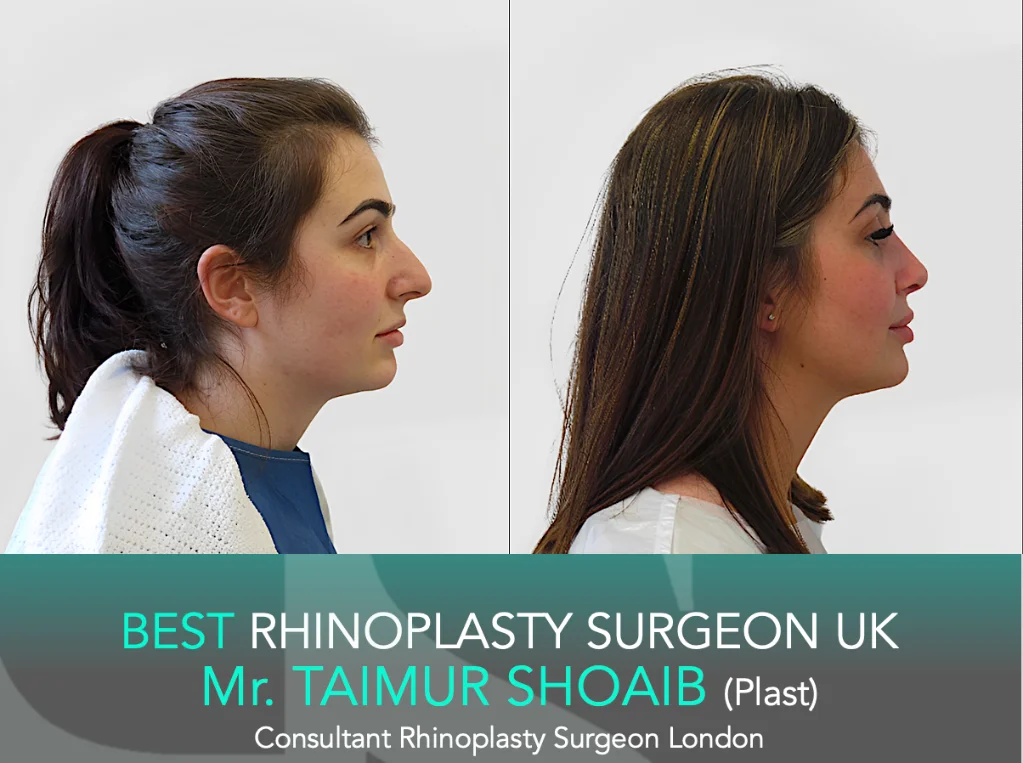
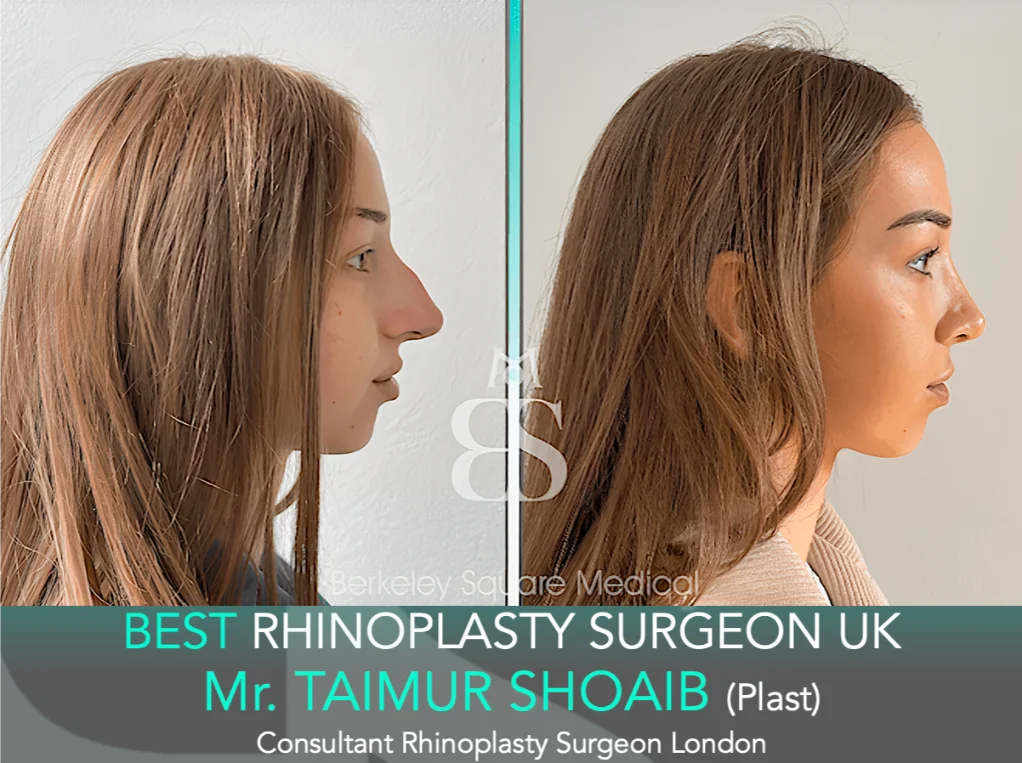
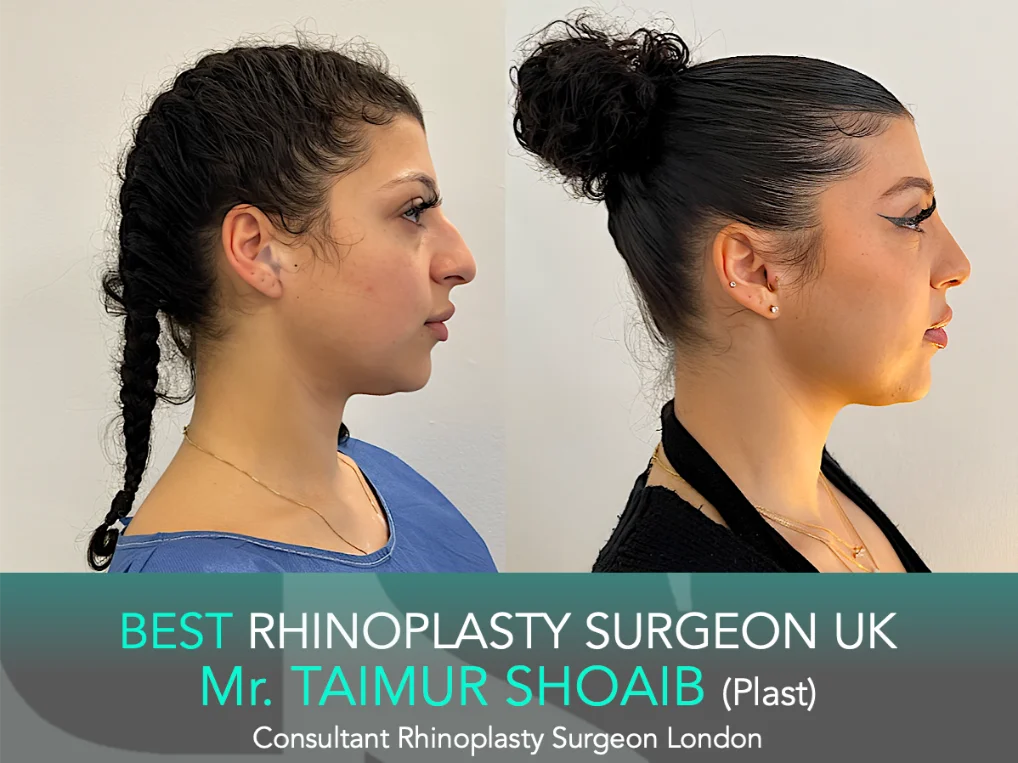
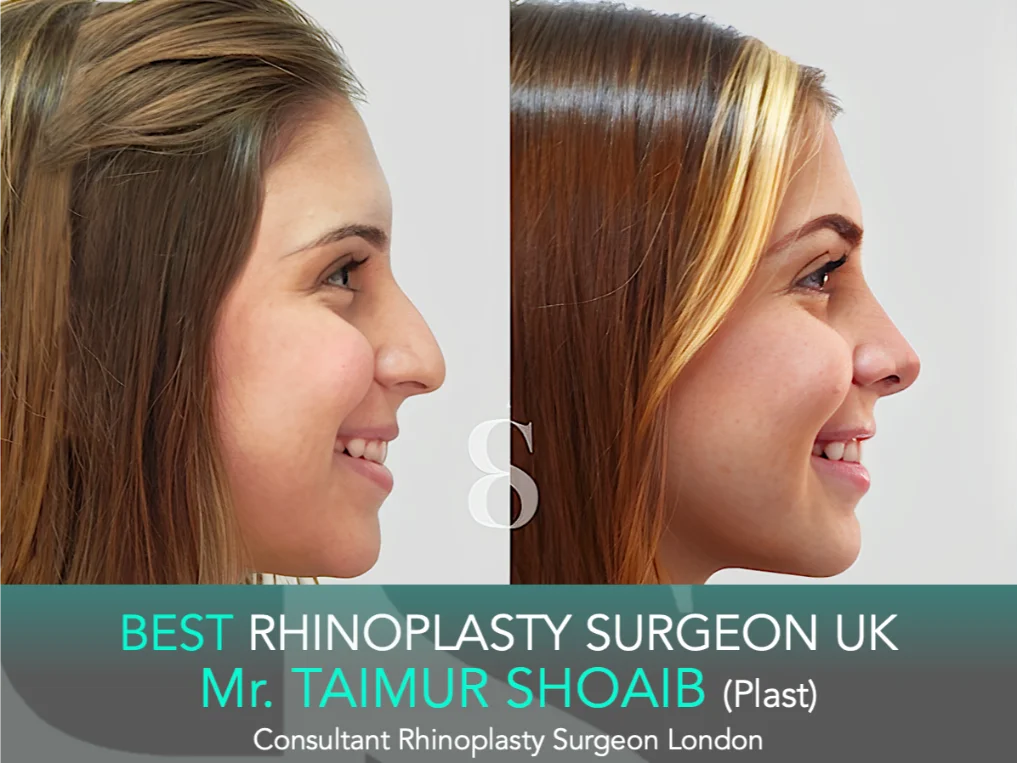
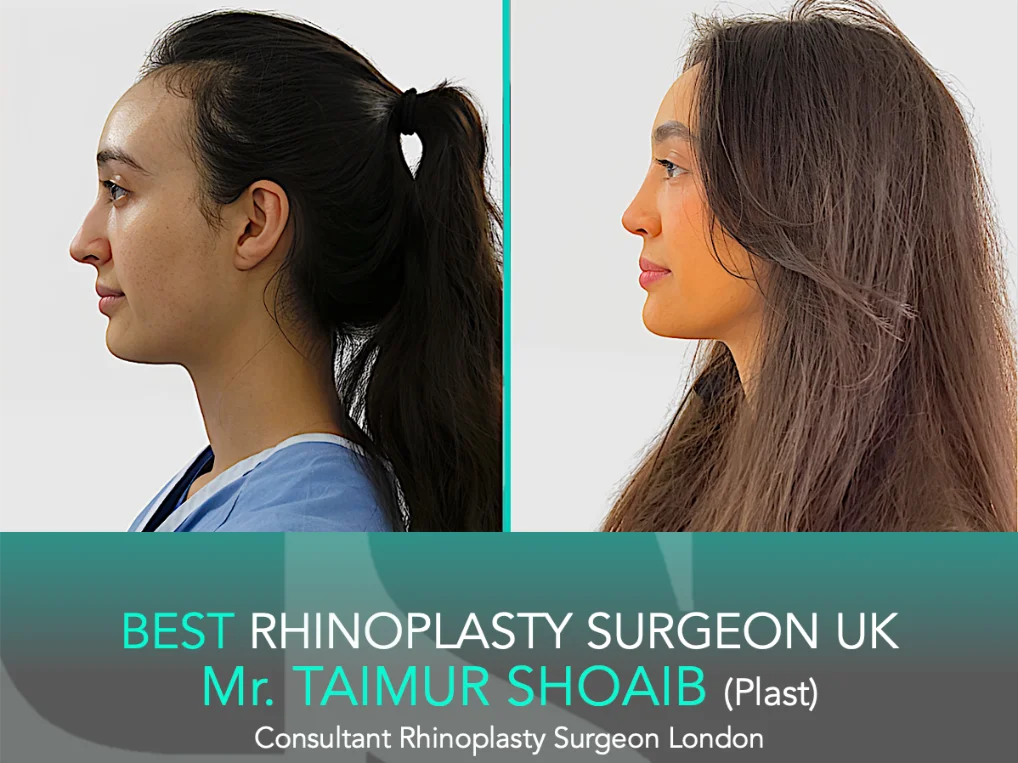
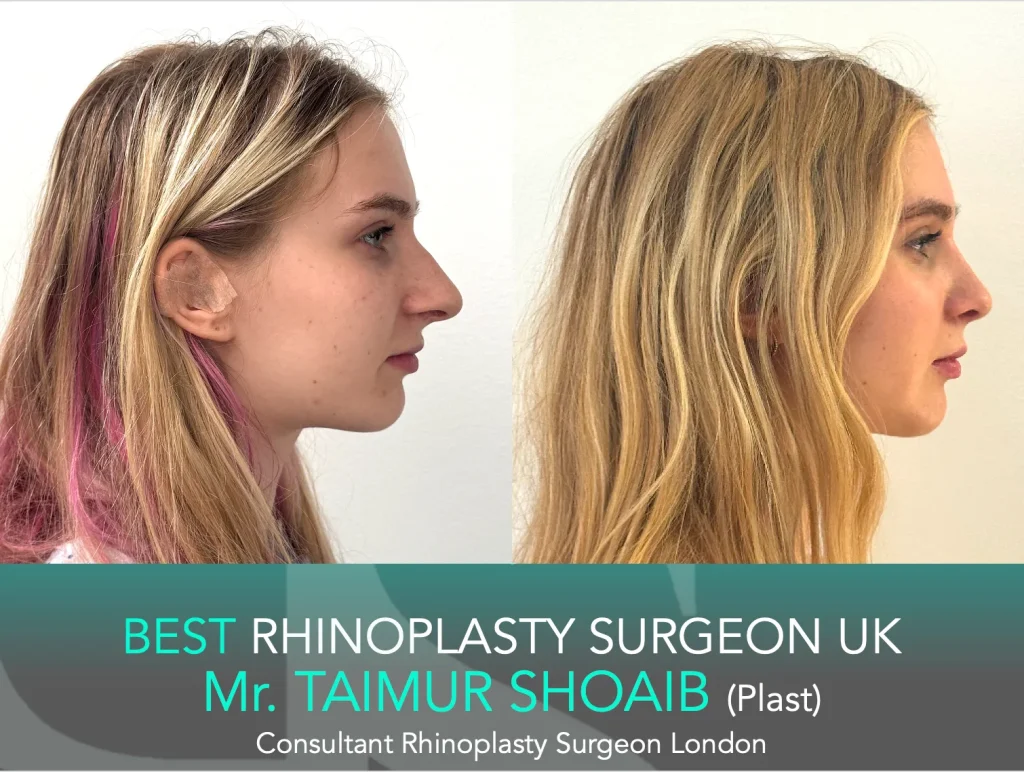
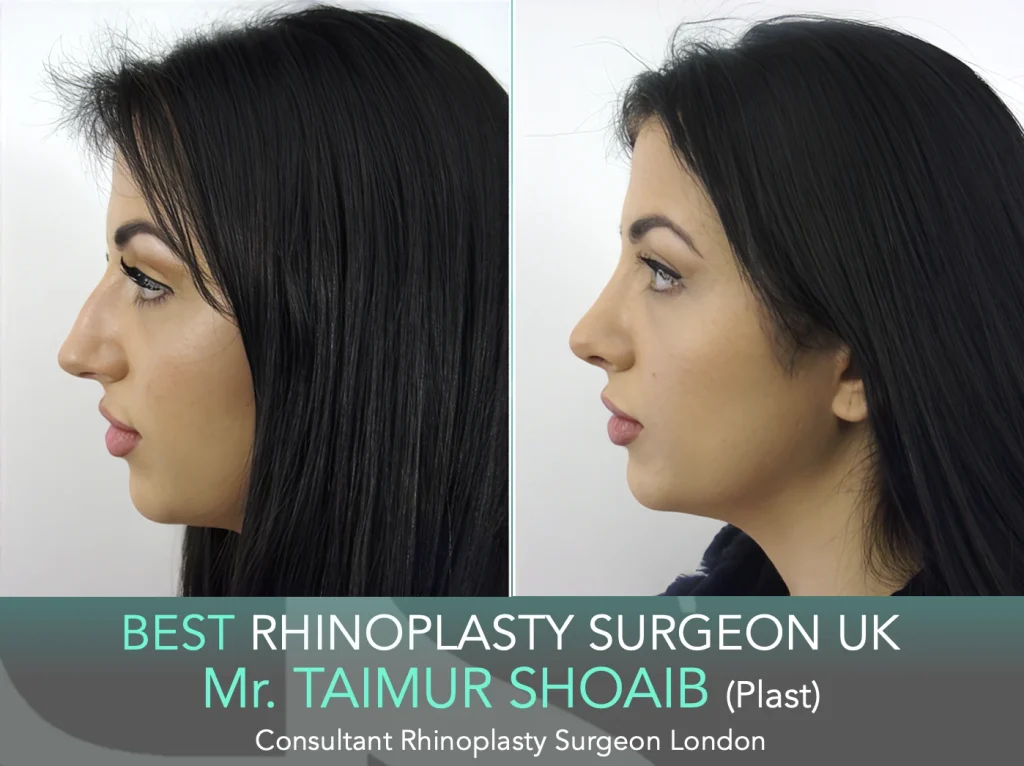
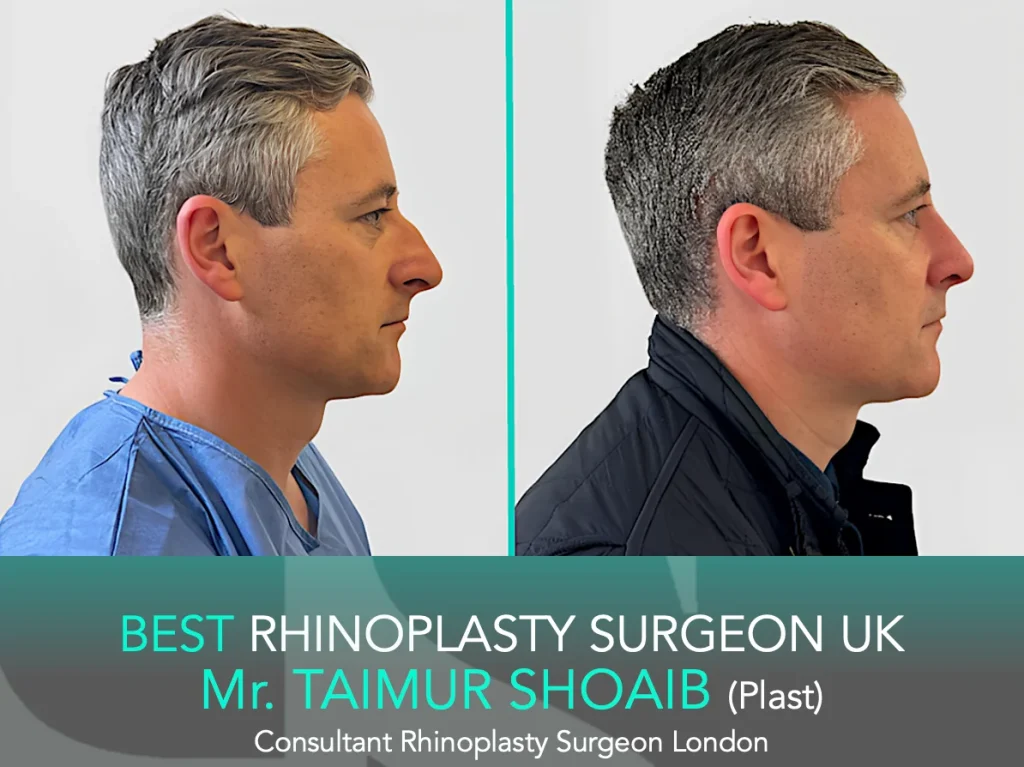
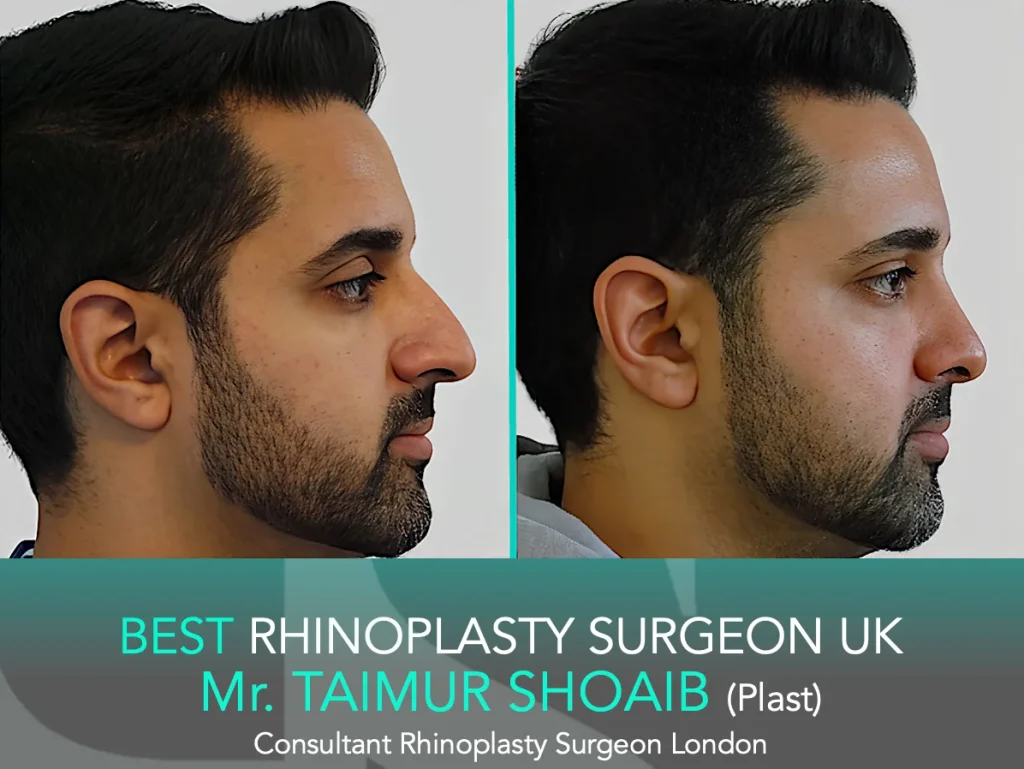
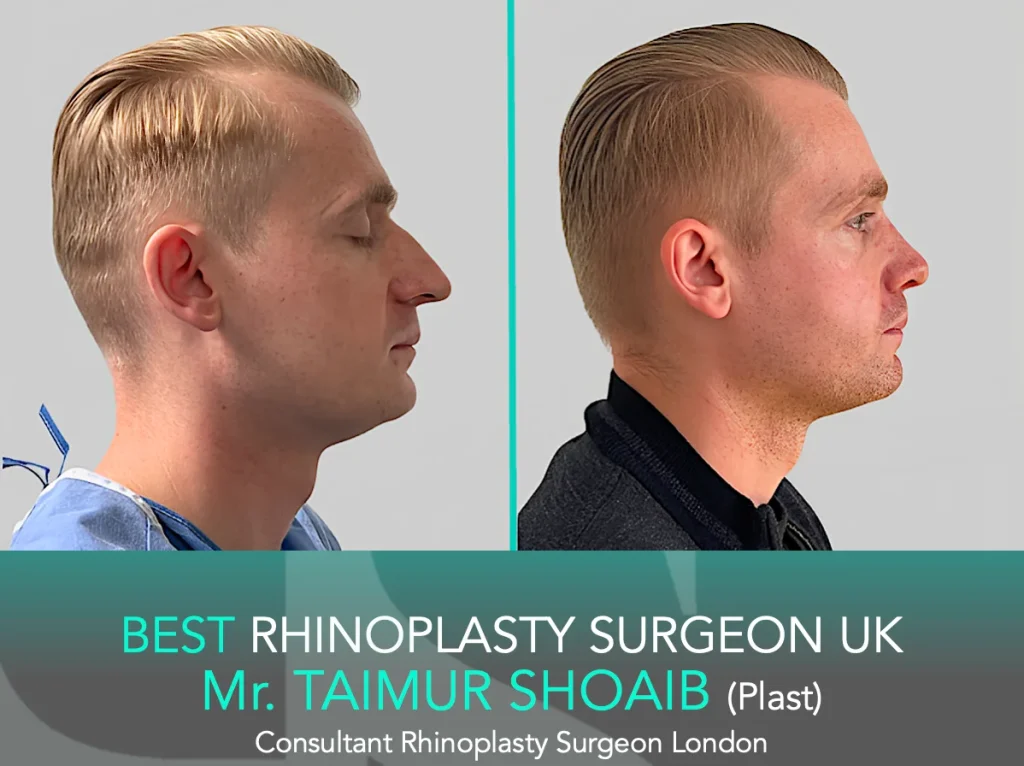
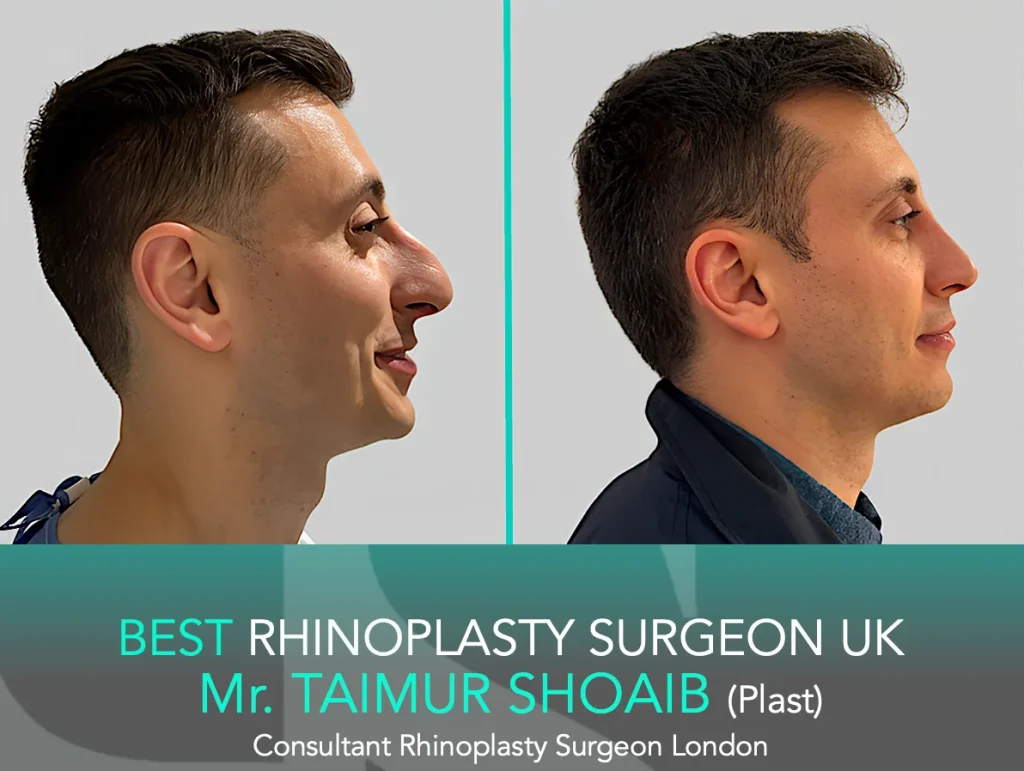
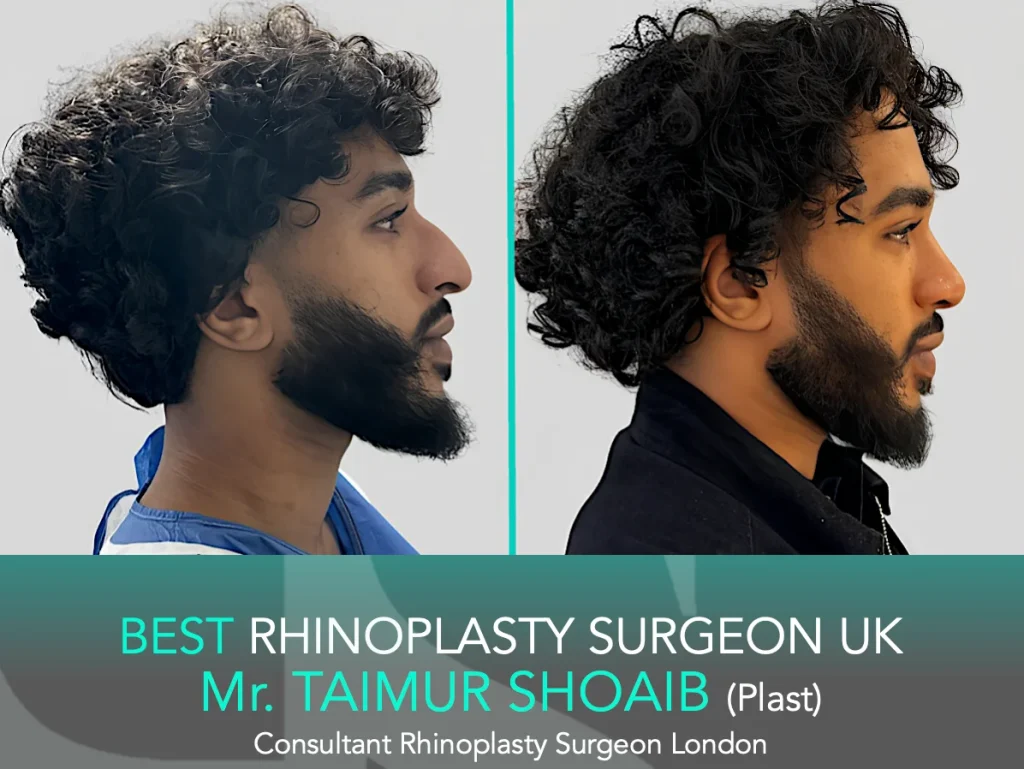
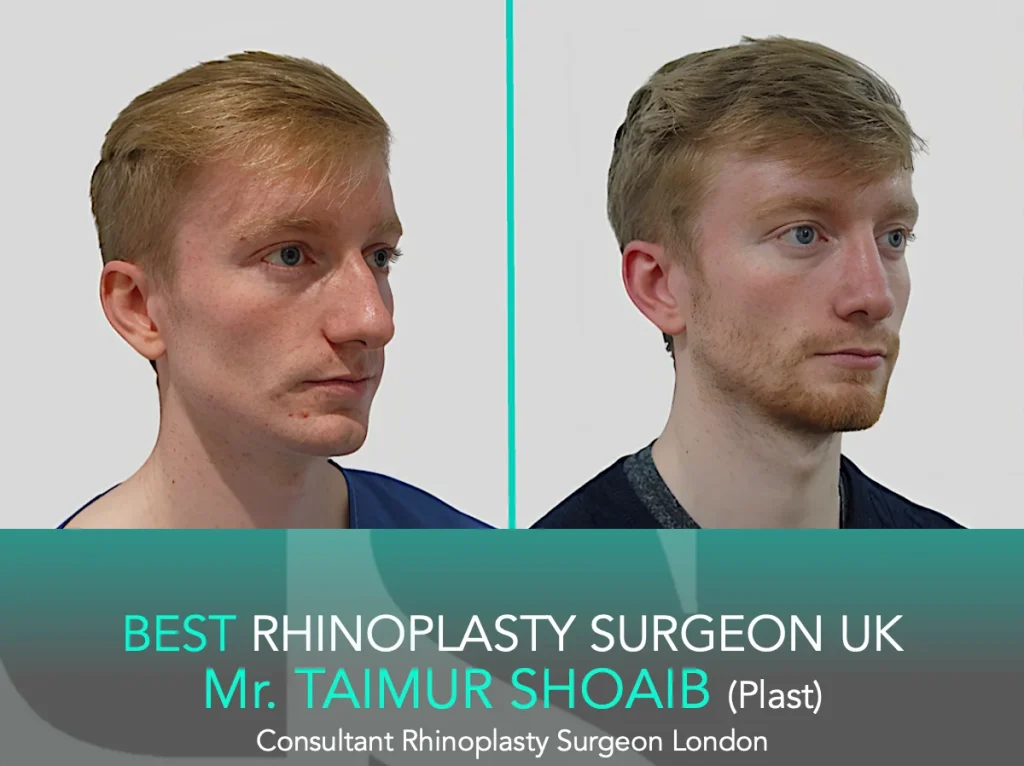
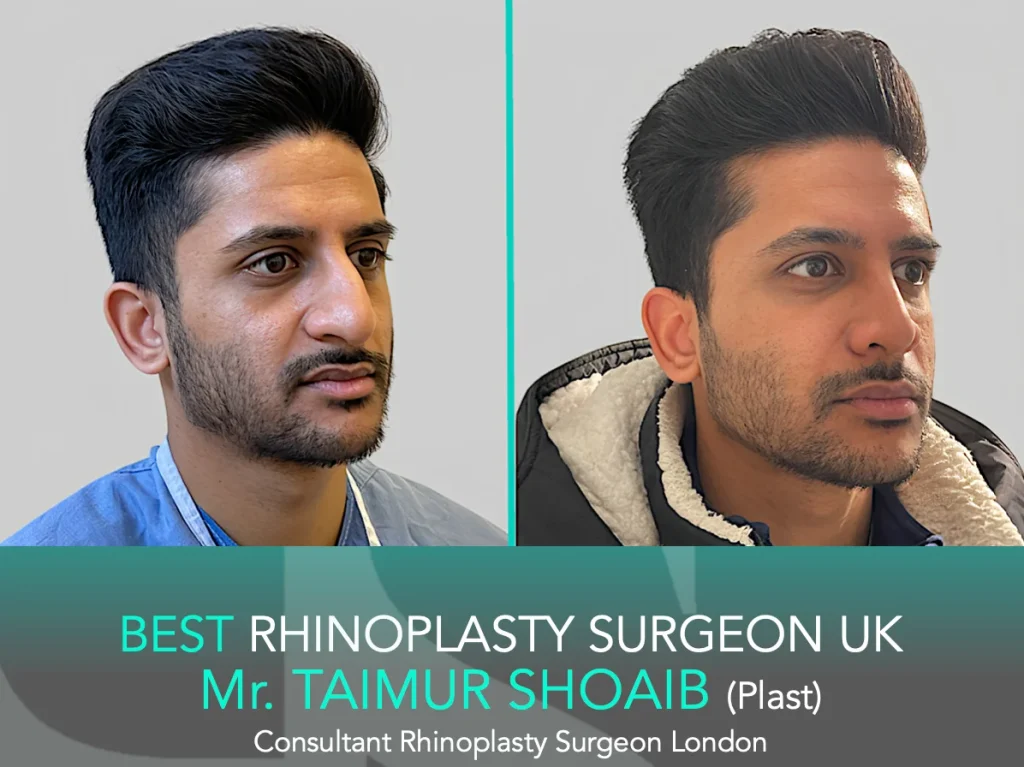
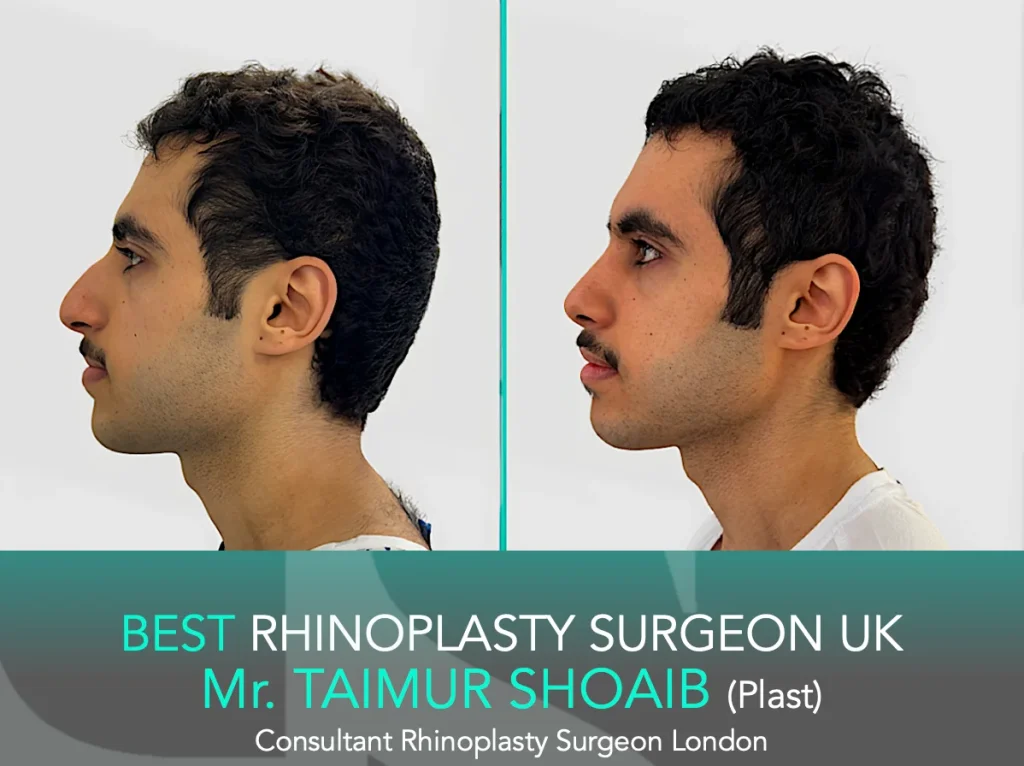
Achieving an optimal result in dorsal hump rhinoplasty requires a departure from standard reductive techniques. Our clinical approach focuses on structural balance, reinforcing the nasal framework to ensure the bridge remains stable while refining the profile. The goal is a high-definition result that functions well and ages gracefully, maintaining full harmony with your natural facial features.
Determining the correct approach for a nasal hump requires a comprehensive anatomical evaluation. At Berkeley Square Medical, our consultation process is designed to assess the relationship between your nasal bone, cartilage, and skin thickness to ensure a safe and predictable surgical outcome.
Dorsal Hump Straightening is a highly personalised procedure. During your initial consultation with Mr Taimur Shoaib, a comprehensive clinical evaluation of your nasal anatomy, skin quality and thickness together with breathing function. All performed to determine whether surgery is the safest and most effective option for you.
For a full breakdown of prices, what is included and finance options, see our rhinoplasty cost guide.
£8950.00
This fixed fee covers your entire surgical journey, not just the operation itself.
Dorsal hump removal with Mr Taimur Shoaib at 64 Harley Street is a fixed, all-inclusive fee of £8,950, agreed before surgery, with no hidden extras added to that agreed fee. Everything listed below is covered by it.
 | Your Full Consultation:£100.00 (Set Fee) Creditable Towards Your Set Surgery Fee Included With Consultation Summary E-Letter. | | TWO (2) Surgeon Consultations:1st - In-Person or Zoom Video Option Included. 2nd - On the Date of Your Treatment Included.
|
| Rhinoplasty Imaging Gallery:Front, Angle and Side Profile Gallery of the Predictive Visual Aim of Your Dorsal Hump Rhinoplasty Treatment Included.
| | Pre-Operative Tests:The Pre-Operative (MRSA) Nasal Swab Test, Essential for Ensuring Safety Before Your Surgical Procedure Included.
|
| Hospital & Anaesthetic Fees:All Hospital Fees, Private Room, Dedicated Nursing Team Assigned For Your Stay Included. | | Take Home After Surgery:All Medication And Garments Provided To Take Home After Surgery Fully Included.
|
| Complimentary Chauffeur Home:Complimentary Chauffeur Drive Home After Surgery In London Included. Options For Living Outside London Included. | | 24-Hour Care Post Surgery:Online Messaging Service 24 Hrs For The First 14 days After Surgery Aftercare Guidance Included.
|
| Post Operative Reviews:7-Day Post Operative Review Included. 1-3 Month Surgeon Review Included. 6-12 Month Surgeon Review Included. | | Non-Surgical Aftercare:Any Non-Surgical Nose Contouring Treatments Included. Any Swelling Reduction (Steroid) Treatment Included. |
| Option | What it does | How long it lasts | Fee |
|---|---|---|---|
| Surgical hump removal | Reduces the bone and cartilage of the bridge | Permanent | £8,950 fixed |
| Non-surgical (filler) | Camouflages the hump by filling around it; it cannot reduce bone or cartilage | Temporary | £650 |
| Septorhinoplasty (hump plus breathing) | Hump reduction with septum correction | Permanent | £8,950 fixed |
Non-surgical filler camouflages a hump temporarily and cannot remove bone or cartilage. See our non-surgical rhinoplasty page.
Your safety and happiness are of the utmost importance to us. We want to assure you that we are with you every step of the way, and that includes ensuring your rhinoplasty journey is as smooth and manageable as possible, both physically and financially. Below, you can explore our flexible payment options for our fixed £8,950 all-inclusive fee, allowing you to choose a plan that fits your lifestyle while you focus on your aesthetic aims.
Representative example. Subject to status. APR may vary.
Finance is provided subject to status. Taimur Shoaib is authorised and regulated by the Financial Conduct Authority. You can verify this status on the FCA Financial Services Register here .


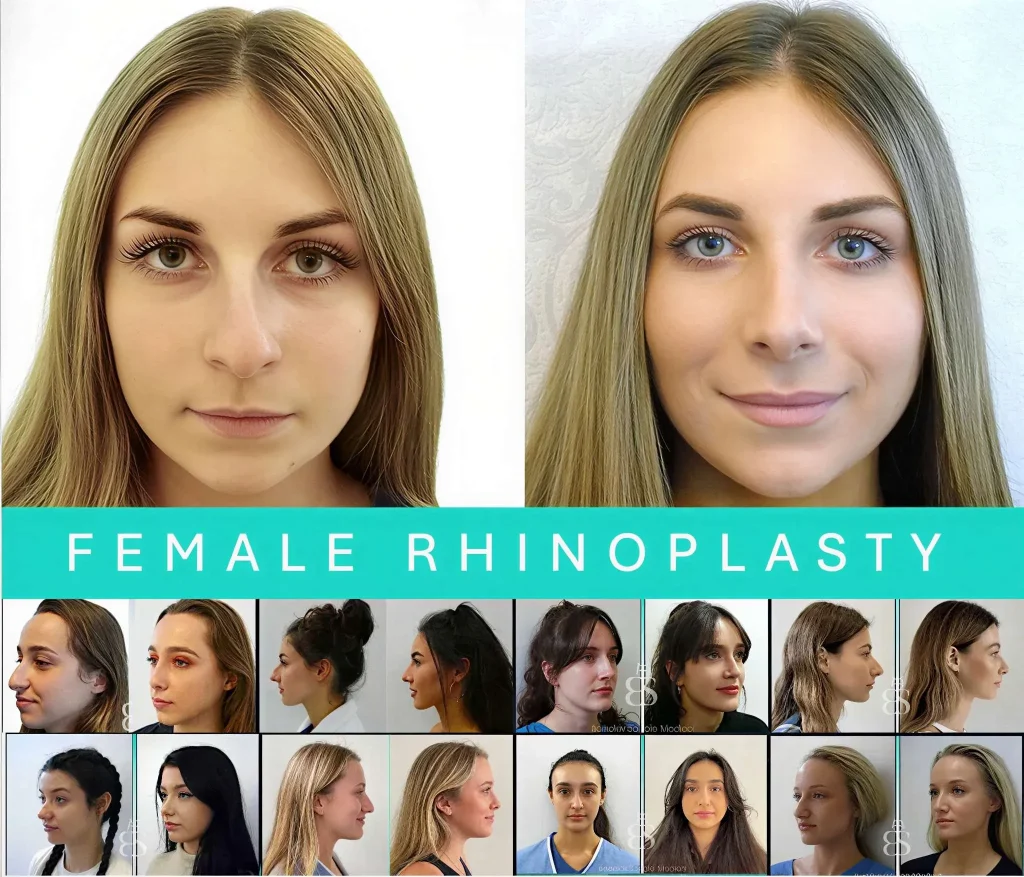
Beyond our specialised Dorsal Hump Reduction Before & After Gallery, Berkeley Square Medical is a specialist UK centre for Primary, Revision and Ethnic Rhinoplasty. Visit our dedicated Male and Female pages below for our full archive of 200+ Before-and-After Results, Transparent Pricing, and detailed Consultation and Hospital information with Mr Taimur Shoaib.
Honest answers to the questions patients ask most after dorsal hump surgery. Tap a question to read more.
A dorsal hump is typically a combination of excess bone in the upper third of the nose and excess cartilage in the middle third. Through rhinoplasty, these structures are precisely reshaped to create a smoother profile. Once the bone and cartilage are surgically adjusted, the results are permanent, though it takes several months for the skin to fully settle over the new shape.
A primary goal of specialist rhinoplasty at Berkeley Square Medical is to avoid the "operated-on" look. We avoid aggressive shaving that leads to a scooped appearance. Instead, we focus on precision lowering of the bridge to maintain a strong, natural-looking profile that remains proportional to your other facial features.
Aesthetic beauty must never come at the expense of respiratory function. When a hump is removed, it can narrow the internal nasal valve. To prevent this, we often use "spreader grafts" or preservation techniques to reinforce the airway. This ensures the nose remains structurally sound and functions well after the profile is refined.
Modern techniques have evolved beyond traditional "rasping". We utilise advanced preservation methods and precise instrumentation, such as ultrasonic (Piezo) tools where appropriate, to reshape the bone with extreme accuracy. This minimises trauma to the surrounding soft tissue, leading to less bruising and a more predictable recovery.
Most patients can return to work or light social activities within 10 to 14 days, once the initial protective splint is removed. While the improvement in your profile is visible immediately, minor residual swelling, particularly around the bridge, will continue to subside. The final, high-definition result typically matures over a 12-month period.
This depends on the size of the hump. Small humps consisting mainly of cartilage can sometimes be lowered without "osteotomies" (breaking the bone). However, for most significant humps, the nasal bones must be precisely moved to "close the roof" of the nose, ensuring the bridge does not appear wide or flat from the front after the hump is removed.
A non-surgical option uses dermal filler to add volume around a small hump so the bridge looks straighter, but it adds material rather than removing the bump and the effect is temporary, usually several months. For a genuine, permanent reduction of the bone and cartilage, surgical dorsal hump removal is the only option. Mr Shoaib will advise which approach suits your nose at your consultation.
At Berkeley Square Medical, dorsal hump removal (also called dorsal hump reduction or nasal hump removal) is part of a rhinoplasty and is charged as a single, fixed, all-inclusive fee of £8,950, with finance and payment-plan options available. For the full breakdown of what is included, see our rhinoplasty cost guide.
For the right patient it can be, though whether it is worth it is a personal decision. Removing a dorsal hump gives a straighter, more balanced profile, and because bone and cartilage are removed the result is long-lasting, but a rhinoplasty is still surgery with a recovery period and, like any operation, some risk. Individual results vary, and your suitability and realistic outcome are assessed at your consultation with Mr Shoaib.
Yes. A dorsal hump on the nose is most reliably removed with surgery (dorsal hump removal rhinoplasty), which reshapes the bone and cartilage of the bridge for a lasting result. Very small or borderline bumps can sometimes be softened temporarily with a non-surgical approach, though this adds volume around the hump rather than removing it. Mr Shoaib will advise which is appropriate for your nose at your consultation.
As with any rhinoplasty, possible risks include swelling, bruising, temporary numbness, infection, bleeding, a small residual or new irregularity, asymmetry, and, less often, breathing changes or a need for revision surgery. Serious complications are uncommon. Mr Shoaib explains the risks relevant to your nose in full at your consultation, and individual results vary.
Lowering the bone and cartilage is a permanent reduction, so the hump does not simply grow back. Early swelling can look like a small hump for several months, and occasionally a small callus or minor irregularity can form as healing finishes. Preservation techniques carry a recognised risk of the hump returning, which is why the technique is chosen for your nose. Results vary.
It should not. Removing a hump opens the top of the bridge, so Mr Shoaib narrows and closes it during the same operation, aiming to keep the front view balanced. The aim of planning it this way is a nose that looks straighter from the side without looking wider from the front, though individual results vary. This is discussed and imaged at your consultation.
Any questions, enquiries, or just looking for a consultation? Simply send your enquiry here and we will get back to you with a reply promptly.