
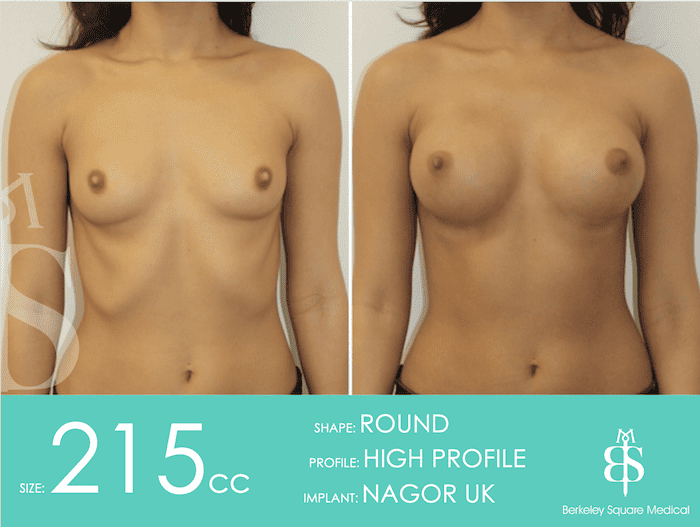
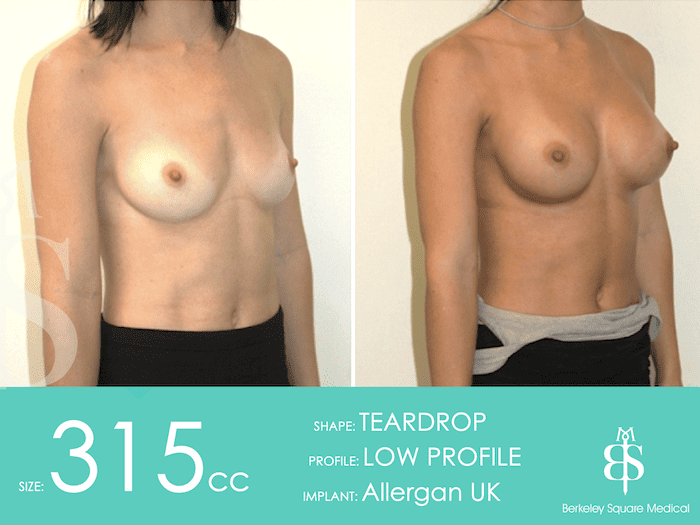
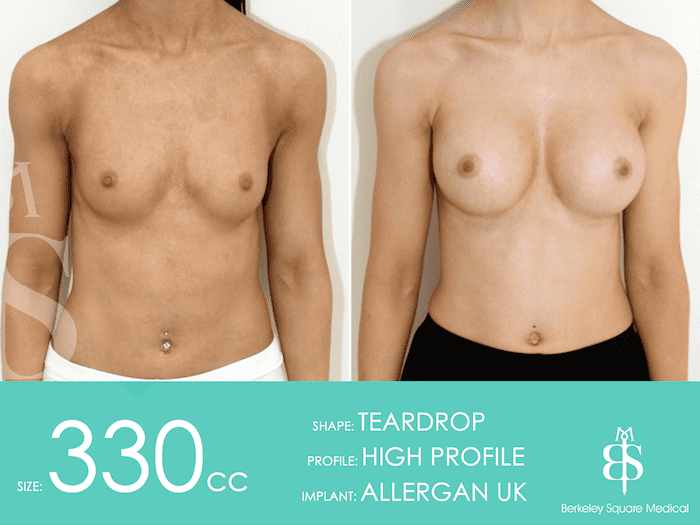
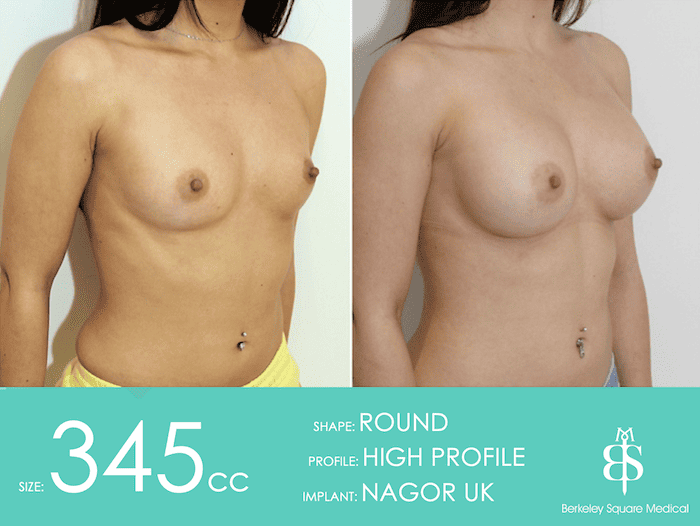
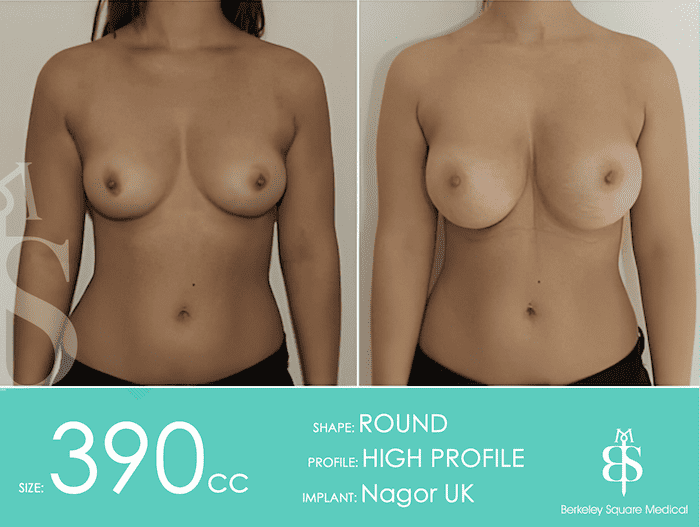
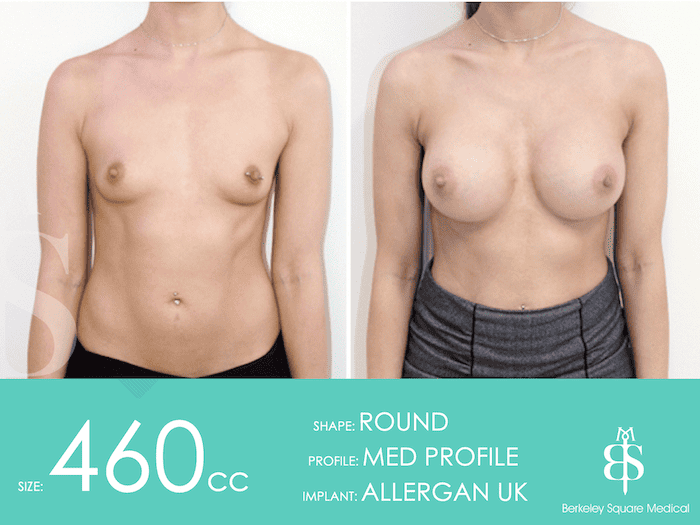
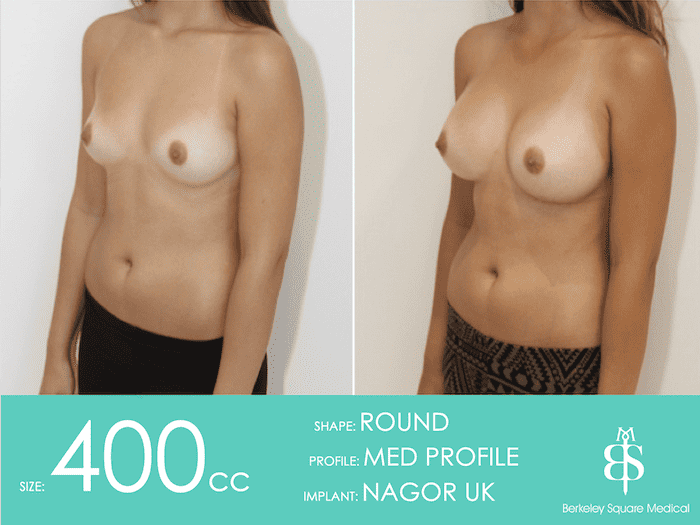
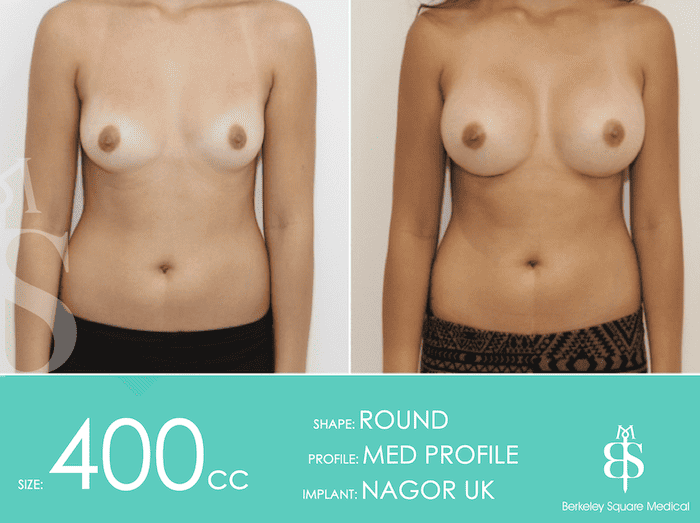
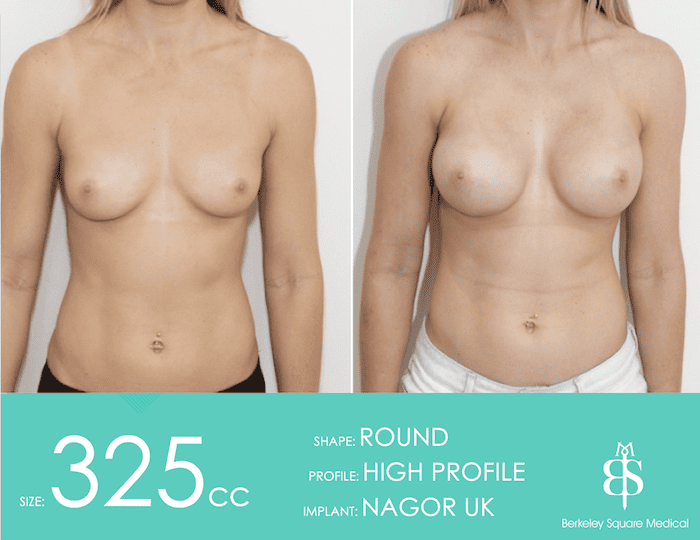
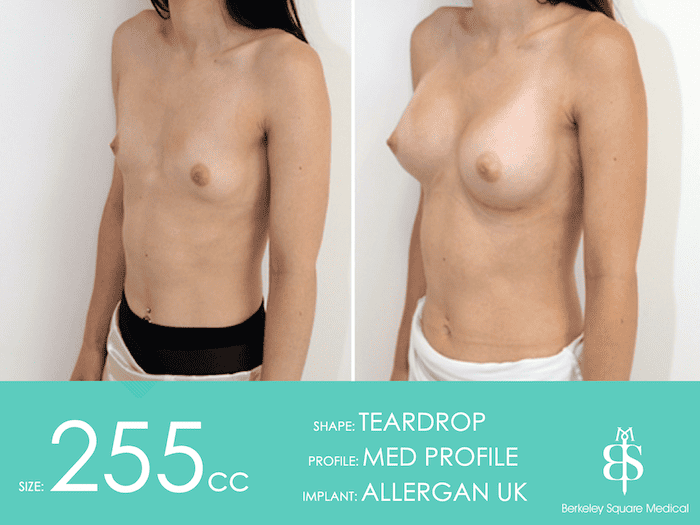
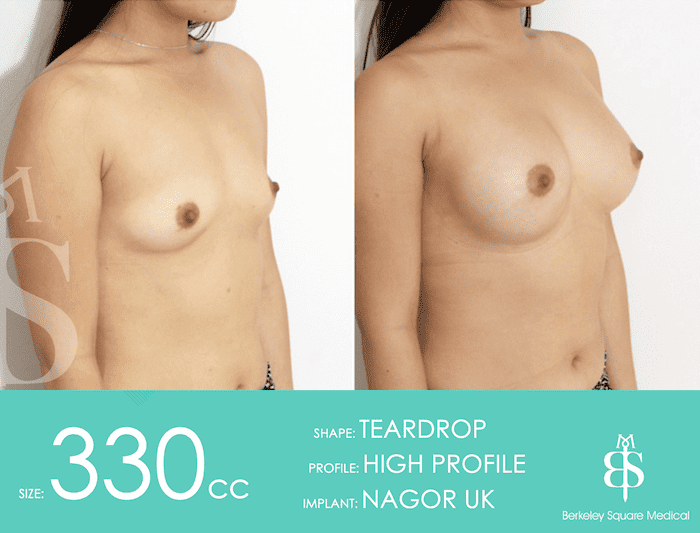
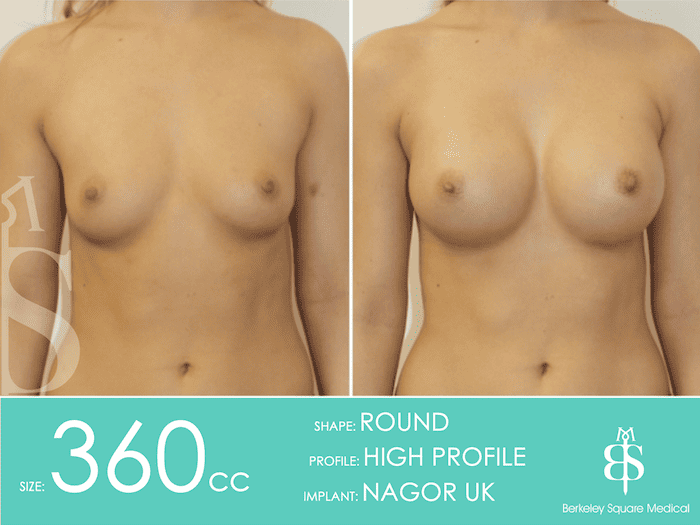
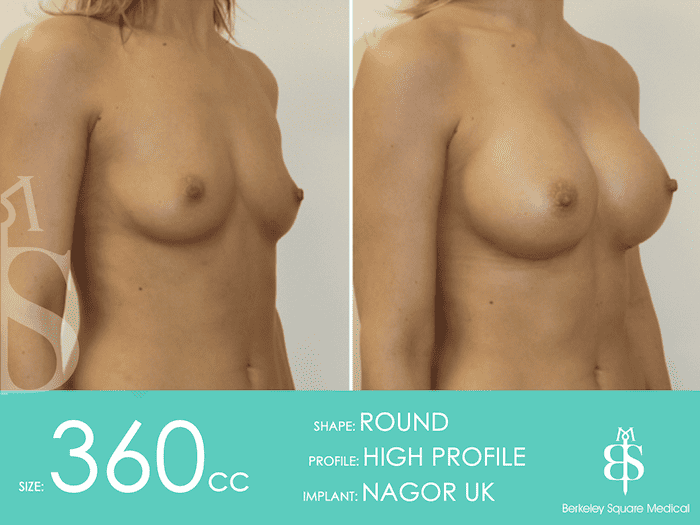
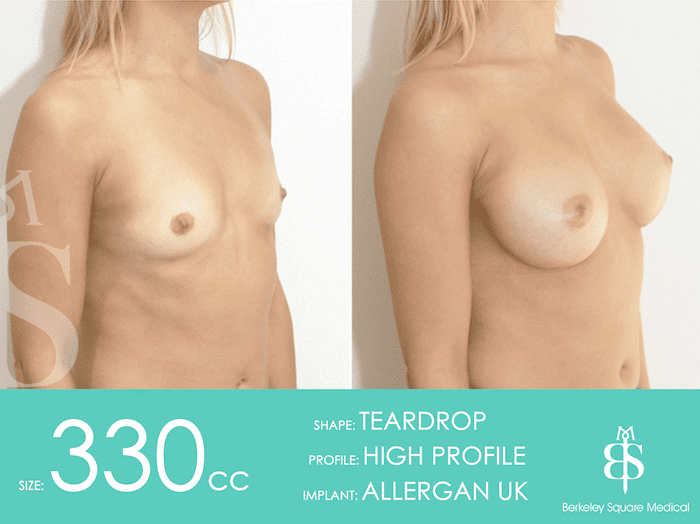
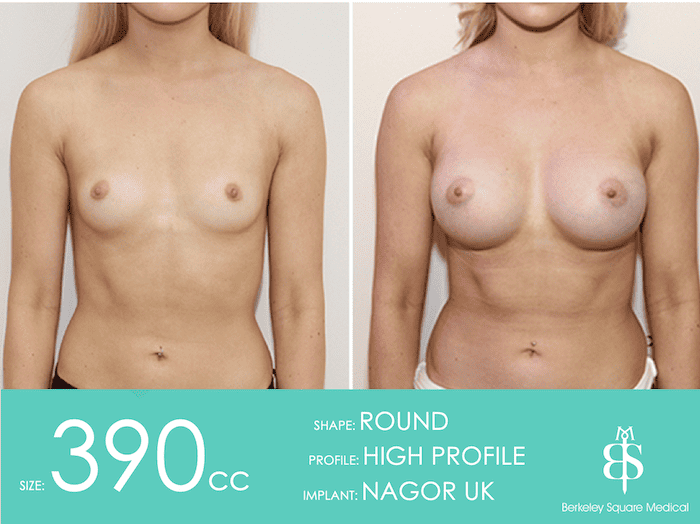
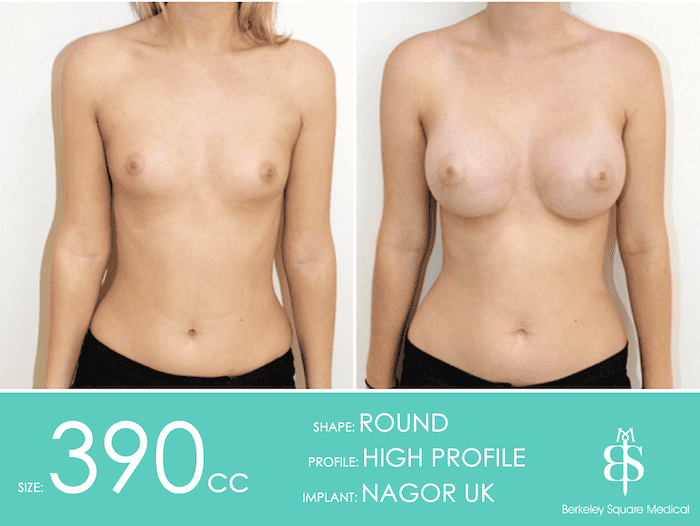
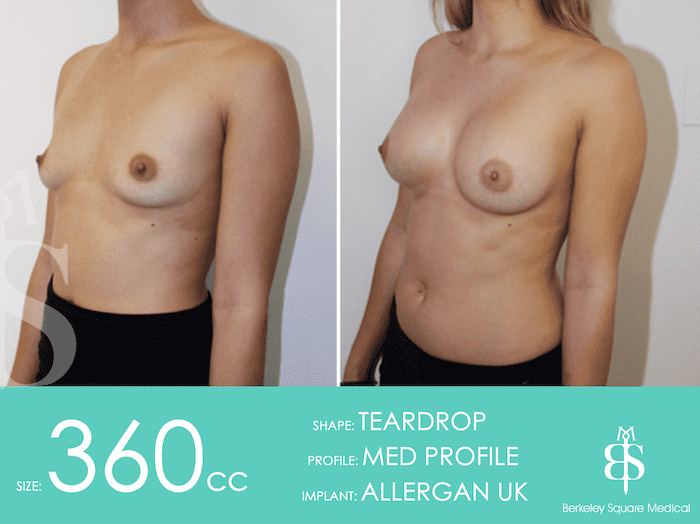
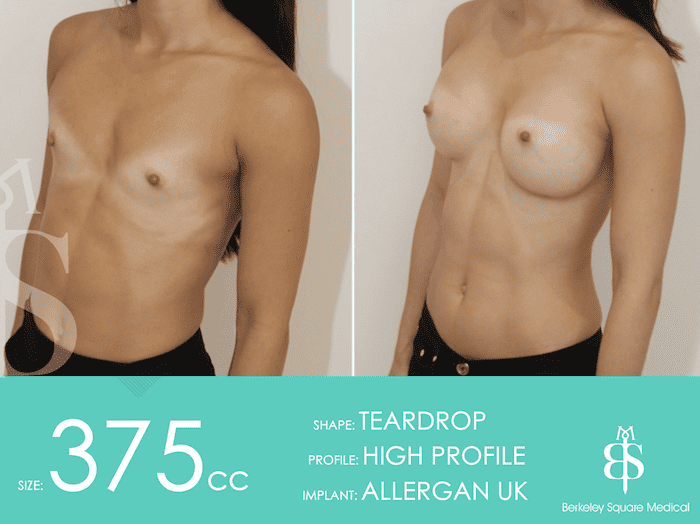
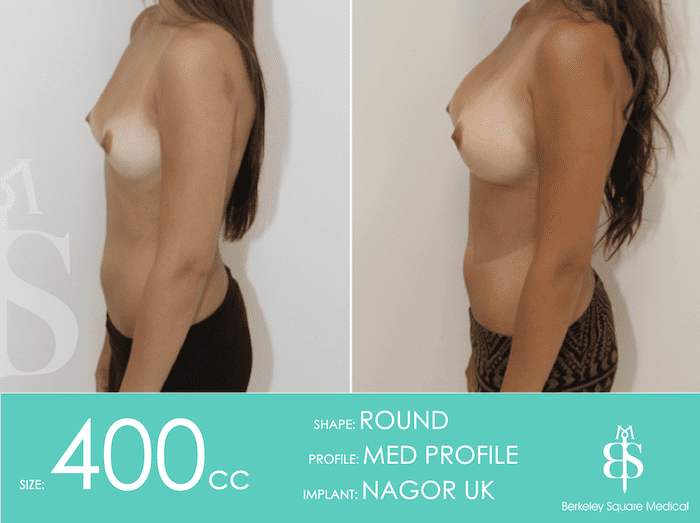
Mr Shoaib performs every breast enlargement himself and sees you at both consultations and your 12-week review. Alongside his rhinoplasty practice he has a long-standing breast surgery practice, and he co-authors published breast outcome studies, including five-year results of the PERLE implant (Aesthetic Surgery Journal, 2026; Mr Shoaib is a Key Opinion Leader for GC Aesthetics, which makes PERLE) and a ten-year series of breast lift with implants (JPRAS Open, 2026). These studies report patients treated by Mr Shoaib and his colleagues at a Glasgow clinic where he operates; individual results vary.
Checked, Qualified And Recognised
Three things every patient should confirm about their surgeon, all independently checkable.
GMC Specialist Register for Plastic Surgery
Listed on the GMC Specialist Register for Plastic Surgery since 2006. Fully Registered with the General Medical Council (GMC No. 3615443).

FRCS (Plast)
Fellow of the Royal College of Surgeons of Edinburgh (FRCS Plast).

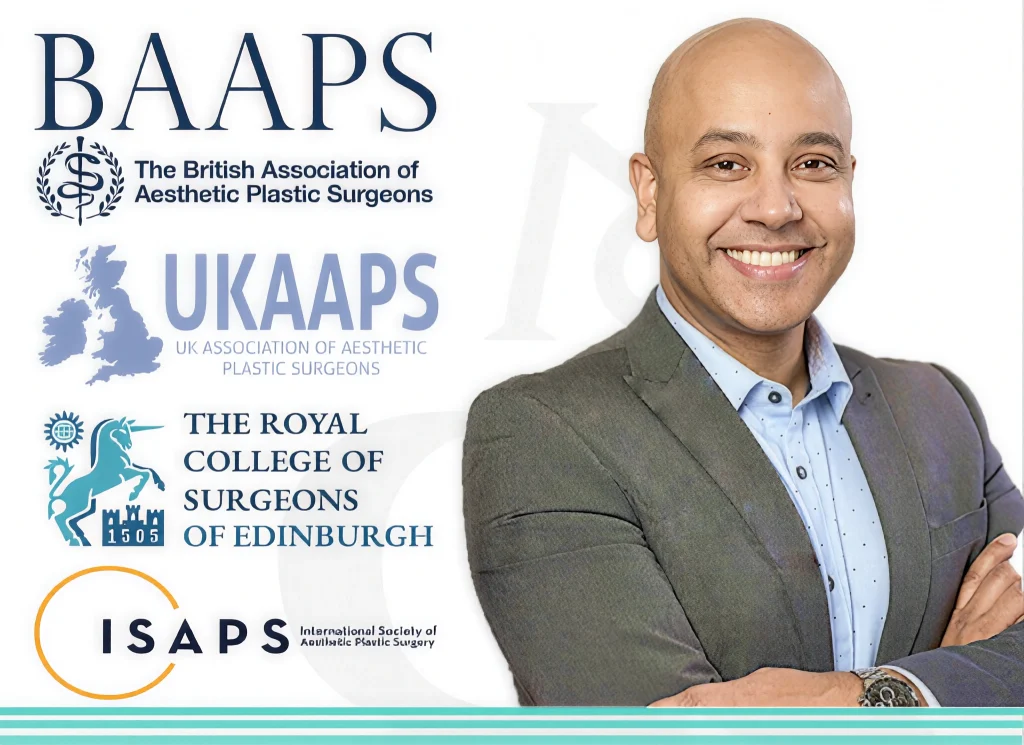
BAAPS · ISAPS · UKAAPS
Full Member, British Association of Aesthetic Plastic Surgeons (BAAPS). Full Member, International Society of Aesthetic Plastic Surgery (ISAPS). Full Member, UK Association of Aesthetic Plastic Surgeons (UKAAPS).
What this means for you: the GMC Specialist Register for Plastic Surgery is the UK’s legal benchmark for a consultant plastic surgeon. Only surgeons who complete full, examined plastic surgery training are listed. FRCS (Plast) is the surgical fellowship set by the Royal College of Surgeons. Both are independently checkable on the public GMC register.
Award-Winning Surgeon
Named industry awards, each with the awarding body and year.
49 verified reviews on Doctify, including 14 for breast enlargement and 10 for enlargement with a lift, as of 3 November 2026.
Read His Reviews On Doctify →
Your Breast Enlargement Journey
From First Consultation To Your Final Review
Mr Shoaib leads your care at every step, from your first consultation to your final review, at 64 Harley Street. Open each stage to read what happens, and when.
- Step 1
Your Breast Enlargement Consultation
Your breast enlargement starts with a face-to-face consultation with Mr Taimur Shoaib at 64 Harley Street. It costs £100, which is credited against your fee if you go ahead. You leave with a clear, personal plan, or with an honest view that surgery is not right for you. Here is what happens, step by step.
Step 1 Your Goals And Your Wellbeing
Mr Shoaib starts by asking what you would like to change and why: more fullness, better balance with your figure, a difference between your breasts, or volume lost after pregnancy, breastfeeding or weight loss.
He also asks about your wellbeing and how you feel about your appearance in general. Some people are deeply distressed by a flaw that others barely notice (body dysmorphic disorder, or BDD), and surgery rarely helps them, so this is part of every consultation. If he feels surgery is not right for you, or not right now, he will tell you honestly, and he may suggest talking things through with your GP first.
Did You Know?Body dysmorphic disorder is more common among people seeking cosmetic surgery. In a review of published studies (Body Image, 2016), it affected 13.2% of people in cosmetic surgery settings, compared with 1.9% of adults in the general population.
Step 2 Your Medical History
Mr Shoaib reviews your general health, any medical conditions, the medicines and supplements you take (including anything that thins the blood), allergies and any previous anaesthetics. He asks about previous breast surgery, breast lumps, scans or screening, and any family history of breast cancer. You need to be 18 or over. He checks your height and weight (your body mass index, or BMI), because a higher BMI raises the risk of problems such as slow wound healing, and he may suggest reaching a stable, healthier weight first.
If you smoke or use any nicotine product, you will be asked to stop at least 6 weeks before surgery, because nicotine reduces the blood supply to healing skin.
Step 3 Examination And Measurements
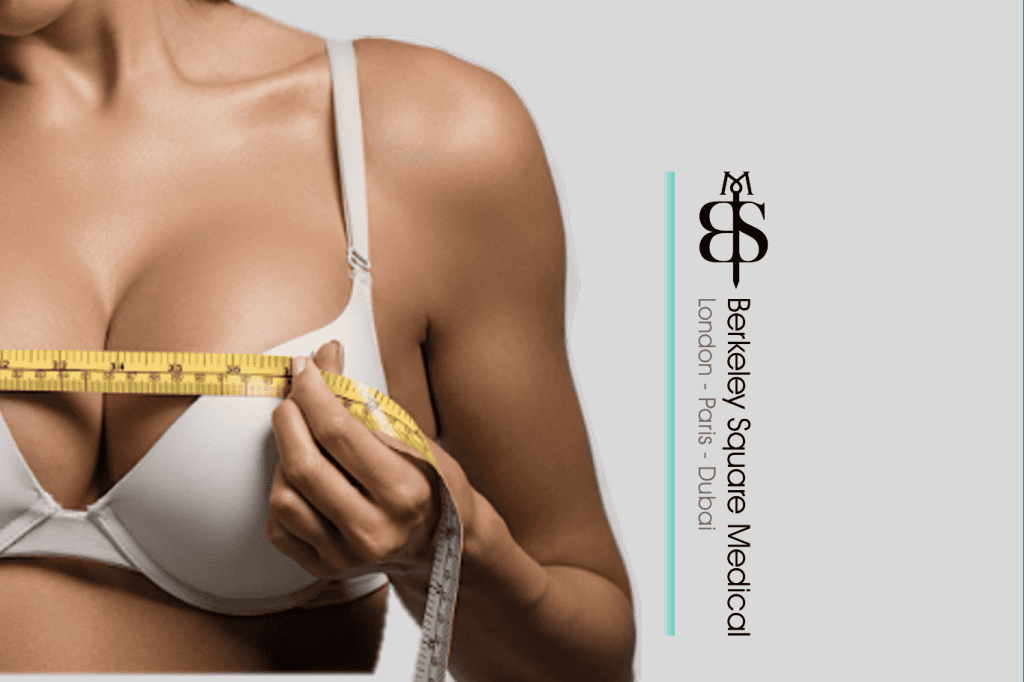
Mr Shoaib examines your chest and breasts. He measures the width of each breast, the distance from each nipple to the fold underneath and how much your skin stretches, and assesses the thickness of your breast tissue and the shape of your chest wall. Most women have some difference between their breasts, and he points out any asymmetry before surgery, so you know what can and cannot be evened out.
Step 4 Trying Implant Sizers In A Bra
You try on implant sizers inside a bra, so you can see different volumes in the mirror and under your clothes (read more about choosing your implant size). This helps you show Mr Shoaib the look you want. He then guides the final choice from your measurements, because an implant that suits the width of your breast and the tissue covering it is chosen by fit, not by a cup size.
Step 5 Your Implant, Placement And Incision
Mr Shoaib uses Nagor silicone gel implants by GC Aesthetics. He talks you through the shape (round or anatomical), the profile, a smooth or textured surface (including the link between textured implants and BIA-ALCL), the placement (above the chest muscle, below it, or partly below it in a dual plane) and the incision (in the fold under the breast, around the edge of the areola, or in the armpit). Each choice is made with you and recorded in your notes. See our implant range.
Declared interest: Mr Shoaib is a Key Opinion Leader for GC Aesthetics, the maker of Nagor implants. You are welcome to ask about other implant options.
Step 6 Realistic Expectations And Limits
Implants can add size and improve shape, but they cannot raise low nipples or correct significant droop, which may need a breast lift. Some difference between your breasts usually remains. Swelling settles over the first weeks, and the implants drop and soften into their final position over about 4 to 6 months. Breast implants are not lifetime devices, and you may need further surgery in the future. Individual results vary.
Did You Know?The UK patient guide from the ABS, BAAPS and BAPRAS (2021) puts the chance of needing another operation on your breasts at about 1% a year, or around 10% after 10 years.
Step 7 Planning Your Recovery
Mr Shoaib explains your recovery before you decide, so you can plan time off work, childcare and help at home. Most patients return to desk work the next day if they feel comfortable, so plan the time off that suits how you feel and your job. You can usually drive after 72 hours, start light exercise at 2 weeks and return to full exercise at 6 weeks. You wear the surgical bra we supply day and night for 4 weeks. Your reviews at 7 days, 12 weeks and 6 to 12 months are all included.
Step 8 Meeting Our Clinical Team
At the same visit, you meet a member of Mr Shoaib’s clinical team. They take you through your set fee and exactly what it includes, monthly finance if you would like it, and the surgery dates available. They also explain your MRSA screen, a simple swab test at 64 Harley Street up to 30 days before your operation.
Step 9 Two Weeks To Decide
There are at least 2 weeks between your first consultation and your operation. We send you your consultation letter and consent form to read at home, with the people close to you if you wish. You can ask us questions at any time, and you can change your mind at any point before surgery. You see Mr Shoaib again for a second consultation on the morning of your operation, before you sign your consent.
Did You Know?The Royal College of Surgeons of England asks cosmetic surgeons to take consent in two stages, with a cooling-off period of at least two weeks between them, so that you have time to reflect on your decision.
- Step 2
Your Surgery Day
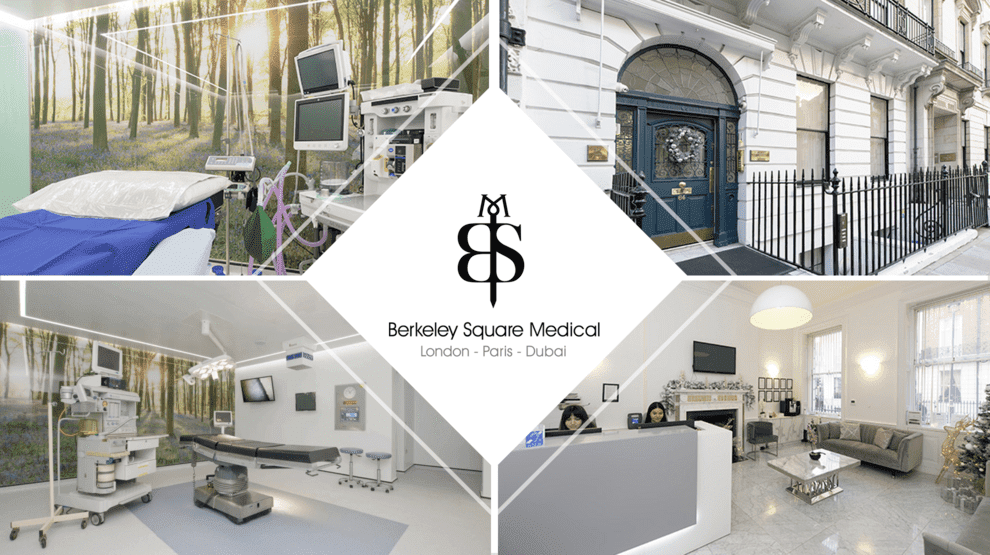
Your breast enlargement is performed by Mr Shoaib at Harley Health Village, the private hospital at 64 Harley Street, regulated by the Care Quality Commission. It is a day case, so most patients go home the same day. If you would prefer to stay overnight, this can be arranged for an additional fee.
Step 1 Arriving At Harley Health Village
Before your surgery date, we send you clear instructions about when to stop eating and drinking. Please follow them exactly, because they keep your anaesthetic safe. On the day, our nursing team welcomes you at Harley Health Village, 64 Harley Street, checks your details and your health, and shows you where to change and relax before surgery.
Step 2 Your Second Consultation With Mr Shoaib
Mr Shoaib sees you again to go through the plan, including your implant, its placement and the incision, and to answer any last questions. You sign your consent on the day, and only when you are ready. With your consent, your pre-operative photographs are then taken, so your result can be compared at your reviews.
Step 3 Meeting Your Anaesthetist
Your anaesthetist reviews your health, medicines and any allergies, checks that you have followed the eating and drinking instructions, explains the general anaesthetic, which means you are fully asleep throughout the operation, and answers your questions.
Step 4 Your Operation
The operation takes about 1 hour. Through the incision agreed with you, Mr Shoaib creates a pocket for each implant, above, below or partly below the chest muscle, then places your Nagor implants and checks their position and symmetry.
Your wounds are closed with dissolvable stitches and covered with waterproof dressings, and your surgical bra is put on before you wake up.
Step 5 Waking Up In Recovery
You wake up in the recovery area, where nurses monitor you closely as the anaesthetic wears off. Your chest will feel tight and sore, and you are given pain relief. Drowsiness is normal for the first few hours.
Step 6 Going Home The Same Day, By Chauffeur
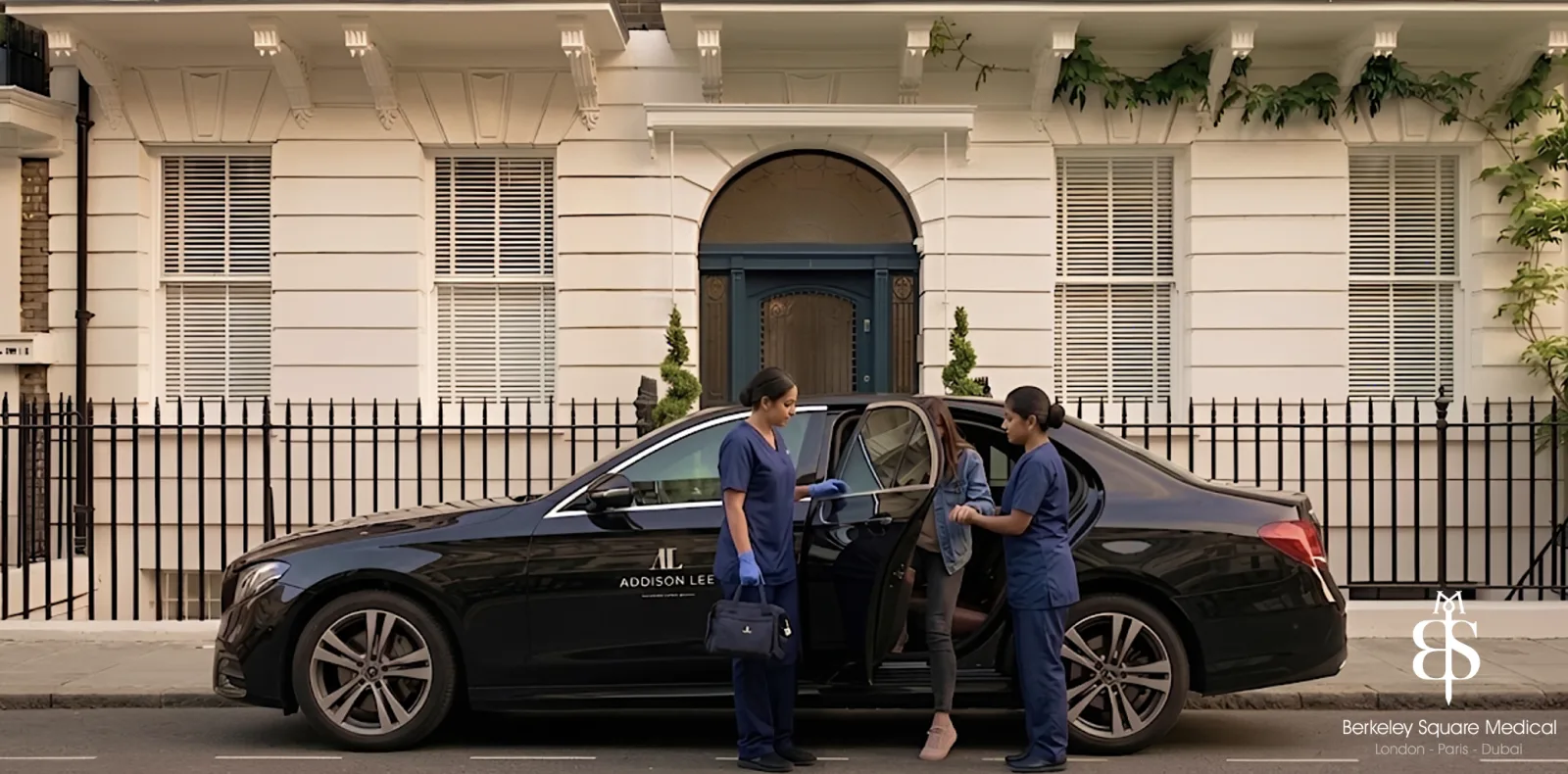
When you are awake and comfortable and the team is happy with your recovery, you can go home. If drains were used, they are removed before you leave the hospital, so you do not go home with them. You are given your take-home medication, which is included in your fee, your aftercare instructions and access to our 24-hour online messaging service. A complimentary chauffeur then takes you home, anywhere within London, so you do not need to arrange transport.
Step 7 Your First Night
A responsible adult must stay with you for the first night. Do not drive for at least 72 hours after your operation. Rest, sleep on your back and wear your surgical bra day and night. If anything worries you, message us at any time.
- Step 3
Breast Enlargement Recovery, Week By Week
Recovery is different for everyone, and Mr Shoaib confirms your timings with you. These are typical, from the day of surgery to your final review. Read more about breast enlargement recovery time.
First 24 Hours Rest And Pain Relief
Expect tightness, soreness and some swelling, managed with the take-home pain relief we give you. Rest, but short walks around your home are good for you. Wear your surgical bra day and night, sleep on your back and avoid lifting your arms above shoulder height. A responsible adult stays with you overnight.
First 3 Days Showering, Desk Work And Driving
Discomfort usually eases over the first few days. Your dressings are waterproof, so you can shower; leave them in place until your review. Most patients return to desk work from the next day if they feel comfortable. You can usually drive again after 72 hours, once you can wear a seatbelt and make an emergency stop comfortably. Check that your car insurance covers you.
Day 7 Your Nursing Review
You come back to 64 Harley Street for your day-7 review with our nursing team, who check your wounds and change your dressings. All your stitches are dissolvable, so there are none to remove.
Week 2 Light Exercise And Side Sleeping
From about day 10 you can usually start sleeping on your side, and from 2 weeks you can begin light exercise, such as brisk walking and gentle cardio (see exercise after breast augmentation). Once your scars have fully sealed and turned pink, we recommend silicone scar gel or tape to help them settle. This is not supplied, so you buy it yourself.
Week 4 Back To Normal Bras
You stop wearing the surgical bra full time and move to comfortable, normal bras. Swelling continues to settle over the coming weeks.
Week 6 Full Exercise
You can usually return to full exercise, swimming and heavy lifting. Build up gradually, and if anything still feels tight or sore, give it a little longer and let us know.
3 Months Your Review With Mr Shoaib
Your 12-week review with Mr Shoaib checks your healing and shape. Your implants drop and soften into their final position, usually over 4 to 6 months, and it is normal for one side to settle before the other.
6 To 12 Months Your Final Review
Your final review with Mr Shoaib is included in your fee. Your scars continue to fade and become paler.
- Step 4
Breast Enlargement Safety And Risks
All surgery carries risks. Mr Shoaib explains them in person at your consultation and personalises them to you, and you take written information home to read before you decide. The figures below are published data, not our own audit: they are a guide, results vary, and your own risk depends on your health and the operation you have.
Most figures below come from the UK patient guide from the ABS, BAAPS and BAPRAS (2021), with published studies where they add detail.
We describe how often each risk happens using the standard terms used in UK patient information: very common (more than 1 in 10), common (1 in 10 to 1 in 100), uncommon (1 in 100 to 1 in 1,000), rare (1 in 1,000 to 1 in 10,000) and very rare (fewer than 1 in 10,000).
Risk 1 Bleeding (Haematoma)
Uncommon, under 1 in 100A collection of blood can build up around an implant soon after surgery. The UK patient guide from the ABS, BAAPS and BAPRAS (2021) puts the risk at less than 1 in 100, and it usually needs a return to theatre to remove the blood.
Risk 2 Infection
Rare in the UK guide (under 1 in 1,000); common over 10 years in one study (1.6%)The UK guide puts the risk of infection at less than 1 in 1,000. Published studies report higher figures over longer follow-up: 1 infection among 374 patients in the series from a Glasgow clinic where Mr Shoaib operates (Aesthetic Surgery Journal Open Forum, 2023), and 1.6% after primary breast enlargement over 10 years in a 10-year study of Mentor MemoryGel implants (Plastic and Reconstructive Surgery, 2021). It is usually treated with antibiotics, but sometimes an implant has to be removed to clear the infection and replaced later.
Risk 3 Capsular Contracture
Uncommon in the first years in one study (0.5%); very common, about 1 in 8, by 10 years in anotherYour body forms a thin layer of scar tissue (a capsule) around every implant. Sometimes it tightens, making the breast feel firm, look misshapen or become painful, and severe contracture usually needs further surgery. In a study of 592 breast enlargements with PERLE implants at a Glasgow clinic where Mr Shoaib operates (Aesthetic Surgery Journal, 2026), 0.5% developed capsular contracture (median follow-up across the whole study, 34 months). The risk rises over the years: a 10-year study of Mentor MemoryGel implants (Plastic and Reconstructive Surgery, 2021) reported 12.1% at 10 years. These studies followed patients for different lengths of time and cannot be compared directly.
Risk 4 Implant Rupture
Common to very common over time: about 1 in 10 (UK guide) to 1 in 4 (one study) by 10 yearsThe implant shell can tear, sometimes years later and often without symptoms (a silent rupture). The UK guide reports that about 1 in 10 implants had ruptured at 10 years. In a 10-year study of Mentor MemoryGel implants (Plastic and Reconstructive Surgery, 2021), the estimated rupture rate after first-time breast enlargement was 24.2% by 10 years. An ultrasound or MRI scan is used to check, and a ruptured implant is usually replaced.
Risk 5 Changes In Nipple And Breast Feeling
Very common, about 1 in 5; permanent in about 1 in 10The UK guide says around 1 in 5 patients have reduced feeling in the nipples. Recovery can take up to 12 months, but about 1 in 10 patients have some permanent numbness. Some women notice extra sensitivity instead.
Risk 6 Implant Position, Rippling And Asymmetry
Uncommon to common, about 1 in 100 for implant malpositionImplants can sit too high, too low or too far apart. A 10-year study of Mentor MemoryGel implants (Plastic and Reconstructive Surgery, 2021) followed women for 10 years, and the PERLE study reported implant malposition in 0.7% of implants. Rippling, where the edge of the implant can be seen or felt, is more likely in slim women with little breast tissue. Some difference between the breasts usually remains.
Risk 7 Scarring
Varies from person to personScars usually fade but can stay red, widen or thicken, and raised scars are more likely if you have had them before, and in darker skin. Occasionally a small operation to improve a scar is offered.
Risk 8 Breastfeeding
No single rate; many women breastfeedMany women breastfeed after breast enlargement, but surgery can reduce milk supply. In a review of 5 studies (2018), women with implants were less likely to breastfeed, and especially less likely to breastfeed exclusively, than women without them. Tell Mr Shoaib if you plan to breastfeed.
Risk 9 Anaesthetic And Blood Clots
Rare, about 1 in 10,000 for blood clotsA general anaesthetic carries its own small risks, including reactions to medicines. In a study of 129,007 cosmetic surgery patients in the USA, blood clots in the legs or lungs in the 30 days after breast operations occurred in about 0.01%. Your anaesthetist assesses you before surgery.
Risk 10 BIA-ALCL
Rare: 1 per 12,187 implants sold in the UKBreast implant associated anaplastic large cell lymphoma (BIA-ALCL) is a rare type of cancer of the immune system around an implant, almost always a textured one. The MHRA reports 1 case per 12,187 breast implants and tissue expanders sold in the UK (data to 31 December 2024); the figure counts implants, and most women have two. It is not breast cancer, and it is usually curable when found early. Read more in our Safety And Risks section below.
Risk 11 Breast Implant Illness
Frequency not knownSome women with implants report symptoms such as tiredness, joint pain or "brain fog". The MHRA says it is not known whether implants cause these symptoms. Read more in our Safety And Risks section below.
Risk 12 Further Surgery Over Time
Common to very common: about 1 in 10 (UK guide) to 1 in 4 (one study) by 10 yearsImplants are not lifetime devices. The UK guide estimates the chance of another operation at about 1% a year, around 10% after 10 years. A 10-year study of Mentor MemoryGel implants (Plastic and Reconstructive Surgery, 2021) reported further surgery for any reason in about 1 in 4 women (25.5%) by 10 years. In the PERLE study, 2.5% had needed further surgery for an implant-related problem by 5 years. For what happens if further surgery is needed, see our terms and conditions.
How We Reduce Risk
- Your surgeon: Mr Shoaib, on the GMC Specialist Register for plastic surgery, performs your operation himself and sees you at both consultations and your 12-week review.
- A regulated hospital: your operation is at Harley Health Village, regulated by the Care Quality Commission, and your anaesthetist assesses you before surgery.
- Time to decide: two consultations and at least 2 weeks between them.
- Checks before surgery: your medical history and BMI, stopping smoking and nicotine at least 6 weeks before, and an MRSA screen at 64 Harley Street up to 30 days before your operation.
- Close aftercare: your surgical bra, waterproof dressings, a day-7 nursing review, reviews at 12 weeks and 6 to 12 months, and our 24-hour online messaging service. With your consent, any implant is recorded on the national Breast and Cosmetic Implant Registry, so you can be contacted if there is ever a safety concern about it.
When To Contact Us
Message us at any time on our 24-hour online messaging service if one breast suddenly swells or becomes very painful, you have a high temperature or feel generally very unwell, or a wound becomes red, hot or leaks fluid. If one breast is swelling quickly and feels tight, or bleeding will not stop, and you cannot reach us quickly, go to your nearest A&E and tell them you have had breast surgery. Call 999 if you have chest pain, breathlessness or cough up blood, or you feel very unwell with confusion, very fast breathing or blotchy or blue skin. If a calf becomes swollen and painful, contact us straight away or call NHS 111.
For implant safety, BIA-ALCL, breast implant illness, the national implant registry and breast screening, see Safety And Risks below.
Questions To Ask Any Surgeon
Whoever you see, these are good questions to ask. Here are our answers:
Breast Implants In London
Shape, Size, Placement And Incision
Mr Shoaib uses Nagor breast implants, made by GC Aesthetics. All are silicone gel implants. The range includes round and anatomical (teardrop) shapes, smooth and textured surfaces, and many sizes and profiles, including the smooth PERLE implant. Your implant is chosen with Mr Shoaib at your consultation, based on your measurements, your tissue and what can be safely achieved.
What Is Decided With You
- Shape: round implants add fullness to the upper breast; anatomical (teardrop) implants are fuller lower down, for a more sloping profile.
- Size and profile: measured in cc and chosen to fit the width of your breast, rather than by aiming for a cup size.
- Surface: smooth or textured. Mr Shoaib explains the difference, including the link between textured implants and BIA-ALCL described below.
- Placement: above the chest muscle (subglandular), below it (submuscular), or dual plane, partly under the muscle. More cover from your own tissue can help the implant look and feel softer.
- Incision: Mr Shoaib usually uses a short incision in the fold under the breast (inframammary). Other routes, around the edge of the areola (periareolar) or through the armpit (transaxillary), are used by some surgeons, and he can explain the differences at your consultation.
Nagor implants come with the GC Aesthetics lifetime warranty (terms apply), which provides free replacement implants if an implant ruptures or develops severe capsular contracture (Baker grade III or IV). It covers the implants, not the cost of further surgery. Breast implants are not lifetime devices, and you may need further surgery in the future.
Declared interest: Mr Shoaib is a Key Opinion Leader for GC Aesthetics, the maker of Nagor implants. You are welcome to ask about other implant options at your consultation.
Safety And Risks
What You Should Know Before Surgery
The full numbered list of risks, with how often each one happens, is in the Safety And Risks stage of your journey above. This section covers the implant safety questions patients ask most. Tap each heading to read more.
BIA-ALCL
Breast implant associated anaplastic large cell lymphoma (BIA-ALCL) is a rare cancer of the immune system that can develop in the scar capsule around an implant. It is not breast cancer. The MHRA, the UK regulator, reports 1 case per 12,187 breast implants and tissue expanders sold in the UK (data to 31 December 2024). Almost all cases have been in women with textured implants.
It usually shows as a fairly quick, painless swelling of one breast from fluid around the implant, on average about 8 years after surgery (UK patient guide), and is usually curable when found early. The MHRA does not advise removing implants if you have no symptoms. Contact us or your GP if a breast swells or you find a lump more than a year after surgery. Read the MHRA guidance on BIA-ALCL.
Breast Implant Illness
Some women with implants report symptoms such as tiredness, joint pain, anxiety or "brain fog". The MHRA says it is not known whether implants cause these symptoms, and some women report feeling better after removal. Read the MHRA information on breast implant illness.
What Mr Shoaib’s Published Research Shows
In a study published in the Aesthetic Surgery Journal (2026), 738 patients had PERLE breast implants at a Glasgow clinic where Mr Shoaib operates and were followed for up to five years (median 34 months). After breast augmentation alone, 0.5% of patients developed capsular contracture, 2.2% had an implant-related complication, and 2.5% had needed further surgery for an implant-related problem by five years.
An earlier study of 374 patients from the same clinic, with an average follow-up of 18 months, reported no capsular contracture; 21 patients (5%) had revision surgery, most often after a lift with implants, and after breast enlargement alone the commonest reason was an implant that had moved (6 patients) (Aesthetic Surgery Journal Open Forum, 2023).
Both are retrospective studies from one clinic, including patients treated by Mr Shoaib’s colleagues, and follow-up is still shorter than the lifetime of an implant. Your own risks depend on your health and the operation you have, and Mr Shoaib explains them at your consultation. Declared interest: Mr Shoaib is a Key Opinion Leader for GC Aesthetics, which makes PERLE.
Implants Are Not Lifetime Devices
Implants can last many years, but they may need to be replaced or removed at some point. A patient guide from the UK breast and plastic surgery associations (ABS, BAAPS and BAPRAS, 2021) puts the chance of needing another operation at about 1% a year, around 10% after 10 years. For what happens if further surgery is needed, see our terms and conditions.
The National Implant Registry
With your consent, we record your implant on the national Breast and Cosmetic Implant Registry, so you can be traced and contacted if there is ever a safety concern about a product.
Breast Screening With Implants
Keep going to your NHS breast screening appointments. Tell the radiographer you have implants: extra X-ray views are offered, because implants can hide some breast tissue. Mammograms are considered safe with implants.
Your Recovery
Key Milestones At A Glance
Recovery is different for everyone, and Mr Shoaib confirms your timings. The full week-by-week guide is in the Recovery stage of your journey above; here are the key milestones at a glance.
- Next dayMost patients can return to desk work from the next day if they feel comfortable. Avoid lifting your arms above shoulder height.
- First few daysTightness and soreness, managed with the pain relief we prescribe. Wear your surgical bra day and night and sleep on your back.
- 72 hoursYou can usually drive again from 72 hours, once you can wear a seatbelt and make an emergency stop comfortably.
- Day 7Your post-operative review with our nursing team, to check your wounds and change your dressings.
- 10 daysYou can usually start to sleep on your side.
- 2 weeksLight exercise, such as brisk walking and gentle cardio.
- 4 weeksStop wearing your surgical bra full time and move to normal bras.
- 6 weeksReturn to full exercise, swimming and heavy lifting.
- 12 weeksYour review with Mr Shoaib.
- 4 to 6 monthsThe implants drop and soften into their final position. One side may settle before the other.
- 6 to 12 monthsYour final review, included in your fee.
One breast suddenly swells or becomes very painful, you have a high temperature or feel generally very unwell, or a wound becomes red, hot or leaks fluid. Message us straight away on our 24-hour online messaging service. If one breast is swelling quickly and feels tight, or bleeding will not stop, and you cannot reach us quickly, go to your nearest A&E and tell them you have had breast surgery. Call 999 if you have chest pain, breathlessness or cough up blood, or you feel very unwell with confusion, very fast breathing or blotchy or blue skin. If a calf becomes swollen and painful, contact us straight away or call NHS 111.