• 0203 811 8175
  • Make an Enquiry

    Request A Call BackX

    ADDRESSBerkeley Square House, Berkeley Square, Mayfair, London, W1J 6BD
    +44 (0)203 811 8175

    PLEASE FILL IN YOUR DETAILS

    Sending your message. Please wait...

    Thanks for sending your message! We'll get back to you shortly.

    There was a problem sending your message. Please try again.

    Please complete all the fields in the form before sending.

ARABIC RHINOPLASTY LONDON SPECIALIST MIDDLE EASTERN NOSE SURGERY

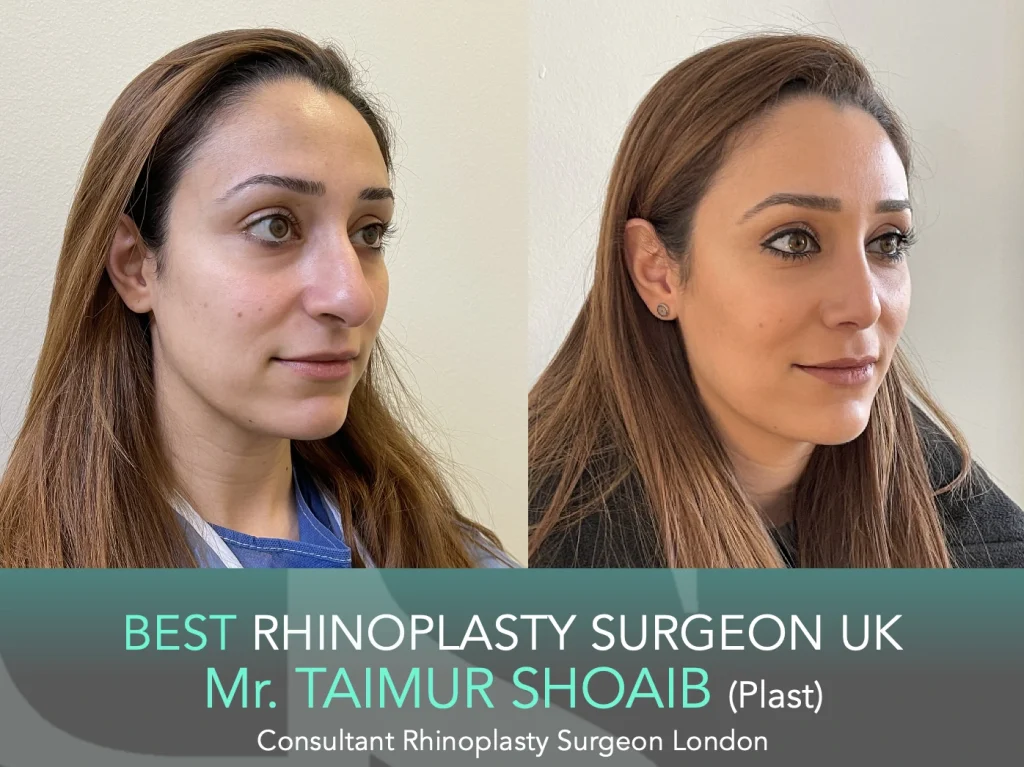
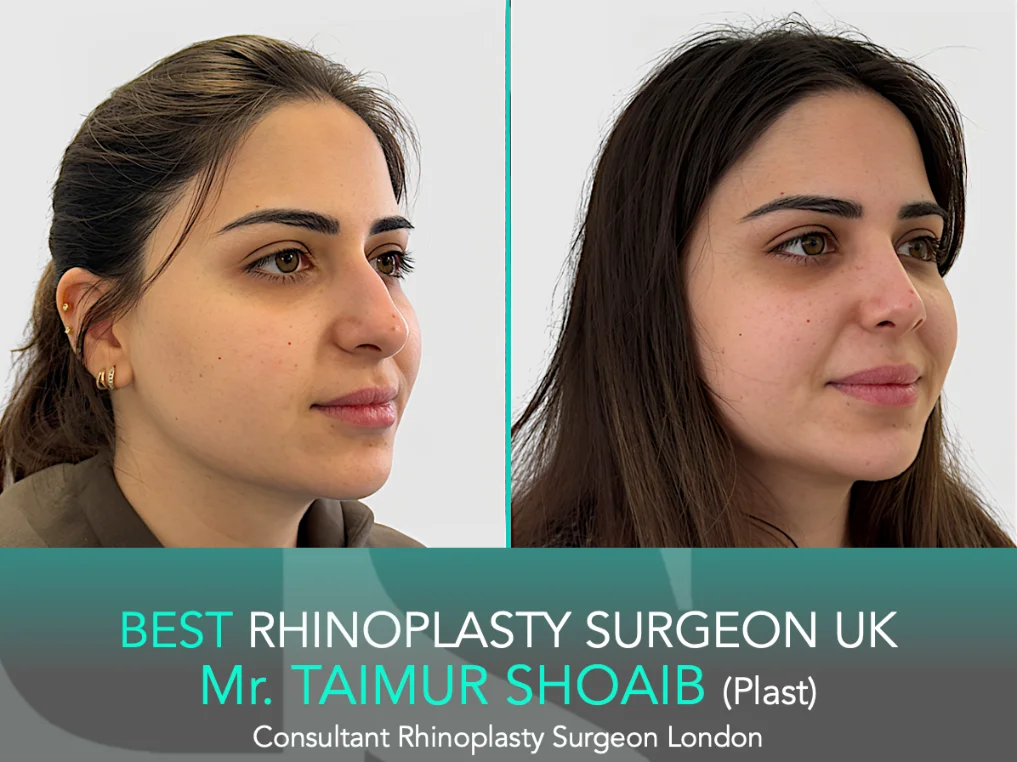
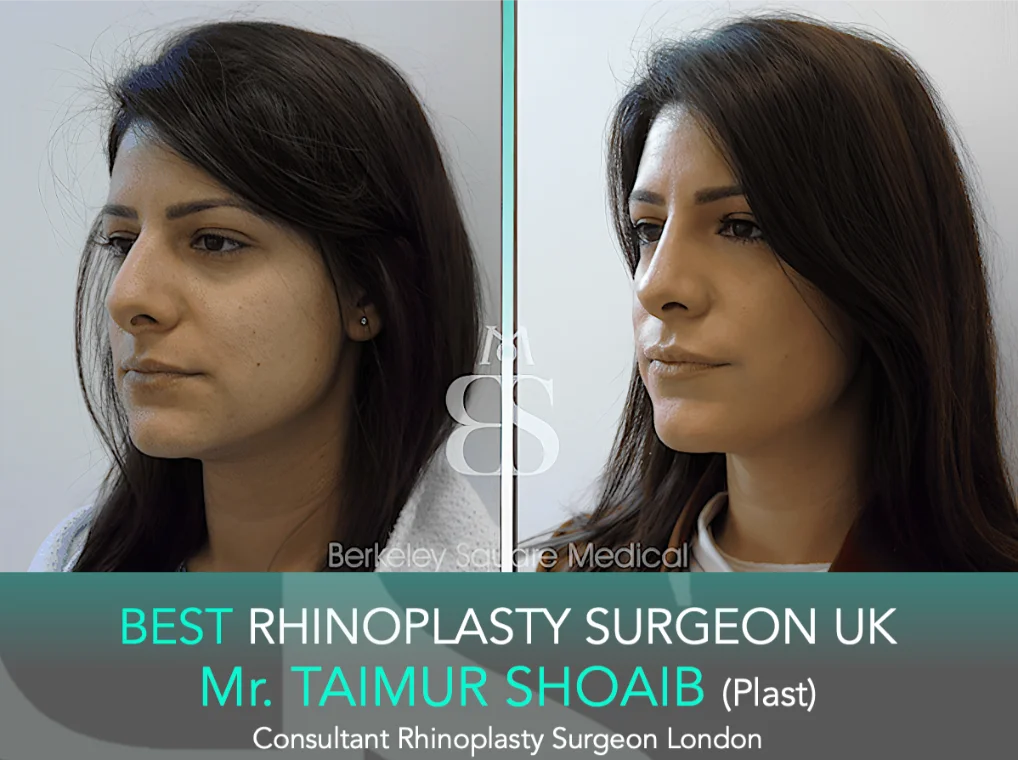
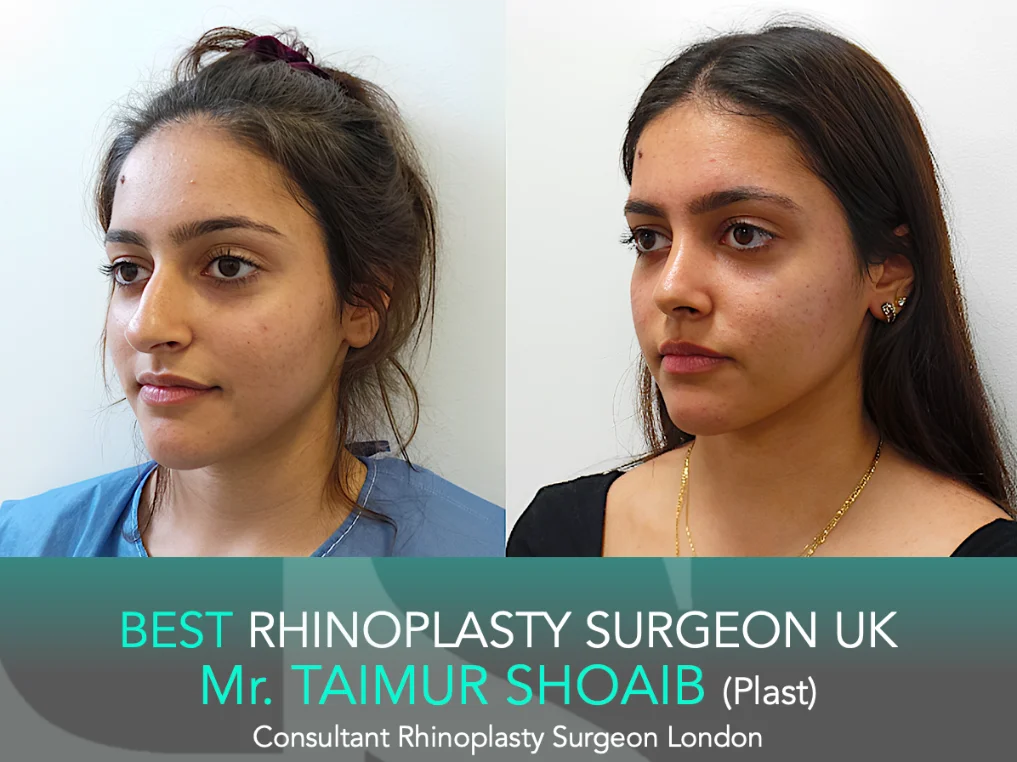
Our specialist Arabic Rhinoplasty service focuses on achieving facial harmony and aesthetic refinement while preserving your unique ethnic heritage.
Medically Reviewed by Mr Taimur Shoaib, FRCS (Plast) | Last Updated: 02 April 2026.

The Art of Preserving Identity
Through Middle Eastern Rhinoplasty

Arabic Rhinoplasty, often categorised under the broader umbrella of Ethnic Rhinoplasty, is a highly specialised discipline. For many Middle Eastern patients, the goal of surgery isn't a radical transformation into a "Westernised" aesthetic, but rather a sophisticated refinement of their natural features.

While the underlying anatomy of the Middle Eastern nose shares common traits, the aesthetic goals are highly personal. At Berkeley Square Medical, we provide a specific approach to ensure every result is balanced, natural, and perfectly suited to the individual.

Aesthetic Aims In Arabic Rhinoplasty
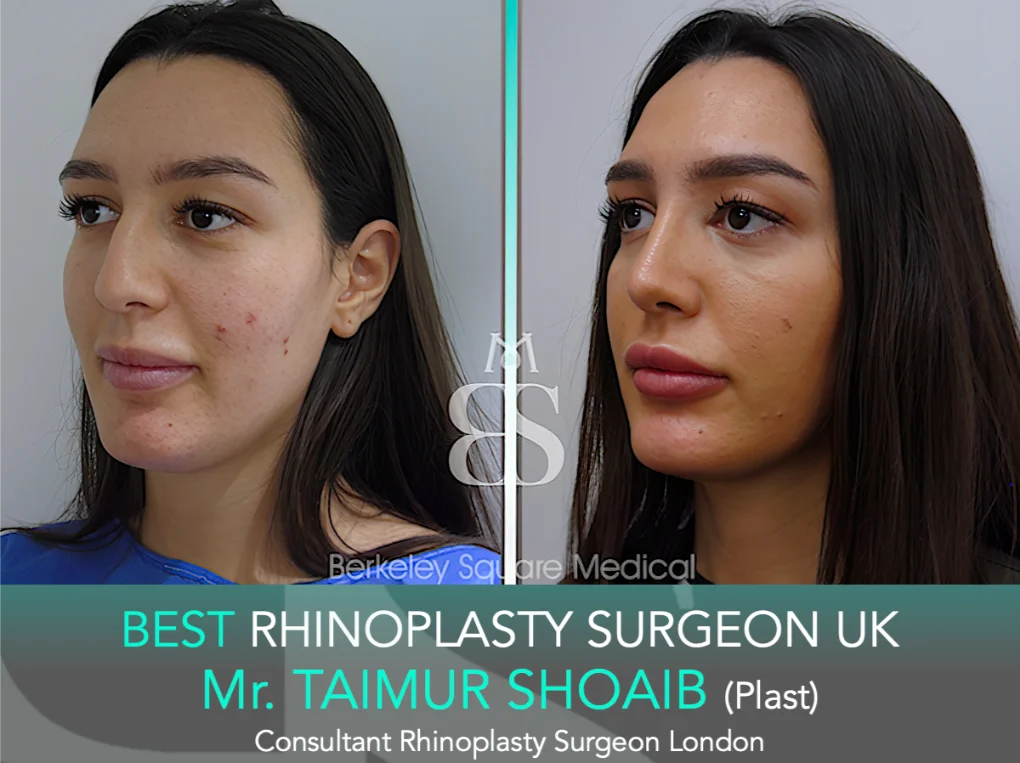
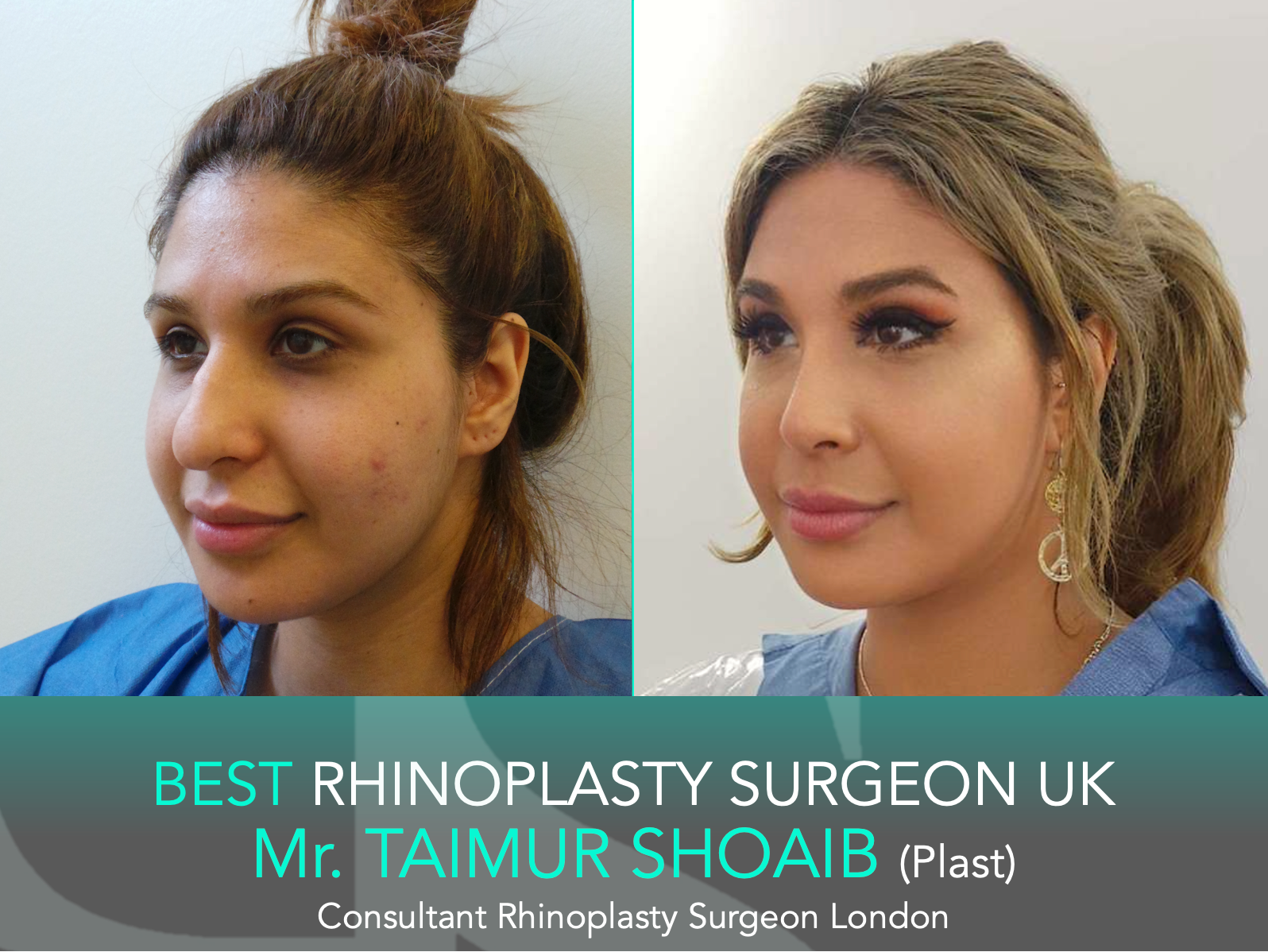
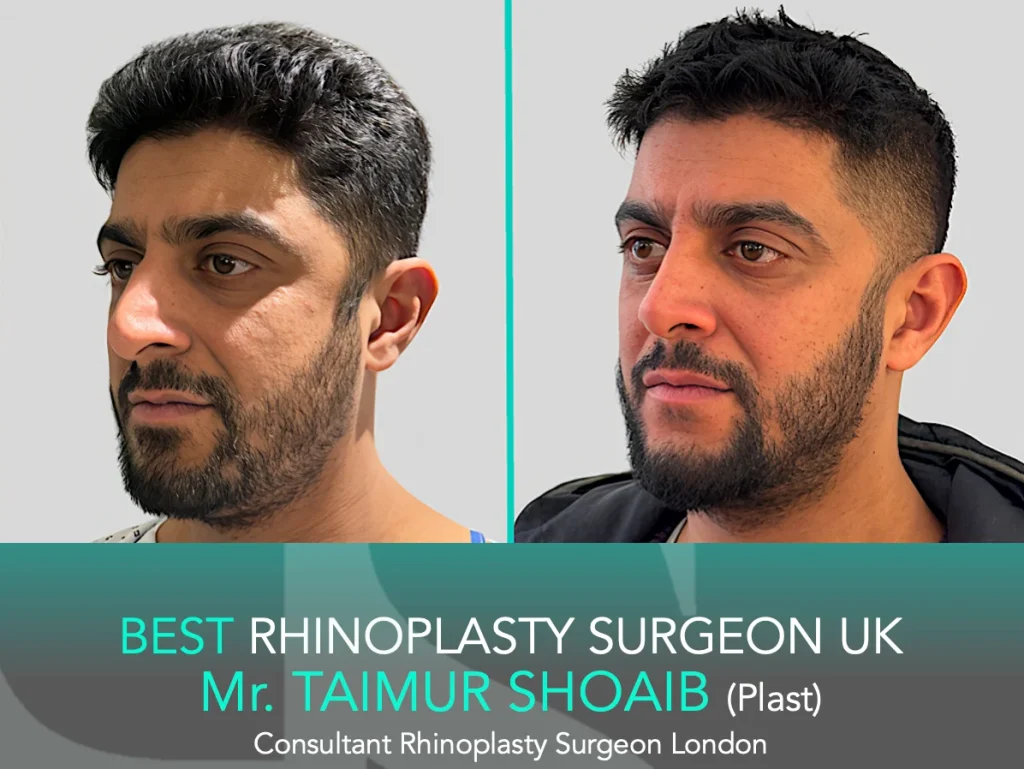
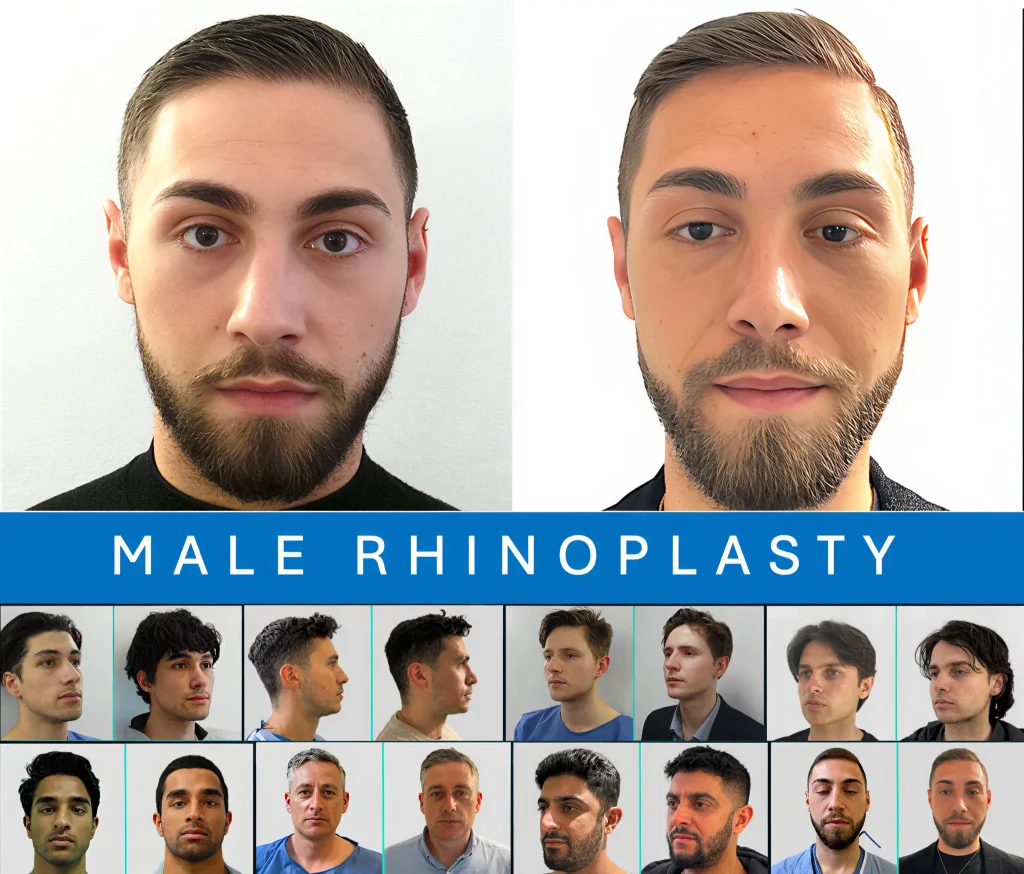
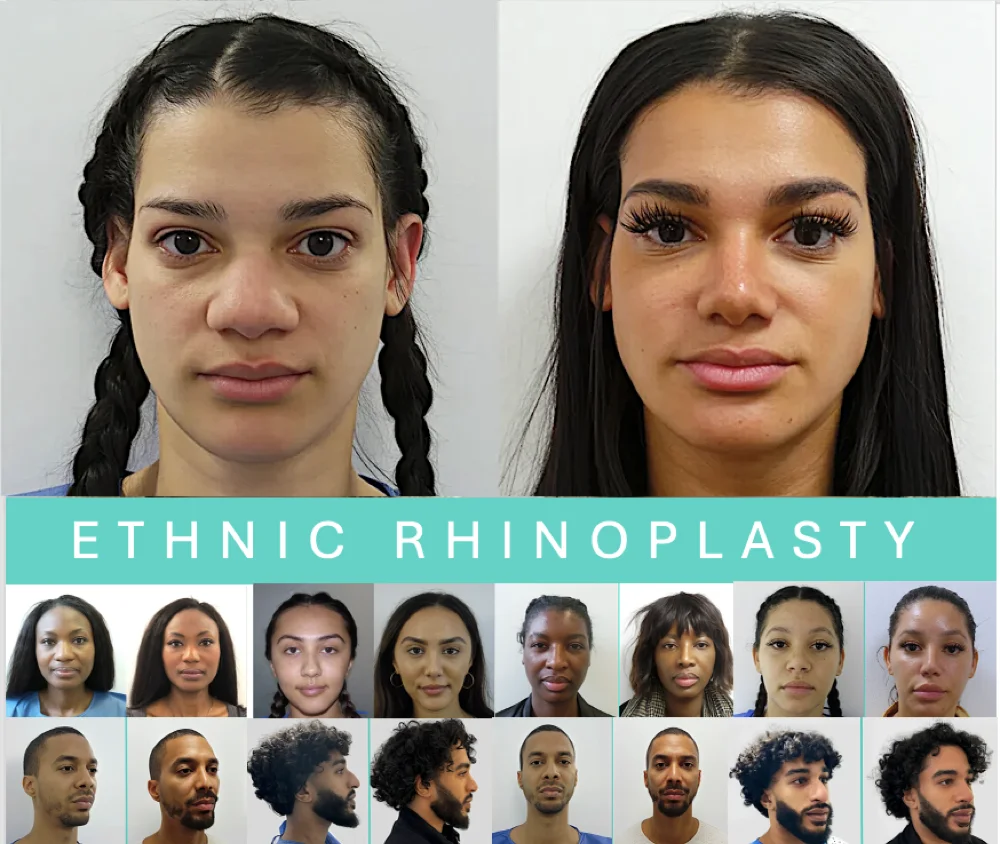
MALE RHINOPLASTY - The Masculine Profile FEMALE RHINOPLASTY - The Feminine Profile
Goal: Strength & Symmetry Goal: Elegance & Harmony
Straight Bridge: Maintaining a strong, masculine dorsal line Refined Bridge: Creating a smooth, delicate profile
Tip Support: Preventing rotation to keep the profile natural Tip Definition: Lifting and narrowing for a refined look
Functional Correction: Prioritising breathing and septal alignment Facial Balance: Ensuring the nose complements the eyes and lips

Understanding Common
Arabic Rhinoplasty Concerns

A focused analysis of profile, structure, and cultural priorities in Middle Eastern rhinoplasty

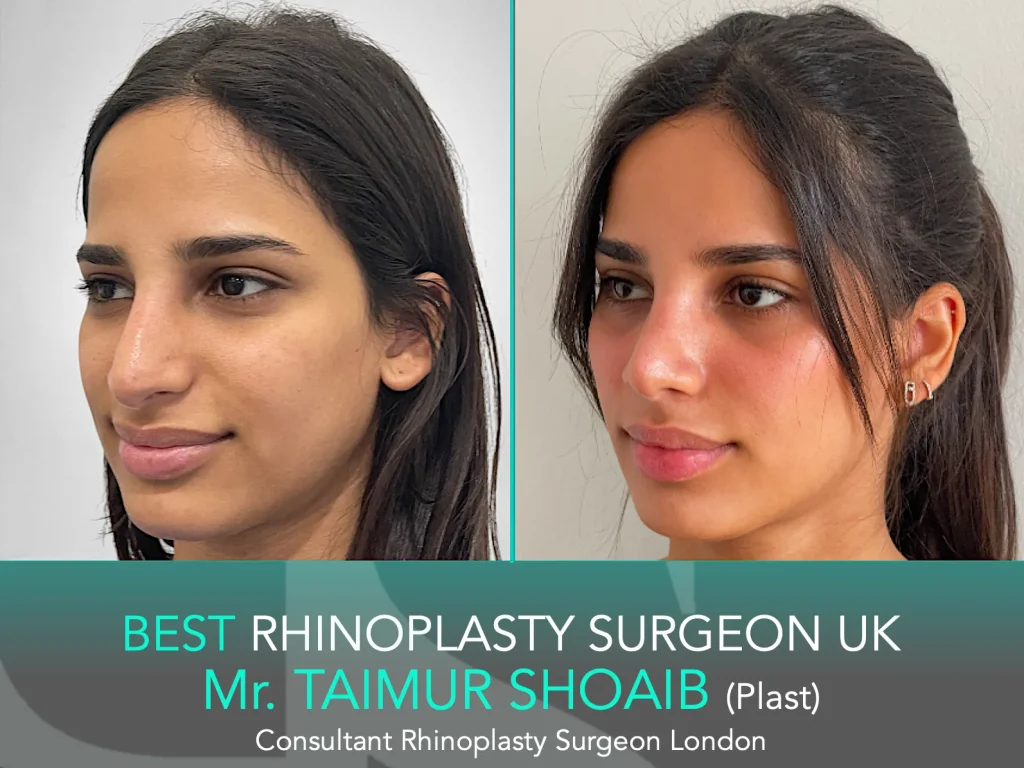
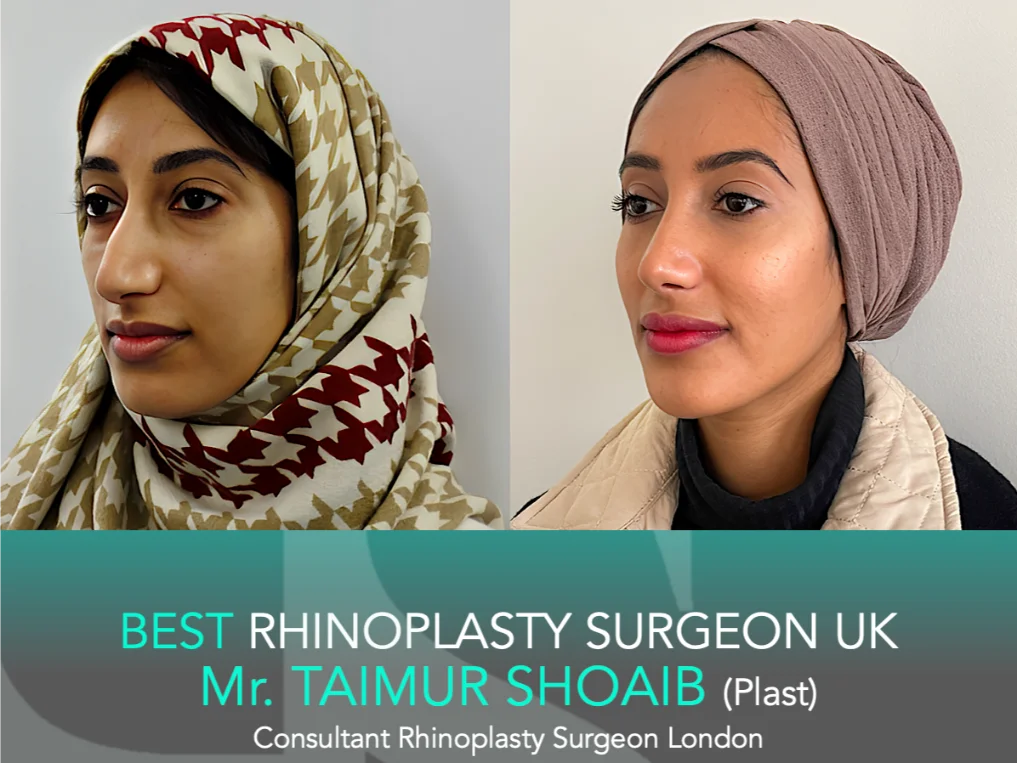
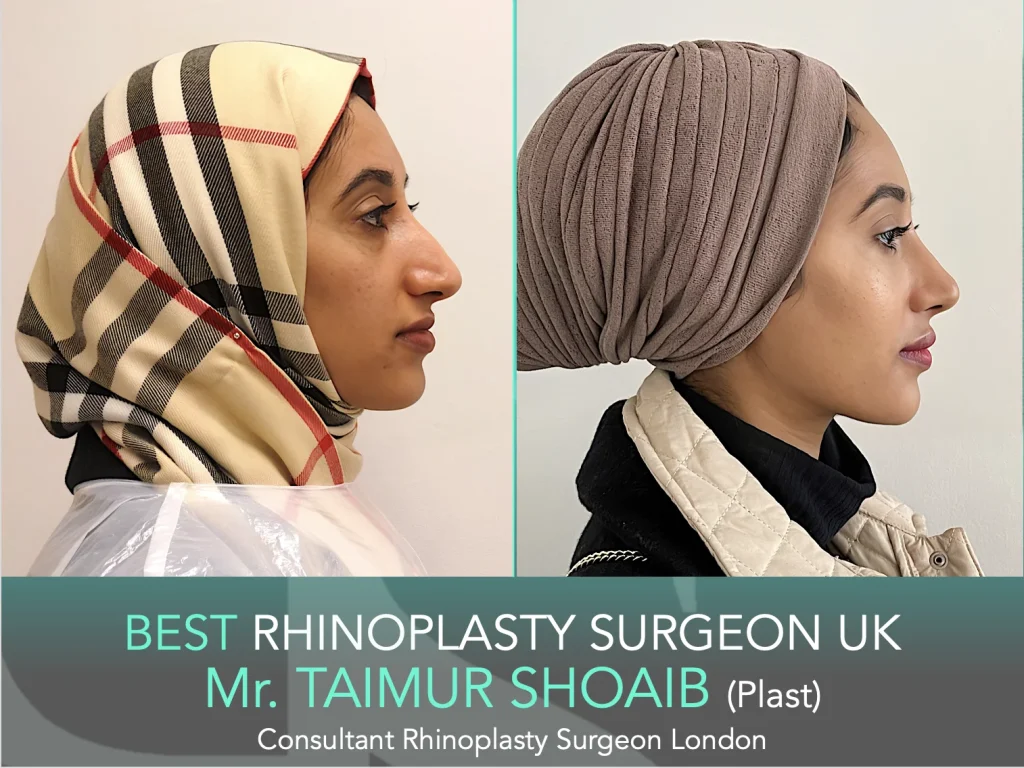
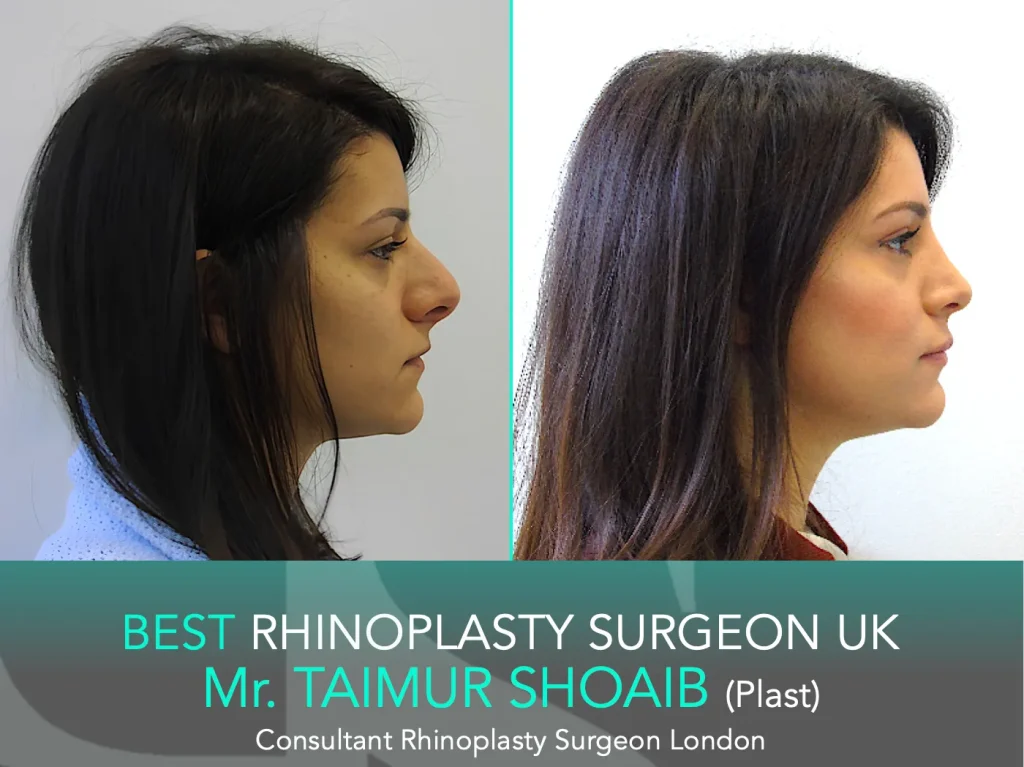
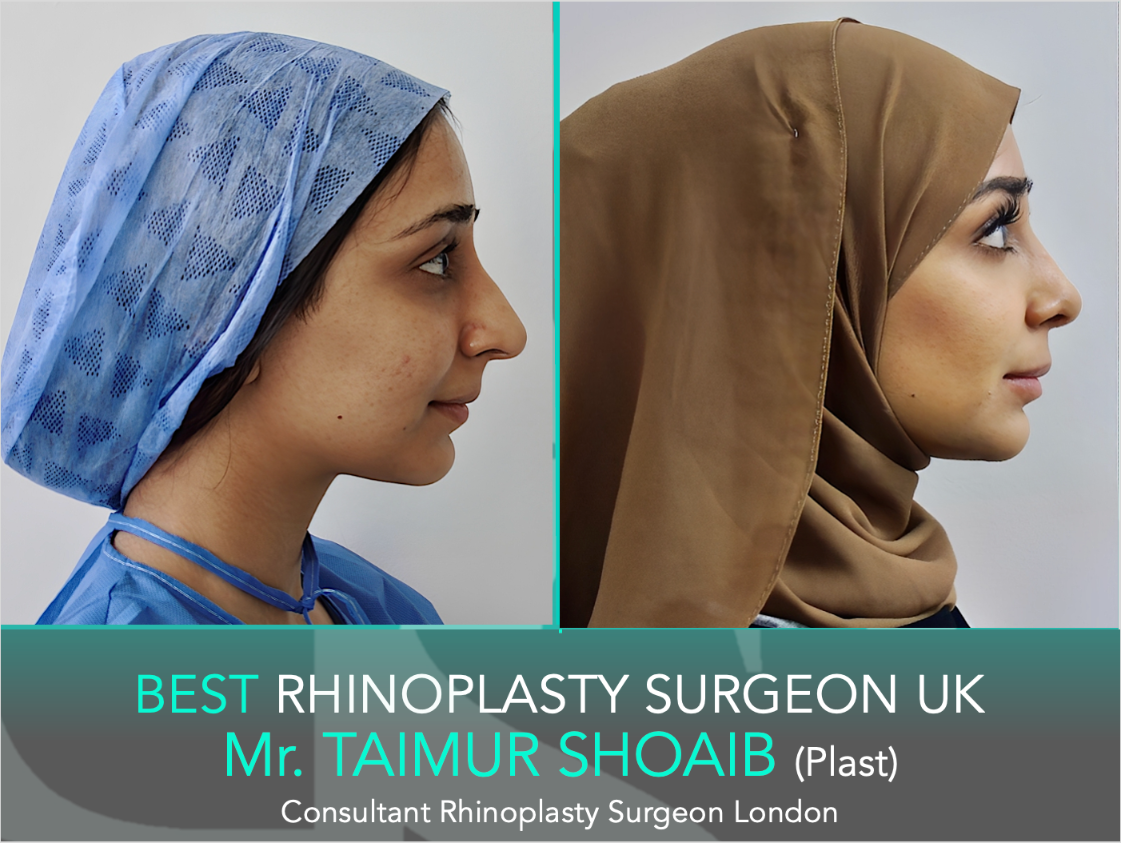
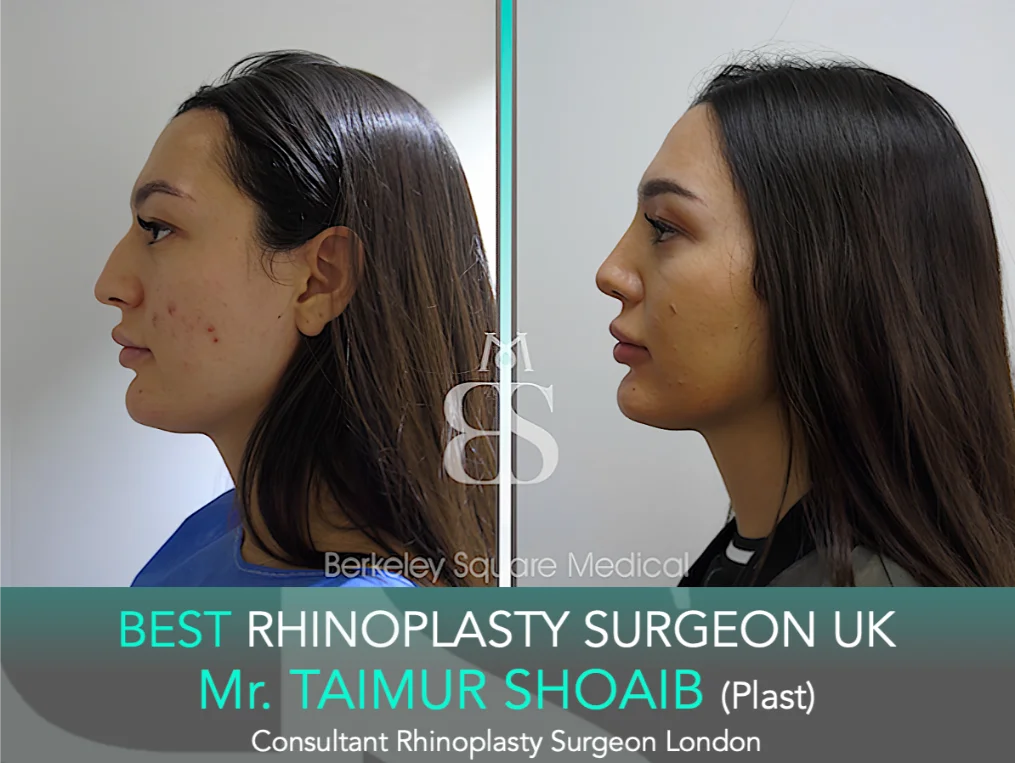
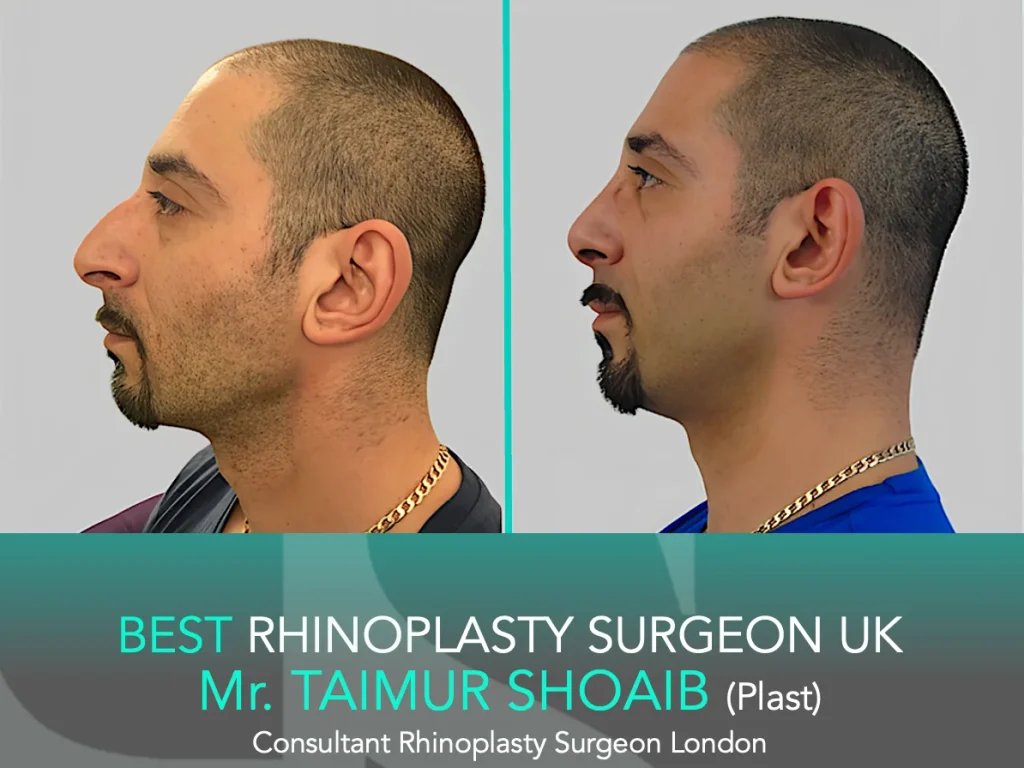
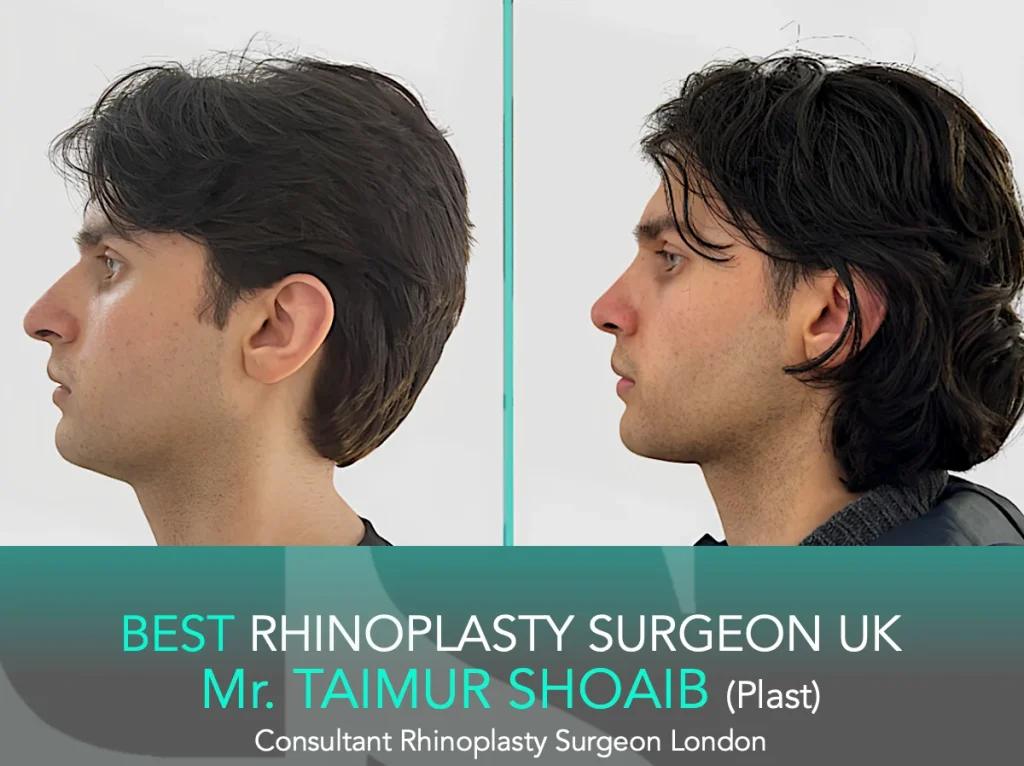
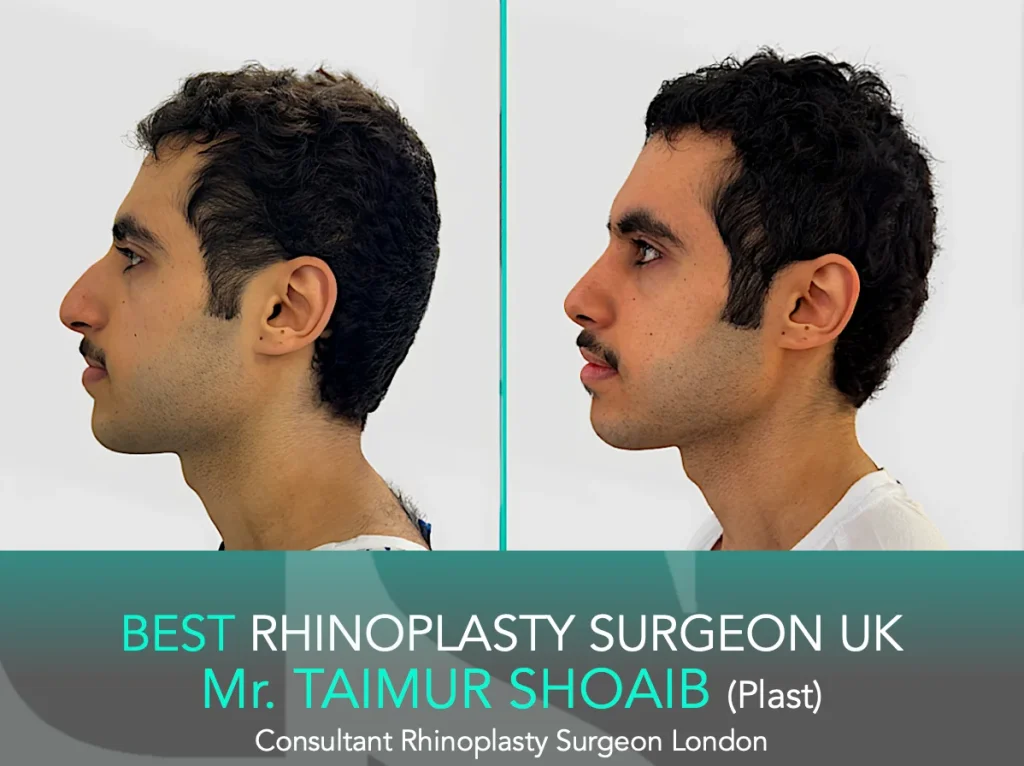
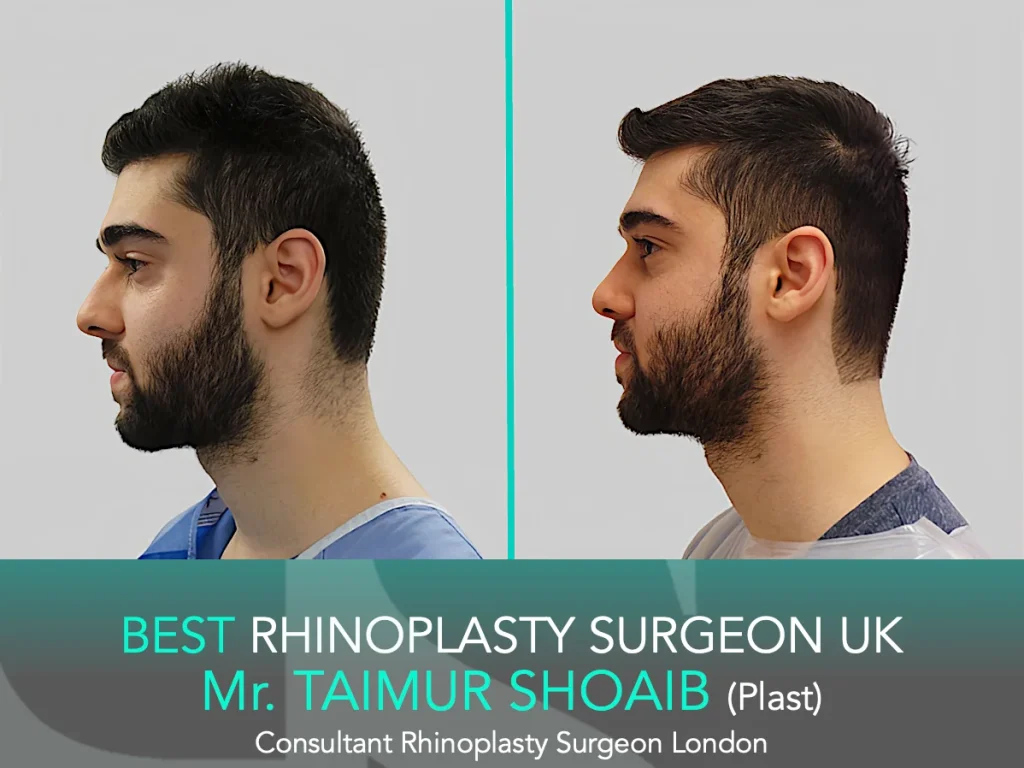
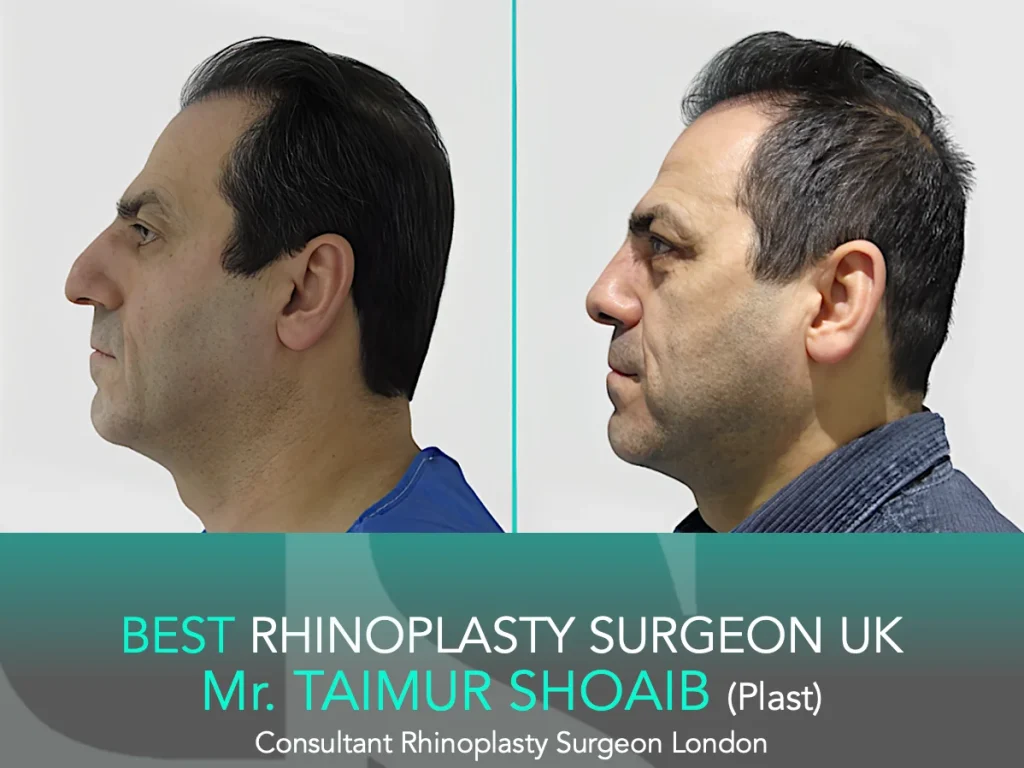
The Arabic "Side View" Profile
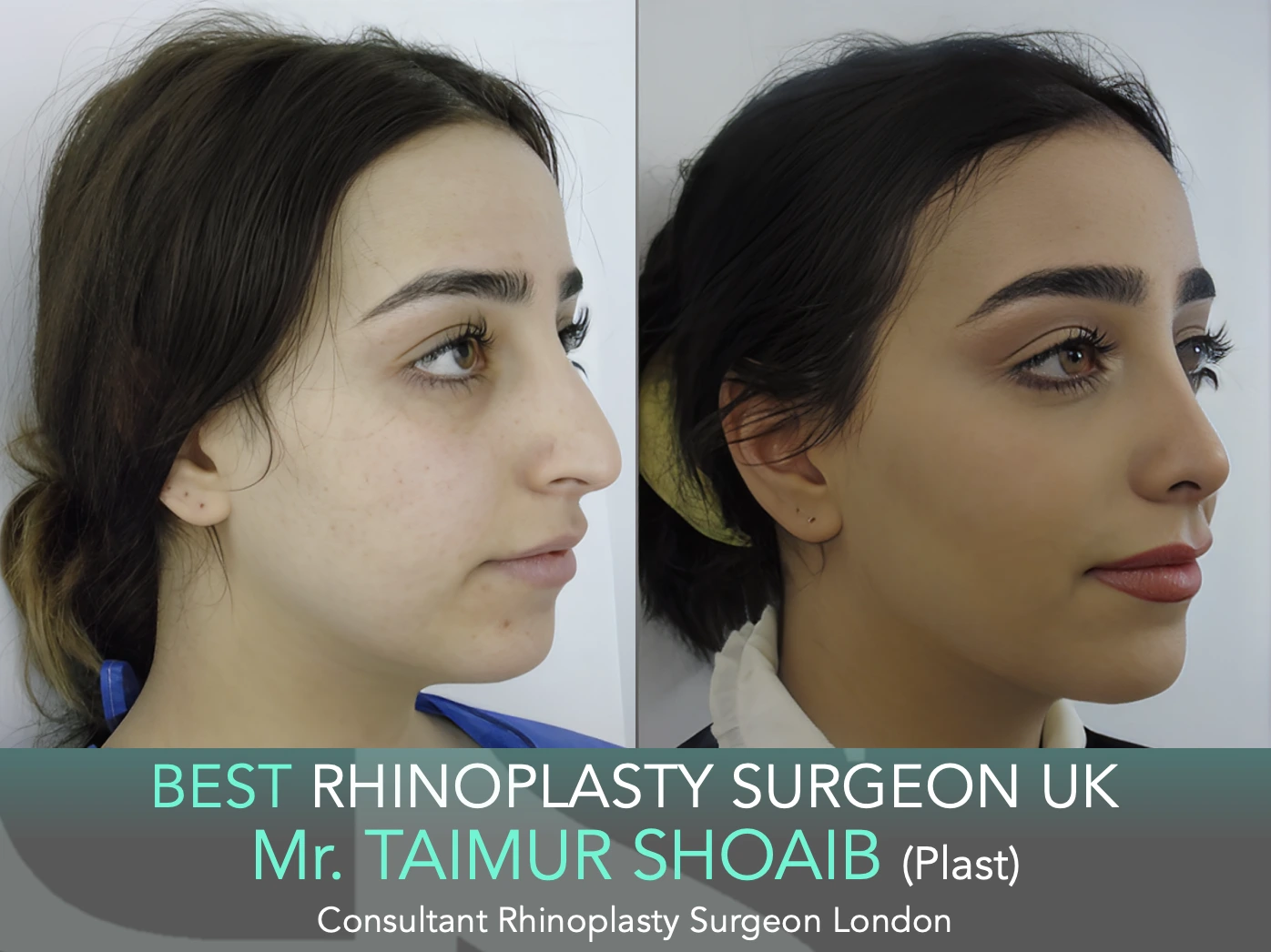
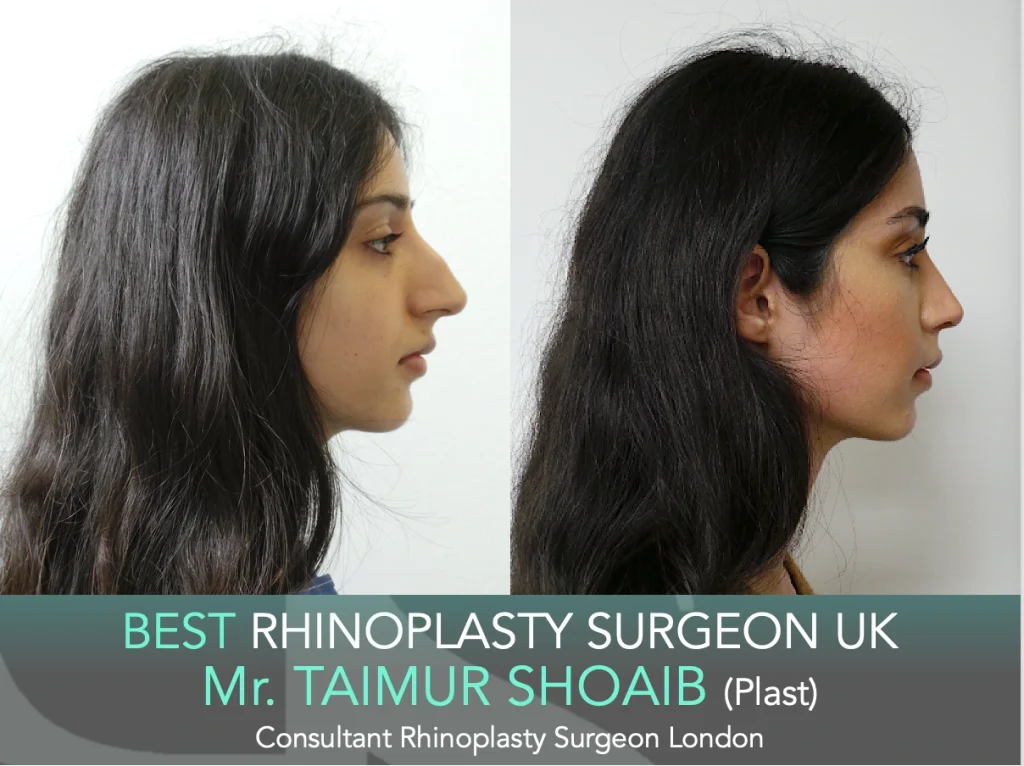
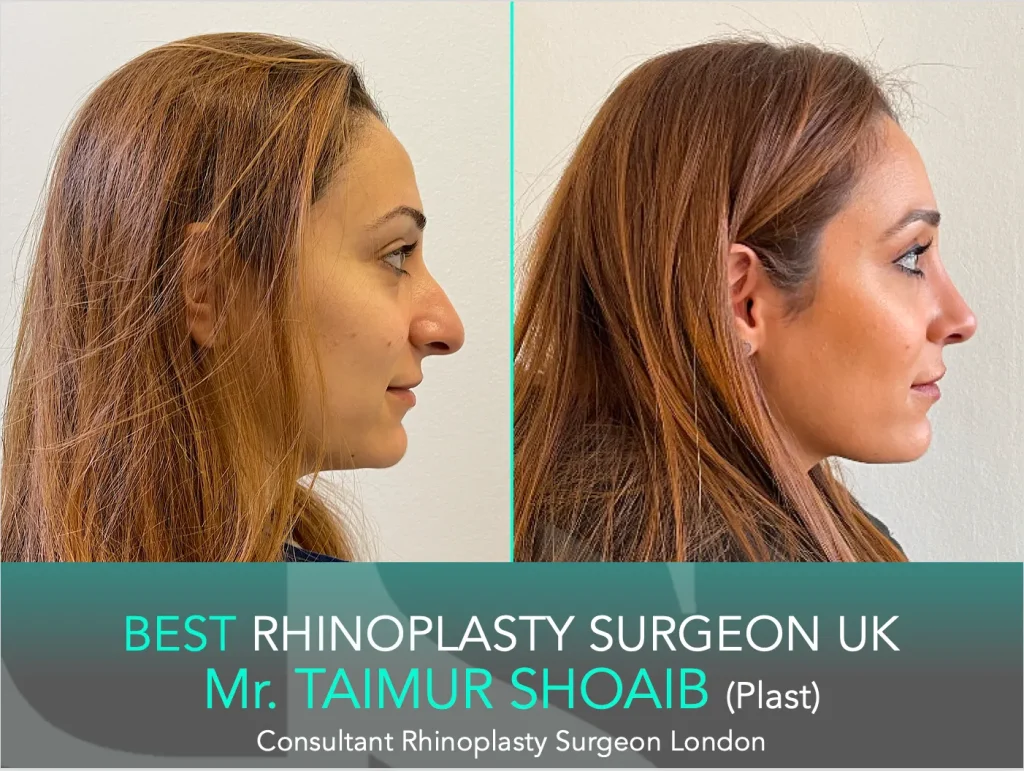
The profile is often the primary reason patients seek a specialist in Arabic rhinoplasty. We focus on correcting the features that dominate facial balance.
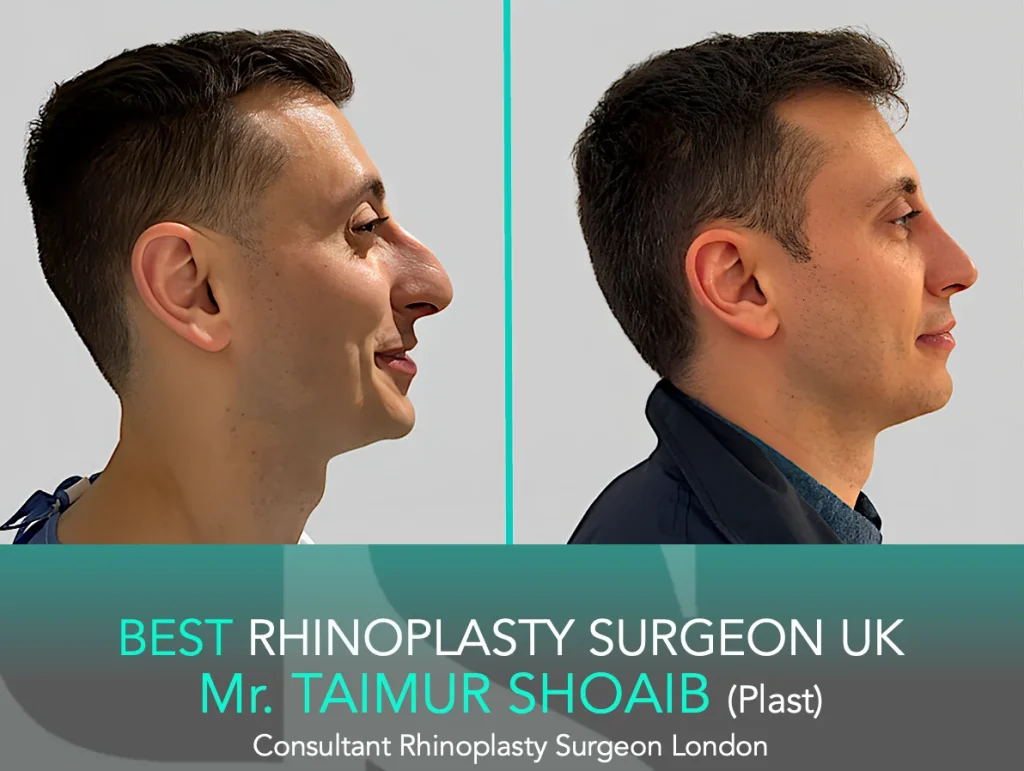
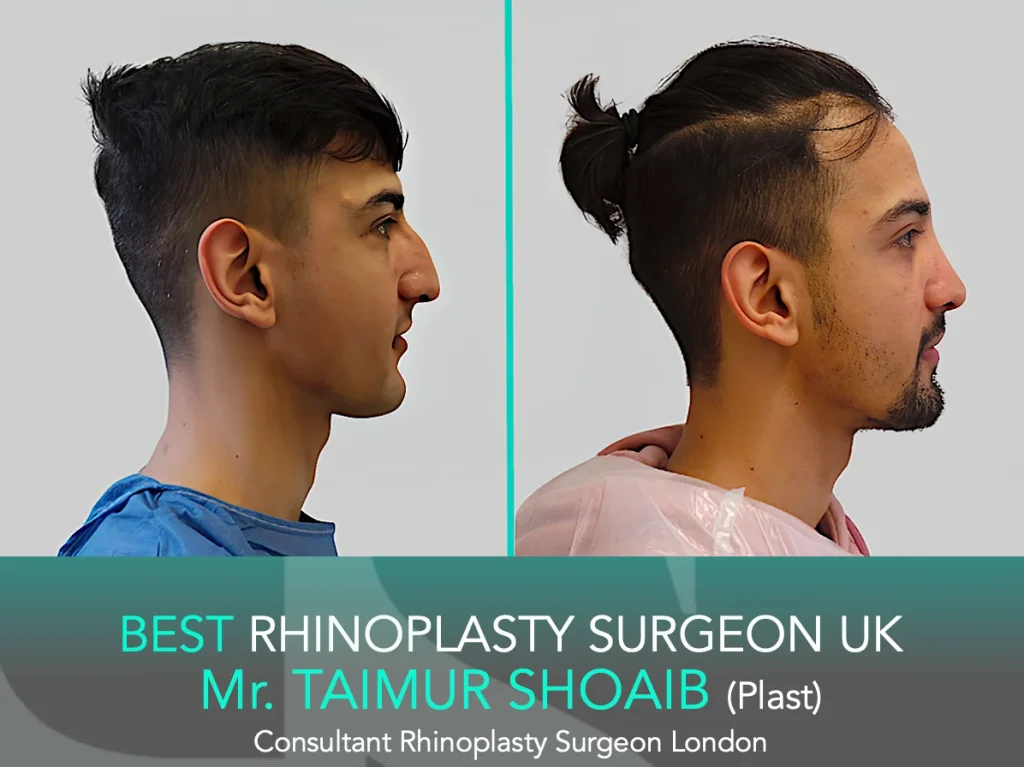
The "Hooked" Appearance: A prominent dorsal hump combined with a drooping tip, creating a curved silhouette.
The Persistent Dorsal Hump: A strong bony bridge that appears disproportionate to surrounding features.
Tip Ptosis: The tip drops toward the upper lip, especially when smiling or speaking.
Over-Projection: The nose extends too far from the face, drawing attention away from the eyes and lips.
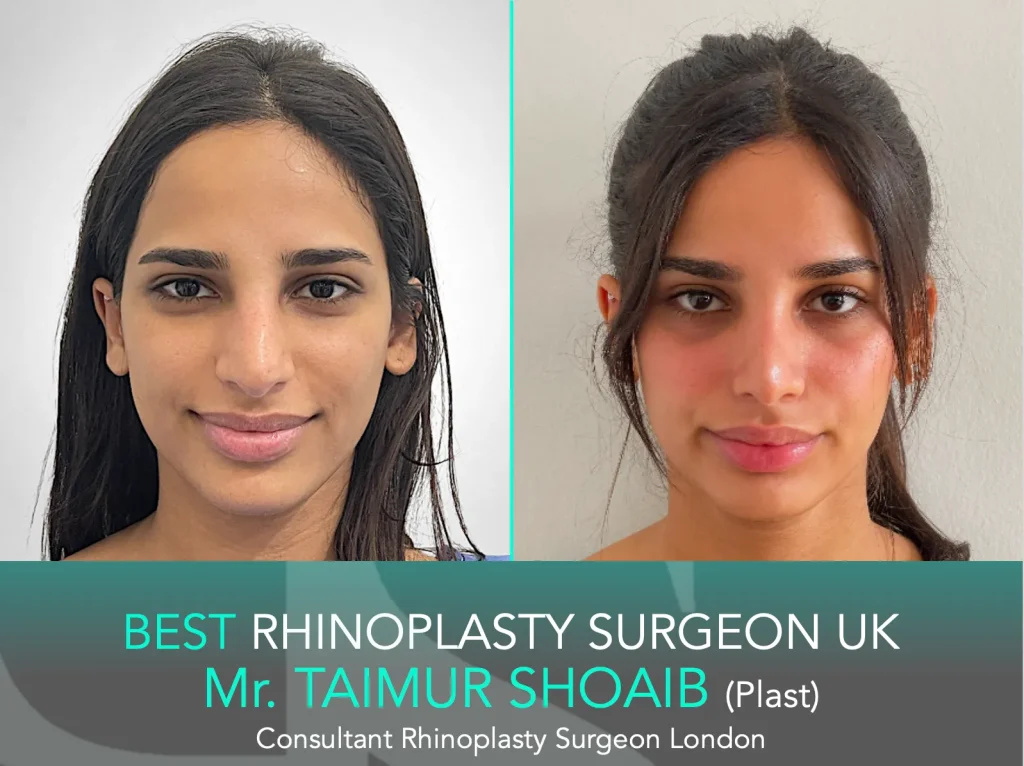
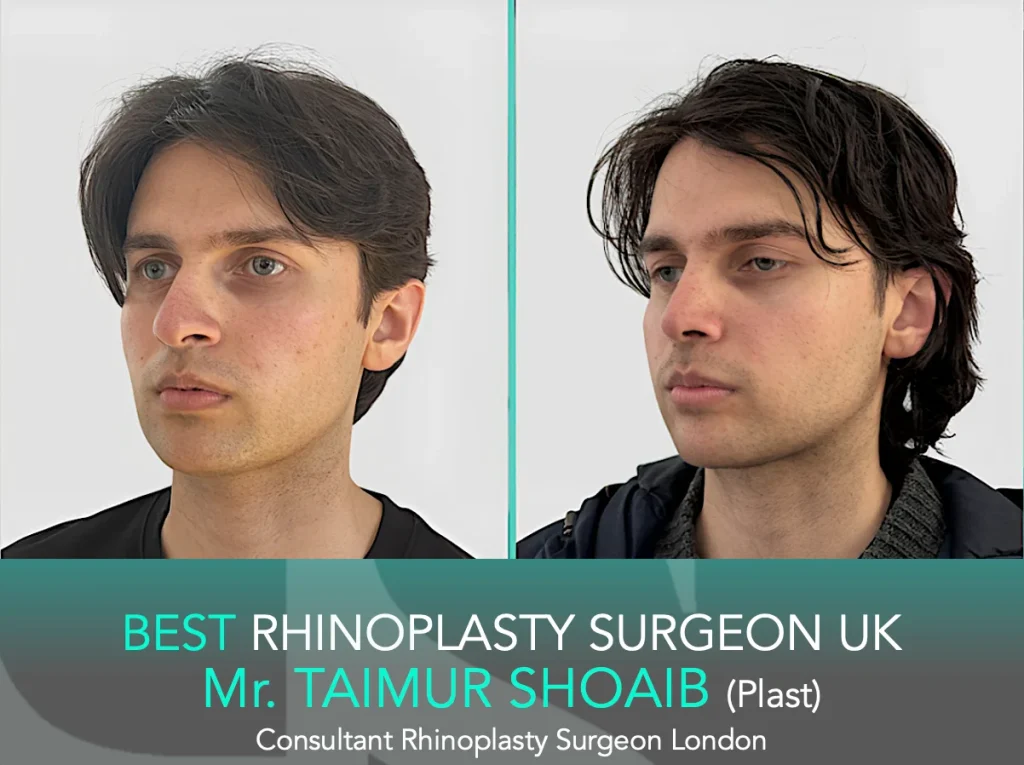
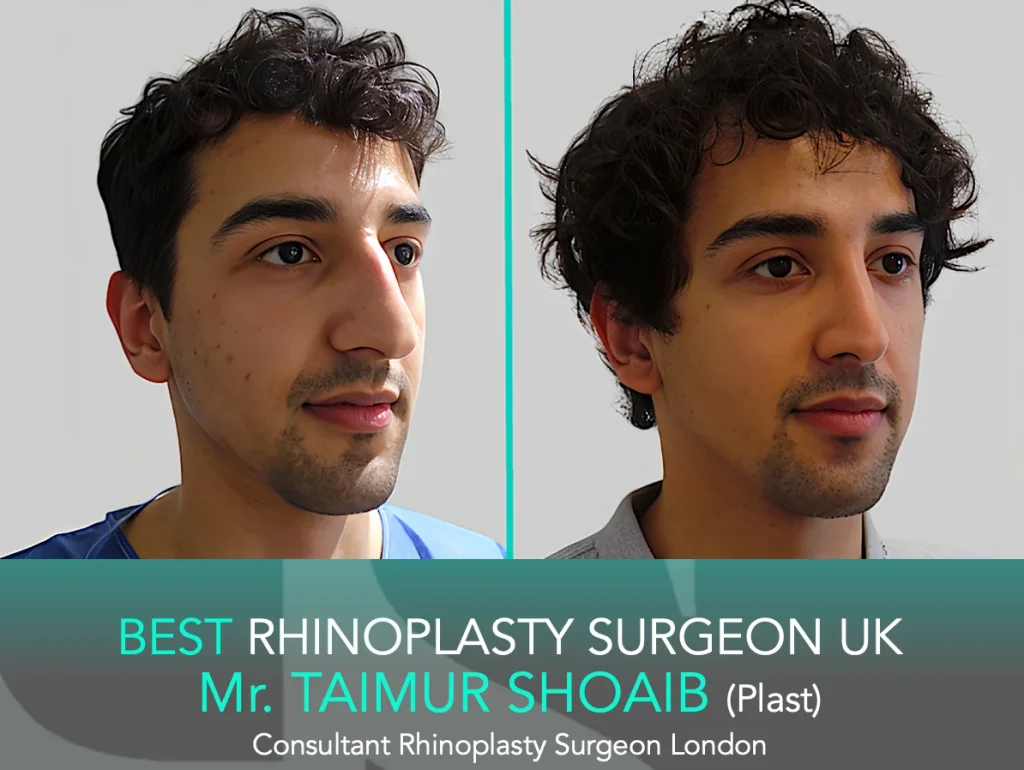
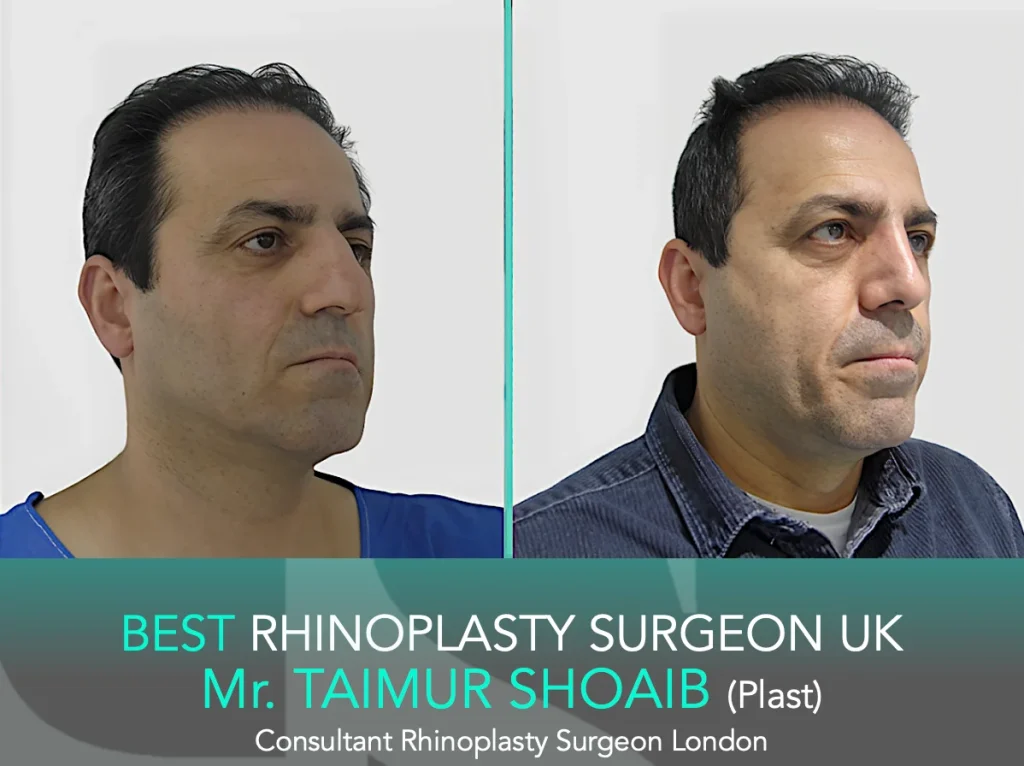
Arabic Front Facing Profile
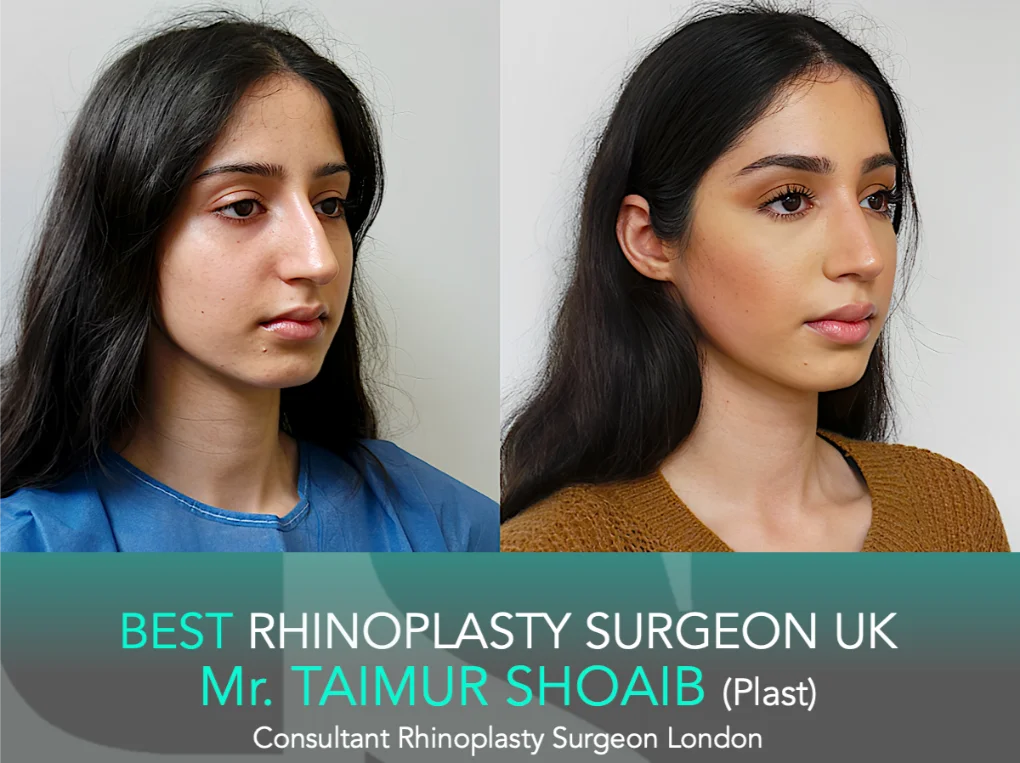
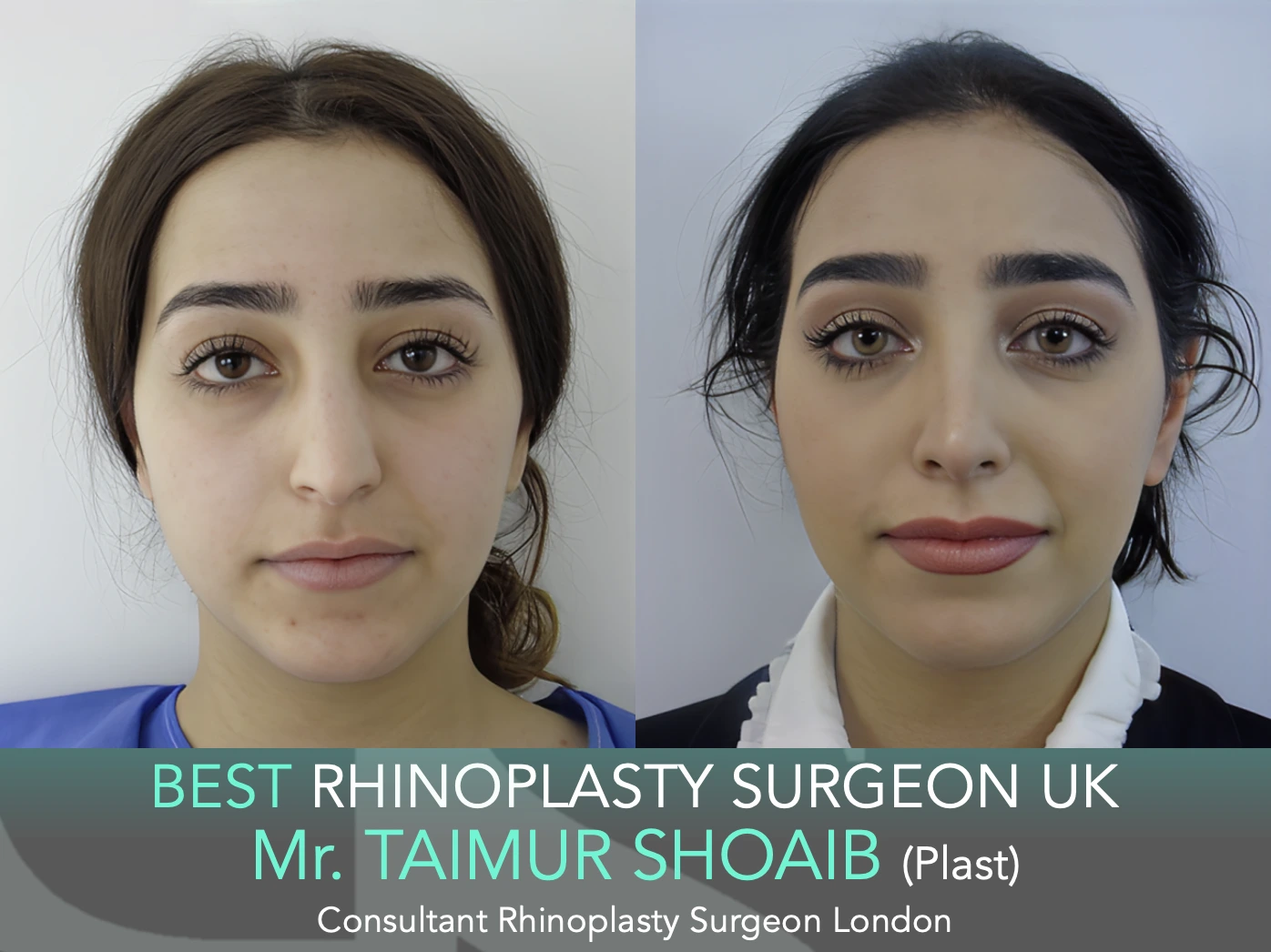
Even when the profile looks balanced, many patients feel their nose appears heavy or wide from the front.
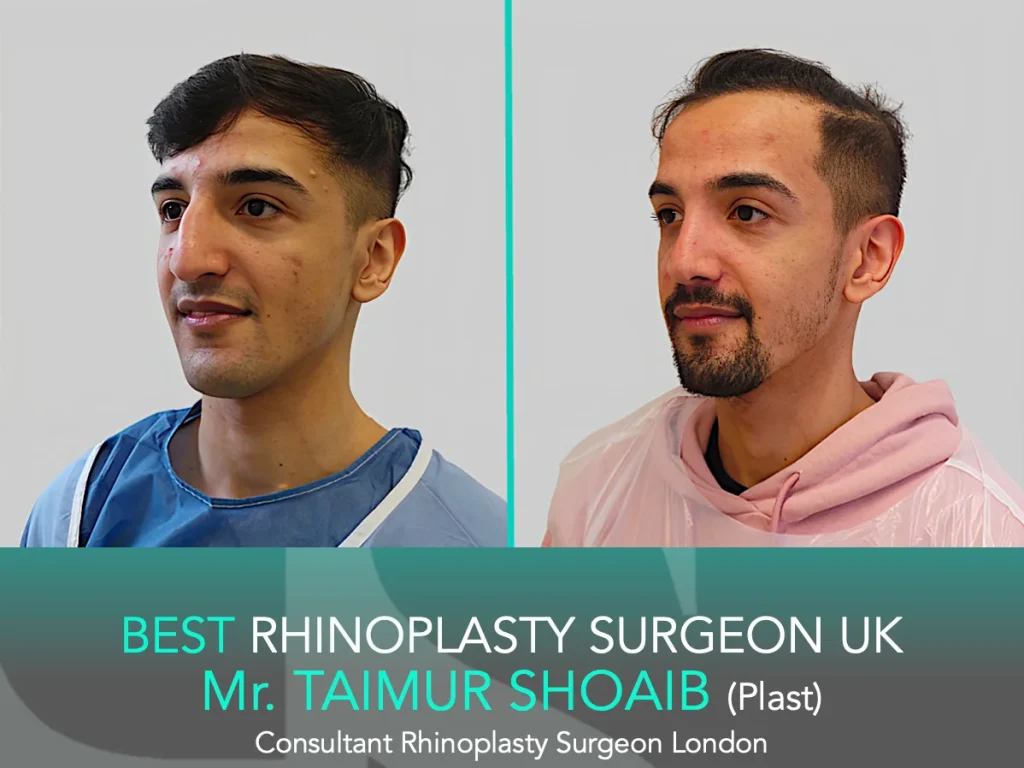
Bulbous Tip: A rounded, less defined tip lacking sharpness.
Alar Flare: Wide nostrils that become more noticeable during expression.
Wide Nasal Bridge: Broad nasal bones creating a flatter appearance.
Asymmetry: A crooked axis, often linked to septal deviation or previous trauma.
Skin Thickness & Structure
Successful Arabic rhinoplasty depends on understanding distinct anatomical traits.
Thick Nasal Skin: Requires refined technique to ensure underlying definition becomes visible.
Weak Tip Support: Often needs structural grafting to maintain long term shape.
Heavy Nasal Bones: A strong upper structure requiring precise narrowing for refinement.
Arabic Cultural Factors
We address both physical and cultural concerns specific to Middle Eastern patients.
The "Westernised" Fear: Patients want refinement, not a different identity.
Cultural Preservation: Enhancing features while maintaining ethnic character.
Breathing Function: Functional correction is integrated where required.
Over-Rotation Concern: Avoiding an overly lifted “piggy” appearance, and always maintaining natural proportions and a natural distance between the nasal tip and upper lip.

Considering these features helps ensure the final result remains true to the patient's ethnic background while achieving their aesthetic goals. Male patients also often suffer from a deviated septum or crooked nasal profile. Rhinoplasty can improve both the appearance of your nose and your breathing function. An experienced rhinoplasty surgeon should address any irregularities in breathing whilst changes to the size of the nose are made, within the same surgery.

The Clinical Goals of Arabic Rhinoplasty
Surgical Objectives

Achieving an optimal result in Middle Eastern rhinoplasty requires a departure from standard reductive techniques. Our clinical approach focuses on structural balance, reinforcing the nasal framework to support thicker skin while refining the profile. The goal is a high definition result that functions perfectly and ages gracefully, maintaining full harmony with your ethnic features.

Nasal Bridge Straightening
The primary goal for many Arabic patients is the correction of a prominent dorsal hump. Clinically, this is not merely about "shaving down" bone. To maintain YMYL safety and long-term structural integrity, we focus on precision reshaping. We aim to create a strong, straight bridge that transitions smoothly from the brow (the radix) to the tip. By preserving the strength of the nasal bridge, we prevent the "collapsed" or "scooped" look often associated with non-specialist ethnic surgery, ensuring a result that looks natural from every angle.
Precision Tip Projection
"Tip Ptosis," or a drooping nasal tip, is a common anatomical trait that can become more pronounced during facial expressions. The surgical goal here is to provide permanent internal support. Through advanced cartilage grafting—often using the patient’s own septal cartilage—we "re-anchor" the tip at a more aesthetically pleasing angle. This objective is twofold: it prevents the nose from plunging when you smile and provides the necessary "push" to create visible definition through thicker skin envelopes.
Management of Thick Skin
One of the most technical aspects of Arabic rhinoplasty is managing the skin's thickness, which is common in patients from Middle Eastern and North African regions. A major clinical goal is ensuring that the surgical refinements made to the bone and cartilage are not "masked" by the skin. Our approach involves strategic structural grafting to create sharp, light-reflecting points on the nose. This ensures that as swelling subsides, the nose reveals a refined, high-definition shape rather than a rounded or "fleshy" appearance.
Alar Base Symmetry
For many patients, a wider nasal base or "flaring" nostrils can make the nose appear heavy from a frontal view. The objective of alar base reduction is to subtly narrow the width of the nostrils to bring them into proportion with the distance between the eyes. This requires meticulous incision placement within the natural creases of the nose to ensure scarring is virtually invisible. The goal is a softer, more balanced frontal silhouette that complements the refined profile.
Airway Preservation
In accordance with the best surgical practices, aesthetic beauty must never come at the expense of respiratory function. A core goal of our Arabic rhinoplasty procedure is the preservation or improvement of the nasal airway. Many patients require a simultaneous Septoplasty to correct a deviated septum or internal valve collapse. By addressing these functional concerns during the cosmetic reshaping, we ensure the patient breathes better than they did before the surgery, satisfying both clinical and aesthetic success criteria.
  • Arabic rhinoplasty focuses on refining the nose while preserving natural Middle Eastern features and cultural identity.
  • Common concerns include a prominent nasal bridge, a drooping or bulbous tip, thick skin, and a wider nasal base.
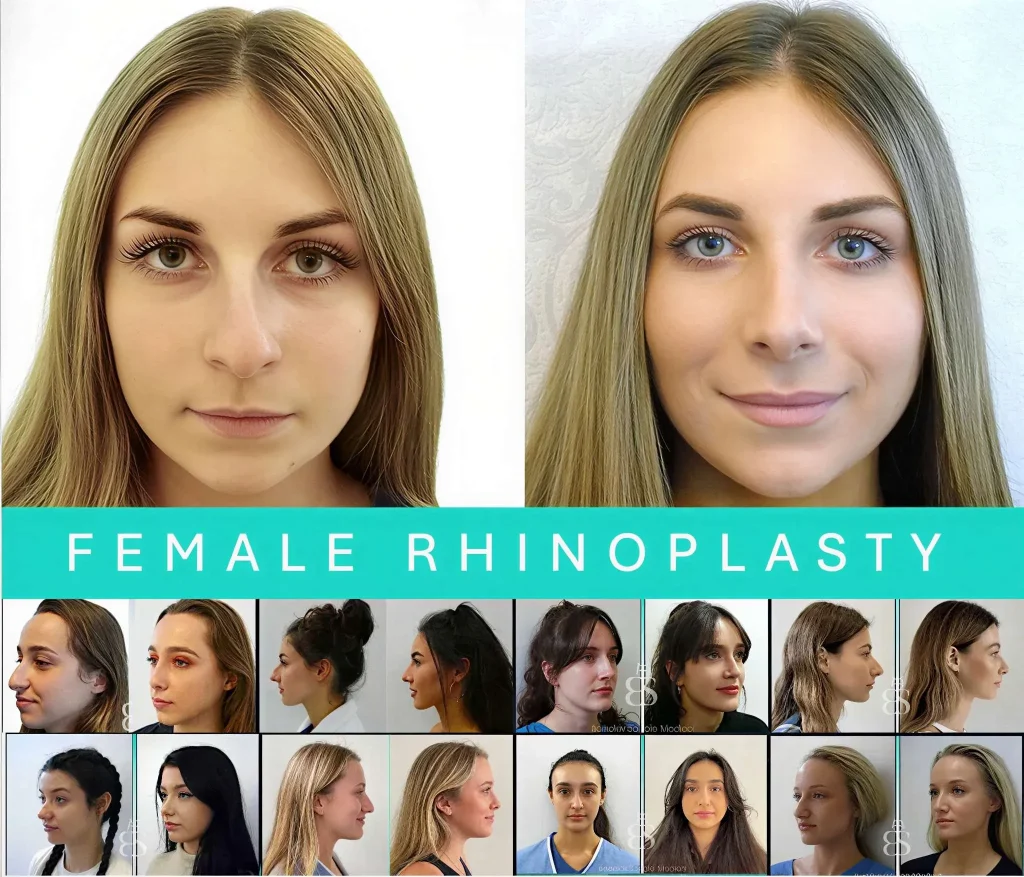
  • Male and Female Arabic rhinoplasty patients often have different goals, men usually want a strong, straight profile, while women may prefer a softer, more refined shape.
  • Thick nasal skin plays a major role in surgical planning and can affect definition and healing time.
  • Breathing concerns such as deviated septum or airway obstruction can be treated during the same procedure.
  • Final results take longer to mature in Arabic rhinoplasty, often 9–12 months, especially for tip refinement.


INTERNATIONAL & DOMESTIC ARABIC PATIENTS CONSIDERING RHINOPLASTY

Berkeley Square Medical is a premier destination for patients traveling from the GCC (UAE, Qatar, Kuwait, Saudi Arabia, and Bahrain) and across the globe for specialist Arabic rhinoplasty. We understand the logistical precision required for international surgery and provide a bespoke coordination service to ensure a seamless experience.

  • Preliminary Zoom Consultations: Your journey begins with a direct, private video consultation with Consultant Plastic Surgeon, Mr Taimur Shoaib. This allows for a comprehensive anatomical assessment and a discussion of your aesthetic goals before you travel to London.
  • Tailored Surgical Scheduling: Our dedicated team works closely with you to coordinate your surgery window to align perfectly with your travel itinerary.
  • The 7-Day London Recovery Window: We provide full guidance on your stay in London. Patients are required to remain in the UK for seven days following surgery for initial recovery and the professional removal of your nasal splint by Mr Shoaib and his clinical team.
  • Safe Return Travel: Once your Day-7 review is complete and your healing is assessed as stable, you will be cleared to fly back to your home country with a personalized long-term aftercare plan.

Is Arabic Rhinoplasty Right for You?

Rhinoplasty is a highly personalised procedure. During your initial consultation with Mr Taimur Shoaib, a comprehensive clinical evaluation of your nasal anatomy, skin quality and breathing function is performed to determine whether surgery is the safest and most effective option for you.

You May Be A Good Candidate If:
  • Ethnicity: You are of Arabic, Middle Eastern or North African Descent.
  • Physical Maturity: Your facial growth is complete, typically 16+ for females and 18+ for males.
  • Good General Health: You are in good physical health with no underlying conditions that could impair healing.
  • Specific Concerns: You have clear goals regarding the size, shape or symmetry of your nose, or experience functional concerns such as septal deviation.
  • Positive Outlook: You are seeking improvement for yourself rather than attempting to meet external expectations or pursue perfection.
  • Positive Outlook: You are looking to retain your ethnic heritage as opposed to trying to achieve a “westernised” look
When Arabic Rhinoplasty May Not Be Appropriate:
  • Active Smoking: Nicotine constricts blood vessels and increases the risk of skin necrosis, delayed healing and infection. Patients are encouraged to stop smoking or vaping at least 4-6 weeks before and after surgery.
  • Unrealistic Expectations: Seeking to replicate a specific celebrity feature that does not align with your facial proportions or biological structure.
  • Medical Contraindications: Certain bleeding disorders, severe cardiac conditions or poorly controlled diabetes may increase surgical risk.
  • Recent Nasal Surgery: If rhinoplasty has been performed within the past 12 months, tissues may still be healing and revision may be premature.
  • Body Dysmorphic Disorder (BDD): Mental wellbeing is prioritised. Surgery is rarely appropriate where psychological distress is centred on minor perceived flaws.

Make Your Enquiry

+44(0)203 811 8175


    Considering any cosmetic treatment is a significant step forward. Your consultation with Mr. Shoaib and our Team will provide clarity, expert insight, and honest guidance — focused entirely on your goals.

    Tell us about you

    A Few Contact Details

    Which procedure are you enquiring about?


    ARABIC RHINOPLASTY COST LONDON

    £8,950 (Set Fee)

    Finance available starting at £159 per month

    At A Glance

    • Surgery time

      60-90+ Minutes

    • Hospital Stay

      Same-Day Surgery

    • Techniques Used

      Specialising in Closed, Open And Graft Rhinoplasty

    • Splint and Suture Removal

      Day-7 After Surgery

    • Driving

      48 Hours After Surgery

    • Client Facing Work

      After 1 Week

    • Time Off Work (Working From Home)

      24 Hours After Surgery

    • Shower/Hygiene

      12-Hours After Surgery

    • Initial Recovery

      1-2 Weeks

    • Full Recovery

      12 Months

    EXPLORE OUR COMPREHENSIVE GALLERIES

    READY TO SEE MORE?

    Beyond our specialised Arabic portfolio, Berkeley Square Medical is a leading UK centre for Ethnic and Primary Rhinoplasty. Visit our dedicated Male and Female pages below for our full archive of 200+ Before-and-After Results, Transparent Pricing, and detailed Consultation and Hospital information with Mr Taimur Shoaib.

    Full Case Studies, Imaging & Pricing

    VIEW FEMALE RHINOPLASTY HUB

    Full Case Studies, Imaging & Pricing

    VIEW MALE RHINOPLASTY HUB

    Frequently Asked Questions
    For Arabic Patients Considering Rhinoplasty

    1 What is the difference between Arabic rhinoplasty and standard rhinoplasty?

    Arabic rhinoplasty is a specialised form of ethnic nose surgery tailored to Middle Eastern and North African facial structures. Unlike standard procedures that often focus on simple reduction, Arabic rhinoplasty addresses specific anatomical traits such as thicker skin envelopes, a prominent dorsal hump, and a drooping nasal tip (ptosis). The goal is to achieve refinement and facial harmony through structural grafting while strictly preserving the patient’s unique ethnic heritage.

    2 Can a dorsal hump be removed without making the nose look "Westernised"?

    Yes. A primary goal of specialist Arabic rhinoplasty at Berkeley Square Medical is to smooth the nasal bridge while maintaining a strong, natural-looking profile. We avoid the "scooped" or over-rotated look by precisely reshaping the bone and cartilage rather than simply "shaving it down." This ensures the result remains culturally authentic and proportional to other Middle Eastern features like the forehead and chin.

    3 How does thick skin affect the results of a Middle Eastern nose job?

    Thick nasal skin is a common trait in Arabic patients and requires a specific surgical technique. Because thick skin can mask fine changes to the underlying structure, we utilise advanced "definition-enhancing" grafts. These provide the necessary internal support to ensure that the new, refined shape of the bridge and tip is clearly visible. It also means that final definition may take slightly longer to appear—typically between 9 and 12 months.

    4 Will my nasal tip still droop when I smile after surgery?

    Correcting a "plunging" or drooping tip is one of the most frequent requests in Arabic rhinoplasty. We address this by providing permanent structural support to the nasal tip using cartilage grafting. This stabilizes the tip, preventing it from pulling downward during facial expressions or speech, resulting in a more youthful and balanced appearance that remains consistent whether the face is at rest or in motion.

    5 What is "de-projection" in Arabic rhinoplasty, and do I need it?

    Nasal de-projection is a technique used when the nose appears to "stick out" too far from the face. Many Arabic patients feel their nose is too prominent in their profile. By carefully adjusting the height of the bridge and the position of the tip, we can bring the nose closer to the face. This creates a more balanced ratio between the nose, lips, and cheeks, softening the overall facial silhouette.

    6 How long is the recovery for Arabic rhinoplasty in the UK?

    Most patients can return to work or light social activities within 10 to 14 days, once the initial splint is removed. However, because Middle Eastern skin is often thicker, "residual swelling"—especially at the tip—can take longer to subside than in Caucasian patients. While your new profile will be visible immediately, the final, high-definition results typically settle and mature over a 12-month period.

    Make Your Enquiry

    +44(0)203 811 8175

    Any questions, enquiries, or just looking for a consultation? Simply send your enquiry here and we will get back to you with a reply promptly.


      Considering any cosmetic treatment is a significant step forward. Your consultation with Mr. Shoaib and our Team will provide clarity, expert insight, and honest guidance — focused entirely on your goals.

      Tell us about you

      A Few Contact Details

      Which procedure are you enquiring about?


      COPYRIGHT © BERKELEY SQUARE MEDICAL 2026. ALL RIGHTS RESERVED.


        Considering any cosmetic treatment is a significant step forward. Your consultation with Mr. Shoaib and our Team will provide clarity, expert insight, and honest guidance — focused entirely on your goals.

        Tell us about you

        A Few Contact Details

        Which procedure are you enquiring about?


        ×

          Tell us about you

          A Few Contact Details

          Which procedure are you enquiring about?


          ×

            Tell us about you

            A Few Contact Details

            Which procedure are you enquiring about?


            ×