




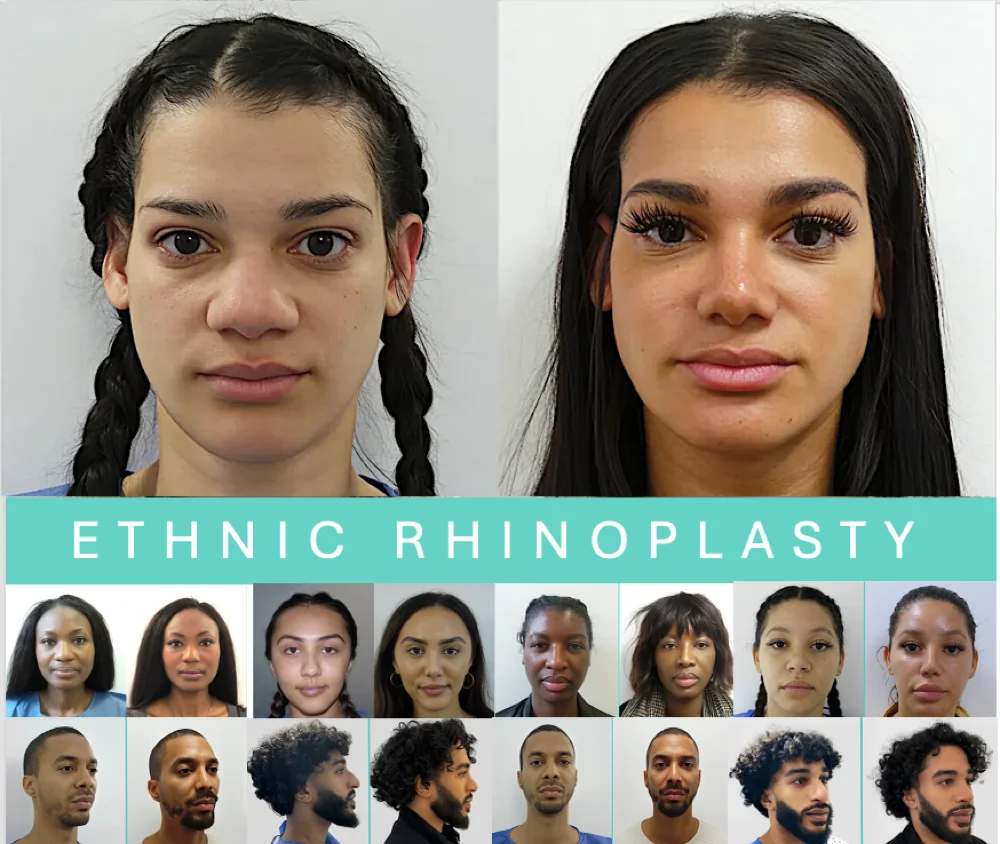
1 How do Afro-Caribbean rhinoplasty techniques differ from standard procedures? ↓
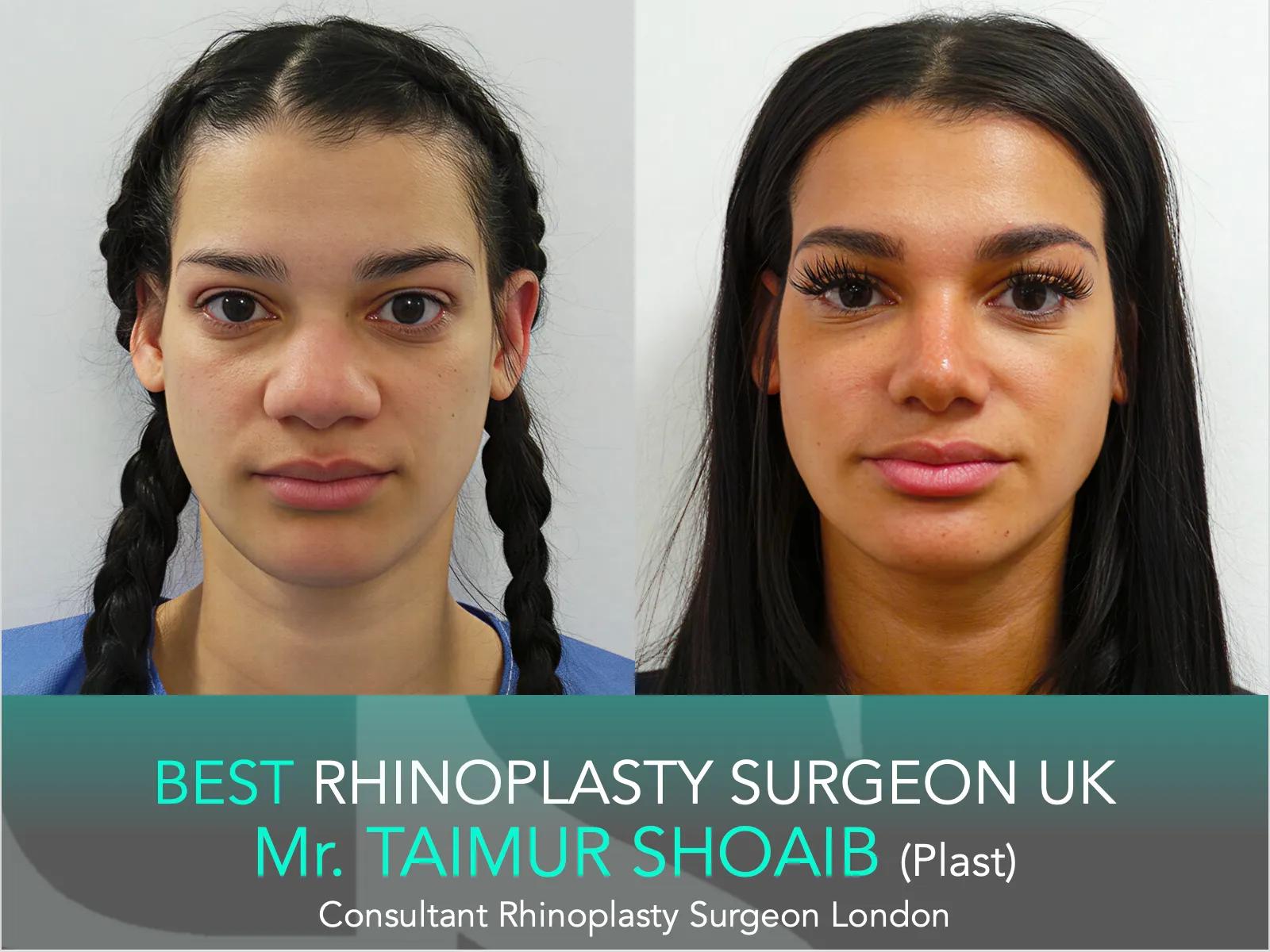
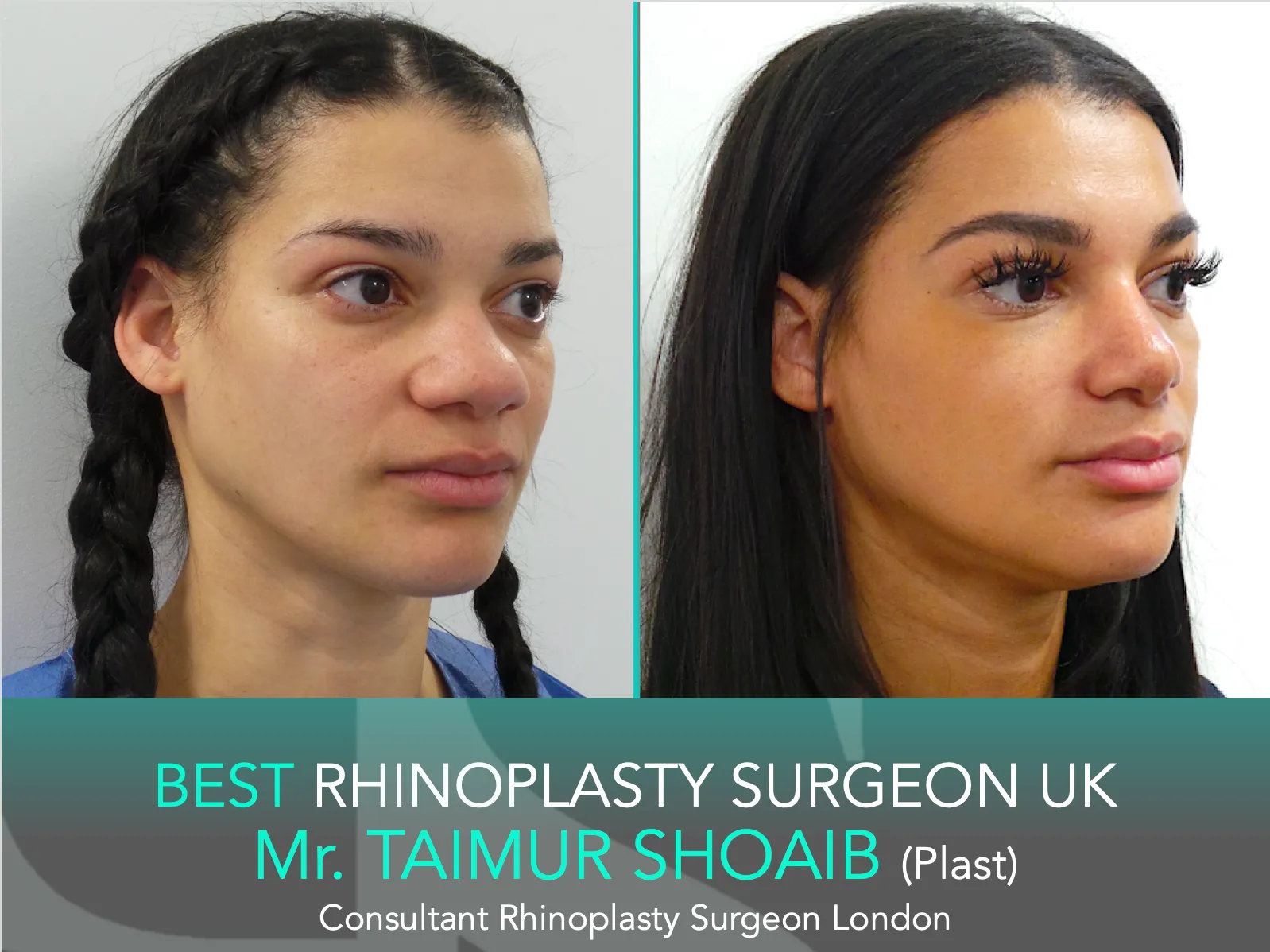
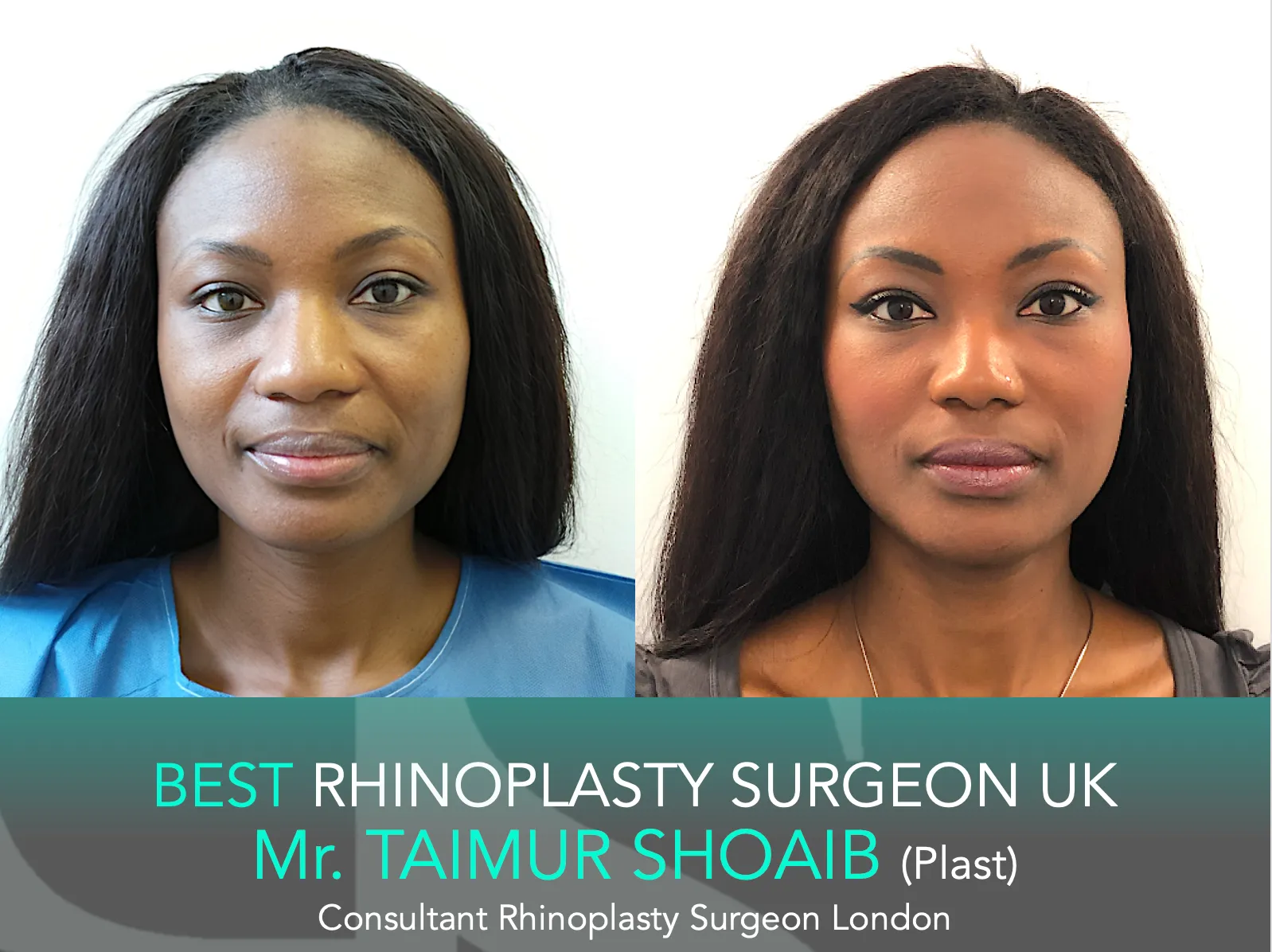
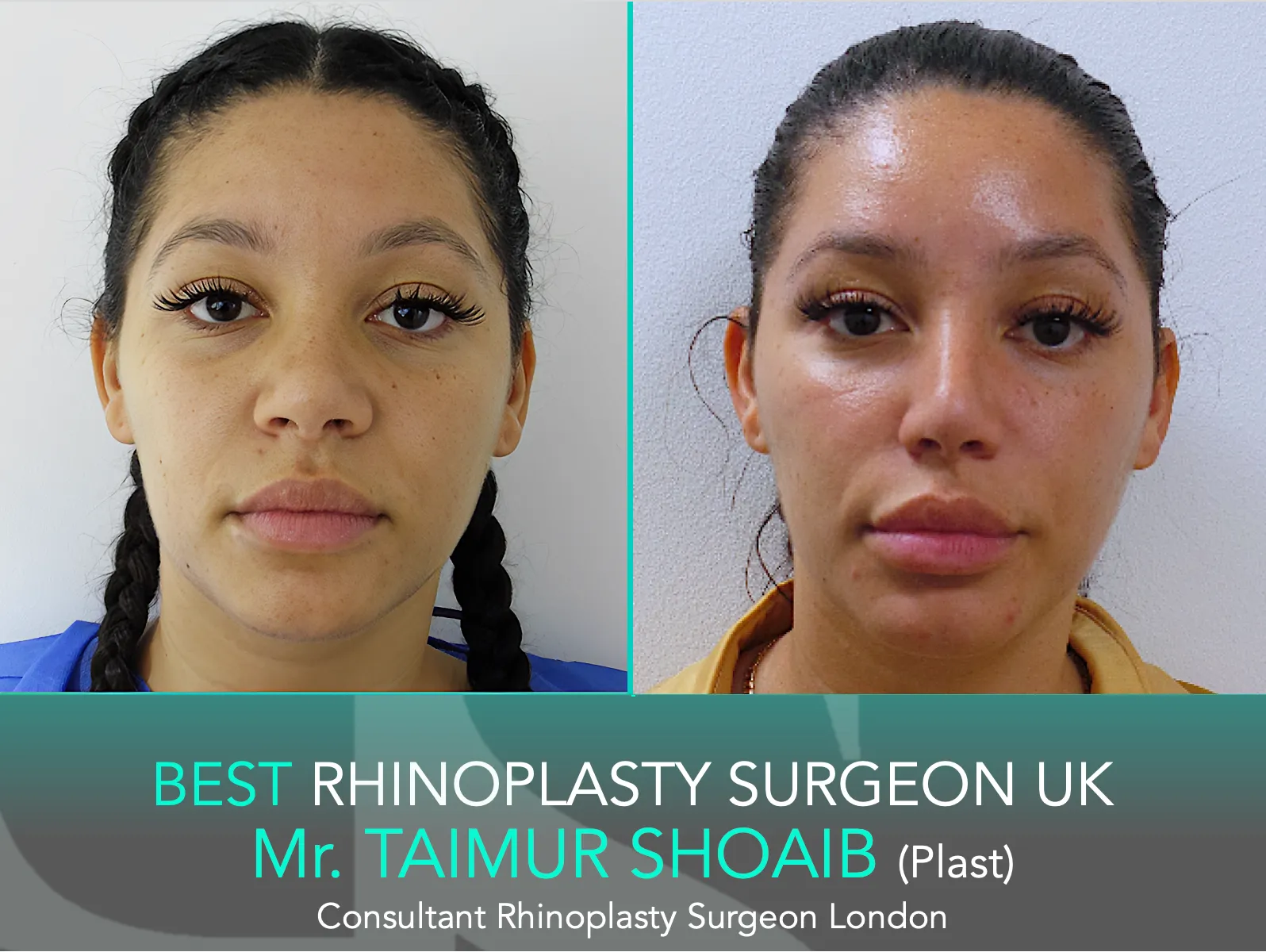
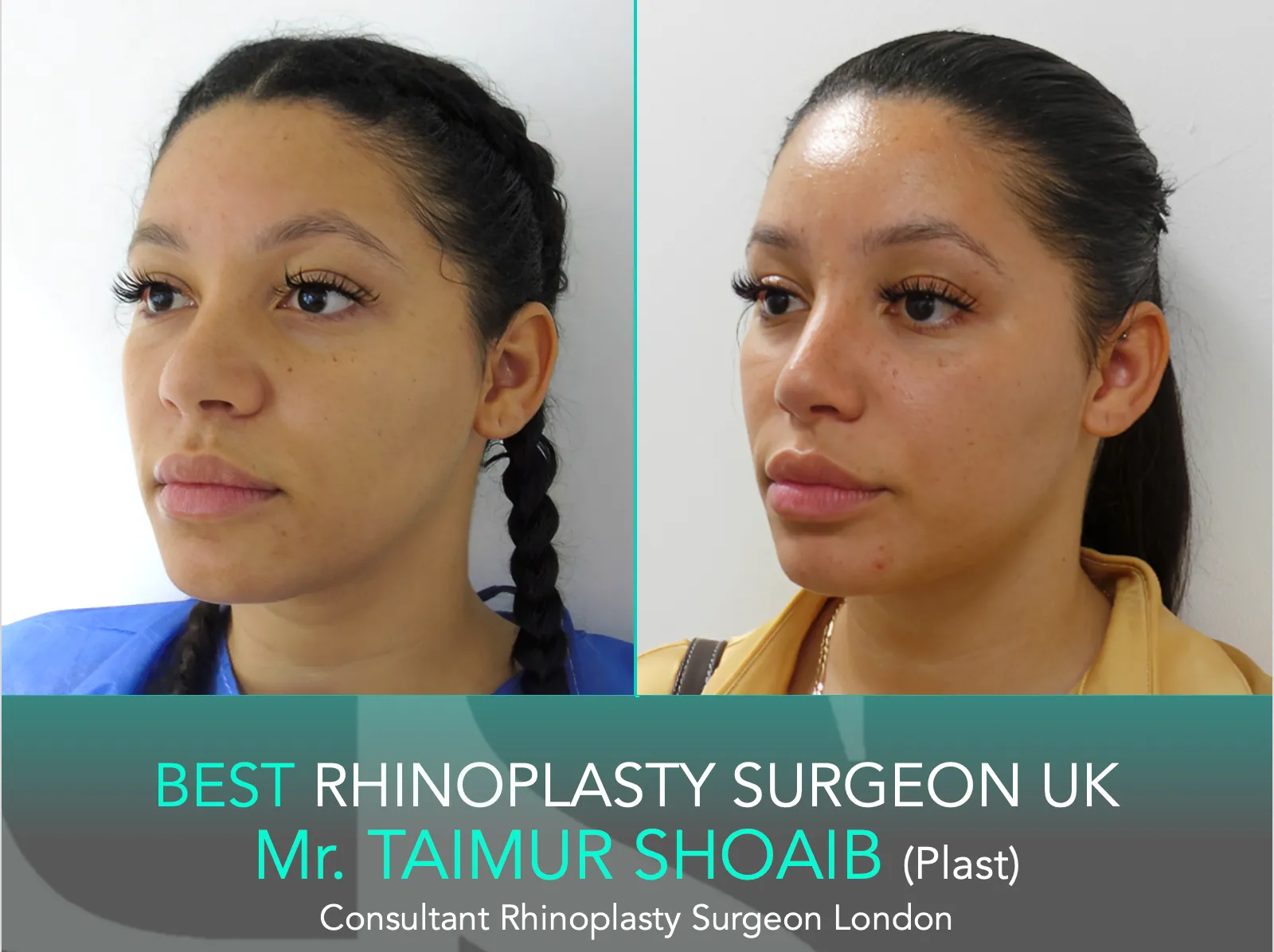
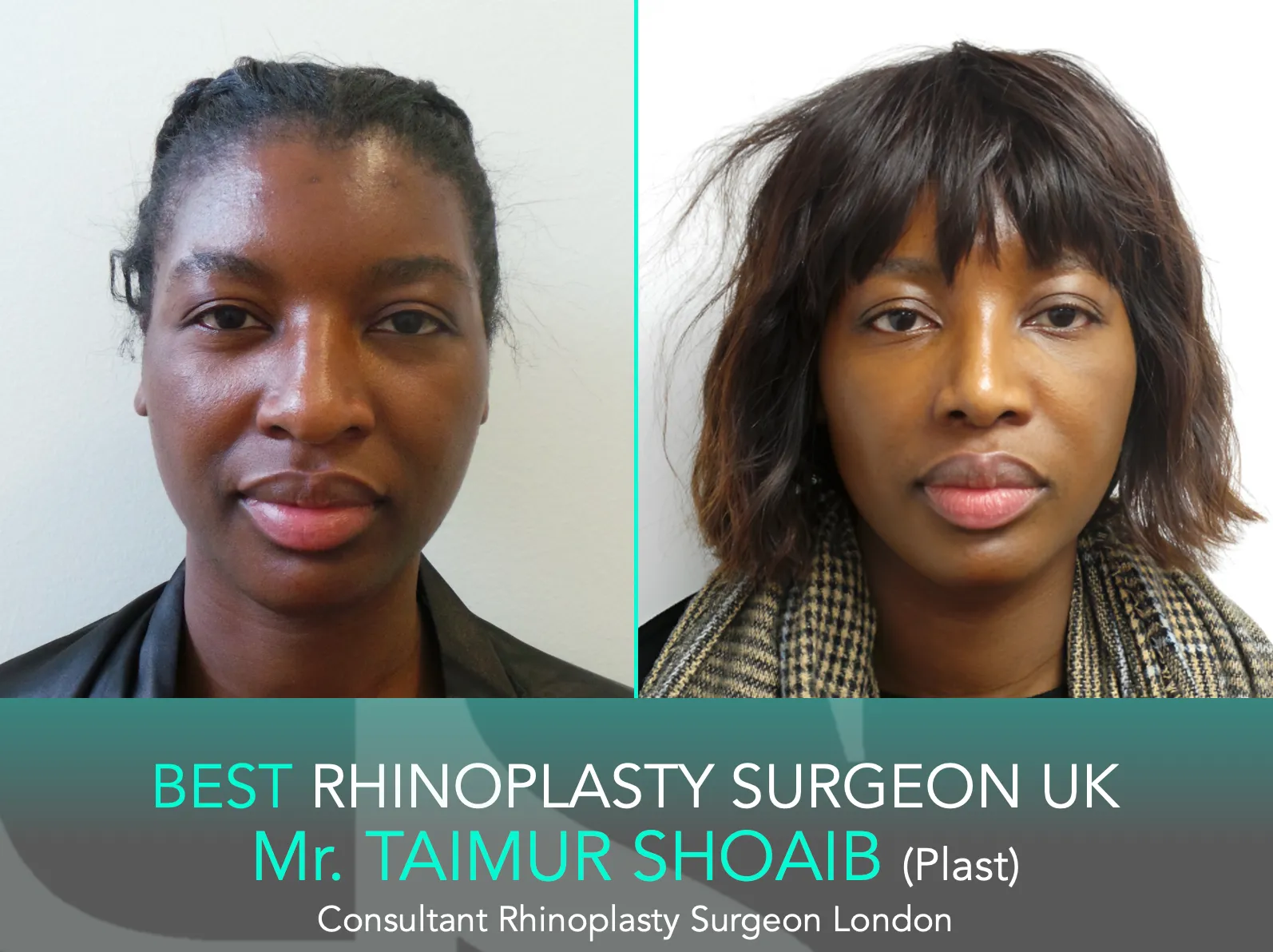
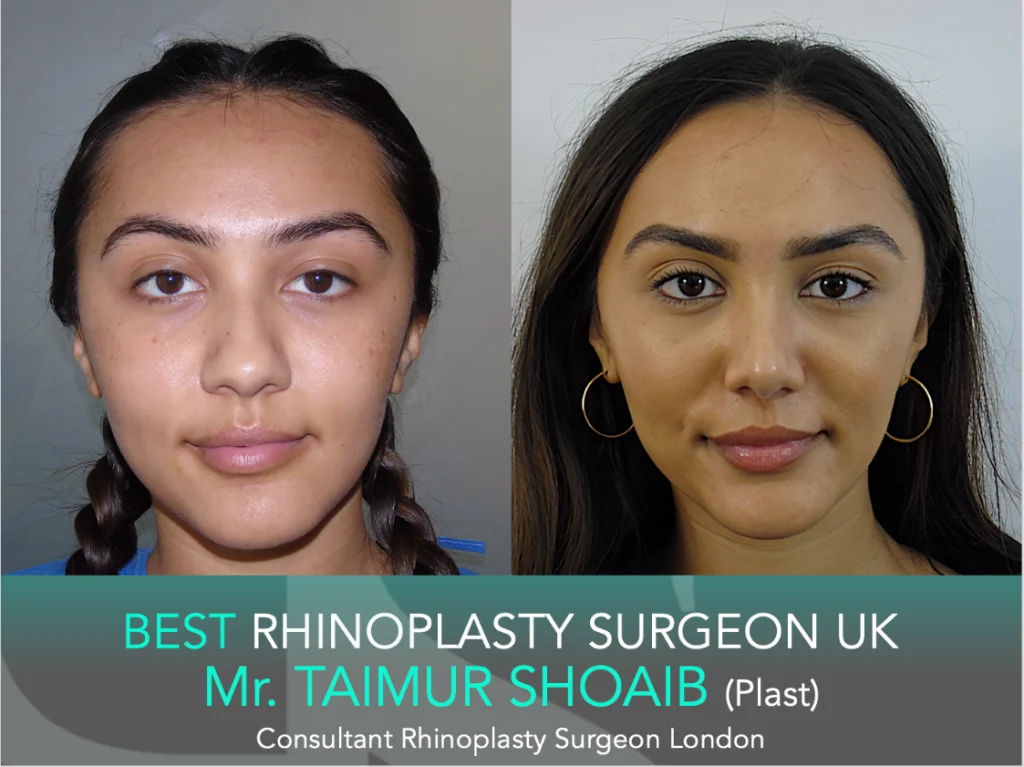
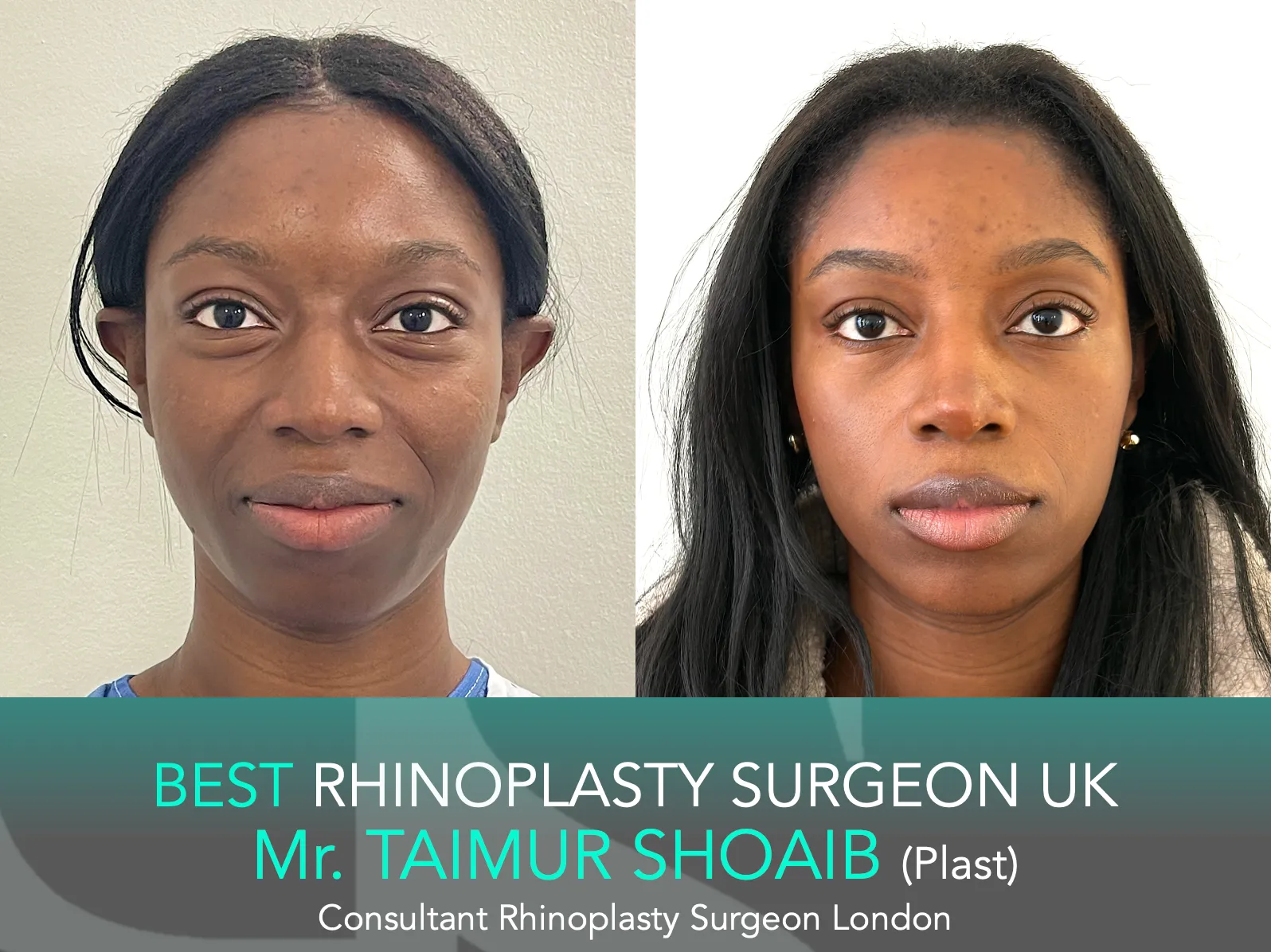
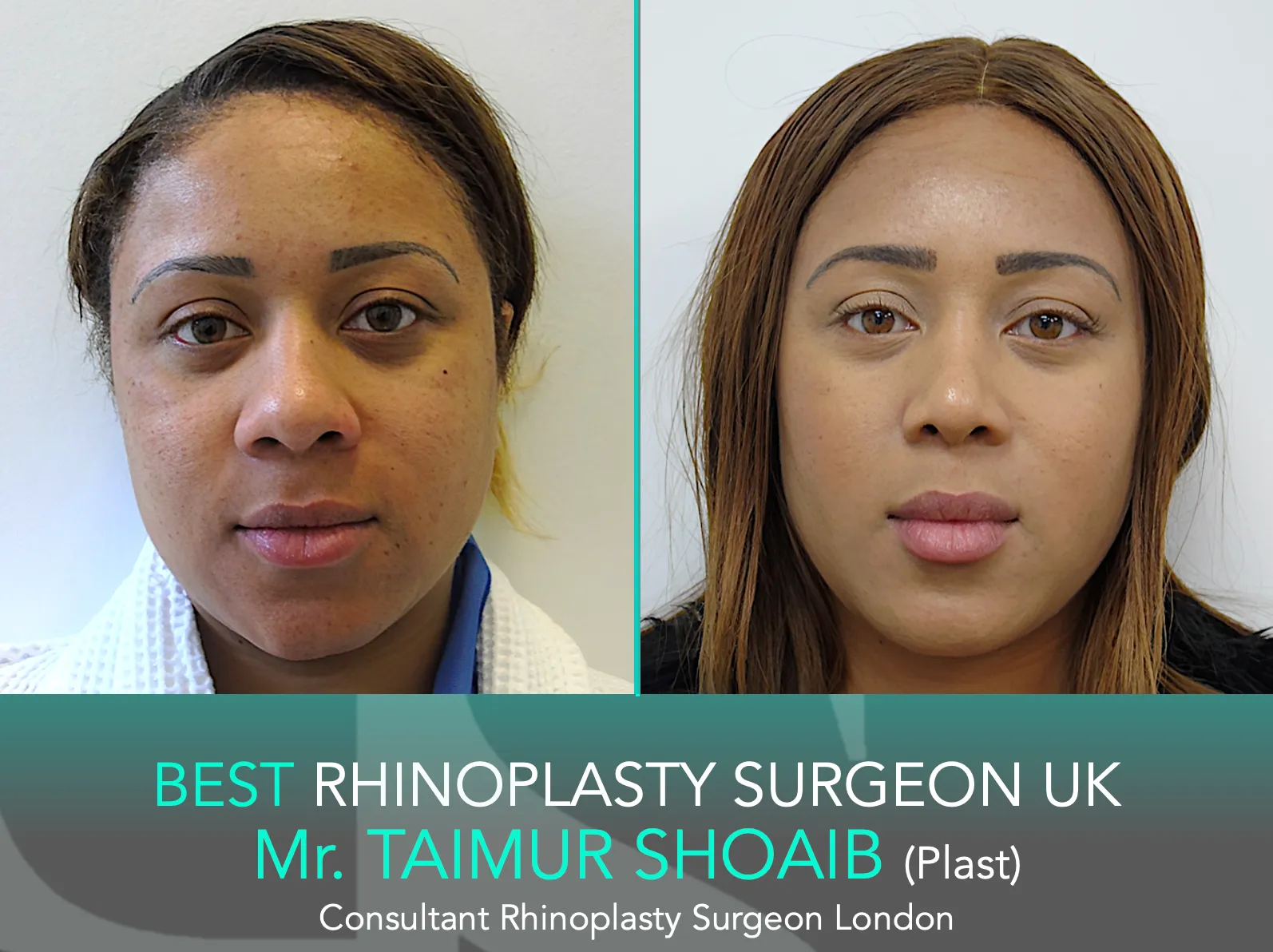
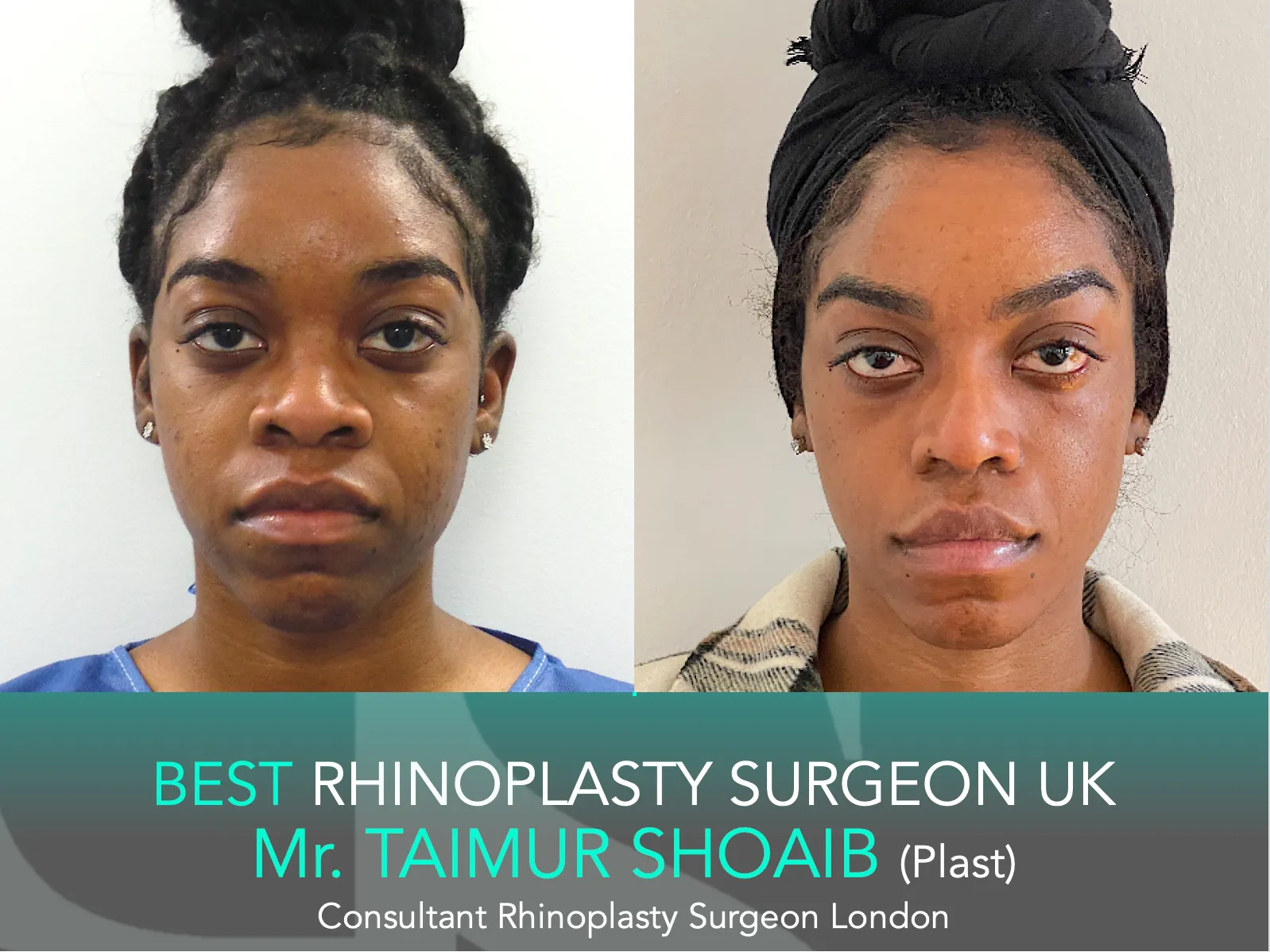
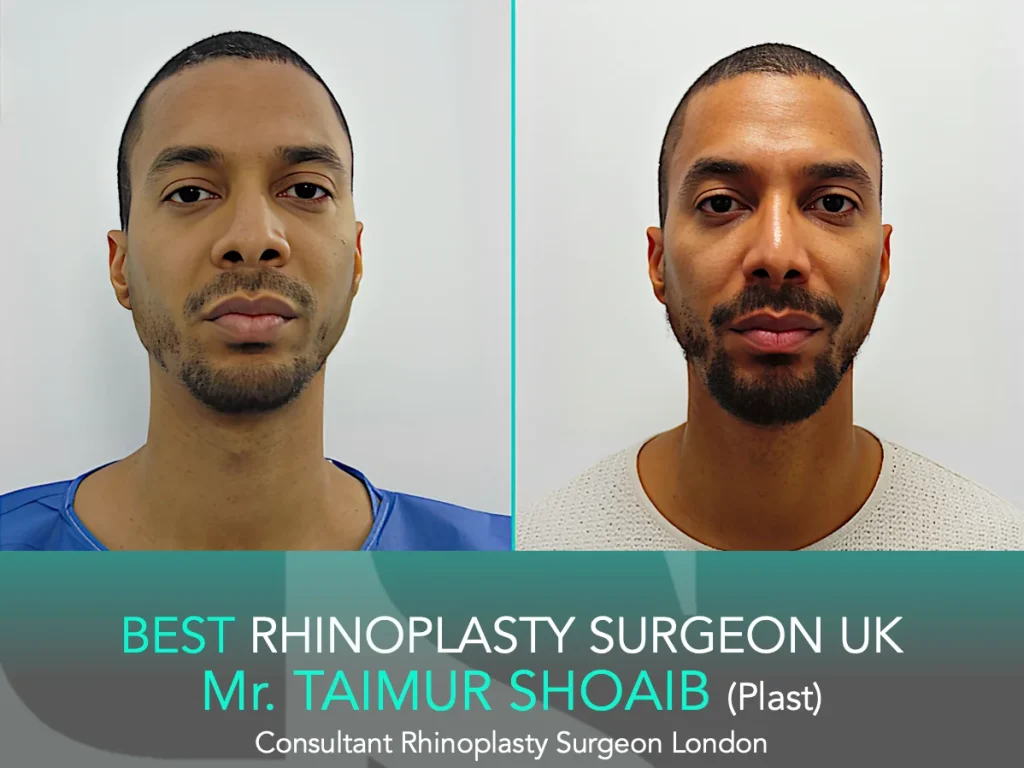
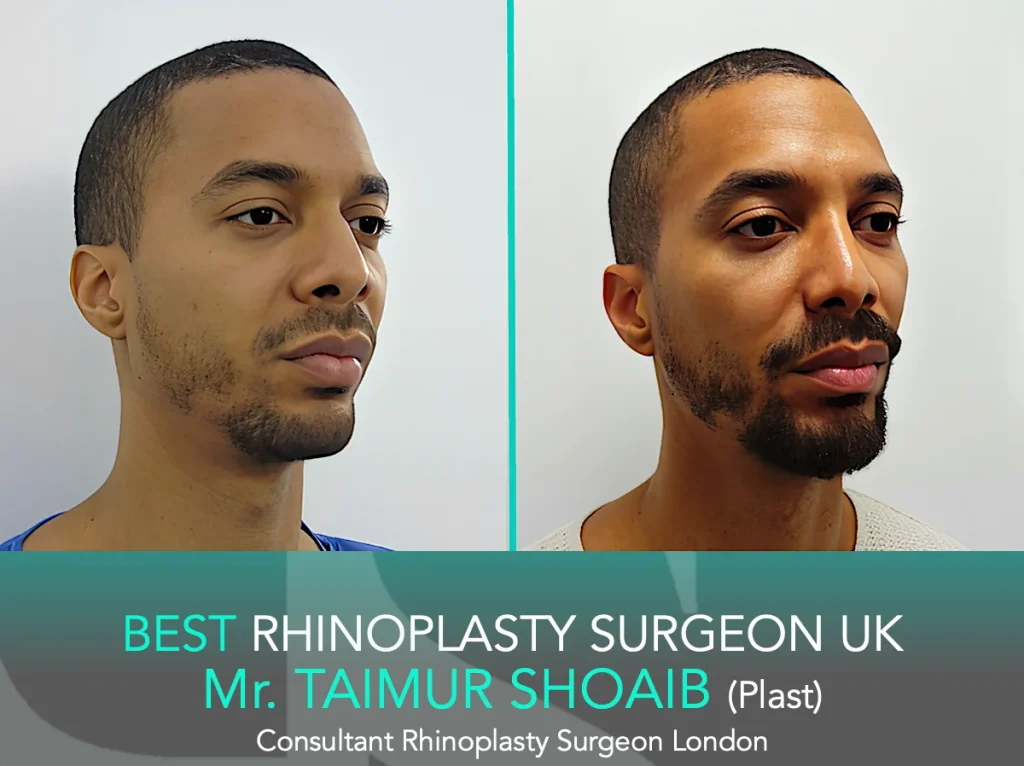
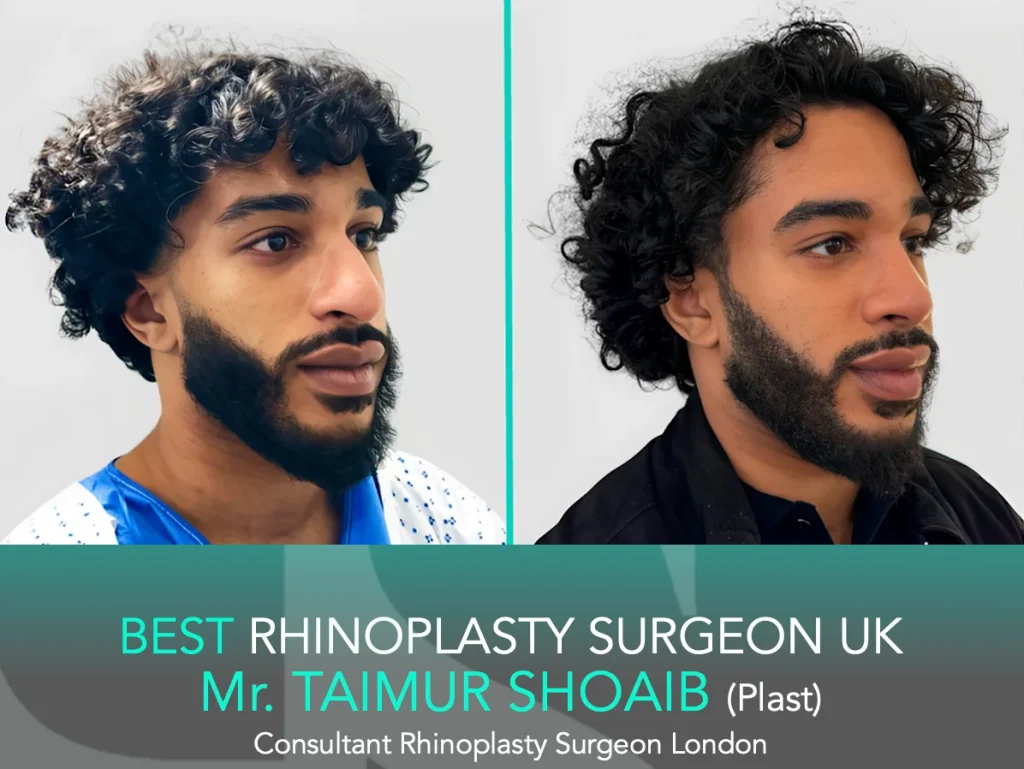
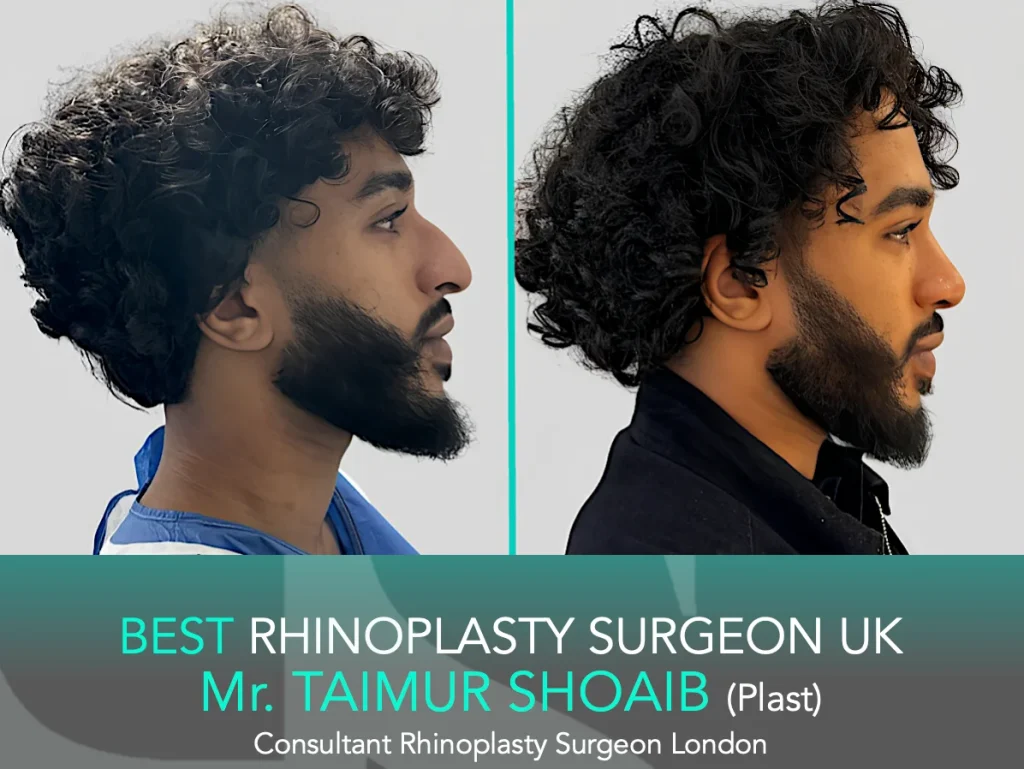
Traditional rhinoplasty often focuses on "reductive" techniques (shaving down bone), which can cause the nose of an African-descent patient to look flat or collapsed. Afro-Caribbean rhinoplasty is a specialised "additive" procedure that uses structural grafting to elevate a lower nasal bridge and provide definition to a wider tip, ensuring the results are refined but remain culturally authentic.
2 Can a wide nasal base and flared nostrils be permanently narrowed? ↓
Yes. A primary objective for many African and Caribbean patients is "Alar Base Reduction" to narrow the width of the nostrils. By meticulously placing incisions in the natural crease where the nostril meets the cheek, we can reduce the "flare" of the nose while ensuring that surgical marks become virtually imperceptible during the 12-month healing process.
3 Will I lose my ethnic identity after African-descent rhinoplasty? ↓
Our surgical philosophy is "refinement, not erasure". The goal of specialist ethnic rhinoplasty is to enhance your natural features and improve facial harmony without removing the characteristics that define your heritage. Mr. Shoaib focuses on creating a version of your nose that looks like it belongs on your face, avoiding the "operated" or "westernised" look.
4 How does thicker skin affect the final definition of my nose? ↓
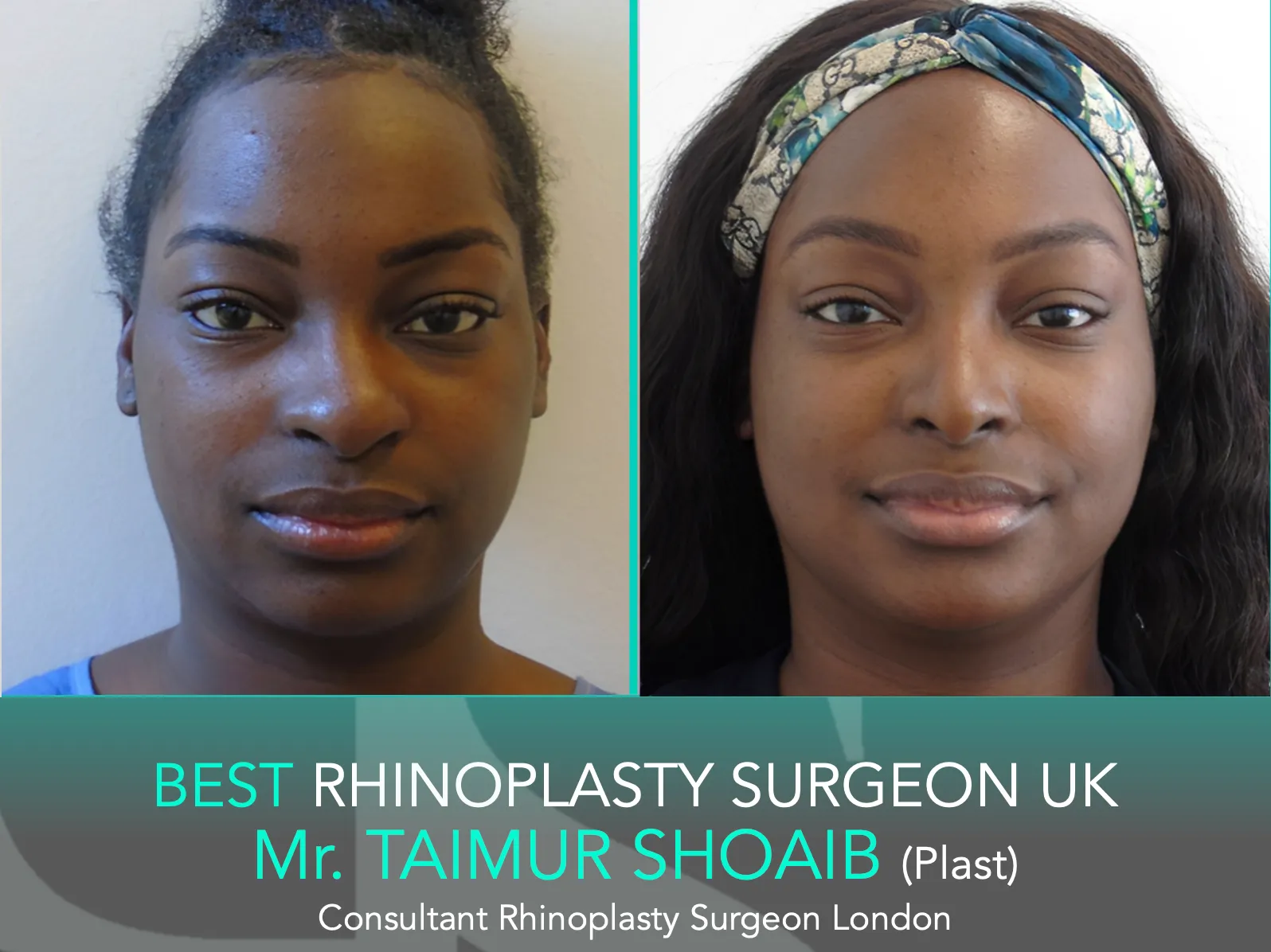
Afro-Caribbean patients often have a thicker, more sebaceous skin envelope, which can mask the fine changes made to the underlying cartilage. We address this by building a stronger, "sharper" internal framework using your own cartilage. This allows the new definition to show through the skin, though it may take the full 12 months for the final "high-definition" result to settle.
5 Why is it necessary to use my own cartilage (autologous grafts)? ↓
For African-descent patients, using your own cartilage (typically from the septum or ear) is the clinical "gold standard". Synthetic implants have a higher risk of being rejected or shifting under thicker skin. Your own tissue integrates perfectly, providing the permanent, strong support needed to elevate the bridge and refine the tip safely.
6 What is the recovery time for ethnic rhinoplasty in the UK? ↓
Most patients return to work or social activities within 07 to 14 days once the external splint is removed. However, because thicker skin holds swelling longer, you should expect the tip of the nose to remain slightly "full" for several months. While the bridge looks defined quickly, the final refined shape matures fully between 9 and 12 months post-surgery.

