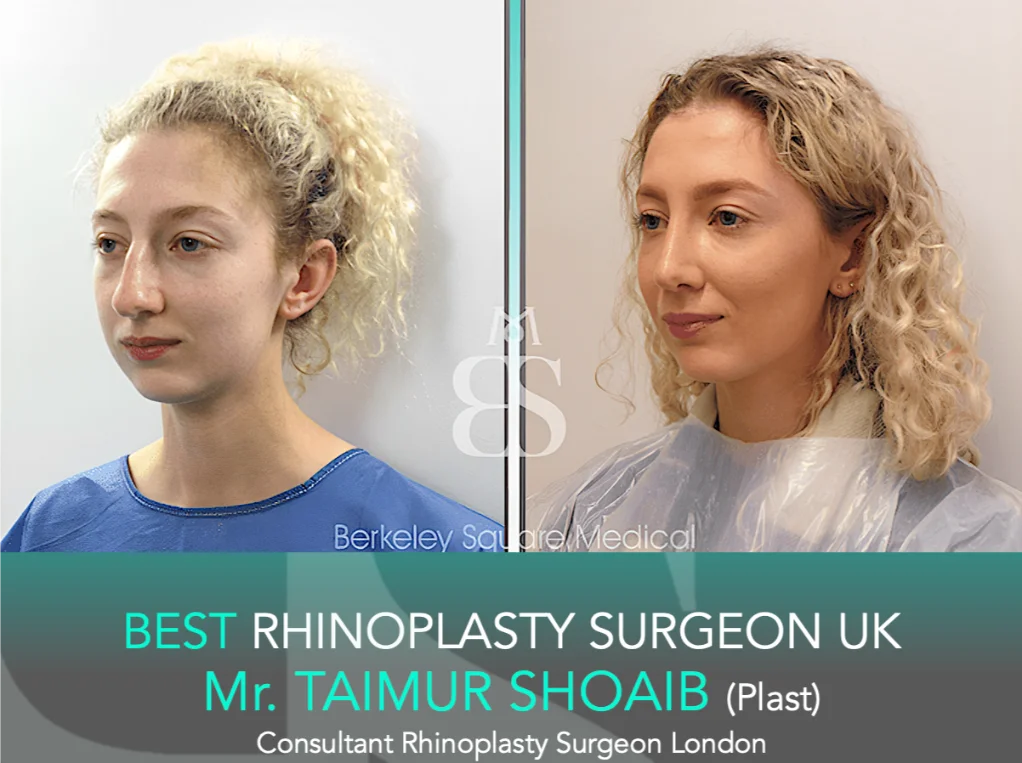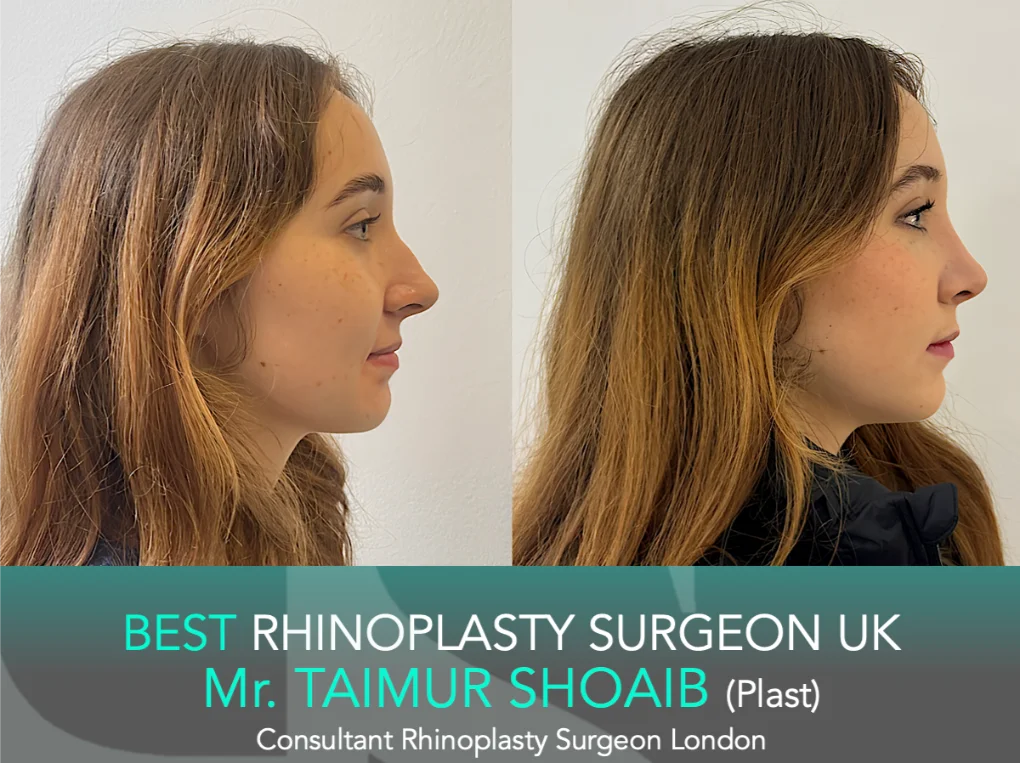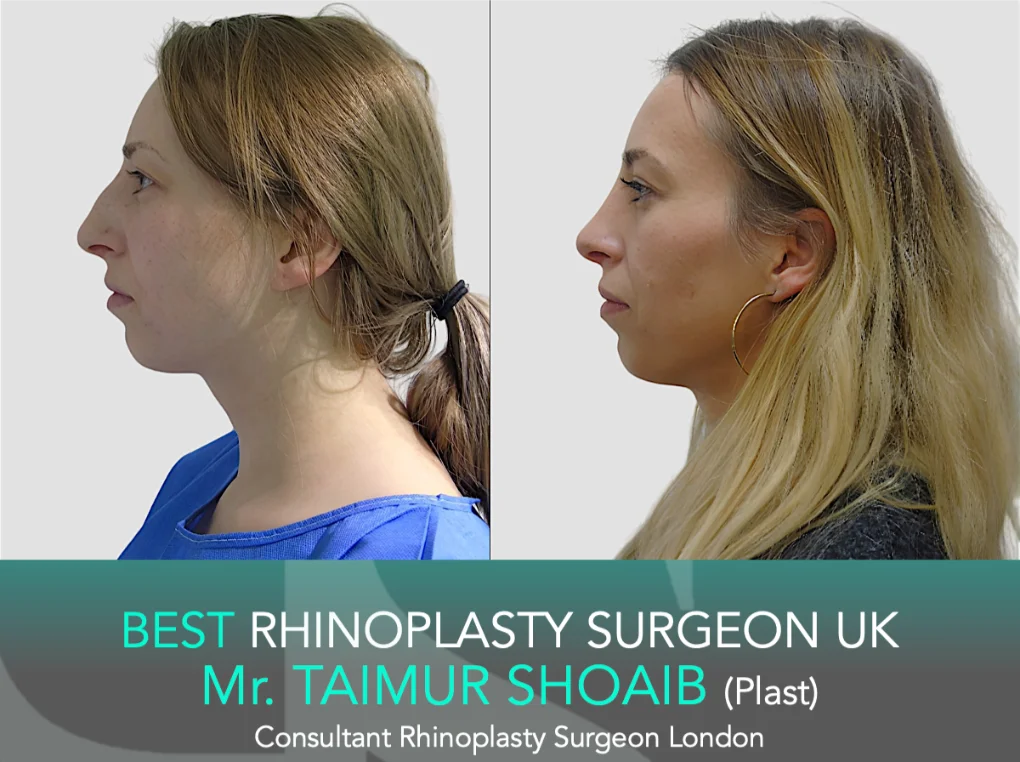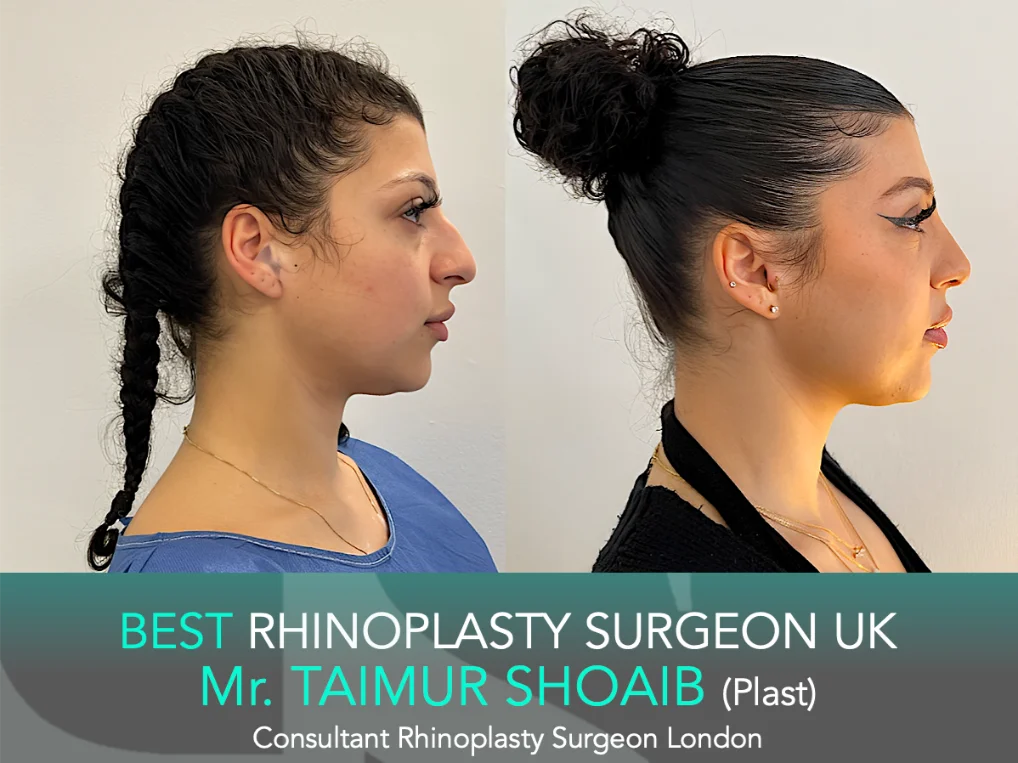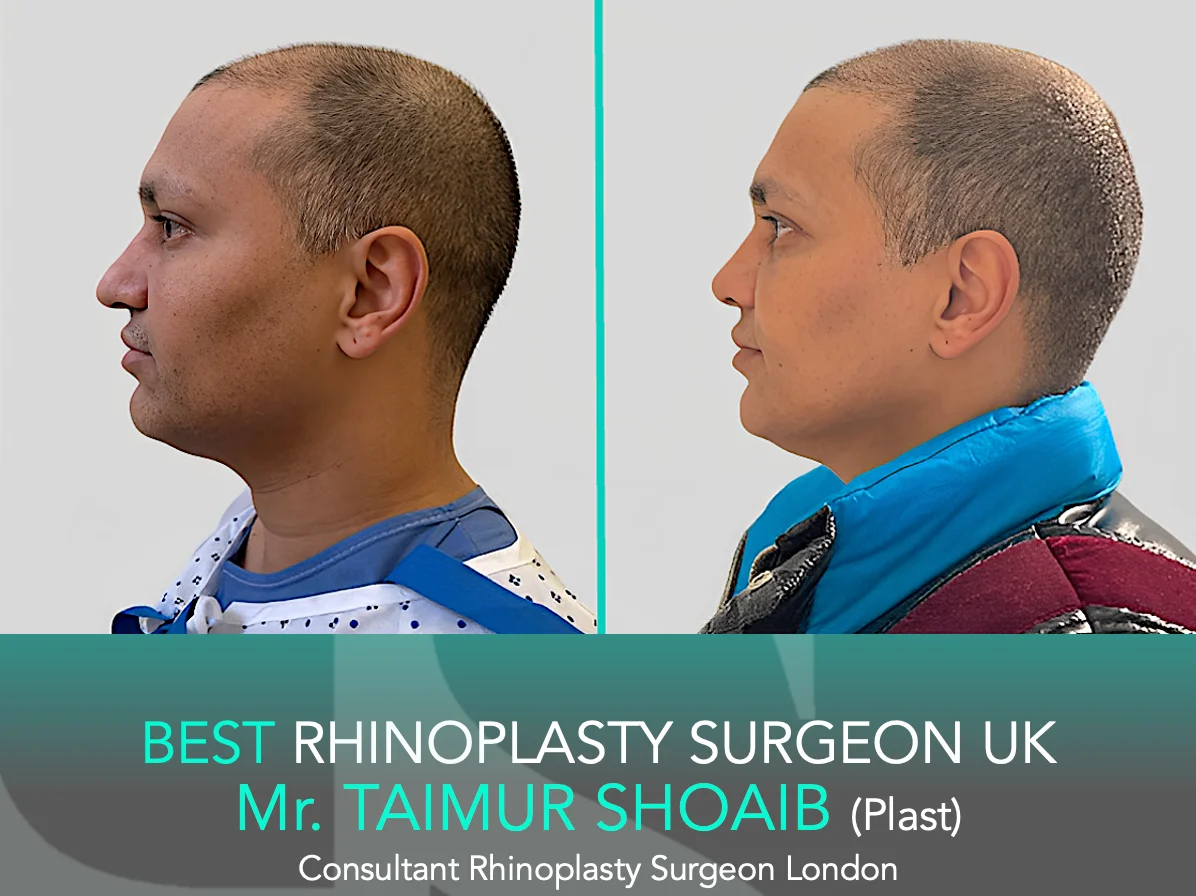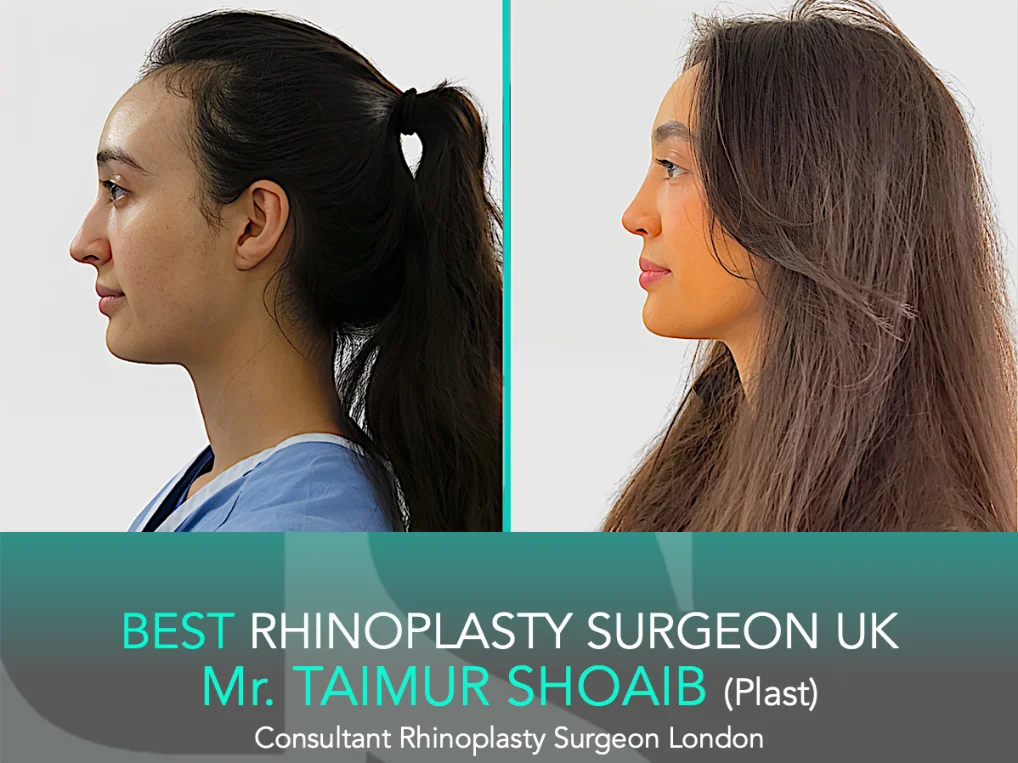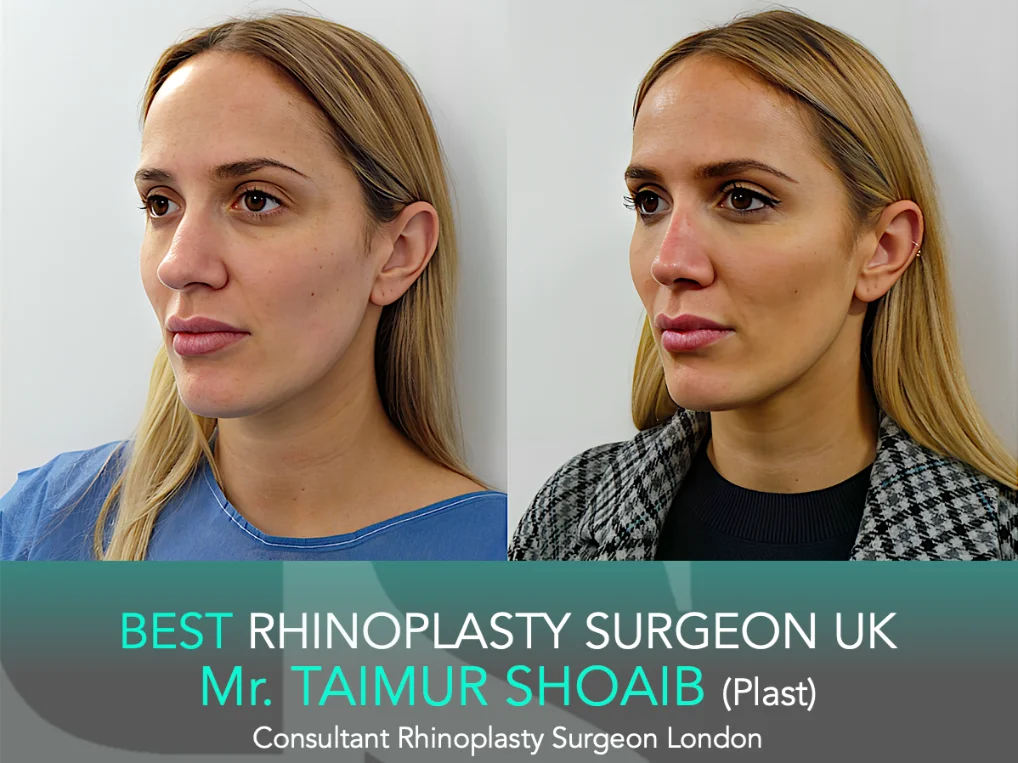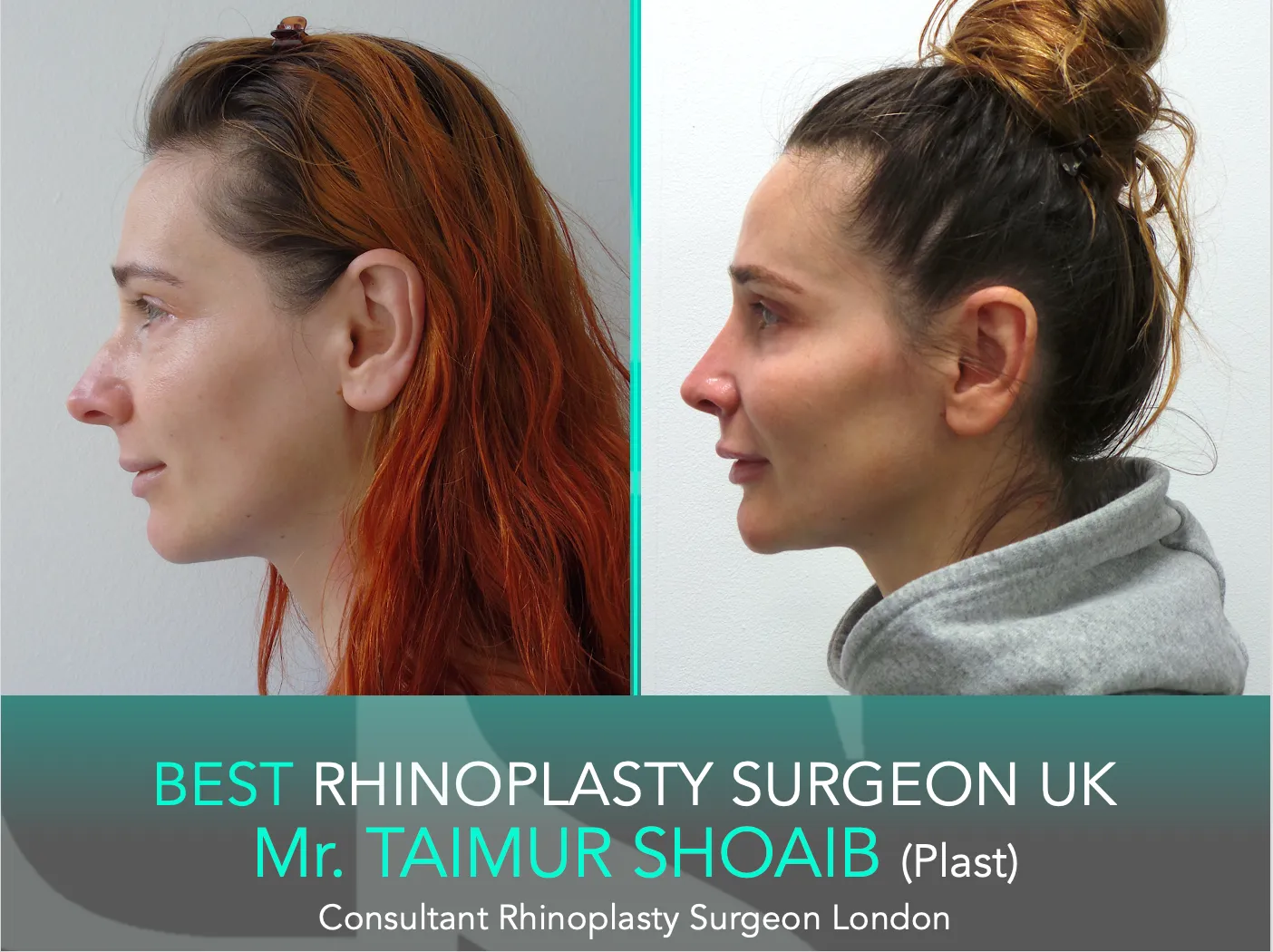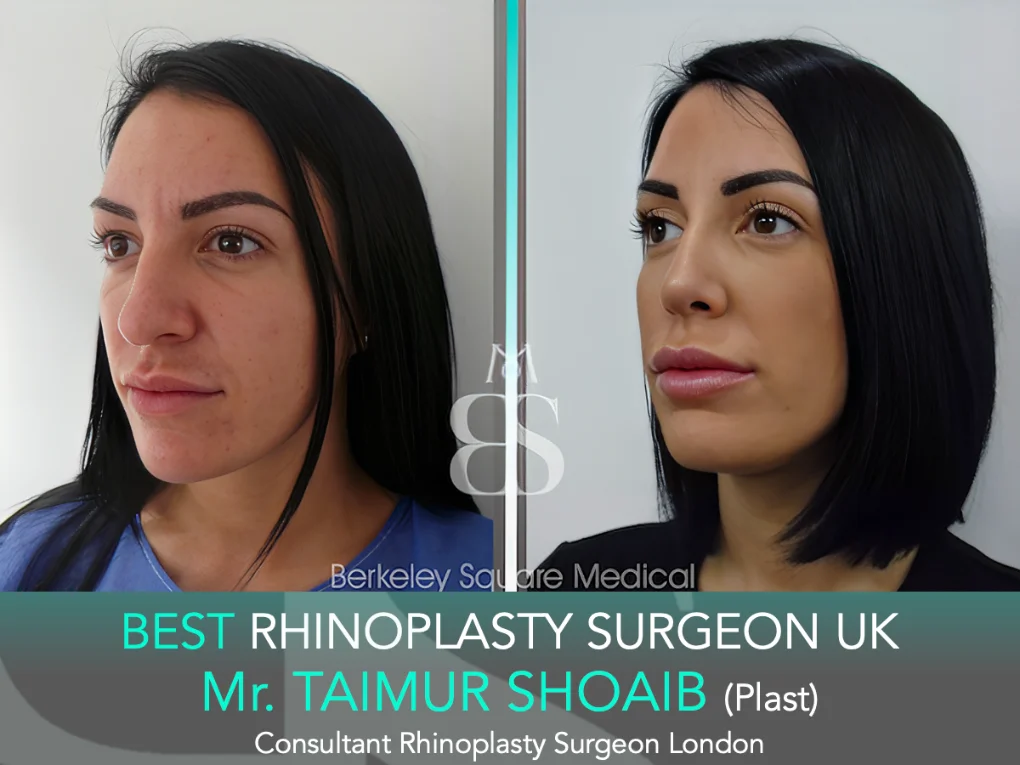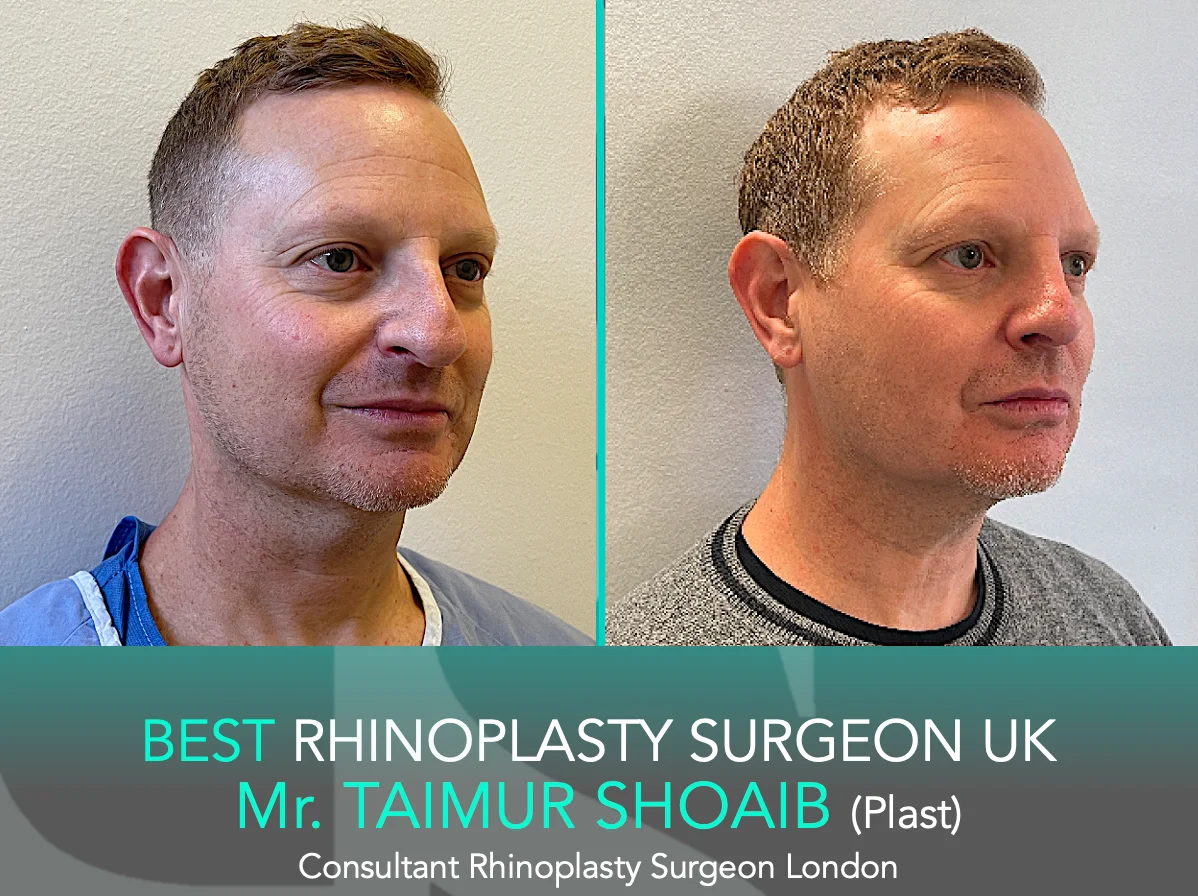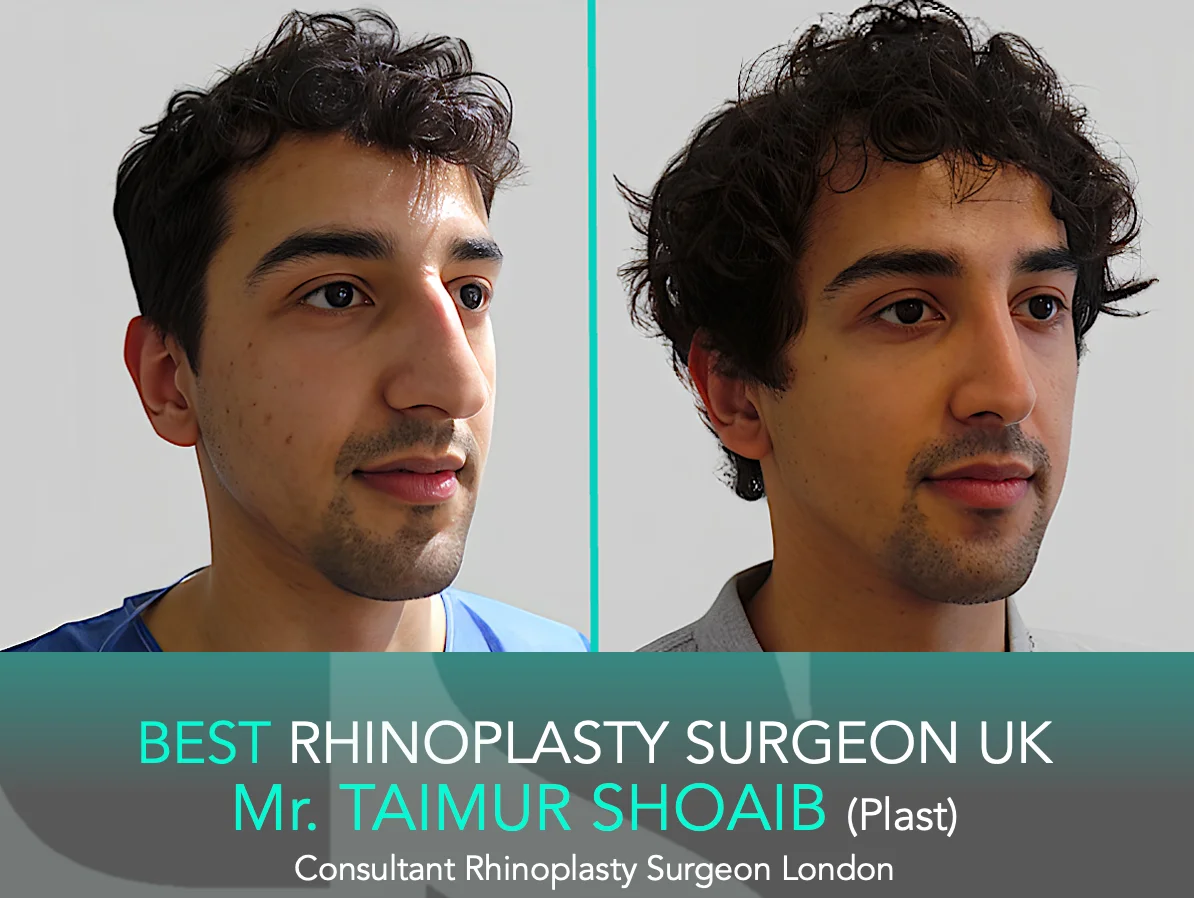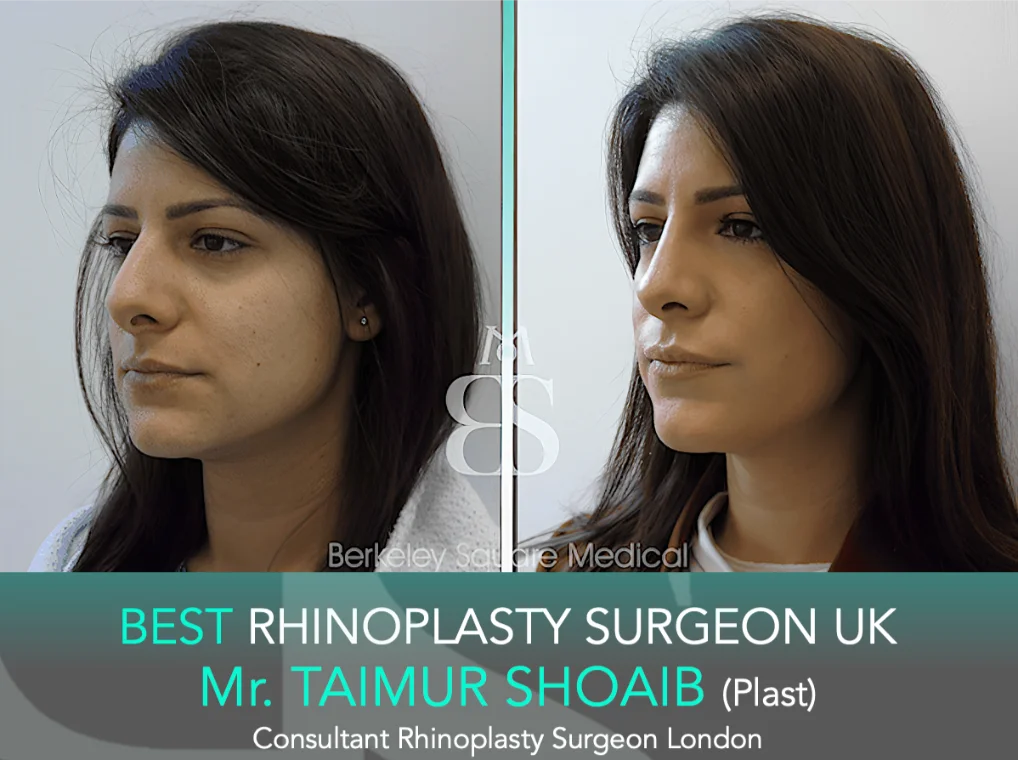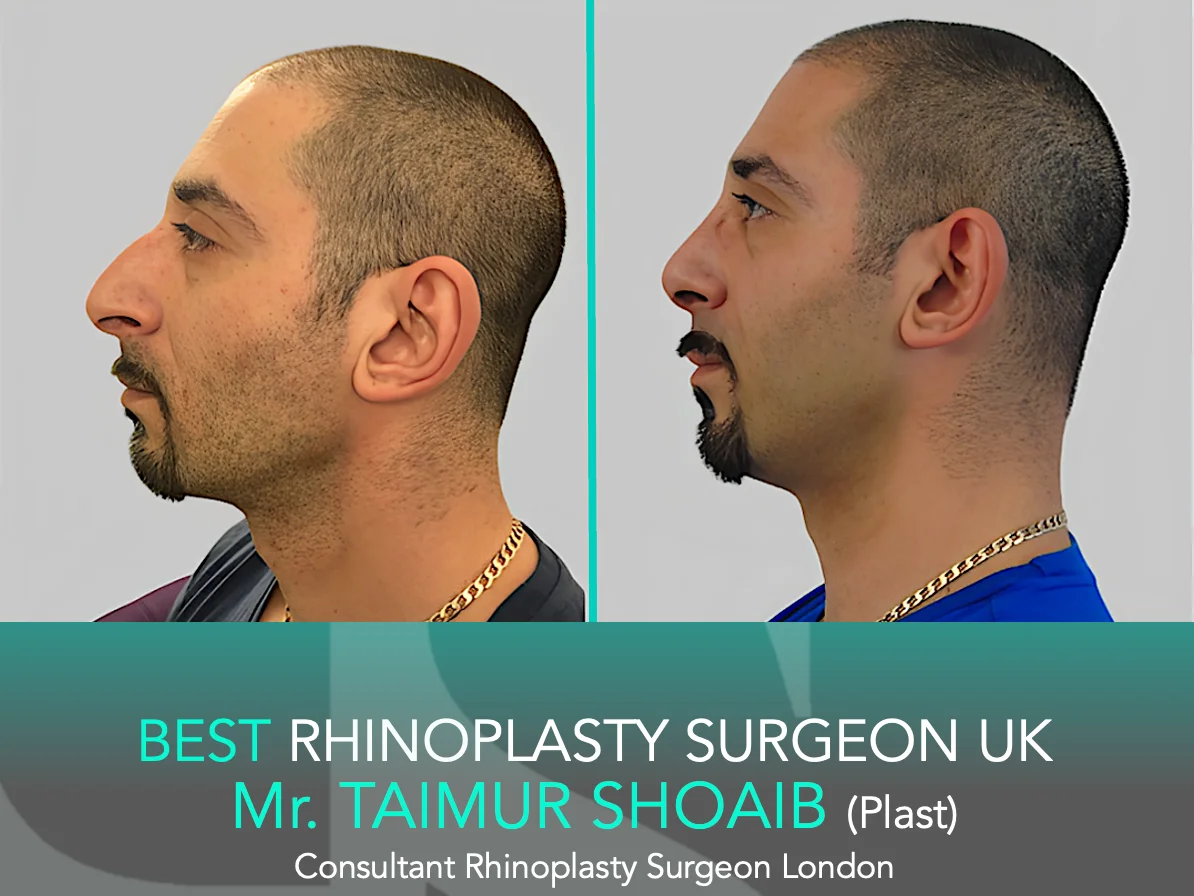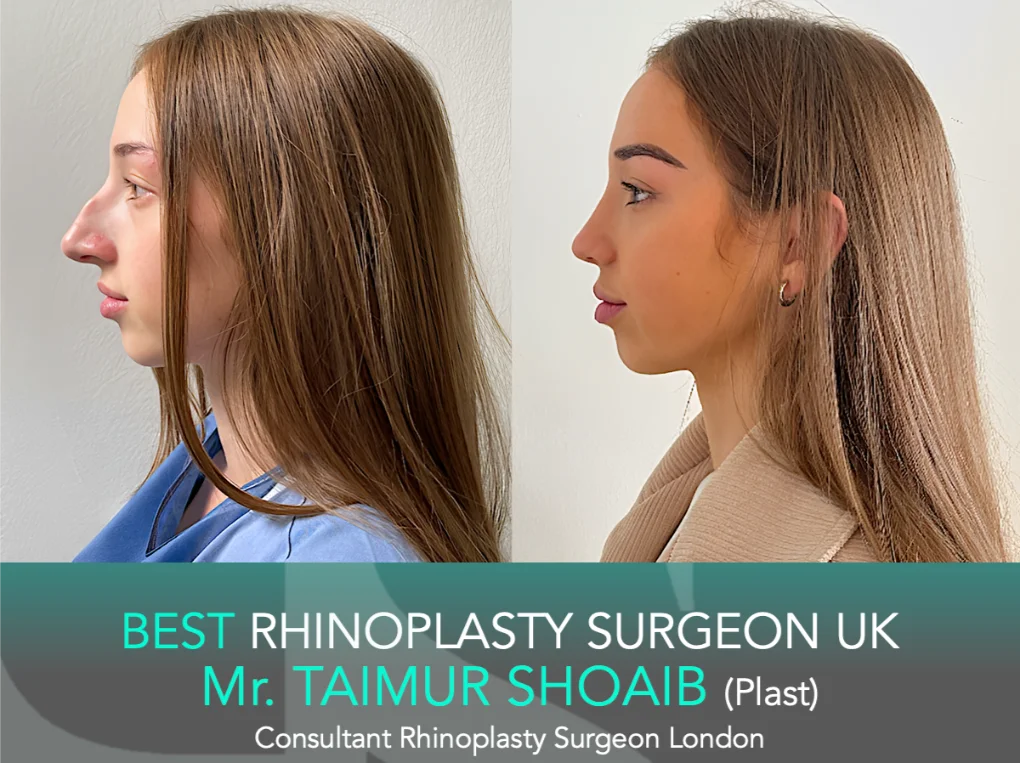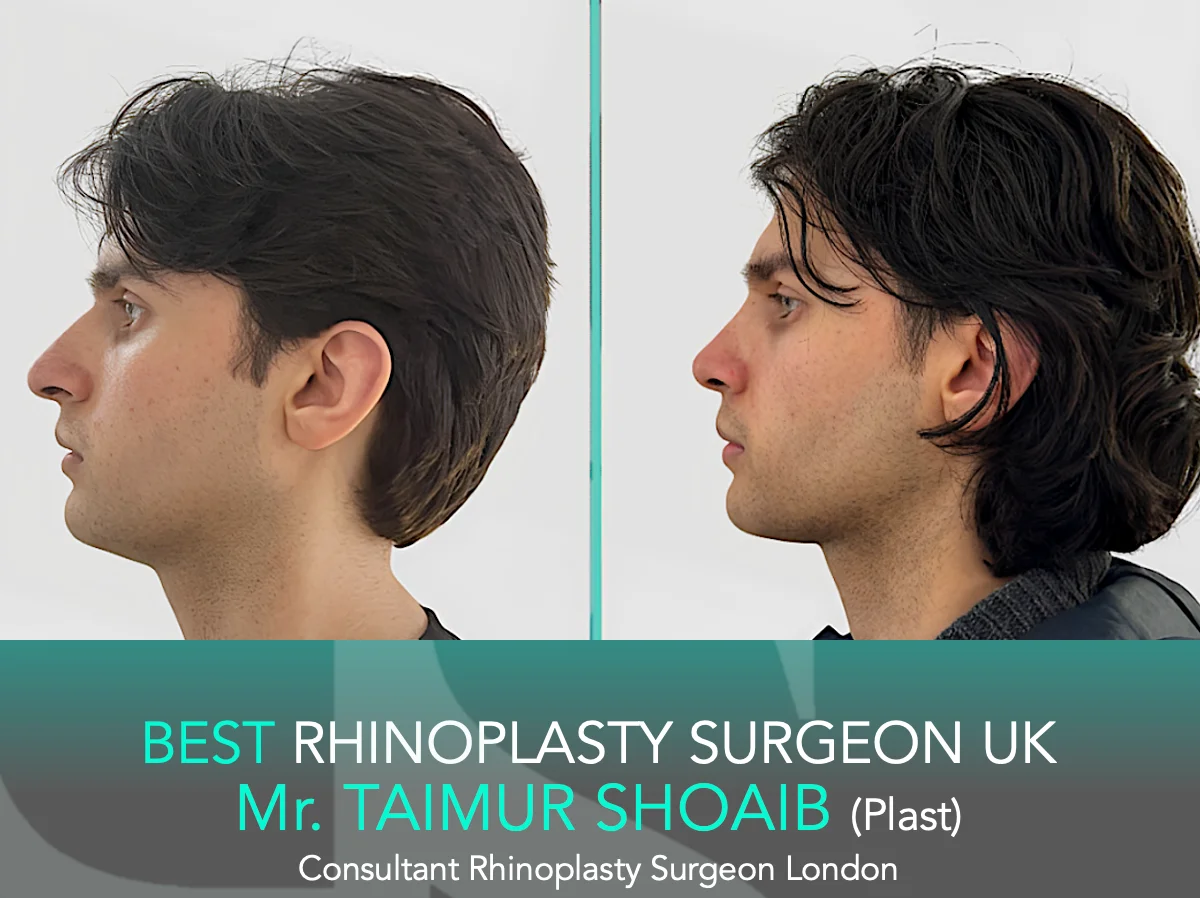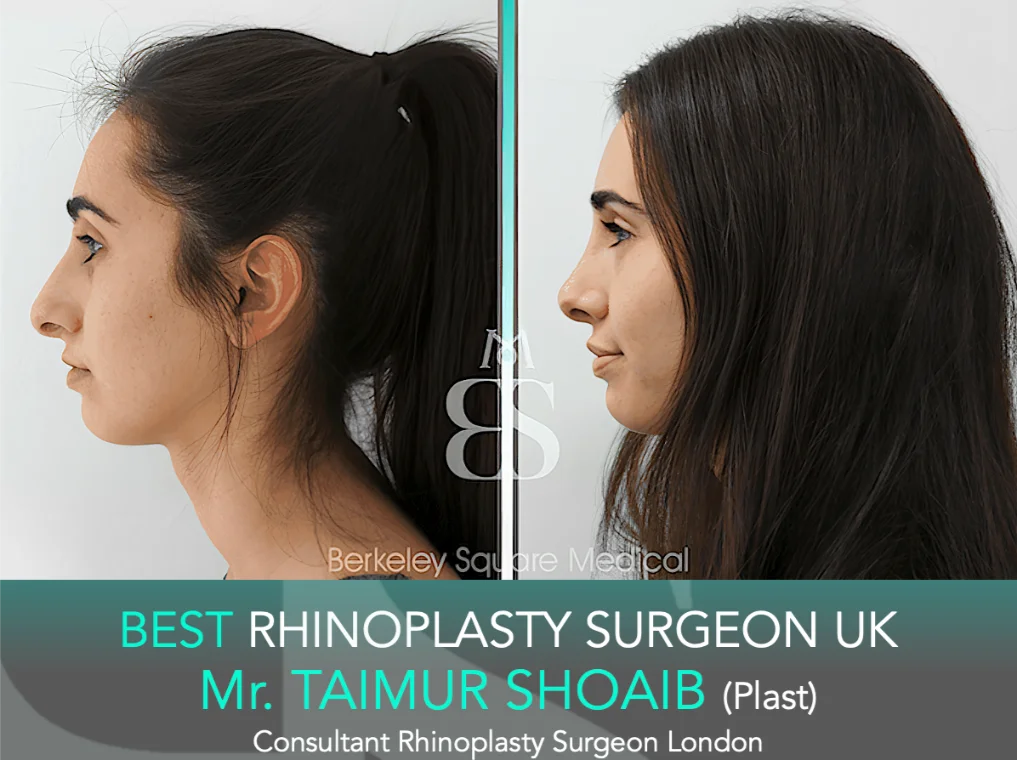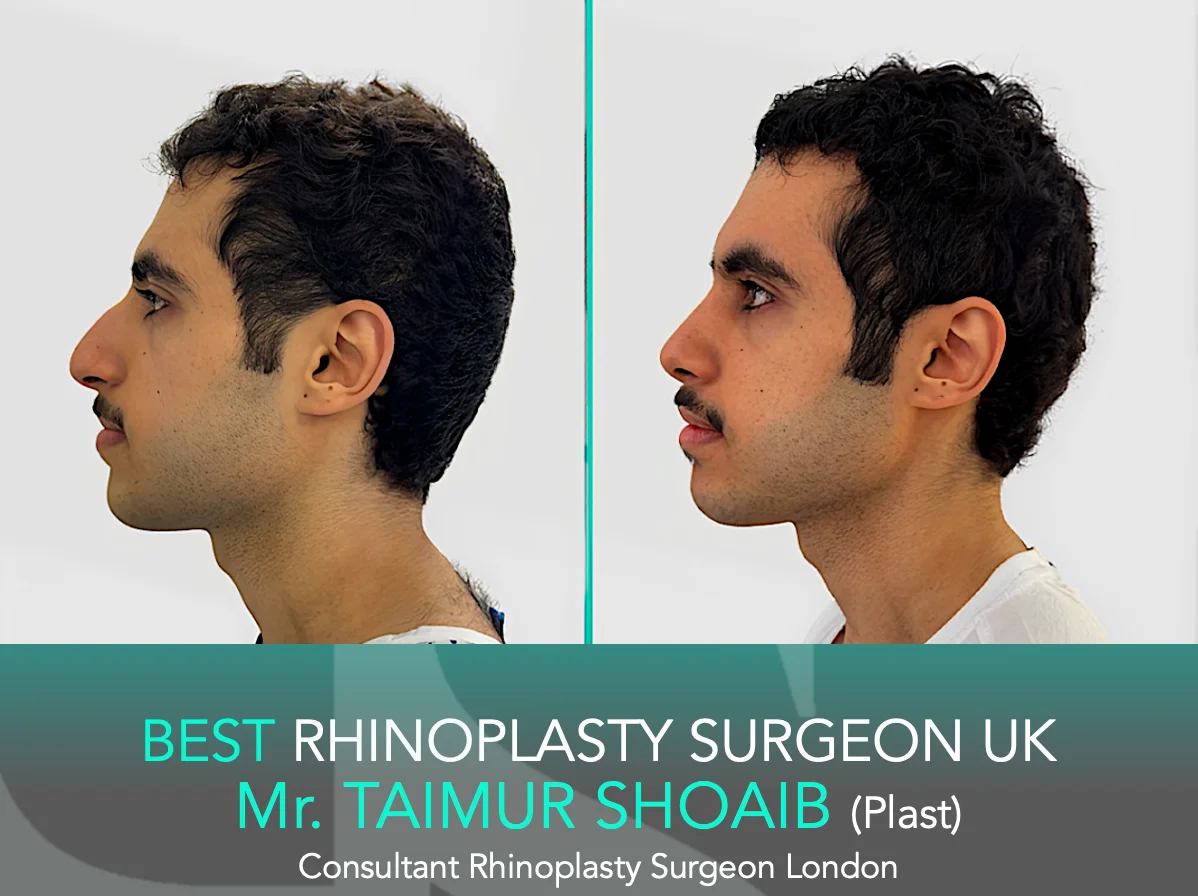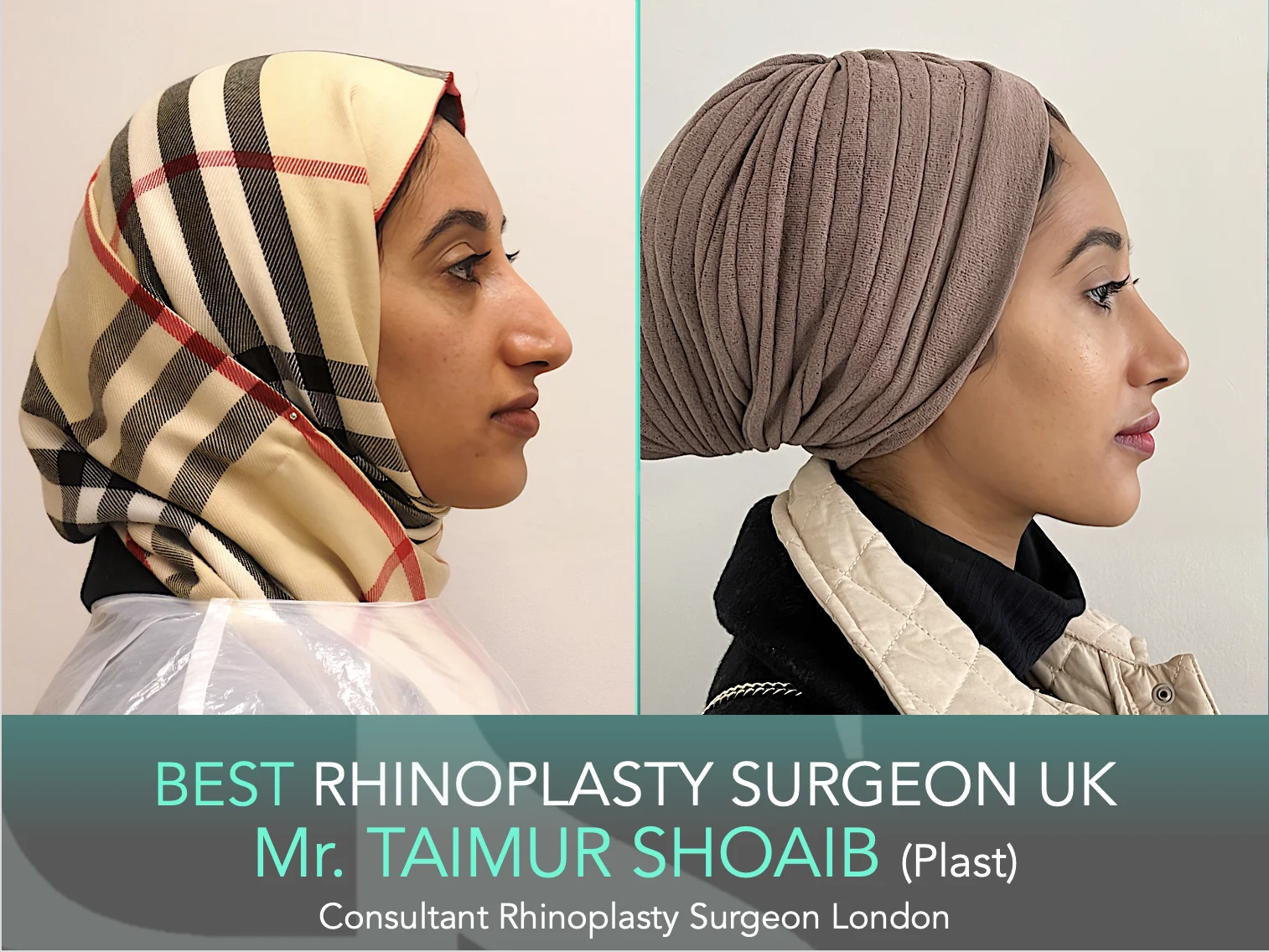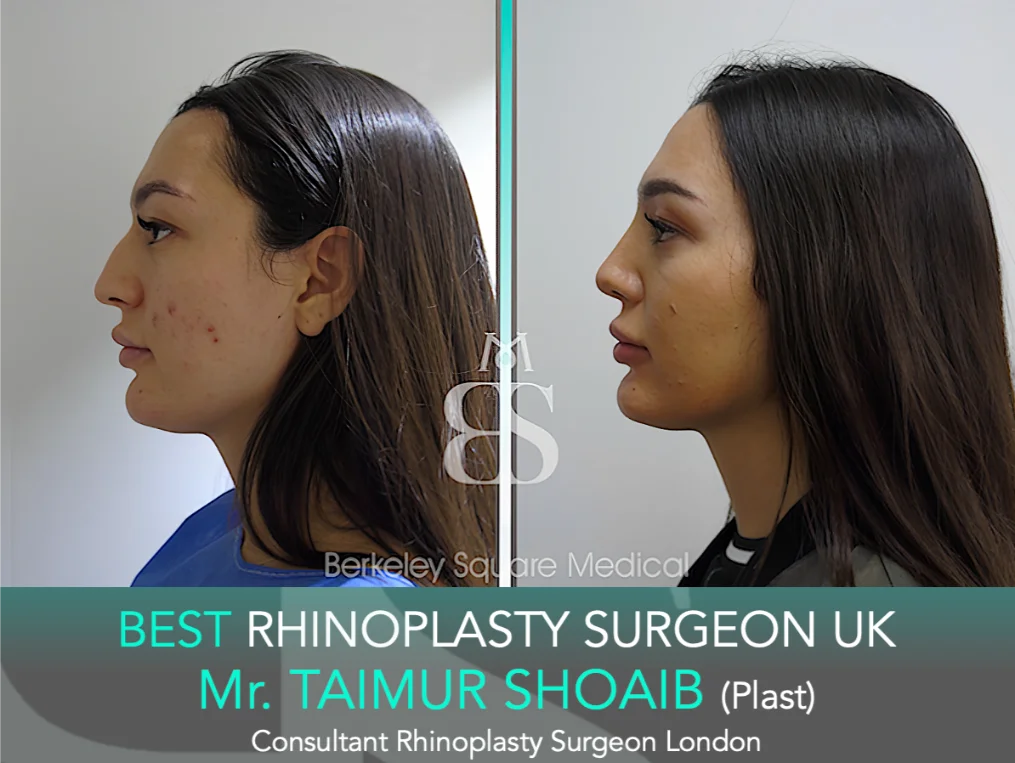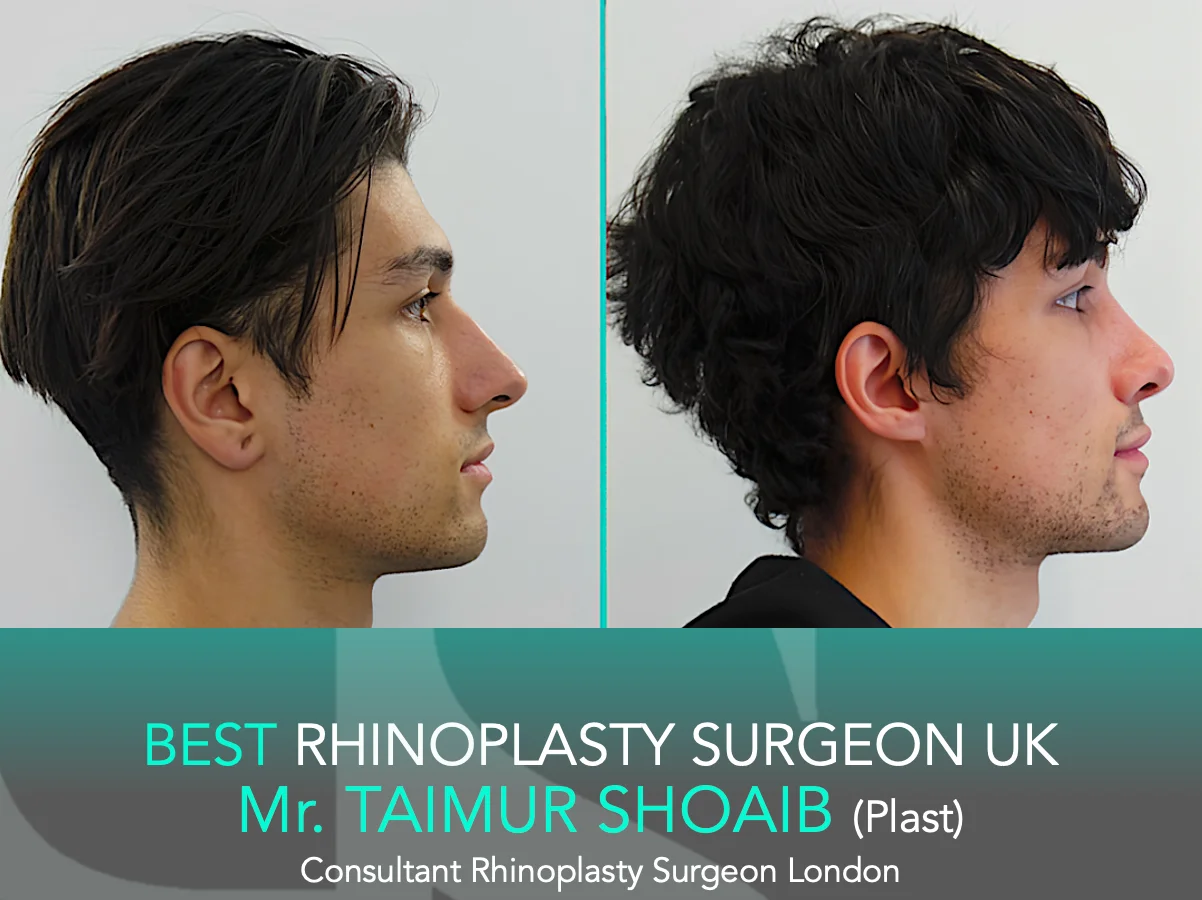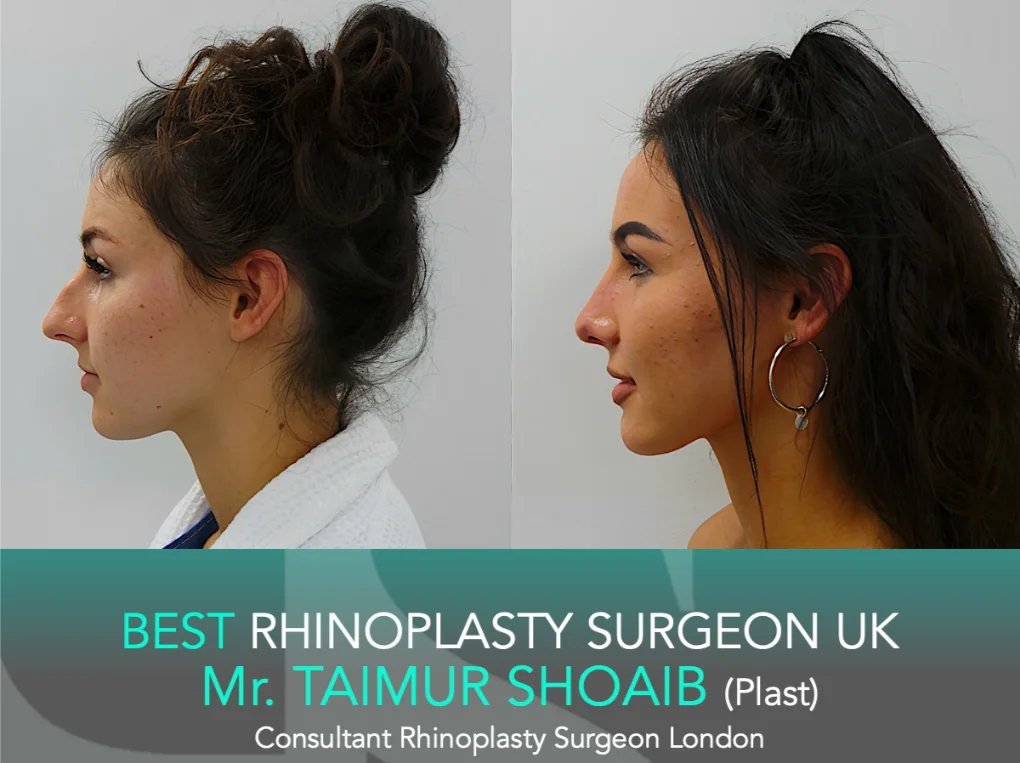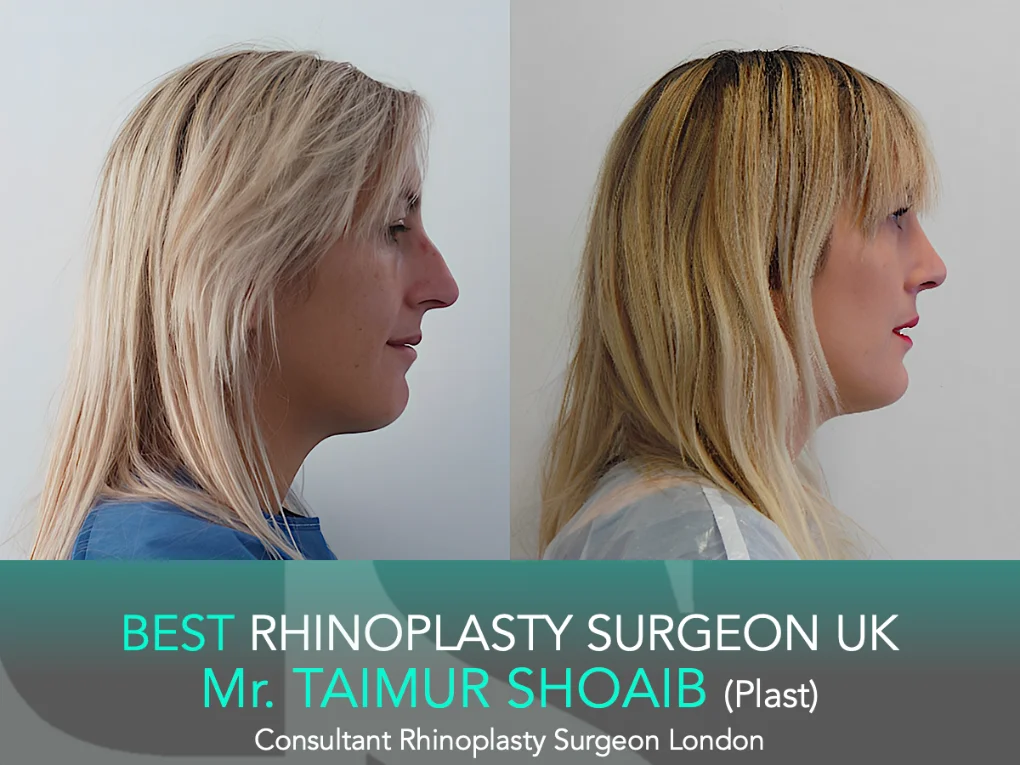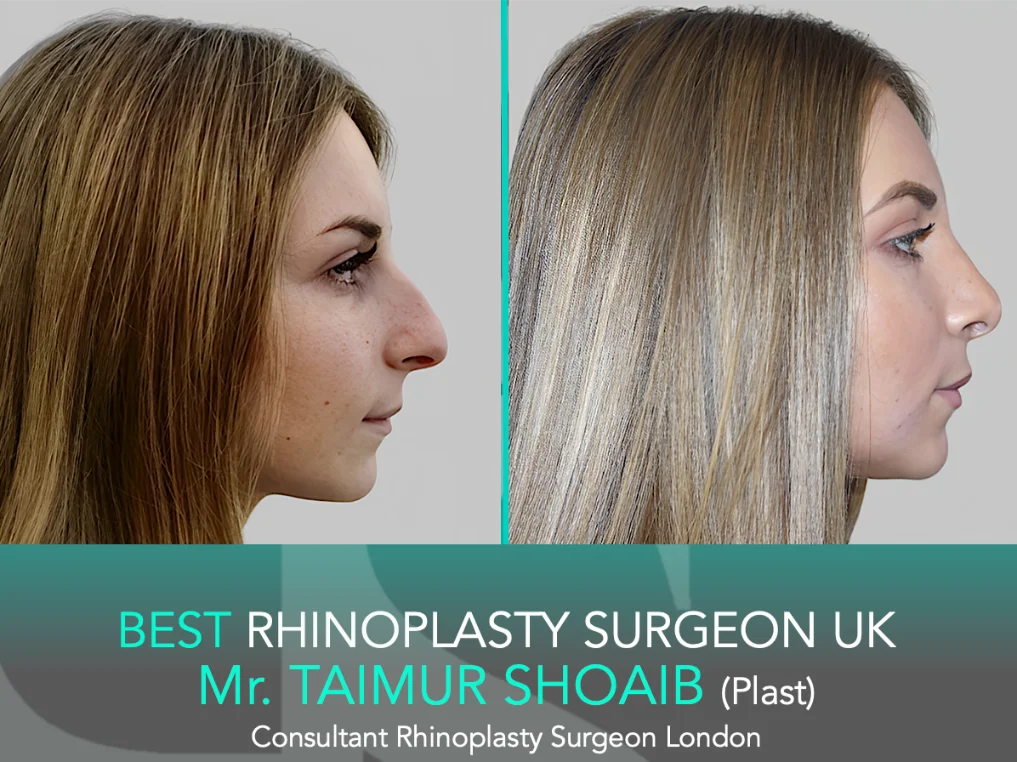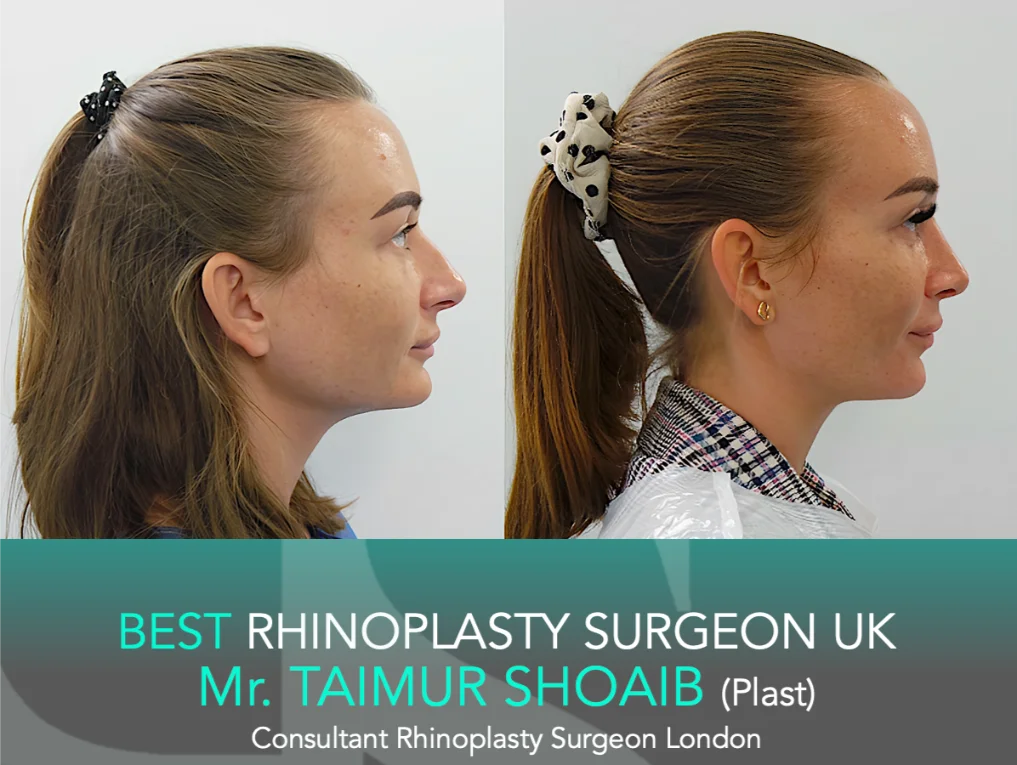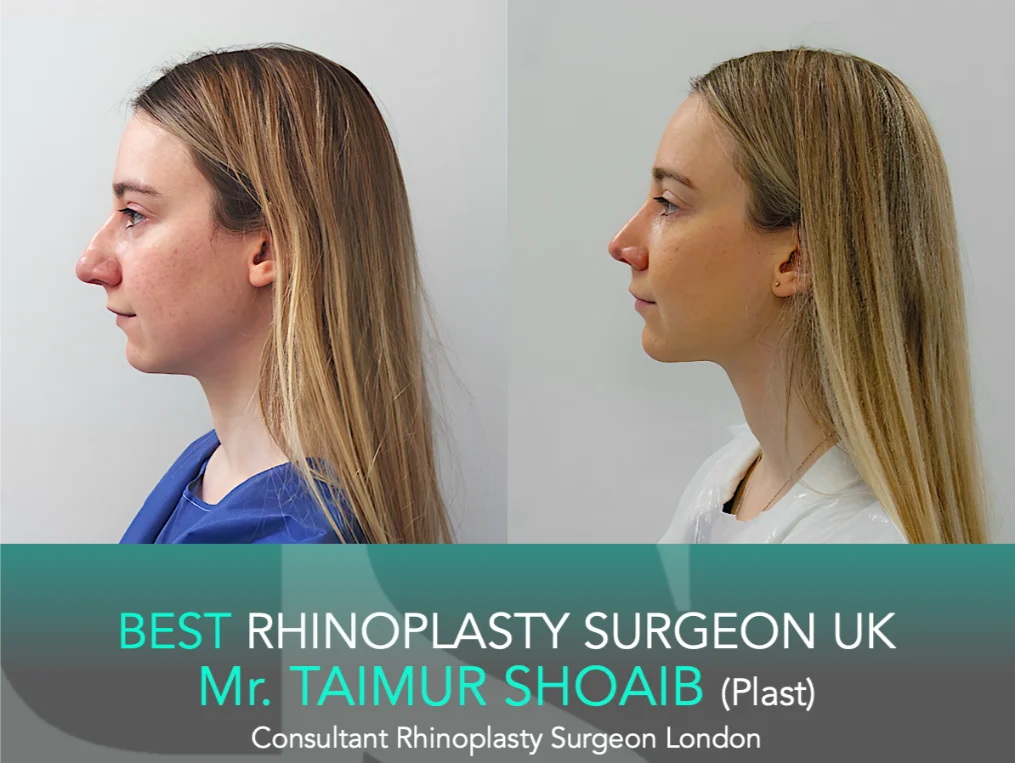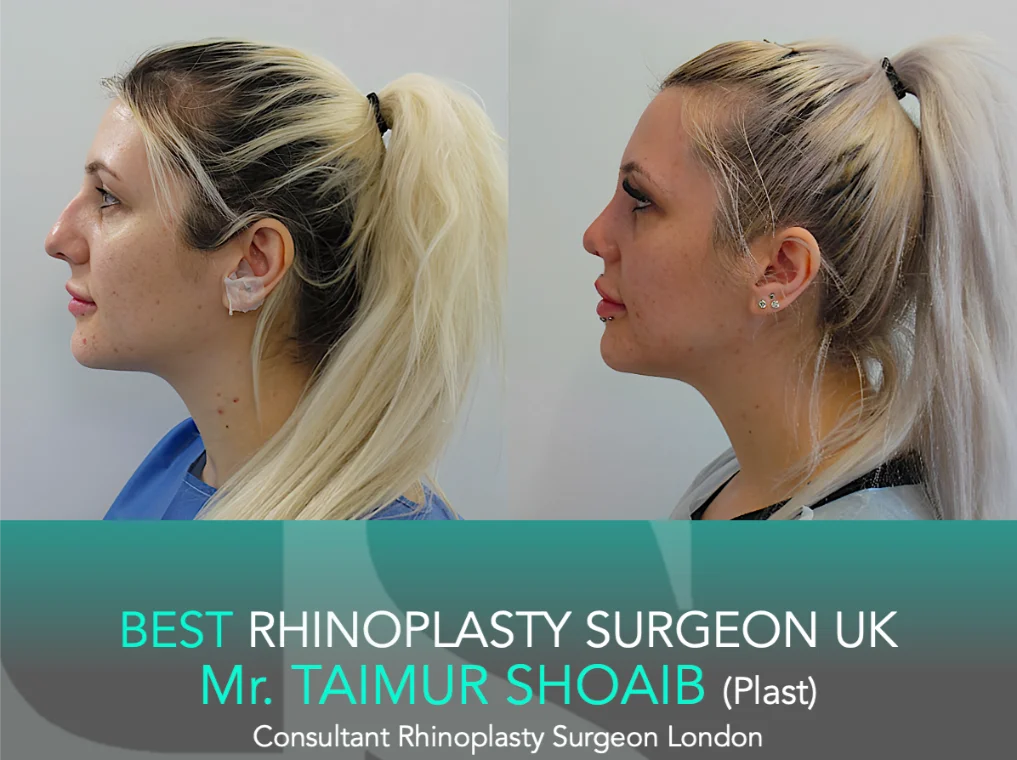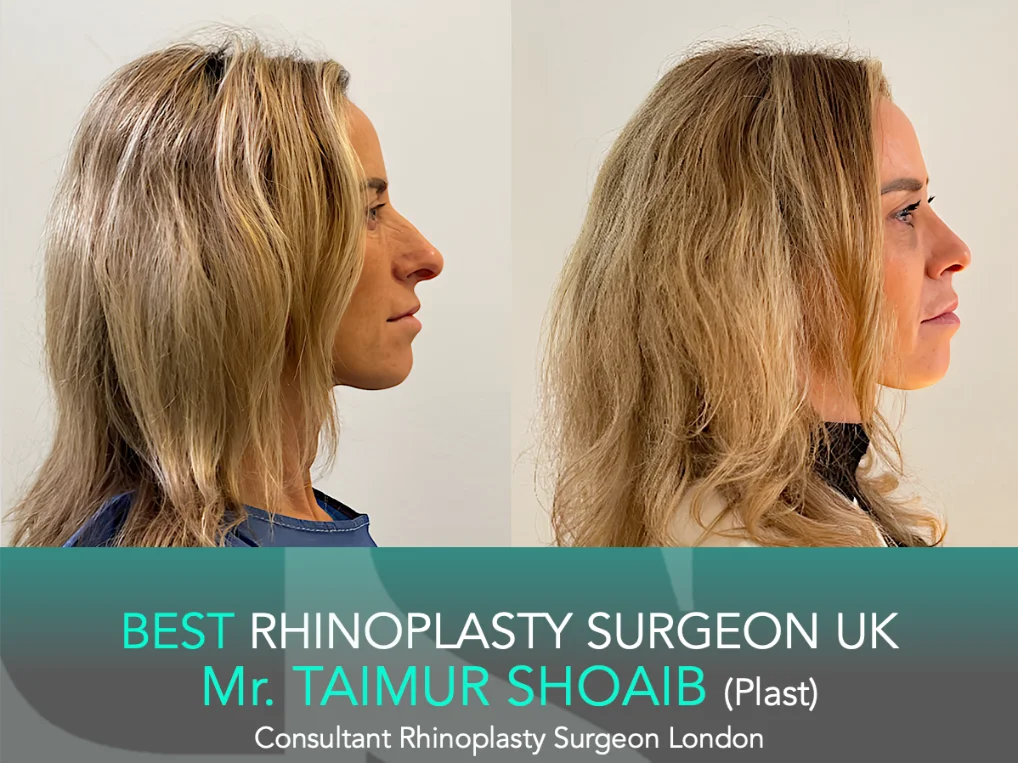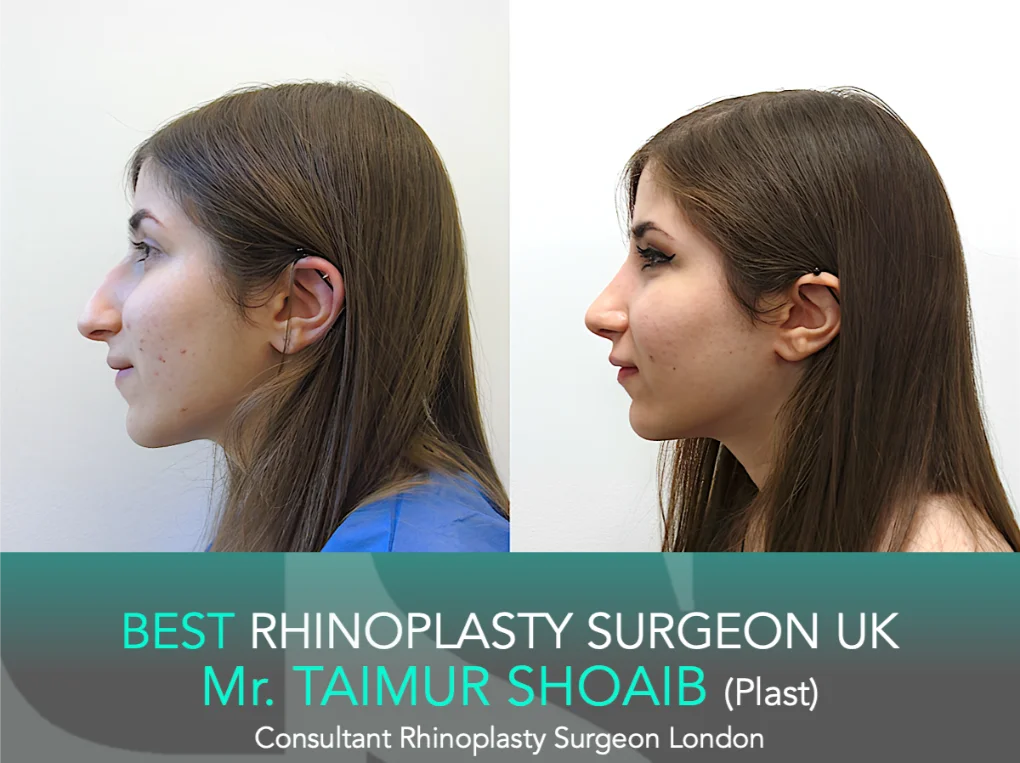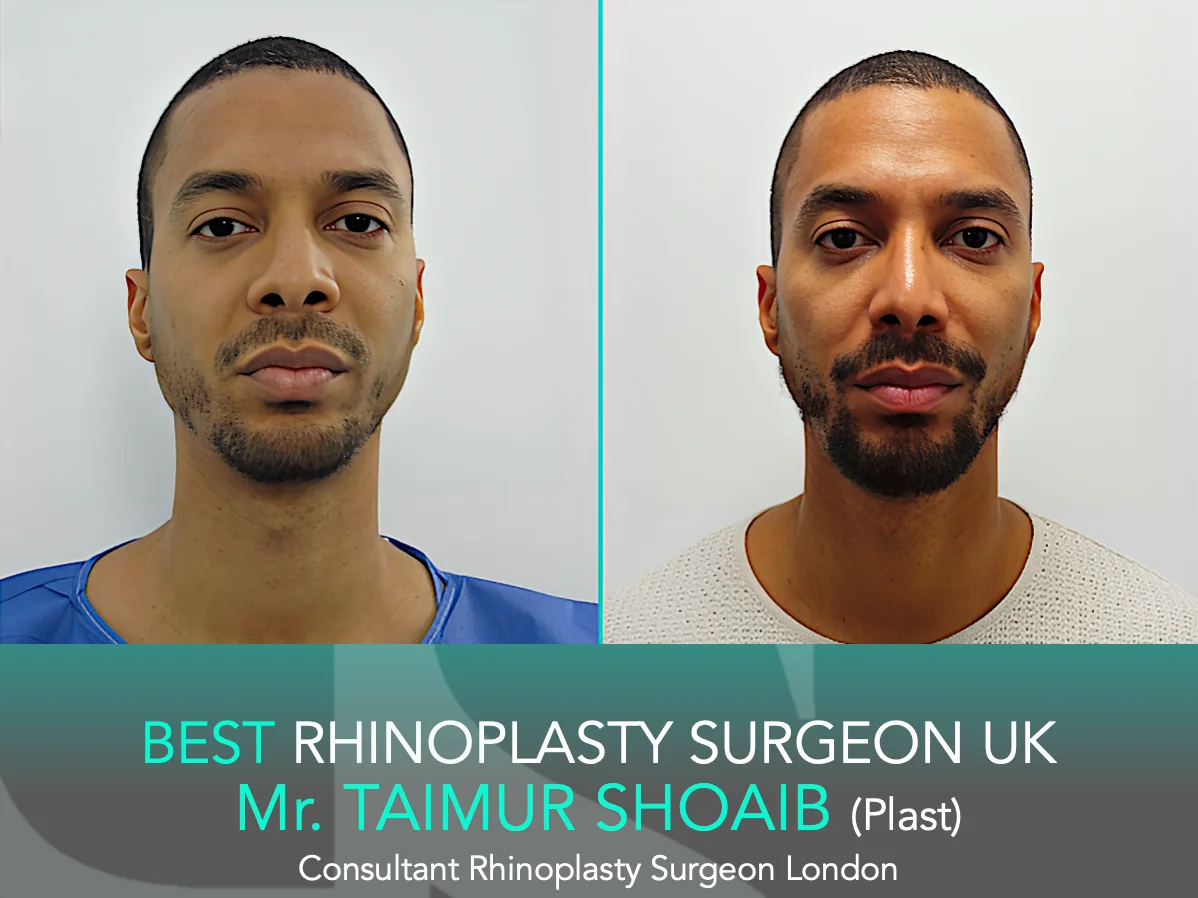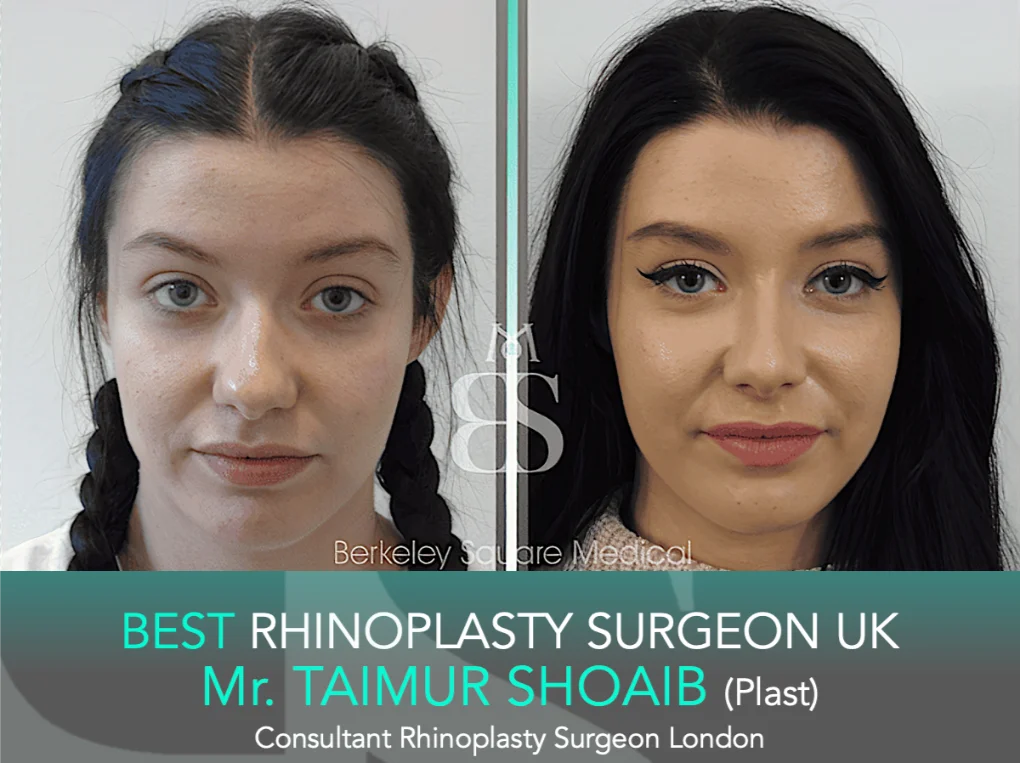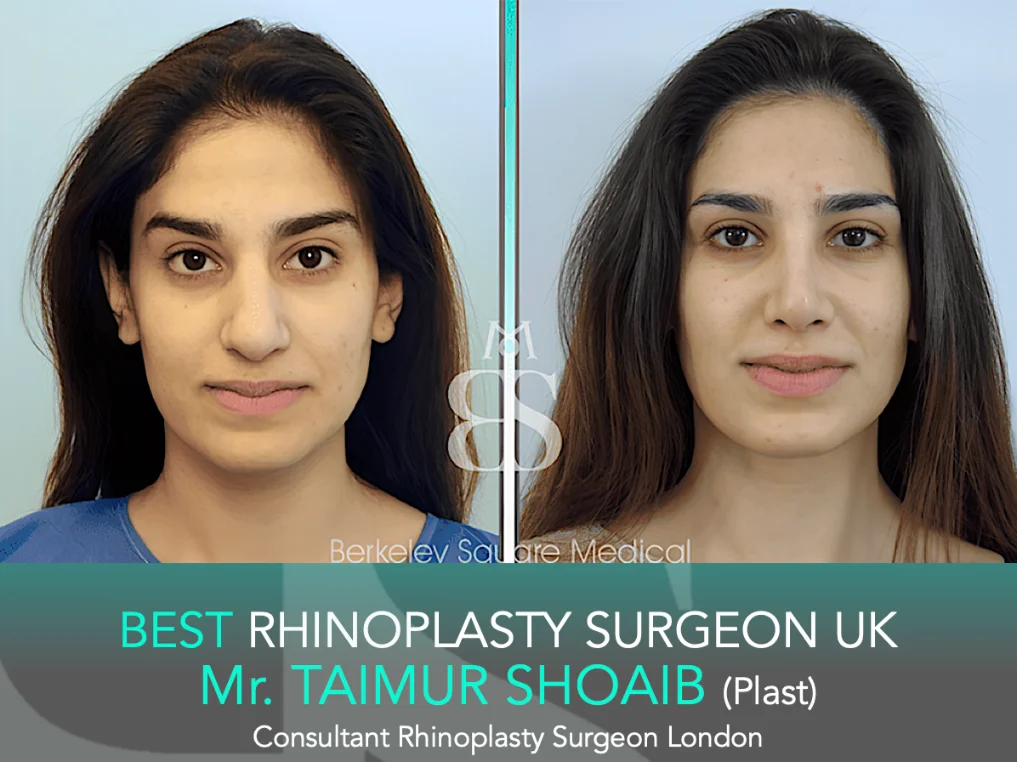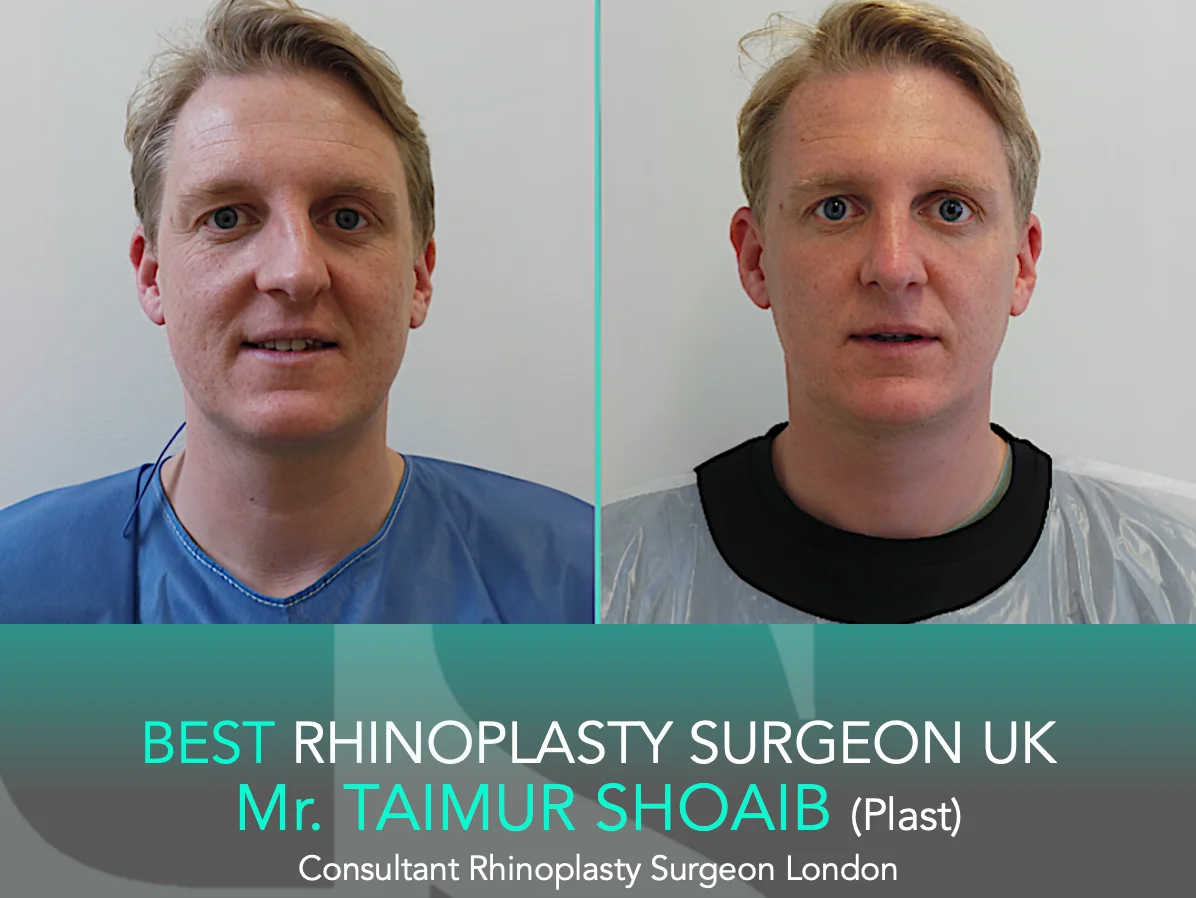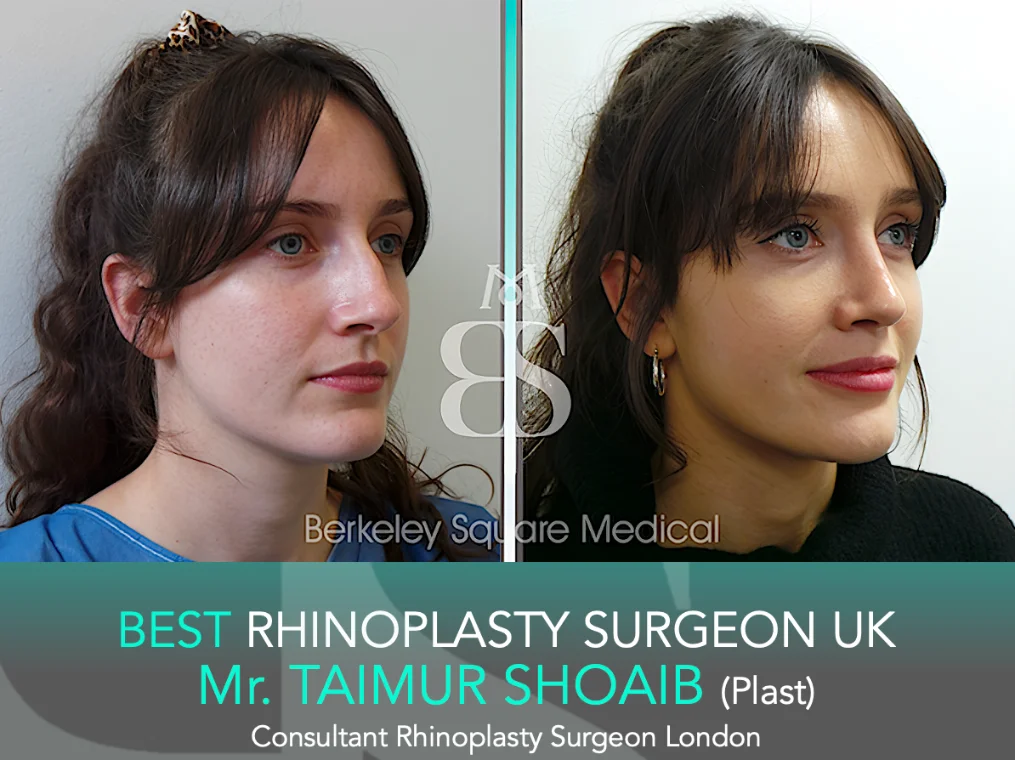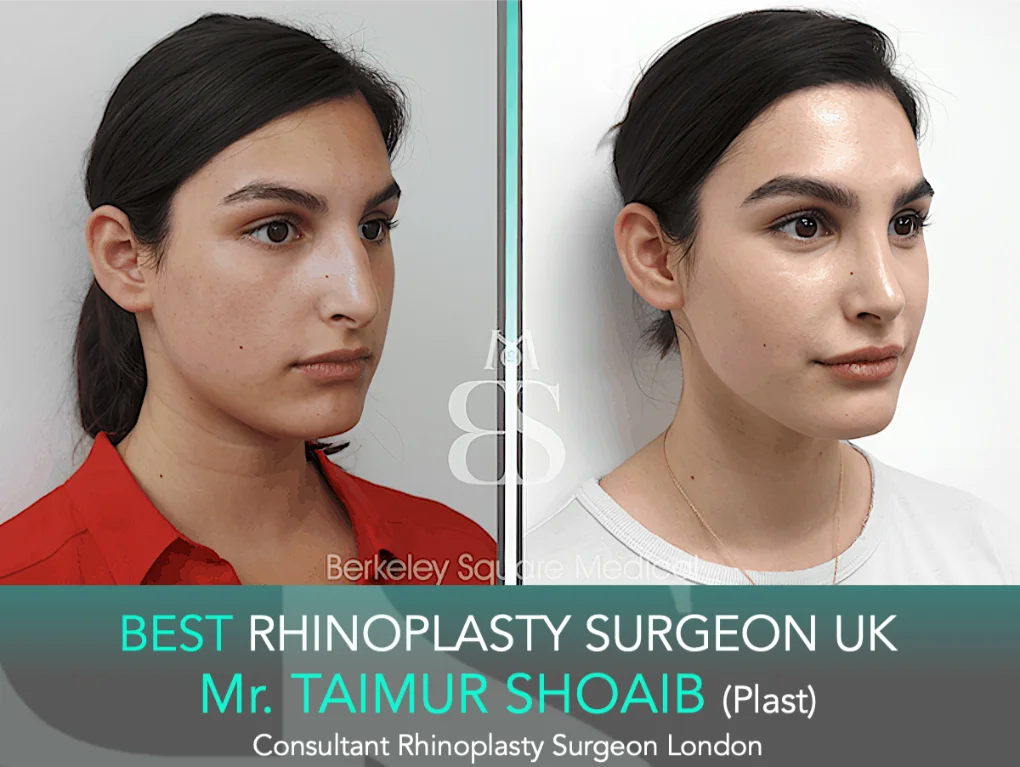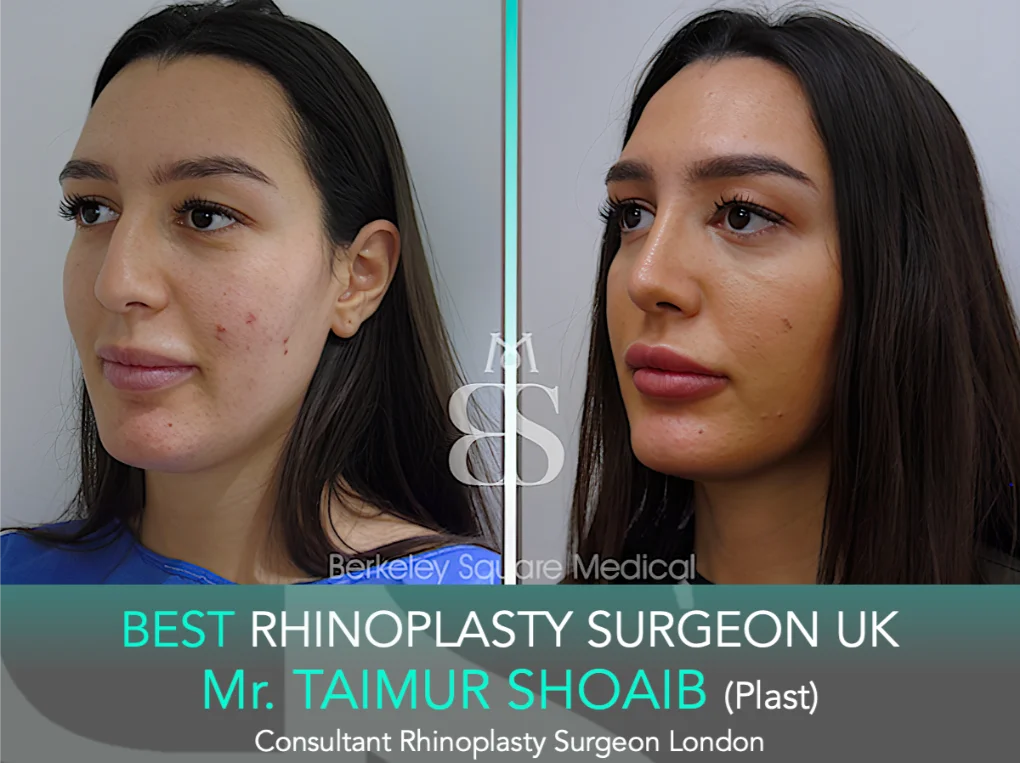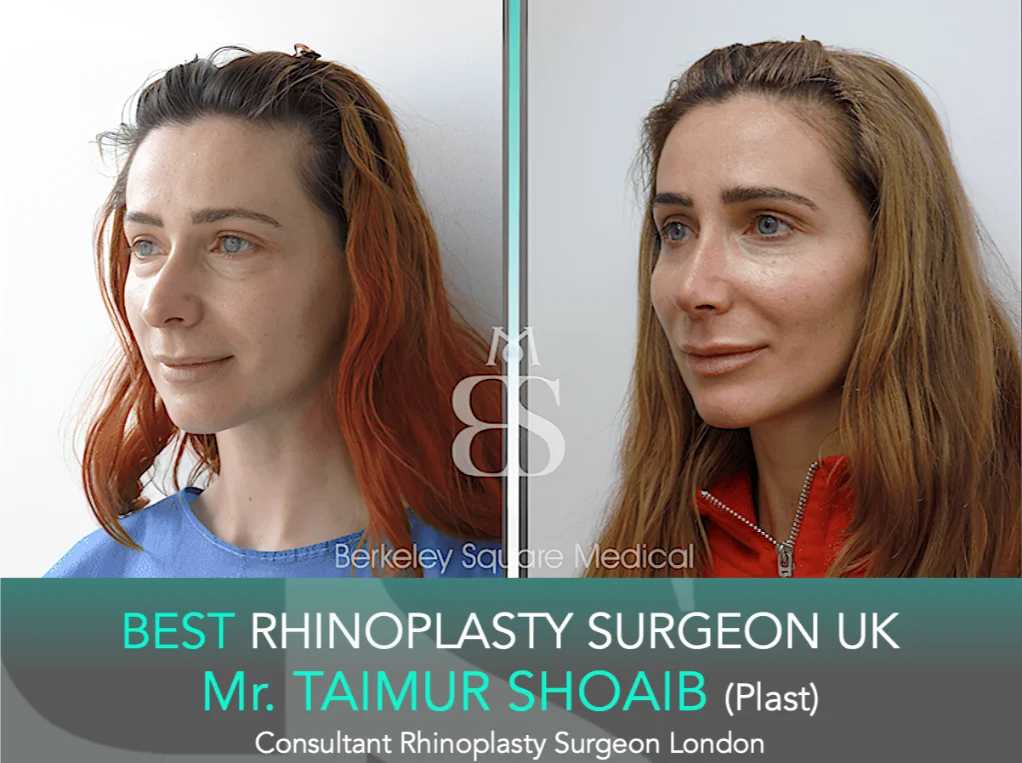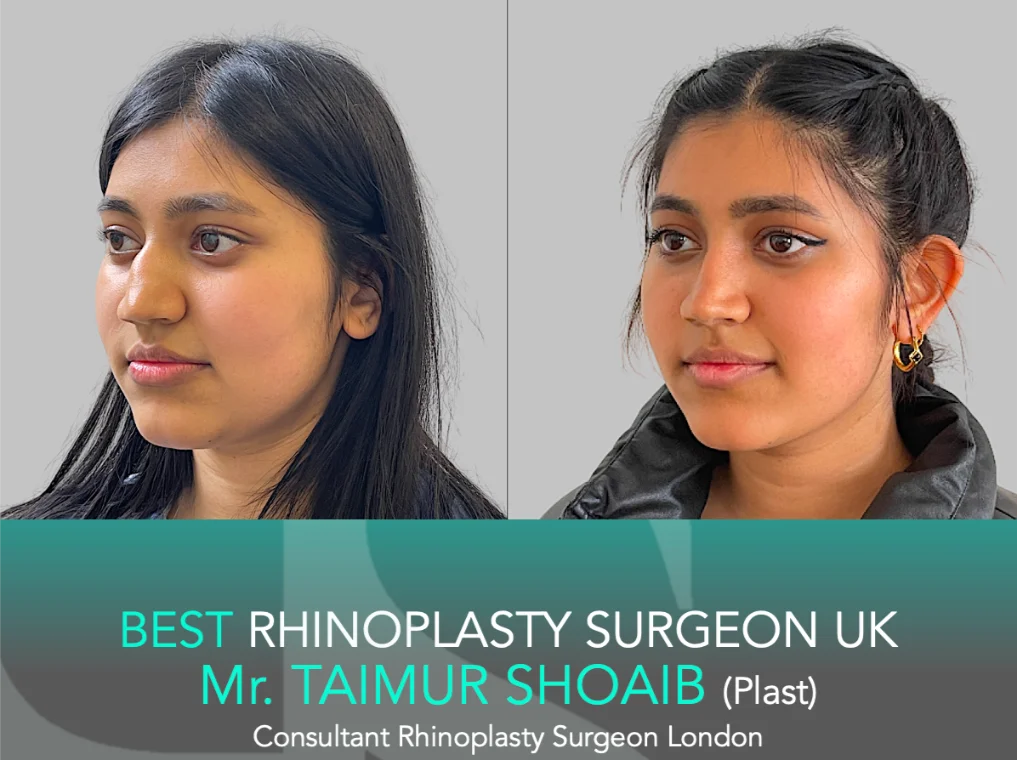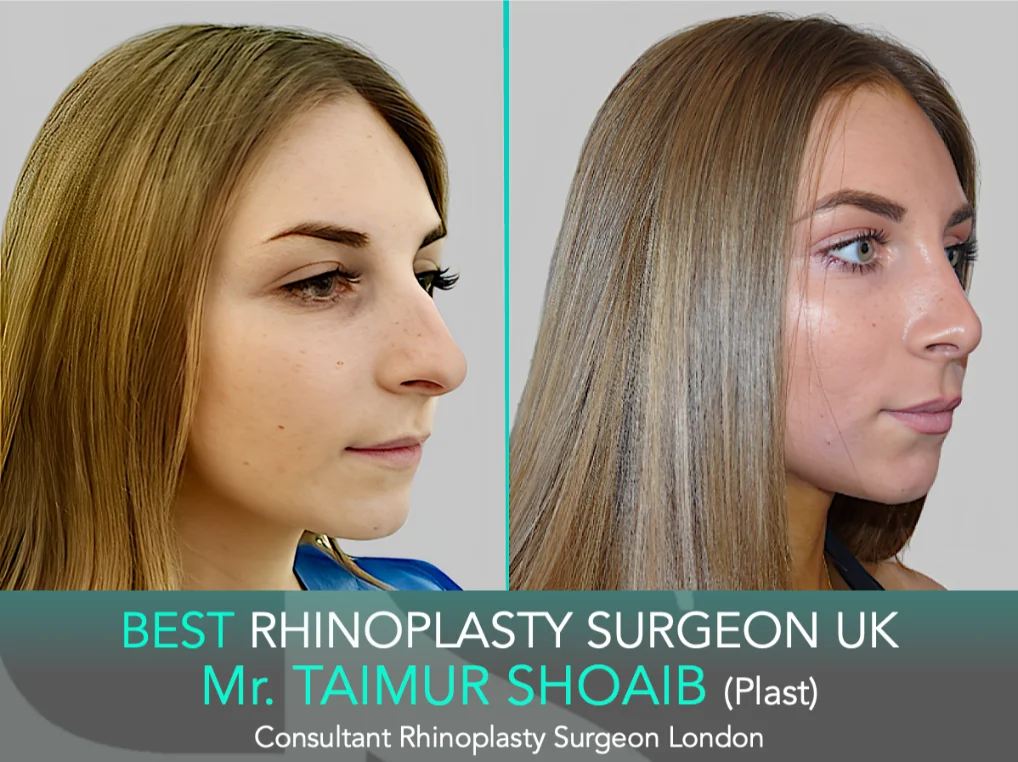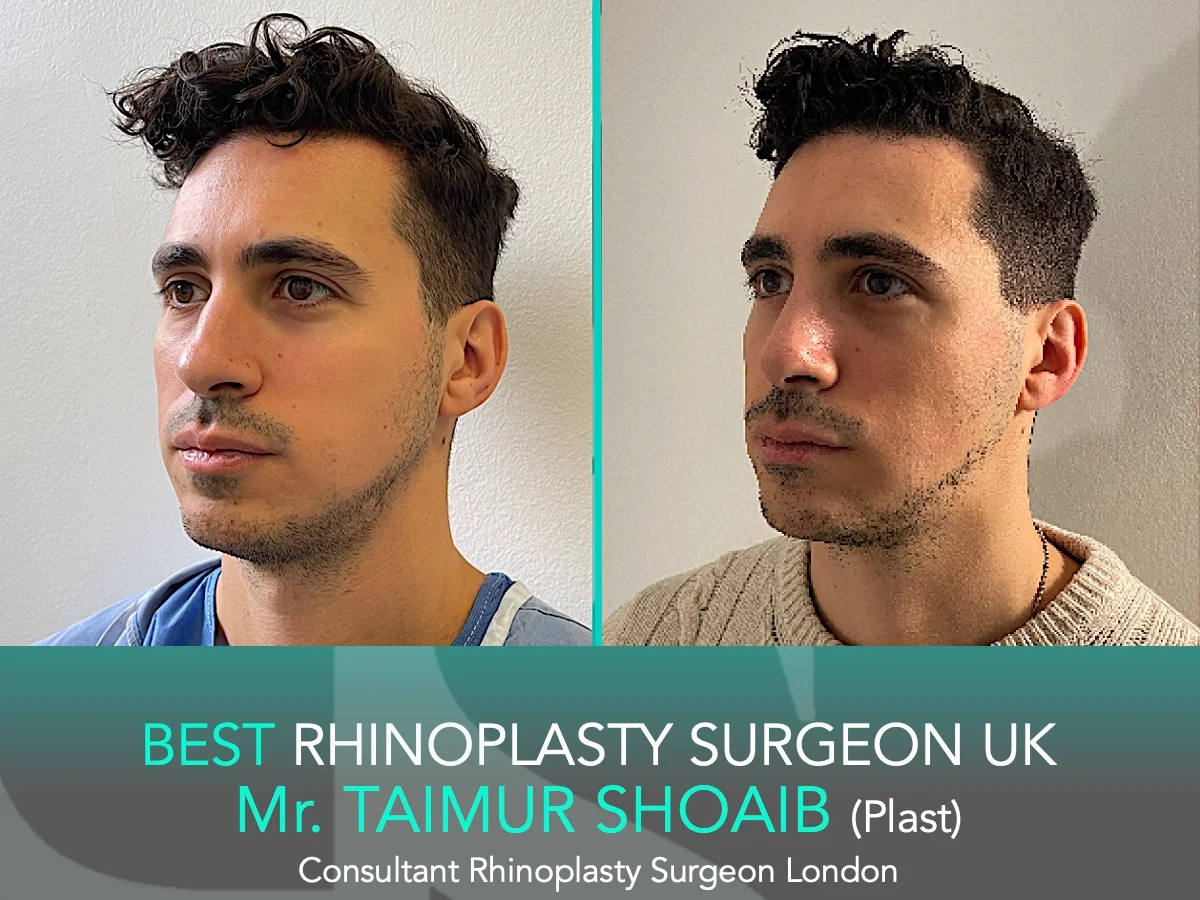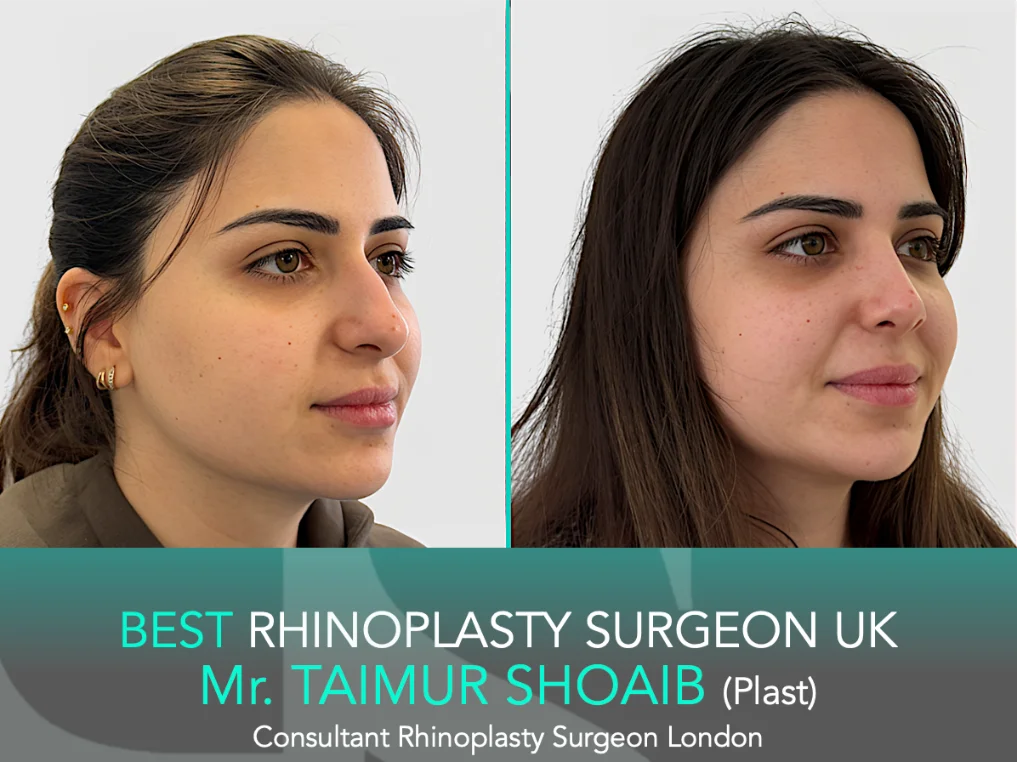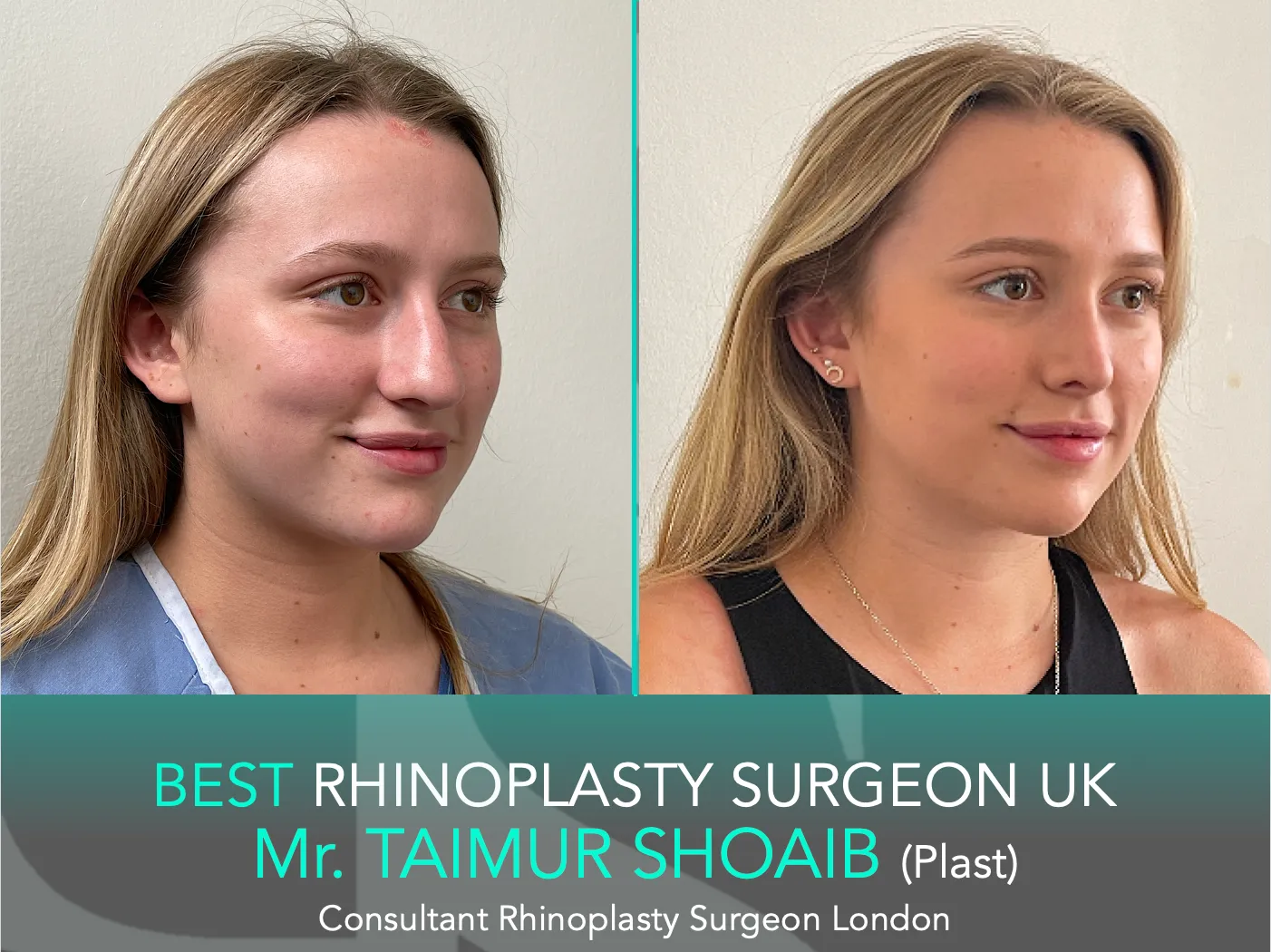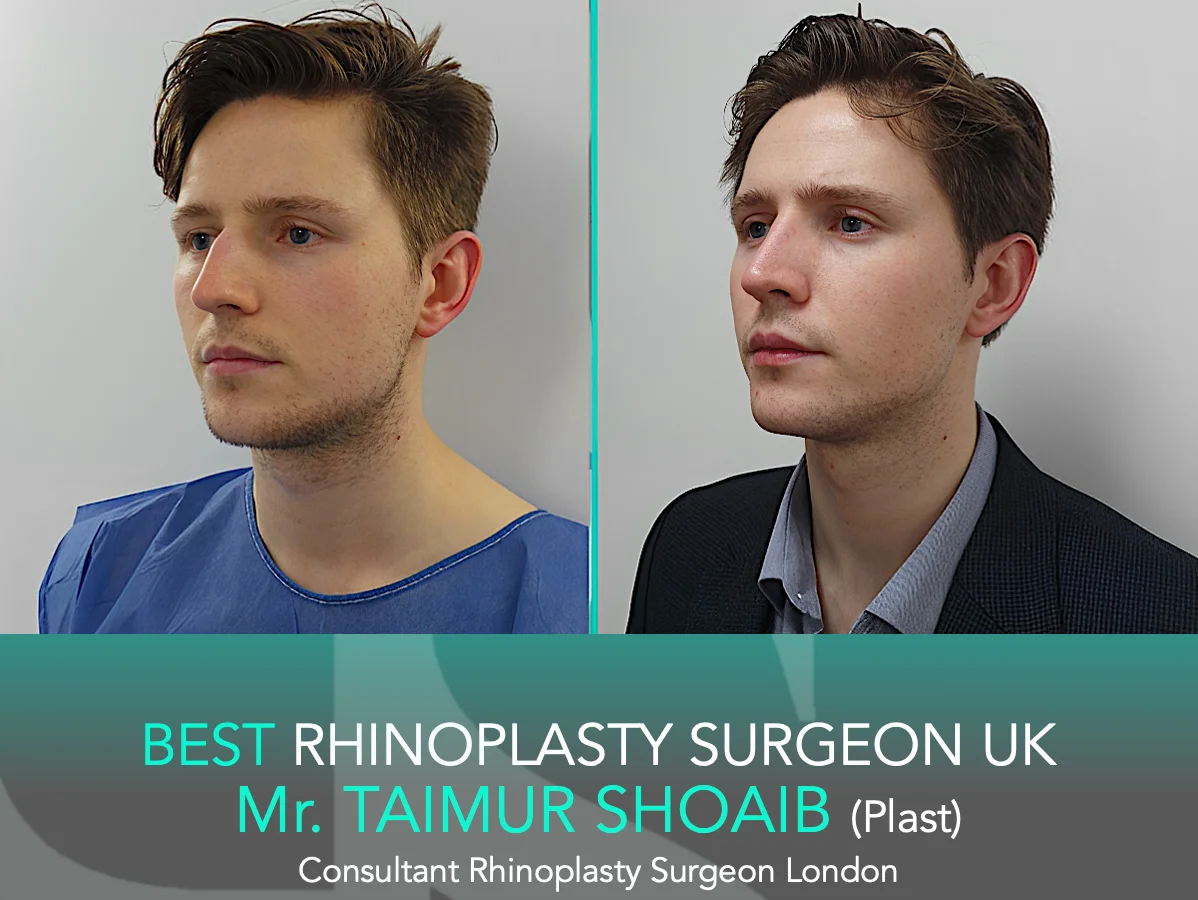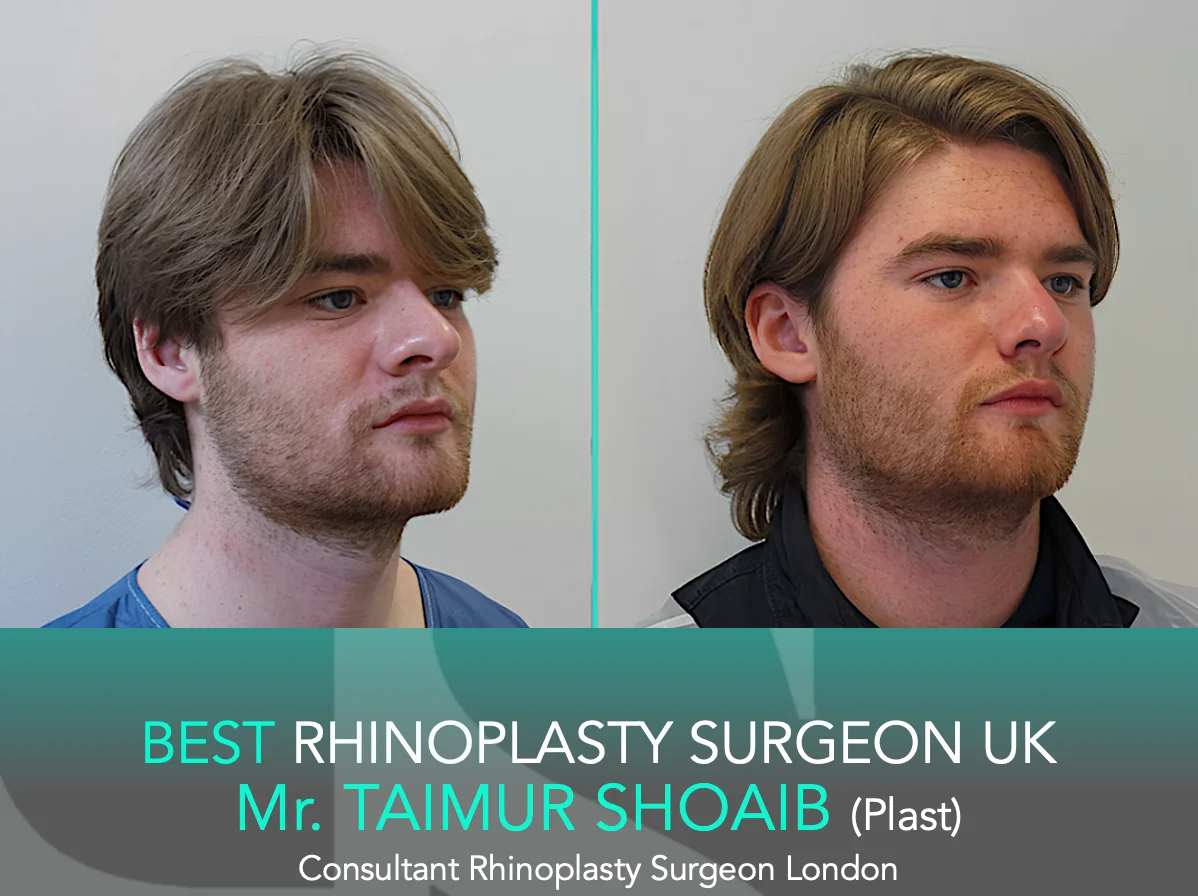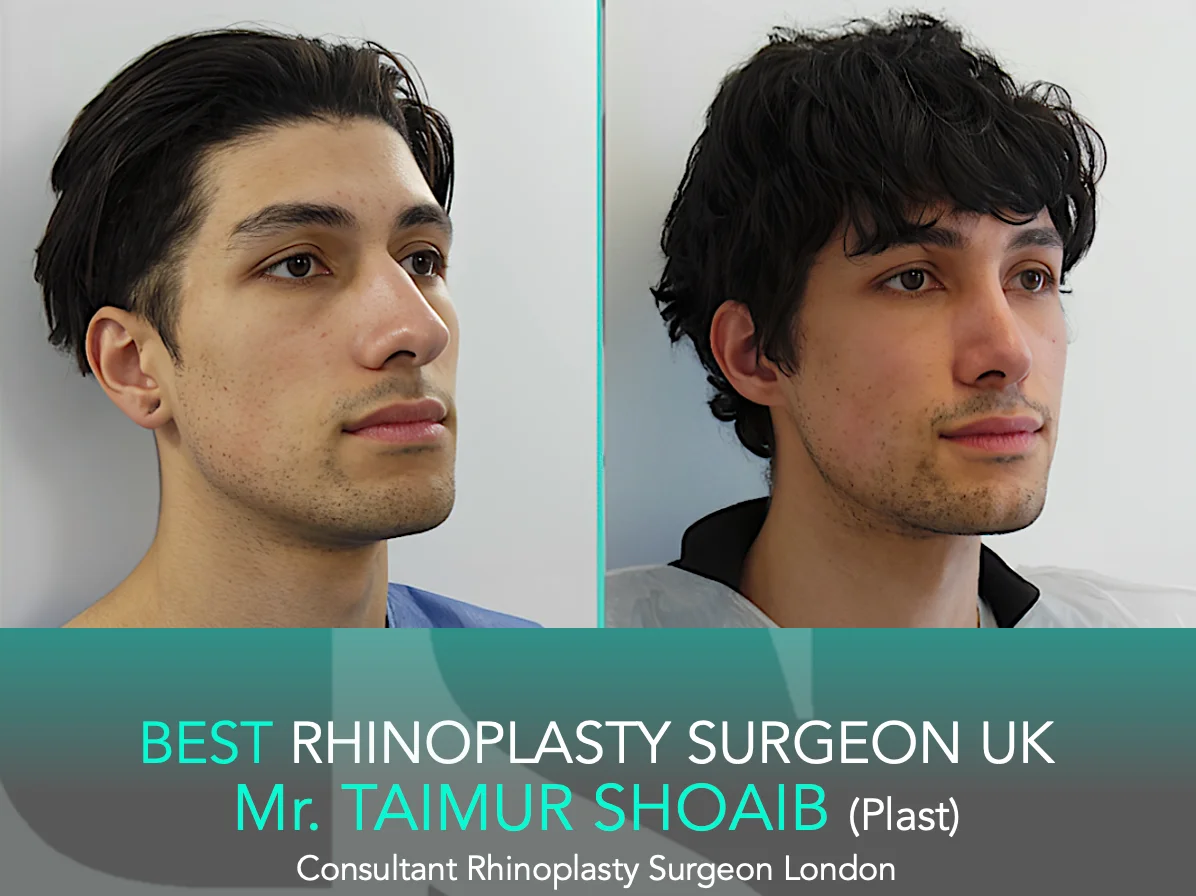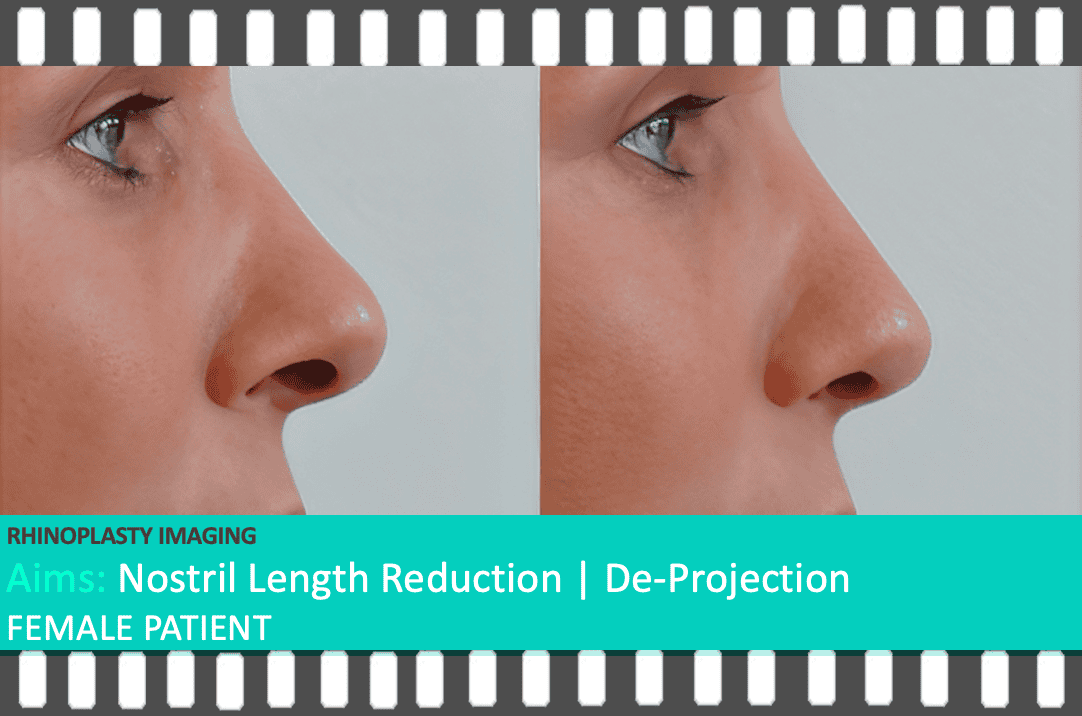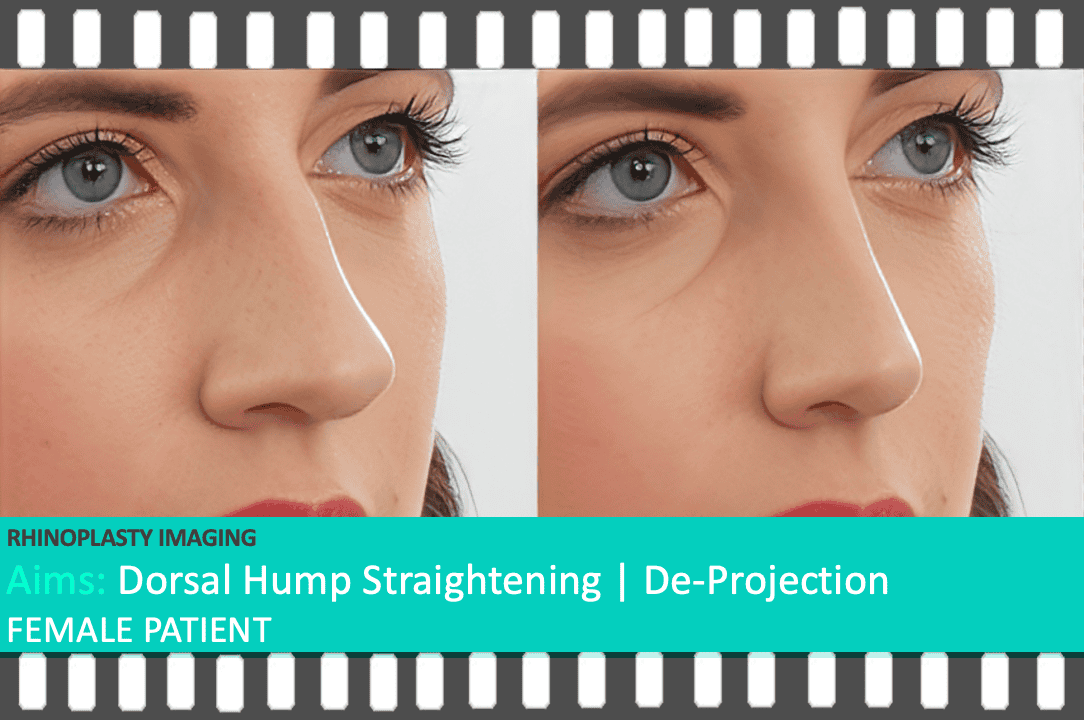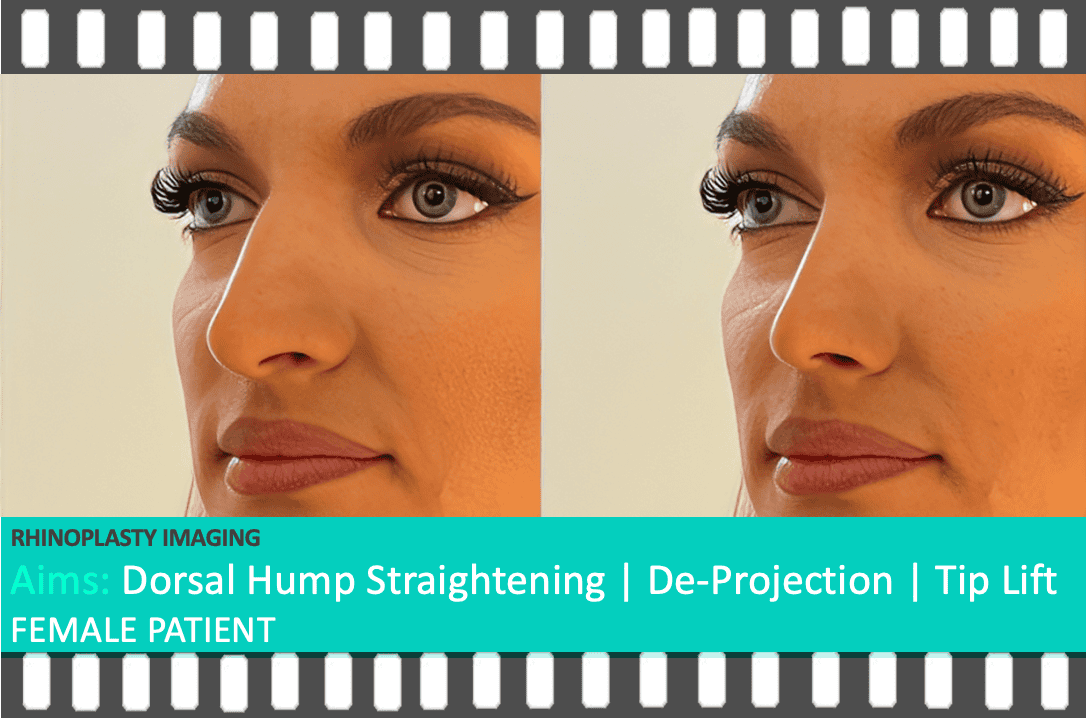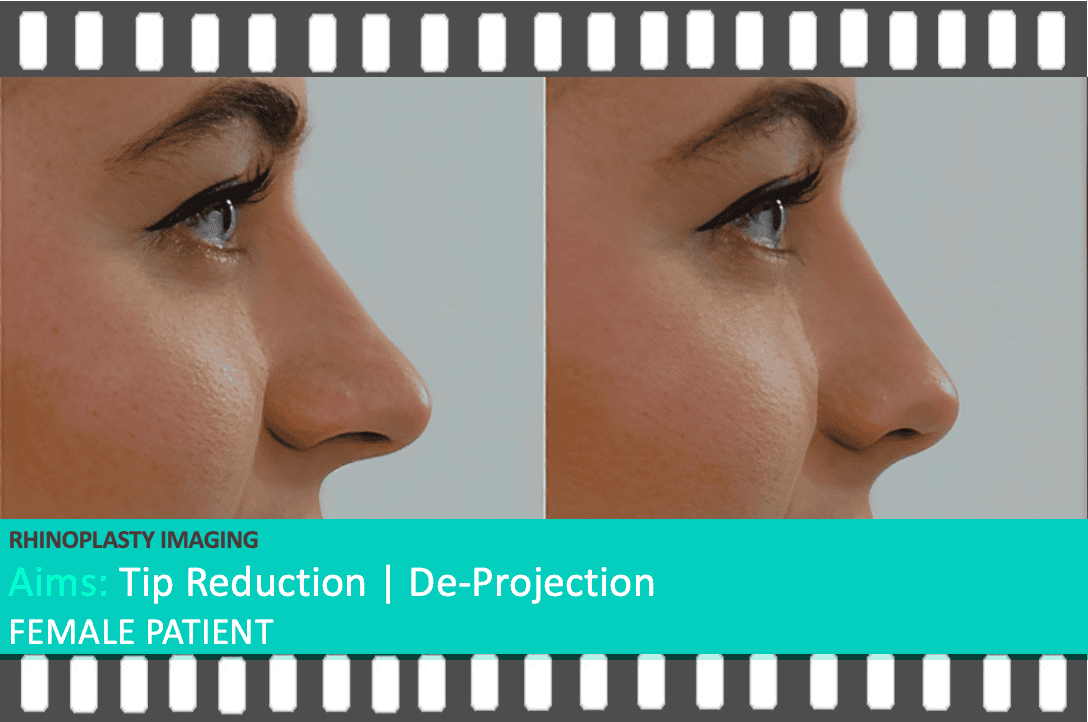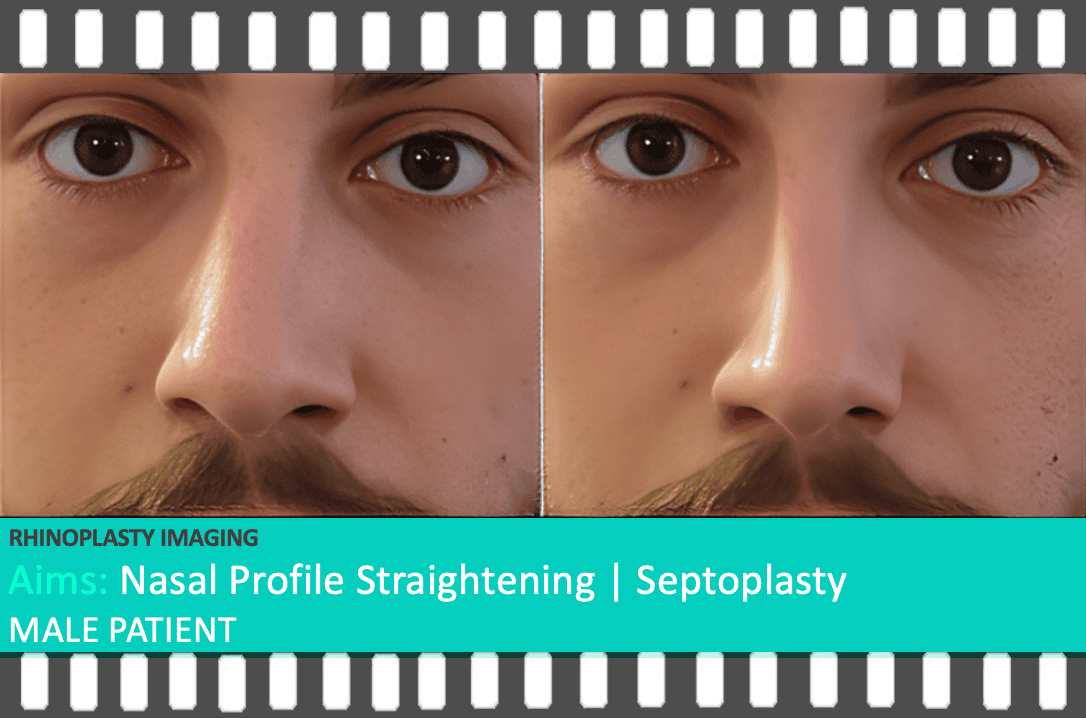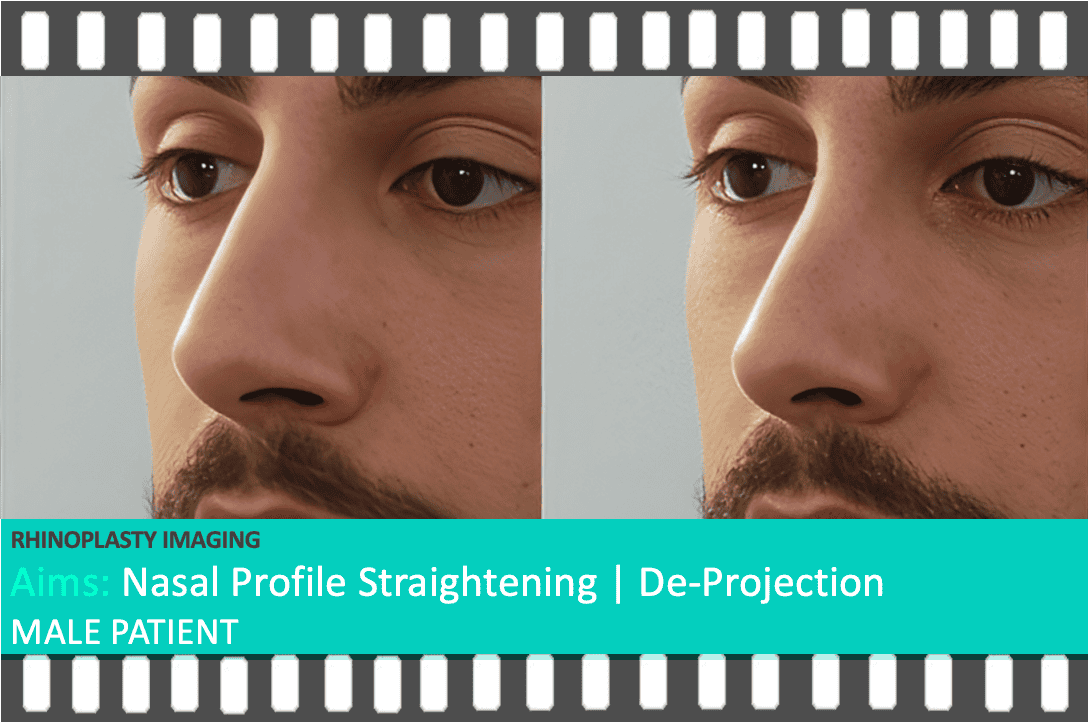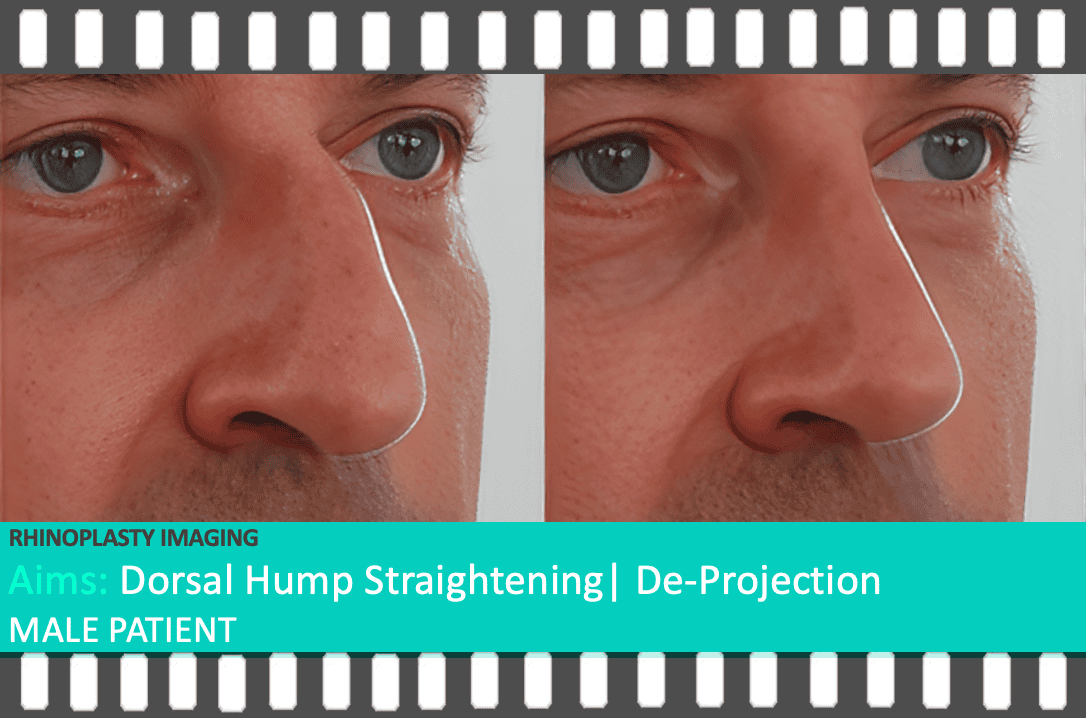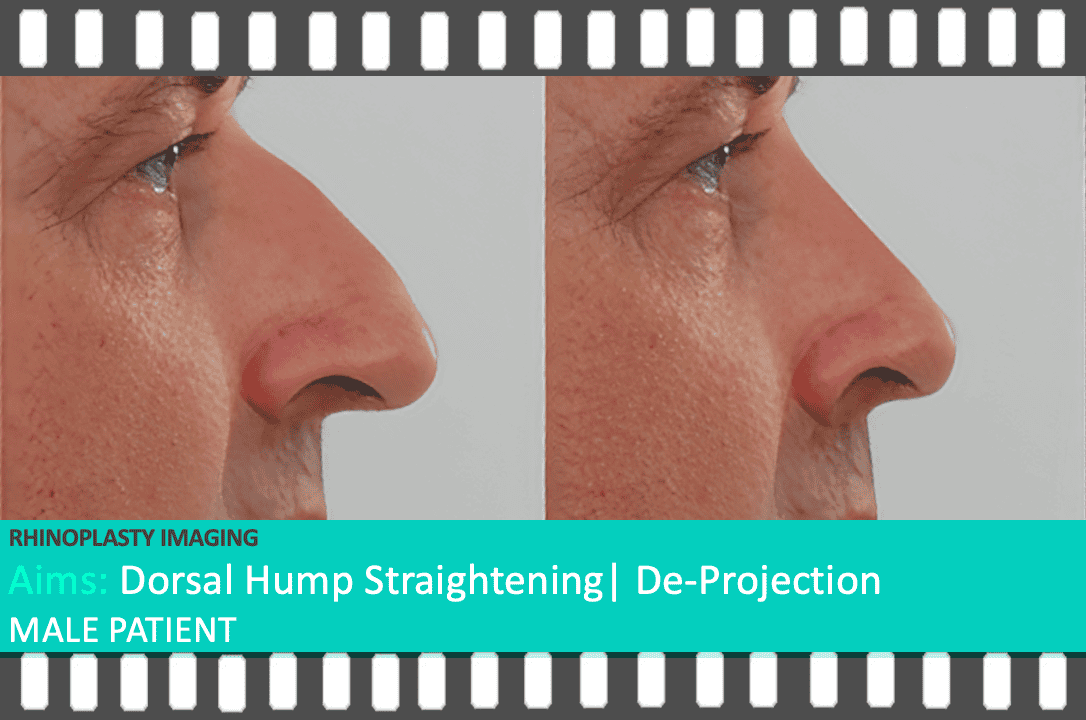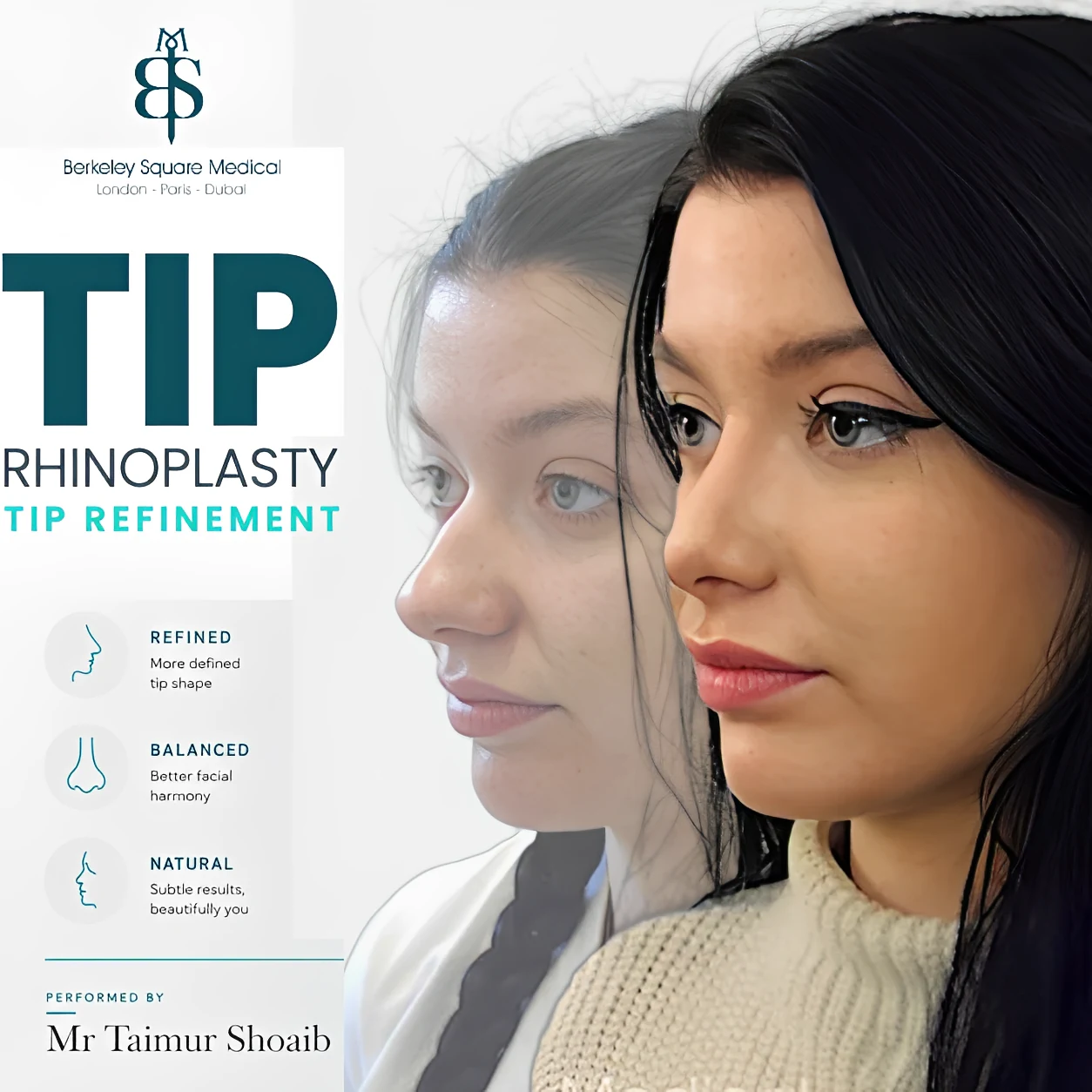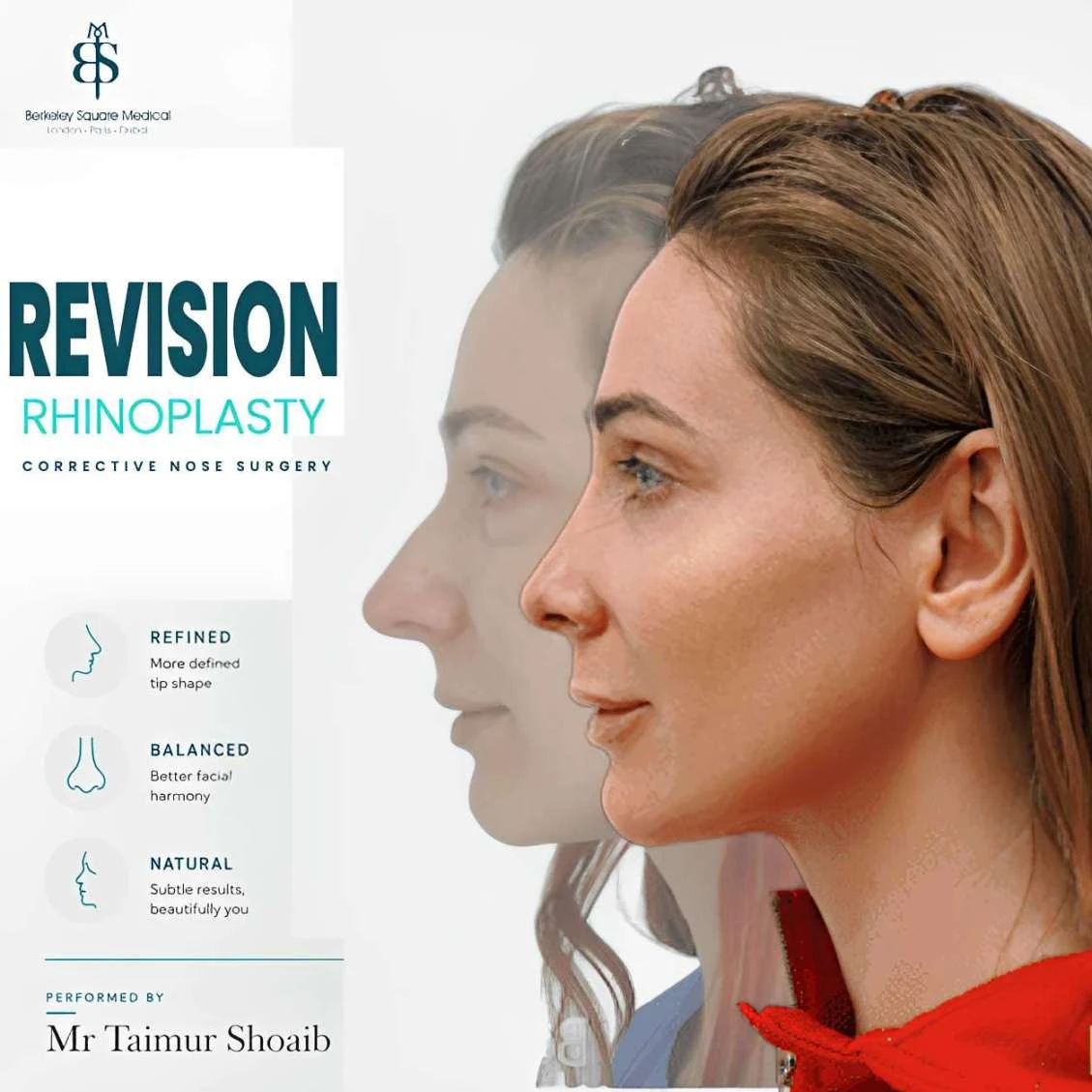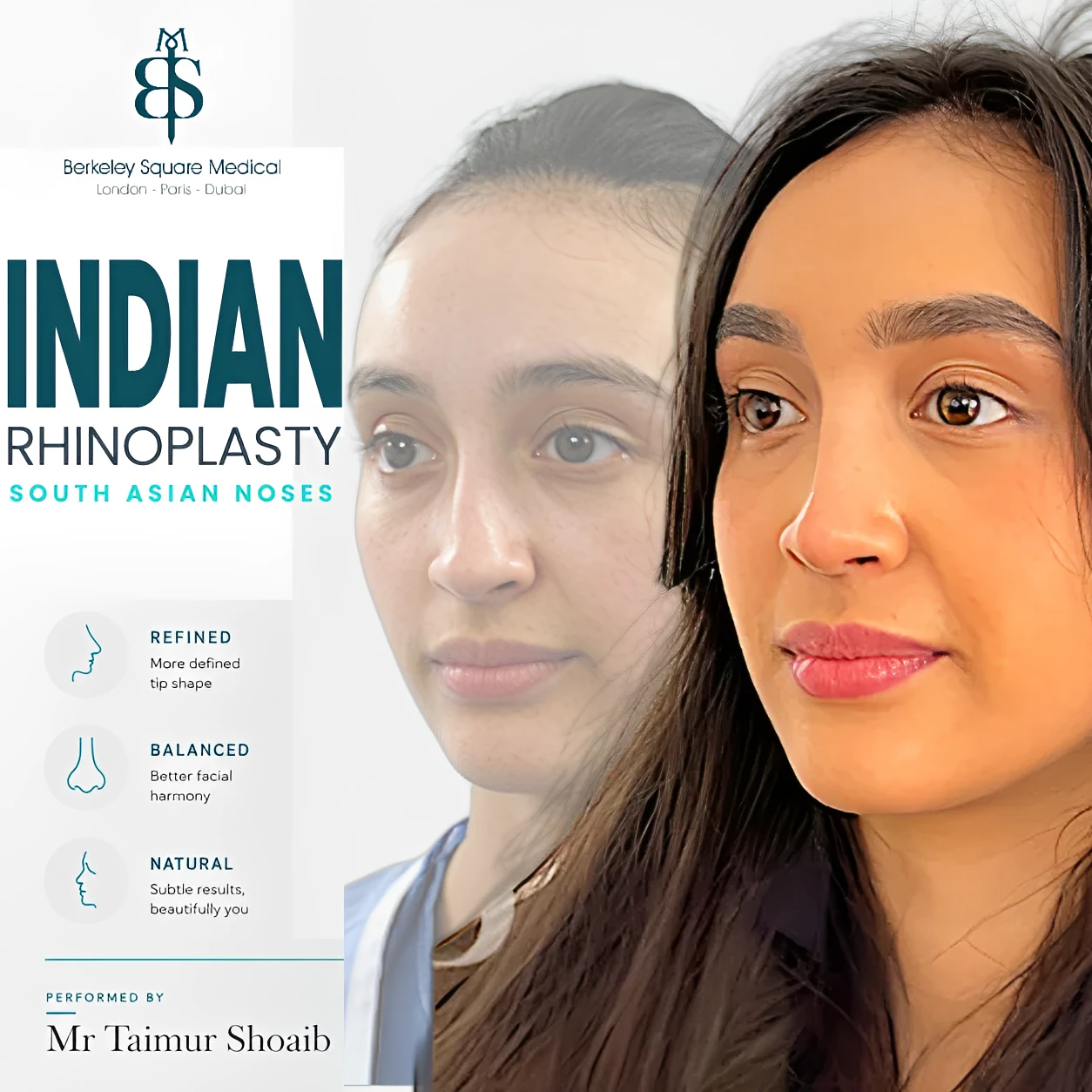



Rhinoplasty, like all surgical procedures, carries risk. The purpose of this section is to explain what is common, what is uncommon, and what requires urgent review, so you can make an informed decision. The percentages below are indicative estimates, based on Mr Shoaib’s clinical experience and published rhinoplasty literature; your individual risk is discussed fully at your consultation.
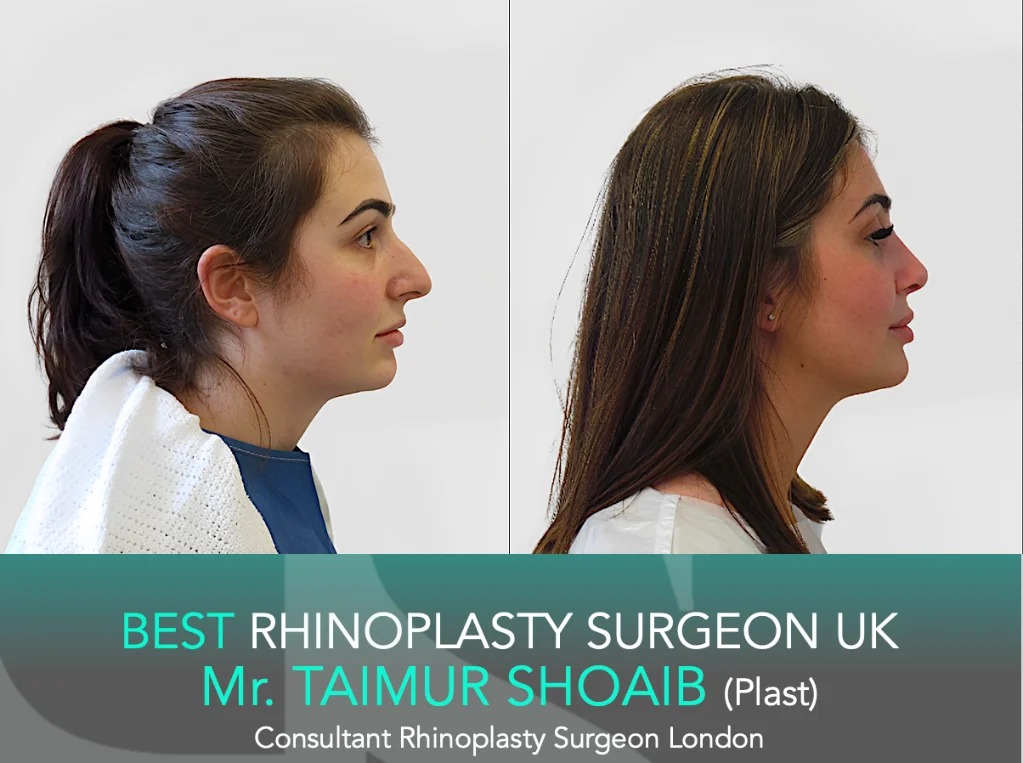
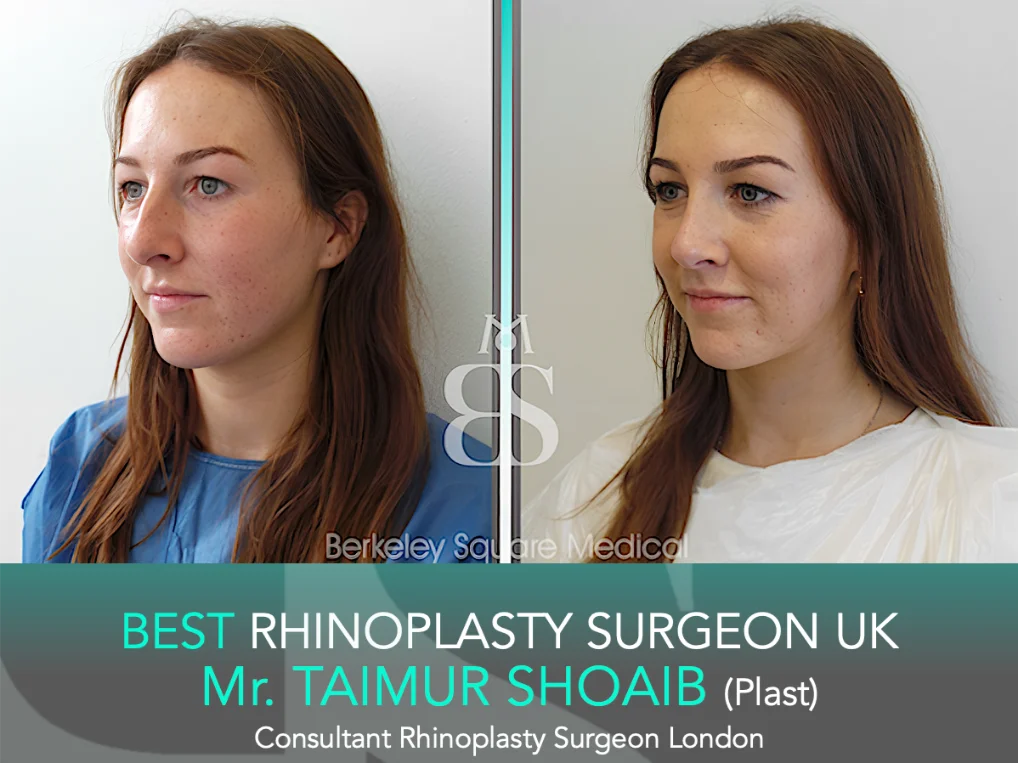
Common, expected recovery effects
1.
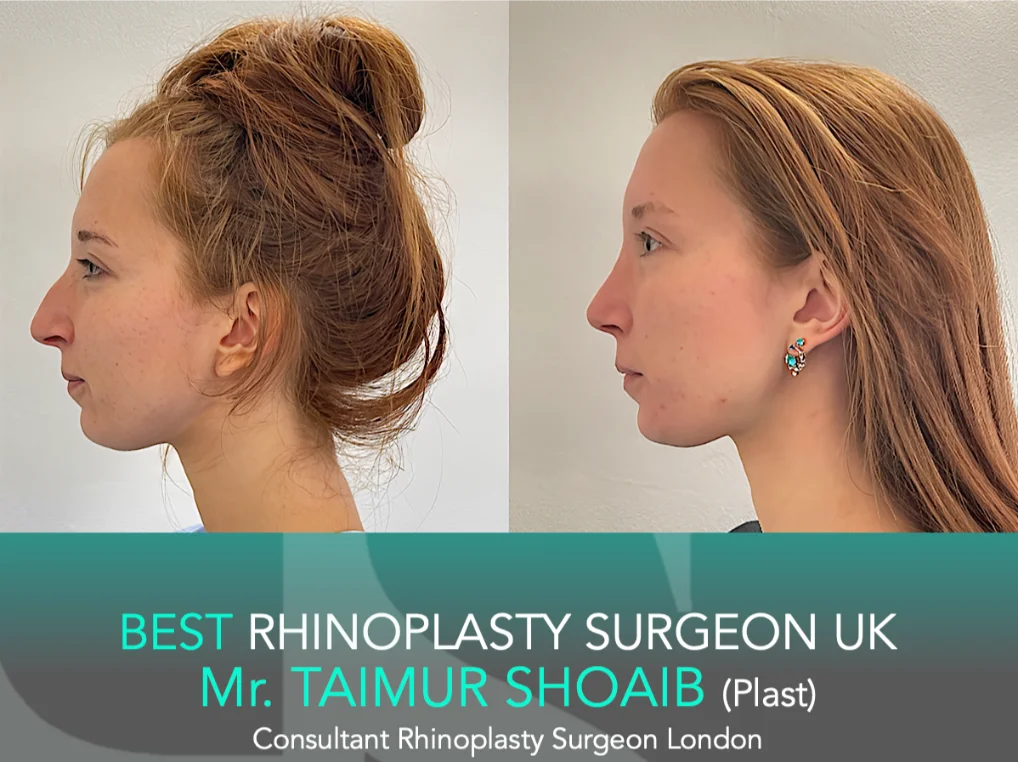
Swelling and bruising
(very common, over 90% of patients)
Swelling and bruising around the nose and eyes is expected after rhinoplasty. It is typically most noticeable in the first week, then improves steadily. Following aftercare instructions closely can reduce severity and duration.
2.
Nasal bleeding and congestion
(very common early, around 90% of patients)
Light bleeding and a blocked sensation are common in the first 24 to 72 hours. This usually settles with time and routine care. Heavy bleeding or worsening symptoms should be reviewed promptly.
3.
Temporary numbness and stiffness
(very common, around 90% of patients)
Numbness, tightness, and stiffness, especially in the tip, are normal early on. Sensation usually improves over weeks to months as swelling settles and tissues soften.
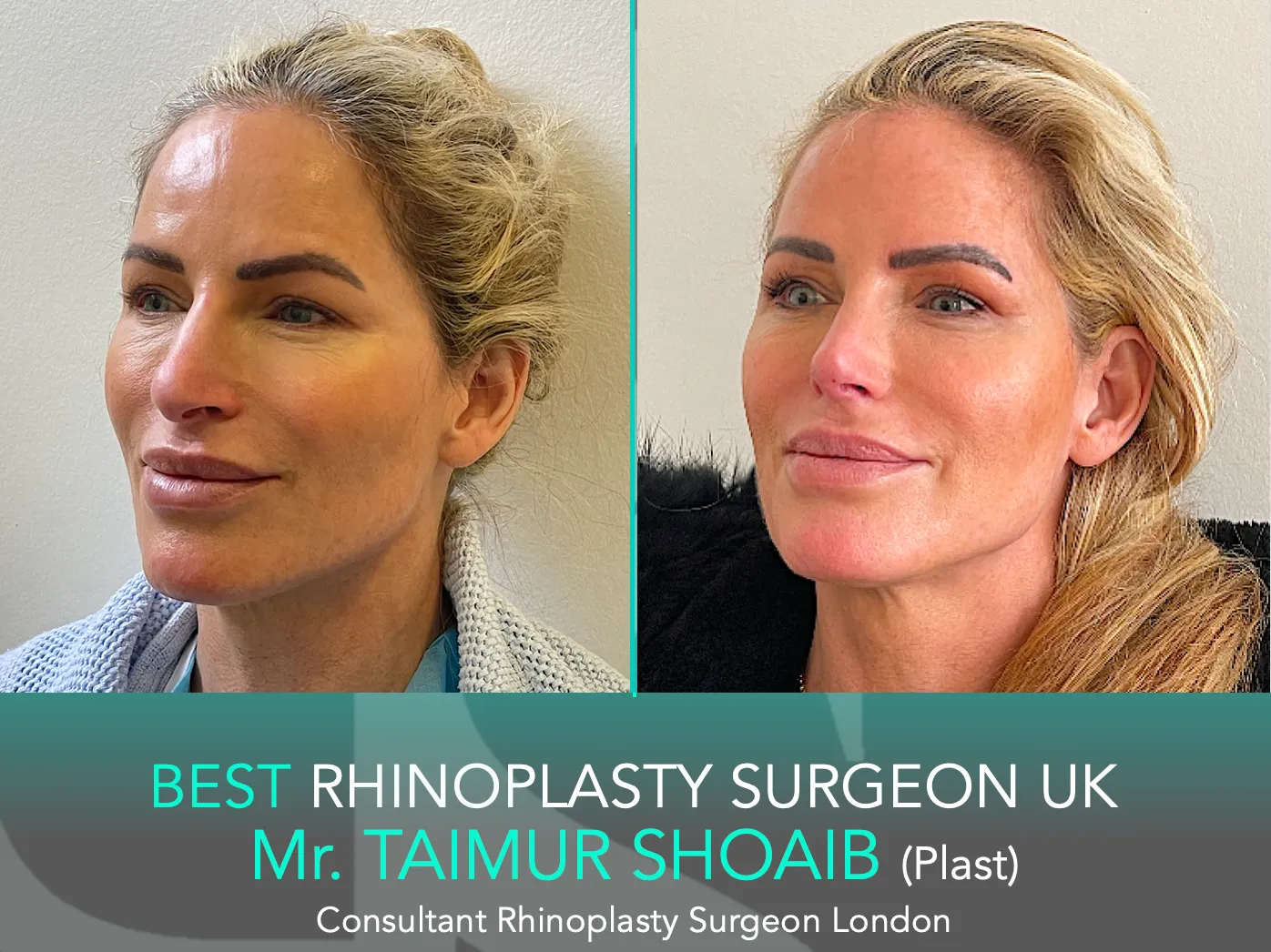
Less common risks
4.
Breathing difficulty
(uncommon, around 5% of patients)
Some patients experience breathing difficulty during healing, particularly if swelling is significant. If symptoms persist beyond recovery expectations, assessment may be needed to exclude structural narrowing.
5.
Infection
(rare, around 1% of patients)
Infection is uncommon. If it occurs, it is usually managed with antibiotics. Increasing redness, worsening pain, fever, or discharge should be reported promptly.
6.
Scarring
(rare, around 1% of patients)
Most scarring is minimal, particularly with closed techniques. With open rhinoplasty, the columella incision usually heals well. Scar quality can vary, and careful aftercare supports best healing.
7.
Unsatisfactory aesthetic outcome
(uncommon, around 3% of patients)
Healing is individual, and subtle asymmetry or irregularity can occur. Where appropriate, non surgical options may be considered, and revision surgery is only discussed if it is clinically justified and safe.
8.
Allergic reaction
(very rare, around 0.02% of patients)
Allergic reactions to medication or anaesthetic agents are rare. Your medical history and anaesthetic assessment are designed to reduce risk, and hospitals carry appropriate emergency medication.
9.
Septal perforation
(very rare, around 0.05% of patients)
Septal perforation, a hole in the nasal septum, is uncommon but more serious. It may cause crusting, bleeding, or airflow issues and can require further management.
When to contact the team
You should contact the team promptly if you experience increasing pain, worsening redness, fever, heavy bleeding, or any sudden breathing concern. Knowing what is expected versus what needs review is part of safe care.
Risk reduction is achieved through careful patient selection, consultant led planning, regulated operating theatres, consultant anaesthetic oversight, and structured follow up. The objective is long term structural stability and protection of nasal function.