
0330 058 0212


Choosing between Vaser Lipo and Smart Lipo can feel confusing, especially when both are promoted as advanced fat removal technologies. The truth is that each treatment has strengths depending on your goals, skin quality, and the areas you want to improve.
Vaser Lipo is known for its ability to precisely sculpt and define the body, especially in areas like the abdomen and flanks. Smart Lipo uses laser energy and can be helpful for treating smaller pockets of fat with a mild skin-tightening effect.
This guide explains the differences in simple terms, so you can understand which treatment may suit you best, what kind of results to expect, and how our expert team in London can help you feel confident in your choice.
• Vaser Lipo is ideal for precision body contouring and high-definition sculpting
• Smart Lipo may offer small-area refinement with mild skin tightening
• Both techniques liquefy fat before removal for smoother recovery than traditional lipo
• The right option depends on your goals, body type, and skin firmness
• Best results come from an experienced liposuction surgeon, regardless of technology
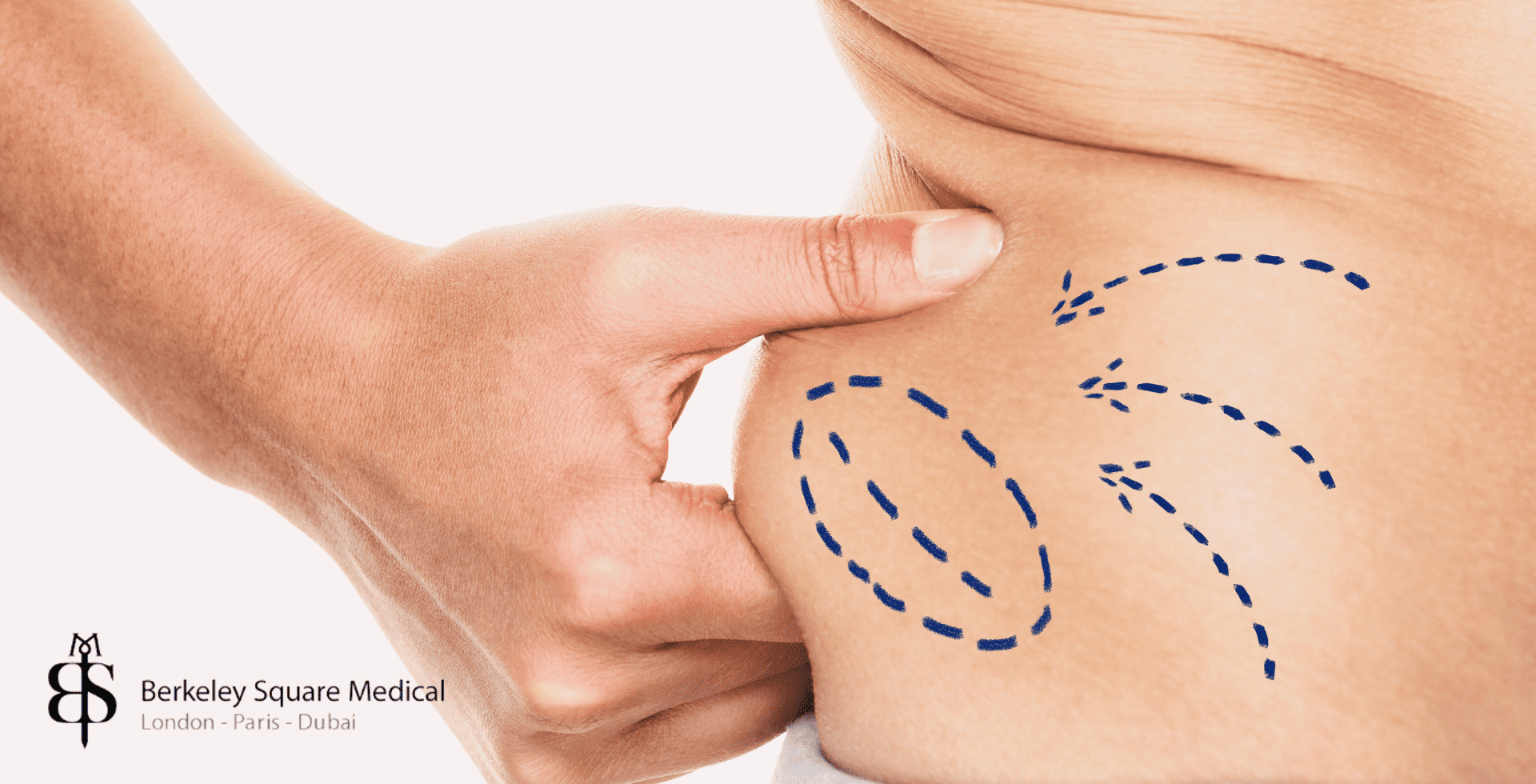
If you are looking to reduce stubborn fat and reshape your body, Vaser Lipo and Smart Lipo are two of the most advanced options available today. Both use energy-based technology to liquefy fat before removal, which means smoother results and faster recovery than traditional liposuction.
The best choice depends on your goals.
Vaser is typically better for precision sculpting, especially in larger areas like the abdomen, flanks, chest, and thighs.
Smart Lipo is usually better for small pockets of fat, with a mild skin tightening effect.
This guide explains the differences clearly so you can choose the option that fits your body and expectations.
Vaser Lipo uses ultrasound waves to break down fat while leaving surrounding tissues mostly undisturbed. This makes it ideal for:
• High-definition sculpting of abs, waist, arms, chest and back
• Removing denser, fibrous fat
• Creating smooth, athletic contours
Because the energy is selective to fat, swelling and bruising may be reduced compared with traditional liposuction.
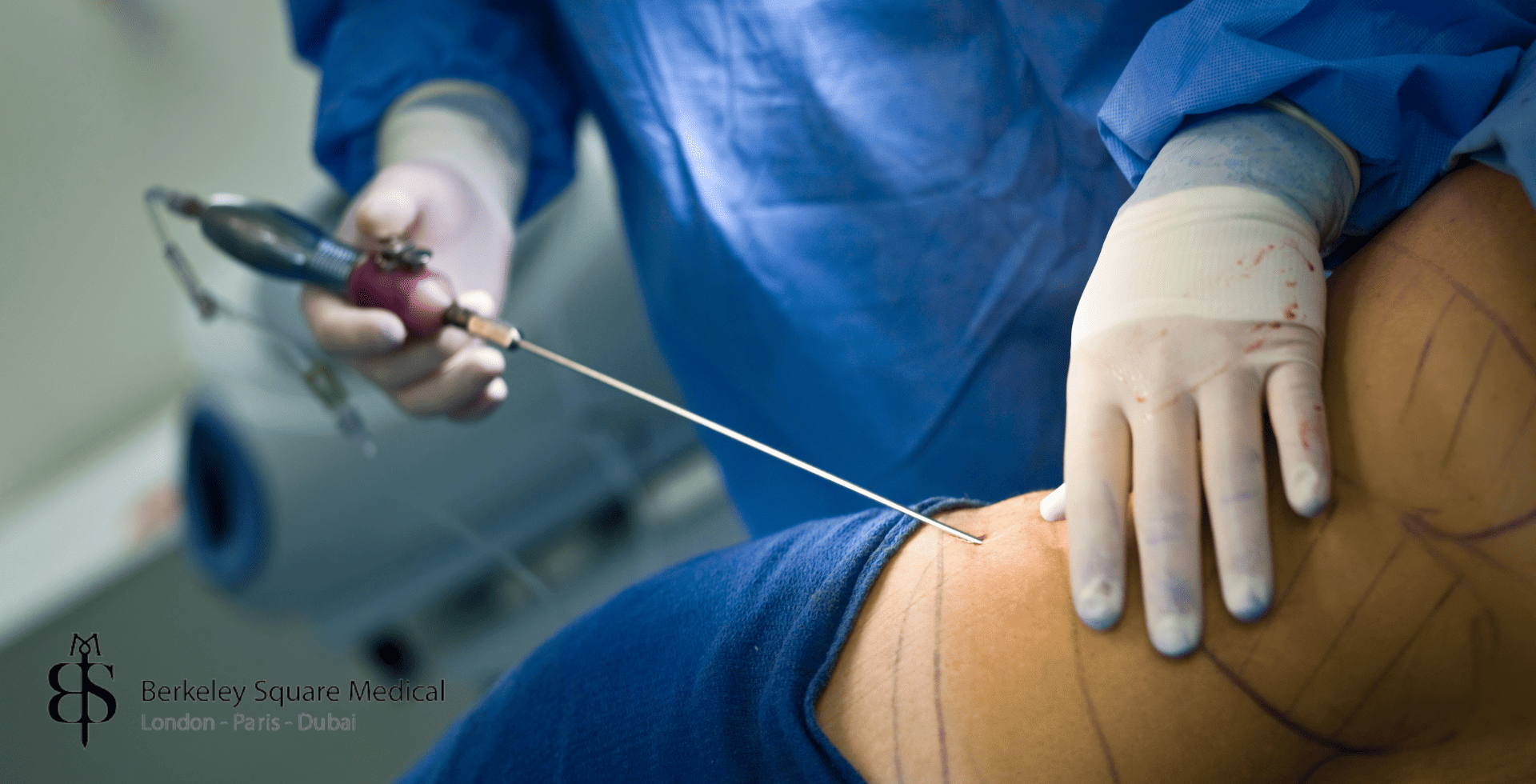
Smart Lipo uses a laser fibre to heat and liquefy fat before it is suctioned out. It can also stimulate collagen in the skin, which may help slightly tighten treated areas.
Smart Lipo is best suited for:
• Small areas (chin, upper arms, bra fat, inner knees)
• Patients with mild skin laxity
• Subtle refinements rather than big reshaping
The skin tightening claims look promising, but scientific results are still mixed.
| Feature | Vaser Lipo | Smart Lipo |
|---|---|---|
| Technology | Ultrasound | Laser |
| Best for | Large areas & detailed sculpting | Small pockets & mild skin tightening |
| Selectivity | Targets fat cells only | Affects fat & surrounding tissues |
| Recovery profile | Quick with less bruising | Quick but may feel warm/sensitive |
| Results | More dramatic reshaping | Subtle refinement |
| Surgeon’s skill impact | Very high | High |
If your main goal is shape, Vaser usually provides a more noticeable transformation.
If you want a small refinement, Smart Lipo may be enough.
• Excellent for sculpting muscle definition
• Works well on dense fat areas
• Less trauma to surrounding tissue
• Widely trusted for advanced contouring
• Slightly longer procedure
• Cost may be higher in complex cases
• Great for smaller trouble spots
• Can offer mild skin tightening
• Short treatment times
• Less effective for dramatic changes
• Skin tightening results vary
• Not ideal for firmer or deeper fat
Choose Vaser Lipo if you want:
• Noticeable sculpting and better body definition
• Treatment of larger or multiple areas
• A firmer, smoother contour
Choose Smart Lipo if you want:
• A small change in one or two areas
• Mild skin tightening
• A quicker treatment with subtle results
A consultation is the best way to match the technique to your goals and anatomy.
Both techniques offer shorter downtime than traditional liposuction.
Timeline for most patients:
• 1–3 days: Return to light activities
• 1–2 weeks: Swelling improves
• 6–12 weeks: Final results begin to define
Wearing compression and following surgeon guidance helps improve contouring and skin retraction.
It depends on your goals. Vaser Lipo is usually better for sculpting and treating larger areas of stubborn fat. Smart Lipo may be more suitable for smaller pockets of fat and can offer mild skin tightening. Your surgeon will help you choose the approach that fits your anatomy and expectations.
Smart Lipo uses heat from laser energy, which can stimulate some collagen tightening. The effect is generally mild, and results vary between patients. For moderate to severe skin laxity, other treatments may be more effective.
Both procedures typically involve minimal discomfort due to tumescent anaesthesia. Some patients experience slightly more early swelling or tenderness with Vaser because of the deeper sculpting capabilities, but recovery for both is usually quick.
Most patients return to light activities within a few days. Swelling improves over 1 to 2 weeks, and final results become more refined over 2 to 3 months as the tissues settle.
Traditional liposuction removes fat without pre-treating it, which can cause more bruising and longer recovery. Vaser Lipo uses ultrasound to break down fat first, leading to smoother removal and more precise contouring.
Fat cells removed during treatment do not grow back. Maintaining a stable weight and healthy lifestyle helps ensure your results remain long lasting.
This PubMed study presents a multicentre, prospective, randomised, single-blind, controlled clinical trial comparing VASER-assisted lipoplasty to suction-assisted lipoplasty, highlighting the improved skin retraction and reduced blood loss with VASER-assisted lipoplasty (PubMed).
This article from the Aesthetic Surgery Journal outlines the initial clinical experience with VASER-assisted lipoplasty, indicating it as a safe and efficient technique for body-contouring surgery (Aesthetic Surgery Journal).
This article provides a comprehensive overview of VASER liposuction, including its procedure, benefits, risks, and recovery time, offering an insightful guide for those considering this cosmetic surgery option (Healthline)


Patient Journey We are here to guide you to make the right decision for your well-being. If you are considering an aesthetic change to your appearance, we know that it’s one of the most important and personal decisions you wish to make. Therefore you need to be certain that the medical advice you receive is […]

Patient Aftercare All cosmetic surgery procedures at Berkeley Square Medical come with a comprehensive aftercare package and a 24-hour service so you can be assured you are always under the care and guidance of our surgical team. All your immediate aftercare is included in the cost of your surgery so there are no hidden extras in our […]

If you are considering Cosmetic Surgery, we understand that it's probably one of the most important decisions you're likely to make, therefore, you need to be sure it's right for you and you receive professional and independent advice about your procedure.

Our Philosophy We began our journey setting foot in the highly fashionable area of Berkeley Square, Mayfair where luxury fashion, galleries and five-star hotels all conveniently meet to set the example for world-leading client services and experience. Our goal was to create a cosmetic surgery practice that would not only exceed patients’ expectations but provide […]

