
What is a bump on the nose?
Usually bone and cartilage on the bridge
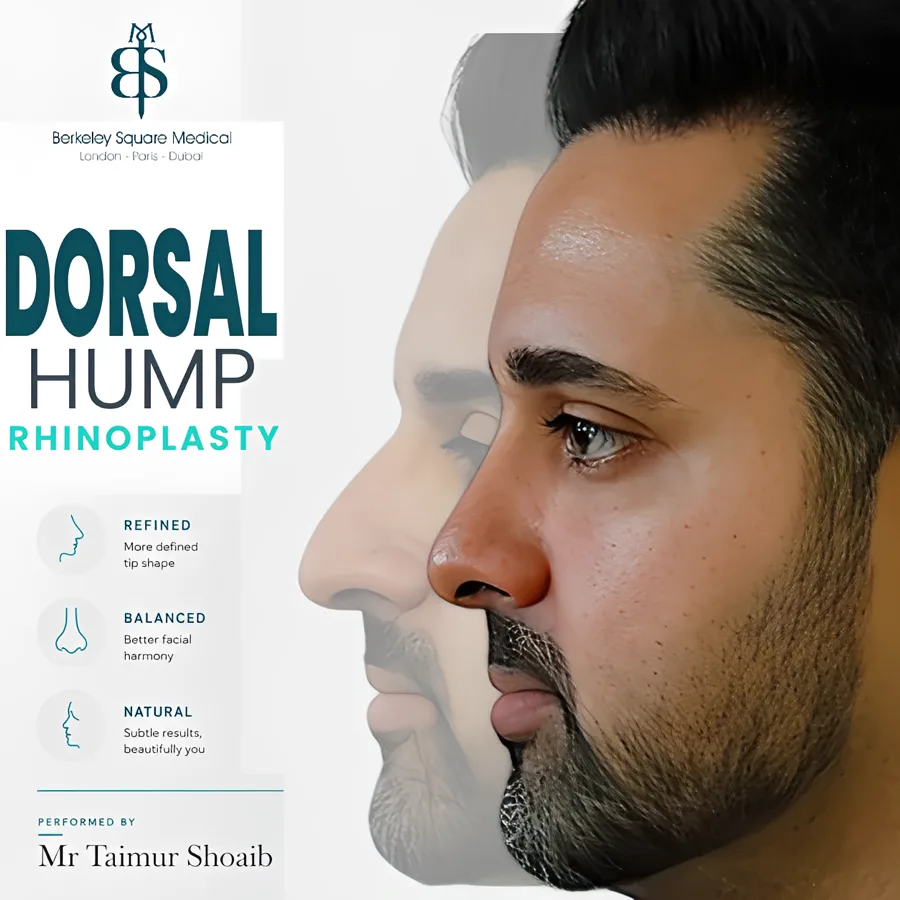
A bump on the nose is a very common feature, not a health problem, and for most people it is simply how they were born. The medical name for it is a dorsal hump: a raised area of bone and cartilage on the bridge that shows up most in profile. It is sometimes called a hump nose, though the more accurate term is a dorsal hump. Some people notice it more with age as the tip softens, and others develop one after a knock or a break to the nose.
Not every bump is a bony hump, though. A small lump right at the edge of a nostril can be a reaction to a nose piercing, and a bump that appears after nose surgery is usually swelling or scar tissue rather than bone. Others are skin lumps, such as a spot, a cyst or a small firm growth called a fibrous papule, which sit on the surface of the skin rather than in the underlying framework; anything like this is best looked at by your GP or a dermatologist, and you should see them promptly if a lump is new, growing or changing, bleeding, crusting, or has not healed after a few weeks. This guide covers what causes each type and, more importantly, what can be done about the classic bump on the bridge.
What causes a bump on your nose?
Genetics, injury, ageing and more
A bump on the bridge usually comes down to your natural bone and cartilage structure, but there are several causes:
- Genetics. Most nasal bumps are simply inherited, and they are more common in some family and ethnic backgrounds.
- An old injury. A broken or knocked nose can heal with a bump or a crooked bridge where the bone set unevenly.
- Ageing. As the tip loses support over the years, an existing bump can look more pronounced even if the bridge has not changed.
- A nose piercing. A small raised lump beside a piercing is usually a reaction to the jewellery, not a bony hump.
- After rhinoplasty. A bump felt after nose surgery is usually swelling or scar tissue settling, not a returning hump.
How to reduce a bump on your nose
Non-surgical and surgical options
You cannot shrink a bony bump with exercises, massage or over-the-counter products, despite what some videos claim. If you are looking at how to remove a bump on your nose, there are two genuine routes: temporary camouflage or permanent surgical reduction.
- Non-surgical (temporary). For a small bump, a non-surgical nose job uses filler above and below the bump to smooth the line of the bridge. It takes minutes, has minimal downtime, and lasts several months, but it adds volume rather than removing the bump, so it suits mild cases only.
- Surgical (permanent). A true bony or cartilage bump is reduced with surgery, which lowers the bridge to a straight profile. Surgically this usually means shaving or rasping down the bone and cartilage, sometimes called nose bridge shaving. It is covered in full, with costs, recovery and its risks, on our dedicated dorsal hump removal in London page.
Which option suits you depends on the size of the bump, whether the tip also needs support, and your goals. Mr Shoaib will talk you through both at consultation and never push surgery where a simpler option will do. If you are only exploring your options at this stage, that is a perfectly good reason to come in and ask.
Reducing a nose bump for men
Straightening the profile, keeping it masculine
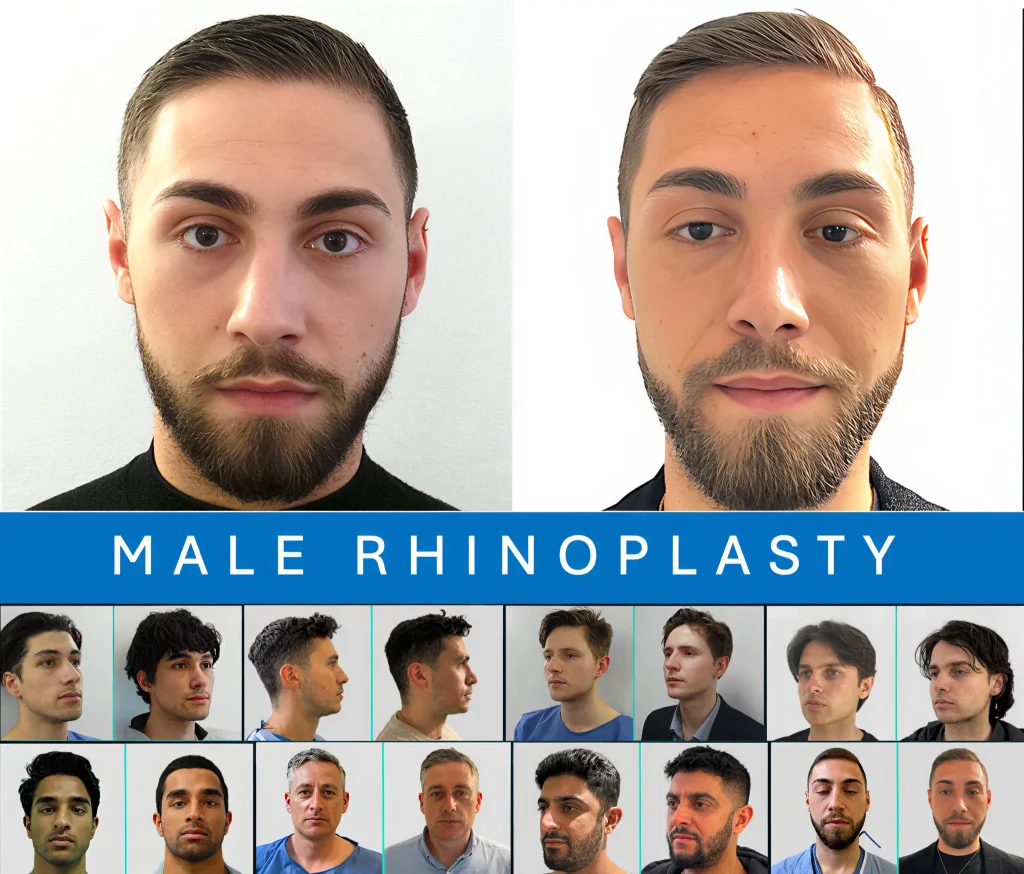
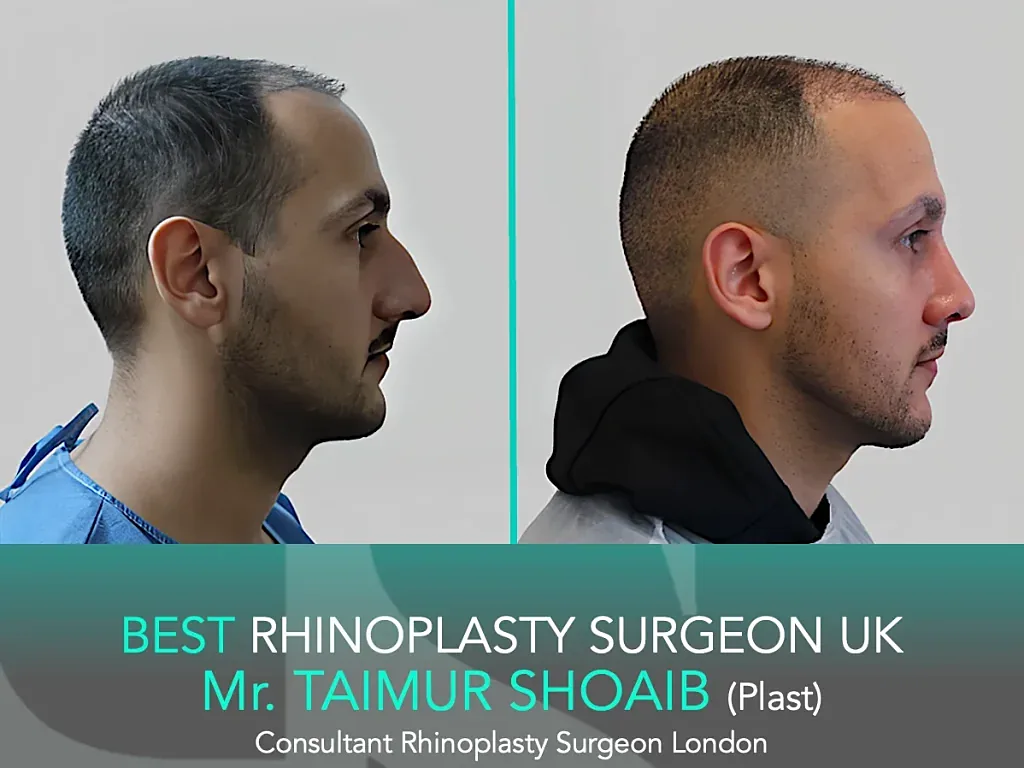
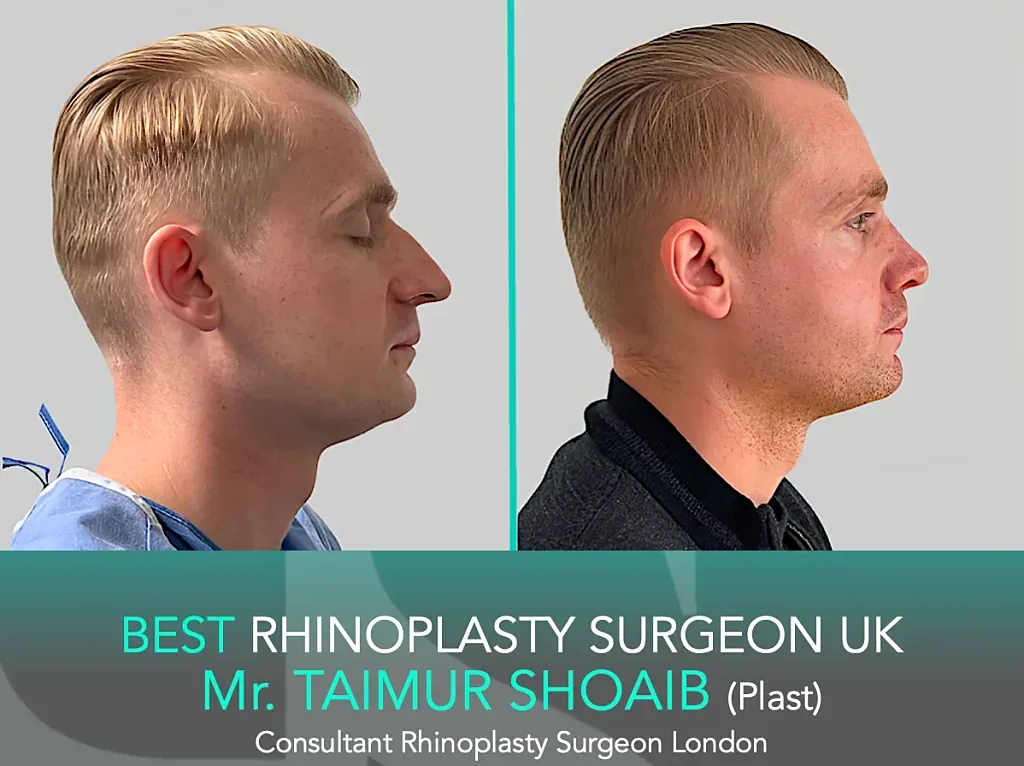
For men, the aim is to soften or remove a prominent bump while keeping a strong, masculine nose. That usually means lowering the bridge to a straight line rather than a scooped one, so the profile looks refined but never feminised. A bump is one of the most common reasons men come in, and a subtle change to the bridge often has an outsized effect on how balanced the whole face looks. See more on our rhinoplasty for men page.
Reducing a nose bump for women
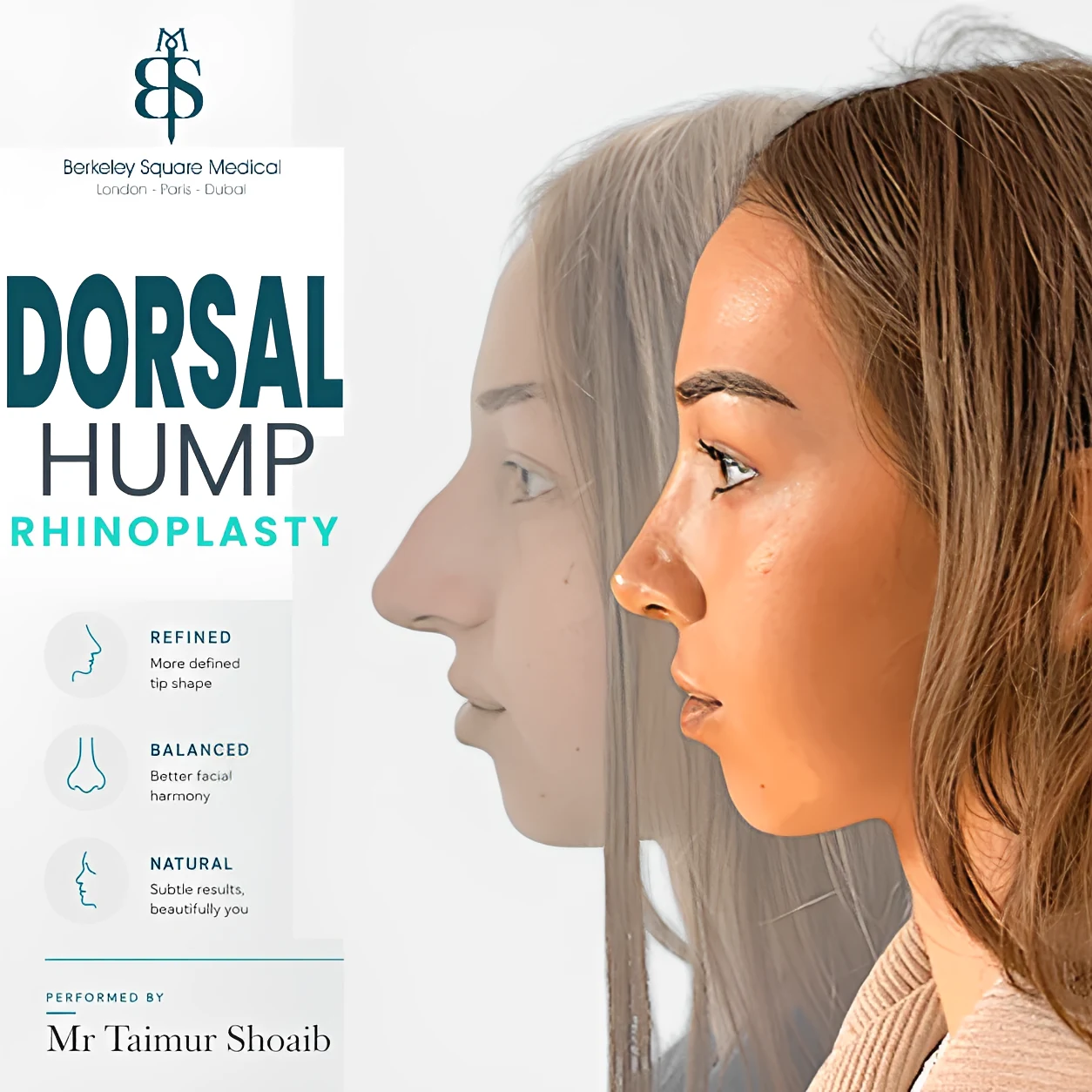
A smooth, proportionate bridge
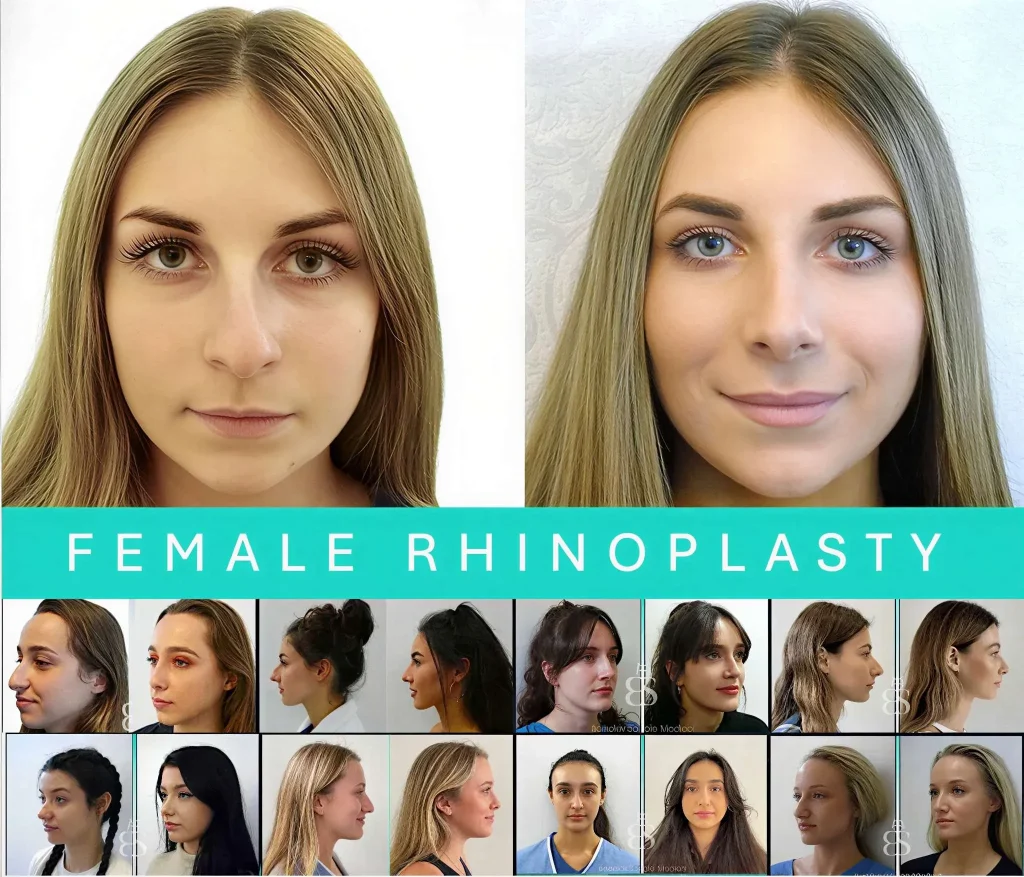
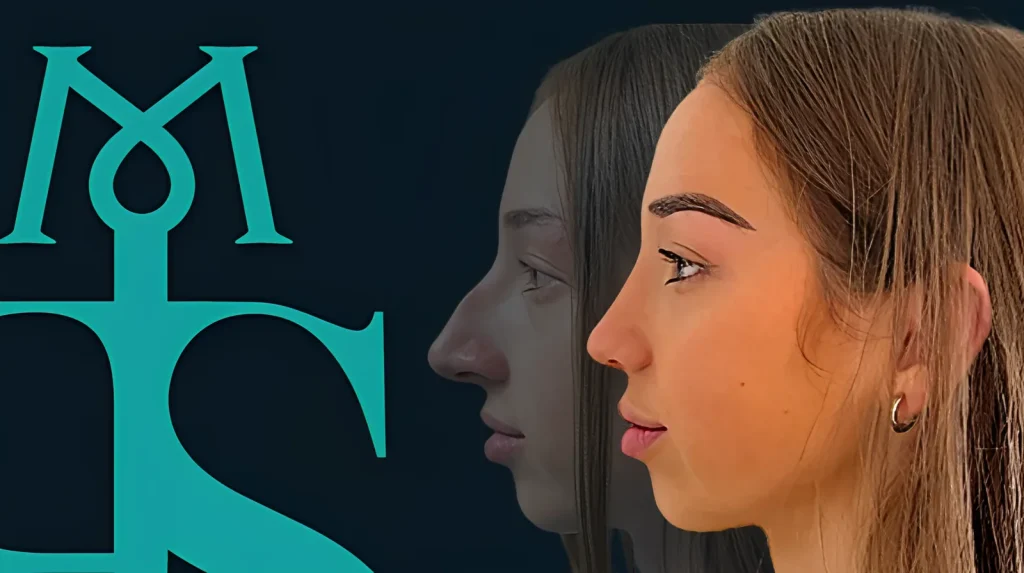
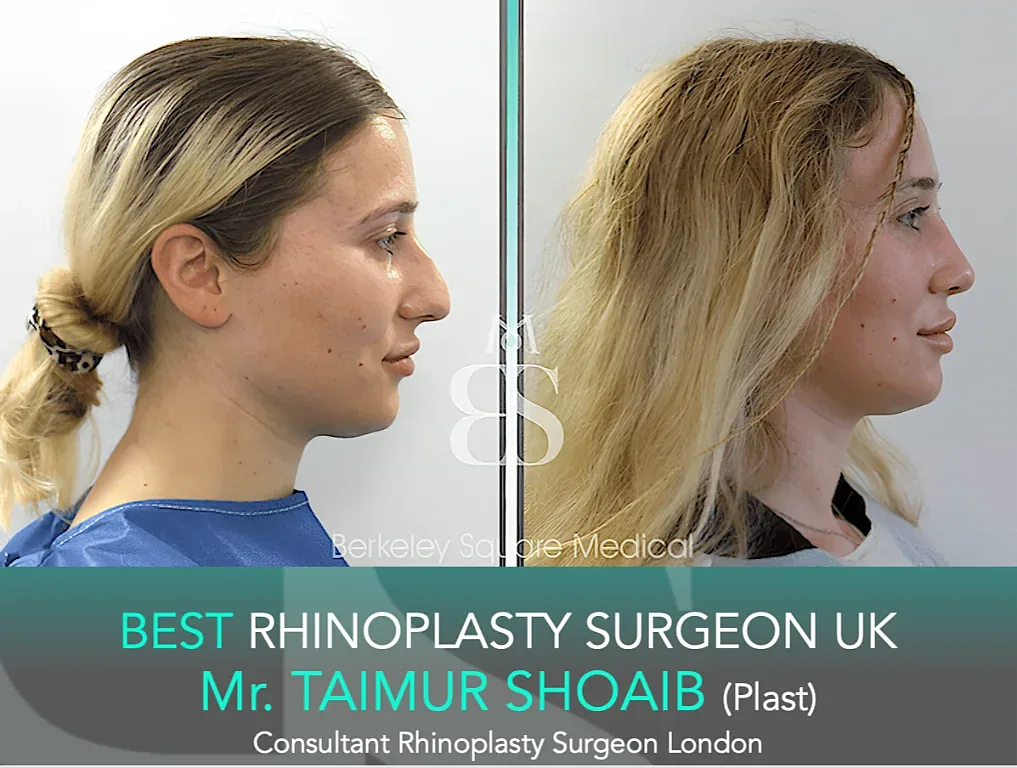
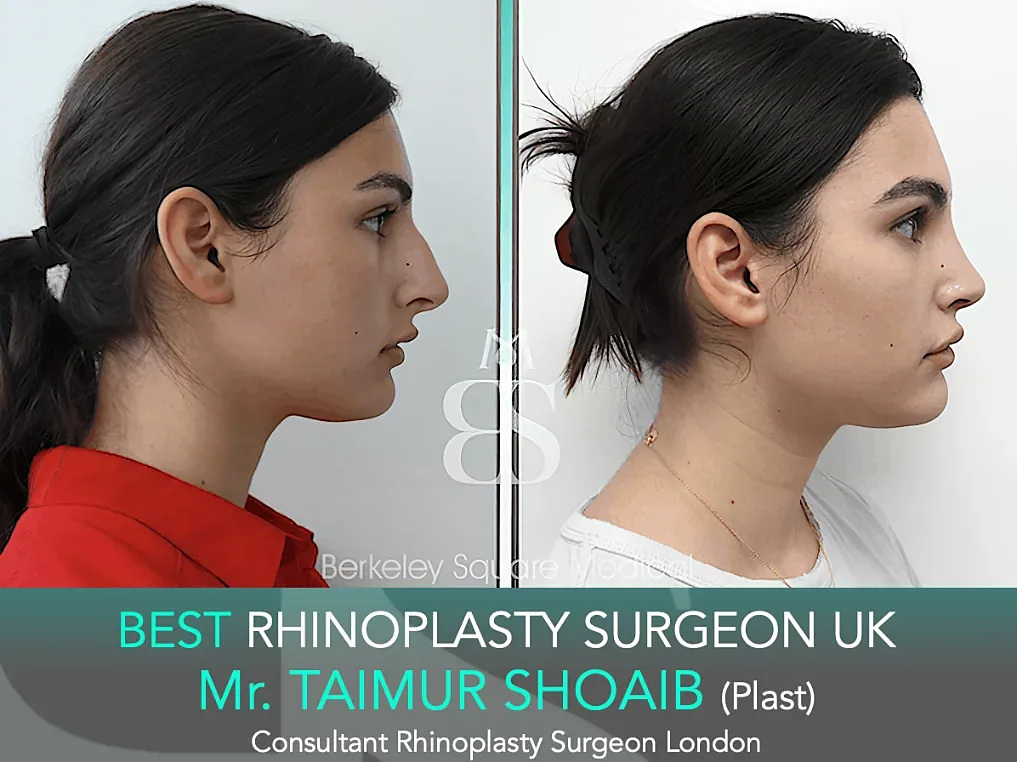
For women, the aim is an elegant, proportionate result: smoothing the bump so the bridge flows in a straight or gently curved line that suits the rest of the face. The change is usually understated, and keeping the result natural, rather than scooped or over-done, is the priority. You can see more in our before and after gallery.
A bump after rhinoplasty or from a piercing
These are different, and usually not bone
If you feel a bump after nose surgery, it is most often swelling or a small ridge of scar tissue rather than a returning bony hump, and it usually settles over the months as healing completes. Our guide on swelling after rhinoplasty explains that timeline. A firm bump that is still obvious once swelling has fully gone can be reviewed, and occasionally a minor refinement is possible, discussed and costed individually at consultation.
A lump under or beside a nose piercing is different again. It is usually a granuloma or keloid reacting to the jewellery, and it is managed with piercing aftercare or dermatological treatment, not rhinoplasty. See your GP or a nurse promptly if a piercing lump becomes increasingly painful, hot, red or starts to leak, as that can signal infection rather than simple scarring. If you are unsure which type of bump you have, a consultation can tell you quickly.
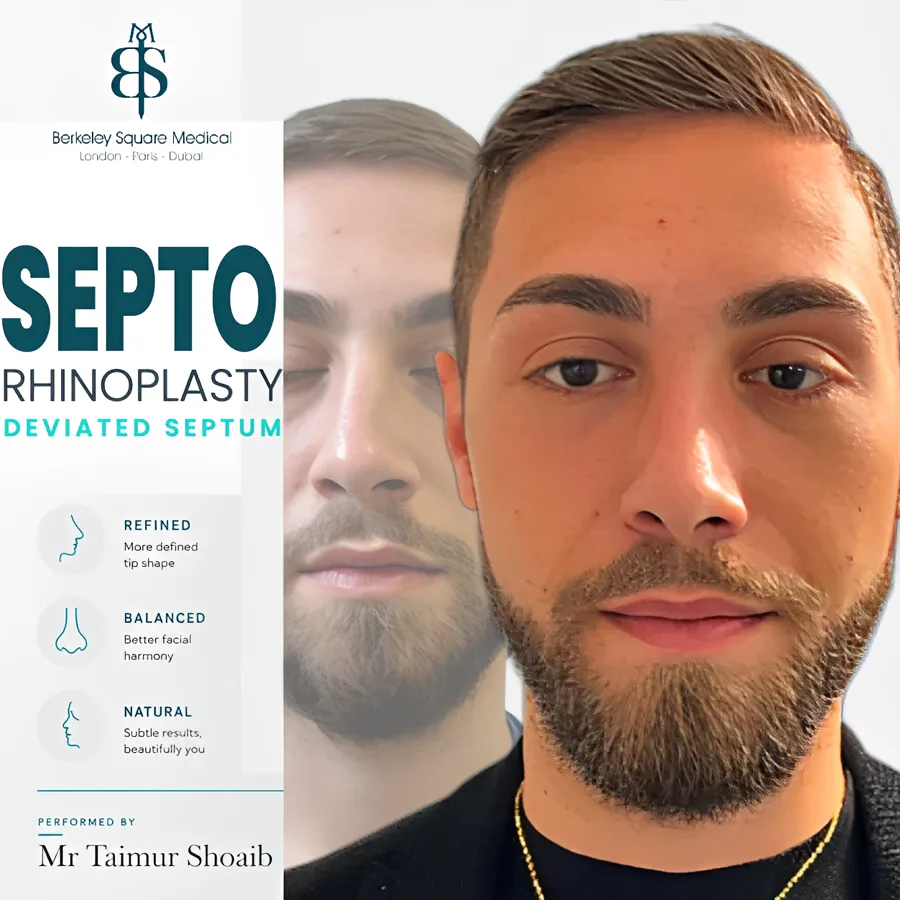
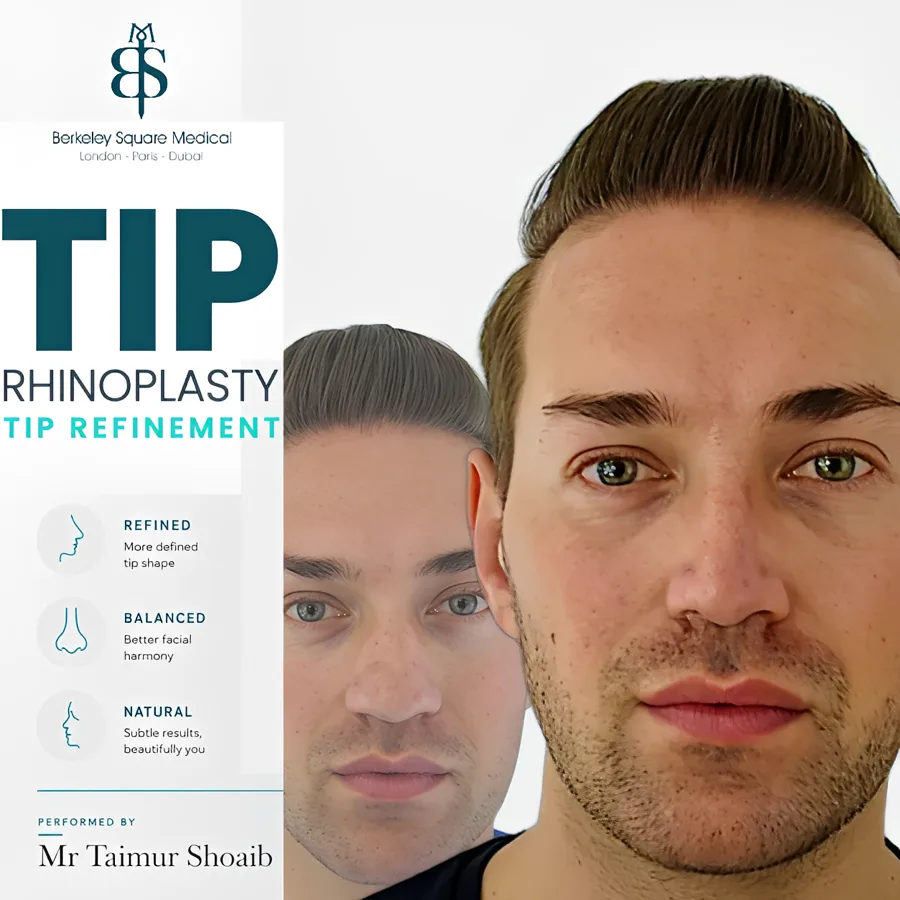
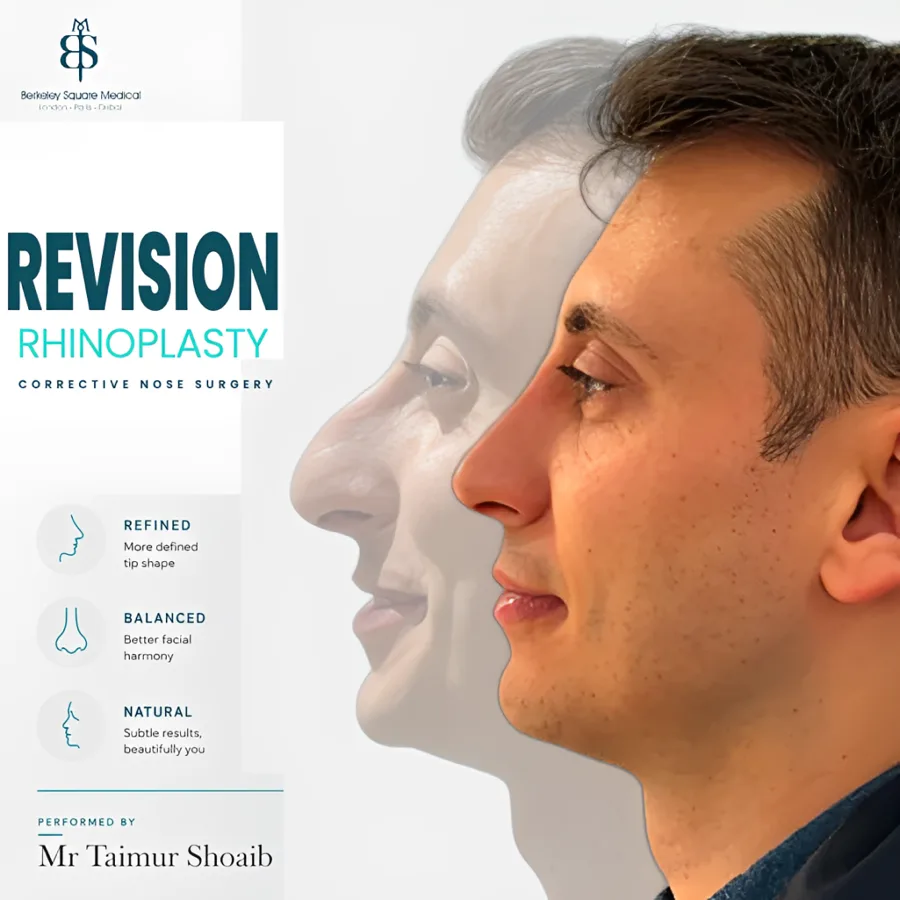
Specialised Rhinoplasty For Men
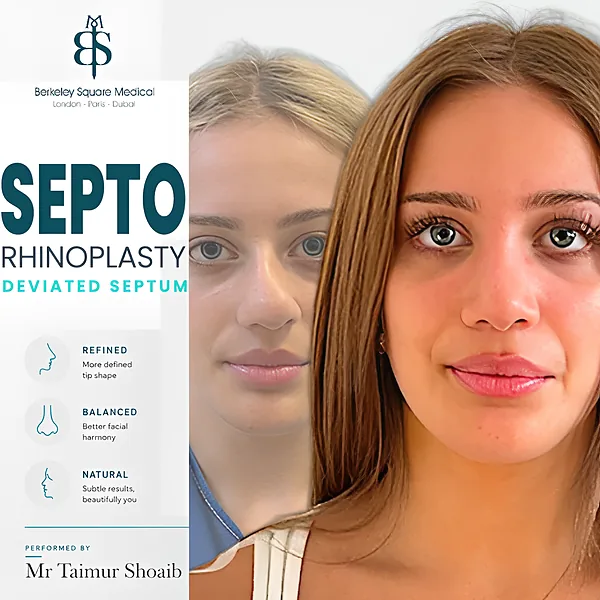
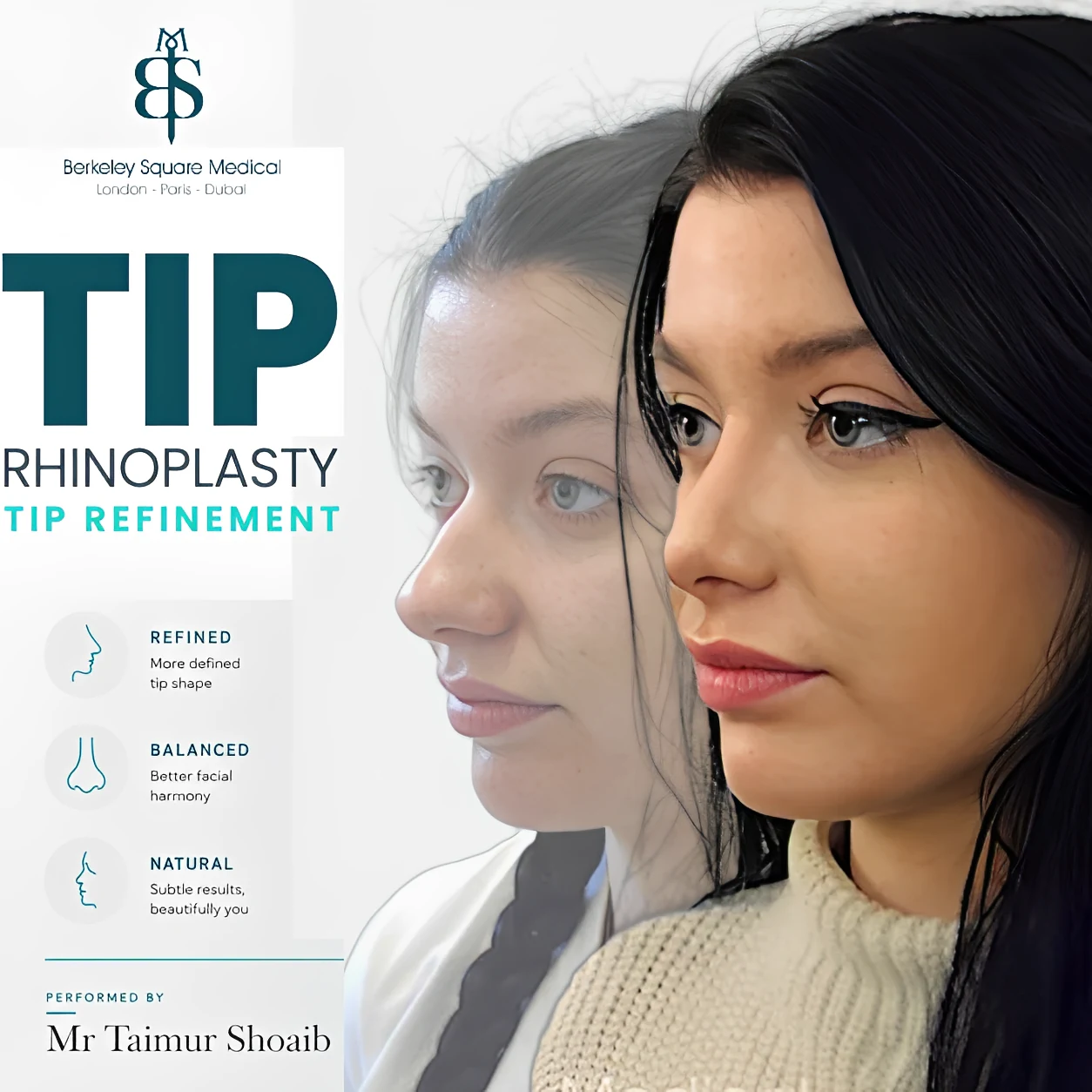
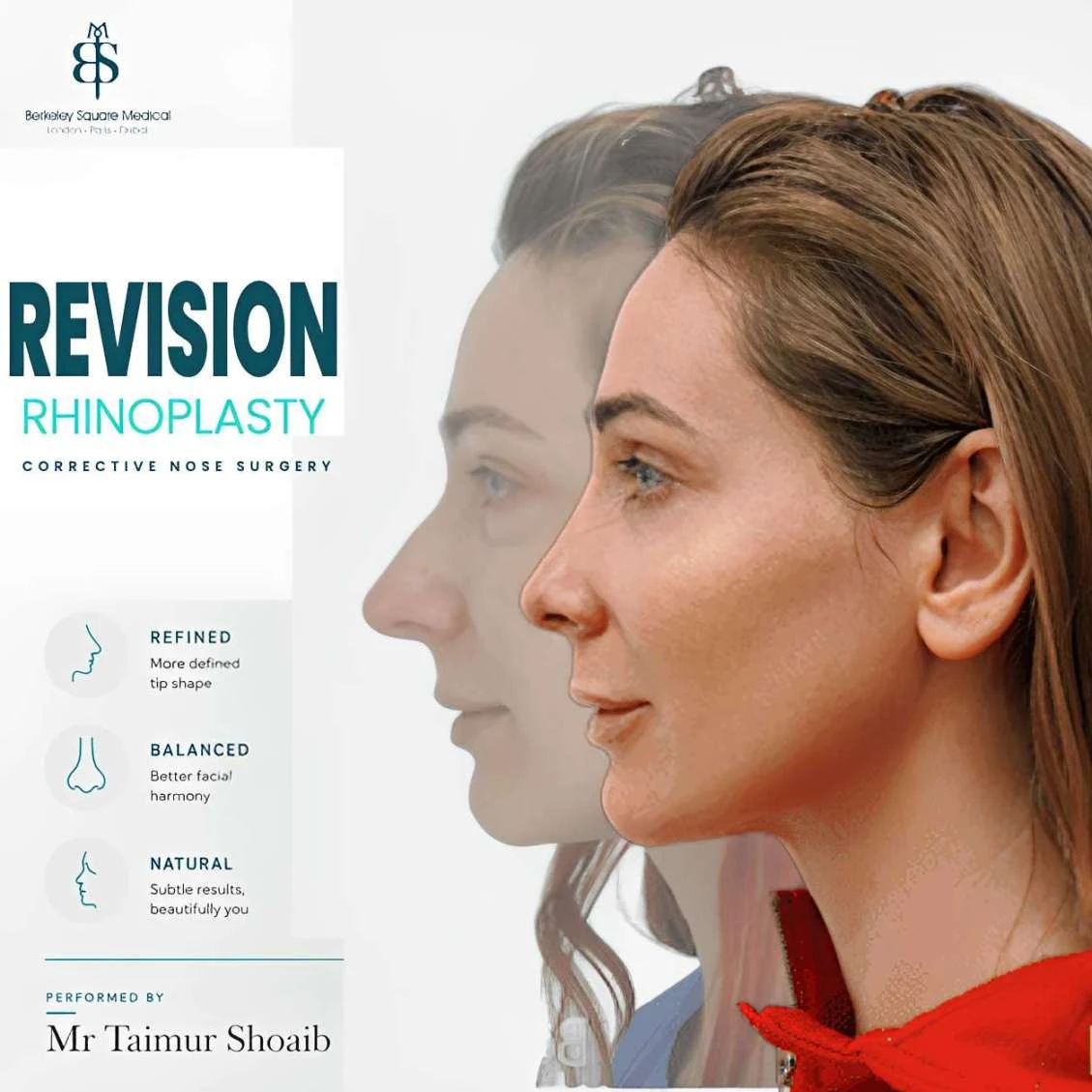
Explore the procedures that treat a bump on the nose. Tap any card to read more.
Specialised Rhinoplasty For Females
Explore the procedures that treat a bump on the nose. Tap any card to read more.
Want a bump on your nose assessed in London?
If a bump on the bridge bothers you, the next step is a consultation with Mr Taimur Shoaib at 64 Harley Street. For a permanent correction, our permanent nose bump removal page covers the surgery, recovery and cost. For a milder bump, a non-surgical nose job can smooth it without surgery, and you can explore rhinoplasty with Mr Taimur Shoaib.