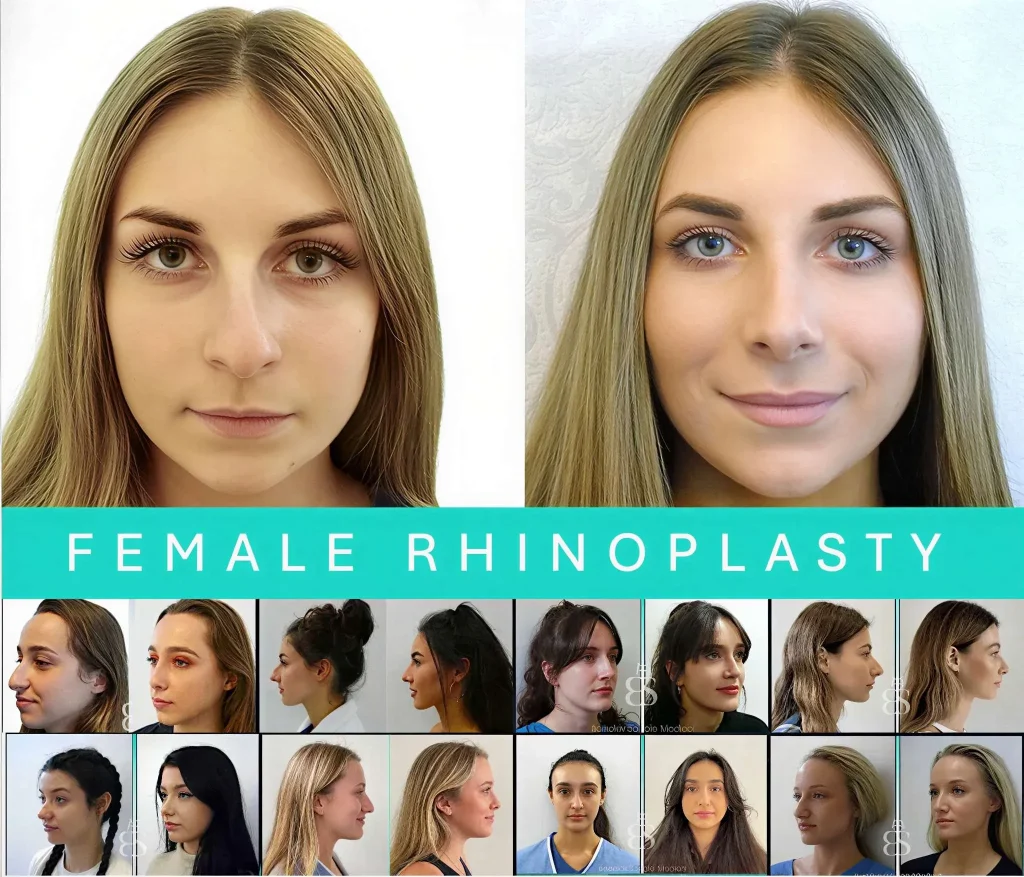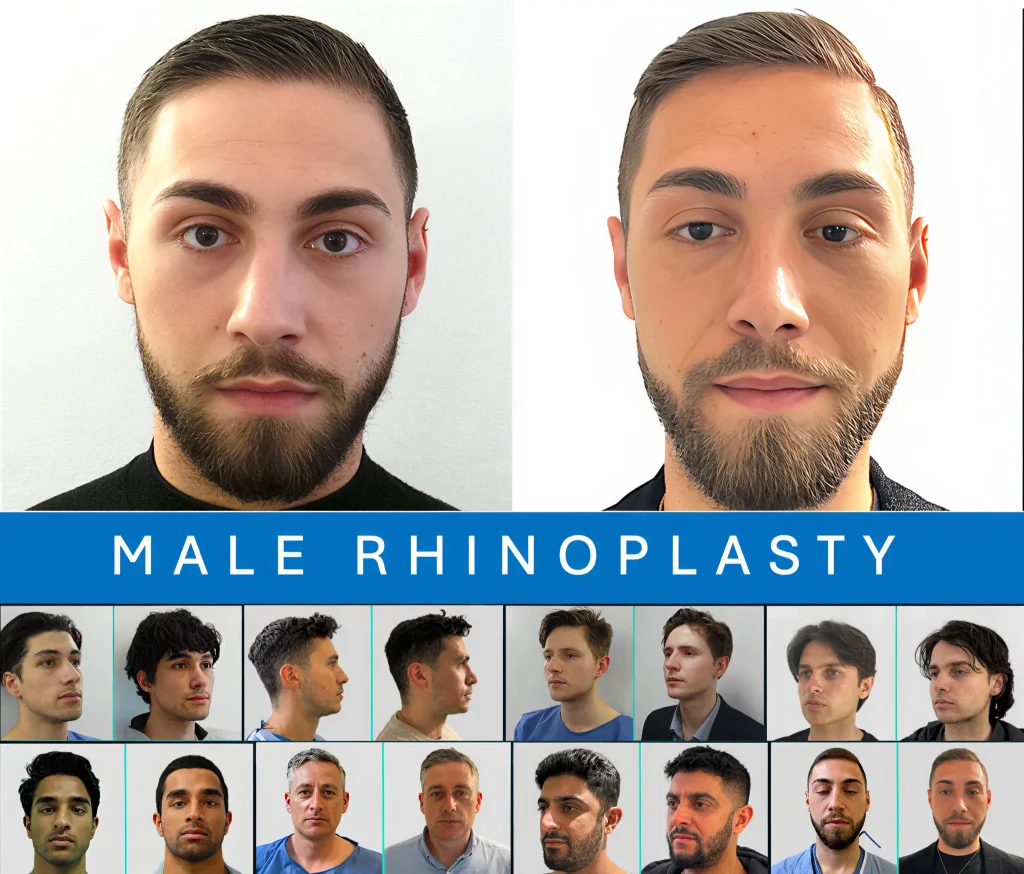
Recovery is the part of rhinoplasty most people worry about before surgery, and the question almost everyone asks first is simply: how long will it take? This guide walks you through the whole journey, stage by stage, from the day of your operation to your final result, so you know exactly what to expect after surgery and when.
The timeline below reflects how Mr Taimur Shoaib, Consultant Plastic Surgeon at 64 Harley Street, guides his London rhinoplasty patients through healing. Every nose and every person heals at a slightly different pace, so treat these as typical ranges rather than fixed dates.
How long is rhinoplasty recovery?
Most people take about 1 to 2 weeks off work and social life after rhinoplasty. The splint comes off at around one week, the worst bruising fades by about two weeks, and the major swelling settles over two to six weeks. Your nose looks refined by three to six months, and the final result appears at up to twelve months as the last deep swelling resolves.
How quickly you heal depends on your surgery (open or closed, primary or revision) and your skin thickness, thicker skin and revision surgery take longer to settle.
Rhinoplasty recovery at a glance
- Splint / cast removed
- ~7 days
- Off work (desk job)
- 1–2 weeks
- Bruising faded
- ~2 weeks
- Back to full exercise
- 4–6 weeks
- Refined → final result
- 3–12 months
Rhinoplasty recovery week by week
Most people are back at desk work in about 1 to 2 weeks and look presentable from about 2 weeks, with many feeling fully comfortable being seen in public by about 3 weeks. Swelling then keeps settling for months: the nose looks refined by around 3 to 6 months, and the final result appears at about 12 months, with the tip settling last. Here is what to expect, week by week.
| When | What you will notice | What you can do |
|---|---|---|
| Week 1: days 1 to 3 | A completely blocked nose, so you breathe through your mouth; some blood-tinged ooze; swelling and bruising building, usually peaking around day 2 or 3; feeling tired and groggy | Rest with your head elevated, even when sleeping; cold compresses on the cheeks (never on the nose or splint); take your prescribed pain relief; do not blow your nose |
| Week 1: days 4 to 7 (splint on) | Bruising starts to fade, while swelling is still noticeable; the splint protects the new shape | Keep resting and sleep propped up; avoid bending, lifting and anything strenuous; most people take this week off |
| End of week 1: splint removal | Your nose is uncovered at your first review; it is still swollen and the tip looks bigger and firmer than the final result, but the change to the bridge is often visible | Most desk workers return around now; light makeup can cover remaining bruising; check with your surgeon before resting glasses on the bridge |
| Week 2 | Most visible bruising has gone and you look presentable, even though the nose is still swollen | Desk work and normal daily life; gentle walking |
| Weeks 3 to 4 | Swelling keeps reducing and is often worse in the morning; some numbness, stiffness or a blocked feeling is normal | Gentle nose blowing from about 2 to 3 weeks (about 4 weeks after septorhinoplasty, revision or graft surgery); build back to light gym work from about 2 to 3 weeks |
| Weeks 5 to 6 | The nasal bones knit at around 6 weeks; most visible swelling and bruising have resolved, though the tip can feel tight or stiff | Strenuous, high-impact and contact activity from about 4 to 6 weeks, as your surgeon advises |
| Months 2 to 3 | By around 3 months it usually looks natural to others; morning puffiness and small day-to-day changes are normal | Protect your nose from strong sun, which can worsen and prolong swelling |
| Months 4 to 6 | The nose keeps refining, and most people see a near-final result by about 6 months | Keep up sun protection and attend your reviews |
| 12 months and beyond | The final result at about 12 months, later with thick skin or revision surgery; the tip settles last and subtle refinement can continue into the second year; skin numbness can take many months, sometimes 1 to 3 years, to fully return | Compare photos taken months apart, rather than day to day |
Your rhinoplasty recovery timeline, stage by stage
Tap any stage to see what is happening, what is normal, and what to do.
The day of surgeryFirst 24 hours
You go home the same day with a lightweight splint (cast) over your nose and, sometimes, soft internal dressings. You will feel tired and a little groggy from the anaesthetic, and your nose will feel completely blocked, so you will breathe through your mouth. Some ooze of blood-tinged fluid from the nostrils is normal for the first day or two.
- Rest and keep your head elevated, even when sleeping, to limit swelling.
- Use any prescribed painkillers; most people describe day one as pressure and congestion rather than sharp pain.
- Do not blow your nose.
Days 2–7The first week (splint on)
Bruising around the eyes usually peaks around day two or three, then starts to fade. Swelling is at its most noticeable this week. The splint stays on and protects the new shape, so this is the week most people take off work and social plans.
- Keep resting, stay upright during the day and sleep propped up on pillows.
- Cold compresses on the cheeks and around the eyes (never on the nose or splint) help bruising in the first 48–72 hours.
- Avoid bending, lifting and anything strenuous.
For detailed day-by-day wound, dressing and splint care, see our rhinoplasty aftercare guide.
Around day 7Splint removal
The splint is removed at your first review, usually about a week after surgery. This is a milestone moment: your nose is finally uncovered. It will still be swollen, and the tip in particular will look bigger and firmer than the final result, but most patients can already see a change to the bridge and profile.
- Most desk-based workers return to work around now, once the splint is off and the worst bruising has faded.
- You can usually wear light makeup to cover any remaining bruising from this point.
- Glasses should be kept off the bridge for several weeks, ask your surgeon for specific timing.
Weeks 2–6Back to normal life
By two weeks, most visible bruising has gone and you look presentable in public, even though your nose is still swollen. Swelling reduces steadily over these weeks. The nasal bones take roughly six weeks to knit, so contact sports and heavy exercise are avoided until then.
- Light exercise such as walking is fine early; build back to the gym gradually from around 2–3 weeks, and avoid strenuous or contact activity until 4–6 weeks.
- You may still feel numbness, stiffness or a blocked sensation, this is normal and settles gradually.
- Swelling is often worse in the morning and eases through the day.
Swelling is the part of recovery patients ask about most, our swelling after rhinoplasty timeline covers it stage by stage.
Months 3–12Refinement to the final result
By three months the majority of swelling has resolved and your nose looks natural to everyone but you. The last, deepest swelling, especially in the tip, resolves slowly over the following months. The refined shape appears around three to six months, and the true final result is seen at about twelve months (longer for thick skin or revision surgery).
- Small day-to-day changes in the tip are normal well into the first year.
- Protect your nose from strong sun, which can worsen and prolong swelling and affect scars.
To see how much a nose keeps changing over this period, compare our 1 month vs 1 year rhinoplasty results.
What is the worst day after rhinoplasty?
For most people, days 2 and 3 are the hardest. Swelling and bruising peak around then, your blocked nose means breathing through your mouth, which brings a dry mouth and broken sleep, and you can feel tired and run-down for the first few days. It improves noticeably once the splint comes off at about one week. Our guide to bruising after rhinoplasty shows how it fades.
- Sleep head-up on two or three pillows to limit swelling.
- Keep water and lip balm by the bed for the dry mouth.
- Use saline as instructed and rest; this is the week to take off.
It is also common to feel low, or to dislike your nose, at one or two weeks, while it is swollen and newly uncovered. What you see then is not the final result. Mr Shoaib's patients often describe the nose starting to "feel like my own again" by around six weeks, and you do not need to wait for a review to talk to the team about how you are feeling. If low mood persists, feels overwhelming or you are struggling to cope, speak to your GP or call NHS 111, and if you ever feel unsafe, call 999 or Samaritans on 116 123.
Downtime and time off work
The practical question behind "recovery time" is usually how much time off you need. For most desk-based work, 1 to 2 weeks is enough, timed so you return once the splint is off and bruising has faded. Physically demanding jobs or roles involving heavy lifting usually need 2 to 3 weeks or more. You will look presentable in public from around two weeks, even though your nose is still quietly swelling down for months afterwards.
When will I look normal after a nose job?
Most people look presentable from about 2 weeks, once the splint is off and the bruising has faded, and many feel fully comfortable being seen in public by about 3 weeks. People who know you well may notice a change early on, and the bridge settles before the tip. If your job is face-to-face or public-facing, many people prefer to take 2 to 3 weeks off.
The nose keeps quietly refining for months after that, and often looks a little fuller in the morning. Our guide to swelling after rhinoplasty explains how this settles, and our 1-month vs 1-year results show how much changes across the first year.
What helps you heal faster
The biggest wins are simple: keep your head elevated, rest properly in the first week, stay hydrated and well nourished, and avoid smoking and alcohol, which slow healing. Cold compresses help bruising in the first two to three days, and protecting your nose from strong sun protects your result. Your full, personalised instructions are in your aftercare pack.
When to seek advice
Considering rhinoplasty in London?
Understanding recovery is a smart part of your research. When you are ready, Mr Taimur Shoaib offers consultations at 64 Harley Street to talk through your goals, your nose and what your own recovery would look like.
Explore rhinoplastyBook a consultationRhinoplasty recovery: frequently asked questions
How long is recovery after rhinoplasty?
Most people are back to work and normal daily life within 1 to 2 weeks. The splint comes off at around a week, bruising fades by about two weeks, and the major swelling settles over 2 to 6 weeks. Your nose looks refined by 3 to 6 months, and the final result appears at up to 12 months as the last deep swelling resolves.
How many days should I rest after rhinoplasty?
Plan to rest properly for the first week while the splint is on, keeping your head elevated and avoiding any strenuous activity. Most people feel ready for gentle daily activities within a few days, but genuine rest in that first week helps limit swelling and supports healing.
How long until I look normal after a nose job?
Once the splint is off (around day 7) and the bruising has faded (about two weeks), most people look presentable in public and can cover any residual marks with light makeup. Your nose will still be swollen at this stage, but it is not obvious to others, the swelling is something you notice far more than anyone else.
How long should I take off work after rhinoplasty?
For a desk-based job, 1 to 2 weeks is typical, timed around splint removal and the bruising settling. If your work is physically demanding or involves heavy lifting, you may need 2 to 3 weeks or more. Mr Shoaib will give you advice tailored to your job and your surgery.
When can I exercise or go to the gym after rhinoplasty?
Gentle walking is fine early on. Build back to light gym work from around 2 to 3 weeks, and avoid strenuous, high-impact or contact activity until 4 to 6 weeks, when the nasal bones have healed. Always follow your surgeon's specific guidance.
Is recovery faster after closed rhinoplasty?
The overall timeline is broadly similar, but closed rhinoplasty has no visible external scar and can involve slightly less tip swelling for some patients. Revision rhinoplasty and thick skin tend to swell for longer, so the final result can take beyond twelve months.
When can I fly after rhinoplasty?
Flying is usually possible within a couple of weeks, but timing depends on your surgery and how you are healing. Please follow the specific advice in your aftercare guide and check with the clinic before booking travel.
Is rhinoplasty recovery safe?
Rhinoplasty is a very commonly performed, well-established operation, and for most people recovery is straightforward. Most symptoms in the first weeks, swelling, bruising, a blocked nose and small nosebleeds, are a normal part of healing. Contact the clinic if you have heavy bleeding that will not settle, a high temperature or spreading redness (possible infection), or severe pain not eased by your painkillers, and call 999 for sudden difficulty breathing or chest pain. As with any surgery there are risks, which Mr Shoaib discusses fully with you at consultation.
Does the swelling ever completely go away?
Yes. Swelling reduces steadily over weeks and months, with the last deep tip swelling being the slowest. For nearly everyone it has fully resolved by around a year. See our swelling timeline for the full picture.
What is the worst day after rhinoplasty?
Days 2 and 3 are usually the hardest, because swelling and bruising peak then and your blocked nose means mouth-breathing, a dry mouth and poor sleep. Rest with your head elevated, keep water and lip balm by the bed, and use saline as instructed. Most people feel noticeably better once the splint comes off at about a week.
How painful is rhinoplasty recovery?
Most people describe it as pressure, congestion and a blocked feeling rather than sharp pain, and it is usually managed with the pain relief your surgical team prescribes or recommends. Discomfort is greatest in the first few days and eases steadily. Severe pain that your painkillers do not ease is not expected, so contact the clinic if that happens. Everyone's experience varies.
Can I touch my nose 3 weeks after rhinoplasty?
Yes, gently touching the outside of your nose is fine by then. In Mr Shoaib's experience, after the first two to three weeks the nose is already stronger than before, so normal gentle touching should not shift it. Still avoid knocks and contact sport until about 4 to 6 weeks, and no picking, fingers or tissues inside the nose until 3 weeks, or 4 after septorhinoplasty, revision or graft surgery.
Why does my nose tip look swollen or lumpy 1-2 months after rhinoplasty?
Some uneven swelling is common at this stage. The tip settles last, so it can look full, firm or slightly lumpy for months, and often puffier in the morning. It gradually smooths out over the first year, more slowly with thick skin. Our swelling timeline explains what to expect. Contact the clinic sooner if a lump is red, hot, tender or growing.
Is recovery different for men?
The timeline is broadly the same, but men often have thicker nasal skin, which tends to hold swelling for longer, so the tip may take more time to settle and define. Recovery and results vary from person to person. Our men's rhinoplasty page explains how surgery is planned for male noses.