

Laughing, smiling, yawning and crying will not ruin your rhinoplasty. It is a very natural worry, especially in the first weeks when every big expression feels tight and strange, but a laugh or a cry does not undo your surgeon's work. In the first week or two a very forceful expression can pull on the healing area and add a little swelling, and that is all it does, it settles. This guide explains what is safe, why it feels odd early on, and the short list of things that would genuinely be worth a call. Follow your own surgeon's advice too.
Yes. Moderate expressions will not ruin your result. Very forceful laughing, big yawns or hard crying can feel tight and add a little swelling in the first 1 to 2 weeks, but that settles. Gentle talking and yawning are fine within the first week. Reasons to contact your surgeon include sudden intense pain, a pain that will not settle, a heavy nosebleed, a sudden click or shift in the nose, or any signs of infection such as a fever or spreading redness. When in doubt, it is always fine to call.
Can I laugh after rhinoplasty? Will it ruin my result?
No. A normal laugh or smile will not affect the bone and cartilage your surgeon reshaped. What you feel in the early weeks is the soft tissue and skin being tight and swollen, not the structure moving. Very big, prolonged laughing or a huge grin can feel like it pulls and can leave the area a little more swollen for a while, so you may naturally hold back at first, but it is not doing damage.
Can I smile after rhinoplasty?
Gentle smiling is fine, and a big grin may just feel tight or odd in the first week or two because of swelling around the upper lip and nose. It will not move the underlying structure or affect your result, so smile freely as it becomes comfortable.
Why laughing and smiling feel tight or hurt early on
The muscles that lift your upper lip and smile attach near the base of the nose, and there is swelling and, in some cases, stitches in that area. So when you smile or laugh, you tug gently on a tender, swollen region, which is why it can feel tight, odd or briefly sore. This eases as swelling comes down, usually feeling gentler by 2 to 3 weeks and much freer by 4 to 6 weeks.
Can I yawn after rhinoplasty?
Yes. A big yawn stretches the upper lip and the area around the nose, so it can feel tight or strange in the first week or two, but it will not ruin your result. If a yawn feels uncomfortable, you can open your mouth a little more gently, but there is no need to fight it.
Can I talk normally after rhinoplasty?
Gentle talking is fine within the first week. A lot of very animated talking can tire the upper lip and make the area feel tight, much like laughing does, but ordinary conversation is not a problem and will not affect your nose.
Can I cry after rhinoplasty? Does emotion affect healing?
Yes, you can cry, and emotion and tears do not affect your healing or your result. Recovery can be an emotional time, so this is a common worry. Hard, heaving sobbing can briefly raise pressure and make a blocked, swollen nose feel worse in the moment, and crying while congested is uncomfortable, but it is not damaging. Have your cry if you need it.
Can I sneeze after rhinoplasty?
A sneeze is more of a pressure event than an expression. If you feel one coming, sneeze with your mouth open to release the pressure rather than stifling it, which is gentler on the nose. A sneeze is very different from a direct knock or impact, and if you have actually bumped your nose, see our guide to hitting your nose after rhinoplasty.
I cannot stop laughing or yawning, have I ruined it? My tip feels soft
This is one of the most common worries, and the reassurance is genuine: a soft, tender or slightly swollen feeling after lots of laughing or a run of big yawns is almost always normal temporary swelling rather than damage. If your tip feels softer than before, that is swelling and the tissues still settling, not the structure shifting, and it firms up as healing progresses. An afternoon of laughing with friends, or a funny film, has not undone your surgery. Rest, keep your head elevated, and it settles.
When should you actually worry?
Almost everything you feel in the early weeks is normal. The short list of things that would genuinely be worth contacting your surgeon about is:
- Sudden, intense pain.
- Pain that lasts and does not settle.
- An extreme or heavy nosebleed.
- A sudden click, pop or shift in the nose.
- Signs of infection, such as a fever, spreading redness or warmth around the nose, or increasing or foul-smelling discharge.
If none of those are happening, you can laugh, smile, yawn and cry freely, they are part of feeling like yourself again. And if anything ever feels wrong to you, it is always fine to check with your surgeon's team.
Related recovery guides
If your worry is an actual knock or bump rather than an expression, that is covered in our guide to hitting your nose after rhinoplasty, and for the full list of things to be careful with, see what not to do after rhinoplasty.
Specialised Rhinoplasty For Men
Explore our specialist procedures. Tap any card to read more.
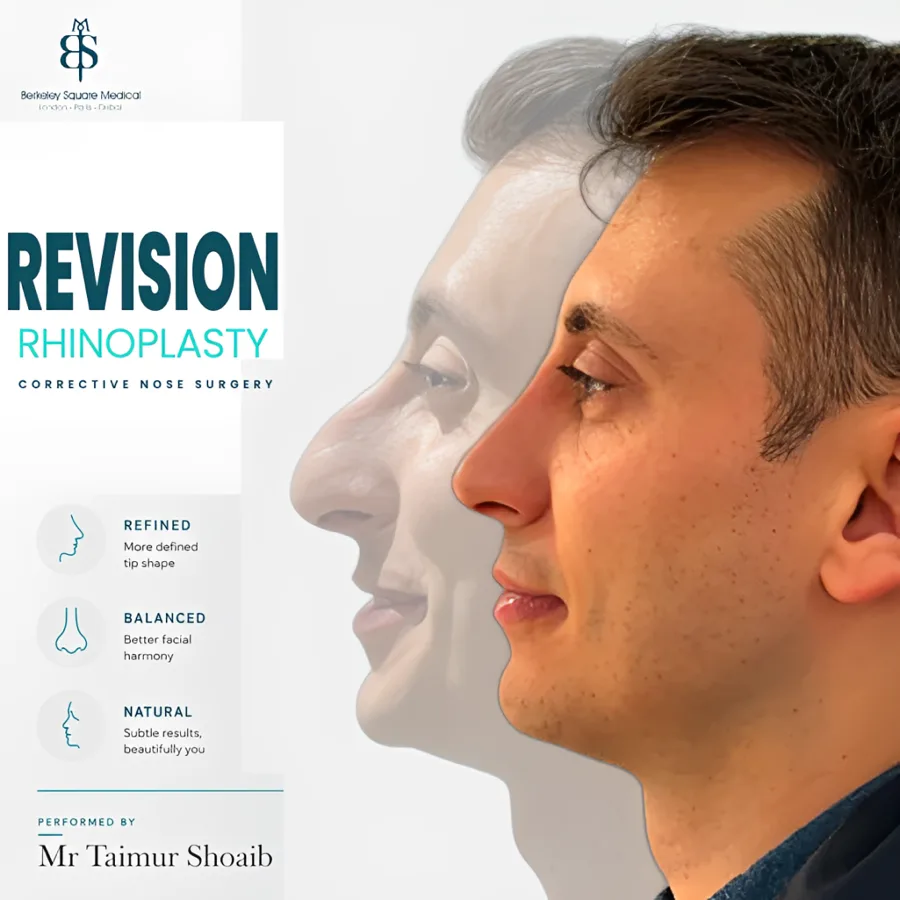 Revision RhinoplastyCorrecting or improving a previous rhinoplasty.Read more
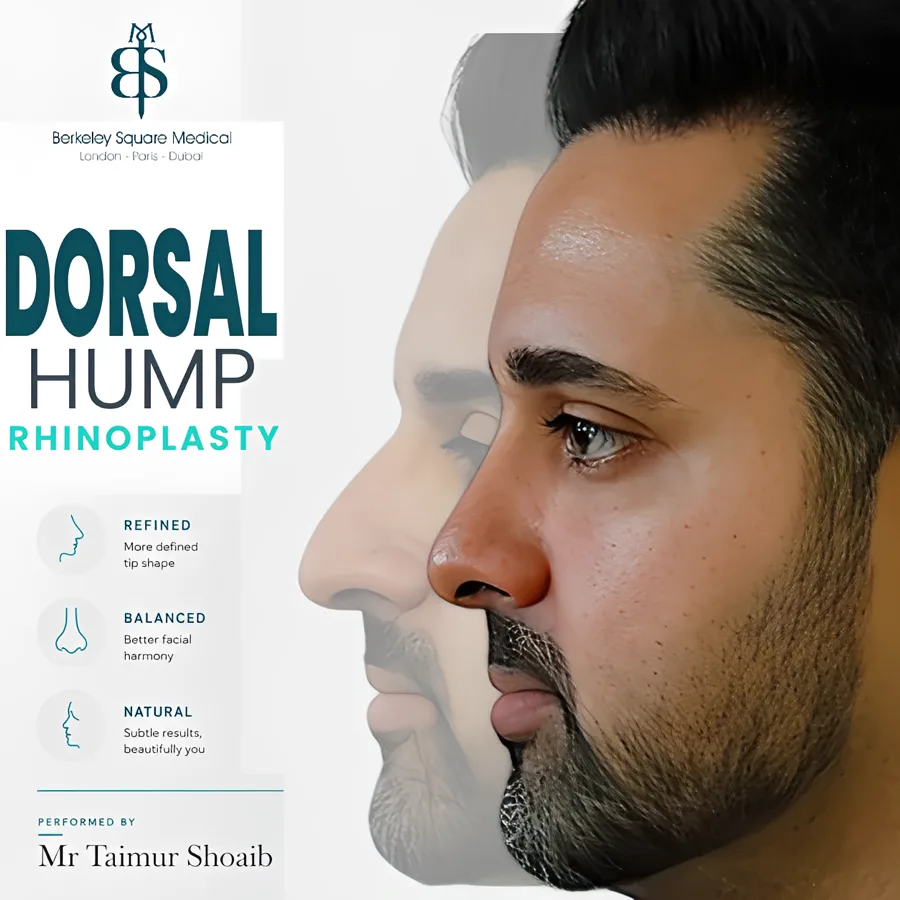 Dorsal Hump RhinoplastyRemoving a bump on the bridge for a straight profile.Read more
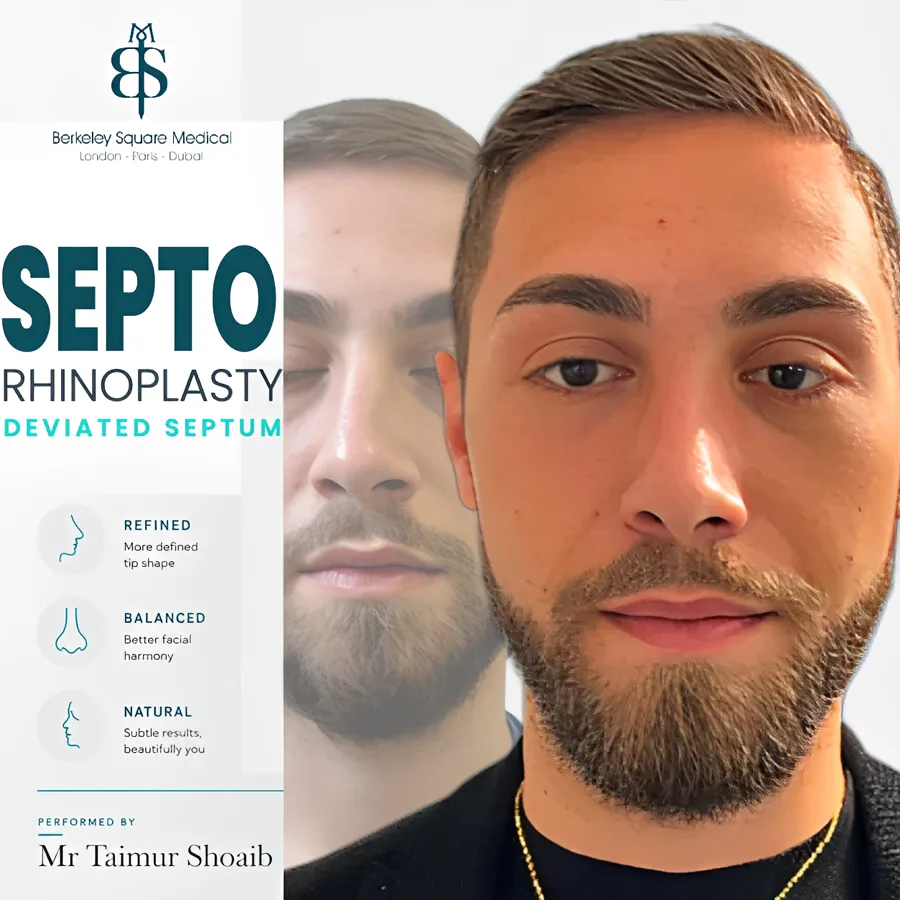 SeptorhinoplastyStraightening the nose and improving breathing.Read more
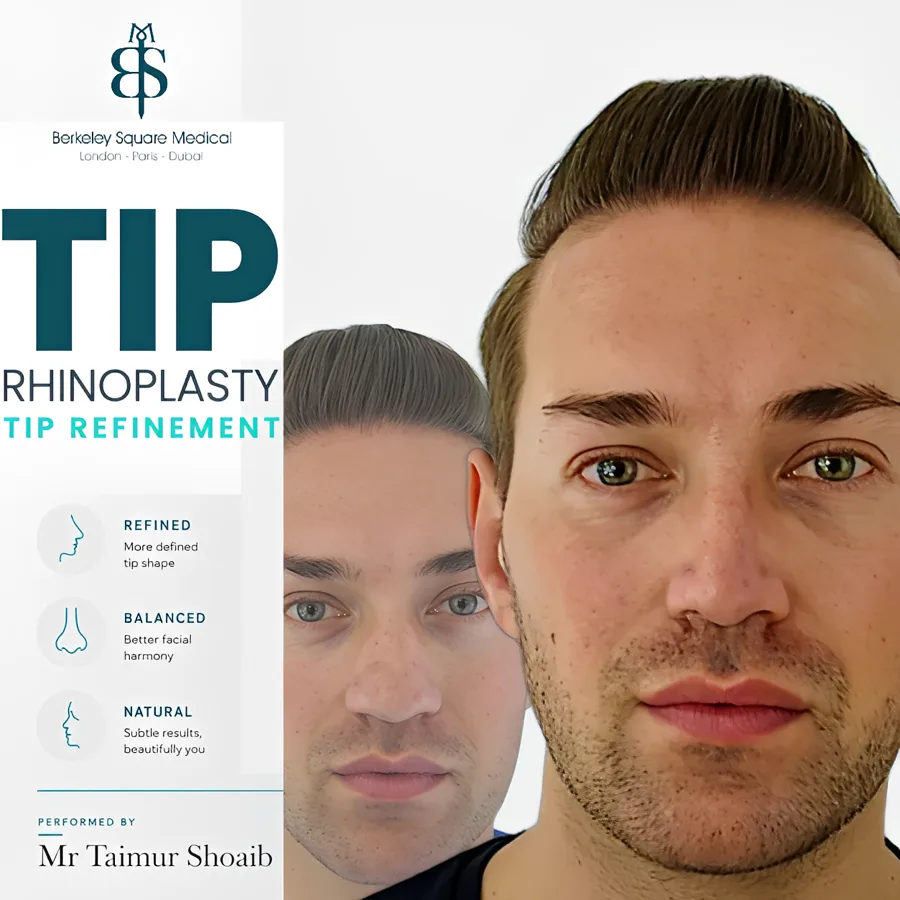 Tip RhinoplastyRefining a bulbous, drooping or asymmetrical tip.Read more
Specialised Rhinoplasty For Females
Explore our specialist procedures. Tap any card to read more.
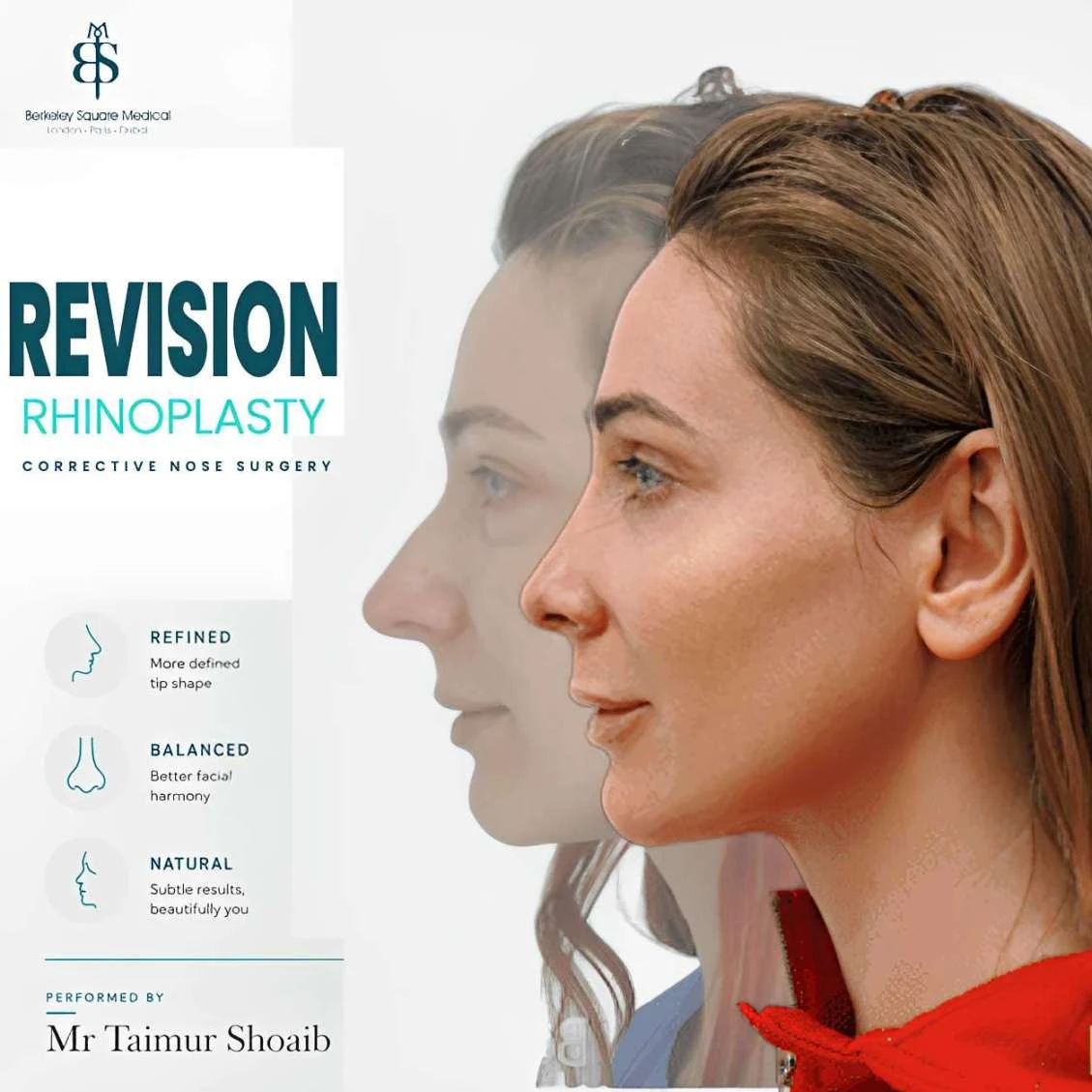 Revision RhinoplastyCorrecting or improving a previous rhinoplasty.Read more
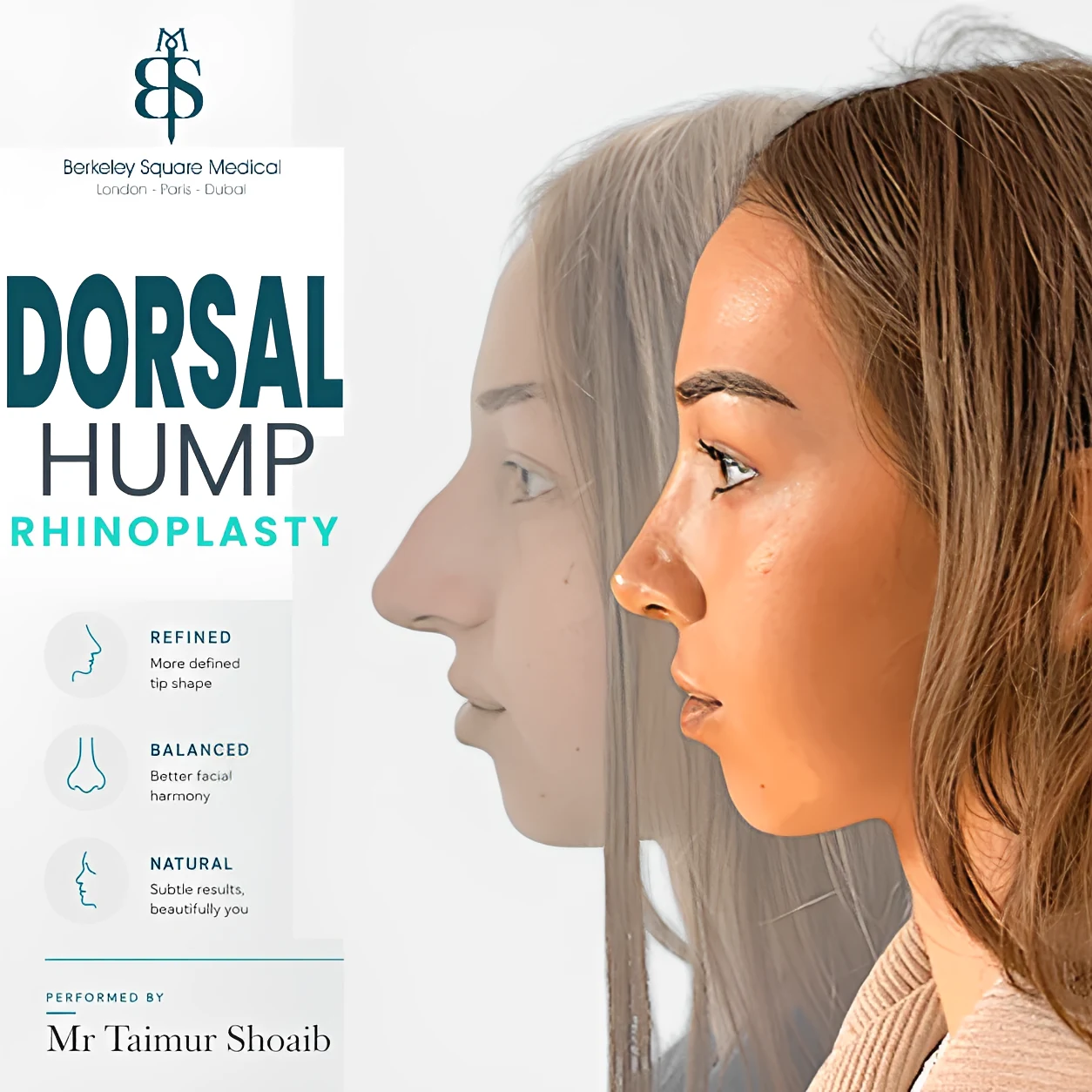 Dorsal Hump RhinoplastyRemoving a bump on the bridge for a straight profile.Read more
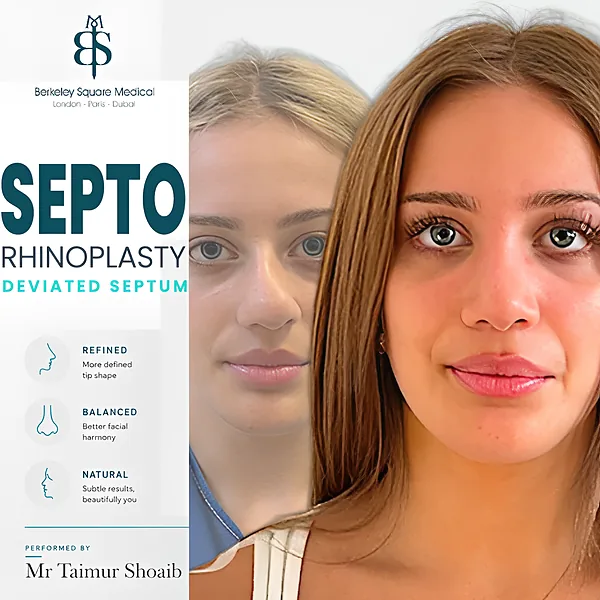 SeptorhinoplastyStraightening the nose and improving breathing.Read more
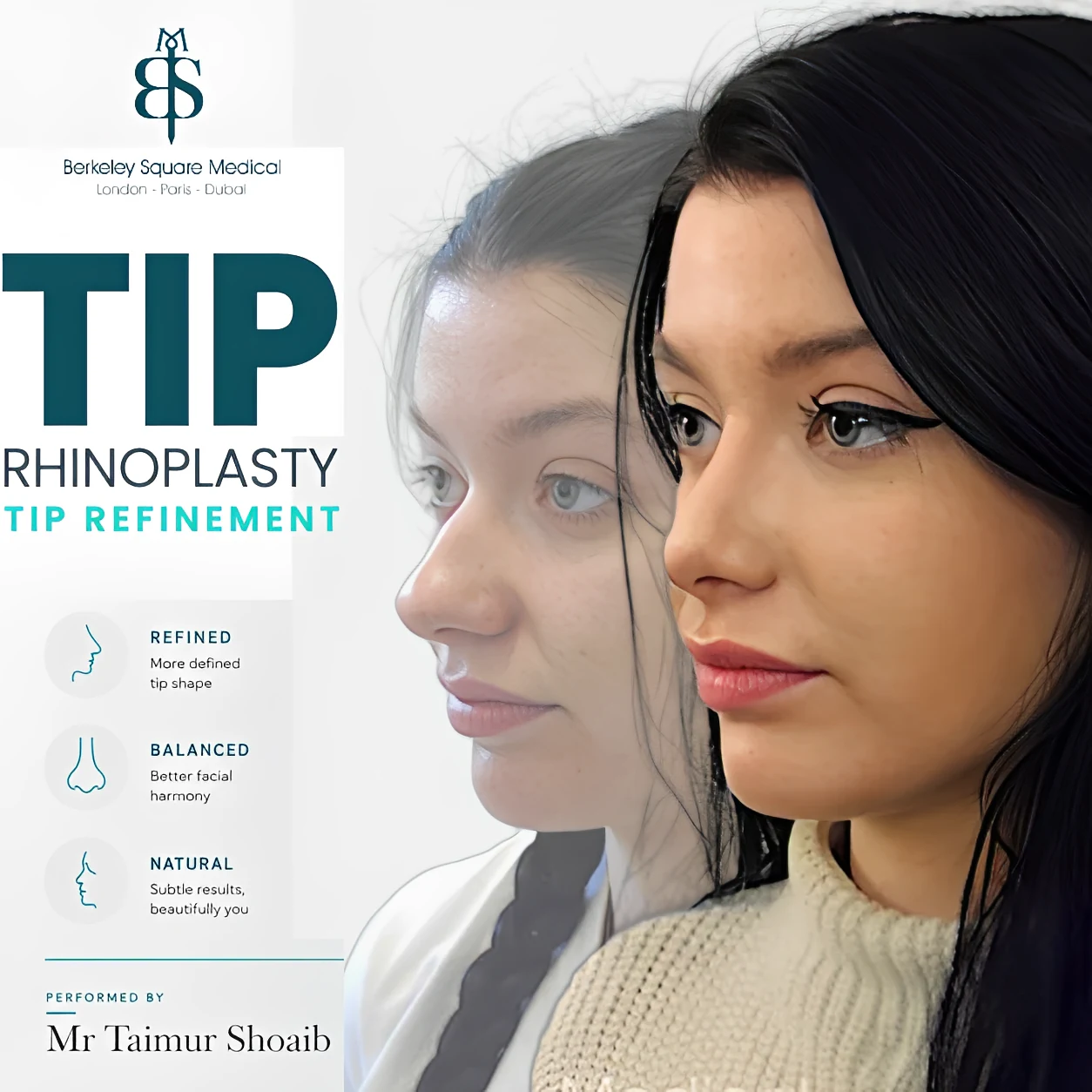 Tip RhinoplastyRefining a bulbous, drooping or asymmetrical tip.Read more
Considering rhinoplasty in London?
If you are weighing up your options in the UK, the next step is a consultation with Mr Taimur Shoaib at 64 Harley Street. Explore rhinoplasty at Berkeley Square Medical, see typical rhinoplasty costs in London, or read about septorhinoplasty in London if breathing is also a concern.
About the author