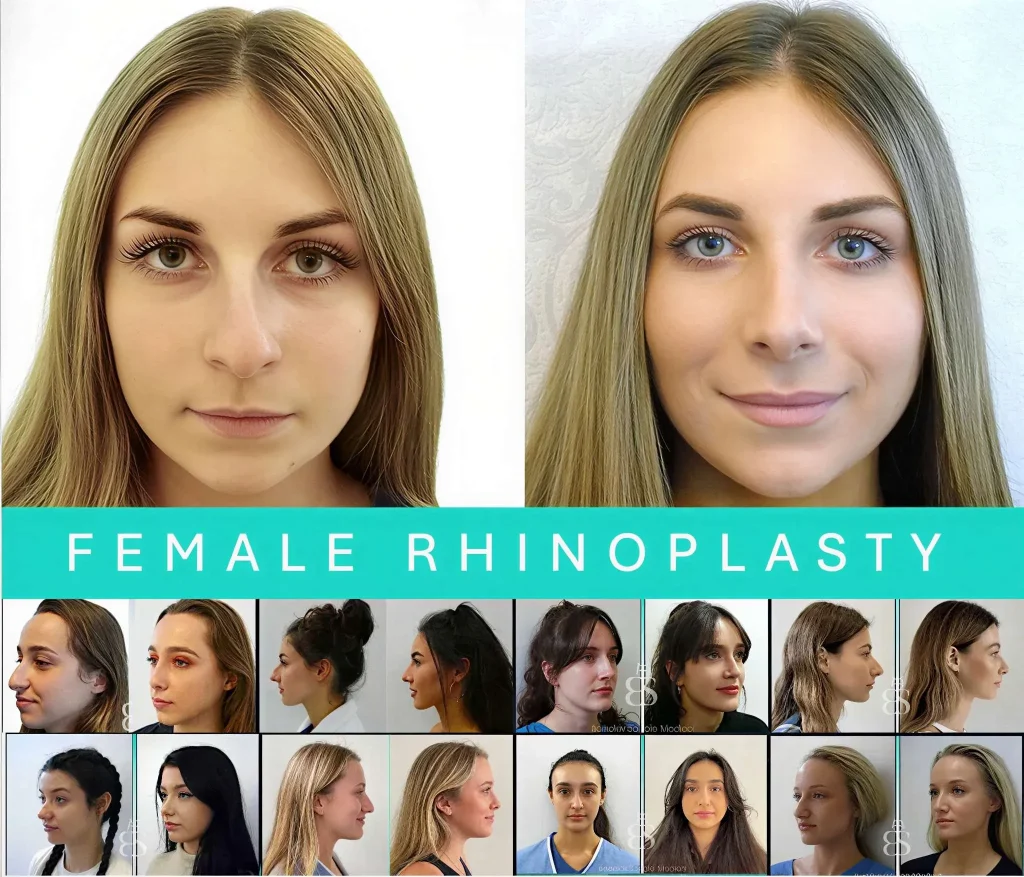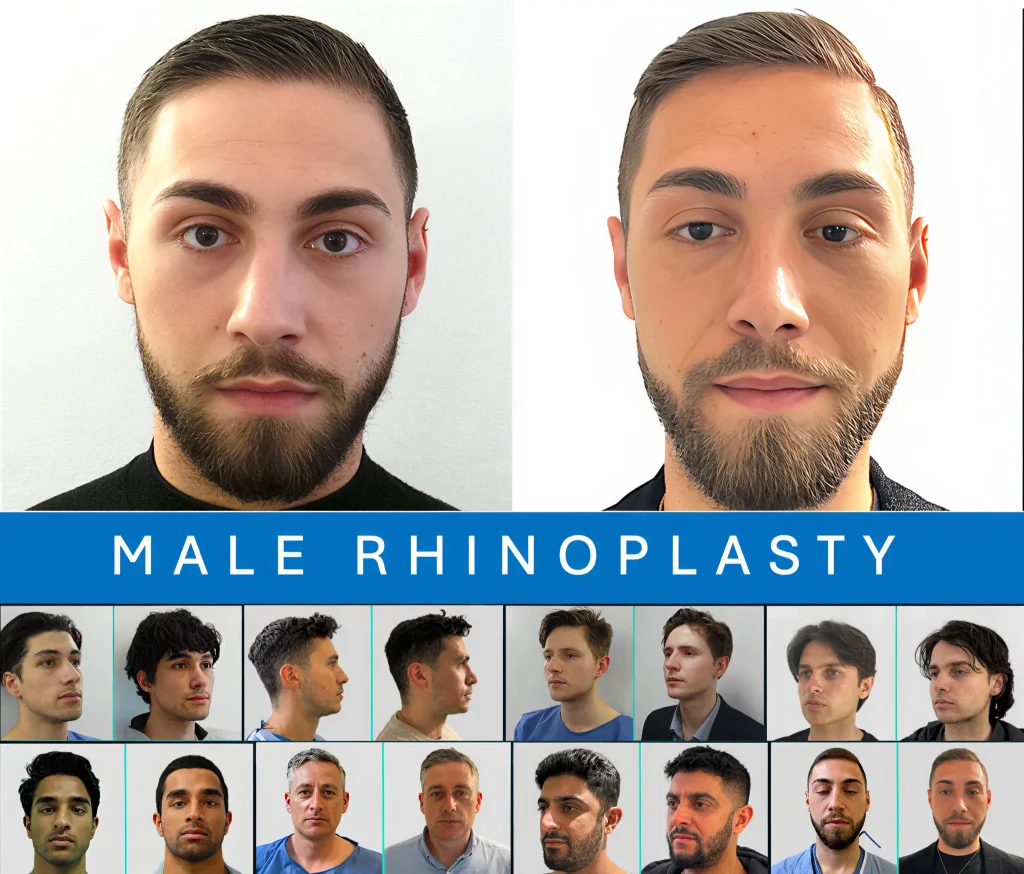

Yes, rhinoplasty can affect your breathing, in both directions. Because the shape of your nose and the airway inside it are so closely linked, an operation that changes the structure of the nose can protect and even improve the airway when it is planned well, or narrow it if it is not. The important thing to understand is that a purely cosmetic nose job is designed to change how the nose looks, not to fix a breathing problem. If your main concern is breathing, the cause is usually structural, most often a deviated septum or a narrow internal valve, and the fix is functional surgery rather than a cosmetic one.
This page answers the common questions about rhinoplasty and breathing honestly, and points you to the right procedure for your situation.
Does rhinoplasty affect breathing?
It can. The framework a surgeon reshapes to change how the nose looks is the same framework that supports the airway, so cosmetic changes and breathing are connected. A carefully planned rhinoplasty by an experienced surgeon protects the airway and can improve it where support is added. Over-reduction or a poorly planned operation can, less commonly, weaken support and make breathing harder. This is why the airway should always be assessed as part of planning any nose surgery, not just the appearance.
Can rhinoplasty improve breathing, or will a nose job help me breathe better?
It depends entirely on what is causing the problem. A purely cosmetic rhinoplasty is not designed to improve breathing on its own. If your breathing is blocked by a structural problem, the airway has to be treated directly. When the wall inside the nose is bent, that is corrected with a septoplasty (deviated septum surgery). When you want to breathe better and change the shape of the nose in the same operation, that is a combined procedure called septorhinoplasty. The right answer is decided after your nose is examined.
What usually causes breathing problems through the nose?
The most common structural cause is a deviated septum, where the partition dividing your nostrils is off-centre and narrows one side. Another common cause is a weak or narrow internal nasal valve, the narrowest part of the airway, which is supported with functional (structural) surgery rather than a septoplasty alone. Not every blocked nose is structural, though. Allergies, nasal polyps and infections can also block the nose, and those are treated medically, not with surgery, so an accurate diagnosis comes first.
Can a previous nose job cause breathing problems?
Occasionally, yes. If a previous rhinoplasty removed too much support or narrowed the airway, breathing can become harder afterwards, a problem known as nose collapse or nasal valve collapse. This is uncommon in experienced hands, but where it happens the airway can usually be rebuilt with functional surgery that restores support while keeping the appearance you want. It is assessed on a case-by-case basis, because every nose and every previous operation is different.
I want to breathe better and change the shape of my nose. Is that one operation?
Often, yes. When you have both a breathing problem and a cosmetic concern, they can usually be treated together in a single operation, a septorhinoplasty, so the nose is only operated on once. The functional part corrects the airway while the cosmetic part refines the shape. This is a common reason people choose a private combined procedure rather than treating the two separately.
How do I know which procedure I need?
Only an examination can tell you for certain, because the right operation depends on where the blockage actually is. At a consultation, your surgeon checks both the outside shape and the inside of your nose, identifies the cause of any breathing difficulty, and explains whether a septoplasty, a cosmetic rhinoplasty, or a combined septorhinoplasty is the right fit. Being clear about your goals, breathing, appearance, or both, helps you get the honest plan that suits you.
Struggling to breathe through your nose?
The first step is an examination to find out exactly what is causing it. If the cause is structural, read about deviated septum surgery (septoplasty) or the combined septorhinoplasty in London that treats breathing and shape together. You can also explore rhinoplasty at Berkeley Square Medical.