
0330 058 0212


Lip augmentation has become one of the most requested aesthetic treatments in London, from subtle lip enhancement to long-lasting surgical options such as lip implants and lip lift surgery. Whether you want to restore lost volume, correct asymmetry, or create a fuller, more defined smile, there are multiple techniques available — each offering different results, costs, and recovery times.
With so many choices, understanding the pros, cons, and expected outcomes is essential before committing to any treatment. This guide explains everything you need to know about lip augmentation in London, including fillers, lip flips, fat grafting, lip implants, and upper lip lift surgery, helping you decide which option best suits your goals.
Lip augmentation can be achieved through fillers, Botox lip flips, fat transfer, implants, or lip lift surgery—each offering different levels of fullness, longevity, and recovery.
Hyaluronic acid fillers remain the most popular option due to their customisation, reversibility, and minimal downtime.
Costs in London vary widely depending on the method, ranging from affordable non-surgical treatments to higher-priced surgical options.
Risks are low when performed by experienced providers, but understanding possible complications—such as swelling, asymmetry, or filler migration—is key to realistic expectations.
Long-term results depend on the technique used; fillers require maintenance, while implants and surgical lifts offer permanent enhancement.
Lip augmentation refers to a range of cosmetic treatments designed to enhance the size, shape, and definition of the lips. Depending on your aims, you can choose temporary non-surgical treatments like hyaluronic acid fillers, semi-permanent procedures such as fat transfer, or permanent options like silicone lip implants or a surgical lip lift.
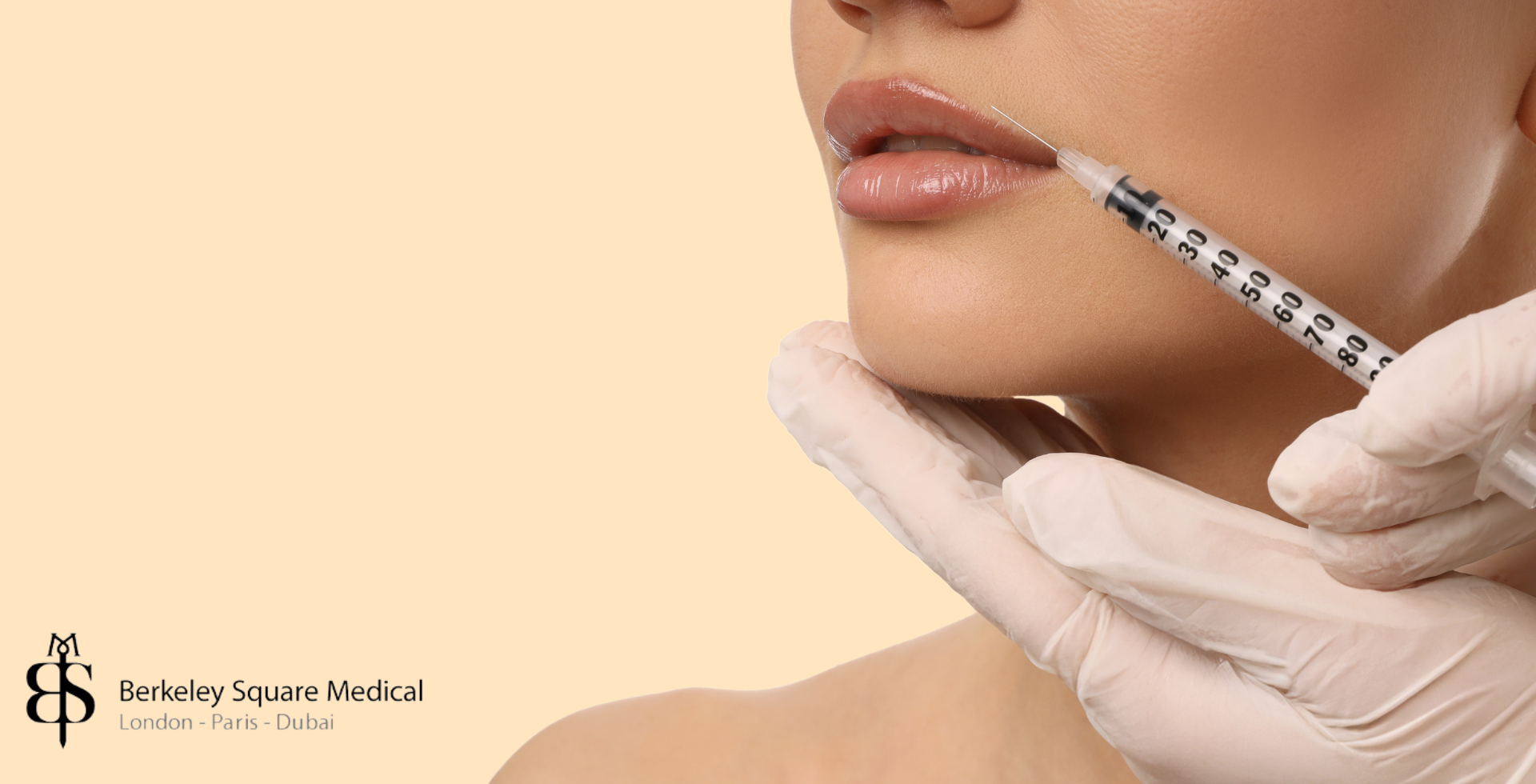
People choose lip augmentation for different reasons: restoring volume lost with age, enhancing naturally thin lips, balancing facial proportions, or simply creating a more defined and youthful look. Treatments are highly customisable, allowing you to achieve subtle or dramatic results based on your individual goals.
People seek lip augmentation for a wide variety of personal reasons. Some want to restore lost volume and youthfulness, while others desire more symmetrical or defined lips. Here are some of the most common motivations:
There are both non-surgical and surgical lip augmentation methods available in London. Each option offers distinct benefits depending on your desired outcome, budget, and tolerance for recovery time.
These are the most commonly used dermal fillers for lip enhancement. Hyaluronic acid is a natural substance that attracts moisture, making it ideal for creating soft, plump lips. Brands like Juvéderm, Restylane, and Teosyal are frequently used.
Pros:
Cons:
Most HA fillers also contain lidocaine, a local anaesthetic that minimises discomfort during the injection process.
A lip flip uses small amounts of Botox to relax the muscles around the upper lip, allowing it to roll slightly outward and appear fuller. It’s ideal for patients who want a subtle enhancement without adding volume.
Pros:
Cons:
It’s a great introductory option or complementary treatment to fillers.
In this technique, fat is harvested from another part of your body (like your abdomen or thighs), processed, and injected into your lips.
Pros:
Cons:
Patients often choose fat grafting when they’re looking for a more permanent, natural option.
Lip implants offer a permanent solution for patients who want consistent, long-lasting lip volume without the need for repeated filler injections. The most common type used in the UK is the Permalip silicone implant — a soft, flexible, medical-grade implant designed to mimic natural tissue and move naturally with the lips.
Lip implant surgery is ideal for people who have tried fillers but want a more predictable, stable enhancement, or those seeking upper lip augmentation with lasting definition.
Pros:
Cons:
Lip implant surgery is a minor surgical procedure performed under local anaesthetic. Here’s what happens:
Small incisions are made at the corners of the mouth.
A tunnel is created within the lip to perfectly position the implant.
The selected implant size (small, medium, or large) is inserted.
The incisions are closed with dissolvable stitches.
The entire procedure takes about 20–30 minutes and can be performed on the upper lip, lower lip, or both depending on your goals.
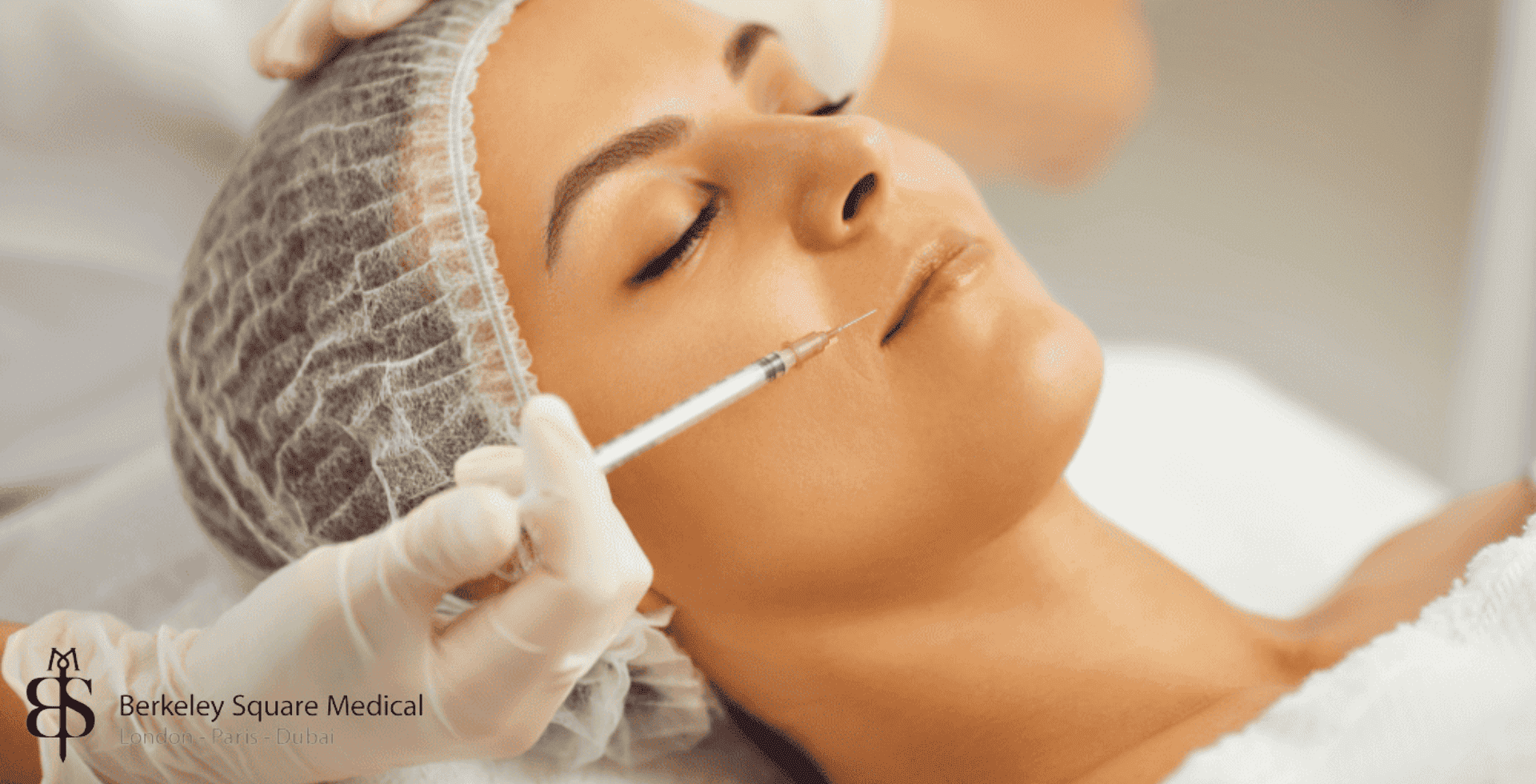
A lip lift shortens the distance between the nose and the upper lip, making the upper lip appear fuller and more defined.
Pros:
Cons:
It’s ideal for patients with an elongated upper lip or those looking for a more youthful smile.
With so many lip enhancement treatments available, it can be difficult to know which option best suits your goals, budget, and preferred level of maintenance. Whether you’re considering temporary lip fillers, long-lasting fat transfer, or permanent lip implants, each technique offers unique advantages. The comparison table below outlines the key differences to help you make an informed, confident decision about your lip augmentation journey.
| Feature | Lip Implants | Hyaluronic Acid Fillers | Fat Transfer (Fat Grafting) |
|---|---|---|---|
| Longevity | Permanent | 6–12 months | Several years (some fat reabsorbs) |
| Procedure Type | Surgical | Non-surgical | Minor surgical (liposuction + injections) |
| Best For | Long-term volume; consistent shape | Subtle, adjustable enhancement | Natural, fuller lips with your own tissue |
| Downtime | 3–7 days | 0–48 hours | 5–10 days |
| Reversibility | Fully removable | Fully dissolvable with hyaluronidase | Partially reversible (fat may reabsorb) |
| Feel & Texture | Soft, stable shape | Soft and natural | Very natural (your own fat) |
| Risks | Implant shifting, infection (rare) | Swelling, bruising, filler migration | Fat reabsorption, asymmetry |
| Cost (London) | £2,500–£4,000 | £200–£500 per ml | £2,000–£3,500 |
| Maintenance | None | Repeat every 6–12 months | Minimal (once settled) |
Your journey begins with a consultation with a medically qualified practitioner. During this meeting, you’ll:
This step is crucial for setting realistic expectations and ensuring your desired look aligns with your facial structure.
Follow your practitioner’s aftercare instructions closely to ensure proper healing and optimal results.
You may be a good candidate for lip augmentation if you:
Lip augmentation may not be suitable if you have:
An experienced provider will assess your suitability and guide you through the best options for your situation.
While lip augmentation is generally safe when performed by a qualified practitioner, it’s not without potential risks. Understanding these is important:
Common Side Effects:
Less Common Risks:
Surgical Risks:
Minimise your risk by:
London is home to some of the UK’s top cosmetic clinics and practitioners, but the industry is still partially unregulated. Here’s how to choose wisely:
Accredited clinics and practitioners will always prioritise patient safety and satisfaction.
Here’s a breakdown of typical price ranges:
Additional costs may include consultations, follow-up appointments, and dissolving fillers if needed. Always ensure you receive a full breakdown of pricing before proceeding.
Some clinics also offer payment plans or financing options to spread out the cost.
To maintain results:
Having regular check-ins with your provider helps monitor results and address any changes.
Most lip fillers last 6 to 12 months, depending on the type of hyaluronic acid filler used, your metabolism, and lifestyle factors such as exercise, smoking, and sun exposure. Some patients may see results fade sooner, while others enjoy longer-lasting volume.
Lip augmentation is generally well tolerated. Most clinics use topical numbing cream and fillers that contain lidocaine to minimise discomfort. You may feel light pressure or a brief sting, but the procedure is typically quick and manageable.
Yes. Hyaluronic acid fillers can be safely dissolved using hyaluronidase, an enzyme that breaks down the filler within minutes. This option provides reassurance for patients trying lip augmentation for the first time or wanting adjustments.
You must be at least 18 years old to receive cosmetic treatments such as lip fillers or Botox in the UK. Reputable practitioners will request proof of age and will not treat minors.
Choose a practitioner who is GMC-, NMC-, or GDC-registered and trained in medical aesthetics. Look for clinics with verified reviews, before-and-after photos, and transparent information about qualifications, products, and aftercare. Always avoid unregulated providers.
Yes — in the hands of an experienced injector, lip augmentation can look subtle, balanced, and natural. A skilled provider will enhance your lip shape while maintaining harmony with the rest of your facial features.
You can avoid an overfilled appearance by choosing a conservative approach, starting with small amounts of filler, and working with a practitioner who prioritises proportion and symmetry. Good technique and correct filler placement are key to natural results.


Patient Journey We are here to guide you to make the right decision for your well-being. If you are considering an aesthetic change to your appearance, we know that it’s one of the most important and personal decisions you wish to make. Therefore you need to be certain that the medical advice you receive is […]

Patient Aftercare All cosmetic surgery procedures at Berkeley Square Medical come with a comprehensive aftercare package and a 24-hour service so you can be assured you are always under the care and guidance of our surgical team. All your immediate aftercare is included in the cost of your surgery so there are no hidden extras in our […]

If you are considering Cosmetic Surgery, we understand that it's probably one of the most important decisions you're likely to make, therefore, you need to be sure it's right for you and you receive professional and independent advice about your procedure.

Our Philosophy We began our journey setting foot in the highly fashionable area of Berkeley Square, Mayfair where luxury fashion, galleries and five-star hotels all conveniently meet to set the example for world-leading client services and experience. Our goal was to create a cosmetic surgery practice that would not only exceed patients’ expectations but provide […]

