0330 058 0212
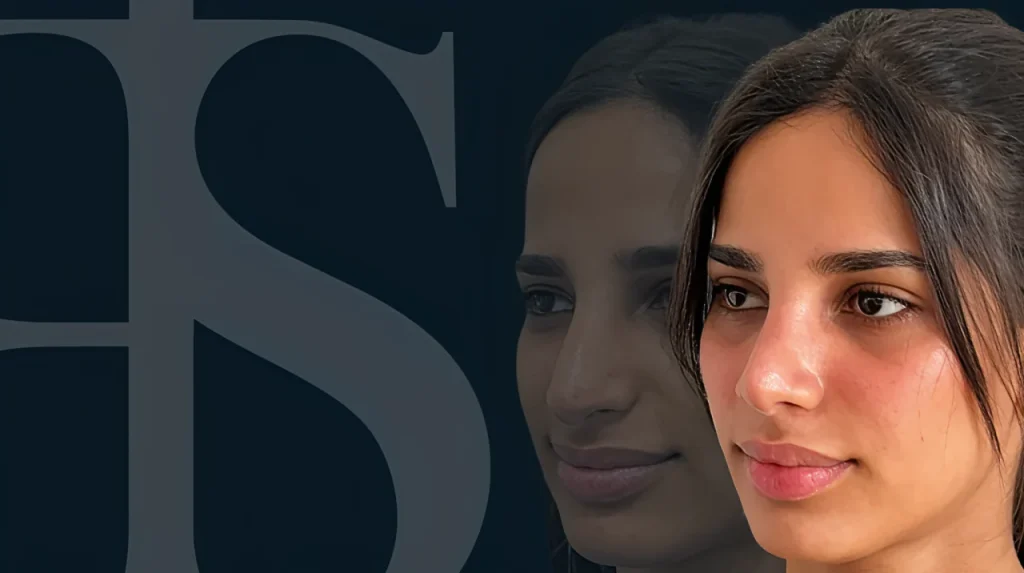
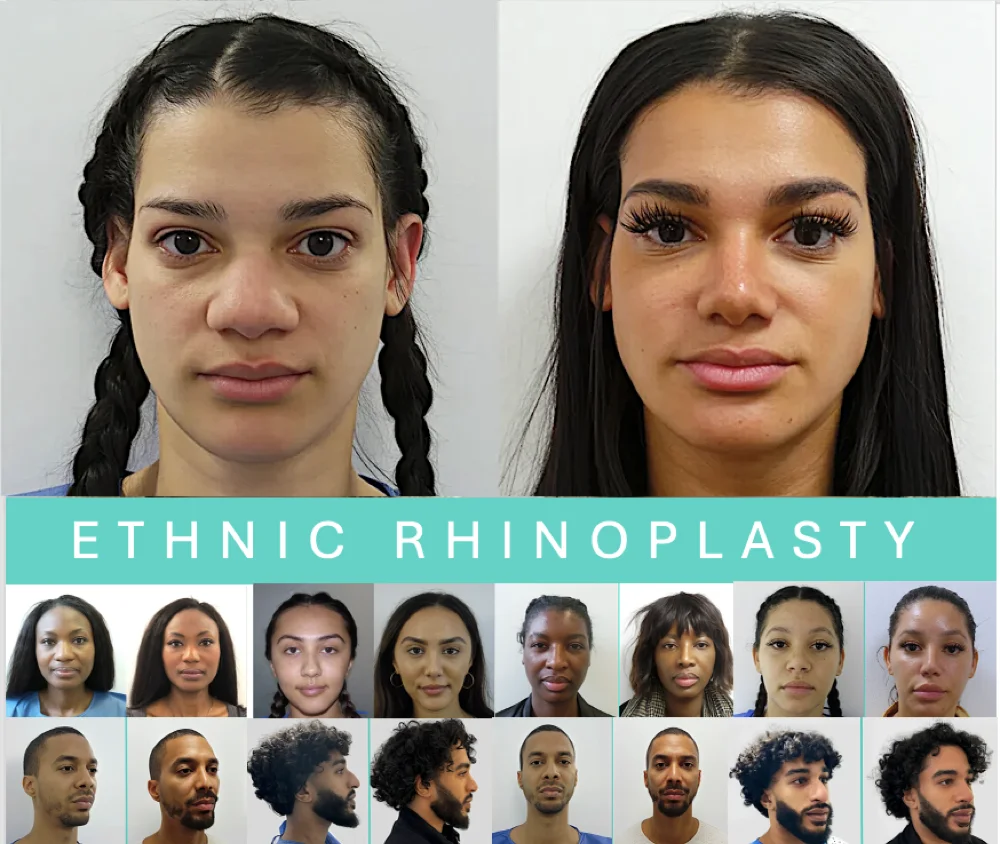
Arabic Rhinoplasty, often categorised under the broader umbrella of Ethnic Rhinoplasty, is a highly specialised discipline. For many Middle Eastern patients, the goal of surgery isn't a radical transformation into a "Westernised" aesthetic, but rather a sophisticated refinement of their natural features.
While the underlying anatomy of the Middle Eastern nose shares common traits, the aesthetic goals are highly personal. At Berkeley Square Medical, we provide a specific approach to ensure every result is balanced, natural, and perfectly suited to the individual.
Your procedure is led by an internationally published rhinoplasty surgeon.
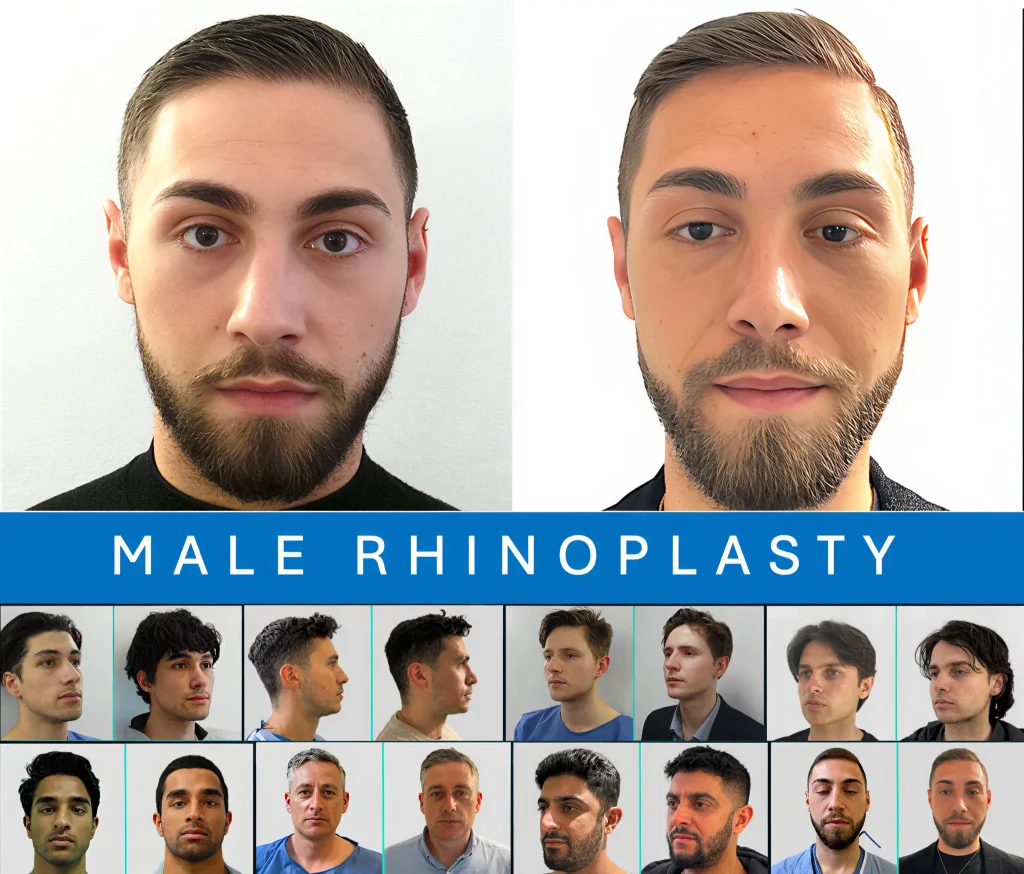
Considering these features helps ensure the final result remains true to the patient's ethnic background while achieving their aesthetic goals. Male patients also often suffer from a deviated septum or crooked nasal profile. Rhinoplasty can improve both the appearance of your nose and your breathing function. An experienced rhinoplasty surgeon should address any irregularities in breathing whilst changes to the size of the nose are made, within the same surgery.
Elegance in Every Angle: Natural Results Tailored to the Arabic Aesthetic.
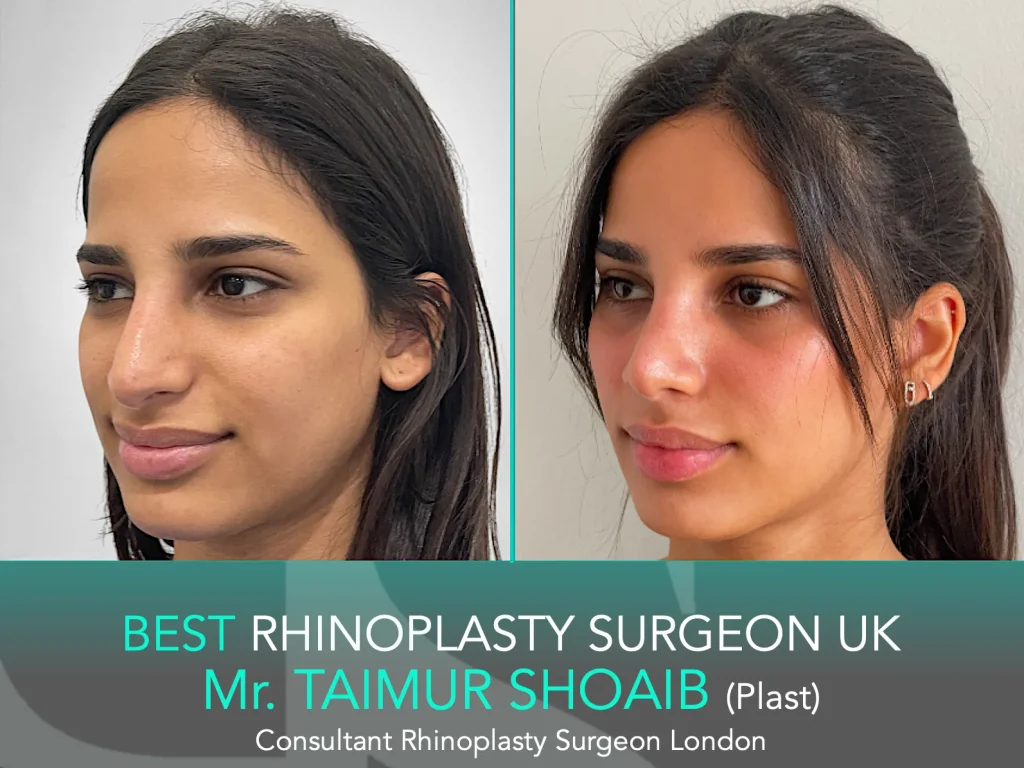
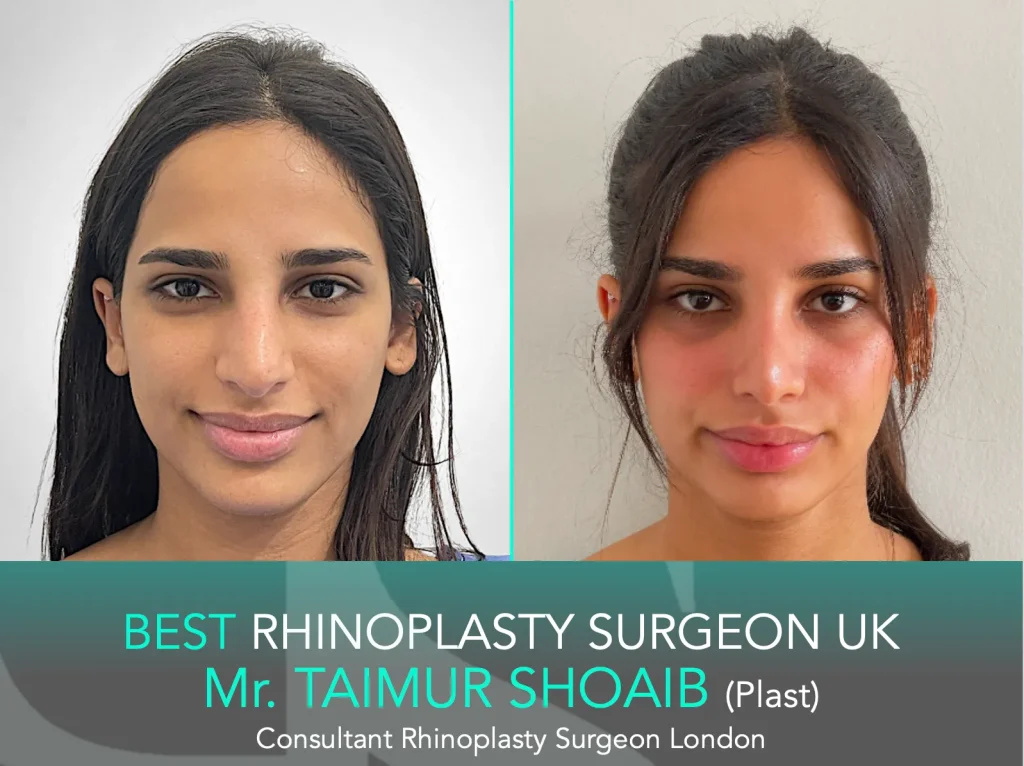
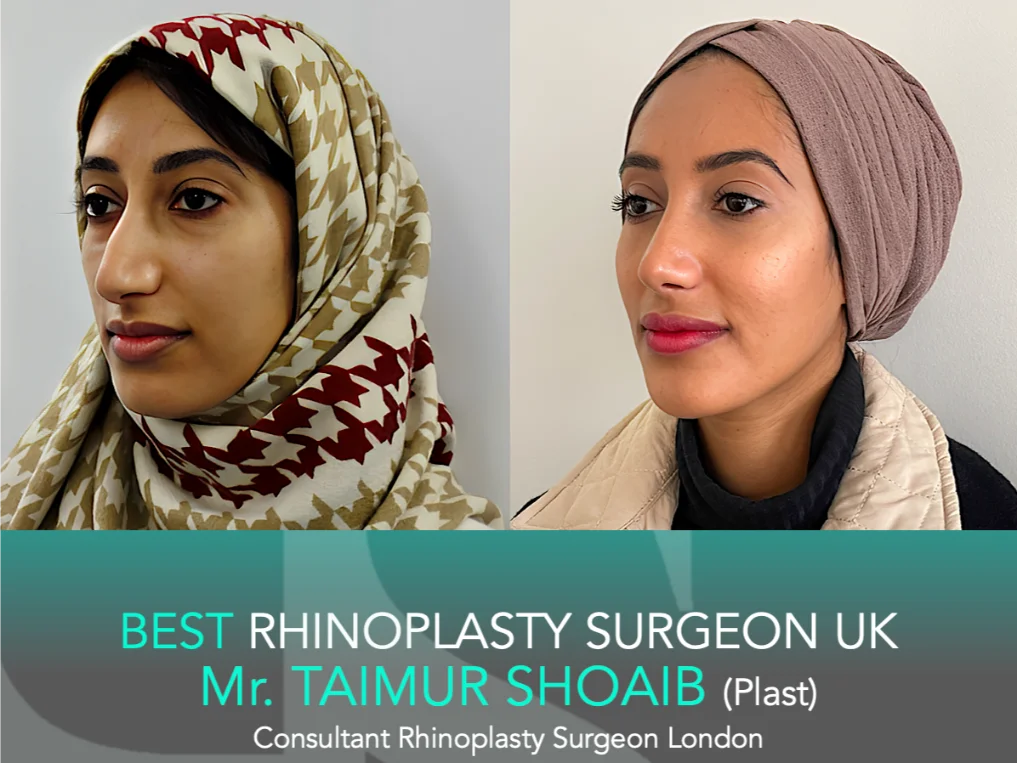
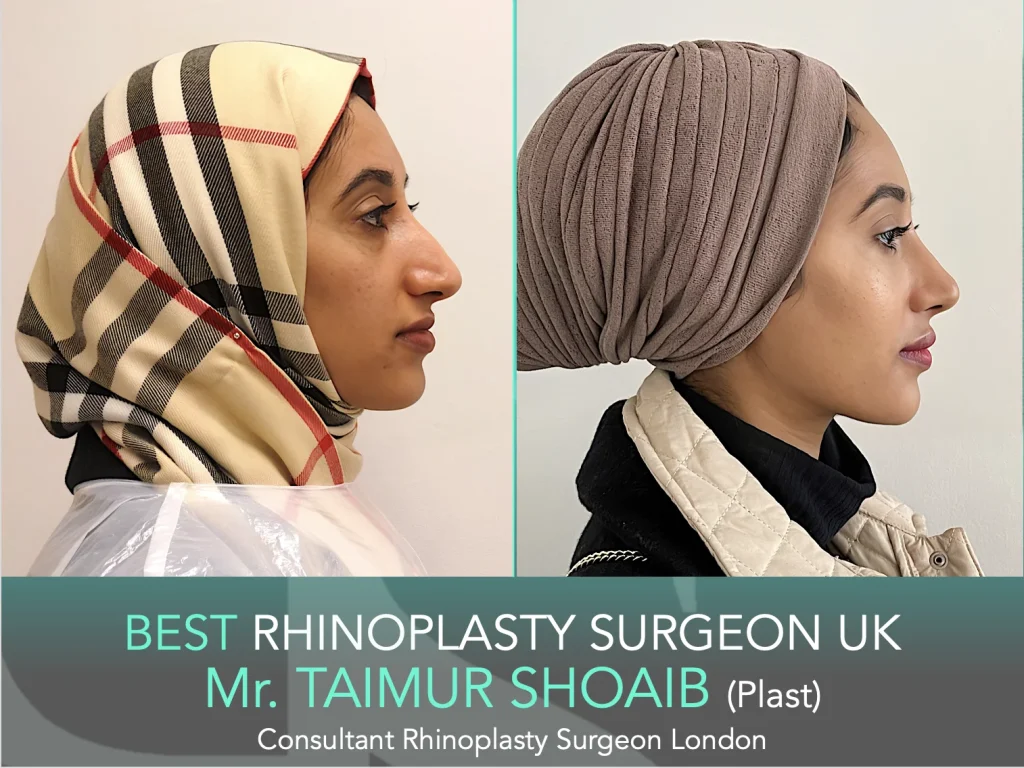
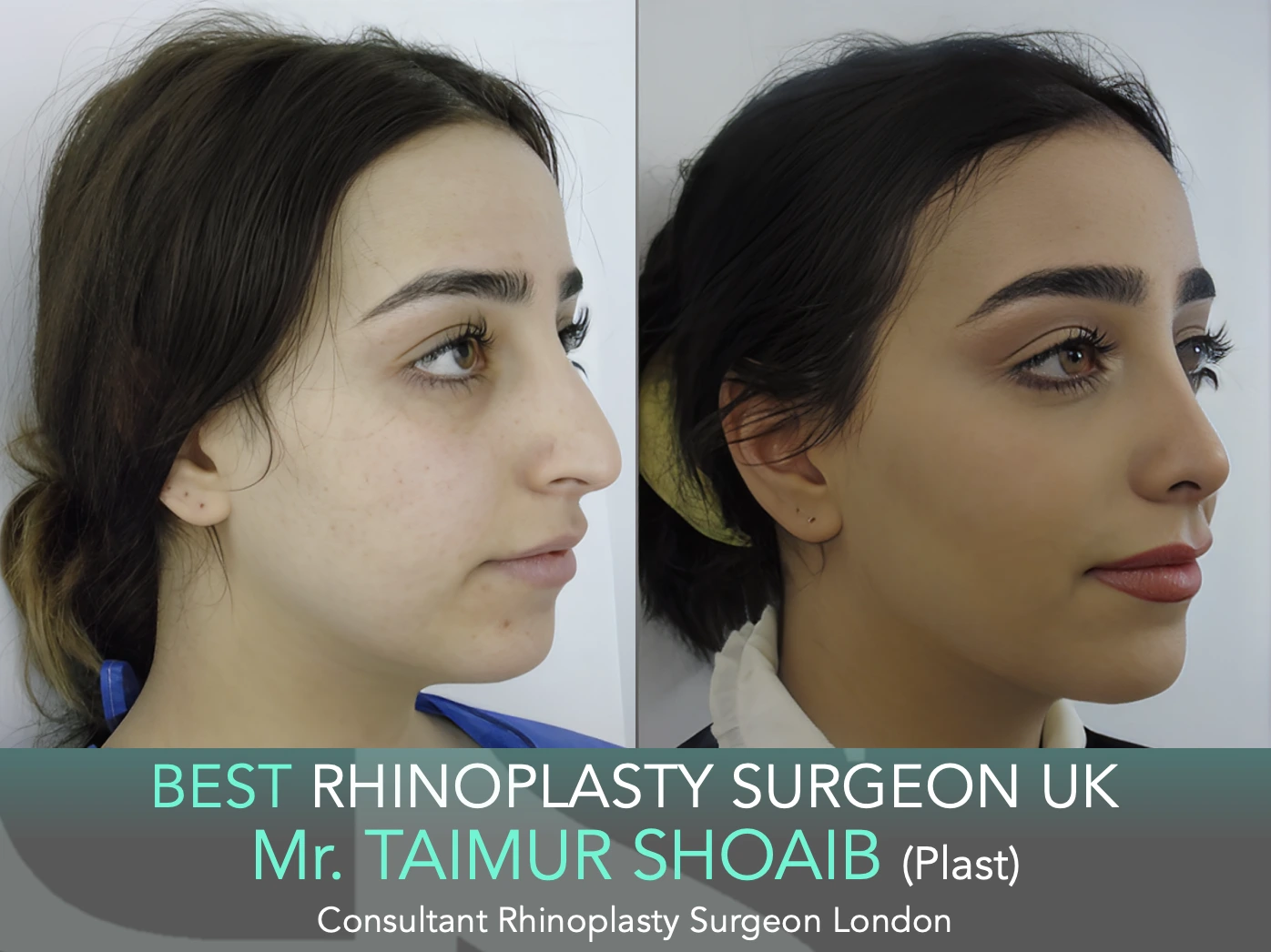
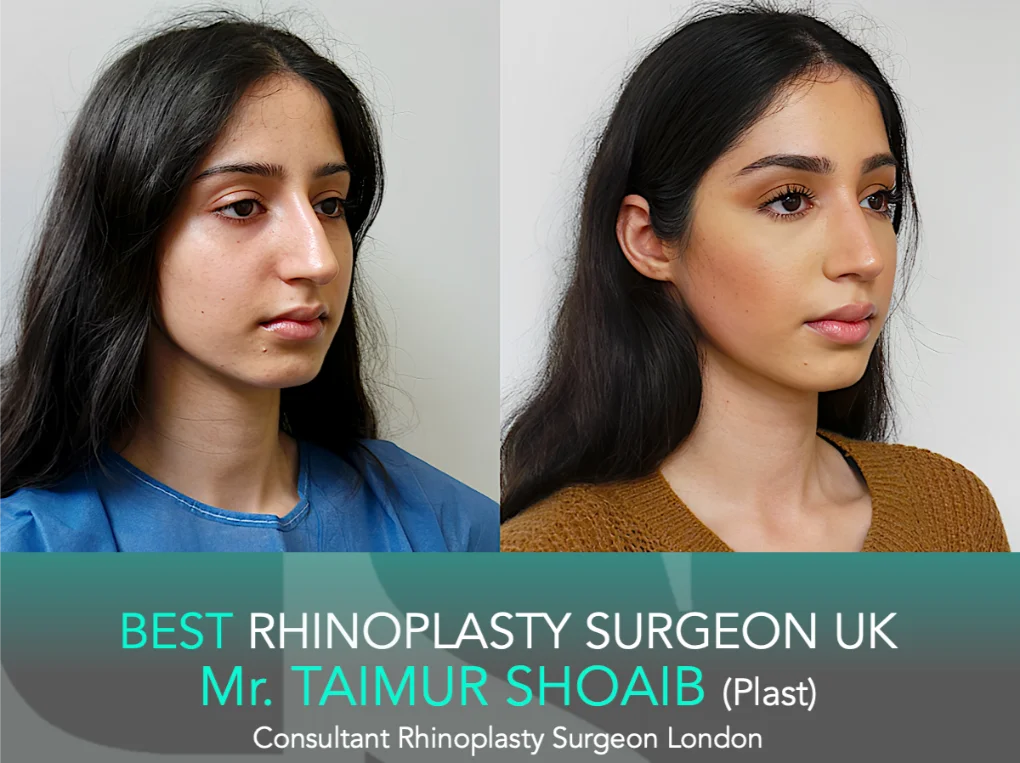
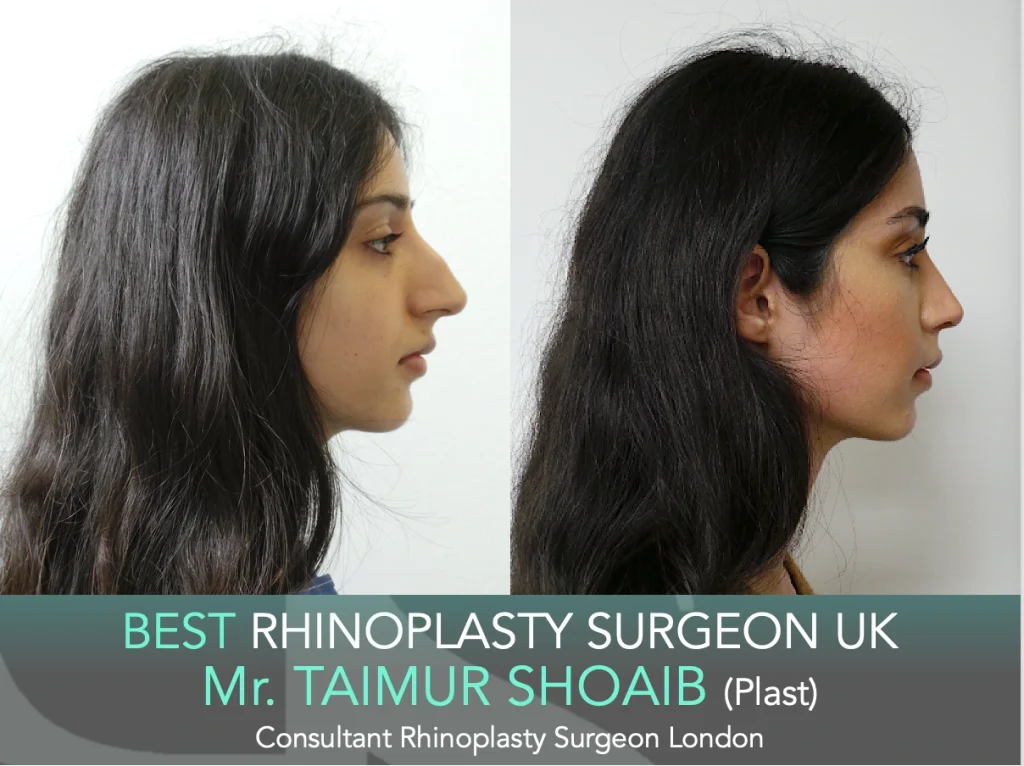
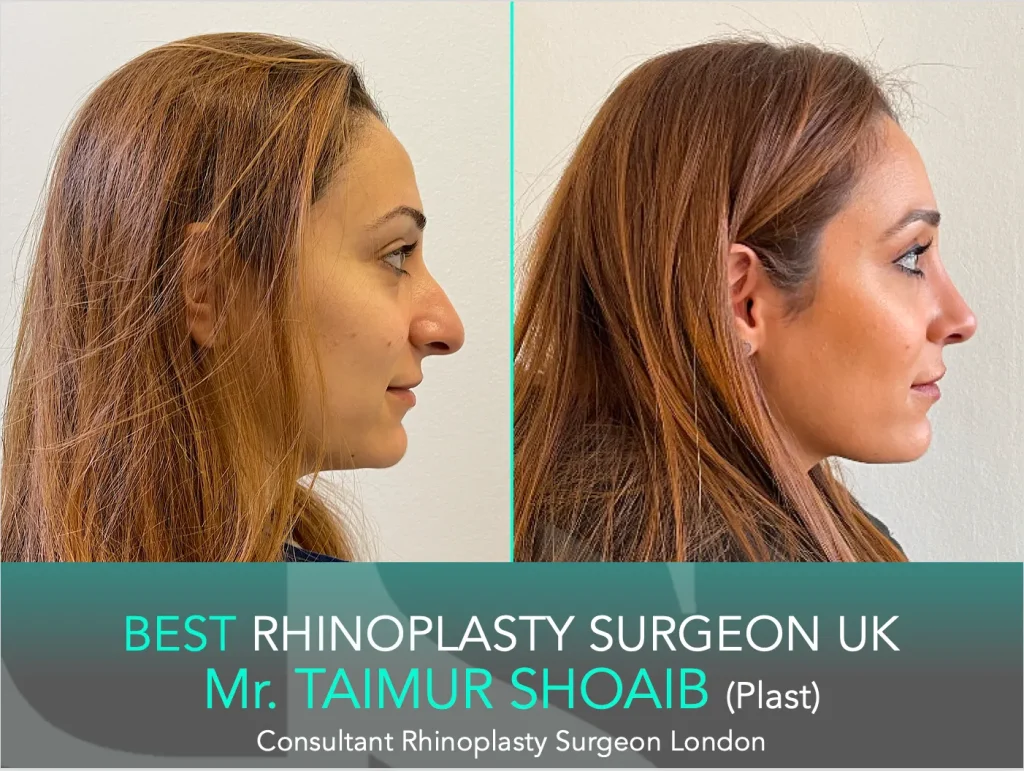
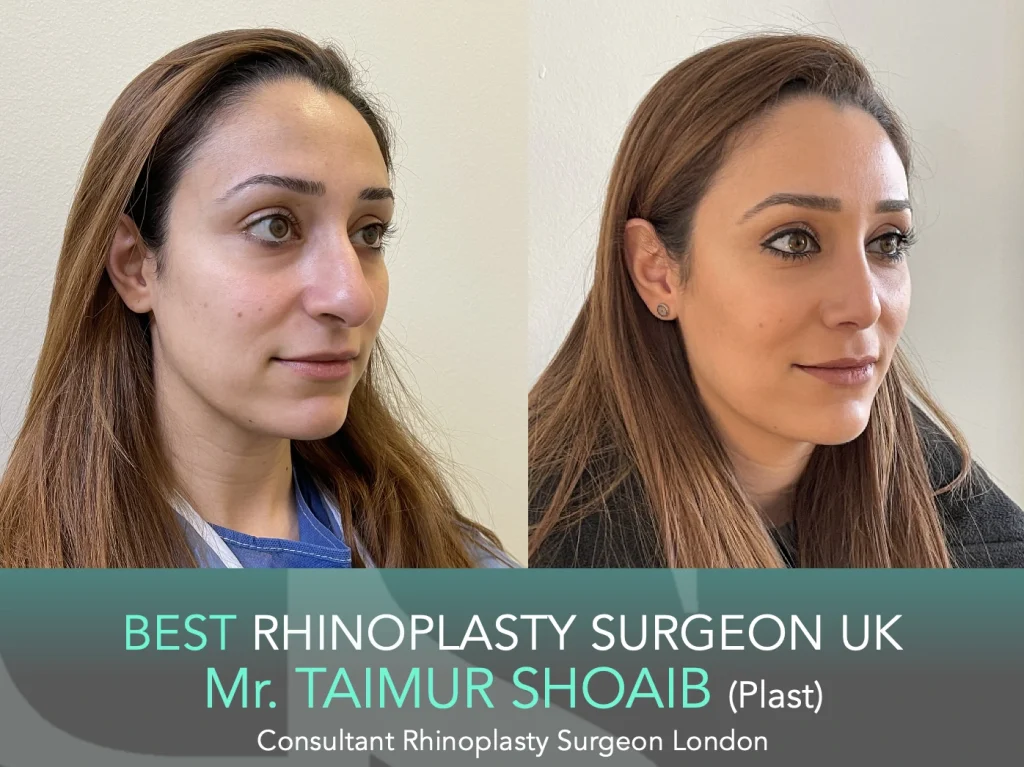
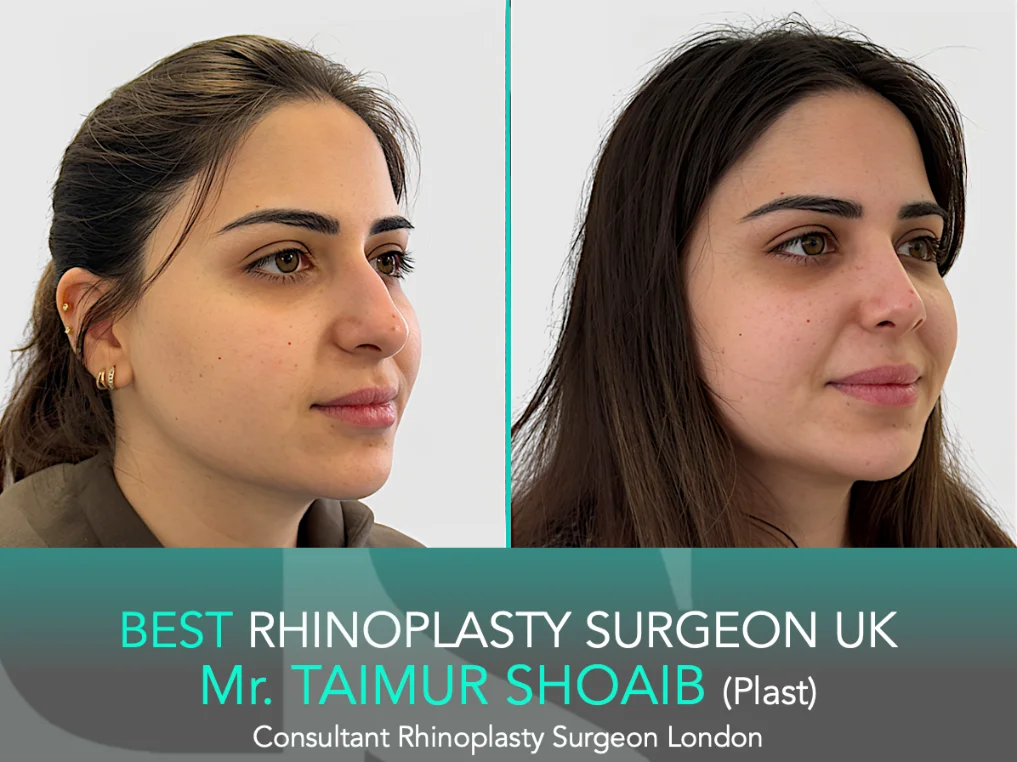
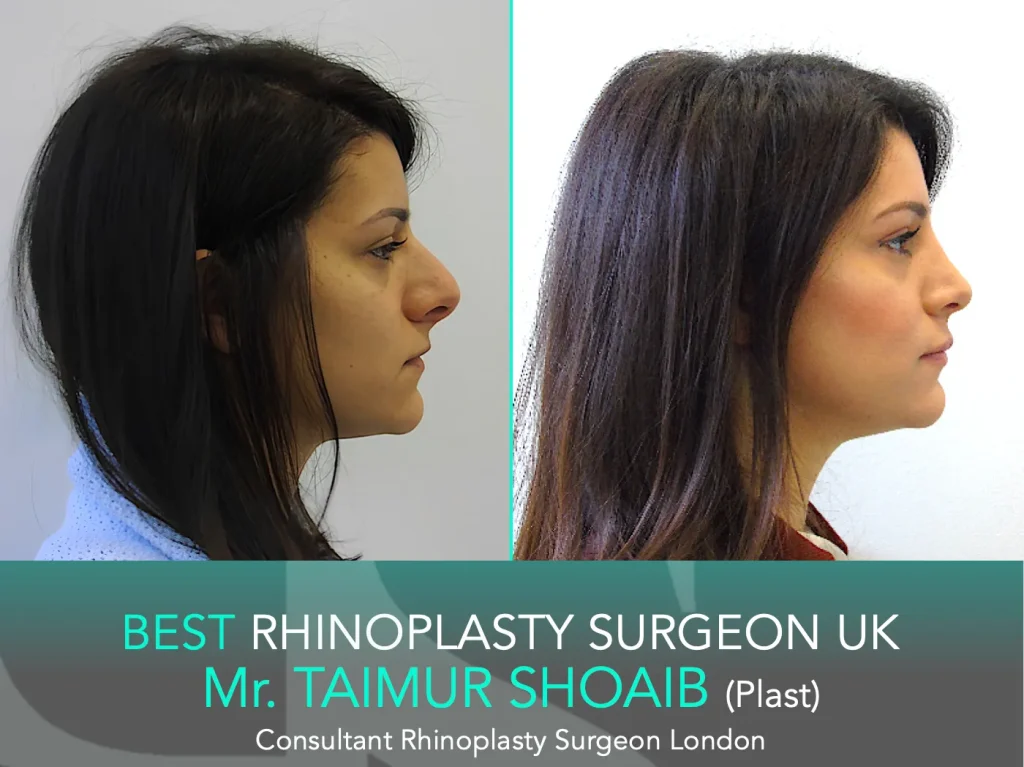
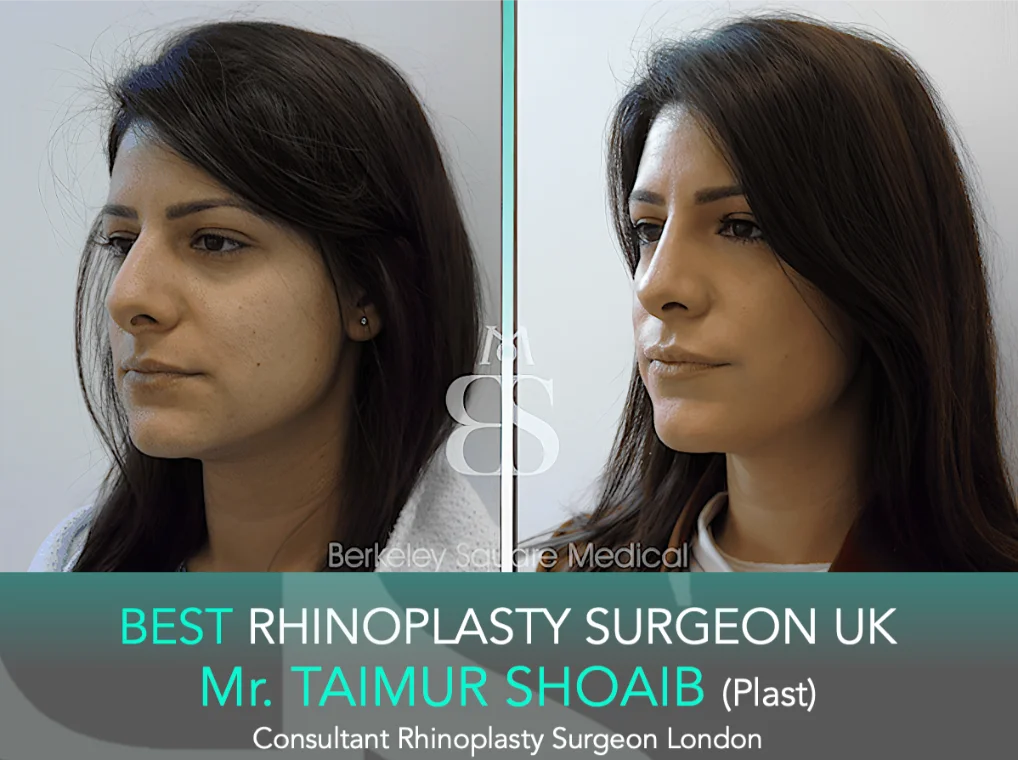
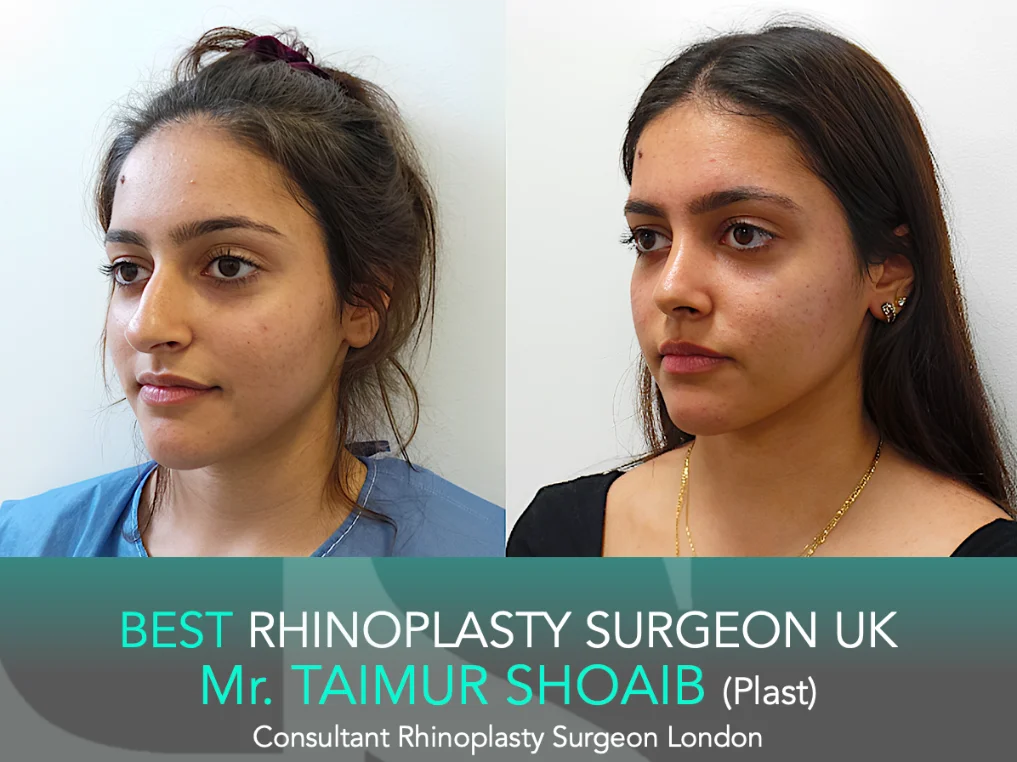
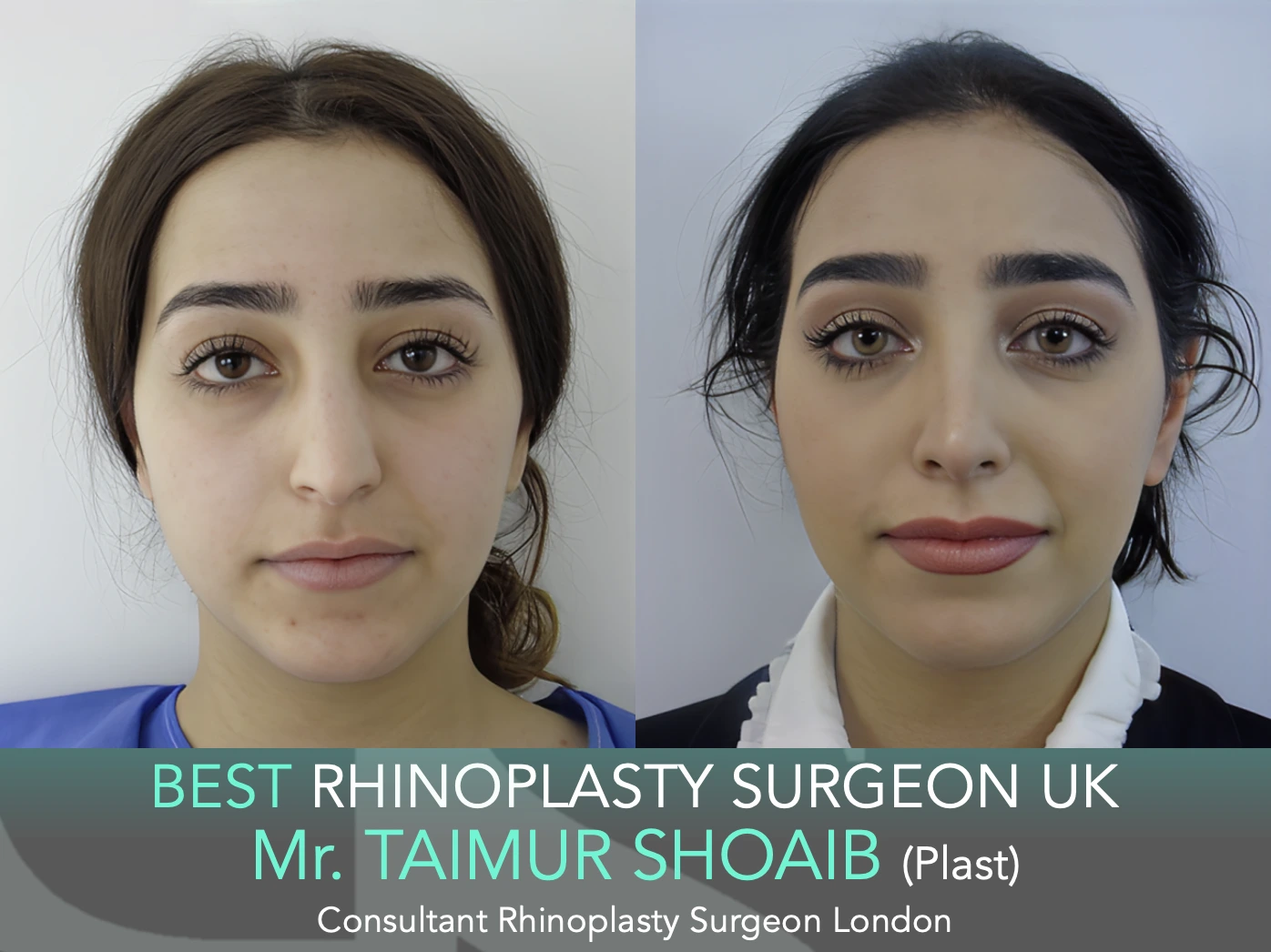
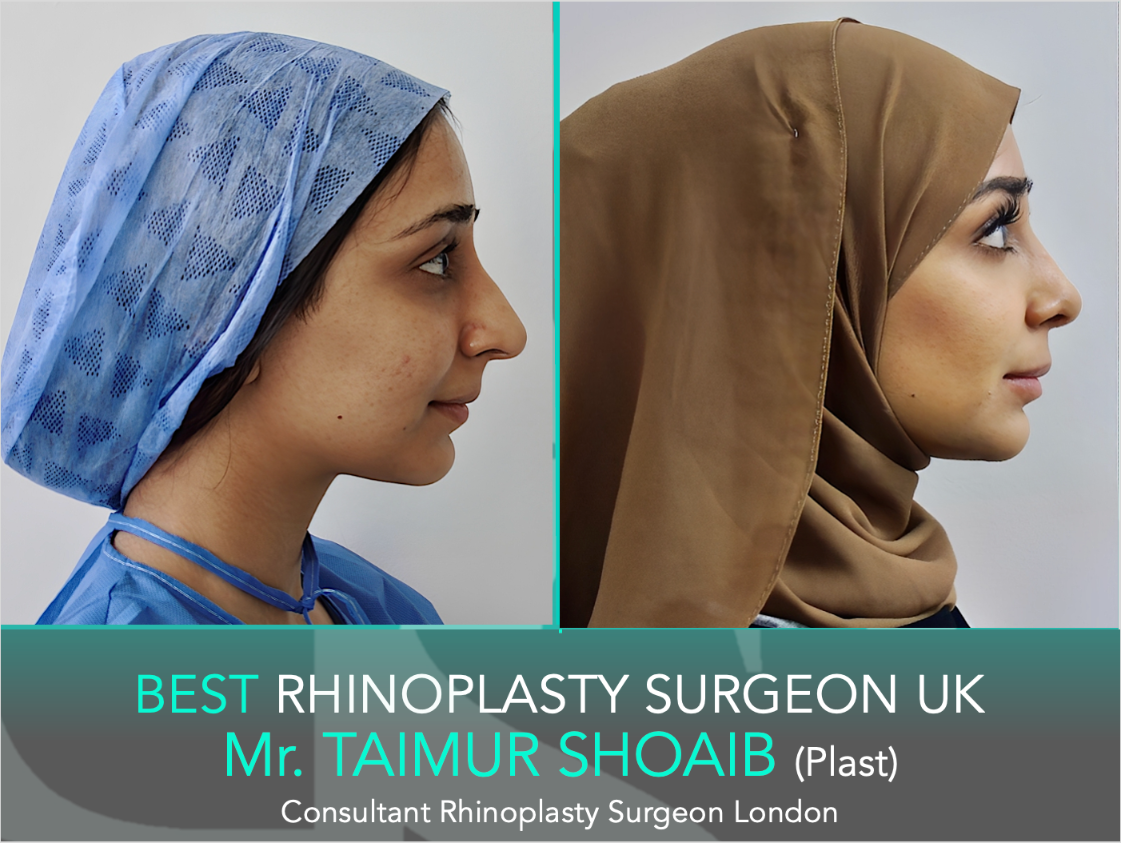
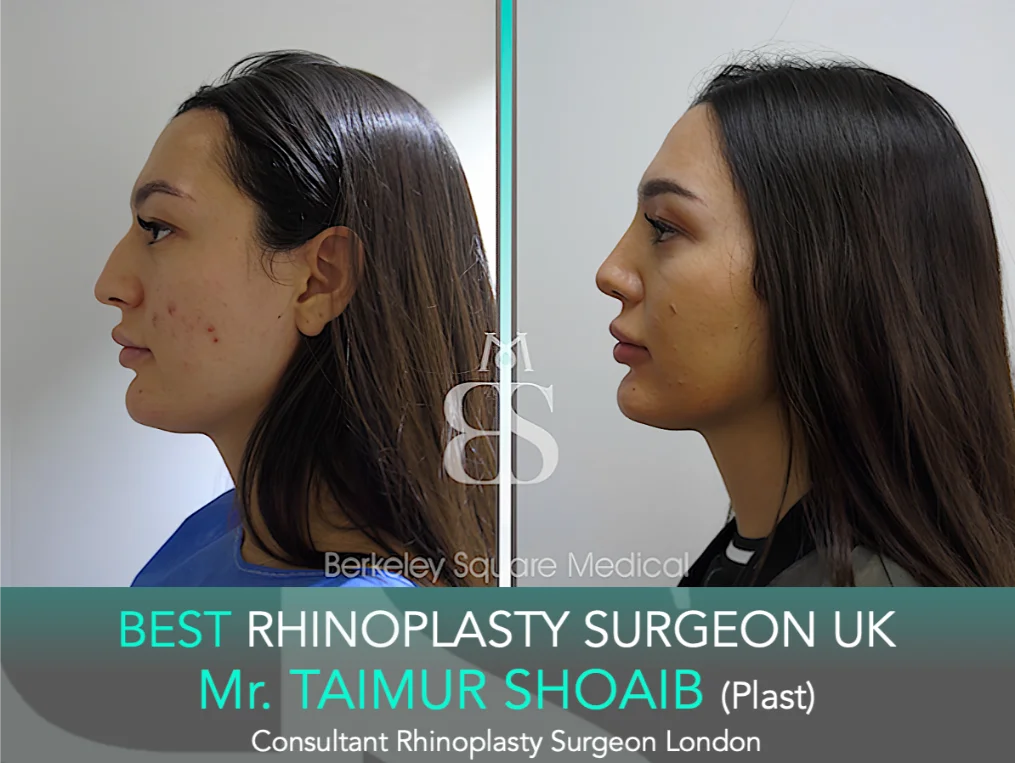
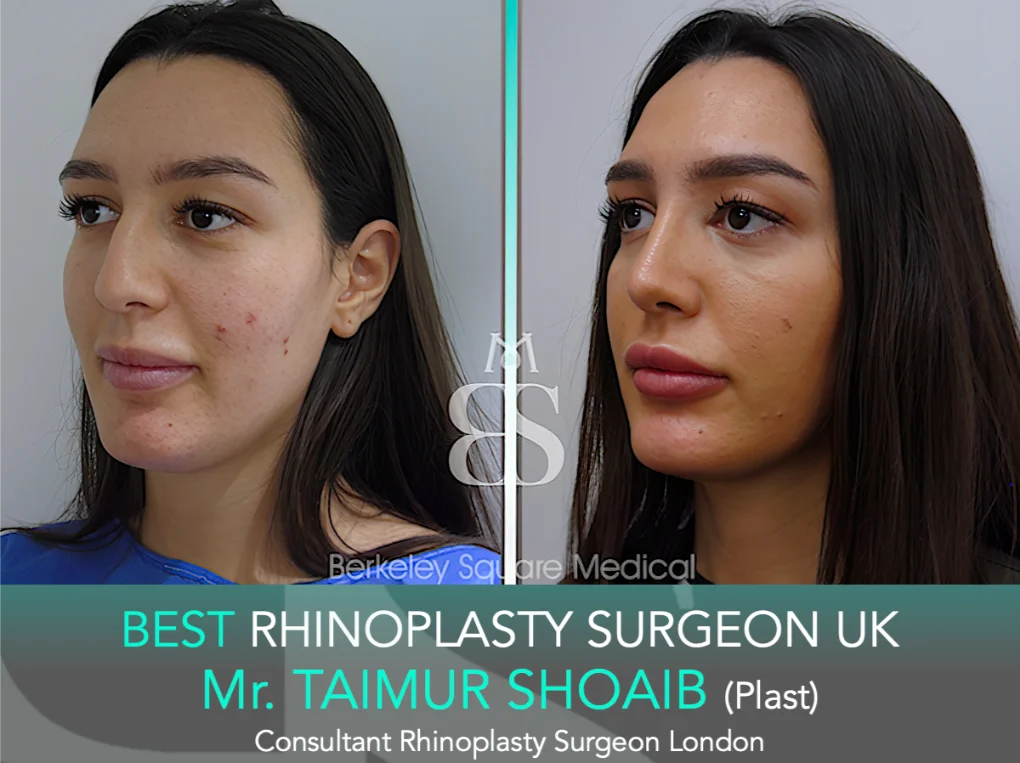
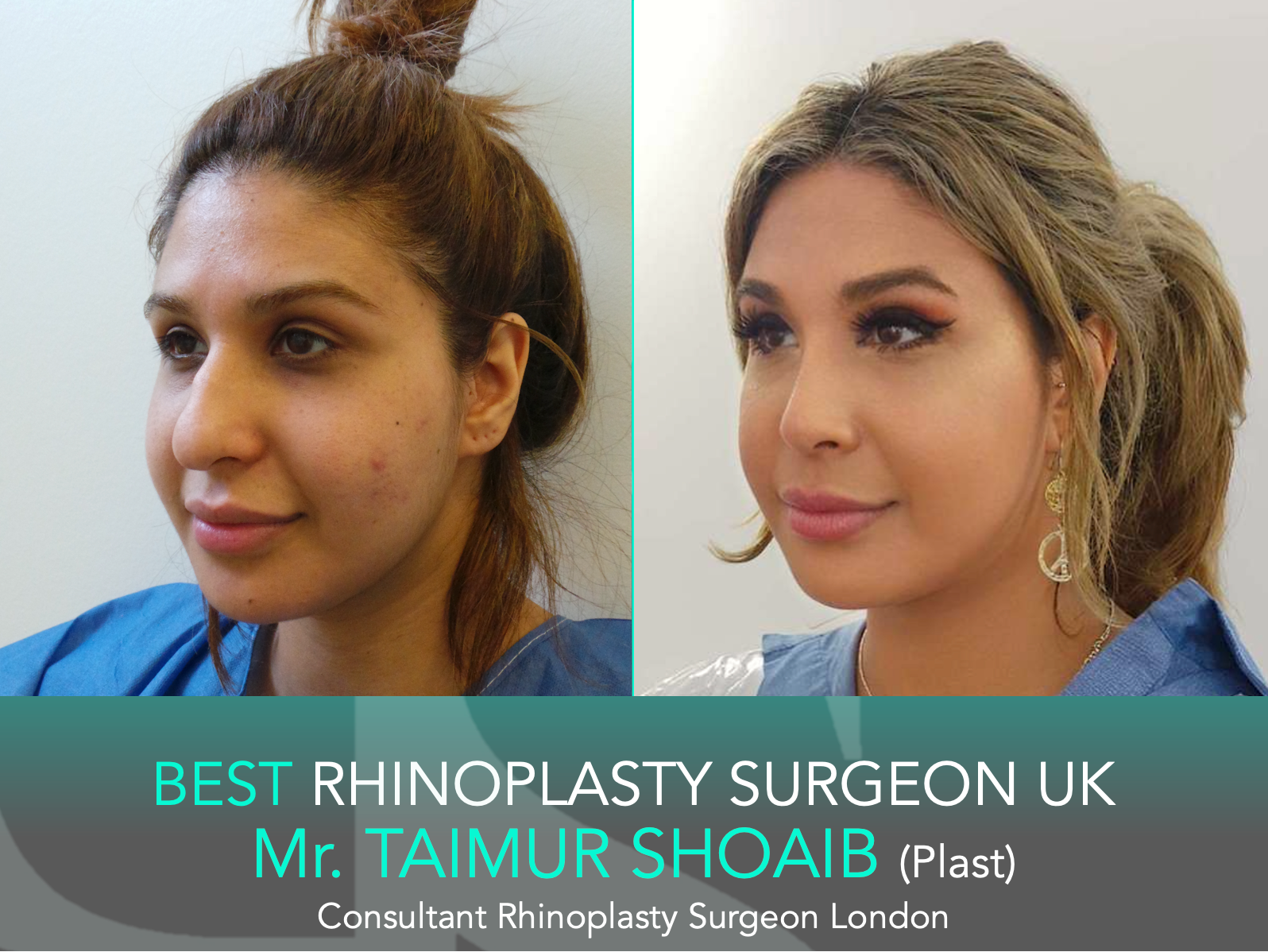
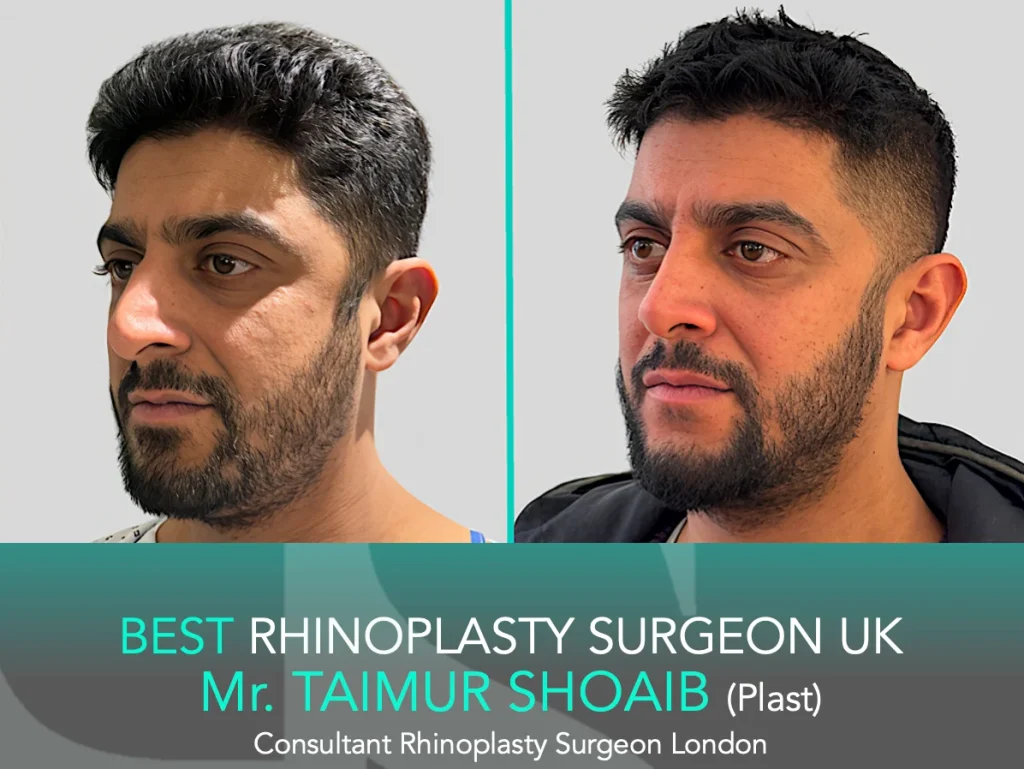
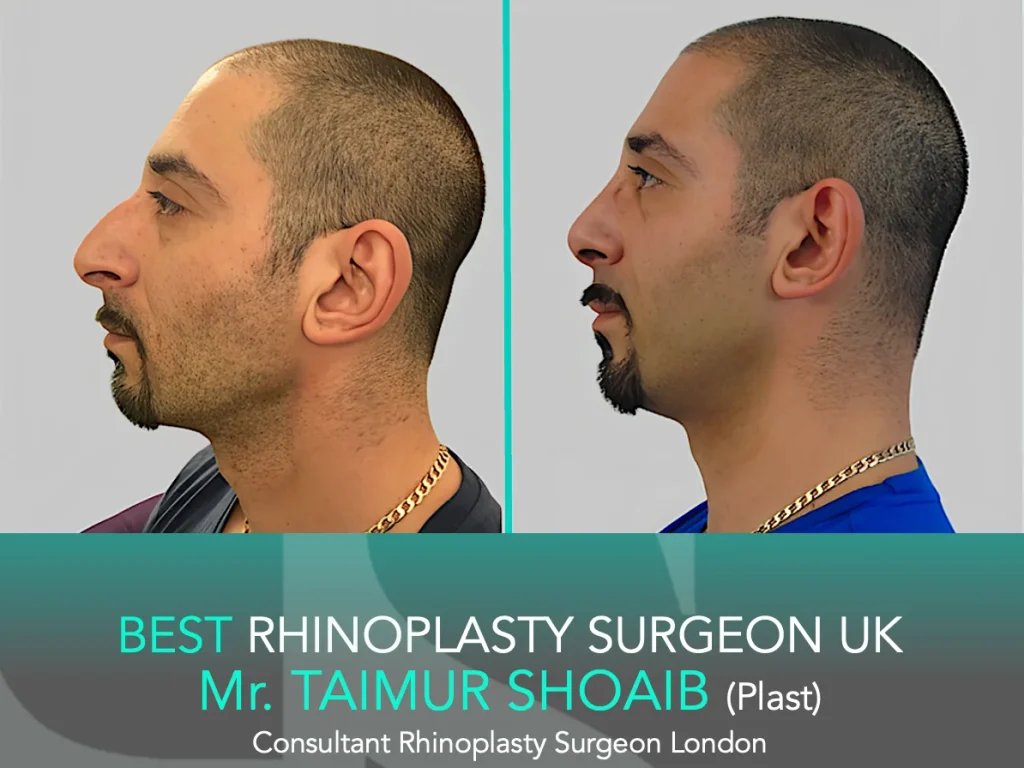
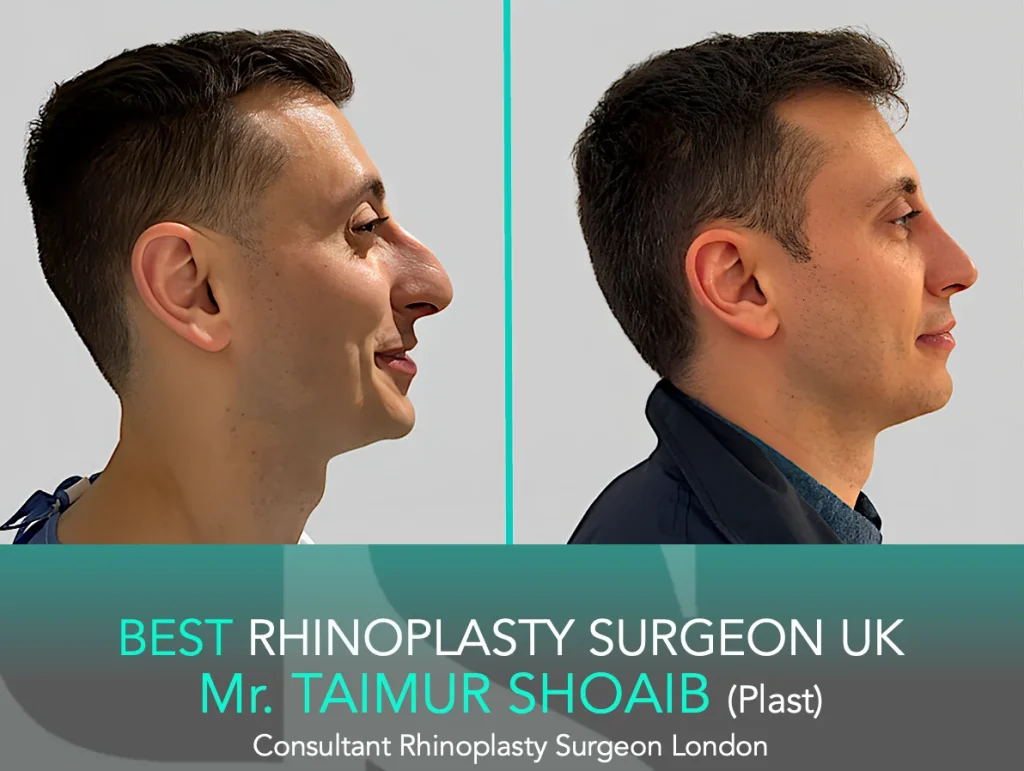
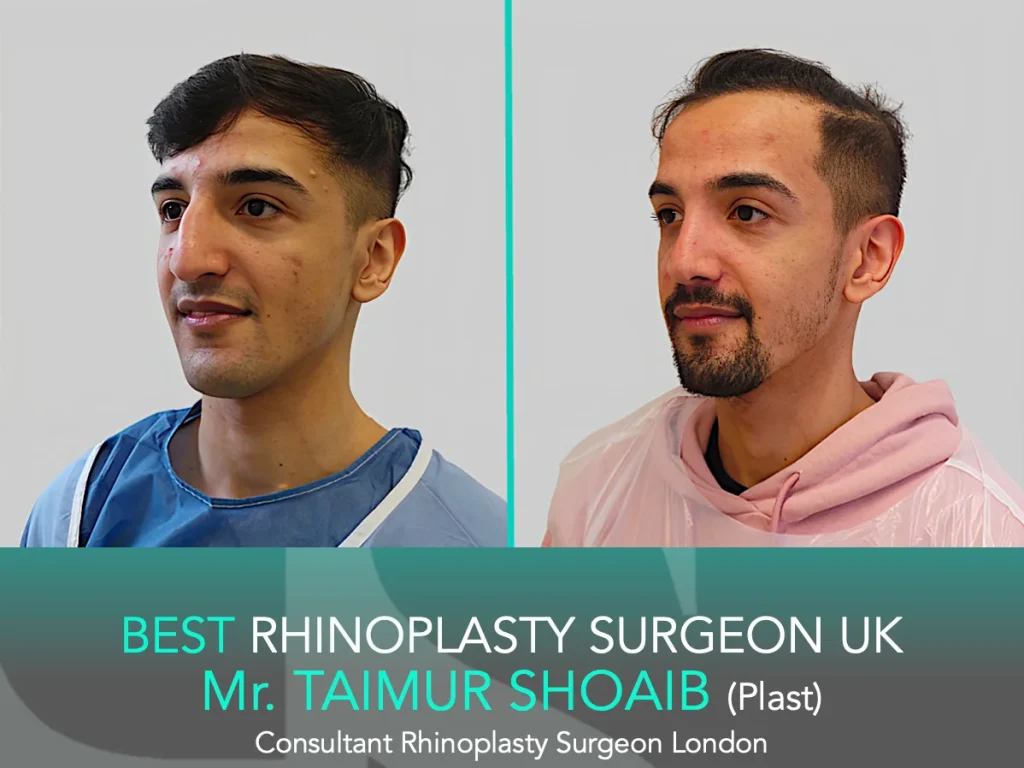
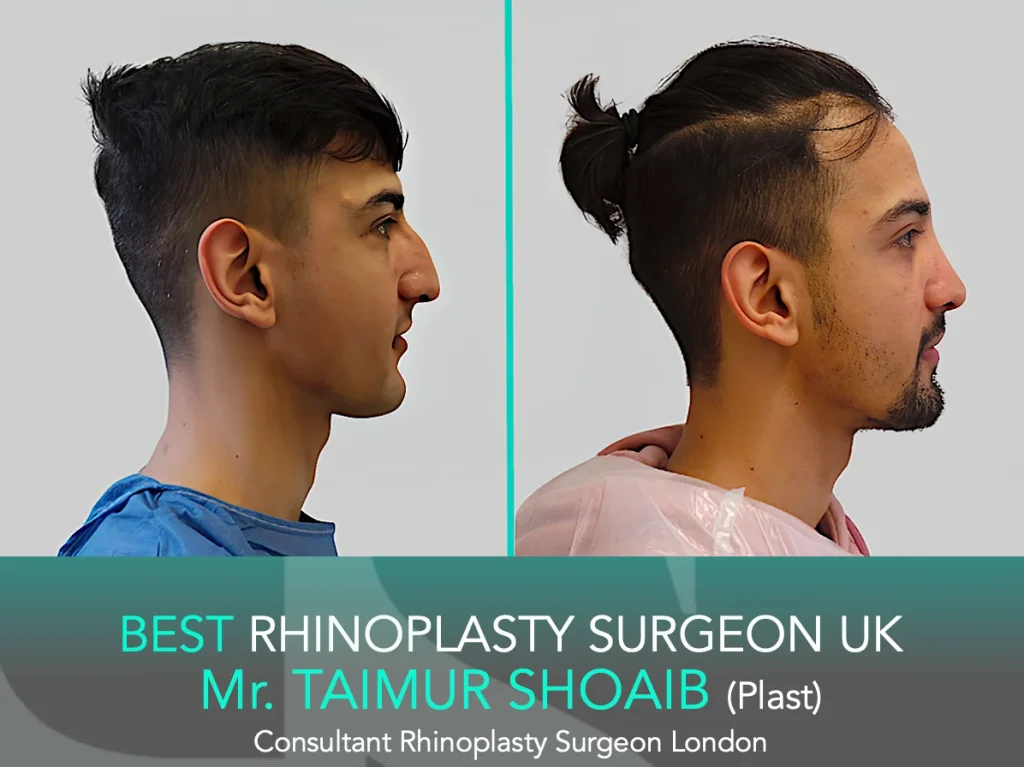
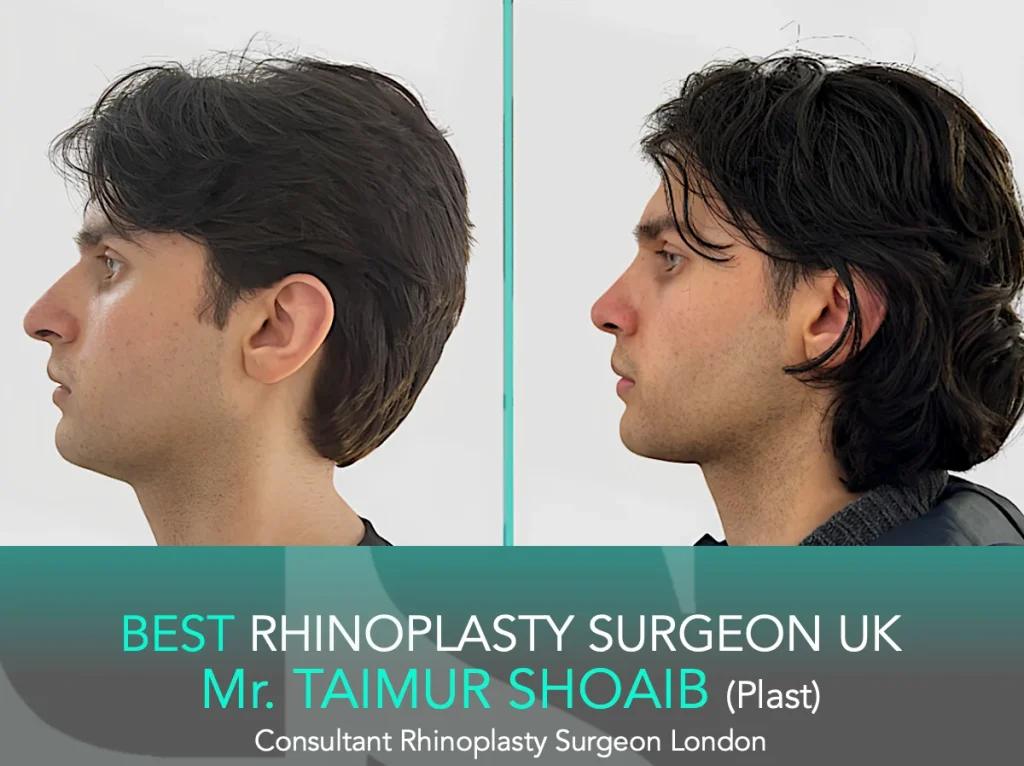
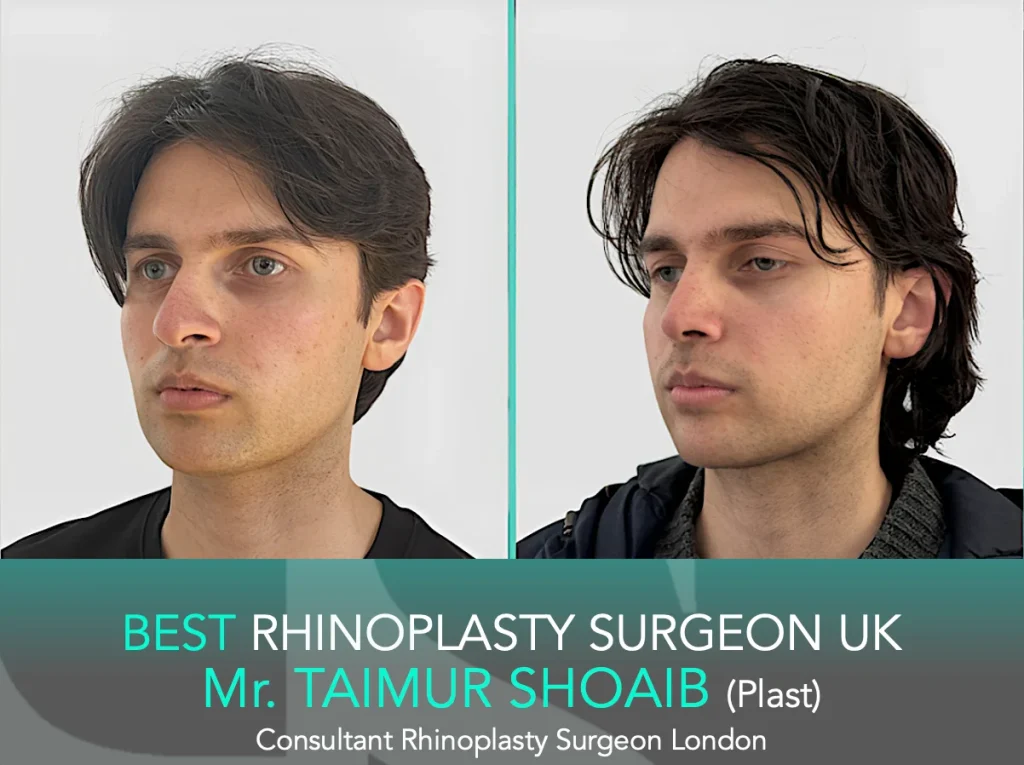
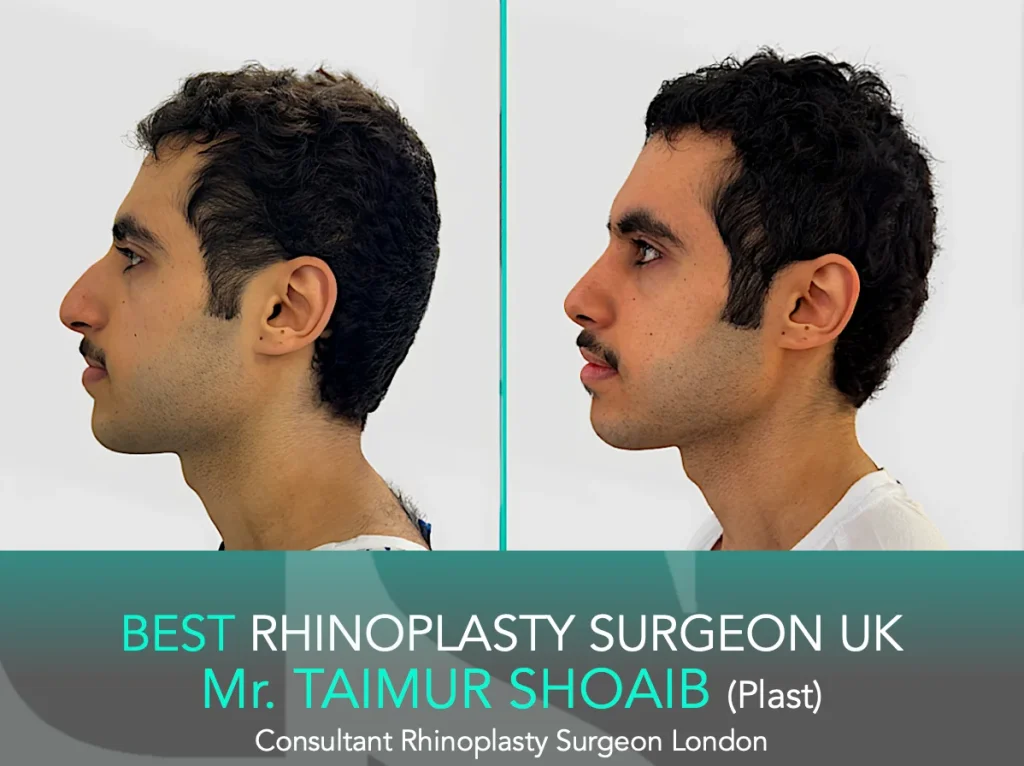
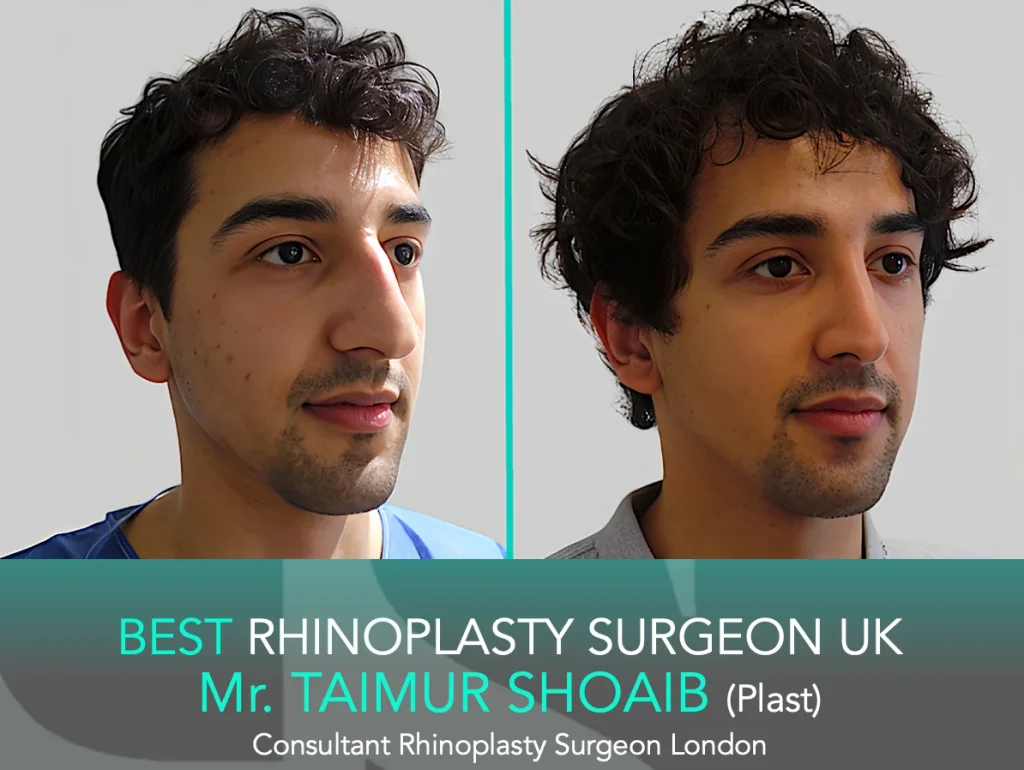
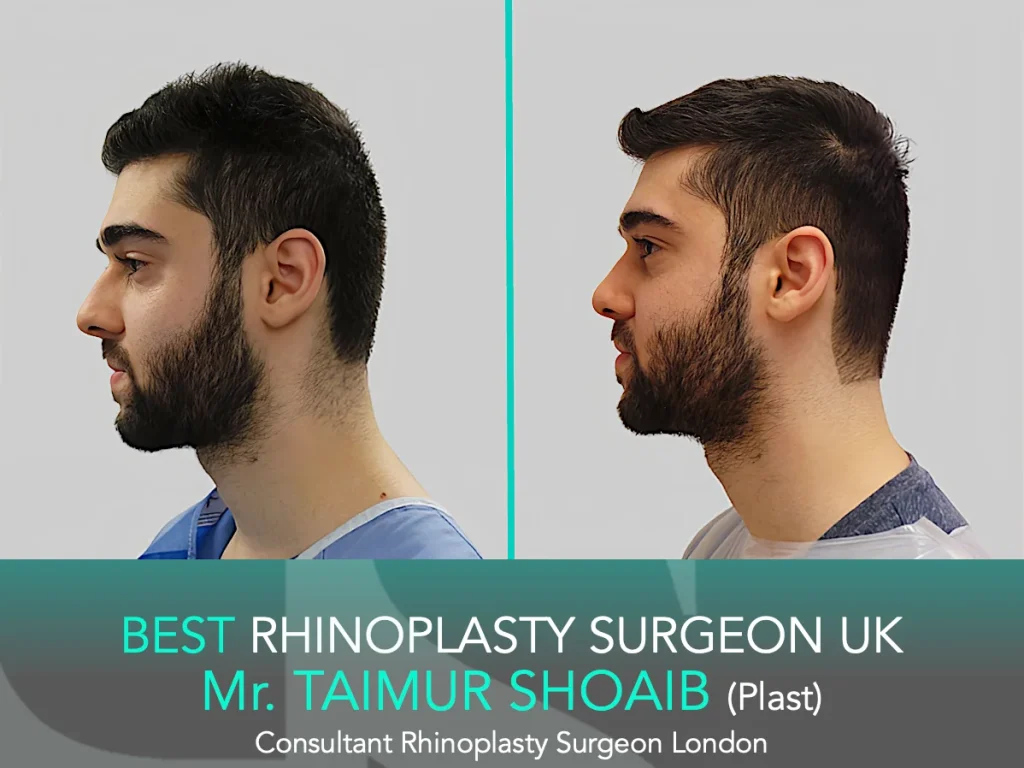
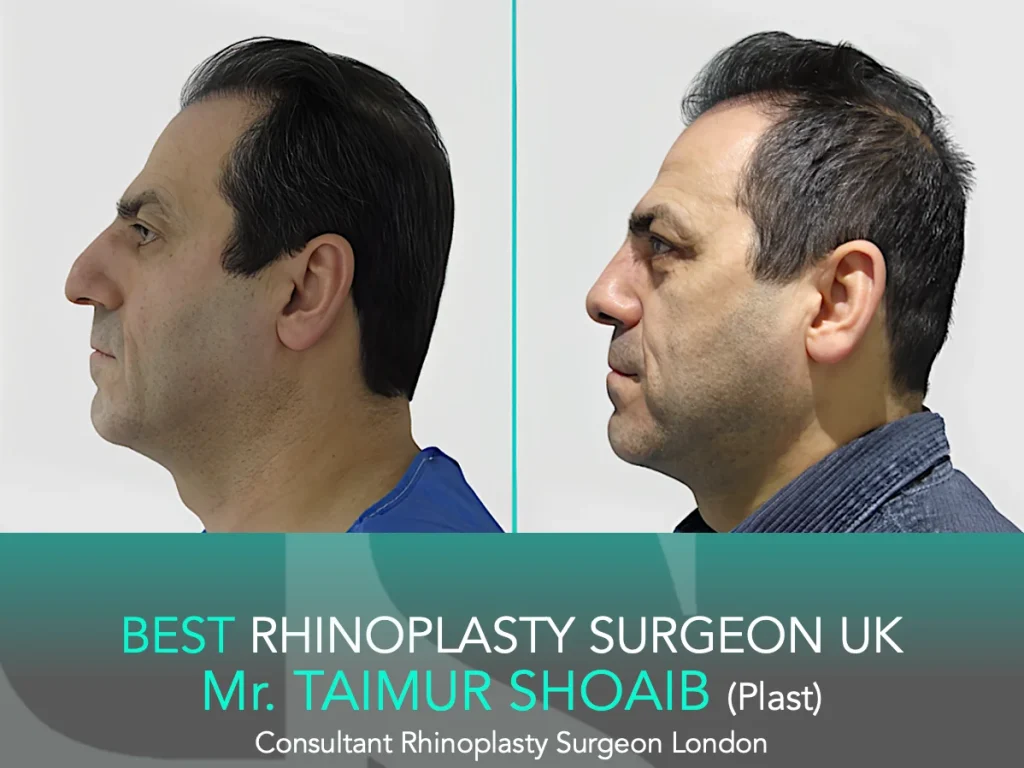
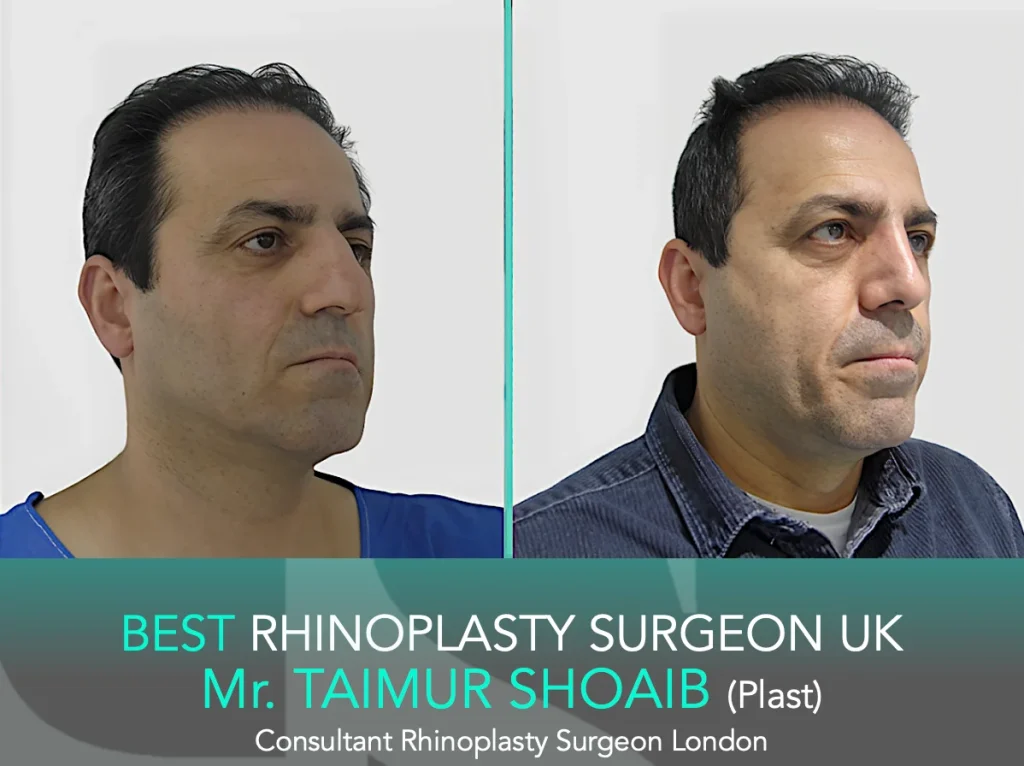
Many Middle Eastern and Gulf patients travel to Harley Street, London for rhinoplasty with a surgeon who understands both their anatomy and their aesthetic priorities. At Berkeley Square Medical, your Arabic or Middle Eastern rhinoplasty in London is performed by consultant plastic surgeon Mr Taimur Shoaib, FRCS (Plast), GMC 3615443, at 64 Harley Street.
The aim is refinement, not westernisation. Common goals include softening a dorsal hump for a smoother profile and supporting or defining the tip, while carefully preserving the features that make your nose characteristically your own. Your ethnic identity is protected by design, and every plan is built around what you want to keep as much as what you want to change. Individual results vary.
Read more about our ethnic rhinoplasty approach across all heritages, or see the all-inclusive rhinoplasty cost in London.
Book a London ConsultationAchieving a refined, natural result in Middle Eastern rhinoplasty often calls for a different approach from standard reductive techniques. Individual results vary. Our clinical approach focuses on structural balance, reinforcing the nasal framework to support thicker skin while refining the profile. The goal is a high definition result that functions perfectly and ages gracefully, maintaining full harmony with your ethnic features.
Berkeley Square Medical, on Harley Street in London, welcomes patients travelling from the GCC (UAE, Qatar, Kuwait, Saudi Arabia and Bahrain), from across the UK, and from around the world for specialist Arabic and Middle Eastern rhinoplasty in London. We understand the logistical precision required for international surgery and provide a bespoke coordination service to ensure a seamless experience.
Rhinoplasty is a highly personalised procedure. During your initial consultation with Mr Taimur Shoaib, a comprehensive clinical evaluation of your nasal anatomy, skin quality and breathing function is performed to determine whether surgery is the safest and most effective option for you.
Arabic and Middle Eastern rhinoplasty at Berkeley Square Medical, 64 Harley Street, is a fixed, all-inclusive fee of £8,950, with no hidden extras. For the full price breakdown, exactly what is included, and finance and payment-plan options, see our rhinoplasty cost guide. For the full procedure, recovery timeline and before-and-after results, see our main rhinoplasty in London page.


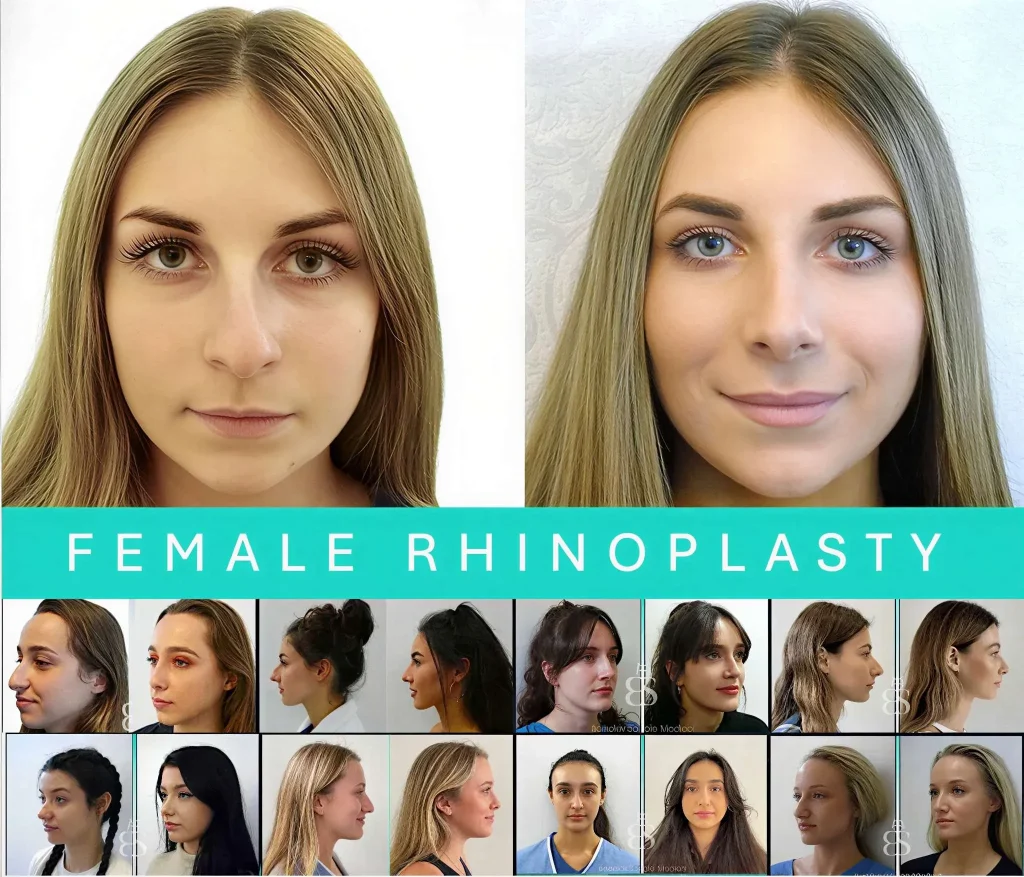
Beyond our specialised Arabic portfolio, Berkeley Square Medical is a leading UK centre for Ethnic and Primary Rhinoplasty. Visit our dedicated Male and Female pages below for our full archive of 200+ Before-and-After Results, Transparent Pricing, and detailed Consultation and Hospital information with Mr Taimur Shoaib.
Arabic rhinoplasty is a specialised form of ethnic nose surgery tailored to Middle Eastern and North African facial structures. Unlike standard procedures that often focus on simple reduction, Arabic rhinoplasty addresses specific anatomical traits such as thicker skin envelopes, a prominent dorsal hump, and a drooping nasal tip (ptosis). The goal is to achieve refinement and facial harmony through structural grafting while strictly preserving the patient’s unique ethnic heritage.
Yes. A primary goal of specialist Arabic rhinoplasty at Berkeley Square Medical is to smooth the nasal bridge while maintaining a strong, natural-looking profile. We avoid the "scooped" or over-rotated look by precisely reshaping the bone and cartilage rather than simply "shaving it down." This ensures the result remains culturally authentic and proportional to other Middle Eastern features like the forehead and chin.
Thick nasal skin is a common trait in Arabic patients and requires a specific surgical technique. Because thick skin can mask fine changes to the underlying structure, we utilise advanced "definition-enhancing" grafts. These provide the necessary internal support to ensure that the new, refined shape of the bridge and tip is clearly visible. It also means that final definition may take slightly longer to appear, typically between 9 and 12 months.
Correcting a "plunging" or drooping tip is one of the most frequent requests in Arabic rhinoplasty. We address this by providing permanent structural support to the nasal tip using cartilage grafting. This stabilizes the tip, preventing it from pulling downward during facial expressions or speech, resulting in a more youthful and balanced appearance that remains consistent whether the face is at rest or in motion.
Nasal de-projection is a technique used when the nose appears to "stick out" too far from the face. Many Arabic patients feel their nose is too prominent in their profile. By carefully adjusting the height of the bridge and the position of the tip, we can bring the nose closer to the face. This creates a more balanced ratio between the nose, lips, and cheeks, softening the overall facial silhouette.
Most patients can return to work or light social activities within 10 to 14 days, once the initial splint is removed. However, because Middle Eastern skin is often thicker, "residual swelling", especially at the tip, can take longer to subside than in Caucasian patients. While your new profile will be visible immediately, the final, high-definition results typically settle and mature over a 12-month period.
Any questions, enquiries, or just looking for a consultation? Simply send your enquiry here and we will get back to you with a reply promptly.