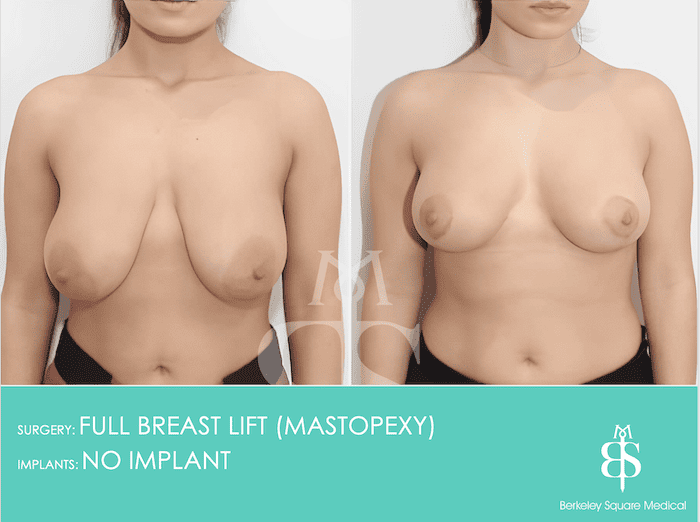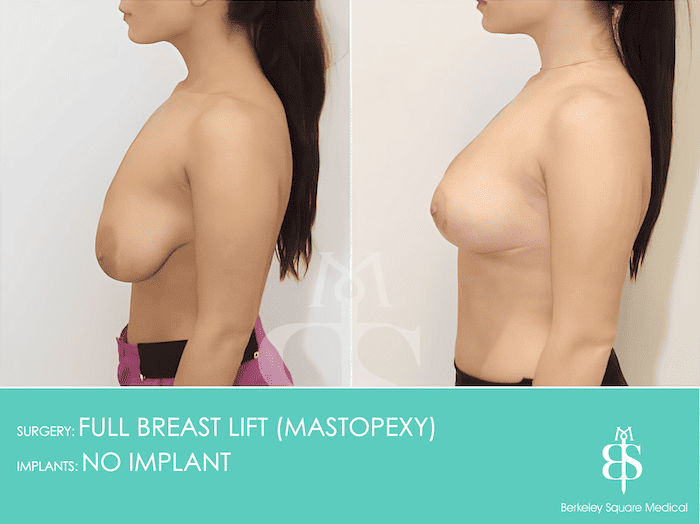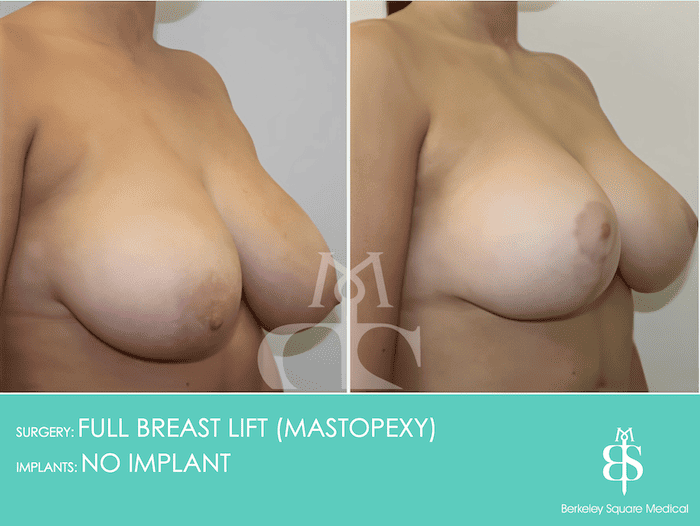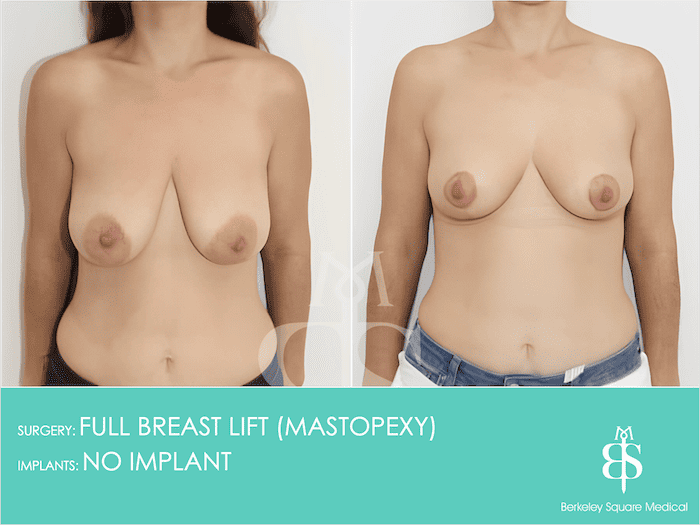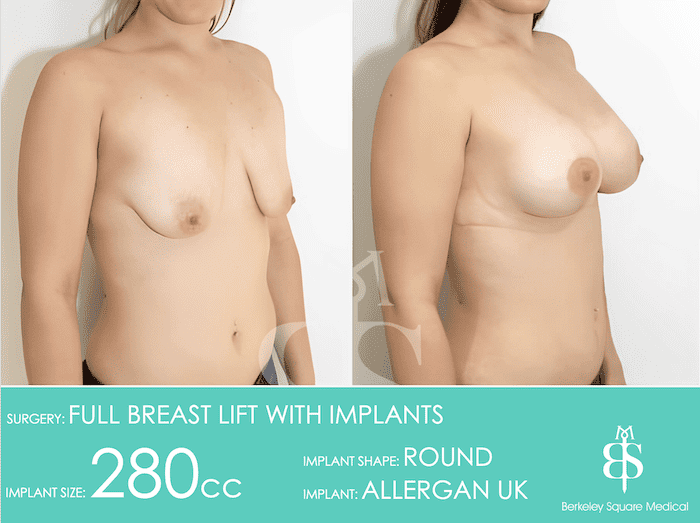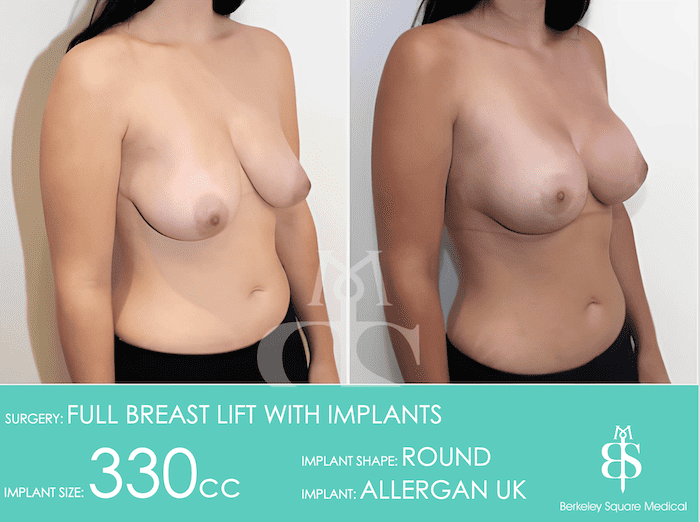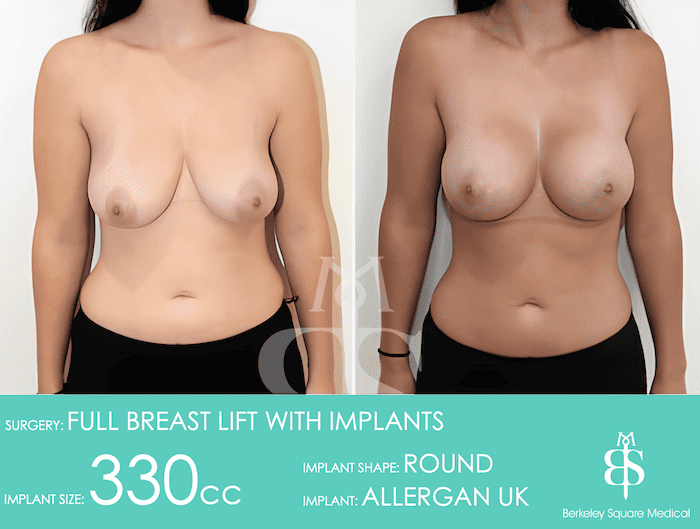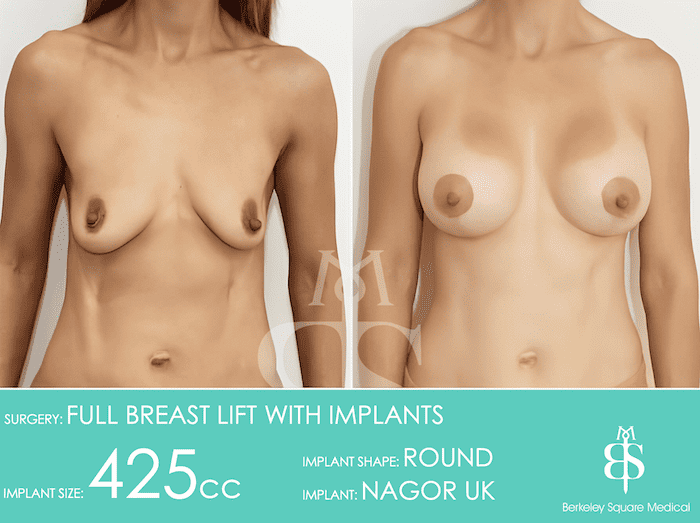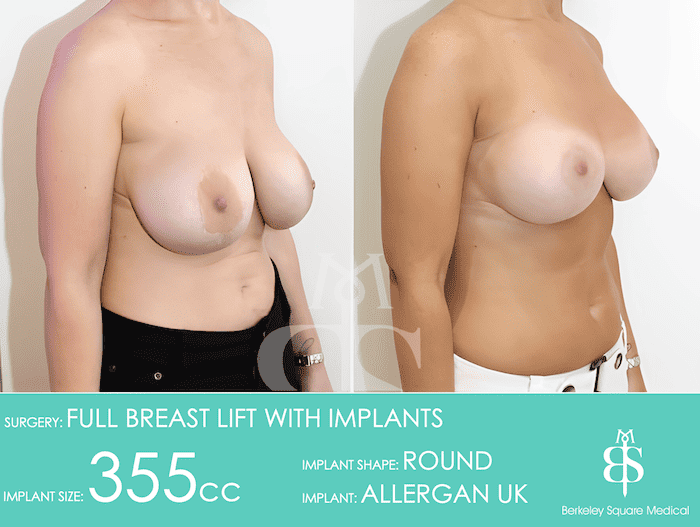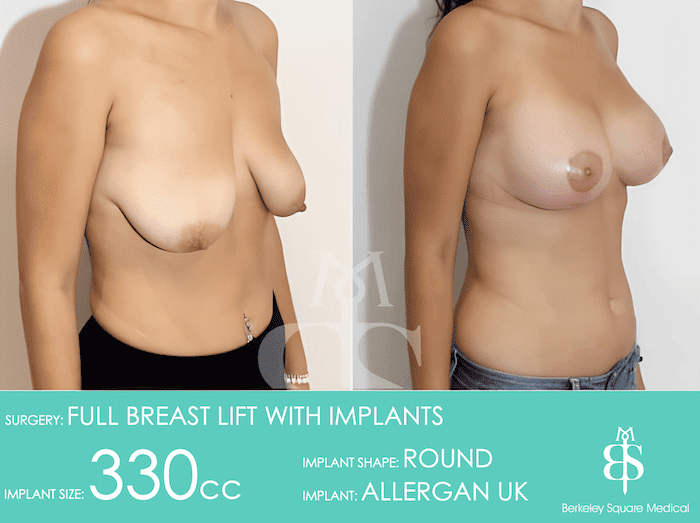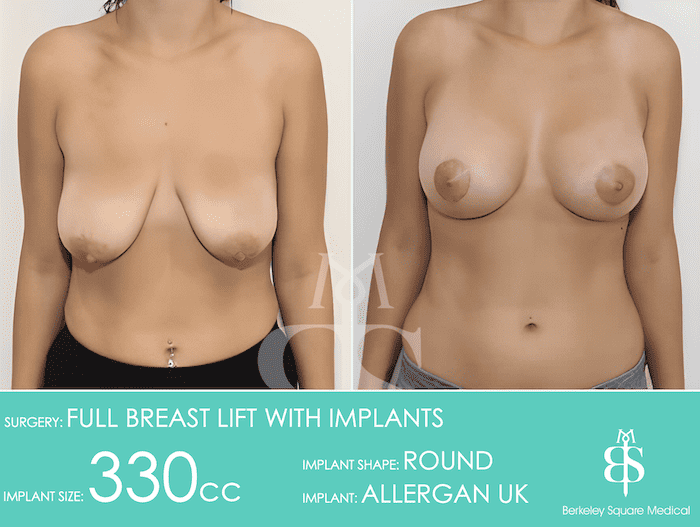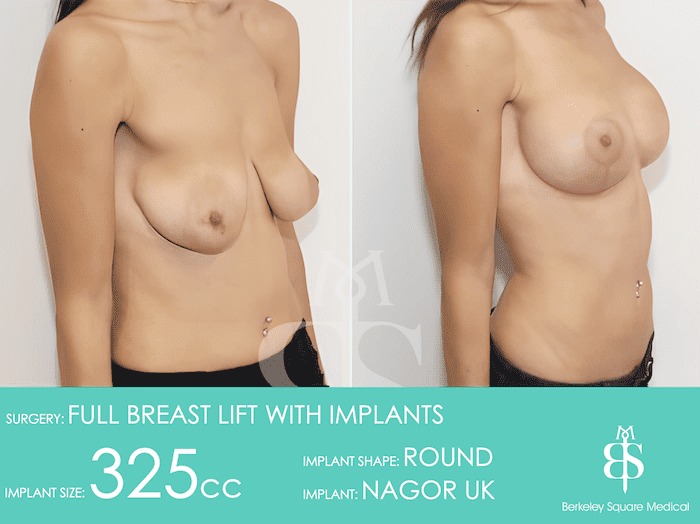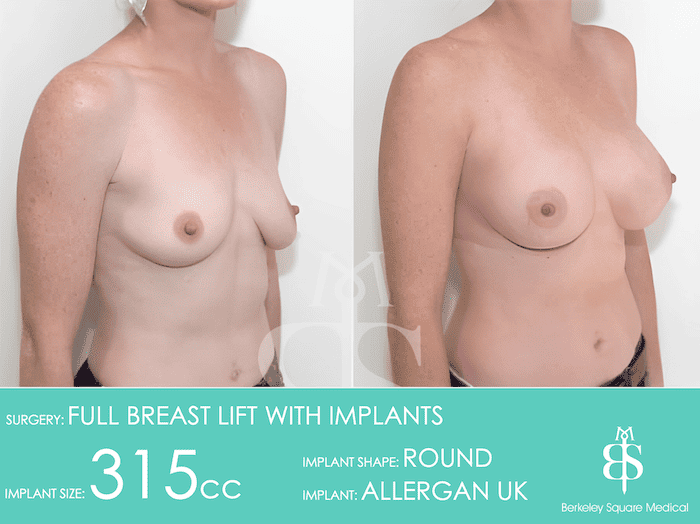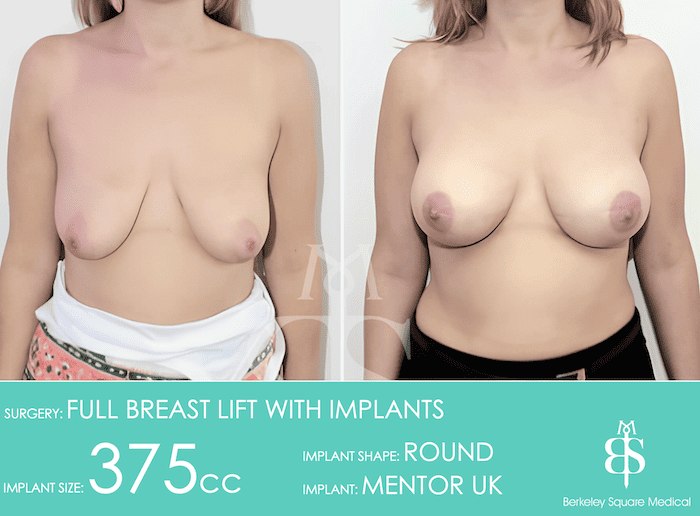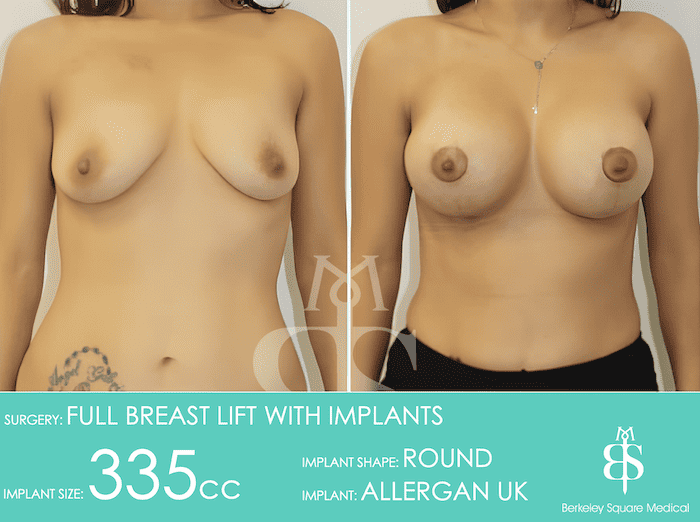

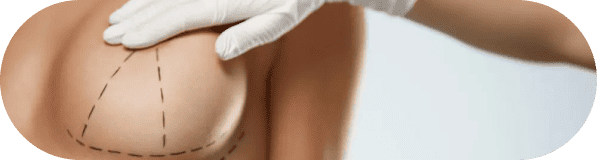
Breast Lift Surgery is one of the most popular cosmetic breast surgeries for women with a very wide age range wanting an increased lift in breast profile. It can be for many reasons, but some of the more popular decisions to have the procedure are:
Though you may have known since your teenage years that you would one day have your Breast Lift procedure, the surgery itself takes approximately 90 minutes to complete with instant and lifetime results.
![]() |
BREAST LIFT COSTBREAST LIFT COST £7950.00BREAST LIFT WITH IMPLANTS COST £8995.00This is an All-Inclusive set price for this surgery and includes the full cost of your procedure including your £100.00 consultation which is credited against the cost of your surgery.
FINANCE PACKAGES / COSMETIC LOANS We do not provide Cosmetic Financing for this Surgery. When considering this surgery, we like to ensure the cost of your treatment is both transparent and clear to understand. The cost outlined above is fully inclusive of your completed procedure with no hidden costs. Your Breast Lift ConsultationA Breast lift (mastopexy) consultation and assessment with our surgeon is a comprehensive process designed to determine if you are a good candidate for the procedure, discuss your aesthetic goals, and outline the surgical plan. Here’s what typically happens during this consultation: Initial Discussion
Physical Examination
Surgical Planning
Risks and Expectations
Visual Aids
Final Steps
The consultation is a crucial step in ensuring that you and our surgeon are on the same page regarding your goals and expectations and that you are fully informed about the procedure and its implications. Your Breast Lift ProcedureA breast lift (mastopexy) surgery is designed to raise and reshape sagging breasts by removing excess skin and tightening the surrounding tissue. Here’s a detailed overview of what happens from start to finish: Pre-Surgery Preparations
During Surgery
Post-Surgery
Post-Operative Care
Long-Term Recovery
By understanding these steps, you can be better prepared for what to expect during and after a breast lift surgery. Always follow your surgeon’s specific instructions and attend all follow-up appointments to ensure a smooth recovery and optimal results. Breast Lift Aftercare & Recovery TimesImmediate Post-Surgery Recovery
First Week Post-Surgery
1-2 Weeks Post-Surgery
2-4 Weeks Post-Surgery
4-6 Weeks Post-Surgery
Long-Term Recovery (6 Weeks and Beyond)
Tips for Optimal Recovery
By following these guidelines and maintaining close communication with your surgeon, you can help ensure a smooth recovery and achieve the best possible outcome from your breast lift surgery. Risks Associated With Breast Lift SurgeryBreast lift (mastopexy) surgery, like any surgical procedure, carries potential risks and complications. It’s important to be aware of these risks to make an informed decision. Here are some of the primary risks associated with breast lift surgery: Common Risks
Specific Surgical Risks
Long-Term Risks
Aesthetic Concerns
Rare but Serious Risks
Preventive Measures and Mitigation
Understanding these risks helps you make an informed decision about undergoing breast lift surgery. It’s crucial to discuss these risks and any concerns you have with your surgeon during the consultation process. |
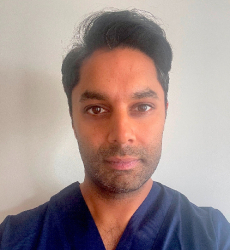
Consultant Plastic Surgeon | GMC Number: 3615443
Mr Taimur Shoaib
Mr Shoaib is a Consultant Plastic Surgeon registered with the General Medical Council (GMC No. 3615443), specialising exclusively in primary, revision, and functional rhinoplasty. His surgical philosophy integrates Detailed Anatomical Assessment with proportionate facial analysis to achieve stable, natural-looking outcomes that preserve long-term airway health.
With a surgical career spanning over Three Decades, Mr Shoaib has performed aesthetic and reconstructive procedures for more than 19,000 Patients combined in NHS and Private Sectors. His practice is dedicated to Evidence-Informed Techniques and regulated, hospital-based care, consistently adhering to the most rigorous UK clinical standards and GMC safety protocols.
You can verify Mr. Shoaib's current licence and specialist status via the GMC's official portal here.
Our structured approach to functional and aesthetic rhinoplasty prioritises patient safety and clinical excellence. From the initial 3D digital imaging assessment to the detailed surgical procedure and post-operative aftercare, we provide transparent guidance on every stage of your recovery, including a comprehensive overview of potential risks and surgical limitations.
Your rhinoplasty consultation with Mr Taimur Shoaib is the first step towards achieving the nose shape you’ve always wanted. As a renowned rhinoplasty surgeon in the UK, Mr Shoaib has performed hundreds of successful nose reshaping surgeries, earning him a reputation for delivering natural, aesthetically pleasing results.
Whether you're considering cosmetic nose surgery for aesthetic reasons or functional improvement, Mr Shoaib’s approach is personalised to meet your unique goals. Here’s a breakdown of what happens during a consultation to help you feel confident and informed about the process.
Your consultation starts with an in-depth conversation about your reasons for seeking rhinoplasty. Whether you’re looking to correct a nasal hump, narrow your nostrils, or improve the appearance of your nose tip, Mr Shoaib will take the time to understand your goals and expectations.
Did you know? Around 90% of patients opt for rhinoplasty to improve the appearance of their nose, while the remaining 10% seek it to correct breathing issues or repair damage caused by injury.
To ensure you are a suitable candidate for rhinoplasty, we will review your medical history. This includes any previous surgeries, medications, and underlying health conditions. Your nasal structure and skin type will also be assessed to determine what kind of rhinoplasty technique is most appropriate for you, whether it’s a closed rhinoplasty (no external scarring) or an open rhinoplasty (small incision at the base of the nose).
Important Fact: About 95% of rhinoplasty procedures can be performed using the closed technique, which minimises visible scarring.
Mr Shoaib will then conduct a physical examination of your nose. This includes evaluating the bone structure, nasal cartilage, and skin thickness. The goal is to assess the balance between your nose and other facial features.
Tip: Your consultation is the perfect opportunity to discuss any specific concerns about your nose shape, breathing difficulties, or overall facial symmetry. Mr Shoaib will provide a tailored treatment plan to address all of these issues.
We begin by taking detailed photographs of your face from the front, side, and angled profiles. While researching before-and-after photos of other patients is a helpful starting point, this stage of your journey shifts the focus entirely to your unique facial features. Using these images, we create a visual aim of a result that is both proportionate and natural for you. This provides a clear, mutual understanding between you and your surgeon, moving beyond general examples to a gallery of images tailored specifically to your profile.
Statistic: In the UK, rhinoplasty has a 91% satisfaction rate, making it one of the most popular and trusted cosmetic procedures for facial enhancement.
One of the most important aspects of your consultation is setting realistic expectations for your rhinoplasty results. Mr Shoaib will explain that while rhinoplasty can greatly enhance your appearance, it’s essential to have a clear understanding of what’s achievable based on your facial anatomy. He will also emphasise that full results can take up to 12 months to achieve, as swelling gradually subsides over time.
A significant part of your consultation will focus on aftercare and what to expect during your recovery. Mr Shoaib will outline the healing timeline, explain how to care for your nose post-surgery, and provide advice on managing any discomfort. He will also inform you about follow-up appointments to ensure your recovery progresses smoothly and that you achieve the desired outcome.
Did you know? Roughly 85% of swelling resolves within the first 3 months, but it can take up to a year for the nose to settle into its final shape.
Following your consultation with Mr Shoaib, you will have a second appointment with one of his dedicated clinical team members to discuss the next steps in your rhinoplasty journey at the same consultation visit. During this meeting, you will receive detailed information about the cost of the surgery and what it includes. Our team will also go over the required pre-operative tests, including the MRSA nose swab, which is a routine test performed for all patients.
In this session, you’ll also have the opportunity to review before and after photos of previous rhinoplasty patients to give you a clearer idea of the results you can expect. If you are interested in rhinoplasty imaging, where 3D simulations of your nose can be created, we will discuss the benefits of electing this service. Additionally, if you already have surgery dates in mind, this appointment is an opportunity to confirm your preferred treatment.
This is a part of your journey where you can decide whether this procedure is right for you and understand the expertise of your surgeon in how he will achieve the best results for you. We aim for proportion to the nose, which ultimately means we aim for a natural final shape in both female and male rhinoplasty patients.
At Berkeley Square Medical, we make sure the entire process is seamless and comforting, ensuring you're fully informed at every step. Here’s what you can expect on the day of your rhinoplasty surgery, from the moment you arrive at the hospital until your discharge.
On the day of your surgery, you’ll be welcomed at our private hospital in Harley Street, London. You’ll arrive at the hospital at the scheduled time and be guided through the admission process. Our friendly nursing team will check you in and guide you to your private room, where you can relax before the procedure.
Before surgery begins, you’ll meet with your rhinoplasty surgeon, Mr Taimur Shoaib, for another consultation. This is an opportunity to discuss any final questions you might have about the procedure and the aims of the aesthetic outcome. At this point, your surgeon will also go over the surgical plan and confirm the technique that will be used, either open rhinoplasty or closed rhinoplasty, depending on your case. Once you are ready to proceed, your consent process can be completed by your surgeon.
Next, preoperative photos will be taken. These photos serve as a baseline for your post-surgery results, allowing you and the surgeon to see the changes made during your full recovery from the treatment.
After the consultation with Mr Shoaib, you’ll meet with your anaesthetist to discuss the general anaesthesia that will be used during the surgery. The anaesthetist will explain the process, answer your questions, and review your medical history to ensure the anaesthesia is administered safely. Once everything is reviewed, you’ll be asked to sign the consent forms for both the surgery and anaesthesia, ensuring you fully understand and are comfortable with the procedures.
After meeting with your surgical team, you’ll be escorted to the operating room. At this point, the anaesthetist will begin administering general anaesthesia, which will ensure you’re completely unconscious and pain-free throughout the procedure.
Depending on the treatment of your rhinoplasty, your surgeon will use one of two techniques:
Closed Rhinoplasty Surgery
If you’re having a closed rhinoplasty, all incisions will be made inside your nostrils. This technique is ideal for patients requiring minor to moderate adjustments, such as refining the nasal tip, removing a nasal hump, straightening the nasal profile, and making your nose smaller by de-projecting your nose. The procedure is discreet, with no visible scarring, and often leads to a quicker recovery and fewer complications. Read here to gain more insight into the Advantages and Disadvantages of Closed Rhinoplasty.
Open Rhinoplasty Surgery
For more complex cases, your surgeon may opt for open rhinoplasty. In this technique, a small incision is made across the columella (the skin between the nostrils), allowing the surgeon full access to the nasal structure. This is particularly beneficial for patients requiring significant reshaping, correction of previous trauma, revision rhinoplasty or reconstructive rhinoplasty. Read here to gain more insight into the Advantages and Disadvantages of Open Rhinoplasty.
Both techniques are meticulously performed by your surgeon to ensure that the results align with your goals, whether you're seeking aesthetic changes or functional improvements such as better breathing.
Once the surgery is complete, you’ll be transferred to your private recovery room, where you’ll wake up under the care of our dedicated medical team. You may feel groggy from the general anaesthesia, and some very mild discomfort or swelling around the nose is normal at this stage.
During your recovery, you’ll be closely monitored to ensure everything is progressing smoothly. Patients typically experience minimal pain, which can be easily managed with medication. You’ll be given nasal padding to absorb any light bleeding that may occur in the first 24 hours.
Once you’re fully awake, the medical team is satisfied with your recovery and you have eaten, you’ll be given detailed aftercare instructions. This includes information about how to manage swelling, bruising, and any discomfort and any medication for you to take home. Your nasal packing will also be removed prior to leaving the hospital.
At Berkeley Square Medical, we ensure that all rhinoplasty patients are chauffeur-driven home (within London and Greater London) as part of our aftercare service to make your recovery journey as comfortable as possible. This is a complimentary service.
Comprehensive Rhinoplasty Aftercare, What to Expect During Your Recovery
At Berkeley Square Medical, we are one of the few clinics in the UK to offer 24-hour online messaging services dedicated to supporting your rhinoplasty recovery. Our expert team, including two specialised rhinoplasty clinicians, is available around the clock to assist you throughout your healing process, ensuring a smooth recovery.
Your comfort and well-being are our top priorities. Before you are discharged from our clinic, your rhinoplasty surgeon and nursing team will provide detailed aftercare instructions, including information on any pain medications and antibiotics if necessary. We also ensure that all nasal packing is completely removed before you leave, so you're free to breathe more easily.
Additionally, to make your journey home as stress-free as possible, we offer a complimentary chauffeur service for all rhinoplasty patients within London and Greater London, ensuring you arrive home safely after your surgery.
In the first 24 hours post-surgery, you may feel tired due to the general anaesthesia and the overall length of the procedure. Expect mild swelling of the nose and nasal congestion, which is perfectly normal. Some slight breathing difficulties are common during this stage, as well as minor bleeding. Around 90% of patients experience some nasal blockage and light bleeding in the first 24 hours, but this typically subsides with proper care. We provide padding to absorb any discharge.
Within the first 72 hours, you will notice swelling and bruising peak. This is part of the natural healing process, with around 80% of patients experiencing maximum swelling during this period. However, you’ll feel significantly better after the first two days, with more energy to resume light indoor activities.
Pain and discomfort are usually minimal, and most patients report that the discomfort from breathing through the mouth is the most challenging aspect. Over-the-counter medications are typically sufficient to manage any pain.
By day 5, the healing process is well underway. You’ll see a noticeable reduction in swelling, and any bruising will have faded to a yellowish hue. Most patients report a significant improvement in their appearance, with around 75% of the initial swelling subsiding by this stage.
On day 7, you’ll return to the clinic for your first post-operative check-up. During this visit, our nursing team will remove your nasal splint and any external stitches. If you've had a closed rhinoplasty, only two micro-stitches will need to be removed. Soaking your nasal splint the night before can make removal more comfortable.
All internal nasal stitches are dissolvable, so you won’t need to worry about additional stitch removal. Our team will check for any remaining swelling and provide guidance on how to further improve your recovery. International patients are generally cleared to travel by air at this stage unless otherwise agreed with your surgeon.
At this point, your nose may slightly widen after the removal of the splint, but it will return to its normal shape within 24 to 48 hours. You will start noticing a better-defined nasal shape as tip swelling begins to reduce. Patients can typically return to work by day 10, and 80% report no visible signs of surgery by this point. Light gym and cardio activities can also be resumed in moderation.
After one month, your nose will continue to refine in both shape and size. It’s advisable to track your progress on a 6-weekly basis rather than daily, as daily observation can cause unnecessary anxiety. By this stage, approximately 90% of the swelling will have subsided, with only minor changes remaining as your nose fully heals.
At approximately the 3-month mark, you’ll attend your second post-operative appointment. During this review with your surgeon, we will take your first set of post-operation photos and compare them to your pre-surgery images. This assessment helps us evaluate how your bones are healing, the reduction in swelling, and the overall progress of your recovery. We will also advise on any further treatments that may enhance both the aesthetic and functional outcomes of your rhinoplasty.
Your third post-op review at 6 to 12 months will involve another detailed comparison of your progress. By now, your nose will be much closer to its final shape, and any subtle changes in swelling or bone structure will be documented with another set of photos. Around 95% of patients see the majority of their results at this stage, with only minor internal healing still ongoing.
Full recovery from rhinoplasty can take up to a year, and in some cases, internal healing may continue slightly beyond this period. During this final review, we assess the overall results, including any remaining scar healing and swelling reduction. By now, your new nose should be fully settled, providing you with long-lasting, natural-looking results.
Rhinoplasty Surgery Risks
Understanding the Complications of Nose Reshaping Surgery by Berkeley Square Medical.
While a Rhinoplasty can enhance both appearance and functionality, it’s essential to be aware of the potential rhinoplasty surgery risks before deciding to proceed. At Berkeley Square Medical, our goal is to inform patients about the possible complications of rhinoplasty so they can make well-informed decisions about their health and appearance.
Here’s a breakdown of the most common risks of rhinoplasty, along with approximate statistics to give you a clearer picture.
Swelling and bruising around the nose and eyes after a Rhinoplasty are the most common side effects of nose surgery, affecting roughly 80% of patients. While this can last for a couple of weeks, it typically subsides after the first week. Following post-operative care instructions closely can help reduce the severity and duration of swelling.
Some patients experience breathing difficulties after rhinoplasty, especially if there’s a significant change to the nasal structure. This complication affects around 5% of patients, or 1 in 20, but it is often temporary. In rare cases, further adjustments may be needed to improve breathing.
Infection after a Rhinoplasty is an uncommon risk, occurring in only about 1 in 1,000 cases. At Berkeley Square Medical, we take every precaution to maintain sterile conditions and reduce the risk of infection. If an infection does develop, it can usually be treated with antibiotics, but in rare cases, further surgery may be required.
Nosebleeds after Rhinoplasty are a very common occurrence immediately after the surgery, affecting roughly 9 in 10 patients, especially in the first few days. These are typically mild and easily managed, but in rare cases of prolonged or heavy bleeding, medical attention may be needed.
Scarring from rhinoplasty is usually minimal, especially with closed procedures where incisions are made inside the nose as is the case in closed rhinoplasty. For open rhinoplasty, a small scar at the base of the nose may occur. Approximately 1 in 100 patients experience noticeable scarring, but with proper care, scars generally fade over time.
Temporary numbness in the nasal area is quite common, affecting around 90% of patients. This typically resolves within a few hours to days, but in rare cases, long-term or permanent numbness may occur, affecting about 1 in 1000 patients. Local anaesthesia is commonly injected into the nasal tip during surgery to manage any discomfort.
While most patients are happy with the outcome of their surgery, around 3% (3 in 100) may feel their results don’t meet their expectations. This can be due to factors like the unpredictability of the healing process. In some cases, either non-surgical treatments or a revision rhinoplasty may be considered to address any issues.
Allergic reactions to anaesthesia, medication, or surgical materials are incredibly rare, affecting fewer than 1 in 5,000 patients. Before surgery, it’s important to inform your surgeon of any allergies to minimise this risk. At Berkeley Square Medical, our Consultant Anaesthetist and team will always carry reversal medications to counteract any allergic reaction.
One of the more serious complications of rhinoplasty is septal perforation (a hole in the nasal septum), which can occur in about 1 in 2,000 cases. This may lead to persistent nosebleeds or breathing problems and may require additional surgery to correct.
At Berkeley Square Medical, your safety is our top priority. Our experienced Consultant Surgeons and Anaesthetists are all on the Specialist Register with the General Medical Council and use the latest surgical techniques and a comprehensive pre-operative evaluation to ensure you are an ideal candidate for rhinoplasty. We also provide detailed aftercare instructions to reduce the risk of complications and promote smooth healing.
While rhinoplasty can offer life-changing results, it’s important to understand the risks involved. By choosing Berkeley Square Medical, you’ll be in the hands of experts committed to minimising complications and achieving the best possible outcome.
If you’re considering rhinoplasty and want to learn more about the benefits and risks, contact us today for a consultation with one of our experienced surgeons.
Detailed Aesthetic & Functional Nasal Concerns:
Asymmetrical or Irregular Nasal Tip
Clinical Overview: Nasal tip asymmetry, where one side appears larger or misaligned, is typically caused by uneven underlying alar cartilage. This may be congenital or the result of previous trauma.
Surgical Objective: Rhinoplasty Tip Surgery focuses on precise cartilage repositioning or suturing to restore symmetry and proportion while maintaining long-term structural stability.
Bulbous Nasal Tip
Clinical Overview: A bulbous tip results from wide or resilient lower lateral cartilages.
Surgical Objective: Tip contouring refines the framework to enhance definition while preserving support.
Wide or Flared Nostrils (Alar Base Reduction)
Clinical Overview: Flared nostrils can dominate the lower third of the face.
Surgical Objective: Alar base reduction narrows nostril width using carefully placed incisions hidden in natural creases.
Nasal Hump Reduction (Dorsal Hump)
Clinical Overview: A dorsal hump is a prominence of bone and cartilage along the nasal bridge.
Surgical Objective: Structural preservation techniques ensure hump reduction without compromising bridge integrity.
Depressed Nasal Bridge (Augmentation Rhinoplasty)
Clinical Overview: A flat or under-projected bridge lacks structural height and definition.
Surgical Objective: Autologous cartilage grafting restores projection and achieves a defined, natural nasal contour.
Wide Nasal Bridge or Thick Nasal Skin
Clinical Overview: A wide bridge or thick nasal skin can reduce definition in the frontal profile.
Surgical Objective: Controlled osteotomies narrow the bridge while structural reinforcement ensures predictable long-term outcomes.
Deviated Septum (Functional Septorhinoplasty)
Clinical Overview: A deviated septum occurs when the internal wall of bone and cartilage separating the nostrils is misaligned, often resulting in visible nasal deviation and significant breathing obstruction.
Surgical Objective: Septorhinoplasty corrects both airway dysfunction and external alignment, improving airflow while restoring facial balance.
Preservation Rhinoplasty
Clinical Overview: Traditional techniques may involve destructuring the nasal bridge. Preservation approaches maintain the natural dorsum while adjusting foundational height and shape.
Surgical Objective: By preserving soft tissue integrity and bridge support, swelling is reduced and the result ages more harmoniously with the face.
Ultrasonic (Piezo) Rhinoplasty
Clinical Overview: Conventional bone instruments may cause collateral soft tissue trauma and bruising.
Surgical Objective: Piezo-electric technology allows selective bone contouring while protecting blood vessels and skin, resulting in more precise outcomes and faster recovery.
Rhinoplasty is a highly personalised procedure. During your initial consultation with Mr Taimur Shoaib, a comprehensive clinical evaluation of your nasal anatomy, skin quality and breathing function is performed to determine whether surgery is the safest and most effective option for you.
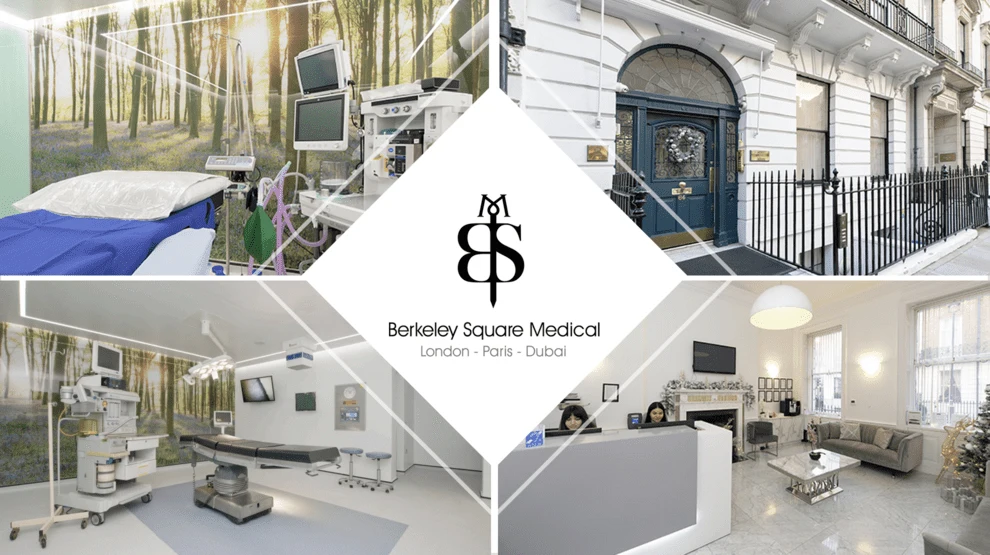
Located on Harley Street, London. Considered one of the top medical districts worldwide.
Fully accredited hospital regulated by the UK Care Quality Commission UK (CQC).
Winners of "Best Private Hospital London" at the Medical Aesthetic Awards.
All practitioners are GMC Consultants in their respective specialisations of practice.
After Breast Lift Surgery you will either be discharged at the end of the day or remain overnight in your own ensuite within the hospital and discharged the following morning. You will be required to wear a post-surgical support bra on departure
All patients will be given a dedicated line to contact the clinic if there are any questions or advice for care needed. As apart of the aftercare you will have a follow up appointment with our surgeon after 7 days post surgery. Please look at our pre care and aftercare commitments to all our patients.
After your surgery, your life time aftercare and recovery begin with us. This is one of the most important times during your journey through your surgery as a good recovery will ensure that you body heals rapidly and preserves the results achieved by our surgeon. A good recovery is achieved by following the guidance and notes given by us straight after your procedure.
Any questions, enquiries, or just looking for a consultation? Simply send your enquiry here and we will get back to you with a reply promptly.