What makes a clinic in Turkey safe or unsafe?
It comes down to the surgeon, not the destination
It can be safe, but it depends far more on the individual surgeon and clinic you choose than on the country itself. Turkey has many skilled, well-qualified plastic surgeons and excellent, modern clinics, and a great number of patients travel there and are happy with their results.
The reason for caution is not nationality. It is consistency. The sheer scale of medical tourism means standards differ widely between providers, and the system that ties them together is less uniform than the single, strict framework you have in the UK. Whether your surgery goes well depends on your surgeon's experience, the clinic's accreditation, and, above all, the aftercare available when you get home. Travelling abroad is a perfectly valid choice. The aim of this guide is simply to help you ask the right questions, wherever you decide to go.
The common risks of a nose job abroad
Where a lower price can quietly show up
Most of the risks of having a nose job in Turkey are not about the surgery on the day, but about what happens before and after it. These are the issues that come up most often:
- Limited aftercare. Rhinoplasty recovery takes months, and problems such as swelling, infection or a breathing change can appear after you have flown home, exactly when your surgeon is hardest to reach. This loss of continuity is the single biggest concern.
- High-volume clinics. Some clinics run a production-line model with many operations a day, which can reduce the time spent planning your individual nose, from consultation through to surgery. A knock-on effect can be less flexibility over technique, for example whether an open or closed approach suits your specific anatomy.
- Communication barriers. Rhinoplasty is highly nuanced. Even with translators, the fine details of what you want can be lost, and small misunderstandings can lead to a result that does not match what you pictured.
- Inconsistent standards. Many clinics are excellent, but not all meet the regulatory standards you would expect in the UK, so researching the specific surgeon and clinic matters more here than almost anywhere.
- Travel-related risks. Flying soon after surgery can increase swelling and the risk of bleeding, and, as with any surgery followed by travel, there is a small risk of blood clots. Most surgeons advise waiting before you fly, so plan to stay long enough for any early problems to be checked.
Why revision Rhinoplasty is so common afterwards
Correcting a nose is harder than the first operation
Many patients who had Rhinoplasty overseas come to us unhappy with their outcome, particularly where there was limited planning, communication or aftercare. The reasons are usually a mix of cosmetic concerns such as asymmetry or over-reduction, breathing difficulty from a structural problem, weakened support or collapse of the nose, and scarring that affects both how the nose looks and how it works.
Revision Rhinoplasty is almost always more complex than a first operation, because the nose has already been altered and may have limited support left to rebuild from. That is why it needs a surgeon experienced specifically in revision work.
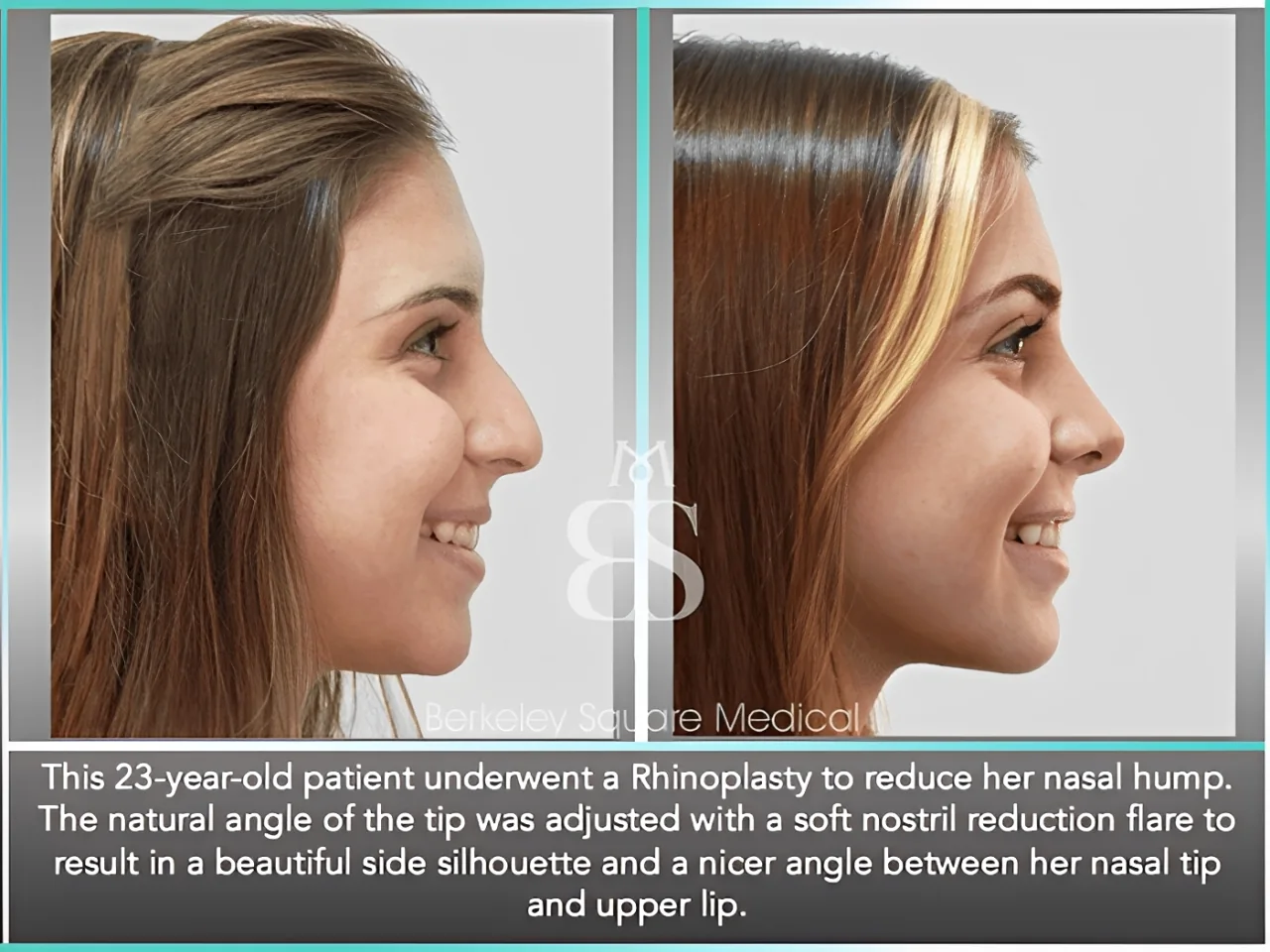
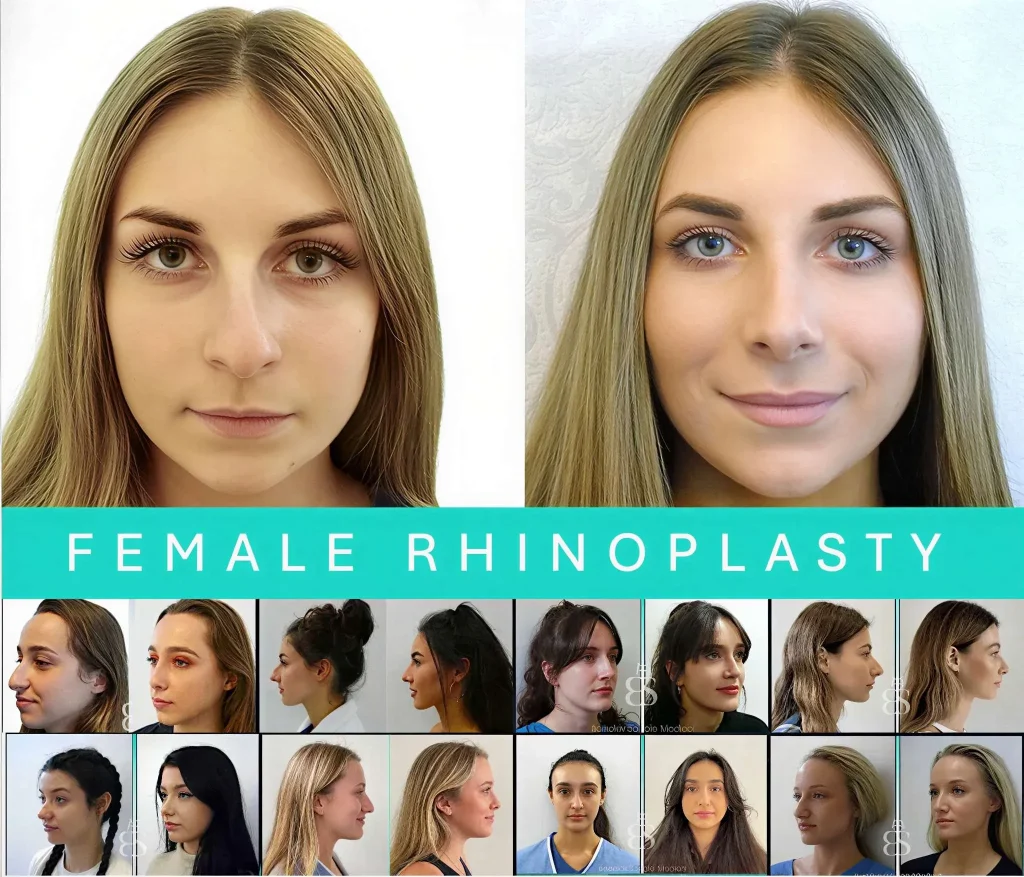
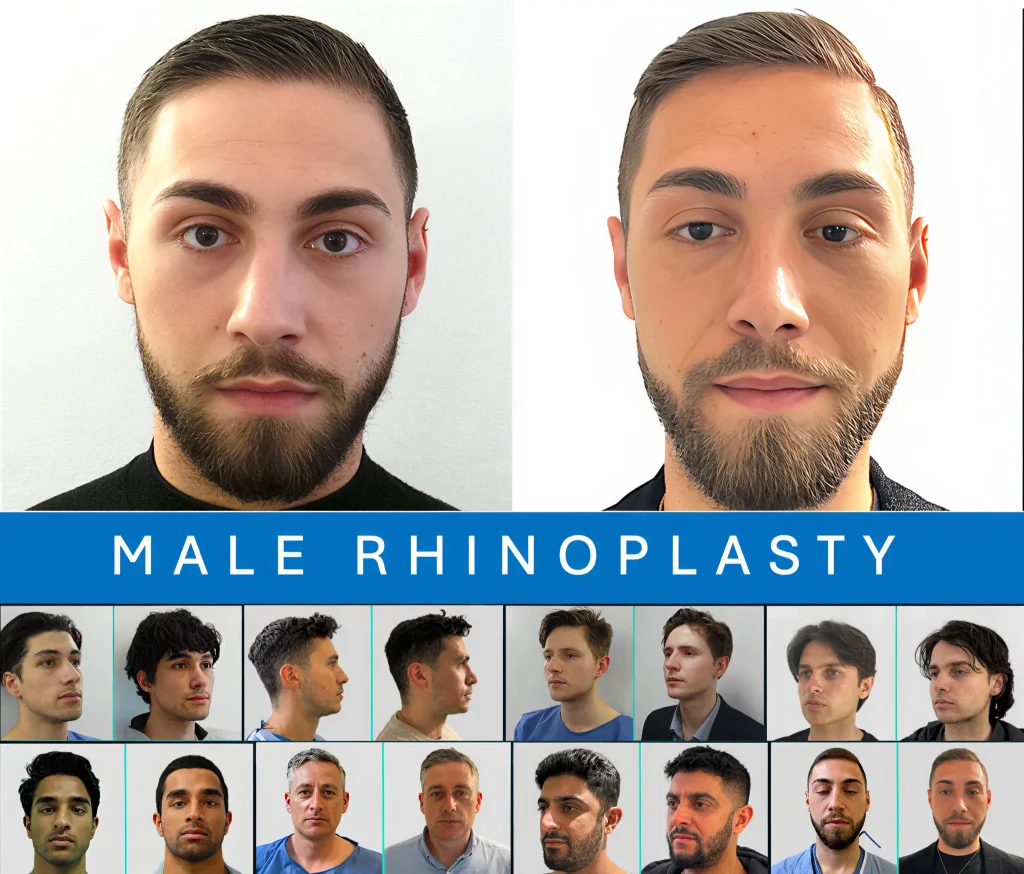
Before and after revision Rhinoplasty at Berkeley Square Medical. Individual results vary, and these are consenting patients.
Questions to ask before you book abroad
A simple checklist to lower your risk
If you are still considering surgery abroad, the questions below will tell you a great deal about how safe a clinic really is. The more of them a clinic answers clearly, the more reassured you can be:
- Who exactly is my surgeon, and how many rhinoplasties do they perform each year?
- Is the surgeon a specialist in Rhinoplasty, and can I see their own before-and-after results?
- Is the clinic accredited and regulated, and by whom?
- Exactly what aftercare and follow-up is included once I return home?
- What happens, and what does it cost, if I need a revision later?
- How long should I stay before flying, and who do I contact if there is a problem at home?
If any answer is vague, that uncertainty is itself a reason to pause.
How to check a surgeon's credentials before you travel
What accreditation actually means for your safety
In the UK, any surgeon performing Rhinoplasty should be on the GMC Specialist Register in plastic surgery, which anyone can check for free on the General Medical Council's public register. Most reputable UK surgeons are also members of BAAPS (the British Association of Aesthetic Plastic Surgeons). These checks take only a couple of minutes.
Abroad, look for full specialist certification in plastic surgery for your named surgeon, and JCI (Joint Commission International) accreditation for the hospital itself. Some clinics advertise membership of various organisations; the ones that carry real weight are recognised specialist board certification and a JCI-accredited facility. If a clinic cannot confirm both, that is a fair reason to ask why.
Flying home after Rhinoplasty: what to plan for
The recovery window a package price can overlook
Travelling introduces two specific issues after any nose surgery, wherever it is done. Cabin pressure changes can add to swelling, and the combination of an operation, reduced movement and a long flight carries a small risk of a blood clot (deep vein thrombosis). These risks are not unique to Turkey, but they matter more when your follow-up is hundreds of miles away.
Many surgeons advise waiting before you fly, so it is worth confirming the minimum stay with your clinic before you book flights, and asking what follow-up is possible by video once you are home. If any concern develops after you return, your UK GP is your first point of contact.
When is the UK the safer choice?
Continuity of care, when it matters most
The UK's main advantages are practical rather than aspirational: a single, consistent regulatory system, a named surgeon who is accountable to the GMC, and genuine continuity from your first consultation through to your long-term follow-up. Outcomes always depend on your individual anatomy and no surgeon can promise a specific result. But when something needs attention quickly, or when your nose is complex, having your surgeon accessible and your records in one place makes a real difference.
Having your surgery in the UK tends to be the safer choice if continuity of care matters to you, if you have a complex nose or a previous operation, or if breathing is involved. You can read how we approach primary surgery, the techniques Mr Shoaib uses and what to expect at consultation, on our Rhinoplasty London page.
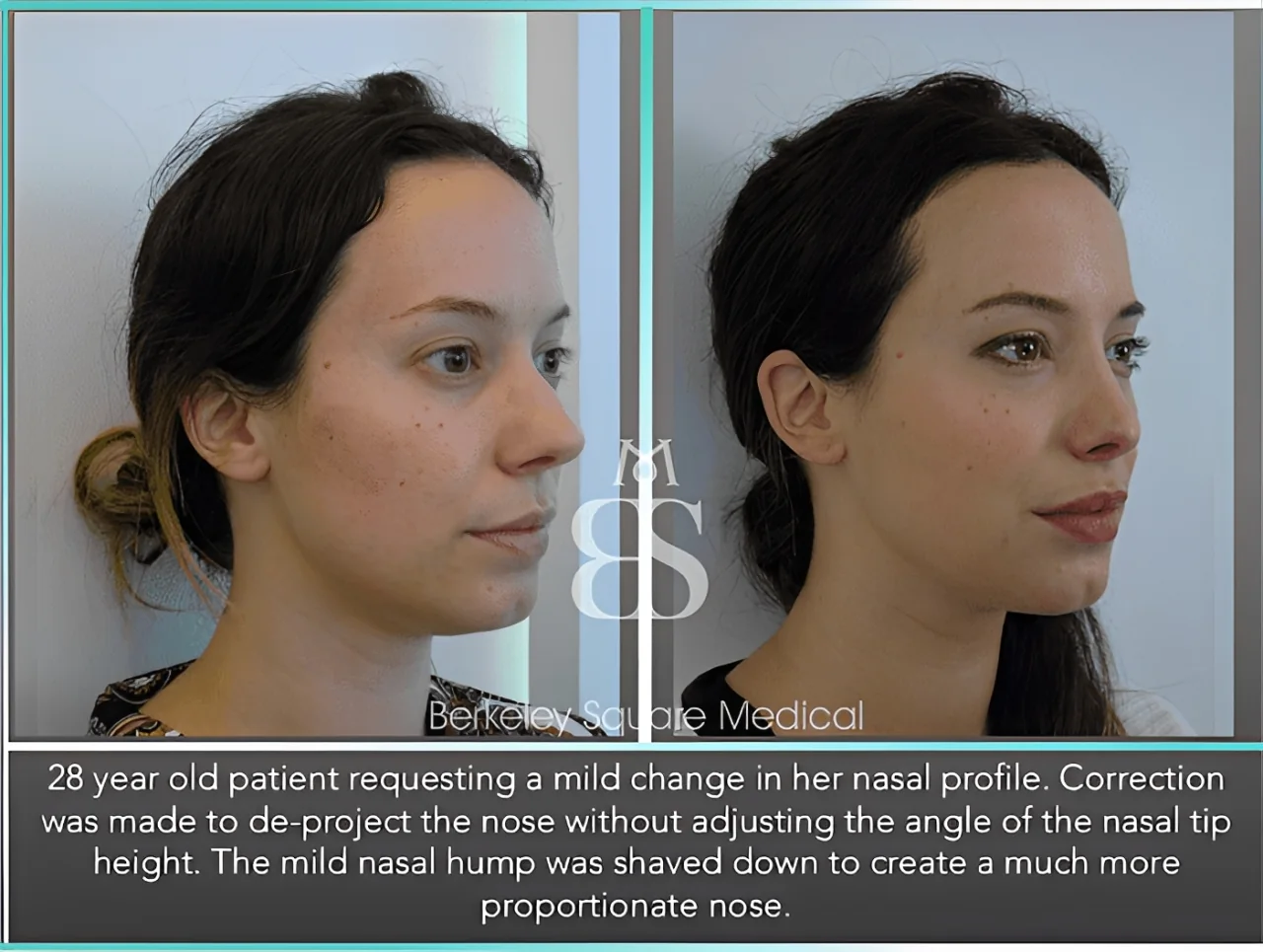
A natural Rhinoplasty result at Berkeley Square Medical. Individual results vary, and these are consenting patients.
Turkey vs the UK: the honest cost comparison
What the headline price does and doesn't include
Cost is the main reason people travel. An all-inclusive nose job in Turkey is typically advertised from around £2,500 to £5,500, while private Rhinoplasty in the UK usually ranges from about £6,000 to £13,000 for the surgery itself. The gap is real, but it is worth comparing like with like:
- A cheaper package abroad may include less in-person aftercare and follow-up once you are home.
- If you are unhappy and need revision, that surgery is usually charged separately, and revision is often more expensive than a first operation.
- Complications that appear after you fly home may need treating in the UK, either privately or through your GP. That is an additional cost and, more importantly, a gap in continuity: the surgeon who operated on you is not available to manage it.
For a straightforward primary Rhinoplasty with an experienced, accredited surgeon, results abroad can be excellent. The risk rises with complex noses, revision cases, and anyone who needs close follow-up. You can see how much private Rhinoplasty costs in London for our own pricing.
Can you fix a botched nose job from Turkey in the UK?
Your options back home in the UK
Because complications from Rhinoplasty abroad often appear weeks after surgery, once you are home, reaching your original surgeon can be difficult. Many patients then seek assessment and revision in the UK. A UK specialist can examine your nose and your breathing, explain what is realistically achievable, and discuss your options, which may include revision Rhinoplasty or, where appropriate, simply monitoring as you heal.
If a previous result abroad has left you unhappy, our guide to revision Rhinoplasty after surgery abroad explains the process in detail, from the first assessment to what recovery looks like.
Specialised Rhinoplasty For Men
Explore our specialist procedures. Tap any card to read more.
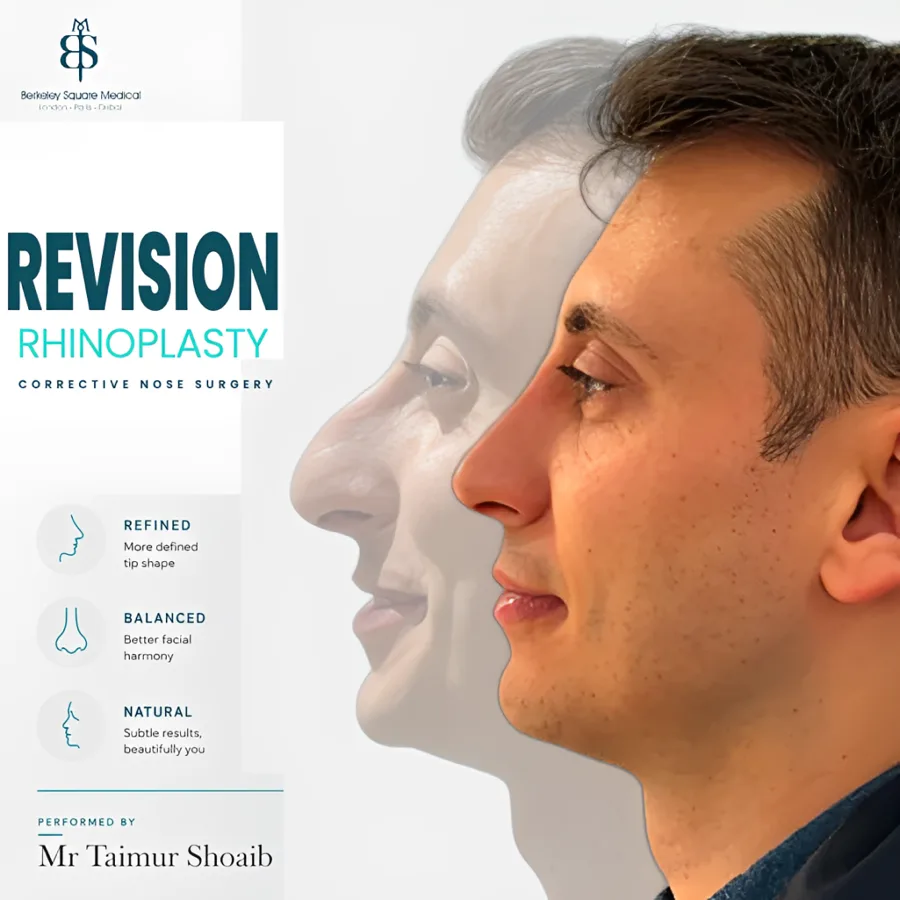 Revision RhinoplastyCorrecting or improving a previous rhinoplasty.Read more
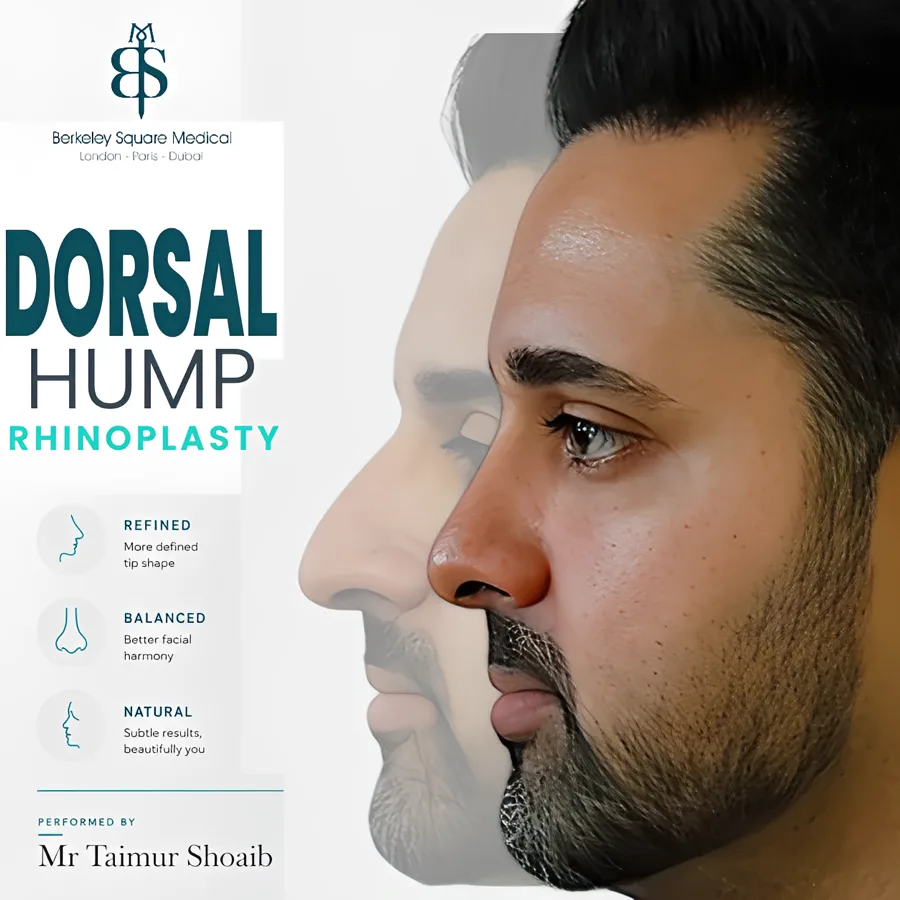 Dorsal Hump RhinoplastyRemoving a bump on the bridge for a straight profile.Read more
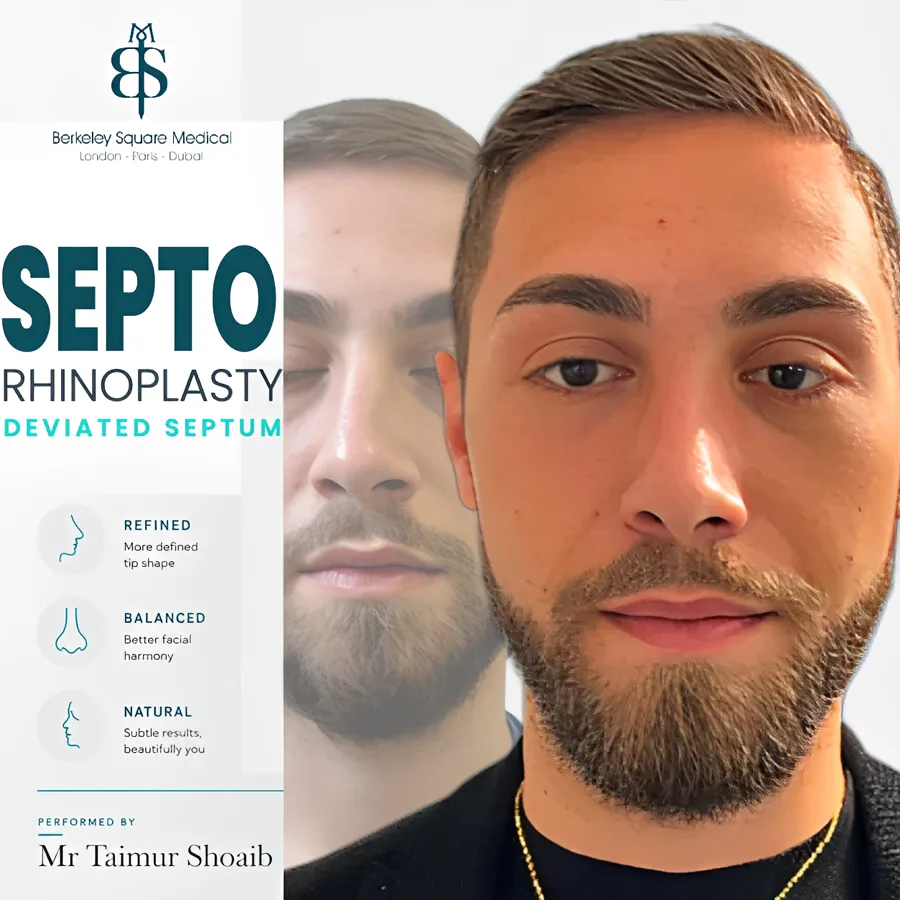 SeptorhinoplastyStraightening the nose and improving breathing.Read more
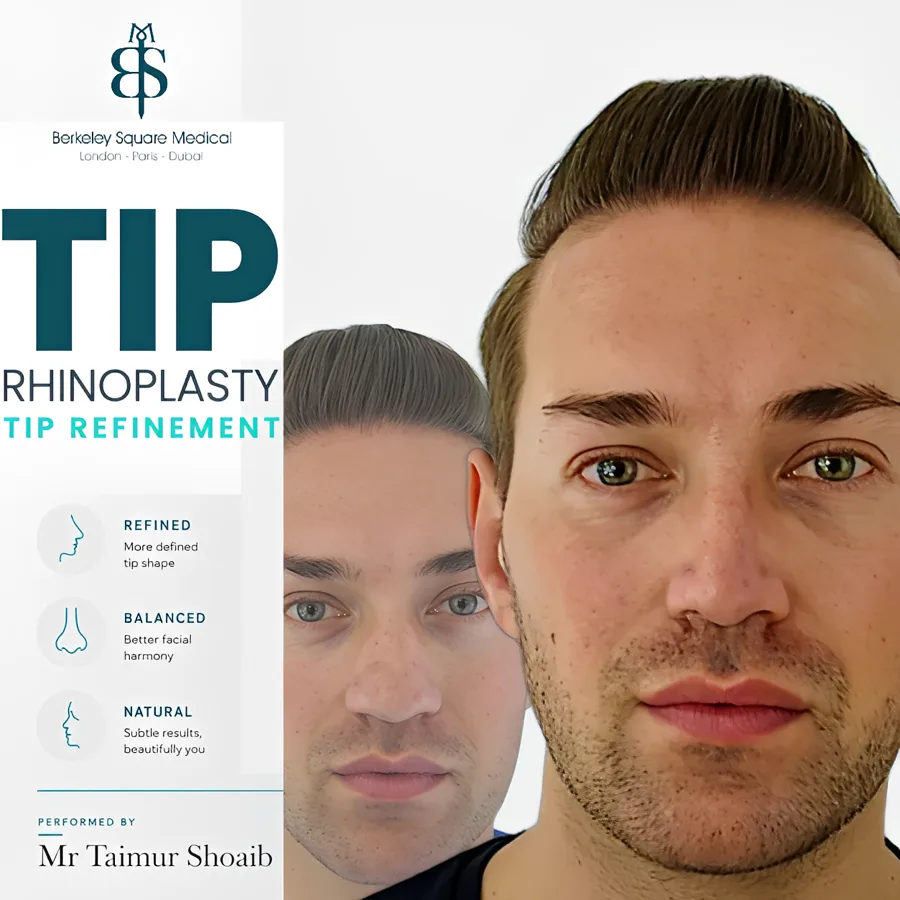 Tip RhinoplastyRefining a bulbous, drooping or asymmetrical tip.Read more
Specialised Rhinoplasty For Females
Explore our specialist procedures. Tap any card to read more.
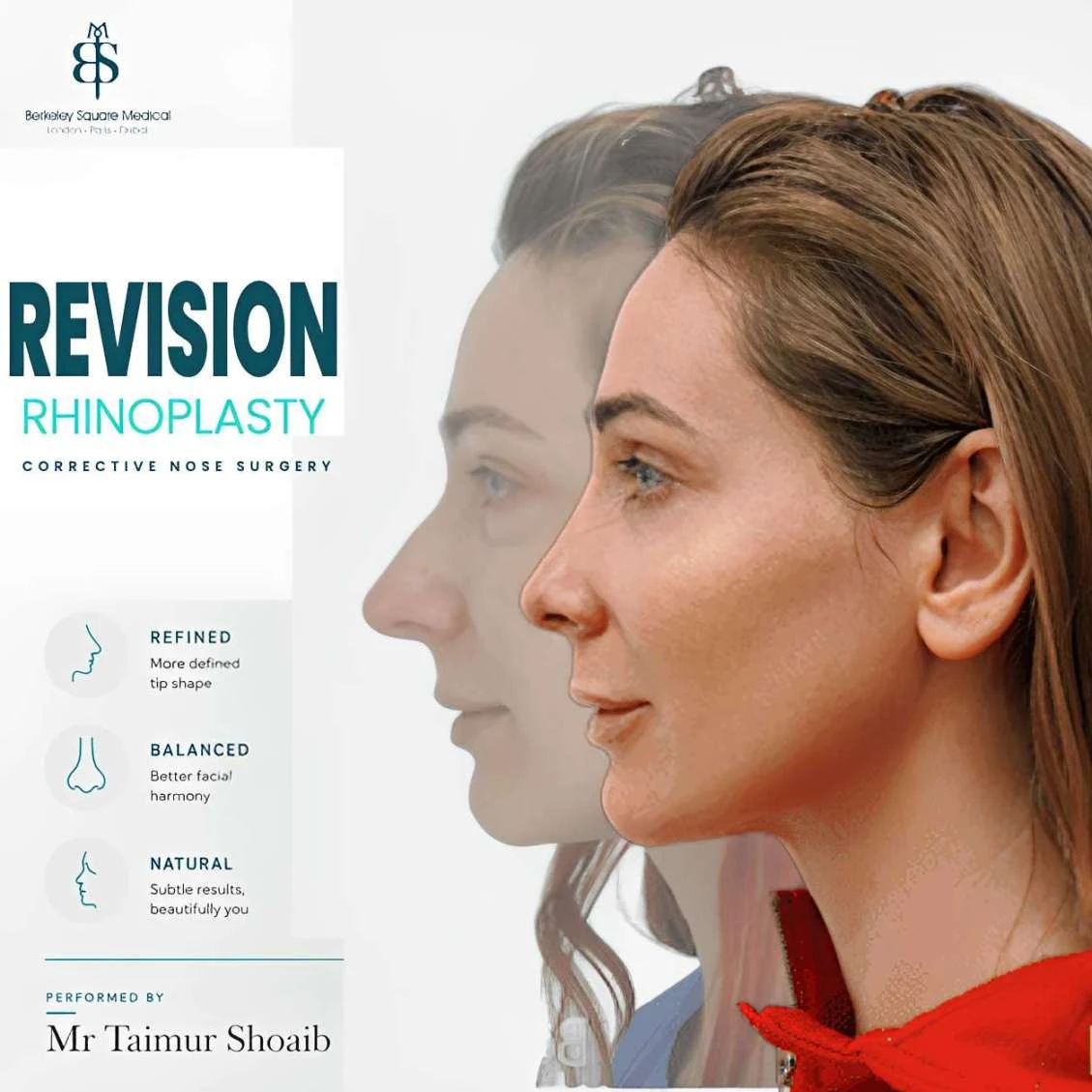 Revision RhinoplastyCorrecting or improving a previous rhinoplasty.Read more
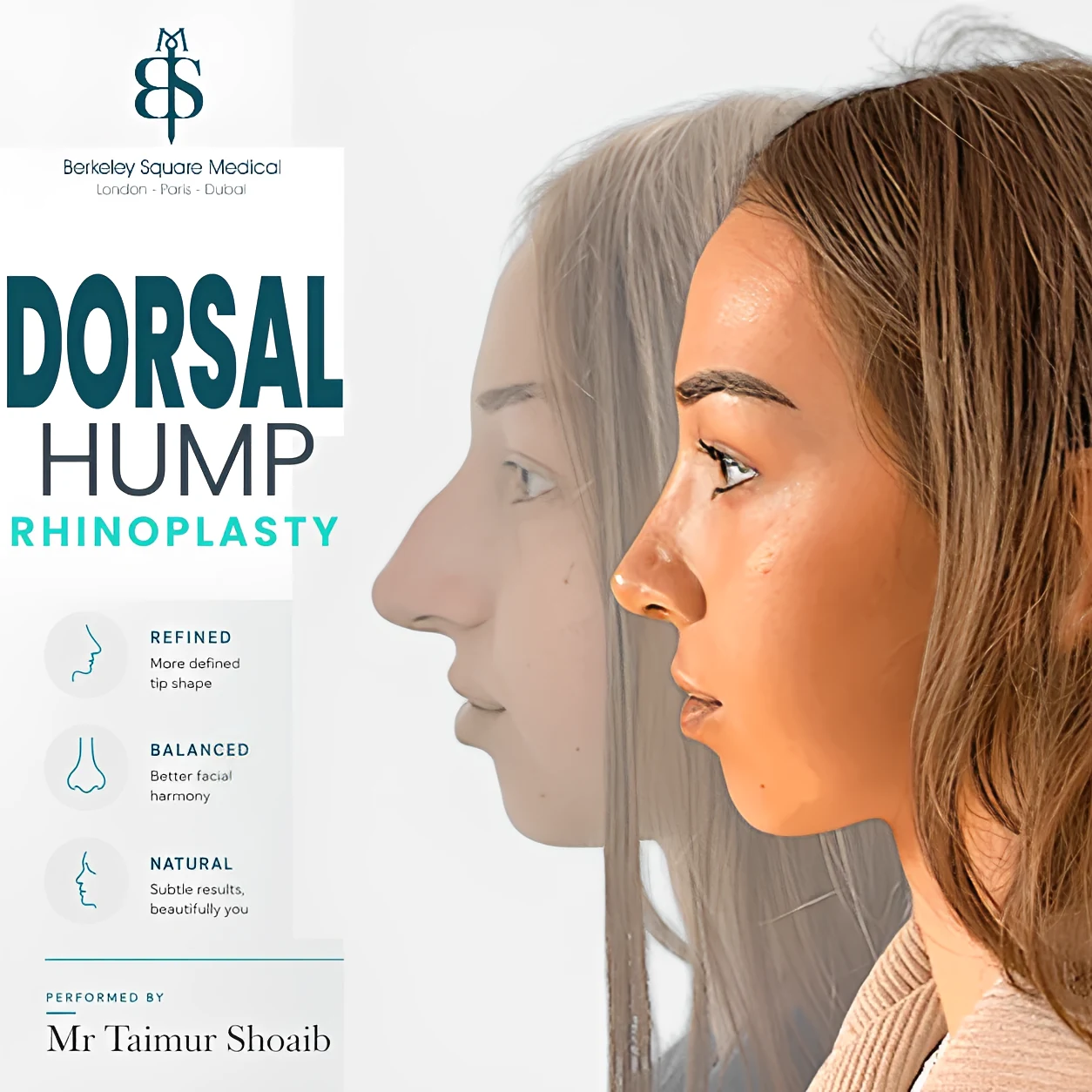 Dorsal Hump RhinoplastyRemoving a bump on the bridge for a straight profile.Read more
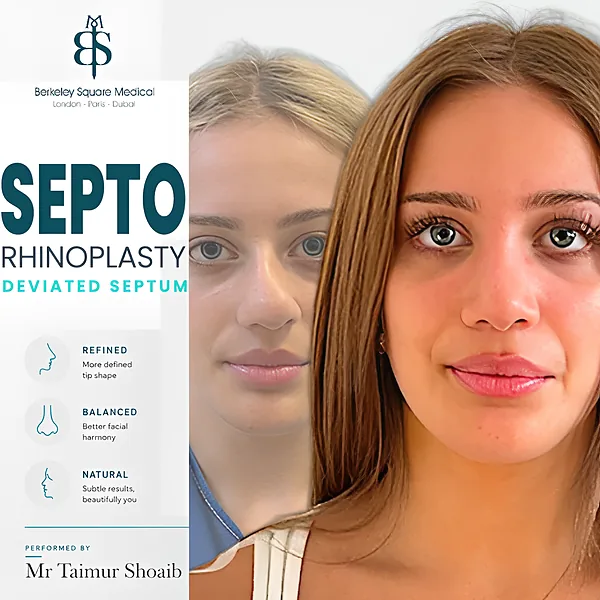 SeptorhinoplastyStraightening the nose and improving breathing.Read more
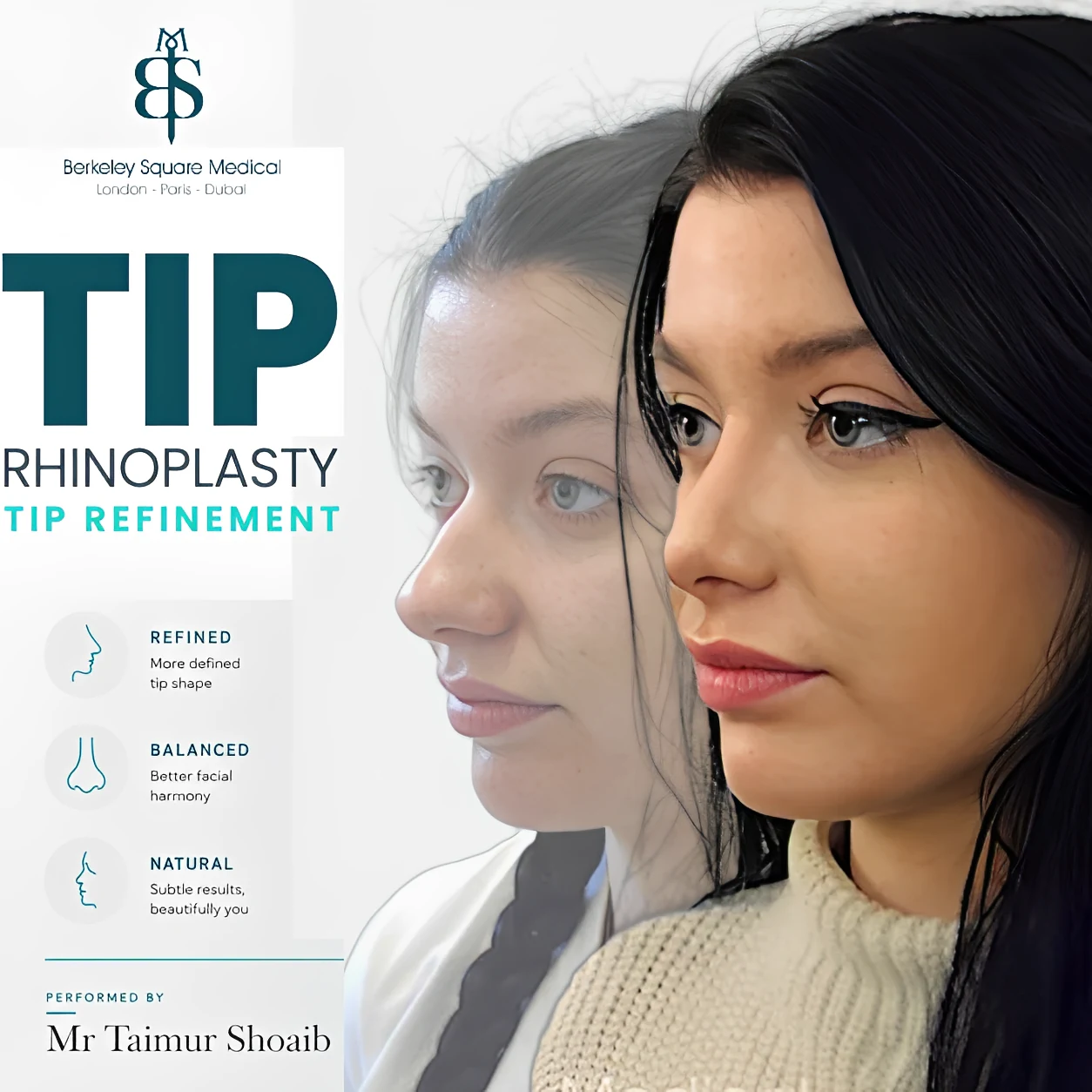 Tip RhinoplastyRefining a bulbous, drooping or asymmetrical tip.Read more
Considering rhinoplasty in London?
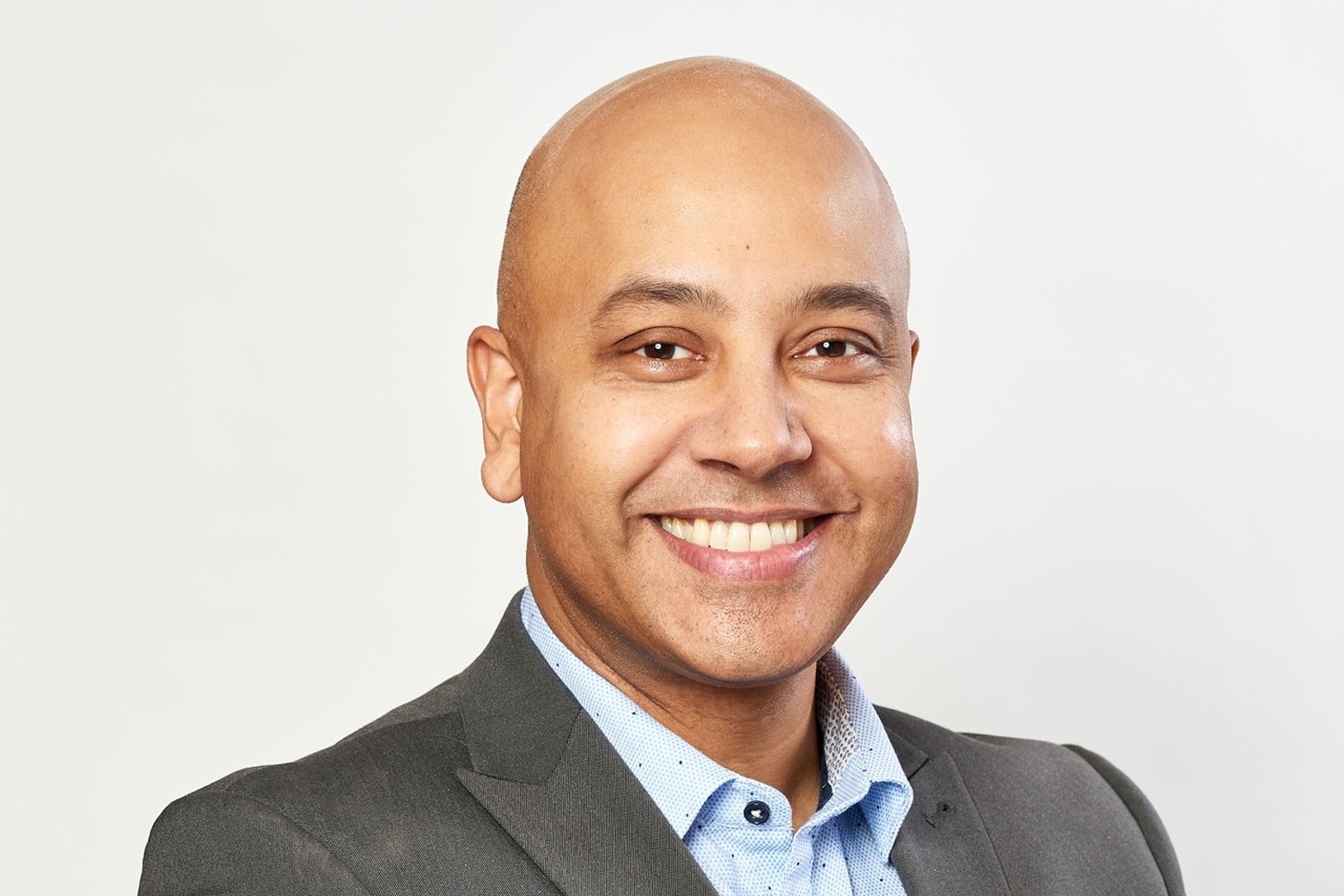
If you are weighing up your options in the UK, the next step is a consultation with Mr Taimur Shoaib at 64 Harley Street. Explore rhinoplasty at Berkeley Square Medical, see typical rhinoplasty costs in London, or read about septorhinoplasty in London if breathing is also a concern.