
0203 811 8175
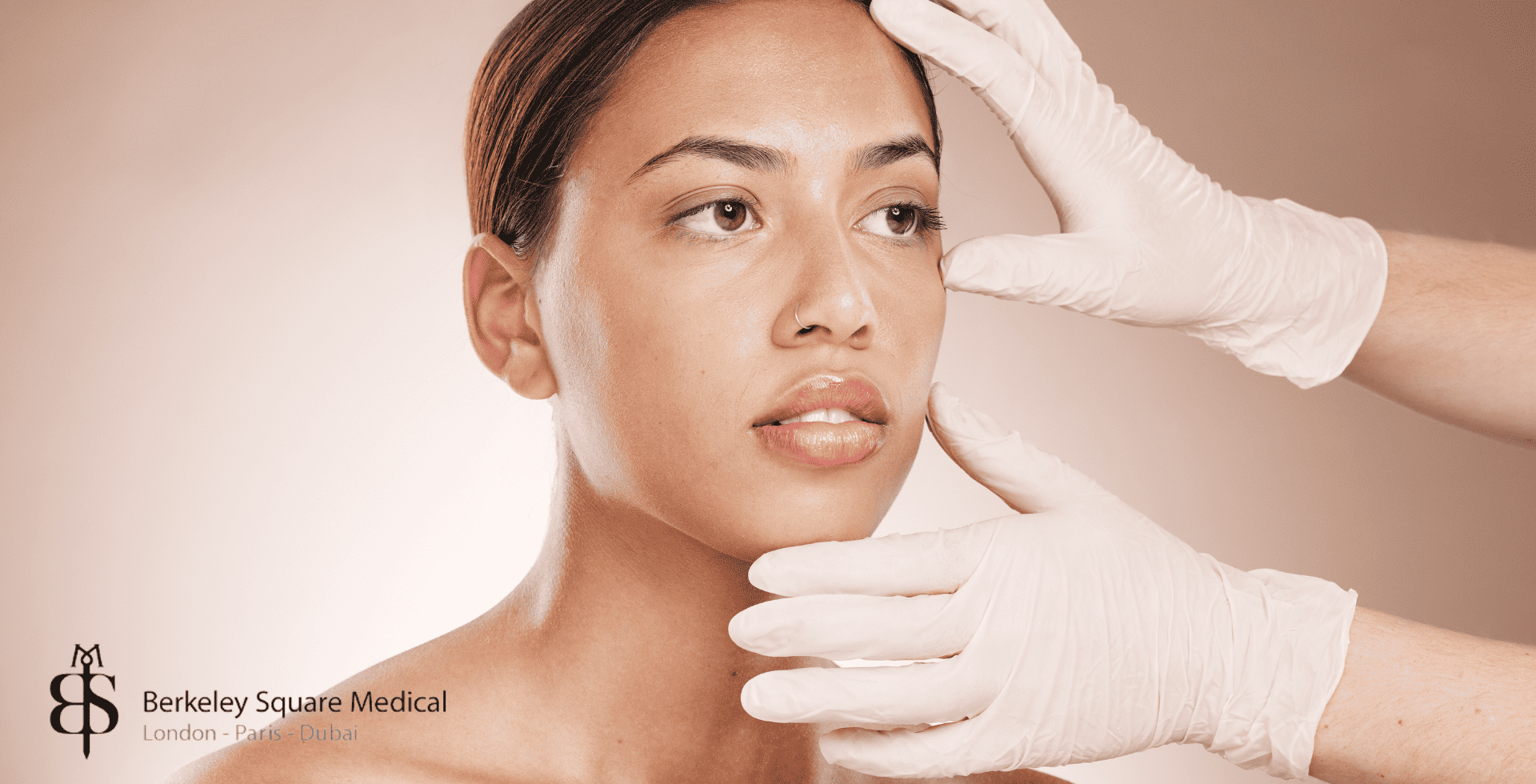
A wide nose can make facial features appear less balanced, whether it’s due to genetics, previous injury, or the natural structure of the nasal bones and cartilage. For many patients, a wide nasal bridge, flared nostrils, or bulbous tip can draw attention away from the rest of the face.
Wide nose rhinoplasty, also known as rhinoplasty for wide nasal bones or nostrils, aims to refine and narrow the shape of the nose while keeping proportions natural. Depending on your goals, this can be achieved through surgical or non-surgical techniques.
This guide explains what causes a wide nose, the best options for correction, recovery timelines, and what results you can realistically expect if you are considering rhinoplasty in the UK.
A wide nose can be caused by genetics, injury, previous surgery, or ageing, affecting both the nasal bones and soft tissue.
Non-surgical treatments like dermal fillers and Botox can improve symmetry or reduce nostril flare, but results are temporary and best for mild cases.
Surgical rhinoplasty offers a permanent solution through techniques such as osteotomy (bone narrowing), alar base reduction, and tip refinement.
The recovery period typically lasts a few weeks, with final results visible around 9–12 months after surgery.
A wide nose can develop for several reasons, each affecting the bone, cartilage, or soft tissue of the nasal structure:
For patients who prefer not to undergo surgery, there are temporary, non-invasive options that can improve the appearance of a wide nose — although they cannot alter the underlying structure.
While non-surgical options can be beneficial for minor adjustments or as a temporary solution, they are not appropriate for patients seeking a permanent reduction in nasal width. Surgical rhinoplasty remains the gold standard for lasting, structural changes.
When the goal is to permanently correct a wide nose, surgical rhinoplasty offers the most effective and lasting solution. Treatment plans are carefully customised based on which part of the nose needs refinement — the bridge, the nostrils, the tip, or a combination.
Here are the most common surgical techniques used:
Choosing the right surgical plan is important – during your consultation, your surgeon will assess the internal and external structure of your nose, your skin thickness, and your facial proportions to create a tailored plan for the best possible result.
Most patients notice a more proportionate, narrower nose that enhances their overall facial balance. Results should look natural — the goal is always to improve the nose without making it look artificial or over-corrected.
As with any surgery, rhinoplasty carries potential risks. These may include:
Choosing a qualified, highly experienced surgeon dramatically reduces these risks and ensures you are well cared for during recovery.
At Berkeley Square Medical in London, the current all-inclusive cost for primary rhinoplasty is £7,950. This covers:
Prices for rhinoplasty across the UK typically range between £5,000 and £15,000, depending on the surgeon’s expertise, clinic location, and the complexity of the procedure.
It’s important to choose quality and experience over price alone, as revision surgeries can be more complex and costly.
Selecting the right rhinoplasty surgeon is one of the most important decisions you will make. Look for:
During your consultation, your surgeon should perform a full facial assessment, discuss your goals in detail, and explain the techniques that would best achieve a natural, harmonious result.
A wide nose can affect the overall balance of your face – but with today’s advanced techniques, it can be beautifully reshaped to enhance your natural features. Whether you’re exploring non-surgical options or planning for rhinoplasty, understanding your choices is the first step toward making the right decision.
At Berkeley Square Medical, we specialise in natural-looking nose reshaping procedures tailored to your individual needs. If you’re considering wide nose rhinoplasty in the UK, we invite you to schedule a consultation and take the first step toward a more confident you.
Yes, non-surgical treatments such as dermal fillers and botulinum toxin (Botox) can temporarily improve the appearance of a wide nose. Fillers can help straighten and refine the nasal bridge, while Botox can slightly reduce nostril flare in select cases. However, these methods cannot permanently narrow the nasal structure. Surgical rhinoplasty remains the most effective solution for long-term correction.
At Berkeley Square Medical, the cost of primary wide nose rhinoplasty is £8,950, which includes the consultation, surgeon and hospital fees, anaesthesia, and all post-operative care. Prices across the UK generally range from £5,000 to £15,000, depending on the complexity of the surgery and the surgeon’s expertise.
When performed by an experienced medical professional, non-surgical rhinoplasty with fillers is considered safe. However, there are small risks such as swelling, bruising, or, in rare cases, vascular complications. Choosing a qualified, GMC-registered injector who uses high-quality, reversible hyaluronic acid fillers is essential for safety and precision.
Most patients return to light activities within two weeks, with major swelling subsiding in three to four weeks. Residual swelling, especially around the nasal tip, can take several months to settle completely. Full healing and final results are typically visible after 9–12 months.
Yes. Surgical rhinoplasty can permanently narrow a wide nose by reshaping the nasal bones, cartilage, and soft tissue. Techniques such as osteotomy (bone narrowing) or alar base reduction (nostril narrowing) can refine the structure while maintaining a natural look. Once healed, the results are permanent, though minor changes may occur over time with ageing.

Patient Journey We are here to guide you to make the right decision for your well-being. If you are considering an aesthetic change to your appearance, we know that it’s one of the most important and personal decisions you wish to make. Therefore you need to be certain that the medical advice you receive is […]

Patient Aftercare All cosmetic surgery procedures at Berkeley Square Medical come with a comprehensive aftercare package and a 24-hour service so you can be assured you are always under the care and guidance of our surgical team. All your immediate aftercare is included in the cost of your surgery so there are no hidden extras in our […]

If you are considering Cosmetic Surgery, we understand that it's probably one of the most important decisions you're likely to make, therefore, you need to be sure it's right for you and you receive professional and independent advice about your procedure.

Our Philosophy We began our journey setting foot in the highly fashionable area of Berkeley Square, Mayfair where luxury fashion, galleries and five-star hotels all conveniently meet to set the example for world-leading client services and experience. Our goal was to create a cosmetic surgery practice that would not only exceed patients’ expectations but provide […]

