The Clinical Goals of Hump Correction
Surgical Objectives
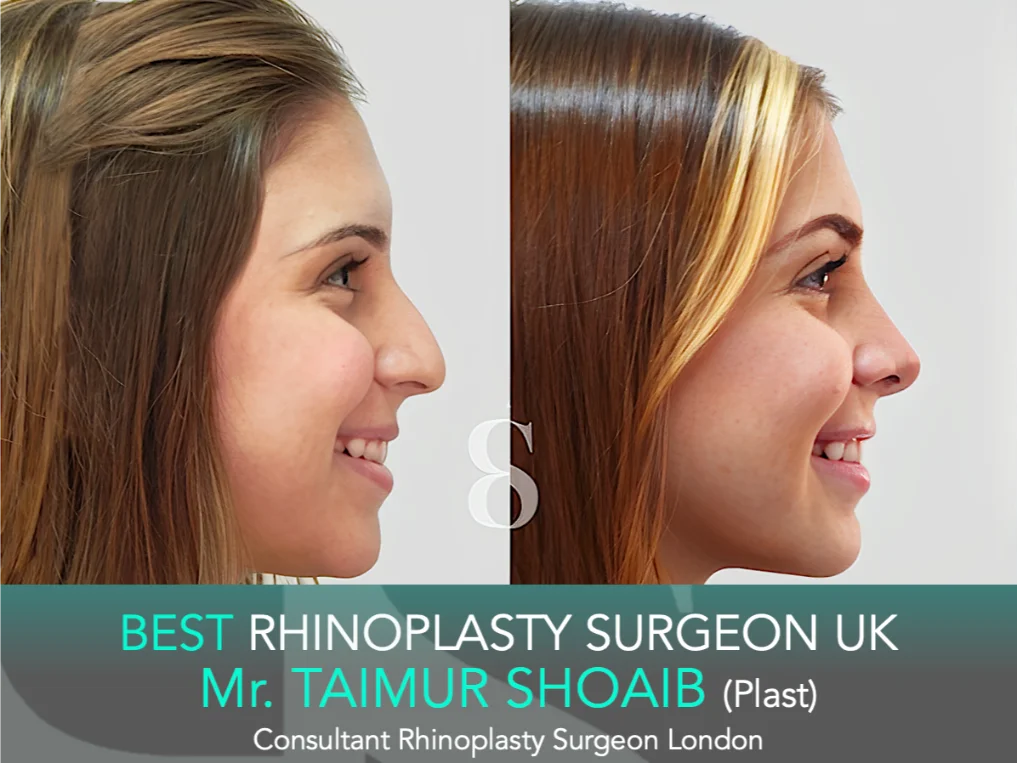
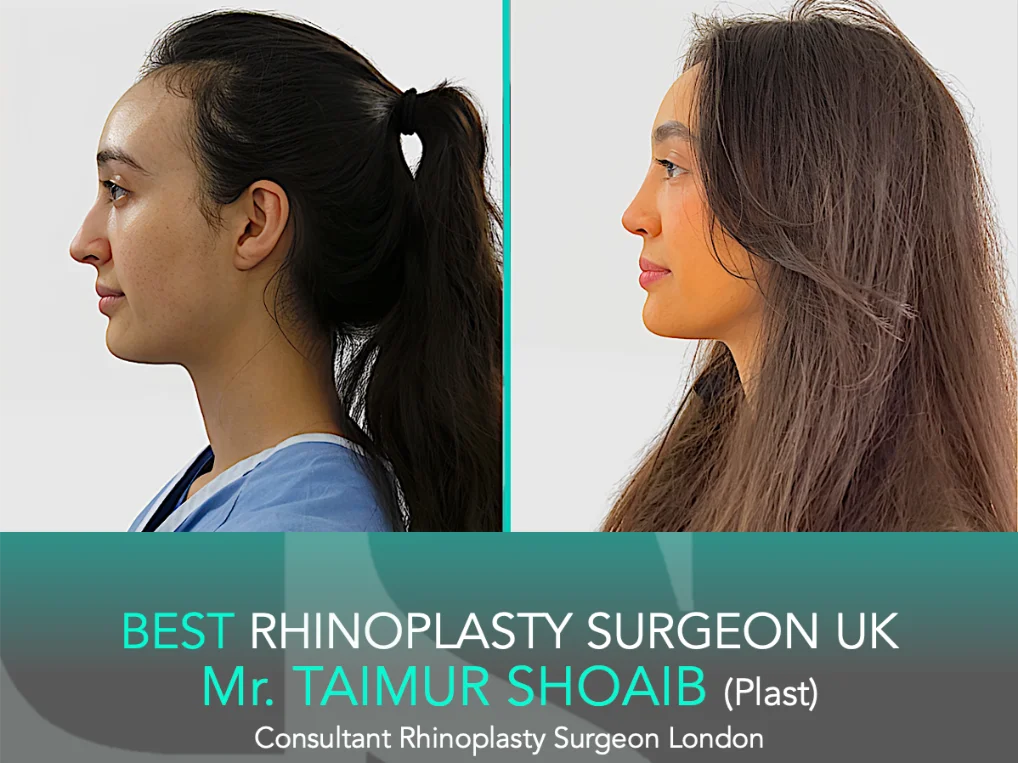
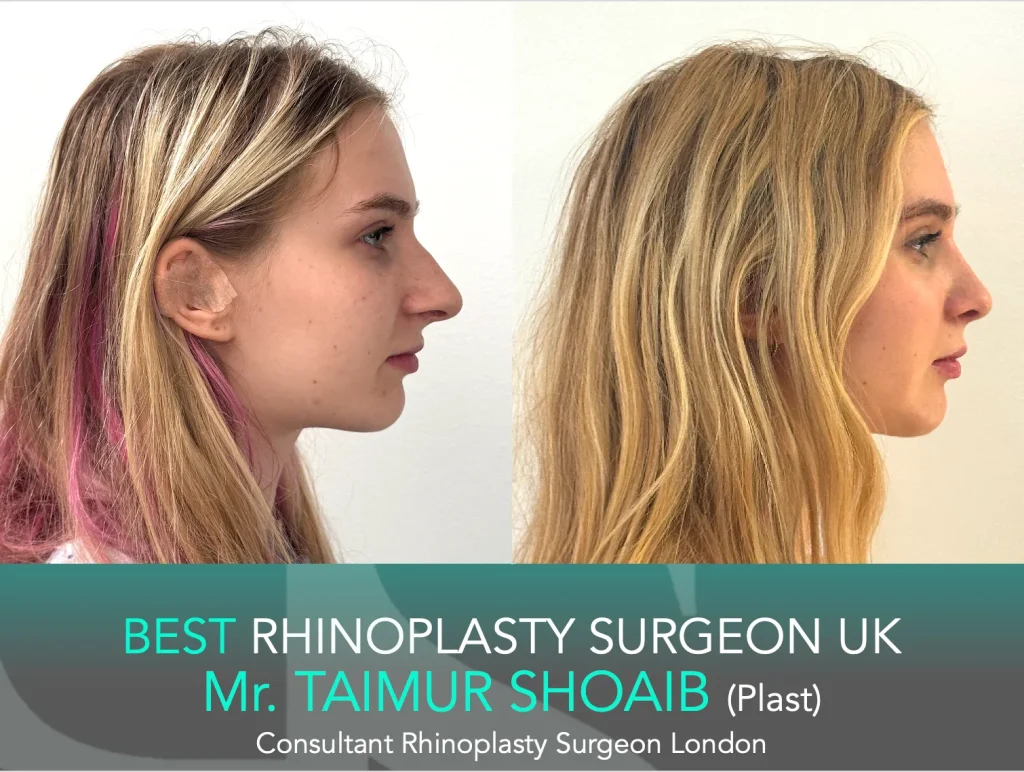
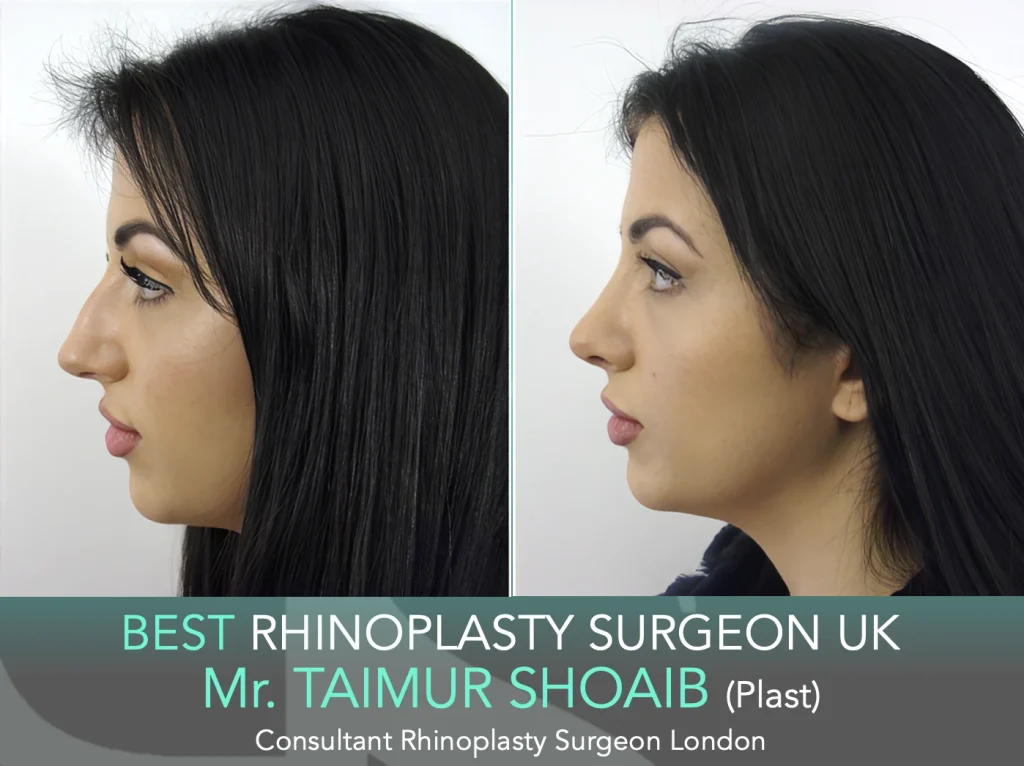
Achieving an optimal result in dorsal hump rhinoplasty requires a departure from standard reductive techniques. Our clinical approach focuses on structural balance, reinforcing the nasal framework to ensure the bridge remains stable while refining the profile. The goal is a high-definition result that functions well and ages gracefully, maintaining full harmony with your natural facial features.
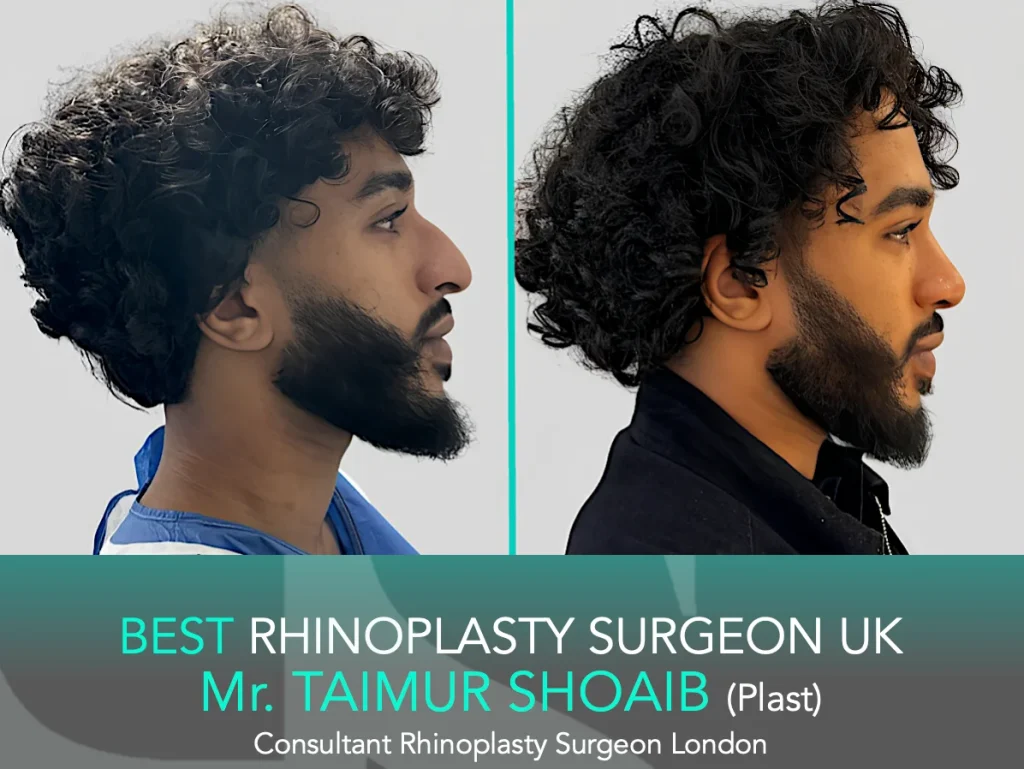
Bridge Straightening:
↓
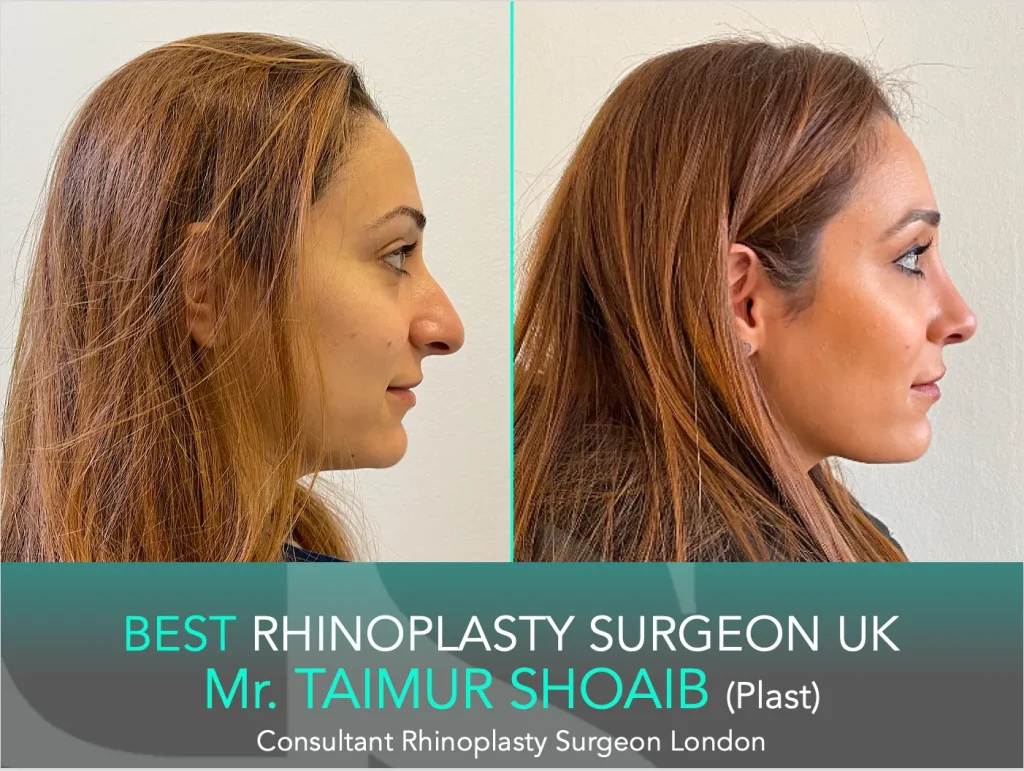
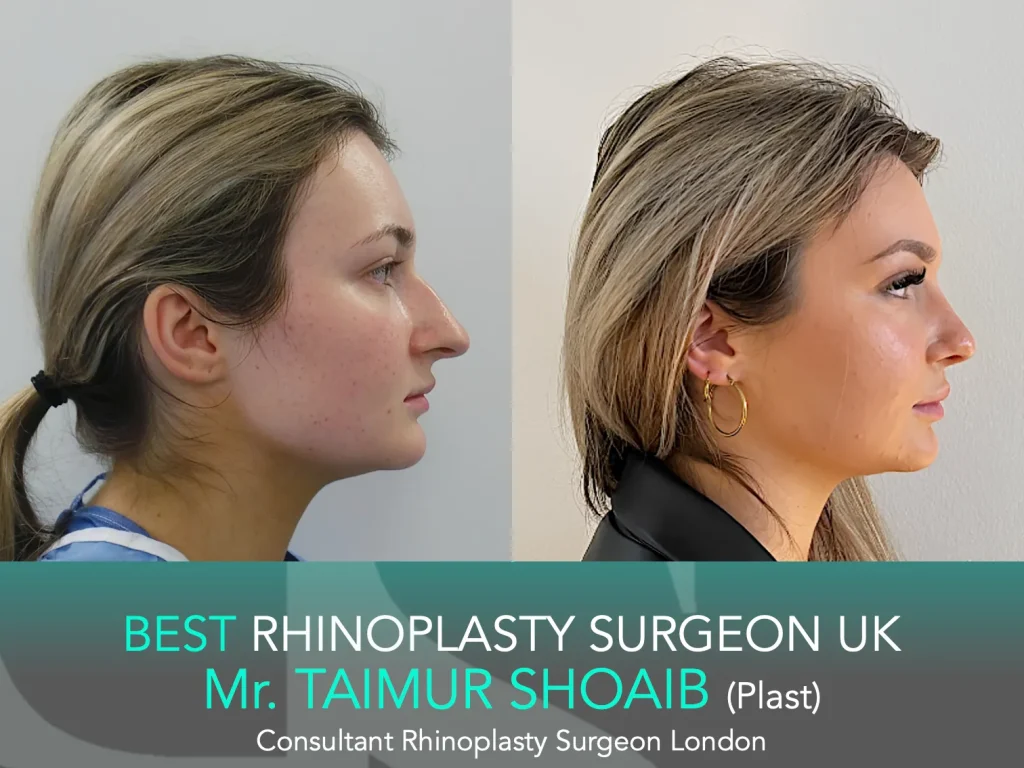
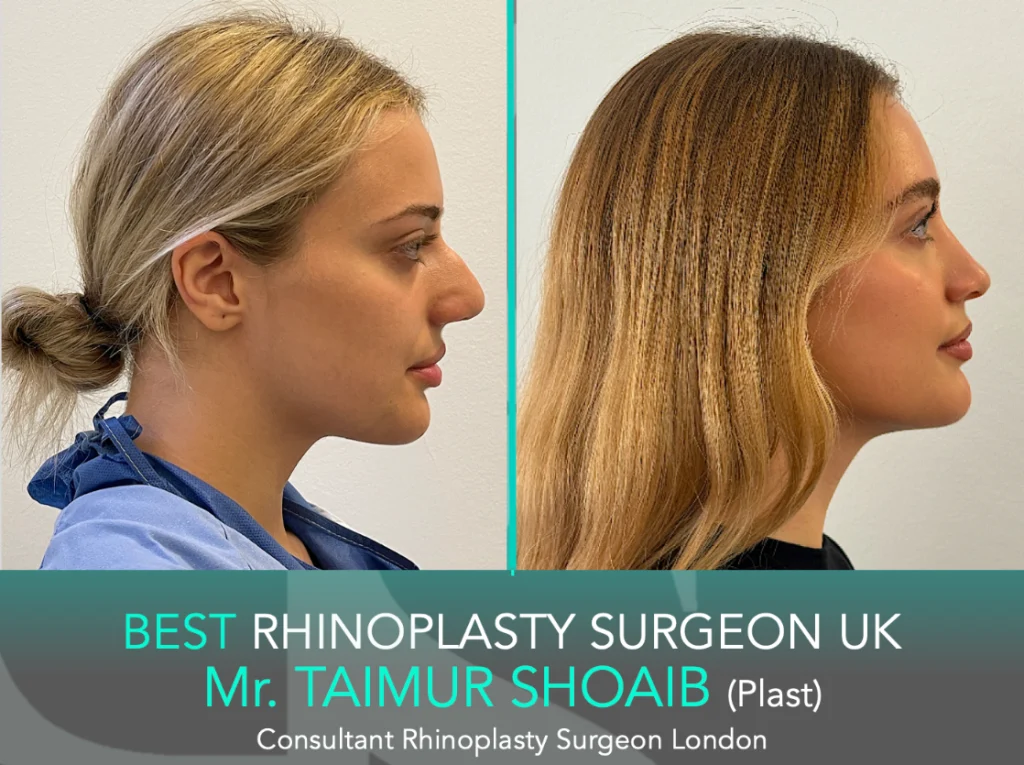
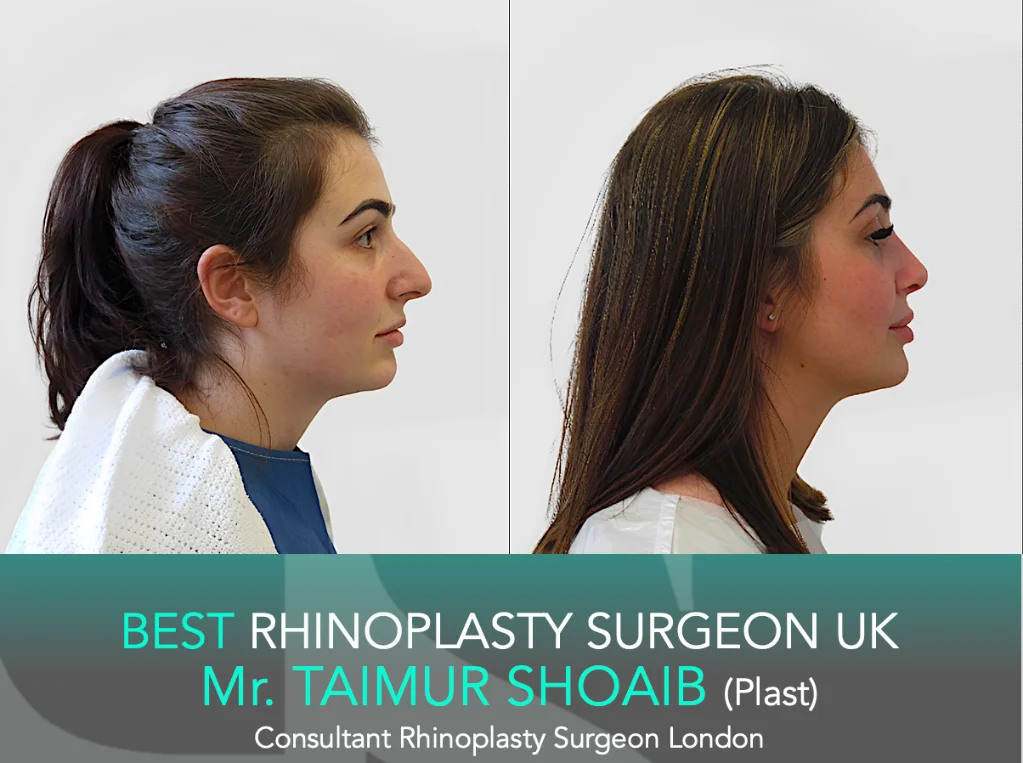
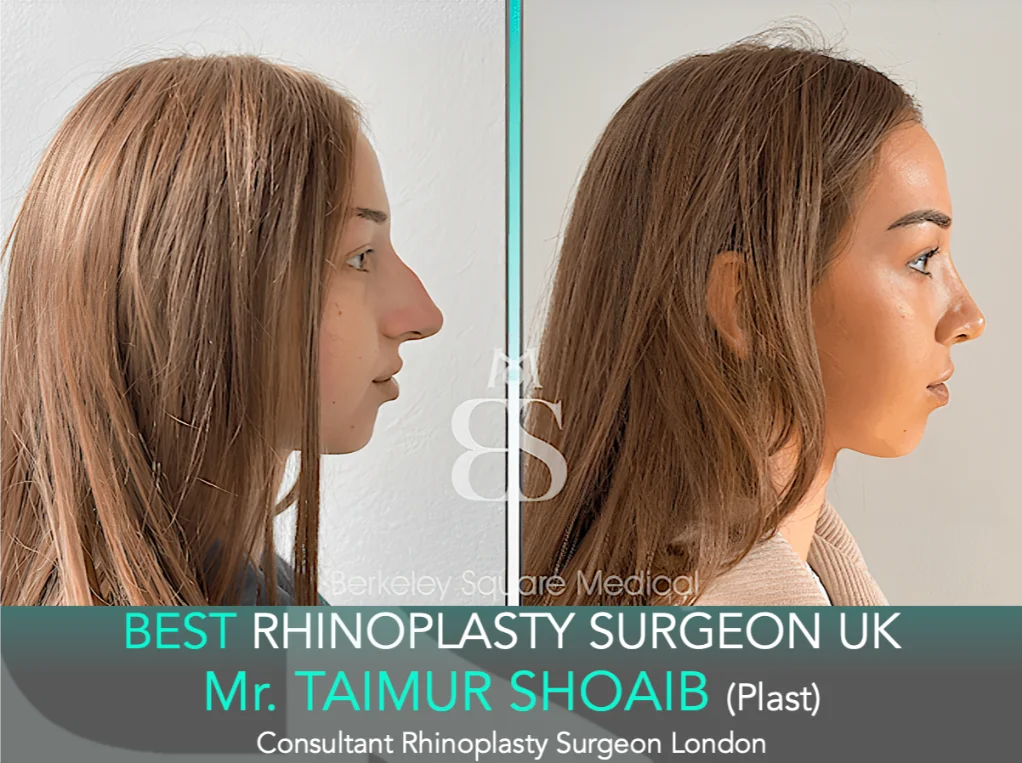
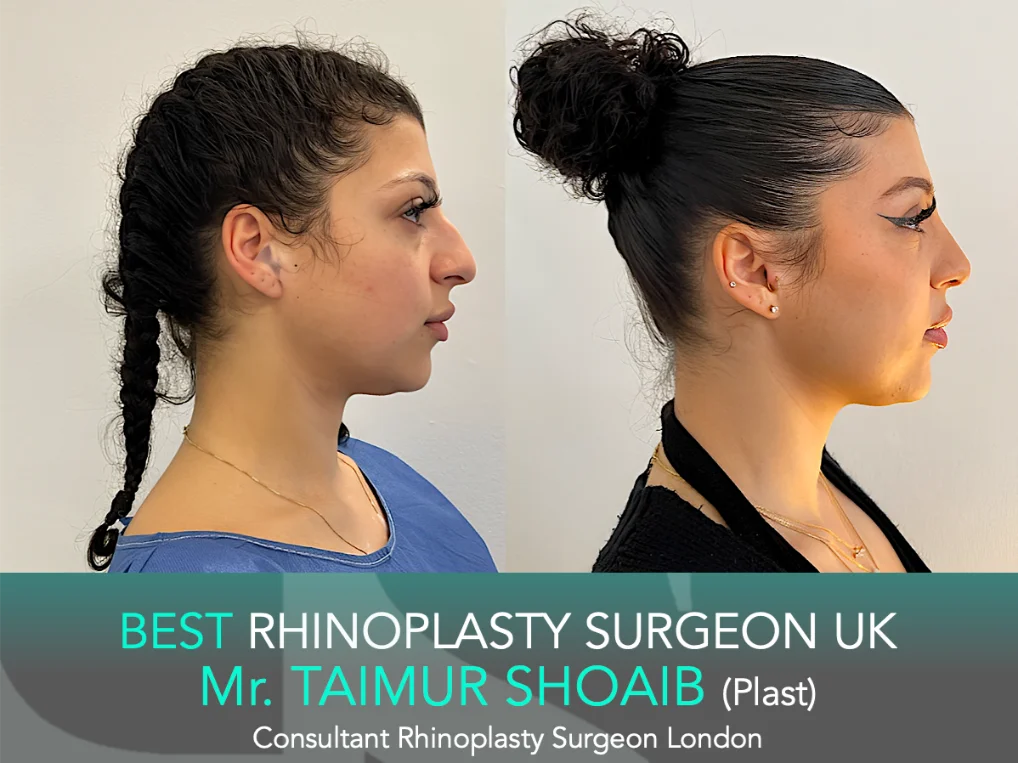
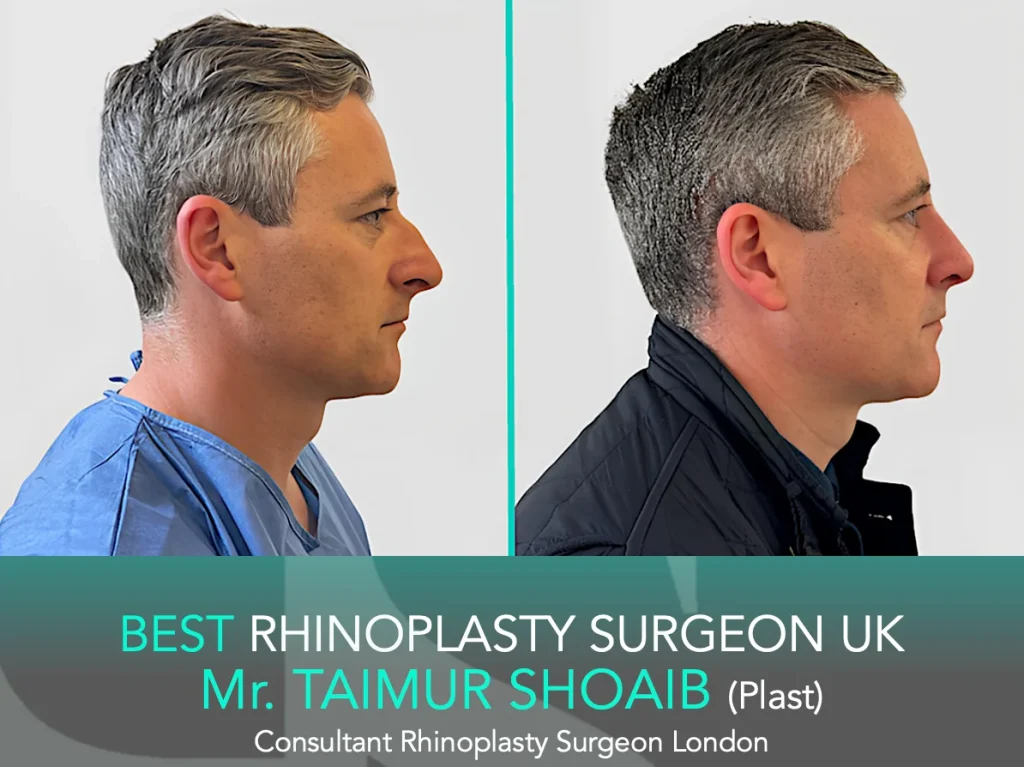
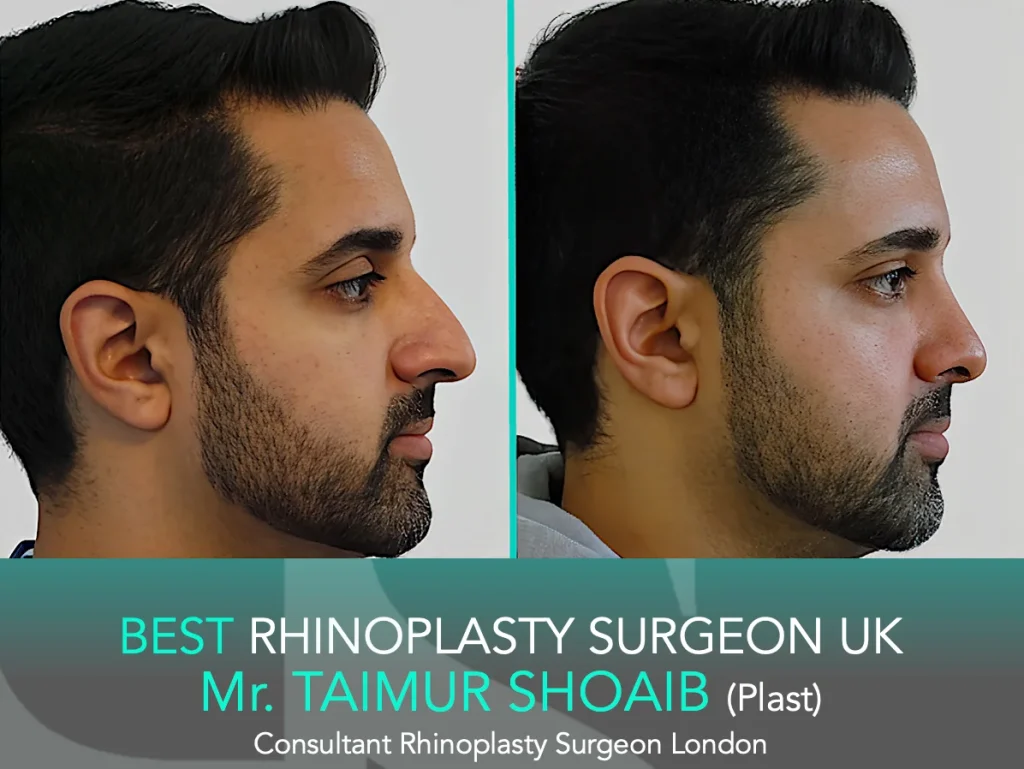
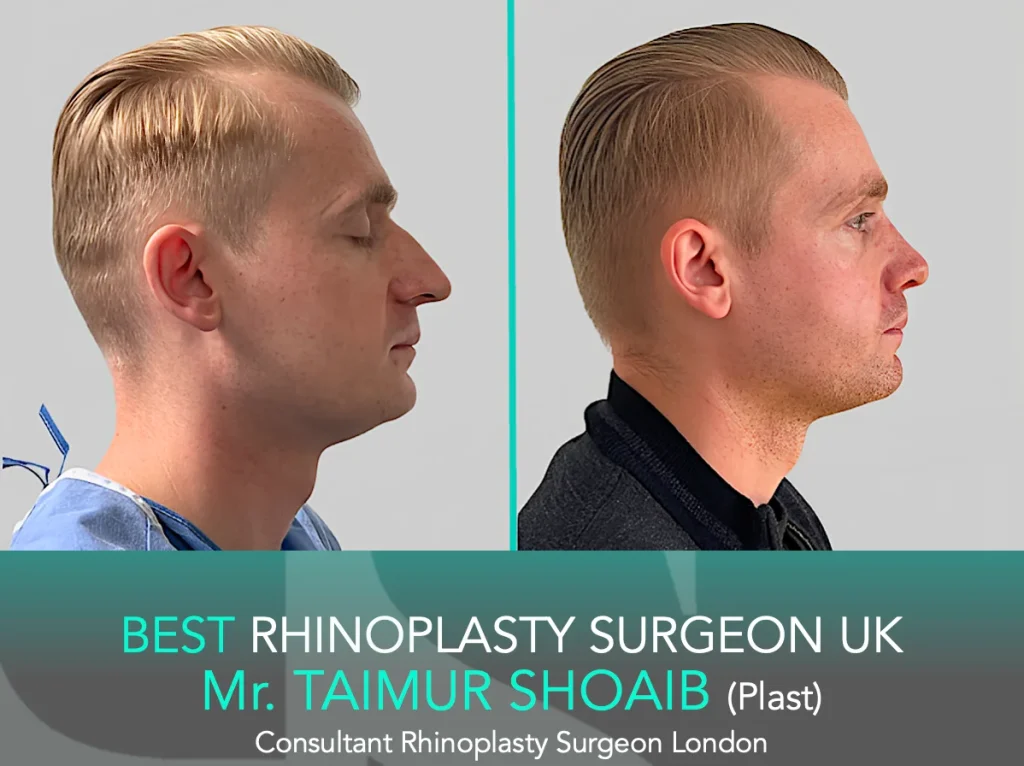
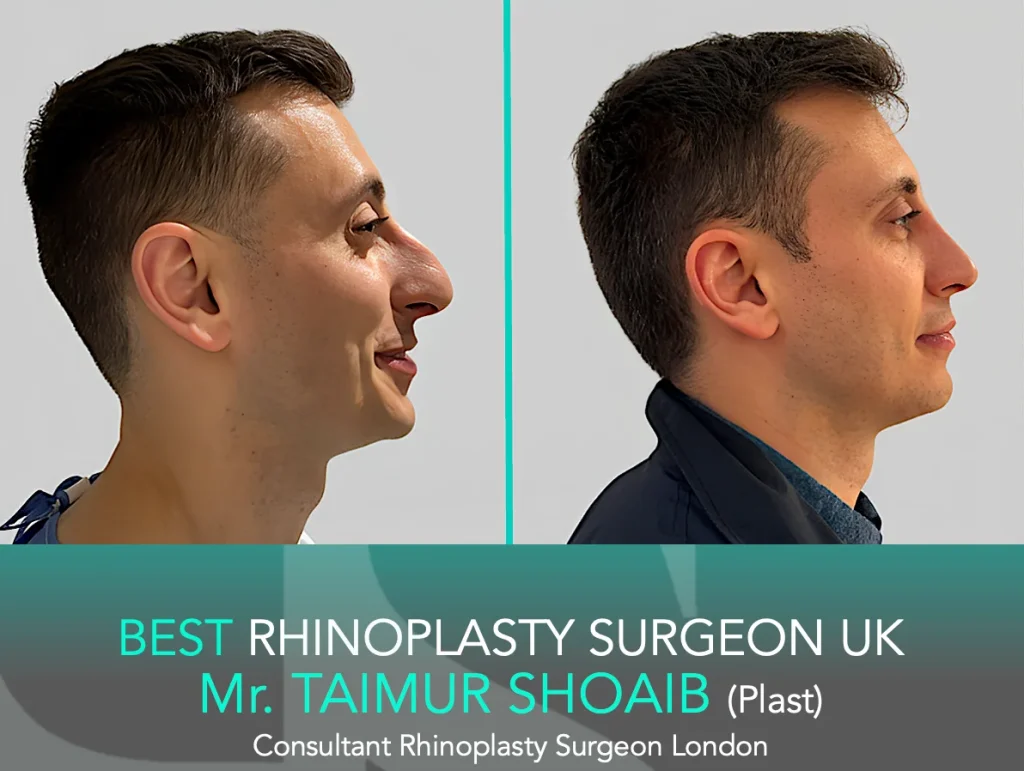
The primary goal of this procedure is the precise correction of a prominent dorsal hump. Clinically, this is not merely about "shaving down" bone; to maintain safety and long-term structural integrity, we focus on precision reshaping. We aim to create a strong, straight bridge that transitions smoothly from the brow (the radix) to the tip. By preserving the strength of the nasal bridge, we prevent the "collapsed" or "scooped" look, ensuring a result that looks natural from every angle.
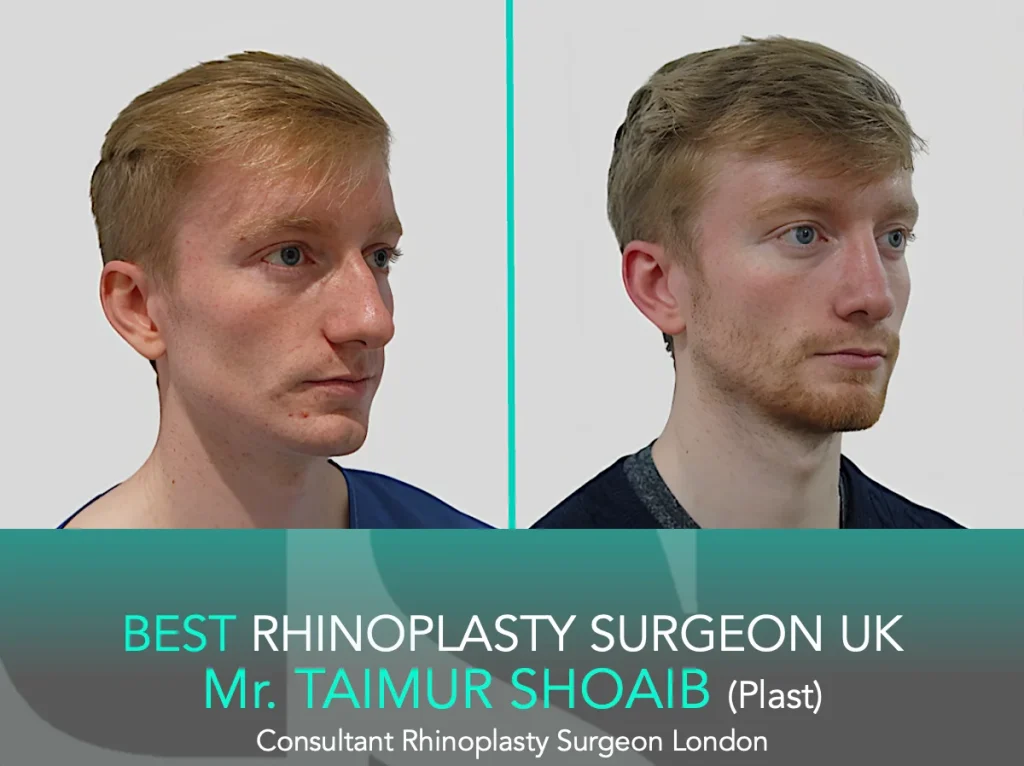
Precision Tip Alignment:
↓
A prominent dorsal hump often creates the illusion of a drooping nasal tip, or "Tip Ptosis". The surgical goal is to provide permanent internal support to balance the new bridge height. Through advanced cartilage grafting, we "re-anchor" the tip at a more aesthetically pleasing angle. This objective is twofold: it prevents the nose from plunging when you smile and provides the necessary structure to complement the refined profile.
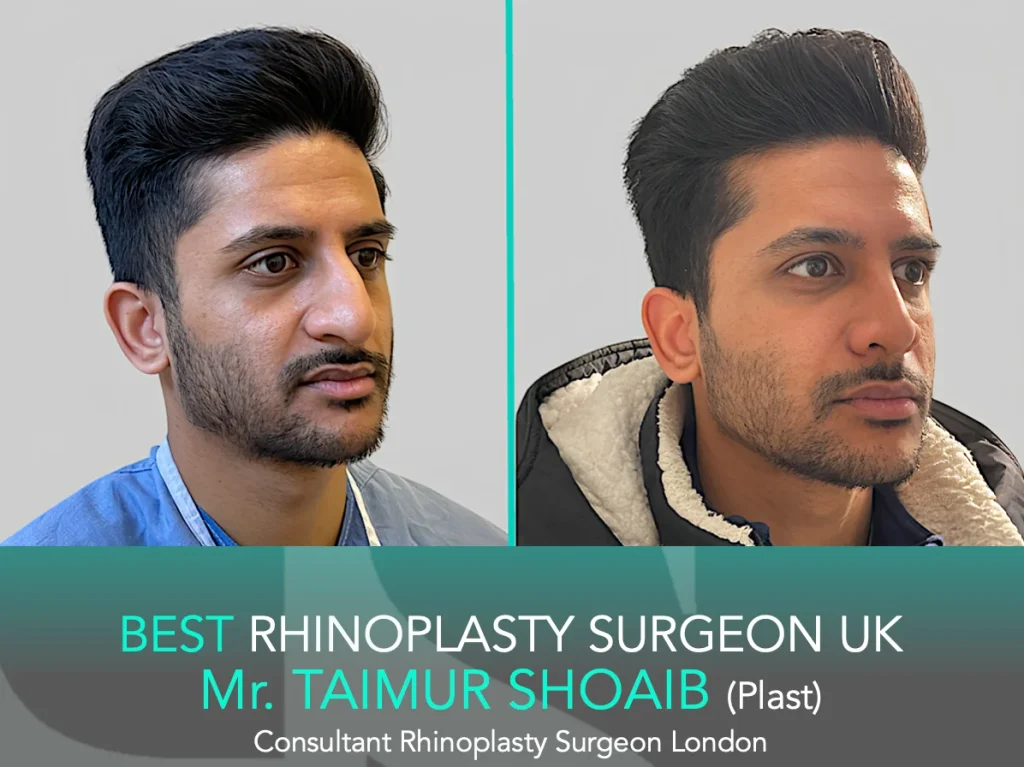
Nasal Bone Correction:
↓
Correcting a hump involves adjusting the heavy nasal bones that form the upper structure of the nose. A major clinical goal is ensuring that the surgical refinements result in a narrower, more elegant bridge from the front. Our approach involves strategic structural adjustments to create clean, light-reflecting points. This ensures that as swelling subsides, the nose reveals a refined, high-definition shape rather than a wide or flat appearance.
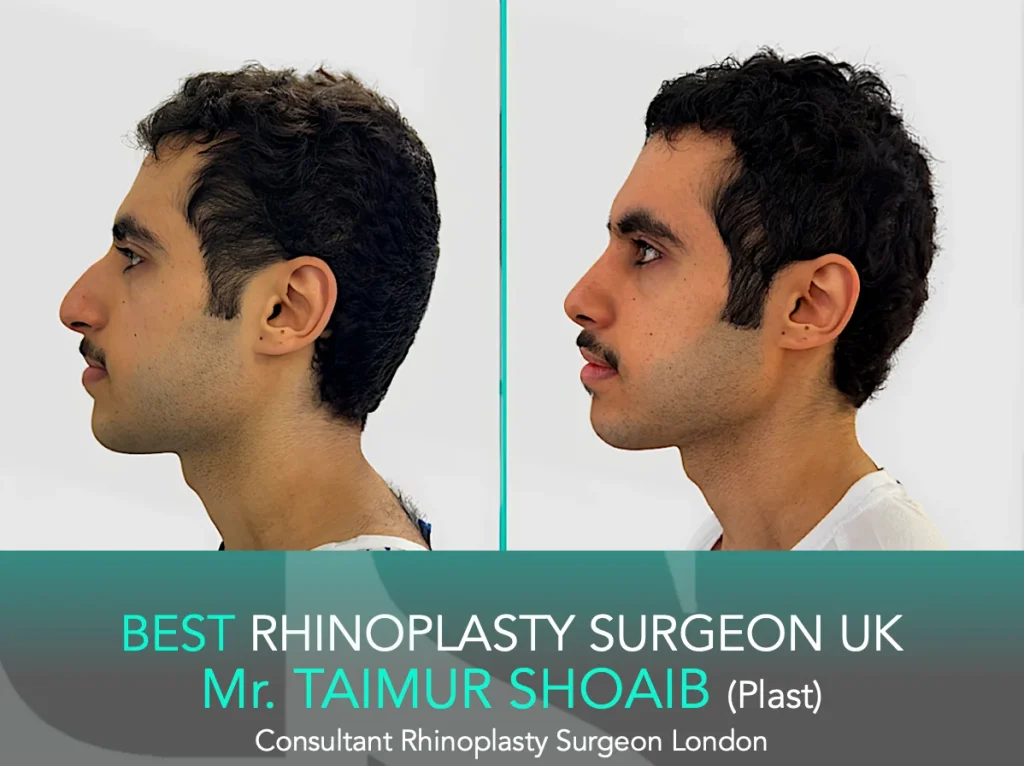
Structural Support:
↓
Removing a hump can impact the "internal nasal valve," which is critical for breathing. The objective of modern correction is to use "spreader grafts" or preservation techniques to reinforce this area. This requires meticulous placement to ensure the nasal airway remains open and stable. The goal is a softer, more balanced silhouette that never compromises your ability to breathe comfortably.
Airway Preservation:
↓
In accordance with the best surgical practices, aesthetic beauty must never come at the expense of respiratory function. A core goal of our rhinoplasty procedure is the preservation or improvement of the nasal airway. Many patients require a simultaneous septoplasty to correct internal deviations. By addressing these functional concerns during the profile reshaping, we aim to protect and, where possible, improve the patient's breathing.
Key Insights
Before Surgery
- Dorsal hump rhinoplasty focuses on smoothing the nasal bridge while maintaining the structural integrity of the nose.
- Modern techniques prioritise precision reshaping over aggressive bone reduction to ensure a natural-looking profile.
- The procedure addresses common concerns such as a prominent bony bridge, a "hooked" appearance, and tip support.
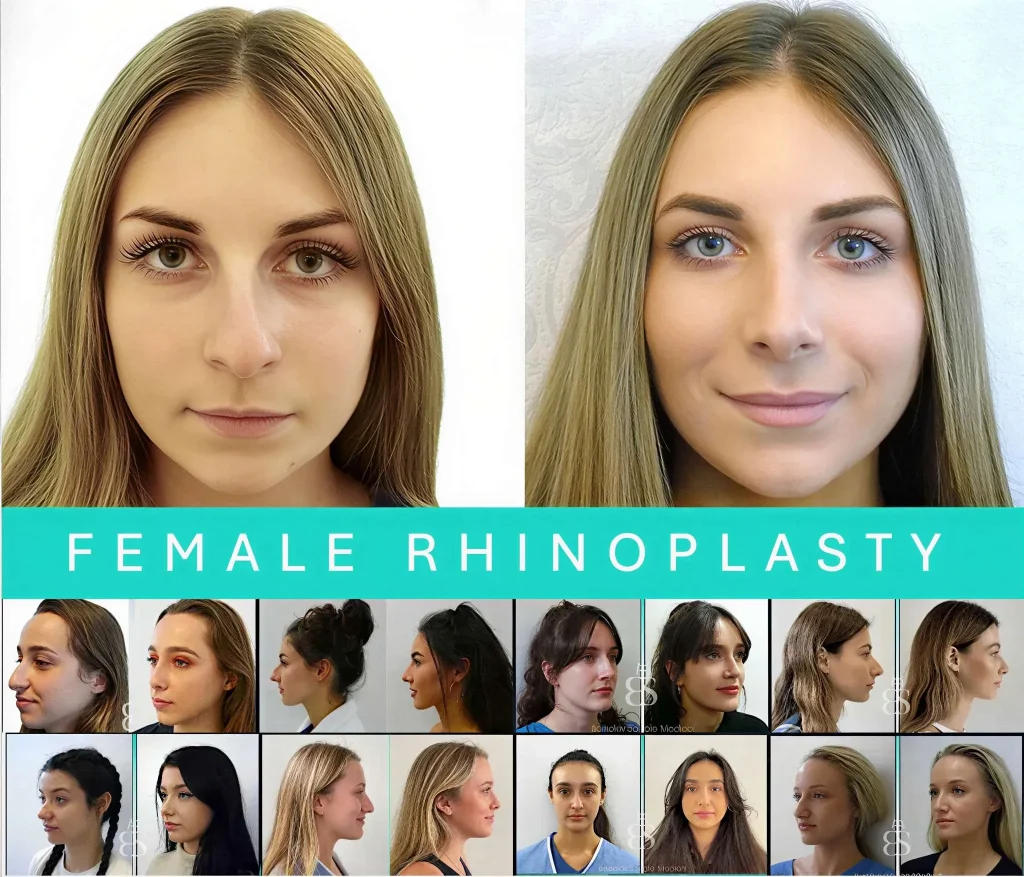
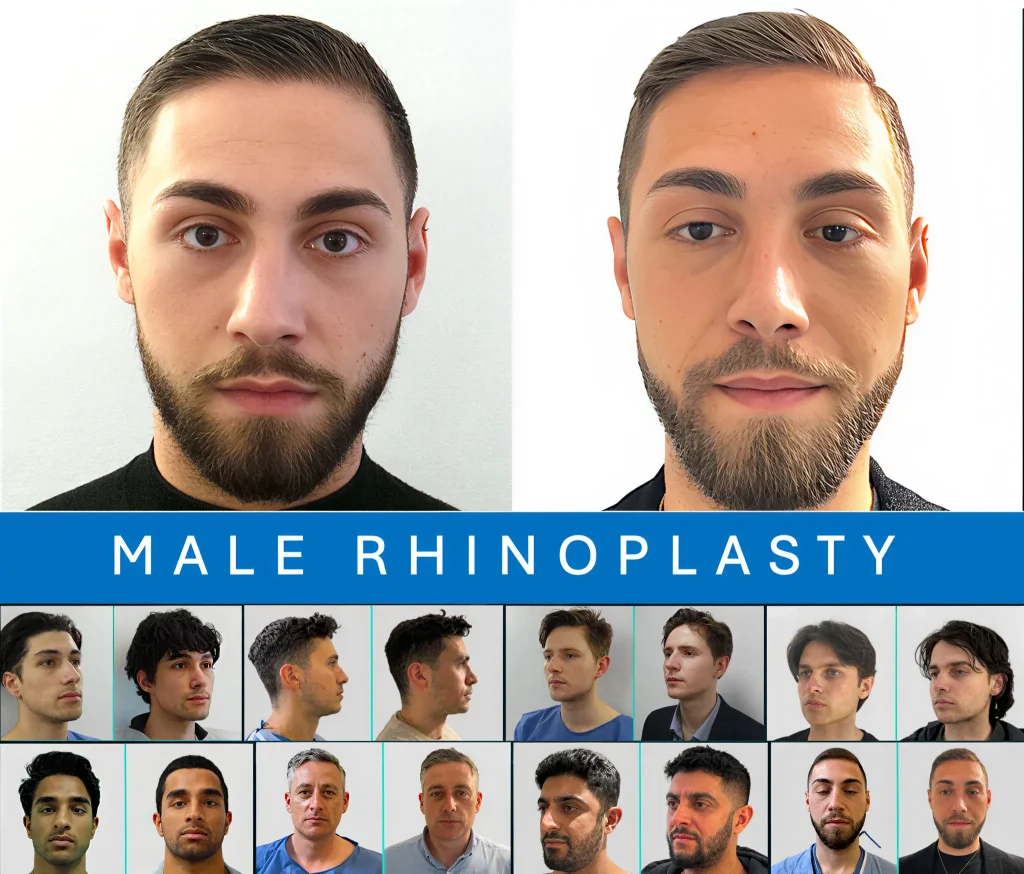
- Male and female patients often have distinct aesthetic goals, ranging from a strong, straight masculine bridge to a softer, refined feminine slope.
- Functional correction, such as septoplasty for breathing issues, is often integrated into the same surgery to ensure respiratory health.
- Final results for bridge refinement can take up to 12 months to mature as the skin adheres to the new underlying framework.
CANDIDACY & CLINICAL ASSESSMENT
FOR HUMP CORRECTION
Determining the correct approach for a nasal hump requires a comprehensive anatomical evaluation. At Berkeley Square Medical, our consultation process is designed to assess the relationship between your nasal bone, cartilage, and skin thickness to ensure a safe and predictable surgical outcome.
-
Anatomical Mapping: Every journey begins with a private consultation with Mr. Taimur Shoaib to map your nasal structure and discuss your aesthetic goals.
-
Bespoke Surgical Planning: We analyse the bridge, tip, and radix to create a personalised plan that balances your profile while preserving facial character.
-
Pre-Operative Care: Our clinical team provides a full health assessment and guidance to prepare you for a successful surgery and recovery.
-
Long-Term Aftercare: We provide a structured 12-month recovery plan, including regular reviews with Mr. Shoaib to monitor your healing and final result.
Is Dorsal Hump Rhinoplasty Right for You?
Dorsal Hump Straightening is a highly personalised procedure. During your initial consultation with Mr Taimur Shoaib, a comprehensive clinical evaluation of your nasal anatomy, skin quality and thickness together with breathing function. All performed to determine whether surgery is the safest and most effective option for you.
You May Be A Good Candidate If:
↓
-
Physical Maturity: You are 18 or over and your facial growth is complete.
-
Good General Health: You are in good physical health with no underlying conditions that could impair healing.
-
Specific Concerns: You have clear goals regarding the size, shape or symmetry of your nose, or experience functional concerns such as septal deviation.
-
Positive Outlook: You are seeking improvement for yourself rather than attempting to meet external expectations or pursue perfection.
You May Be Unsuitable If:
↓
-
Active Smoking: Nicotine constricts blood vessels and increases the risk of skin necrosis, delayed healing and infection. Patients are encouraged to stop smoking or vaping at least 4-6 weeks before and after surgery.
-
Unrealistic Expectations: Seeking to replicate a specific celebrity feature that does not align with your facial proportions or biological structure.
-
Medical Contraindications: Certain bleeding disorders, severe cardiac conditions or poorly controlled diabetes may increase surgical risk.
-
Recent Nasal Surgery: If a previous nasal surgery has been performed within the past 12 months, tissues may still be healing and revision may be premature.
-
Body Dysmorphic Disorder (BDD): Mental wellbeing is prioritised. Surgery is rarely appropriate where psychological distress is centred on minor perceived flaws.