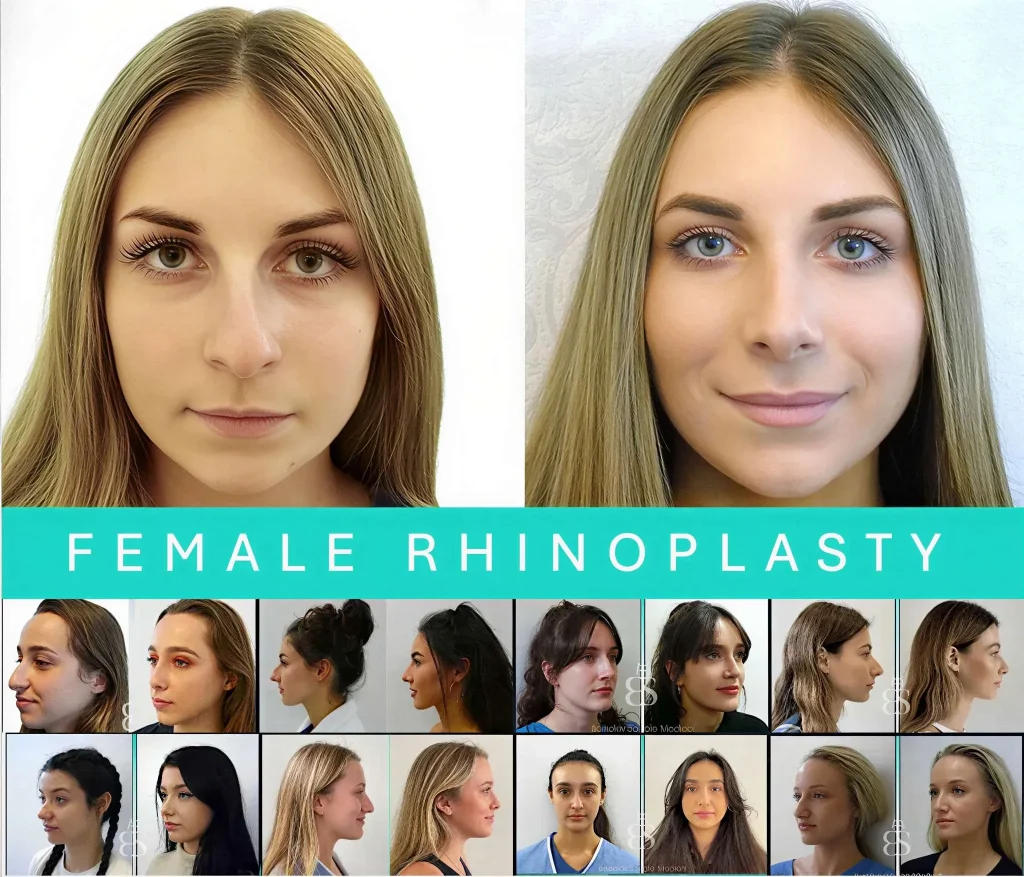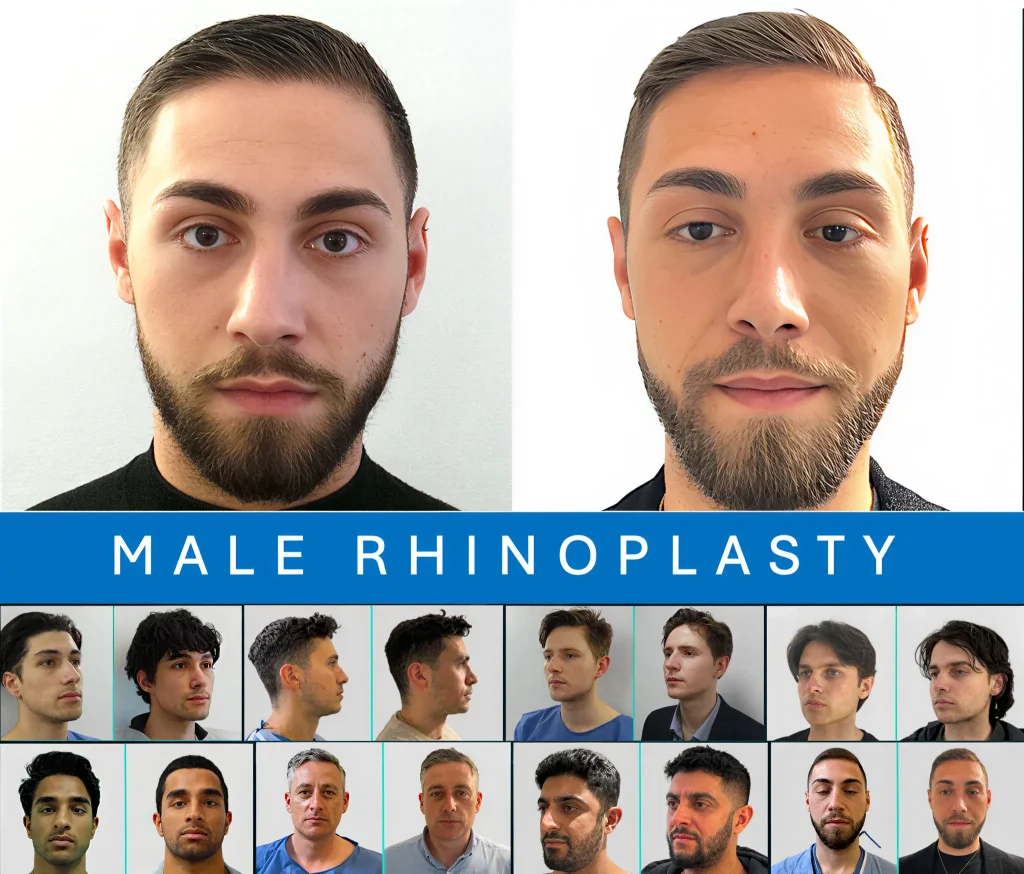

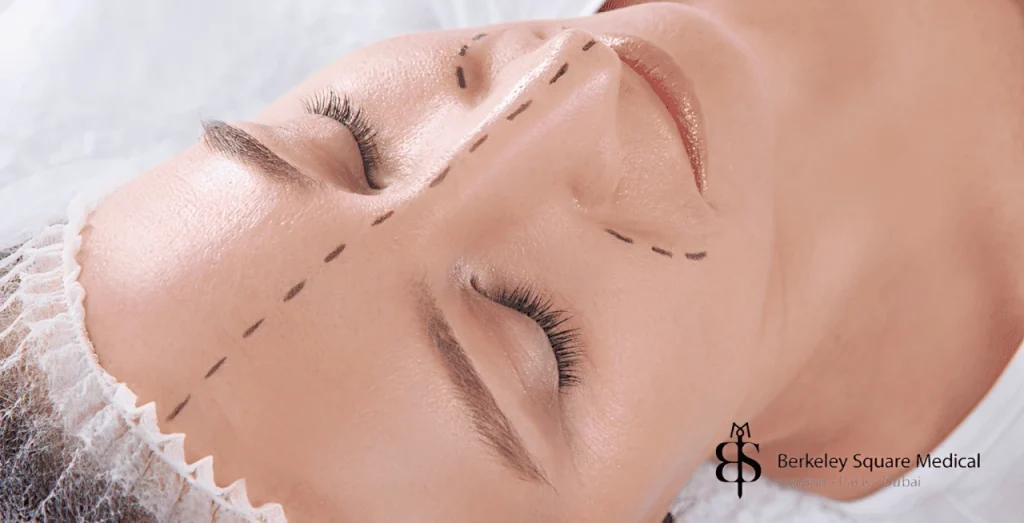
Many patients with sleep apnea want to know whether rhinoplasty or nose surgery could help improve their breathing at night. While rhinoplasty is commonly associated with cosmetic changes, certain types of functional rhinoplasty or septoplasty can play a major role in improving airflow, and for some patients, reducing sleep apnea symptoms.
This guide explains how nose surgery relates to sleep apnea, who may benefit, and what to consider before choosing this treatment option.
Key Takeaways
-
Rhinoplasty alone does not cure sleep apnea, but functional rhinoplasty or septoplasty can improve airflow and help reduce symptoms in patients with nasal obstruction.
-
Sleep apnea is primarily caused by airway collapse, and CPAP remains the first-line treatment; surgery is considered when CPAP is ineffective or not tolerated.
-
Correcting a deviated septum or nasal valve collapse, and moving enlarged turbinates out of the airway, can improve breathing and may lessen snoring and nighttime blockages.
-
Surgery outcomes vary, some patients experience major improvement, while others may still need CPAP or additional treatments.
-
A specialist evaluation is essential to determine whether nasal anatomy is contributing to sleep apnea and whether rhinoplasty or septoplasty is appropriate.
What Is Sleep Apnea?
Sleep apnea is a breathing disorder where airflow repeatedly stops or becomes very shallow during sleep. These interruptions can last several seconds and may occur dozens of times per hour.
Common symptoms include:
-
Loud snoring
-
Waking up gasping or choking
-
Daytime fatigue
-
Poor concentration
-
Morning headaches
-
Irritability or mood changes
If untreated, sleep apnea can increase the risk of:
-
High blood pressure
-
Heart disease
-
Stroke
-
Metabolic disorders
Obstructive Sleep Apnea (OSA), the most common type, often occurs when the airway becomes physically blocked during sleep.
Standard Sleep Apnea Treatment: CPAP
The most common and effective treatment for sleep apnea is CPAP (Continuous Positive Airway Pressure). A CPAP machine delivers air through a mask to keep the airway open.
However, not everyone responds well to CPAP or finds it tolerable long term. This is where certain forms of nose surgery may be considered, especially when nasal obstruction contributes to poor airflow.
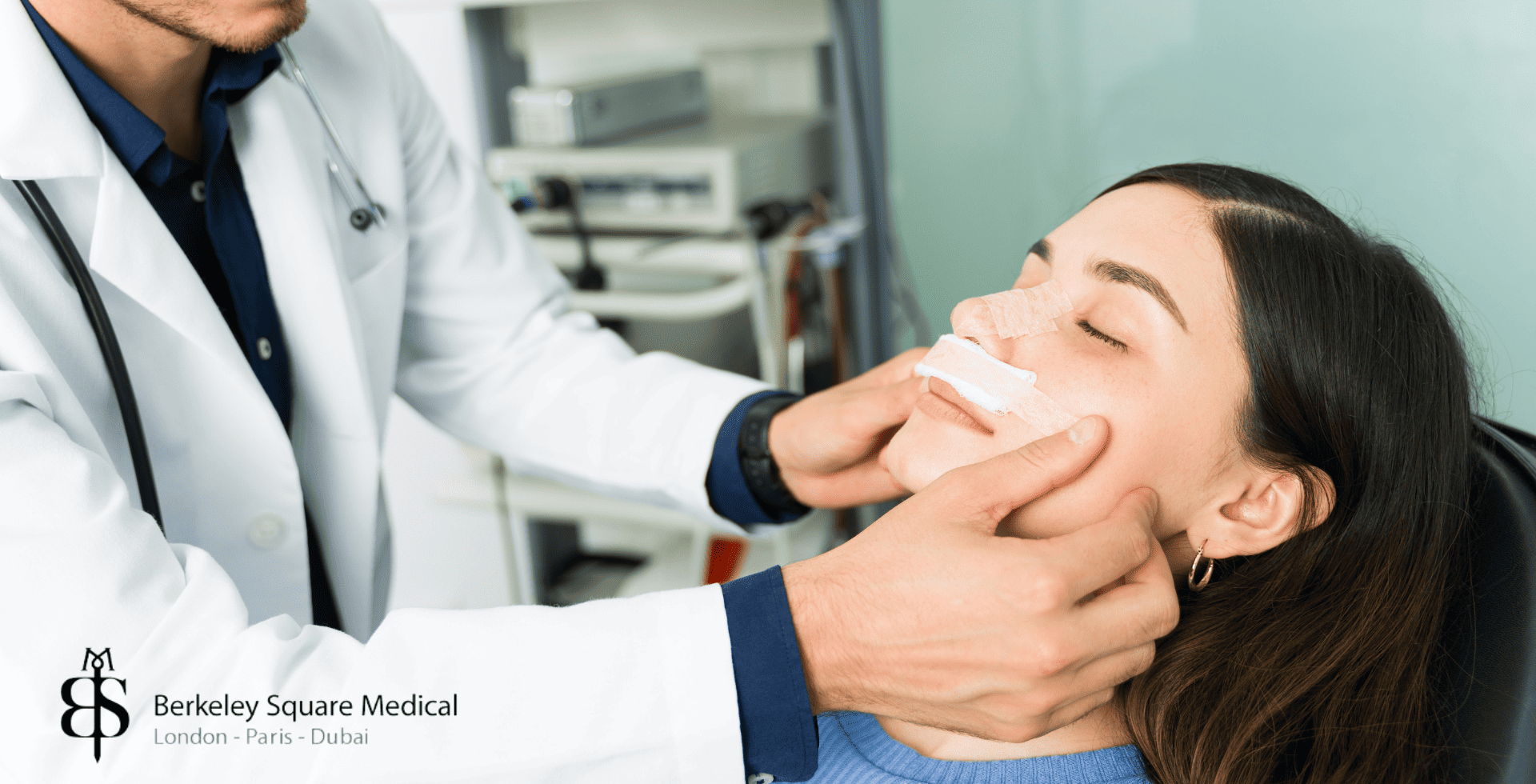
How Nose Surgery Can Help Sleep Apnea
Although cosmetic rhinoplasty focuses on nasal shape, functional rhinoplasty and septoplasty target structural issues inside the nose that may contribute to sleep apnea.
✔ If you have a deviated septum
A deviated septum narrows the airway and increases airflow resistance.
Septoplasty straightens the septum, helping improve breathing.
✔ If internal nasal valves collapse during breathing
Functional rhinoplasty can reinforce these valves, improving airflow.
✔ If enlarged turbinates are blocking the airway
The turbinates are ridges of tissue on the inside walls of the nose. Mr Shoaib does not cut away or reduce turbinate tissue, because removing it can leave the nose feeling dry and uncomfortable. Where enlarged turbinates are narrowing the passage, he moves them to the side (outfracture) to open the airway while keeping the tissue intact.
✔ When cosmetic and functional goals overlap
However, fixing cosmetic issues can be combined with addressing functional issues as well during the same surgery. This combined functional and cosmetic operation is called a septorhinoplasty, while a bent septum on its own is corrected with a septoplasty.
Important:
Nose surgery does not cure sleep apnea on its own, but for the right candidate it can significantly reduce symptoms, improve airflow, and increase tolerance of CPAP by making breathing more comfortable. Because obstructive sleep apnea is often caused by more than one level of the airway, it should be assessed by a sleep specialist so the right overall treatment plan can be made.
Is Rhinoplasty Or Septoplasty Effective For Sleep Apnea?
A 2022 systematic review of 21 studies (Schoustra and colleagues, Brain Sciences) found that nose surgery on its own made people noticeably less sleepy during the day in all 18 of the 21 studies that measured it, but in most studies it did not significantly reduce the number of breathing pauses during sleep. In other words, nasal surgery can make you feel less sleepy during the day, but it is not a treatment for sleep apnea by itself. In practice, functional rhinoplasty or septoplasty can:
-
Improve airflow
-
Reduce nasal obstruction
-
Decrease snoring
-
Improve CPAP tolerance
❗ But:
-
It may not eliminate sleep apnea entirely
-
Some patients still require CPAP or adjunct treatments
-
Results depend on the anatomical cause of obstruction
For patients whose sleep apnea is significantly related to nasal blockage, nose surgery can be an important part of treatment.
Risks And Considerations
As with any surgery, rhinoplasty or septoplasty carries risks such as:
-
Infection
-
Bleeding
-
Swelling or bruising
-
Temporary numbness
-
Nasal dryness or congestion
A qualified surgeon will evaluate your nasal anatomy, airway, medical history, and sleep study results to determine whether surgery is likely to be beneficial.
Who Is A Good Candidate For Sleep Apnea Nose Surgery?
You may be suitable if:
-
You have sleep apnea with documented nasal obstruction
-
Your septum is deviated
-
You struggle to tolerate CPAP due to nasal blockage
-
You snore heavily and breathe poorly through your nose
-
You have enlarged turbinates or internal nasal valve collapse narrowing the airway
-
You want to improve both nasal breathing and nasal appearance (combined functional + cosmetic approach)
A surgeon may recommend additional airway procedures if sleep apnea involves multiple anatomical levels (e.g., tongue base or soft palate).