
0203 811 8175
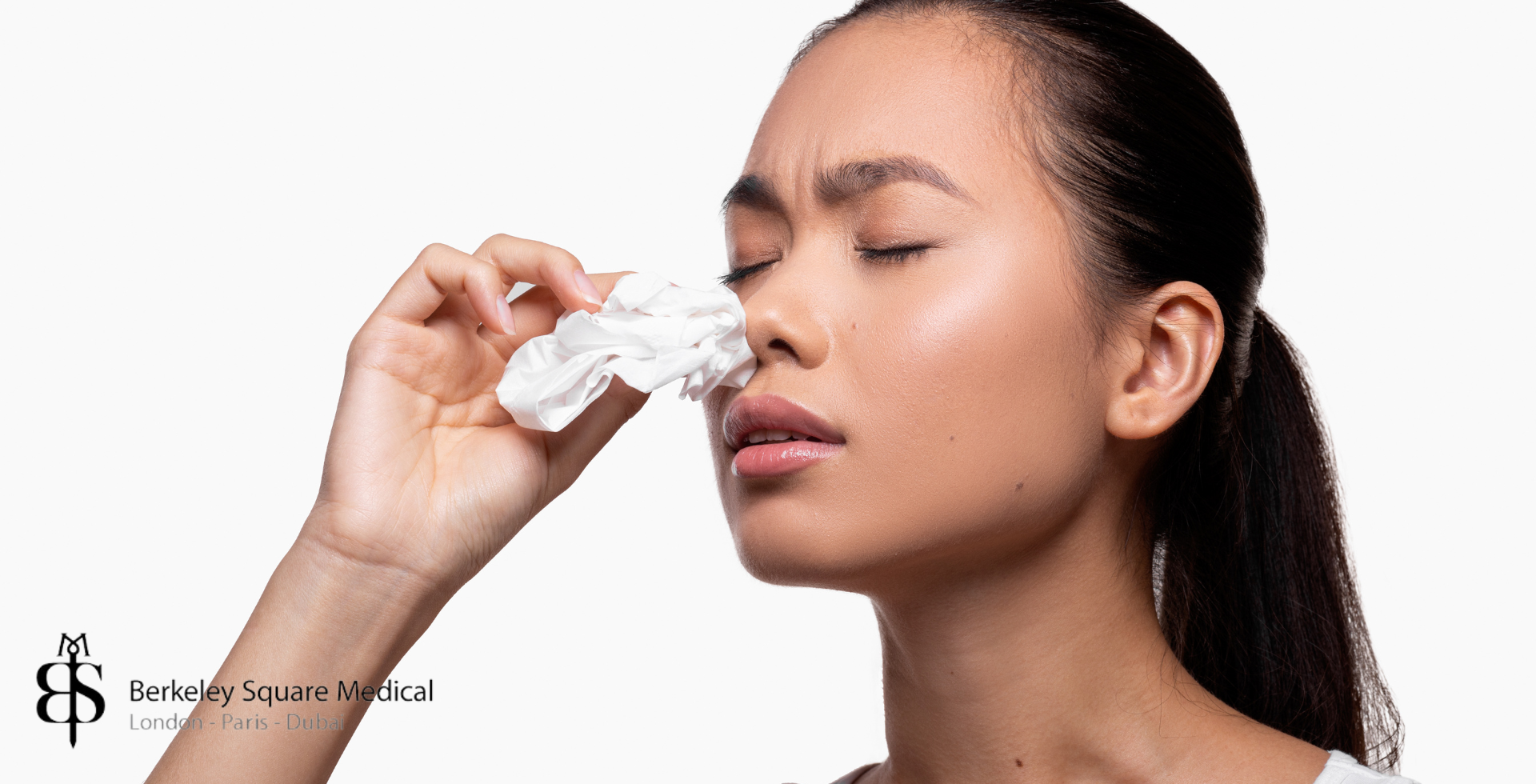
Swelling is one of the most expected – yet most confusing – parts of rhinoplasty recovery. Even when the surgery goes perfectly, the nose and surrounding areas can stay swollen for weeks or even months, especially around the nasal tip and under the eyes. This is normal, but understanding how swelling behaves, how long it lasts, and what you can realistically do to reduce it makes recovery far less stressful.
This guide breaks down the rhinoplasty swelling timeline, explains why swelling looks different from person to person, and offers safe, surgeon-approved strategies to help you manage and minimise it throughout your healing journey.
Rhinoplasty involves altering delicate nasal structures, so swelling is the body’s natural response to surgical trauma. Fluid builds up in the soft tissues as part of the healing process, and because the nose has a thin skin envelope and limited lymphatic drainage, swelling tends to linger longer than in other areas of the body.
Several factors affect the intensity and duration of swelling:
It is completely normal for one side of the nose or face to look more swollen than the other. Each side drains differently, and even small variations in surgical handling can create uneven swelling that improves over time.
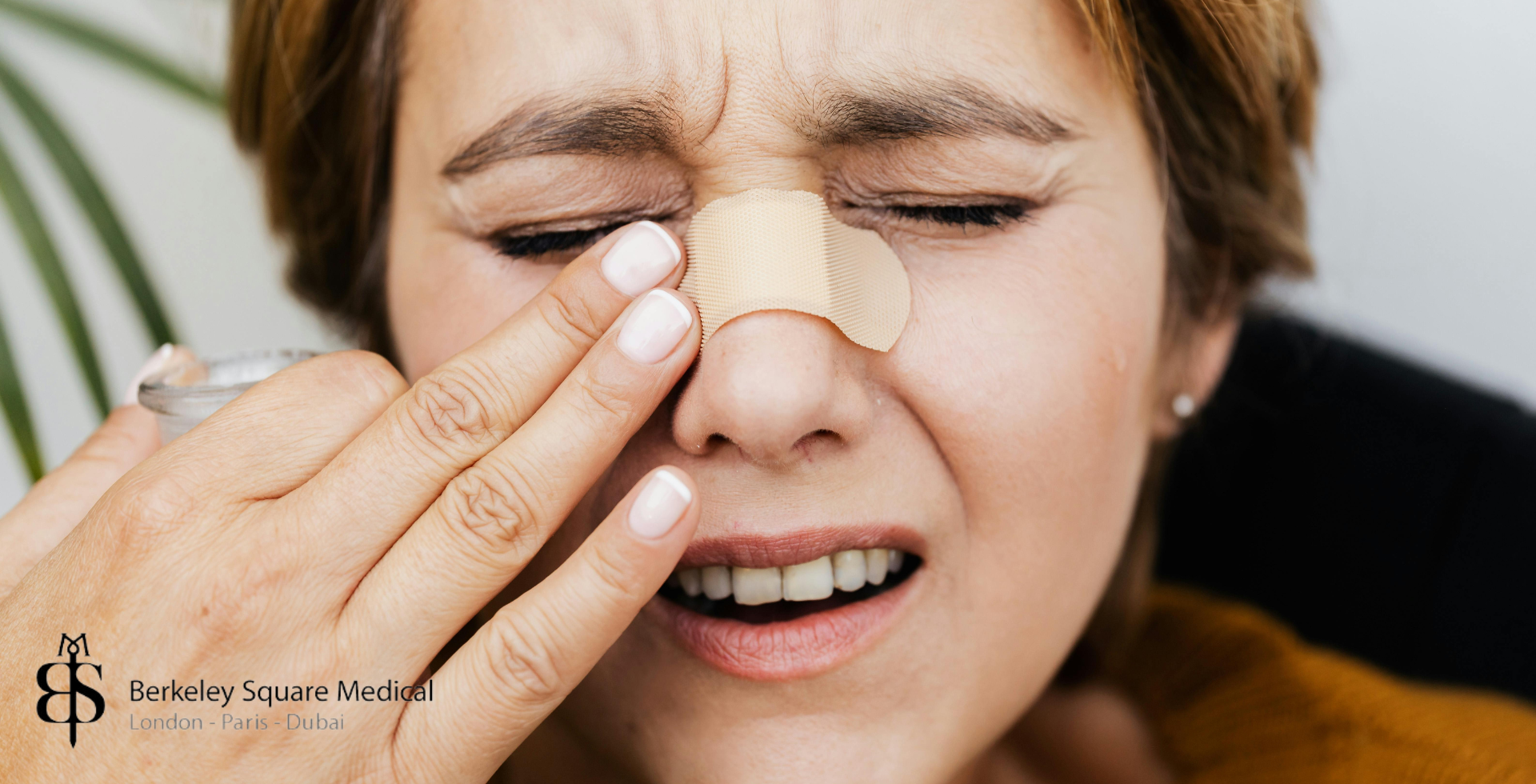
Swelling after rhinoplasty follows a predictable pattern, although the exact pace varies based on surgical complexity, technique, and your individual healing response.
| Time After Rhinoplasty | Typical Swelling & Bruising | What Patients Usually Notice / Can Do |
|---|---|---|
| 0–48 hours | Peak swelling; bruising around eyes often most visible; nose feels tight and blocked. | Rest, head elevated; cold compresses on cheeks; short walks around the house only. |
| 1 week | Swelling still obvious; bruising starting to fade; nose can look bigger after splint removal. | Many patients return to light, desk-based work; still avoiding exercise and heavy lifting. |
| 2 weeks | Noticeable reduction in swelling and bruising; under-eye puffiness improving; nose still feels firm. | More comfortable in social settings; light walking is fine; most people outside won’t notice surgery. |
| 1 month | Bridge looks slimmer; tip still rounder and more swollen; mild morning swelling is common. | Can usually resume most daily activities; gentle exercise often allowed if surgeon agrees. |
| 3 months | Around 50–60% of swelling typically resolved; uneven swelling much less noticeable; tip still maturing. | Nose looks “normal” to others; patients feel more confident in photos and close-up views. |
| 6 months | Around 70–80% of swelling gone; most definition visible; residual swelling mainly in the tip area. | Final shape is close to expected result; minor day-to-day changes in swelling can still occur. |
| 12–18 months | Swelling fully settled; scar tissue softened; subtle refinements in contour continue, especially at the tip. | Final rhinoplasty result; any persistent concerns can be discussed as part of a long-term review or revision planning. |
The nasal tip is the last area to refine after rhinoplasty. This happens because:
Most patients notice:
Tip swelling is especially noticeable in open rhinoplasty, thicker-skinned patients, and revision surgeries.
Under-eye swelling is very common after nose surgery, especially when osteotomies (controlled bone fractures) are performed. Fluid collects around the thin under-eye tissue, leading to puffiness and bruising.
Typical timeline:
If you searched for “how to reduce swelling under eyes after nose surgery,” the most effective approaches include:
Under-eye swelling rarely indicates a complication unless it becomes painful, red, or suddenly worsens.
Most swelling improves naturally, but these proven strategies can help speed up the process safely.
Apply cold packs to the cheeks—not directly on the nose—to reduce inflammation and bruising.
Keeping your head above your heart improves lymphatic drainage. Two pillows or a wedge pillow works well.
Salt causes the body to retain fluid, which directly worsens swelling. Aim for low-sodium meals during the first 2–3 weeks.
Adequate hydration helps your body flush inflammatory fluids more effectively.
Intense activity increases blood flow and worsens swelling. Most surgeons recommend avoiding exercise for at least 3–4 weeks.
Some surgeons advise natural supplements to reduce bruising and inflammation.
Avoid glasses, nose blowing, heavy sunglasses, or facial massages unless specifically approved.
Only perform this if your surgeon confirms it is safe. It can help move fluid away from the nose and under-eye area in later stages of recovery.
Although complications are uncommon, quick assessment helps prevent issues from progressing.
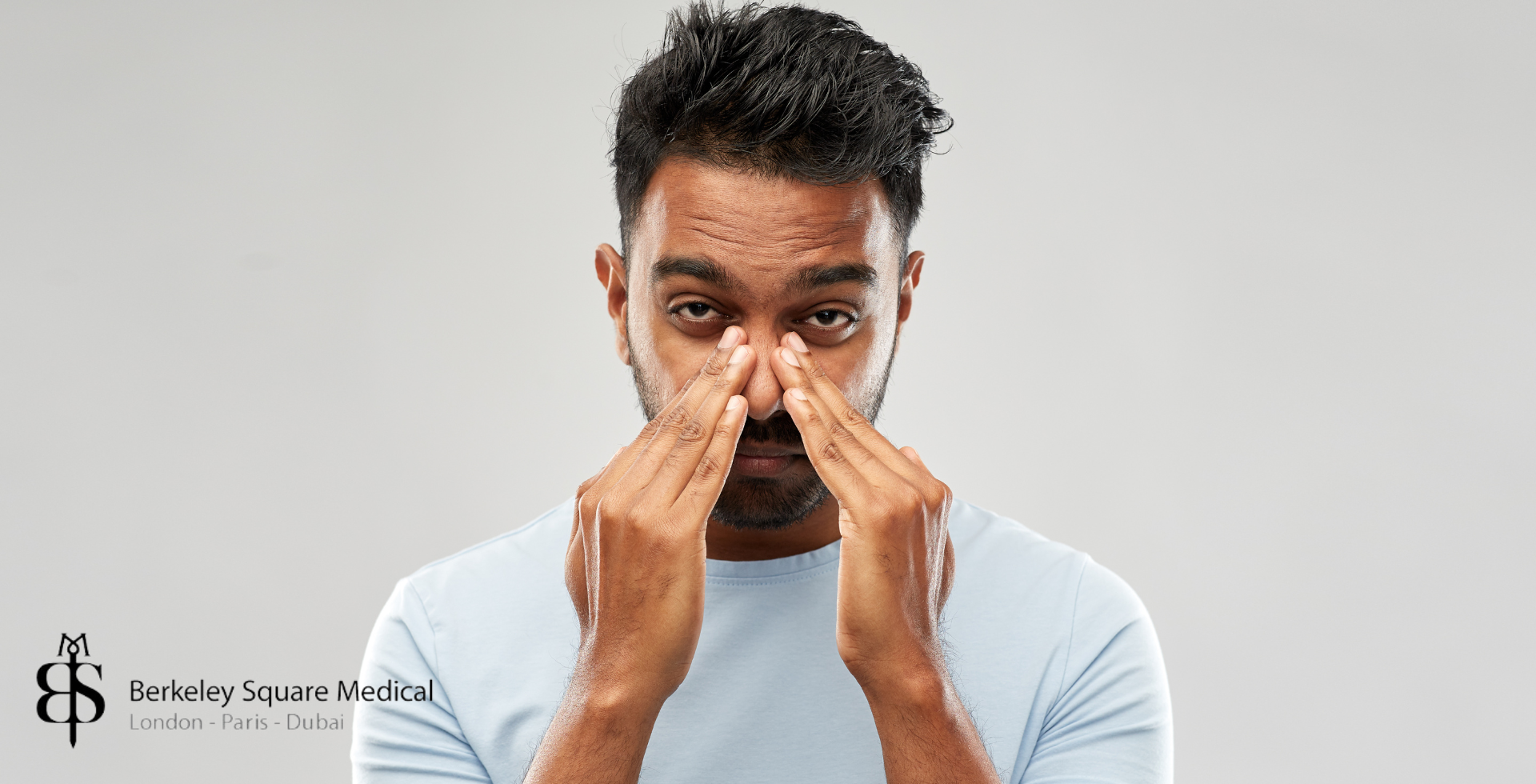
Uneven or asymmetric swelling is one of the most common concerns after rhinoplasty. It can be surprising to patients, but it is almost always normal, especially in the first weeks and months of healing.
Several factors cause swelling to appear worse on one side than the other:
In thicker-skinned patients or complex revisions, asymmetric swelling can last even longer. This does not mean anything is wrong — it simply reflects individual healing speed.
Most of the obvious swelling improves within 2–4 weeks, but finer refinement takes much longer. By around 3 months, many patients have lost 50–60% of the swelling, 70–80% by 6 months, and the final shape can take 12–18 months to fully settle, especially at the nasal tip.
This is completely normal. The splint hides some of the swelling and supports the tissues. Once it comes off, the underlying swelling is more obvious, so the nose can appear larger or puffier than expected. As the weeks go by, this swelling gradually subsides and the true shape starts to emerge.
Yes. Asymmetric swelling is very common and usually not a sign of a problem. Each side of the nose is handled slightly differently during surgery, drains fluid at a different rate, and may respond differently to inflammation. Uneven swelling can last for several months before it gradually evens out.
The nasal tip has thicker skin and is often the area most reshaped during surgery, so it tends to hold onto swelling the longest. It is common for the tip to look rounder, firmer, or slightly bulky for 6–12 months, sometimes longer in thick-skinned patients, before it reaches its final definition.
Under-eye swelling is usually due to bruising and fluid collecting in the delicate tissues around the eyes. You can help reduce it by using cold compresses on the cheeks (not directly on the nose) in the first 48 hours, sleeping with your head elevated, avoiding salty foods, and staying well hydrated. If your surgeon agrees, gentle lymphatic drainage and arnica may also help.
The most effective steps are keeping your head elevated, using cold compresses early on, avoiding strenuous activity and heat, drinking plenty of water, and limiting sodium in your diet. Do not smoke, avoid alcohol in the early recovery, and only use medications or supplements your surgeon has approved.
Contact your surgeon if swelling suddenly worsens after it was improving, if it is accompanied by redness, heat, fever, or increasing pain, or if you notice yellow or green discharge. These can be signs of infection or another complication that needs prompt assessment.
Most people feel socially confident with their nose by about 4–6 weeks, but the true final result takes patience. The bridge usually refines within a few months, while the tip and more detailed contouring can take 12–18 months to stabilise, especially in thick or oily skin types.

Patient Journey We are here to guide you to make the right decision for your well-being. If you are considering an aesthetic change to your appearance, we know that it’s one of the most important and personal decisions you wish to make. Therefore you need to be certain that the medical advice you receive is […]

Patient Aftercare All cosmetic surgery procedures at Berkeley Square Medical come with a comprehensive aftercare package and a 24-hour service so you can be assured you are always under the care and guidance of our surgical team. All your immediate aftercare is included in the cost of your surgery so there are no hidden extras in our […]

If you are considering Cosmetic Surgery, we understand that it's probably one of the most important decisions you're likely to make, therefore, you need to be sure it's right for you and you receive professional and independent advice about your procedure.

Our Philosophy We began our journey setting foot in the highly fashionable area of Berkeley Square, Mayfair where luxury fashion, galleries and five-star hotels all conveniently meet to set the example for world-leading client services and experience. Our goal was to create a cosmetic surgery practice that would not only exceed patients’ expectations but provide […]

