
0203 811 8175


A bump on the nose—often called a dorsal hump—is one of the most common reasons people consider nose reshaping. Whether it’s something you’ve always had or developed after an injury or surgery, a nasal bump can make the nose appear uneven or overly prominent from the side.
The good news is that nose bump removal can be achieved in different ways. For smaller irregularities, non-surgical filler treatments can smooth out the bridge without downtime. For more noticeable bumps, surgical rhinoplasty offers a permanent correction and refined facial balance.
This guide explains what causes bumps on the nose, the best treatment options—with and without surgery—and what you can expect from recovery.
A nose bump (dorsal hump) can be caused by genetics, injury, or uneven growth.
Non-surgical filler treatments can smooth small bumps temporarily.
Surgical rhinoplasty permanently removes larger or structural bumps.
Recovery time ranges from one day (fillers) to several weeks (surgery).
Choosing an experienced rhinoplasty surgeon is key for balanced, natural results.
Before delving into the various treatment options for nasal bump removal, let’s cover what nasal bumps are, why they occur, and how they affect one’s appearance. This knowledge forms the foundation for making informed decisions about potential treatments.
Nasal bumps, also known as dorsal humps, are protrusions or elevations on the nasal bridge. They can vary significantly in size and shape, impacting the nose’s profile. There are primarily two types of nasal bumps:
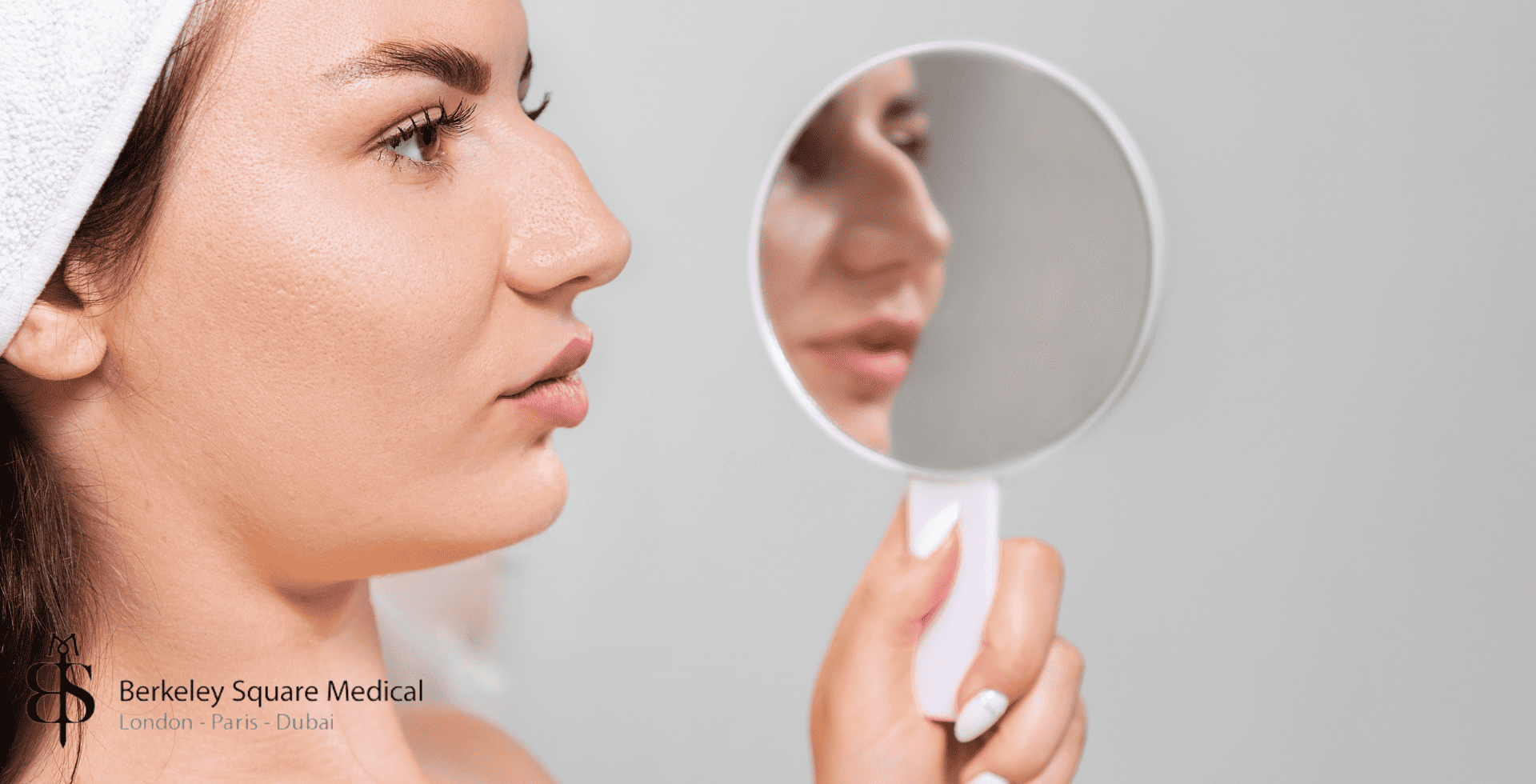
A nasal bump (or dorsal hump) forms when there’s a raised area on the bridge of the nose. It can be composed of bone, cartilage, or both, depending on its location and cause. The most common reasons include:
Genetics: Many people inherit their nose shape, including prominent or uneven bridges.
Developmental factors: During teenage growth, uneven development of bone or cartilage can create a hump.
Injury or trauma: A broken or bruised nose from sports or accidents can heal unevenly, leaving a visible bump.
Previous surgery: A nasal bump can form—or become more visible—after rhinoplasty if swelling, scar tissue, or bone irregularities remain.
Whether the bump is bony (upper third) or cartilaginous (lower bridge) determines which treatment is most suitable.
Treatment depends on the bump’s size, structure, and cause. Options range from temporary filler correction to permanent reshaping through rhinoplasty.
This is ideal for people with a small or moderate bump who prefer a quick, non-invasive option. Using injectable fillers, the doctor smooths the profile by adding subtle volume above and below the bump, creating the illusion of a straight bridge.
Best for: Small to moderate dorsal humps, asymmetry, or post-surgery irregularities
Results last: 12–18 months
Downtime: Minimal — most patients return to normal activity the same day
While fillers can’t remove the bump, they can make it look smoother and straighter. Results are temporary and reversible.
For larger or more structural bumps, rhinoplasty offers a permanent correction. The procedure involves reshaping bone and cartilage to smooth the bridge while maintaining balance with the rest of the nose.
Techniques include:
Closed Rhinoplasty: Incisions are made inside the nostrils, leaving no visible scars. Suitable for minor to moderate dorsal humps.
Open Rhinoplasty: A small incision is made between the nostrils for full visibility of nasal structures. Best for larger bumps or when tip reshaping is also needed.
The surgeon may shave or file down bone, reshape cartilage, or both—depending on your anatomy. The goal is a natural, proportional result that complements your face.
In most cases, dorsal hump removal is performed as part of rhinoplasty surgery rather than a standalone procedure. This ensures that the new nasal bridge looks smooth and consistent from all angles.
A well-performed hump removal balances the profile without making the nose appear flat or “overdone.”
For minor irregularities, yes—non-surgical filler rhinoplasty can help.
For moderate to large bumps, surgery is the only lasting option. Fillers work by camouflaging, not removing, the bump.
Whether your treatment is non-surgical or surgical, recovery plays a major role in how soon you’ll see results and how natural your nose will look.
Minimal downtime — most patients resume work the same day.
Mild swelling or redness may appear for a few hours.
Avoid touching or pressing the treated area for at least 24 hours.
Results are immediate, though the final contour settles over a few days.
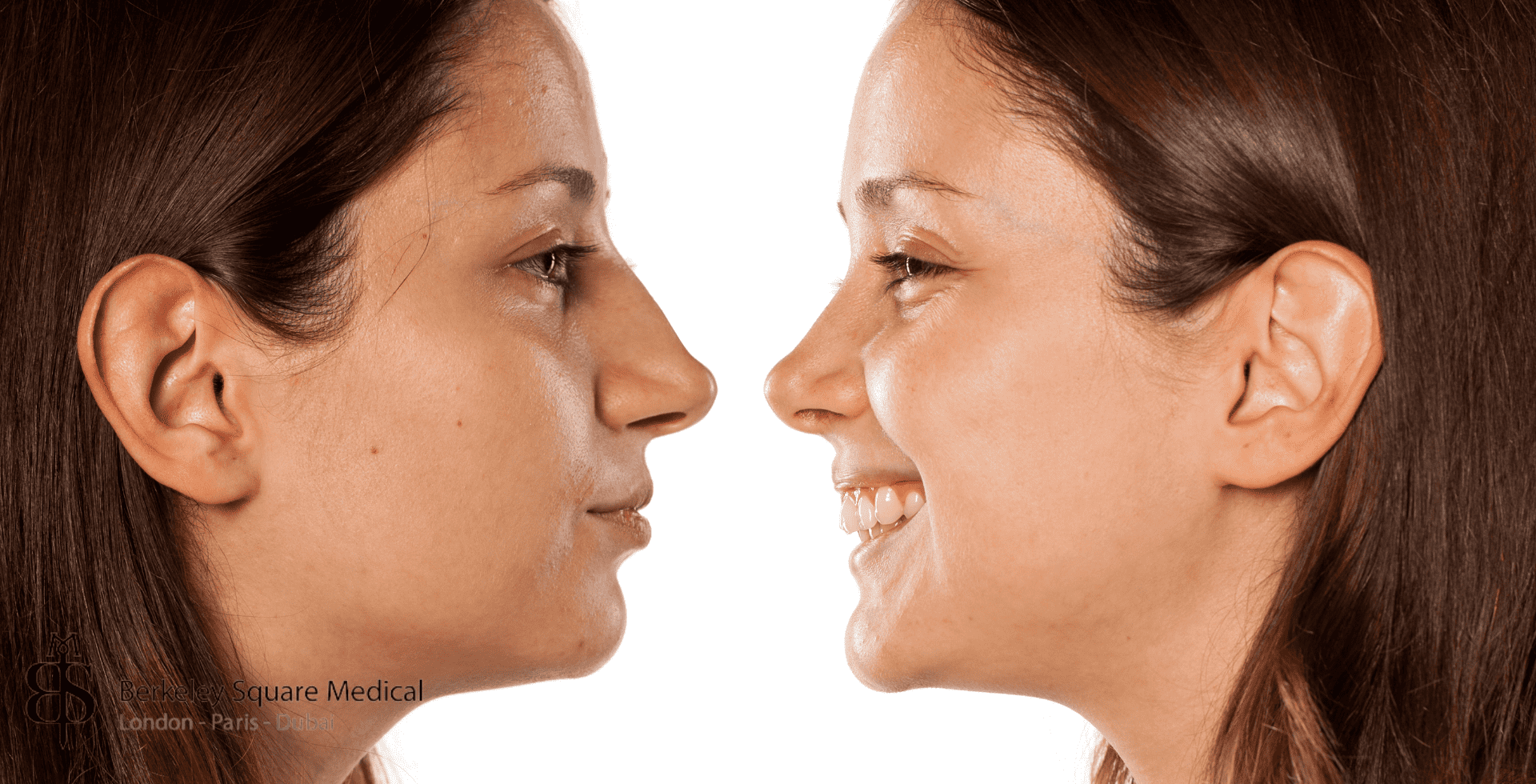
Recovery after rhinoplasty or dorsal hump removal takes longer because the nasal bone and cartilage need time to heal. Here is how a smooth healing journey looks like.
What to expect:
First week: Swelling, bruising, and nasal congestion are normal. Splints or bandages are usually removed after 7 days.
Weeks 2–4: Bruising fades, and you’ll begin to see the new nose shape emerge.
Months 2–6: Residual swelling continues to decrease, especially around the bridge and tip.
Final result: The nose settles into its final shape after 9–12 months, though most changes are visible much sooner.
Tips for smooth healing:
Keep your head elevated for the first week.
Avoid glasses resting on your nose for at least a month.
Do not smoke or drink alcohol during early recovery.
Follow all aftercare and attend every follow-up appointment.
Yes. Dermal fillers can camouflage small bumps by smoothing the bridge. The effect is temporary, lasting around 12–18 months, and works best for subtle irregularities.
Swelling improves significantly within the first month, but full refinement can take up to 9–12 months as tissues settle and the nose adjusts to its new shape.
Not always. Rhinoplasty is a broader procedure that can include reshaping the tip, nostrils, or bridge. Nose bump removal focuses specifically on smoothing the bridge area.
No. Fillers only disguise the bump and will gradually dissolve over time. For permanent results, surgical rhinoplasty is required.
This can happen due to swelling, scar tissue, or small irregularities during healing. It’s usually temporary but can be corrected with a minor revision if needed.
Most swelling reduces within 3–4 weeks, but subtle swelling—especially on the bridge—can last for several months.
If the surgery is done purely for cosmetic reasons, it’s not covered. If it’s performed to correct breathing problems (such as a deviated septum), partial coverage may apply.
It’s rare. A true dorsal hump doesn’t grow back, but swelling or scar tissue can temporarily make the bridge appear uneven. Following aftercare instructions helps prevent this.
For more information please visit: https://www.berkeleysquaremedical.com/rhinoplasty/

Patient Journey We are here to guide you to make the right decision for your well-being. If you are considering an aesthetic change to your appearance, we know that it’s one of the most important and personal decisions you wish to make. Therefore you need to be certain that the medical advice you receive is […]

Patient Aftercare All cosmetic surgery procedures at Berkeley Square Medical come with a comprehensive aftercare package and a 24-hour service so you can be assured you are always under the care and guidance of our surgical team. All your immediate aftercare is included in the cost of your surgery so there are no hidden extras in our […]

If you are considering Cosmetic Surgery, we understand that it's probably one of the most important decisions you're likely to make, therefore, you need to be sure it's right for you and you receive professional and independent advice about your procedure.

Our Philosophy We began our journey setting foot in the highly fashionable area of Berkeley Square, Mayfair where luxury fashion, galleries and five-star hotels all conveniently meet to set the example for world-leading client services and experience. Our goal was to create a cosmetic surgery practice that would not only exceed patients’ expectations but provide […]

