• 0203 811 8175
  • Make an Enquiry

    Request A Call BackX

    ADDRESSBerkeley Square House, Berkeley Square, Mayfair, London, W1J 6BD
    +44 (0)203 811 8175

    PLEASE FILL IN YOUR DETAILS

    Sending your message. Please wait...

    Thanks for sending your message! We'll get back to you shortly.

    There was a problem sending your message. Please try again.

    Please complete all the fields in the form before sending.

Septorhinoplasty: Everything You Need to Know About This Nose Surgery

Septorhinoplasty: Everything You Need to Know About This Nose Surgery

Septorhinoplasty is a combined functional and cosmetic nose surgery that corrects a deviated septum while reshaping the external appearance of the nose. It is recommended for patients who want to improve airflow, correct structural problems, and refine the nose’s aesthetic form in a single procedure. This guide explains how septorhinoplasty works, what the surgery involves, expected recovery, risks, benefits, and whether this dual-purpose procedure is right for you.

Key Takeaways

  • Septorhinoplasty combines septoplasty and rhinoplasty in one procedure to improve both breathing and nasal appearance.

  • The surgery can be performed using either a closed approach for minimal scarring or an open approach for more complex structural work.

  • Most patients experience noticeable airflow improvement and reduced nasal obstruction within the first few weeks after surgery.

  • Recovery follows a similar timeline to standard rhinoplasty, with most swelling resolving by 6 weeks and final results appearing over 6–12 months.

  • Risks include bleeding, infection, persistent swelling, tip numbness, and rarely septal perforation, emphasising the importance of choosing an experienced surgeon.

  • Septorhinoplasty is suitable for patients who want functional correction alongside cosmetic nose refinement in a single operation.

What is Septorhinoplasty?

Septorhinoplasty is a surgical procedure that combines:

  • Septoplasty — straightening the septum to improve breathing.

  • Rhinoplasty — reshaping the bone, cartilage, and soft tissues of the nose.

By addressing both structure and appearance during the same operation, septorhinoplasty offers a more comprehensive solution than either procedure alone. Patients typically undergo this surgery to correct:

  • A deviated septum

  • Chronic nasal obstruction

  • Crooked or twisted nasal bones

  • A dorsal hump

  • Tip asymmetry or a bulbous tip

  • Post-trauma deformities

Because the surgeon works on internal and external components, it is one of the most technically demanding forms of nasal surgery — best performed by a cosmetic nose surgery specialist.

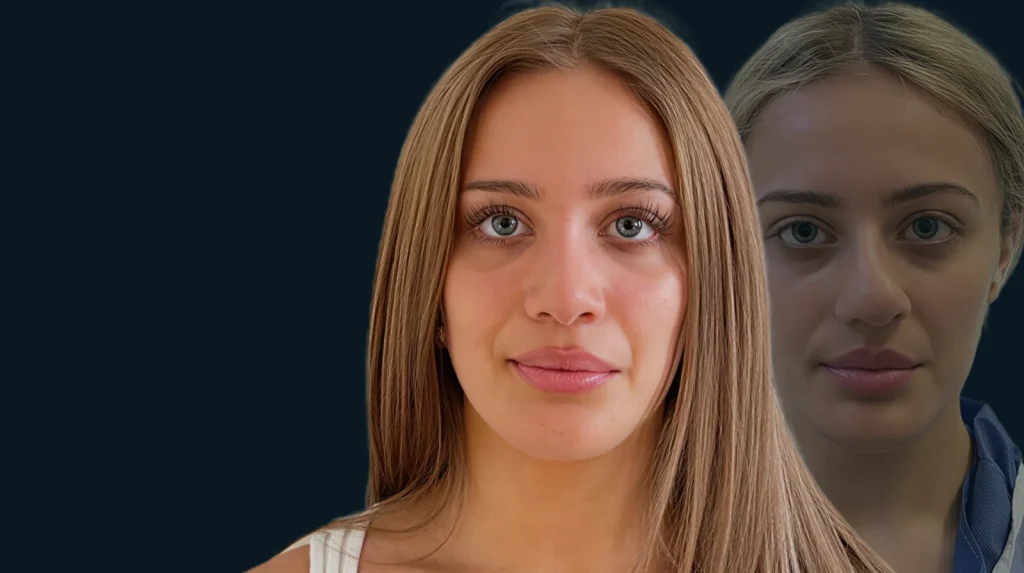
septorhinoplasty is a dual nose surgery

Septorhinoplasty Consultation

Your consultation includes:

  • A detailed examination of the nasal septum, cartilage, bones, and airway

  • Functional breathing assessment

  • Photographs and 3D simulation (where available)

  • Discussion of aesthetic goals and exact structural changes required

  • Review of medical history and suitability for surgery

A key part of the consultation is establishing what is surgically achievable while maintaining nasal support and long-term function. You will receive a personalised treatment plan outlining the procedural steps involved in both septal correction and external reshaping.

How Is Septorhinoplasty Surgery Performed?

  • Anaesthesia: General anaesthetic

  • Duration: 1–2 hours, longer for complex reconstruction

  • Setting: Day-case procedure

Surgical Steps:

  1. Correcting the septum

    • The surgeon straightens deviated cartilage and bone

    • Obstructing spurs or bends are removed

    • The airway is widened to improve breathing

  2. Reshaping nasal bones and cartilage

    • Dorsal humps can be smoothed

    • Broken or twisted nasal bones can be realigned

    • Cartilage is sculpted to refine the tip or improve symmetry

  3. Grafting (if required)

    • Cartilage from the septum is often used to strengthen weak areas

    • Grafts help support breathing long-term and prevent collapse

  4. Closing incisions

    • Closed approach: internal only

    • Open approach: tiny columella incision, sutured to heal as a fine line

Once complete, a small external splint is placed to support the new structure while it settles.

Open vs Closed Septorhinoplasty

Septorhinoplasty can be performed using either a closed (endonasal) or open (external) approach.

Closed Septorhinoplasty

  • All incisions are made inside the nostrils

  • No external scar

  • Reduced swelling and faster recovery

  • Ideal for hump removal, septal correction, and moderate reshaping

Open Septorhinoplasty

  • Small incision across the columella

  • Allows full exposure of nasal structures

  • Essential for complex deformities, tip reconstruction, major asymmetry, trauma, and revision cases

The technique used depends entirely on the level of structural correction required. Whenever possible, surgeons choose the closed method to minimise swelling and downtime.

Recovery Process after a Septorhinoplasty

On the same day of your surgery, you’ll be able to go home.

 It will not be possible for you to drive, so someone will need to accompany you. If you have no one with you, our London team will arrange a complimentary chauffeur ride to your home or hotel.

We will provide you with advice about your recovery and arrange follow-up appointments for your assessment.

The recovery process and timeline after septorhinoplasty are virtually the same as after any other nose job procedure. You can read all the details on our rhinoplasty aftercare page but here are some of the main points:

Any packing placed inside your nose is usually removed the next day. In case of closed surgery, you might not even need this.

Approximately one week after surgery, the surgeon will remove the splint.

Using an extra pillow at night to elevate your head and not blowing your nose will aid in the healing process and relieve the excess fluid.

Following your procedure, you should take a couple of weeks off from work and avoid strenuous activity.

Most of the healing will be done in 4-6 weeks following the procedure but the final result will likely take months to appear.

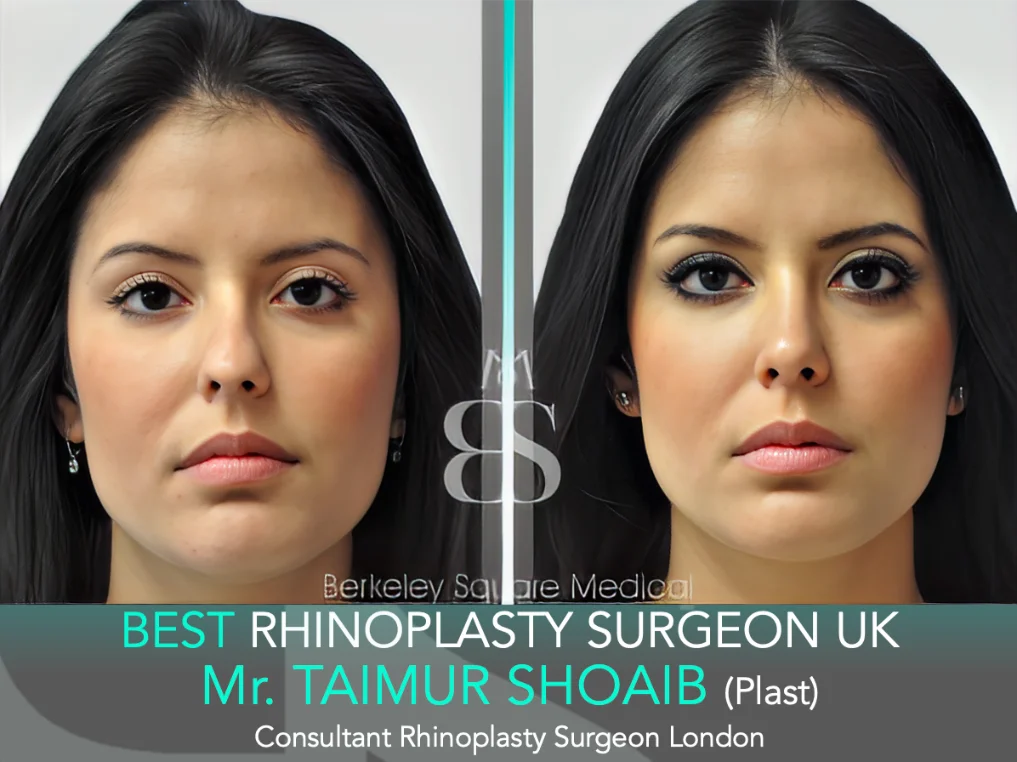
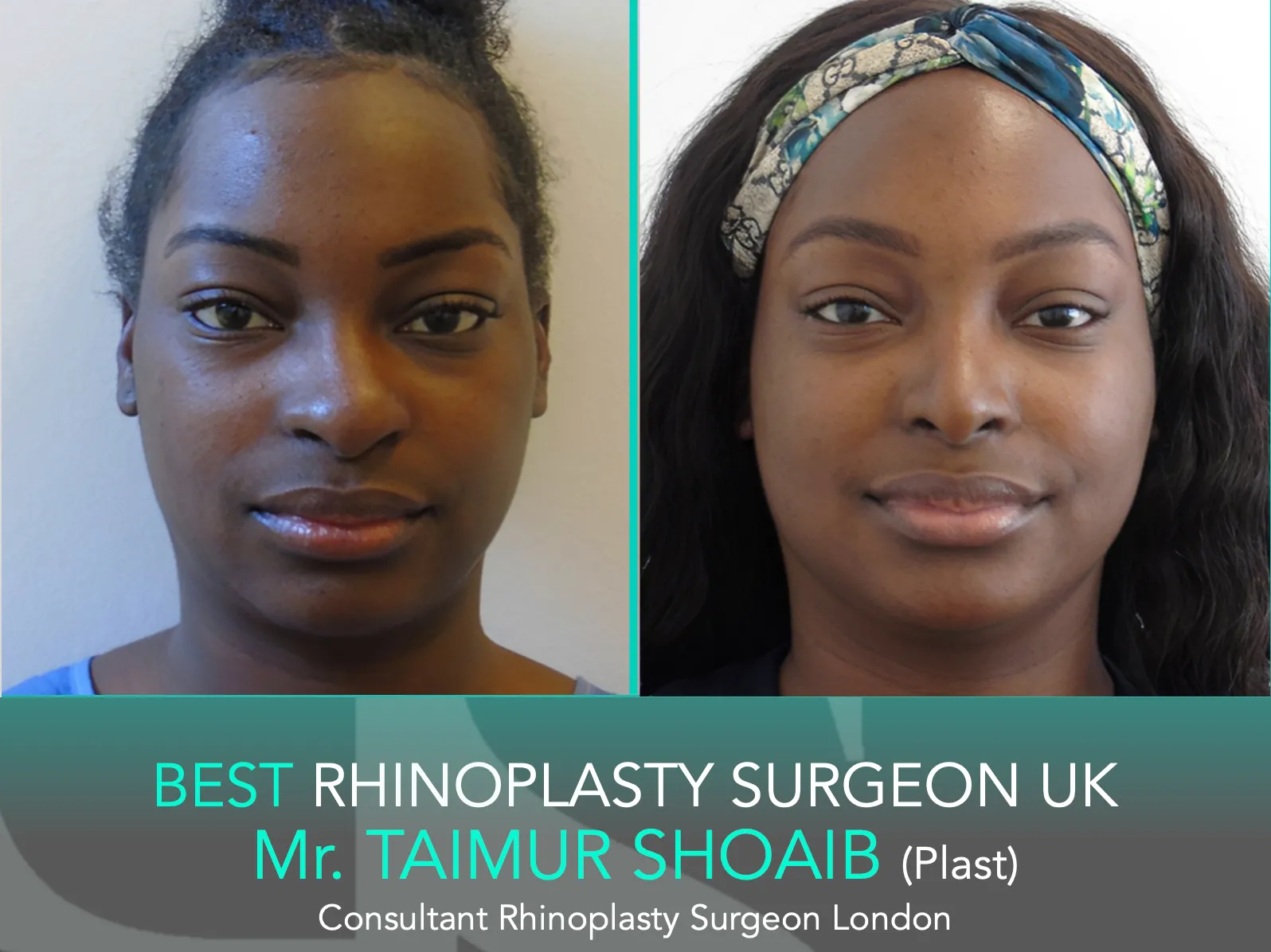
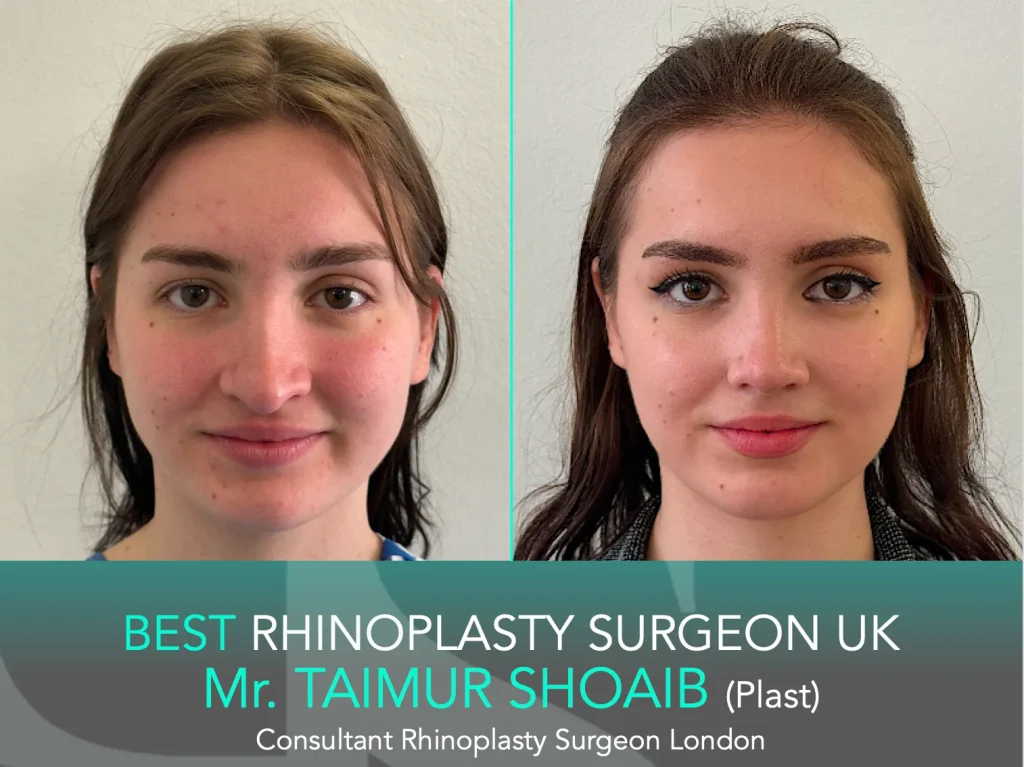
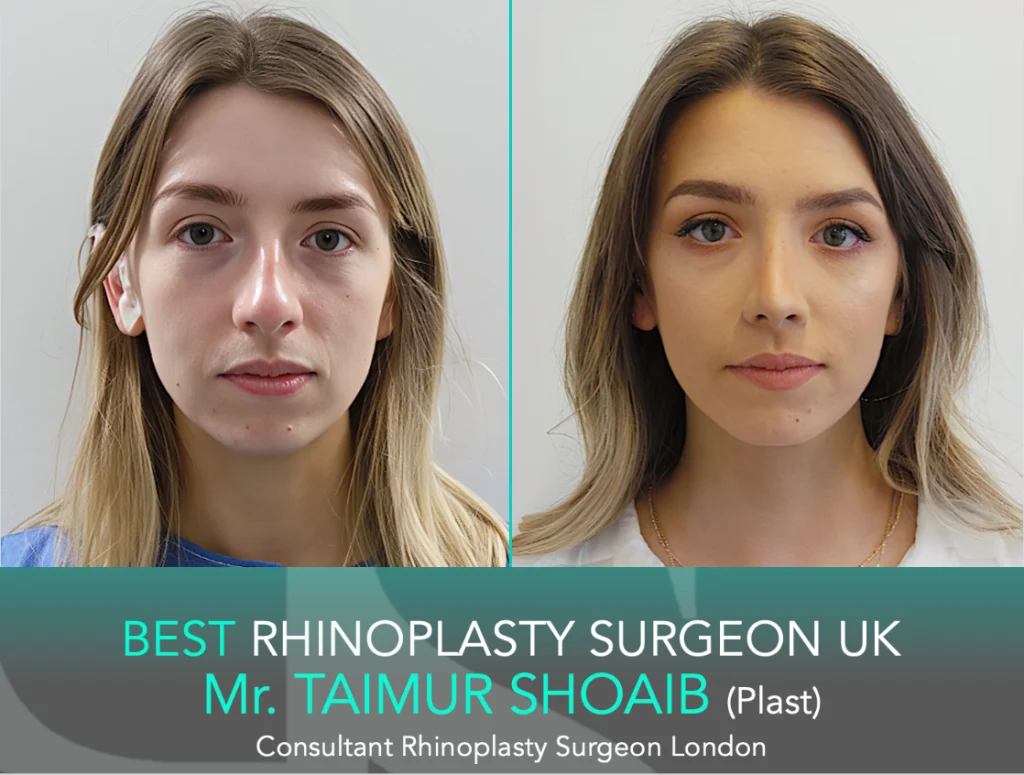
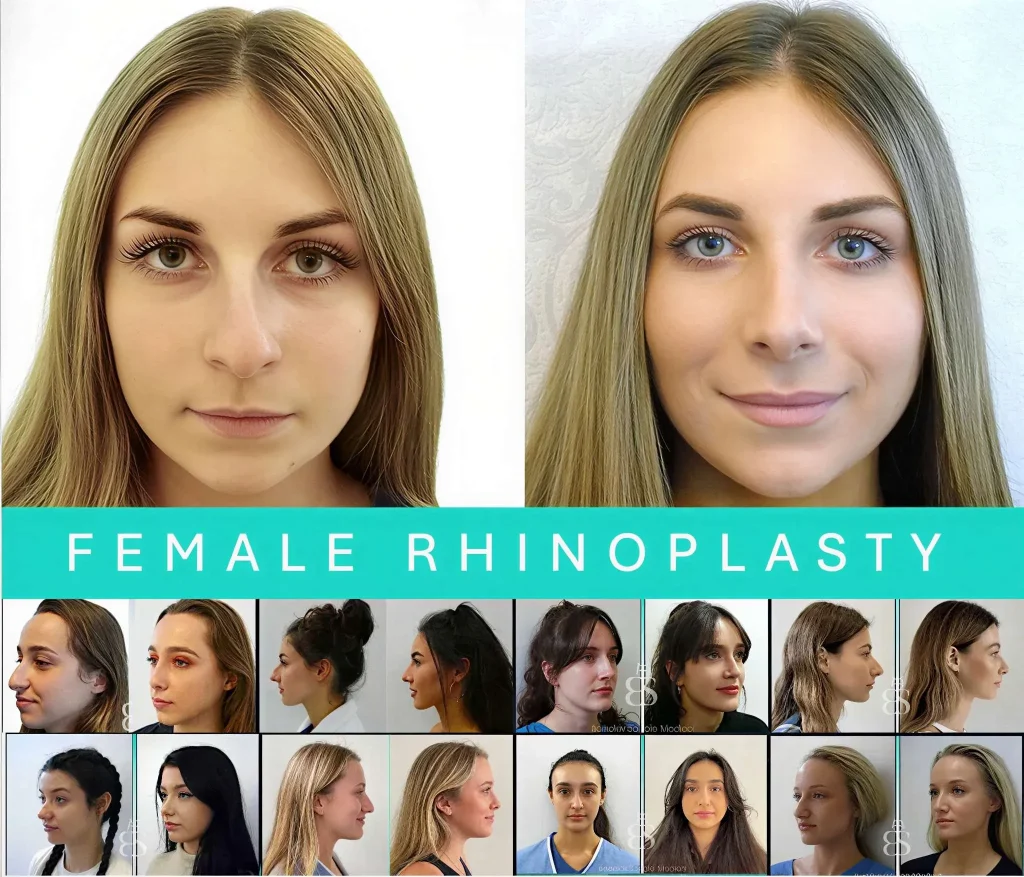
Septorhinoplasty Before and After

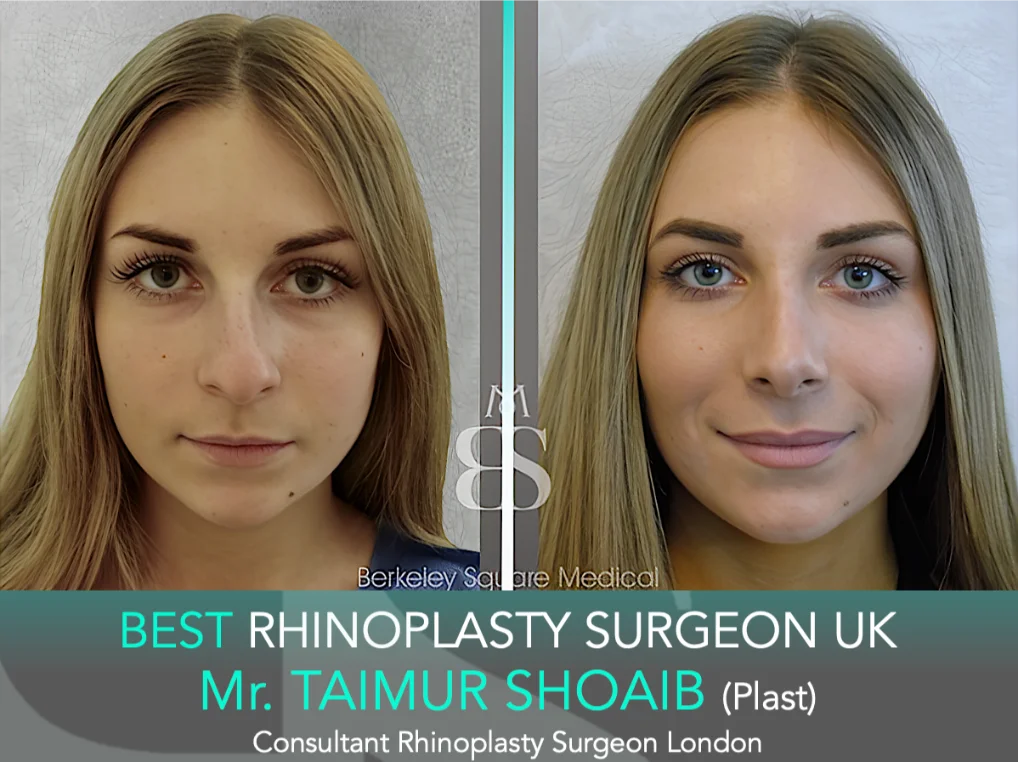
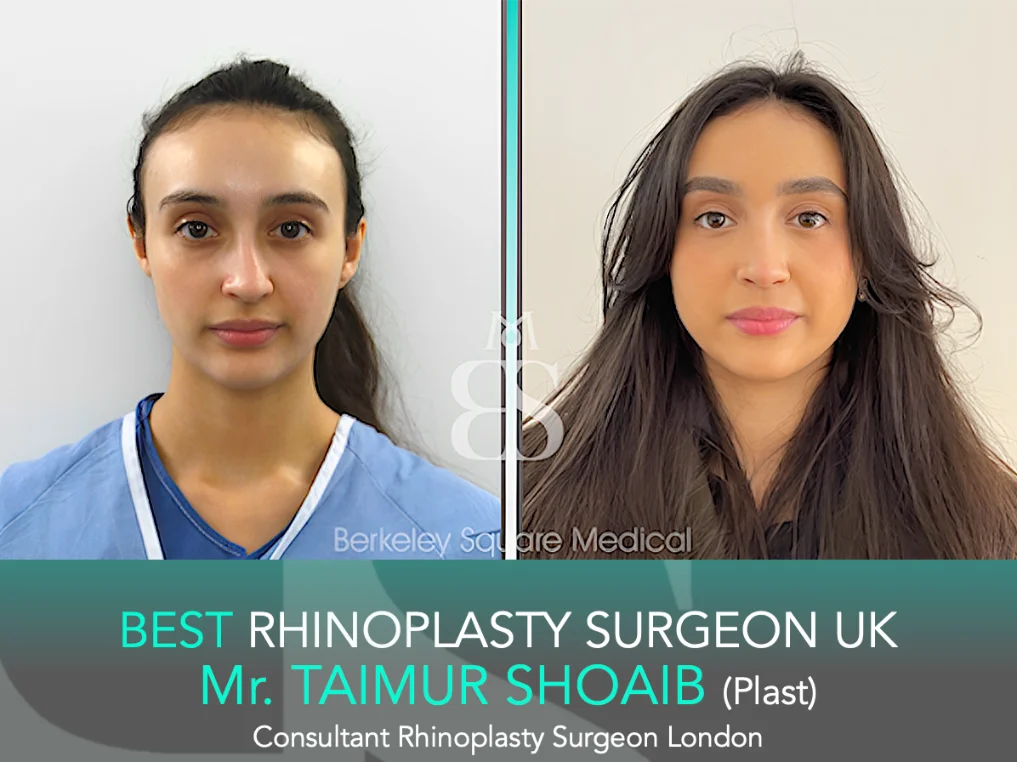
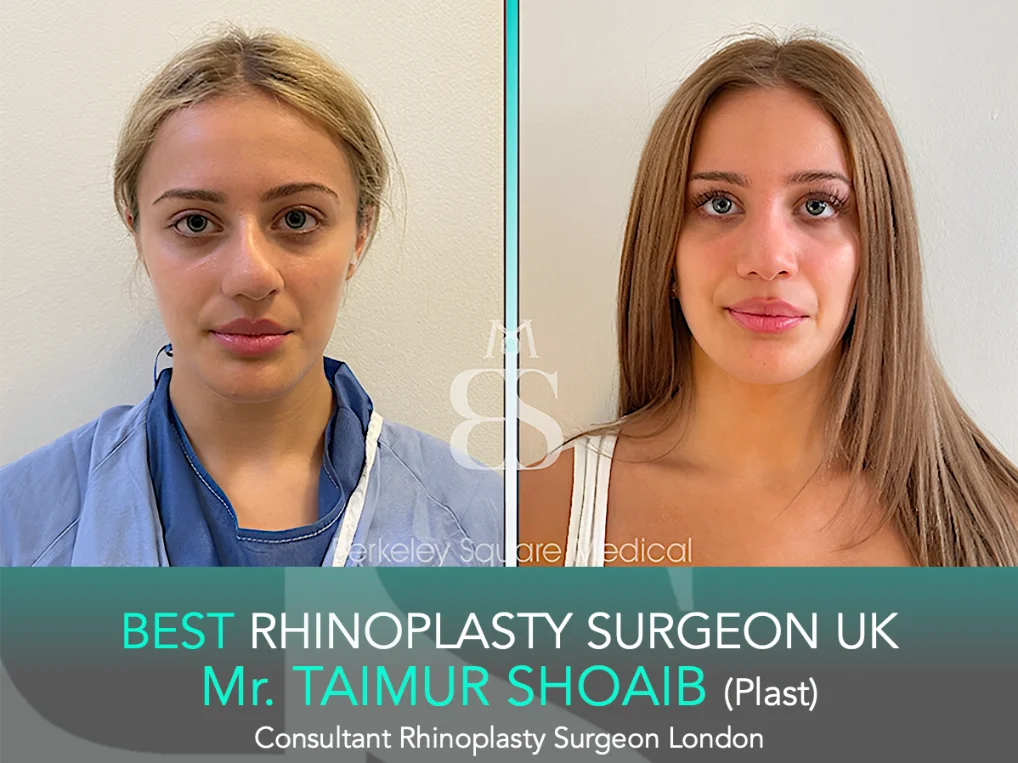
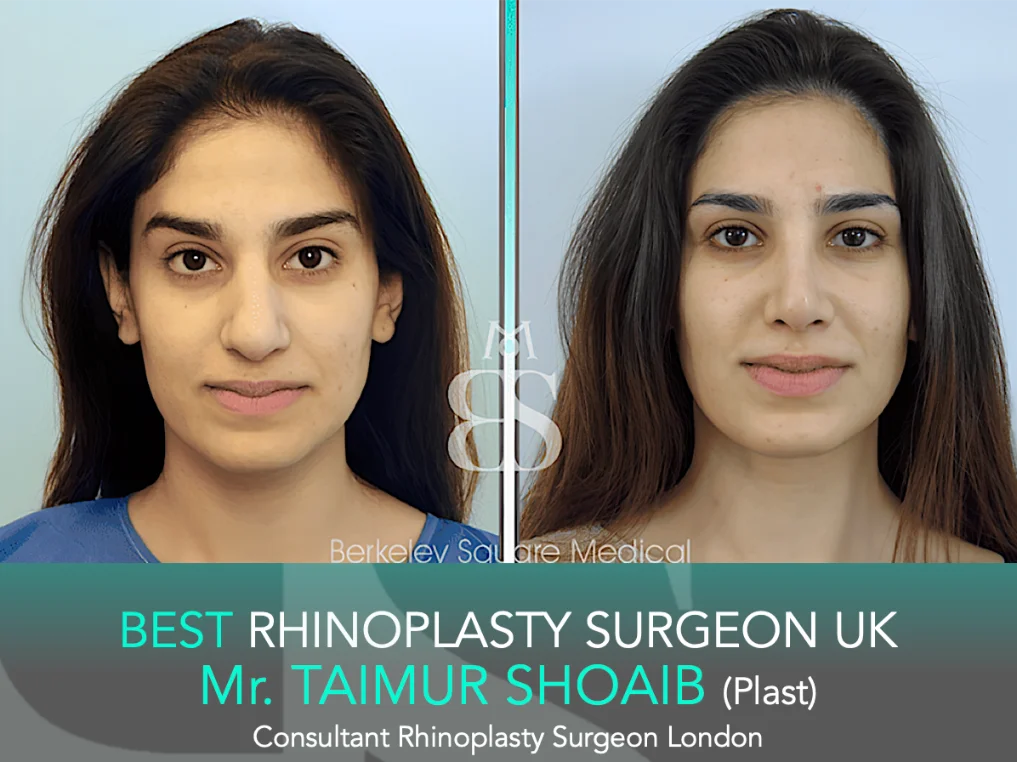
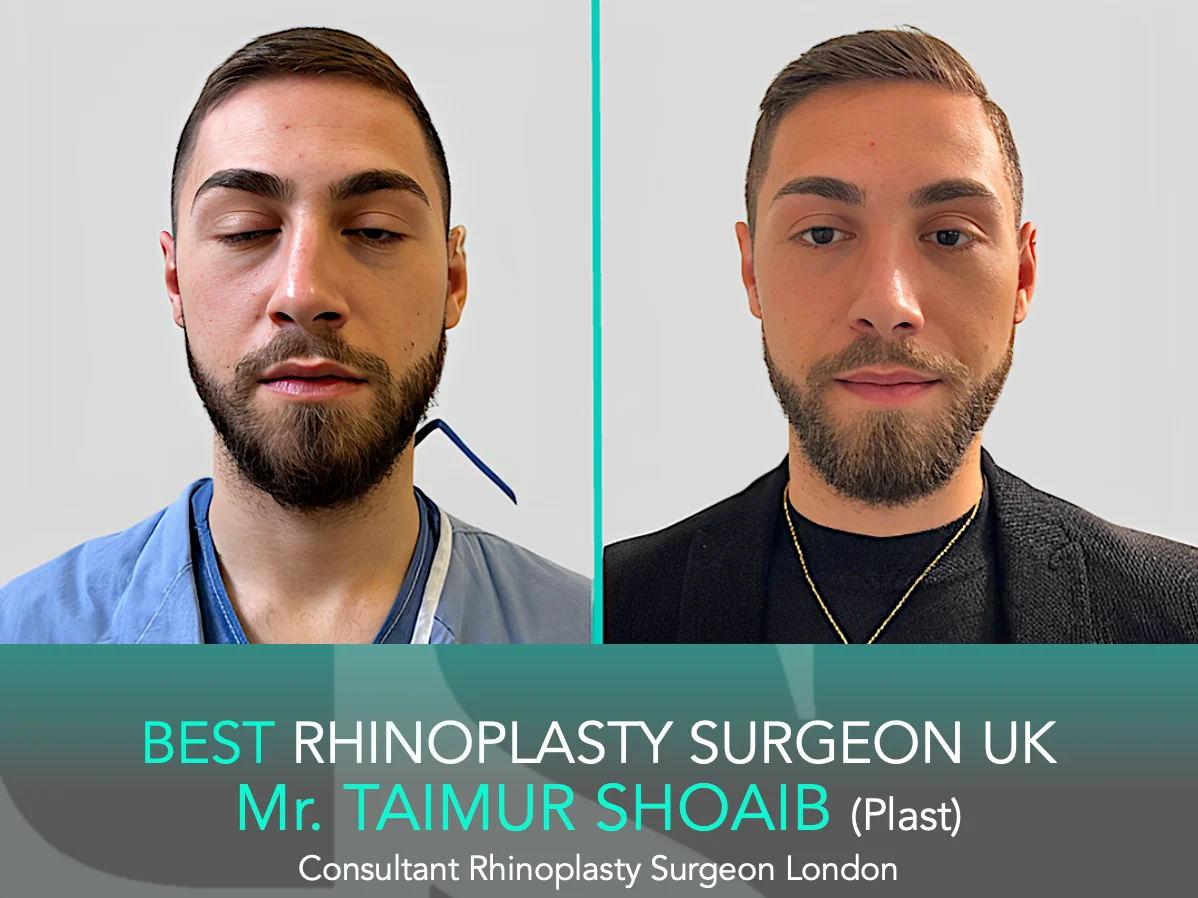
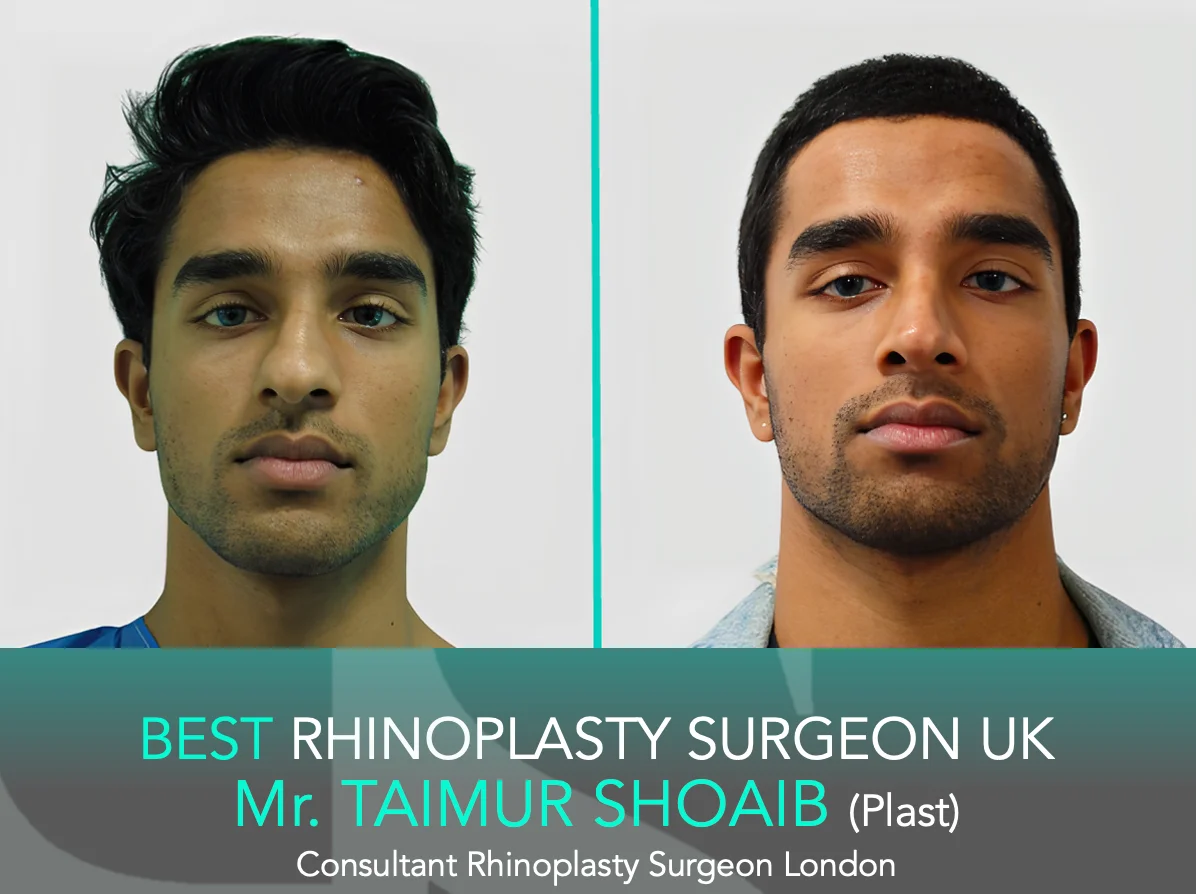
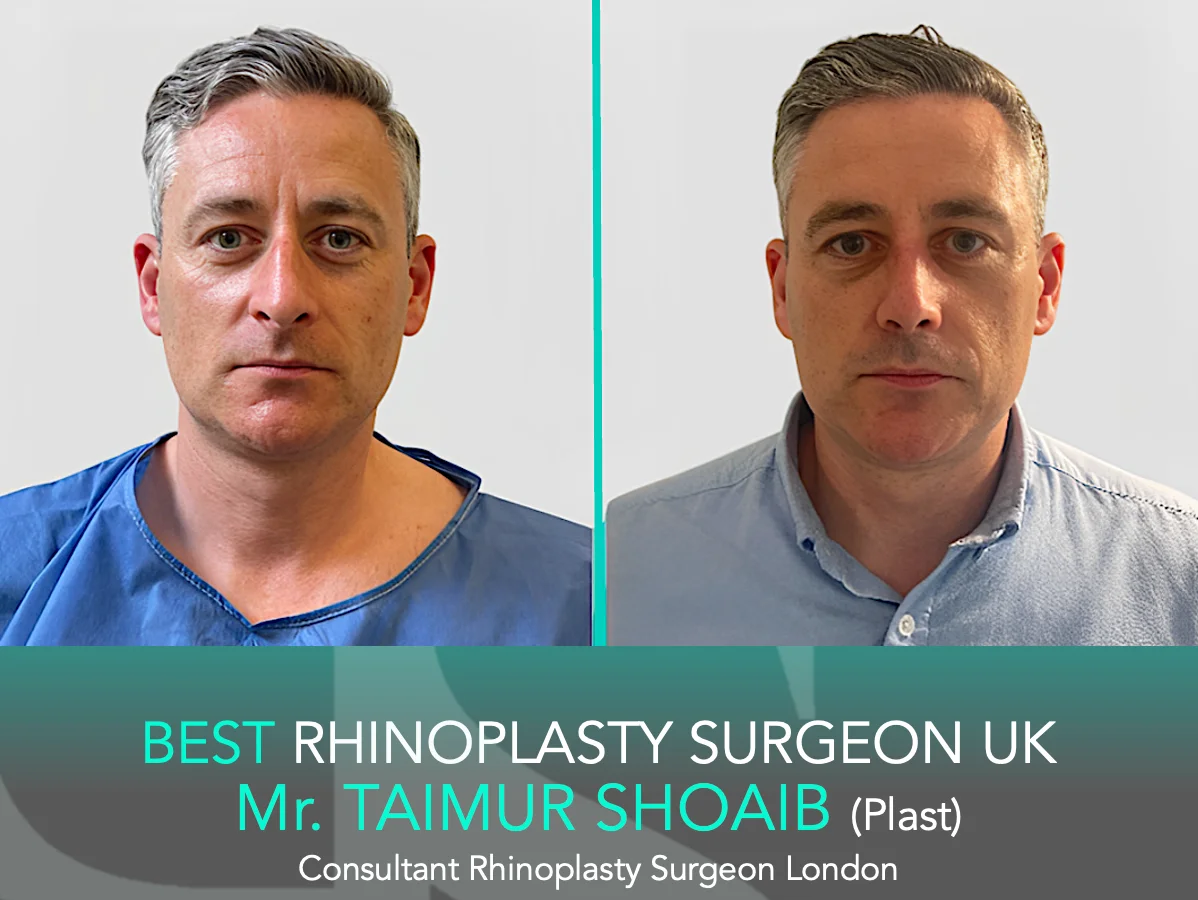
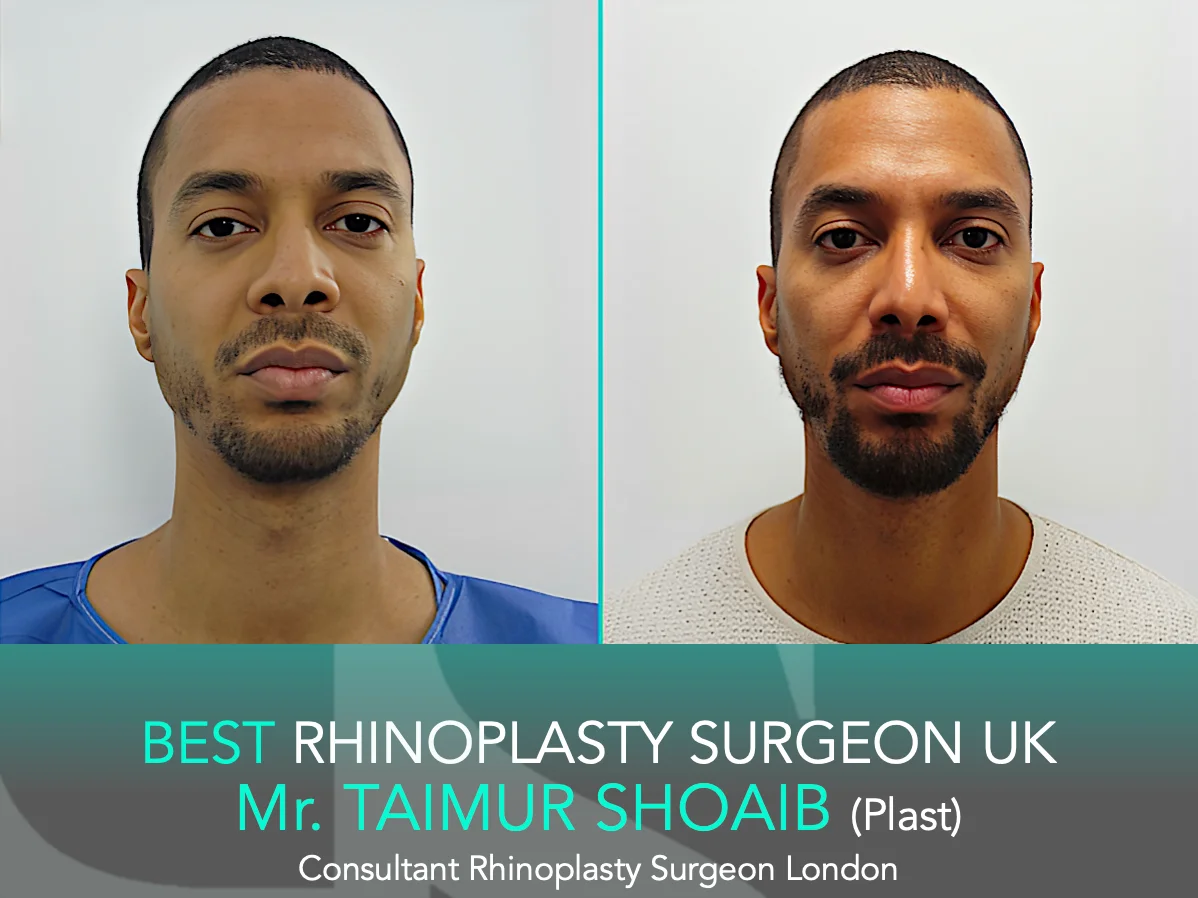
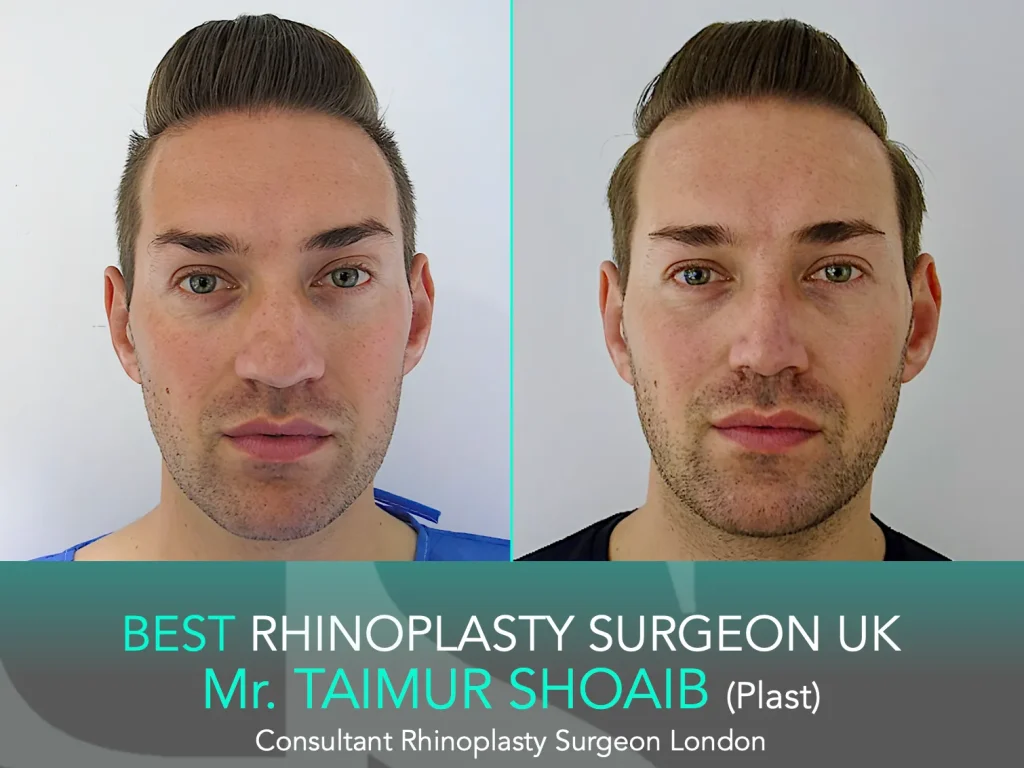
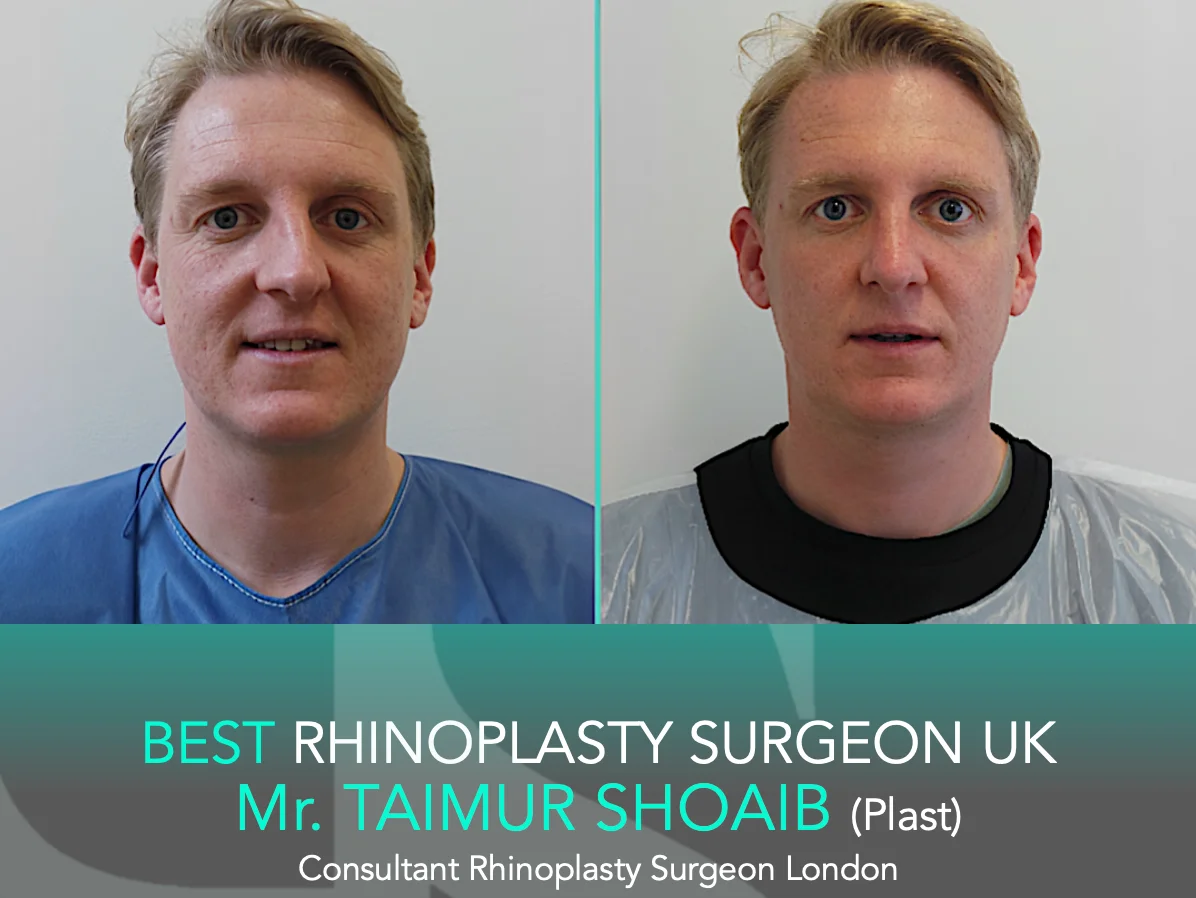
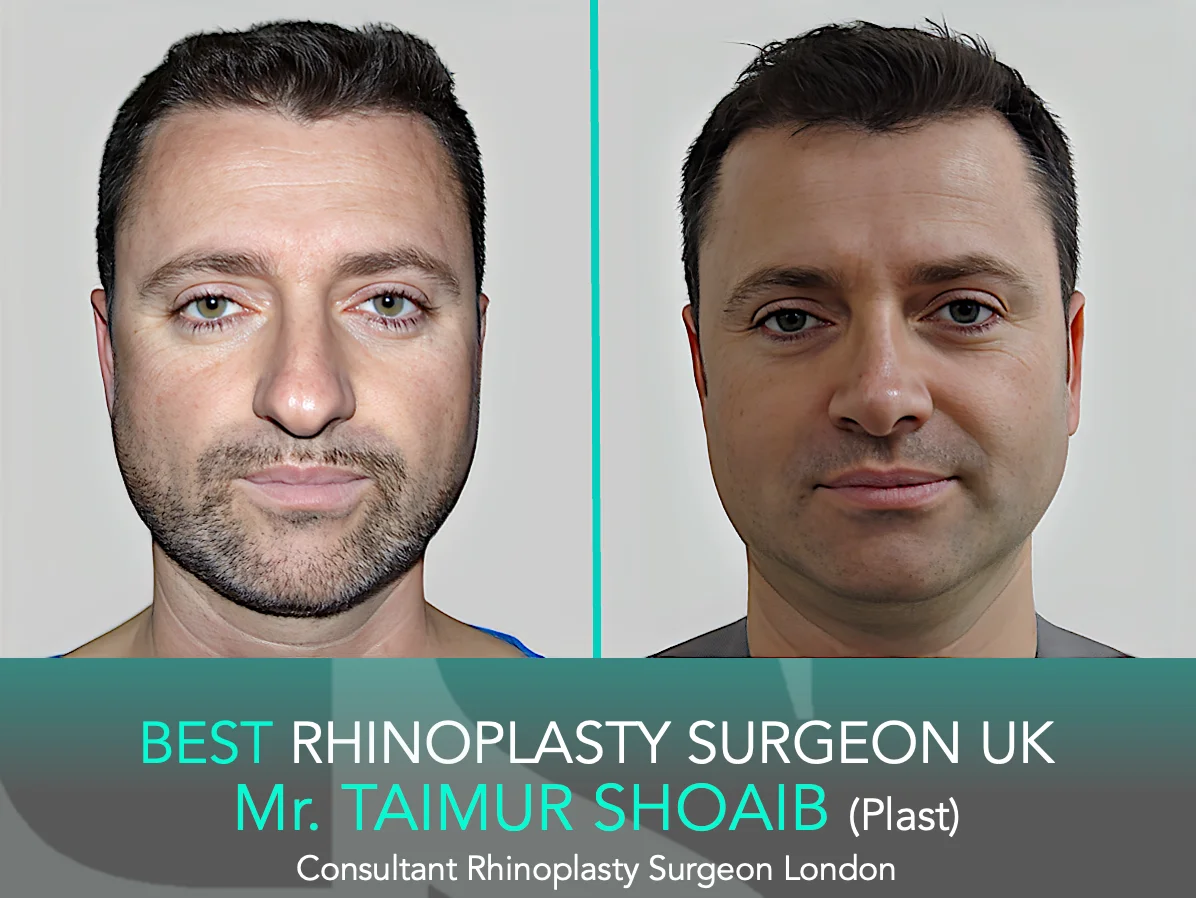
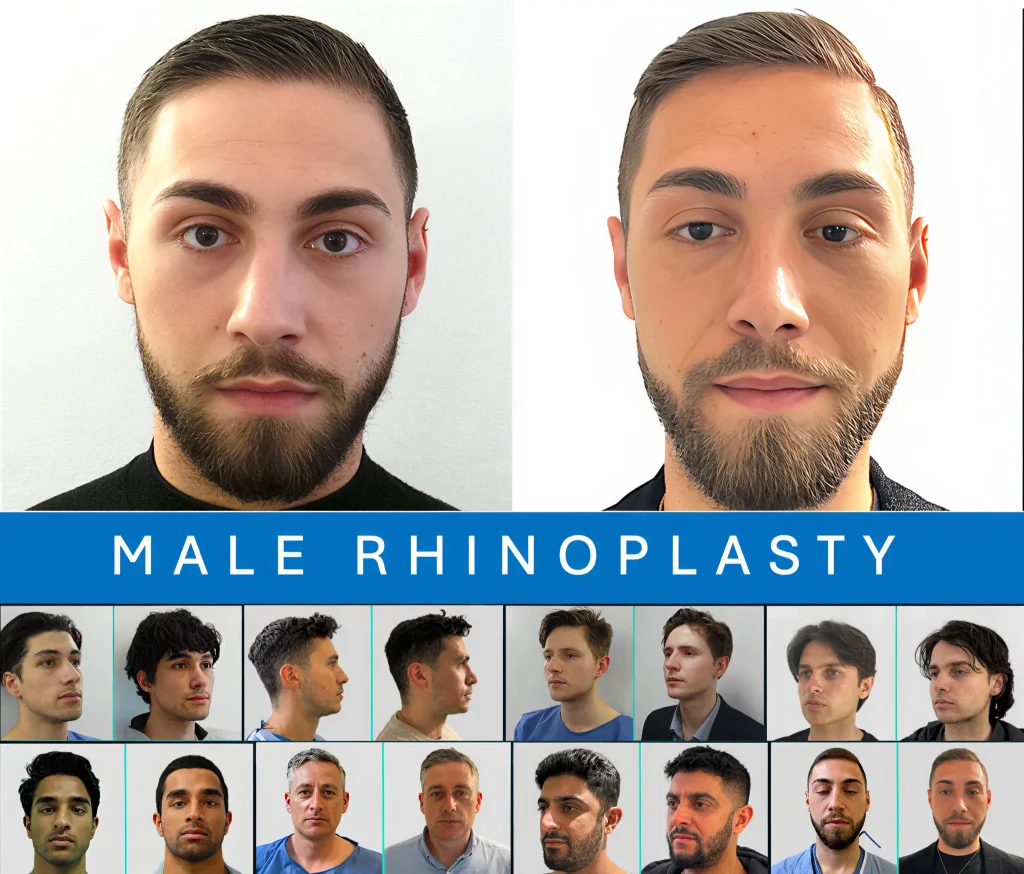
The results of our past surgeries featured on our rhinoplasty before and after page include septorhinoplasty cases as well.

Remember, septorhinoplasty involves the same cosmetic elements of a rhinoplasty surgery so the aesthetic results will be very similar.

What is the Cost of Septorhinoplasty?

While some clinics might charge you extra for septorhinoplasty, the correction of a deviated septum is included in our regular rhinoplasty package.

Our all-inclusive price is £7950 (as of 2024), which includes the full cost of your surgery including the £100 consultation, pre-assessment, the full procedure and medications, garments, complimentary ride home, and our exceptional aftercare.

Benefits of Undergoing this Procedure

Some of the benefits of a septorhinoplasty procedure include:

  • An increase in self-confidence and self-esteem
  • Significant improvement in the appearance and functionality of the nose 
  • Breathing easier than prior to the surgery
  • Greater comfort when sleeping

septorhinoplasty patient

Risks and Possible Complications

Just as any other surgery, septorhinoplasty also involves some possible risks to the patient. It is important that you are aware of these before you make the final decision on whether or not this is the right procedure for you.

Our Consultant Rhinoplasty Surgeon supported by our experienced London team will ensure that the utmost care is taken at every step to avoid these complications.

Here is a list of possible issues that have been reported in the past after surgery:

  • The creation of scar tissue inside your nose
  • An injury to the nerves near the tip of your nose may result in skin damage
  • Reduced sense of smell
  • Secondary bleeding
  • Extended nasal swelling
  • Infection of the surgical wound
  • A perforated septum

Alternatives to Septorhinoplasty

The correction of a deviated septum is only possible with surgery. However, if you don’t have any major cosmetic issues with your nose, you might opt for septoplasty instead of septorhinoplasty.

Since septoplasty is a purely medical procedure, medical insurance is likely to cover the cost of this surgery.

You then have some non-surgical options to correct minor aesthetic imperfections to your nose.

FAQ

What is septorhinoplasty?

Septorhinoplasty is a combined procedure that corrects a deviated septum to improve breathing while also reshaping the nose for cosmetic refinement. It addresses both function and appearance in a single surgery.

How is septorhinoplasty different from rhinoplasty?

Rhinoplasty focuses on cosmetic changes to the nose, while septorhinoplasty includes both cosmetic reshaping and functional correction of nasal obstruction caused by a deviated septum.

How long does septorhinoplasty surgery take?

Most septorhinoplasty procedures take 1 to 2 hours, depending on whether the surgery is performed using a closed or open approach and how many cosmetic changes are planned.

What is the recovery time after septorhinoplasty?

Most patients can return to light activities within 1–2 weeks. Swelling reduces significantly by 4–6 weeks, but final results — especially tip refinement — may take 6–12 months to fully settle.

Will septorhinoplasty improve my breathing?

Yes. Correcting the deviated septum typically improves nasal airflow, reduces blockage, and can ease breathing during sleep and exercise.

Is septorhinoplasty painful?

Discomfort is usually mild to moderate in the first few days and managed effectively with prescribed pain relief. Most patients describe pressure or congestion more than sharp pain.

Are there risks with septorhinoplasty?

Risks include bleeding, infection, prolonged swelling, reduced sense of smell, internal scar tissue, or septal perforation. Choosing an experienced surgeon significantly reduces complication rates.

References and Further Reading

  • Healthline: Explores septorhinoplasty focusing on both cosmetic and functional benefits, detailing the procedure, recovery, and potential risks. (Healthline)
  • ENT UK: Offers a medical and surgical perspective on septorhinoplasty, including candidate suitability, procedure details, and post-operative care advice. (ENT UK)
  • Pacific Neuroscience Institute: Discusses septorhinoplasty with an emphasis on improving nasal function and structural benefits, alongside recovery expectations. (PNI)
Sanjay Rai
Sanjay Rai

Make Your Enquiry

+44(0)203 811 8175


    Considering any cosmetic treatment is a significant step forward. Your consultation with Mr. Shoaib and our Team will provide clarity, expert insight, and honest guidance — focused entirely on your goals.

    Tell us about you

    A Few Contact Details

    Which procedure are you enquiring about?


    Make Your Enquiry

    +44(0)203 811 8175

    Any questions, enquiries, or just looking for a consultation? Simply send your enquiry here and we will get back to you with a reply promptly.


      Considering any cosmetic treatment is a significant step forward. Your consultation with Mr. Shoaib and our Team will provide clarity, expert insight, and honest guidance — focused entirely on your goals.

      Tell us about you

      A Few Contact Details

      Which procedure are you enquiring about?


      COPYRIGHT © BERKELEY SQUARE MEDICAL 2026. ALL RIGHTS RESERVED.


        Considering any cosmetic treatment is a significant step forward. Your consultation with Mr. Shoaib and our Team will provide clarity, expert insight, and honest guidance — focused entirely on your goals.

        Tell us about you

        A Few Contact Details

        Which procedure are you enquiring about?


        ×

          Tell us about you

          A Few Contact Details

          Which procedure are you enquiring about?


          ×

            Tell us about you

            A Few Contact Details

            Which procedure are you enquiring about?


            ×