
0330 058 0212

Choosing the right type of facelift can be confusing — especially when terms like mini facelift, midface lift, SMAS facelift, or deep plane facelift are used interchangeably. Each technique lifts a different part of the face, offers a different level of improvement, and comes with its own incision pattern, recovery time, and longevity.
This guide breaks down the core differences between a full facelift, a mini facelift, and a midface lift, using clear explanations that match what patients actually search for. By the end, you’ll understand which option best suits early ageing, midface volume loss, jawline sagging, or deeper facial laxity.
Mini facelifts work best for early ageing concerns such as mild jowls and subtle skin laxity.
SMAS facelifts offer stronger lifting and are suitable for moderate jowls, neck laxity, and longer-lasting results.
Deep plane facelifts provide the most comprehensive rejuvenation for the midface, jowls, and nasolabial folds.
Midface lifts target cheek descent and upper–midface sagging but do not correct neck laxity.
Choosing the right technique depends on anatomy, ageing severity, downtime tolerance, and aesthetic goals.
A full facelift (often a SMAS or deep plane facelift) improves the lower face, jawline, and neck by lifting both the skin and the deeper support layers. This dual-layer approach creates natural, longer-lasting results and avoids the “pulled” appearance associated with older skin-only techniques.
A full facelift typically addresses:
Jowls and sagging along the jawline
Deep nasolabial folds
Drooping cheeks
Lax or banded neck tissue
General loss of mid- and lower-face support
A SMAS facelift repositions the superficial muscular layer, while a deep plane facelift goes further beneath this layer, making it especially effective for lifting the midface and softening the nasolabial region.
Full facelifts are ideal for patients with moderate to significant facial ageing who want the most comprehensive, longest-lasting improvement.
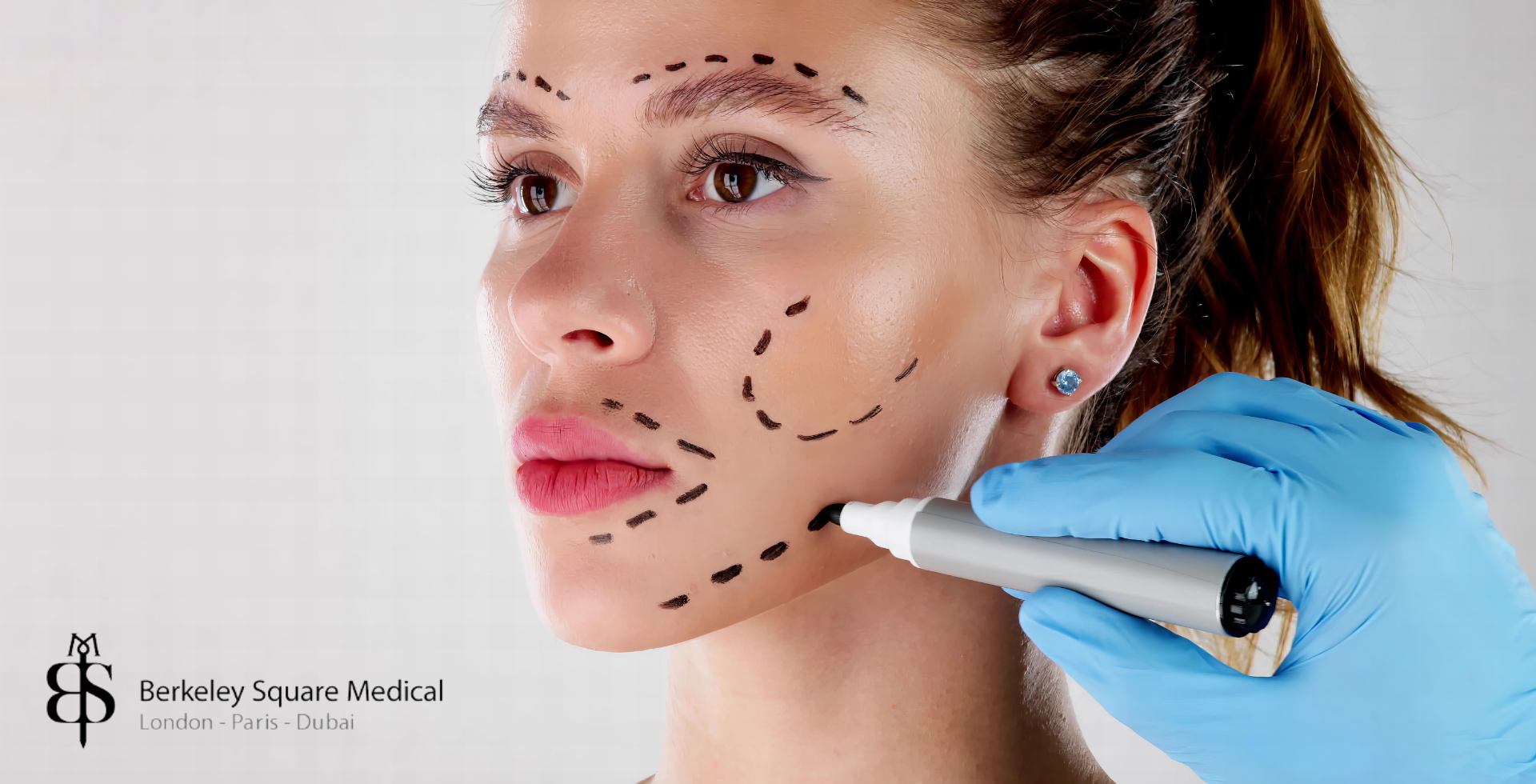
A mini facelift focuses on the lower face only, using shorter incisions and a more limited lift. It is best suited for patients showing early signs of ageing rather than advanced laxity.
A mini facelift can help with:
Mild to moderate jowling
Early sagging along the jawline
Mild skin laxity
Benefits include:
Smaller incisions around the ear
Faster recovery compared to full or deep plane lifts
Less swelling and downtime
A subtle, refreshed result
However, a mini facelift does not adequately treat:
Neck laxity
Under-eye or midface descent
Heavy nasolabial folds
For this reason, it is most appropriate for patients in their late 30s to 50s, or individuals who have previously had a facelift and want a small “maintenance” lift.
A midface lift (also called a cheek lift) focuses specifically on lifting the tissues between the lower eyelid and the upper mouth area. Instead of pulling the skin sideways, the midface lift lifts tissues vertically, restoring youthful cheek contour.
A midface lift is best for patients who have:
Flattened or sunken cheeks
Deepening nasolabial folds
A drooping malar fat pad
Hollowing beneath the eyes
It does not correct jowls, neck laxity, or sagging in the lower face — which is why it is often combined with other facelift techniques when a more comprehensive result is needed.
This option is ideal for patients in their 30s to 50s with midface volume loss but relatively good jawline support.
| Concern | Mini Facelift | SMAS Facelift | Deep Plane | Midface Lift |
|---|---|---|---|---|
| Mild jowls | ✔ | ✔ | ✔ | ✘ |
| Moderate/advanced jowls | ✘ | ✔ | ✔ | ✘ |
| Neck laxity | ✘ | ✔ | ✔ | ✘ |
| Midface sagging | ✘ | ✘/Partial | ✔ | ✔ |
| Nasolabial folds | ✘ | Partial | ✔✔ | ✔ |
| Early ageing | ✔ | ✔ (if mild–moderate) | ✘ | ✔ (cheek-focused) |
| Longest-lasting results | ✘ | ✔ | ✔✔ | ✔ |
Because many facelift terms are used interchangeably, understanding what each technique does (and doesn’t do) helps set realistic expectations.
A mini facelift uses short incisions and limited tightening of superficial tissues. It is suitable for early ageing, with subtle improvements along the jawline.
Best for: Mild jowls, early sagging
Not ideal for: Neck laxity, deep folds
An older technique that lifts only the skin without repositioning deeper layers.
Best for: Thin-skinned patients with mild excess
Limitations: Shorter longevity, risk of “windswept” look
The SMAS layer (Superficial Musculo-Aponeurotic System) is lifted and repositioned for longer-lasting, more natural results than skin-only lifts.
Best for: Jowls, moderate facial laxity
Limitations: Less improvement in the midface compared to a deep plane lift
A more advanced SMAS lift that extends further towards the nose to soften nasolabial folds.
Best for: Deep folds, more significant ageing
Limitations: Slightly higher risk in smokers due to deeper dissection
The deep plane lift releases and repositions the SMAS and deeper tissue layers as one unit. It produces the most dramatic improvement, especially in the midface, cheeks, and nasolabial folds.
Best for: Moderate to advanced ageing, flattened cheeks
Benefits: Natural, long-lasting lift
Considerations: More swelling due to deeper dissection
These are limited-incision techniques marketed for fast recovery.
Best for: Mild lower-face ageing
Limitations: Results are subtle and not long-lasting compared to structural lifts
Uses barbed sutures to lift soft tissues without incisions.
Best for: Very mild early sagging
Limitations: Temporary, risk of puckering, visible threads
A deep lift performed near the bone using small incisions, often endoscopically.
Best for: Younger patients with midface drooping
Considerations: Longer swelling period
A deep plane facelift with additional lifting of the lower eyelid muscle to address midface descent dramatically.
Best for: Significant ageing in the midface and tear trough
Considerations: More swelling due to the extent of dissection
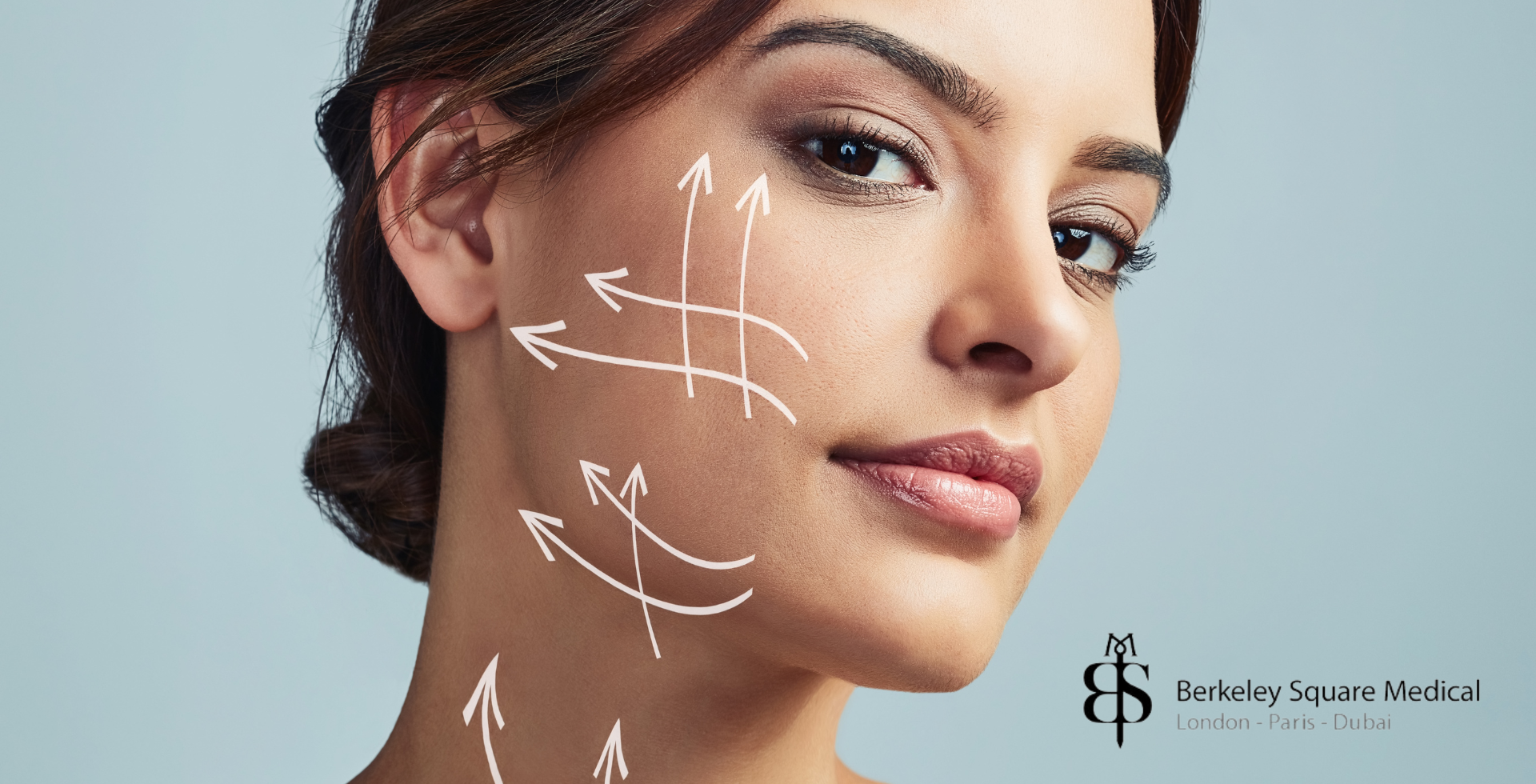
Choosing the right facelift depends on your facial anatomy, age-related changes, and the results you want to achieve. Different techniques target different layers of the face, so the best option isn’t the “most advanced” one — it’s the one that matches your concerns.
Surgeons typically assess three things:
1. Where ageing is most visible
Early jowling and mild laxity often suit a mini facelift.
Moderate jowls or early neck laxity benefit more from a SMAS facelift.
Midface flattening or deep nasolabial folds often require a deep plane or midface lift for the most natural lift.
2. Skin quality and elasticity
If you have significant sun damage, excess skin, or weaker skin elasticity, a full or deep plane facelift is usually recommended because limited-incision techniques cannot address heavier laxity.
3. Desired longevity and downtime
Mini lifts offer shorter recovery but subtle, shorter-lasting results. Deep plane and SMAS lifts provide longer-lasting, more comprehensive rejuvenation but require a more committed recovery period.
In most cases, the ideal facelift technique is the one that achieves noticeable improvement without overcorrecting or creating unnatural tightness. A consultation with an experienced facelift surgeon is essential, as they can evaluate your anatomy and explain which technique offers the safest and most balanced result.
A mini facelift targets early ageing in the lower face, such as mild jowls or slight laxity. A full SMAS or deep plane facelift addresses deeper tissues, providing more significant improvement in the jowls, cheeks, and neck with longer-lasting results.
Natural results usually come from techniques that lift the deeper facial layers rather than just tightening the skin. SMAS and deep plane facelifts tend to offer the most natural, long-lasting improvement because they reposition the foundational tissues rather than pulling the skin.
The right technique depends on your age, degree of sagging, facial anatomy, and goals. Mild ageing may suit a mini facelift, while more noticeable jowls or midface descent often require a SMAS or deep plane approach. A consultation with a qualified facelift surgeon is the only way to determine the best option.
For many patients, yes. Deep plane facelifts provide the most comprehensive lift to the midface, jowls, and nasolabial folds. They are particularly beneficial for patients with more advanced sagging or who want long-lasting, natural-looking rejuvenation.
Results vary by technique and lifestyle factors. Mini facelift results typically last 2–5 years, SMAS facelifts around 7–10 years, and deep plane facelifts 10+ years. Maintaining a stable weight, avoiding smoking, and protecting your skin from sun exposure can help prolong results.
Recovery depends on the technique used. Mini facelifts often require about 1 week of downtime, while SMAS and deep plane facelifts may need 2–3 weeks. Swelling and bruising gradually improve, and most patients feel comfortable returning to social activities once the early swelling settles.
When performed by a qualified, experienced surgeon, facelifts are generally very safe. Risks include infection, bleeding, nerve injury, and delayed healing, but these are uncommon. Choosing a reputable clinic and following all aftercare instructions significantly reduces risks.
London Cosmetic Surgery group Berkeley Square Medical is one of the UK’s leading providers of Aesthetic and Cosmetic Surgery. For more information on our facelift options, please visit: https://www.berkeleysquaremedical.com/face-lift


Patient Journey We are here to guide you to make the right decision for your well-being. If you are considering an aesthetic change to your appearance, we know that it’s one of the most important and personal decisions you wish to make. Therefore you need to be certain that the medical advice you receive is […]

Patient Aftercare All cosmetic surgery procedures at Berkeley Square Medical come with a comprehensive aftercare package and a 24-hour service so you can be assured you are always under the care and guidance of our surgical team. All your immediate aftercare is included in the cost of your surgery so there are no hidden extras in our […]

If you are considering Cosmetic Surgery, we understand that it's probably one of the most important decisions you're likely to make, therefore, you need to be sure it's right for you and you receive professional and independent advice about your procedure.

Our Philosophy We began our journey setting foot in the highly fashionable area of Berkeley Square, Mayfair where luxury fashion, galleries and five-star hotels all conveniently meet to set the example for world-leading client services and experience. Our goal was to create a cosmetic surgery practice that would not only exceed patients’ expectations but provide […]

