
0330 058 0212

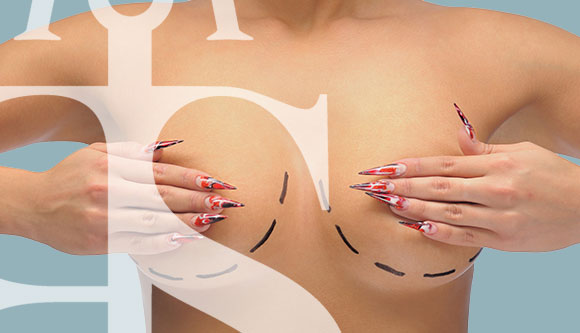
Breast reduction recovery usually takes around 6 weeks for most day-to-day healing, but swelling, scar fading, and final breast shape can continue improving for 6 to 12 months. In this guide, we break down what to expect after breast reduction surgery, from the first 24–48 hours through to long-term recovery. You’ll also find practical tips to support healing, reduce swelling, and safely return to your normal routine.
While every patient heals at a slightly different pace, following the right post-operative advice and knowing what’s normal at each stage can make a significant difference to your comfort and results.
Breast reduction recovery happens in clear stages, with swelling, discomfort, and mobility gradually improving over time:
The first 24–48 hours are the most intensive part of breast reduction recovery, with swelling and discomfort at their highest.
Taking things slowly during this stage is key to managing swelling and setting the foundation for smooth recovery.
By the end of the first week, swelling remains noticeable but begins to stabilise, and mobility slowly improves.
Avoid lifting, stretching, or overexertion—this is still a critical healing phase.
At this stage, swelling and bruising begin to noticeably decrease, and you’ll likely feel more comfortable moving around.
This stage marks a turning point where recovery feels more manageable.
By weeks 4–6, most swelling has significantly reduced, and your breasts begin to look more natural.
You’ll likely feel more confident during this phase as your results become more visible.
After 6 weeks, most patients feel fully functional, but internal healing and subtle swelling continue.
Patience is key—your body continues refining results long after the initial recovery period.
| Timeframe | What to Expect | What You Can Do | What to Avoid |
|---|---|---|---|
| Days 1–2 | Peak swelling, tightness, and discomfort. Breasts may feel firm and sensitive. | Rest, keep upper body elevated, take prescribed medication, stay hydrated. | Lifting arms, bending, showering, or any unnecessary movement. |
| Week 1 | Swelling remains but begins to stabilise. Bruising and soreness still present. | Light walking, wear support bra 24/7, attend follow-up appointment. | Heavy lifting, stretching, raising arms above shoulder height. |
| Weeks 2–3 | Swelling and bruising reduce noticeably. Breasts begin to soften. | Return to light work, start scar care, resume gentle daily tasks. | Strenuous activity, upper body workouts, heavy lifting. |
| Weeks 4–6 | Most swelling subsides. Breast shape becomes more natural. | Light exercise, driving, normal daily activities. | High-impact exercise, underwire bras (until approved). |
| After 6 Weeks | Minor residual swelling may remain. Breasts continue settling. | Resume full exercise and normal routine (with approval). | Ignoring surgeon guidance or rushing recovery. |
| 3–12 Months | Final results develop. Scars fade and swelling fully resolves. | Continue scar care, protect from sun, maintain stable weight. | Sun exposure on scars, inconsistent aftercare. |
Following the right post-operative instructions after breast reduction surgery is essential for reducing swelling, preventing complications, and achieving the best possible results.
You will need to wear a surgical or support bra continuously for the first few weeks. This helps reduce swelling, support your new breast shape, and improve healing. Avoid underwired bras until your surgeon confirms it’s safe.
Sleep on your back with your upper body slightly elevated using pillows. This helps minimise swelling, reduce pressure on your incisions, and improve circulation.
Do not lift heavy objects or raise your arms above shoulder height. Excess movement can increase swelling, strain stitches, and delay healing.
Keep your incisions clean and dry, and follow all wound care instructions carefully. This helps reduce infection risk and support proper healing.
Gentle walking helps improve circulation and reduce swelling, while follow-up appointments allow your surgeon to monitor healing and guide your recovery.
Returning to normal activities after breast reduction surgery happens gradually, depending on how your body heals and the type of activity involved. While most patients start feeling better within the first couple of weeks, it’s important to ease back into your routine to avoid complications and support proper healing.
Most patients can return to work within 1–2 weeks, especially if their job is not physically demanding. If your role involves lifting or manual activity, you may need closer to 3–4 weeks off.
You can usually start driving once you are no longer taking strong pain medication and feel comfortable making sudden movements, typically around 1–2 weeks after surgery.
Light activities such as walking can begin within the first week to improve circulation and reduce swelling. More structured exercise is usually introduced gradually, with low-impact workouts after 3–4 weeks and full exercise (including chest-focused movements) after 6 weeks, depending on your surgeon’s advice.
Avoid lifting anything heavy, including children, shopping bags, or gym weights, for at least 4–6 weeks. Gentle daily tasks can usually be resumed earlier, but should be approached carefully.
Sleeping on your back with your upper body elevated is recommended for the first few weeks to reduce swelling and protect your incisions. Most patients can return to side sleeping around 4–6 weeks, once healing has progressed.
Most patients recover enough to return to light daily activities within 1–2 weeks, with most restrictions lifted by 4–6 weeks. However, full healing, including scar fading and final breast shape, can take 6–12 months.
Recovery happens in stages. The first 1–2 weeks involve the most swelling and discomfort, followed by gradual improvement over weeks 2–6. By 6 weeks, most patients return to normal activities, while long-term healing continues for several months.
Swelling is usually at its peak in the first few days to 2 weeks. It then gradually reduces over the following weeks, with most visible swelling gone by 4–6 weeks. Mild residual swelling can last for several months.
Most patients return to non-physical work within 1–2 weeks. Jobs that involve lifting or physical activity may require 3–4 weeks or longer, depending on recovery.
Light walking is encouraged early on, but structured exercise is usually reintroduced gradually. Most patients can resume low-impact workouts after 3–4 weeks and full exercise after 6 weeks, with surgeon approval.
Scars are usually red or raised for the first 3–4 months, then gradually fade over time. Final scar appearance can take 6–12 months or longer, depending on healing and aftercare.
Key instructions include wearing a support bra, sleeping on your back with elevation, avoiding heavy lifting, keeping incisions clean, and attending follow-up appointments. Following these helps reduce swelling and support proper healing.


Patient Journey We are here to guide you to make the right decision for your well-being. If you are considering an aesthetic change to your appearance, we know that it’s one of the most important and personal decisions you wish to make. Therefore you need to be certain that the medical advice you receive is […]

Patient Aftercare All cosmetic surgery procedures at Berkeley Square Medical come with a comprehensive aftercare package and a 24-hour service so you can be assured you are always under the care and guidance of our surgical team. All your immediate aftercare is included in the cost of your surgery so there are no hidden extras in our […]

If you are considering Cosmetic Surgery, we understand that it's probably one of the most important decisions you're likely to make, therefore, you need to be sure it's right for you and you receive professional and independent advice about your procedure.

Our Philosophy We began our journey setting foot in the highly fashionable area of Berkeley Square, Mayfair where luxury fashion, galleries and five-star hotels all conveniently meet to set the example for world-leading client services and experience. Our goal was to create a cosmetic surgery practice that would not only exceed patients’ expectations but provide […]

