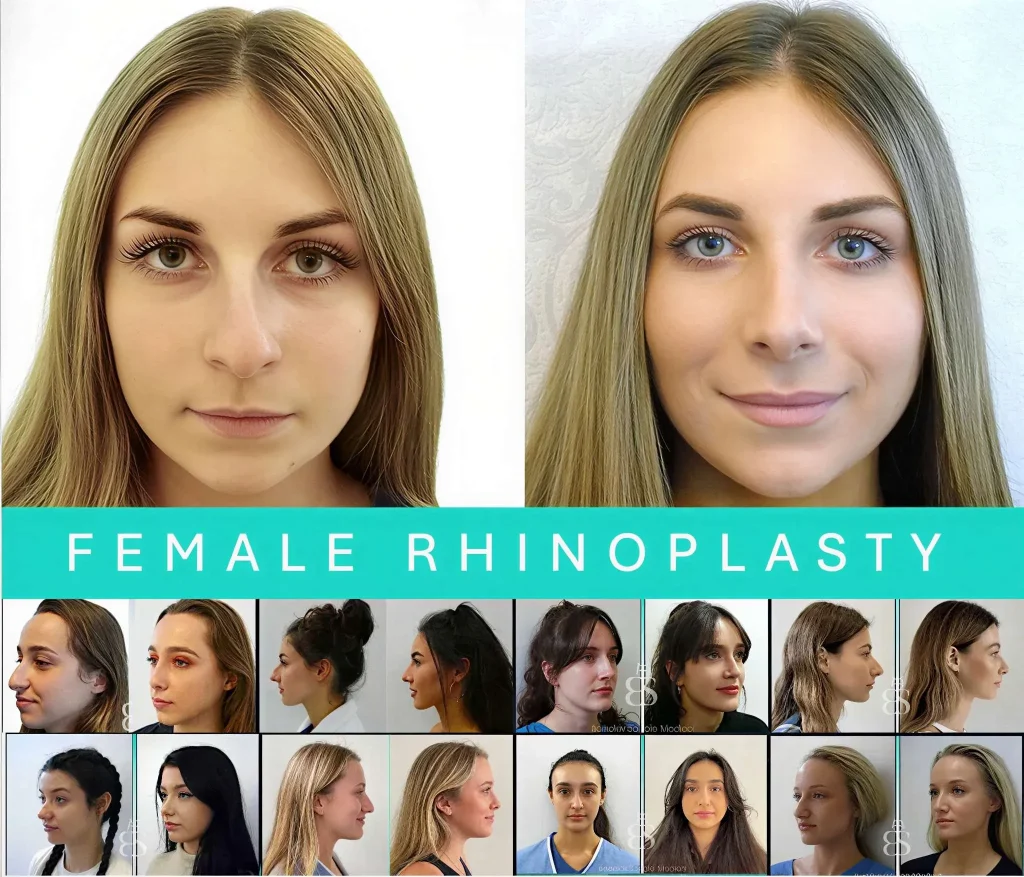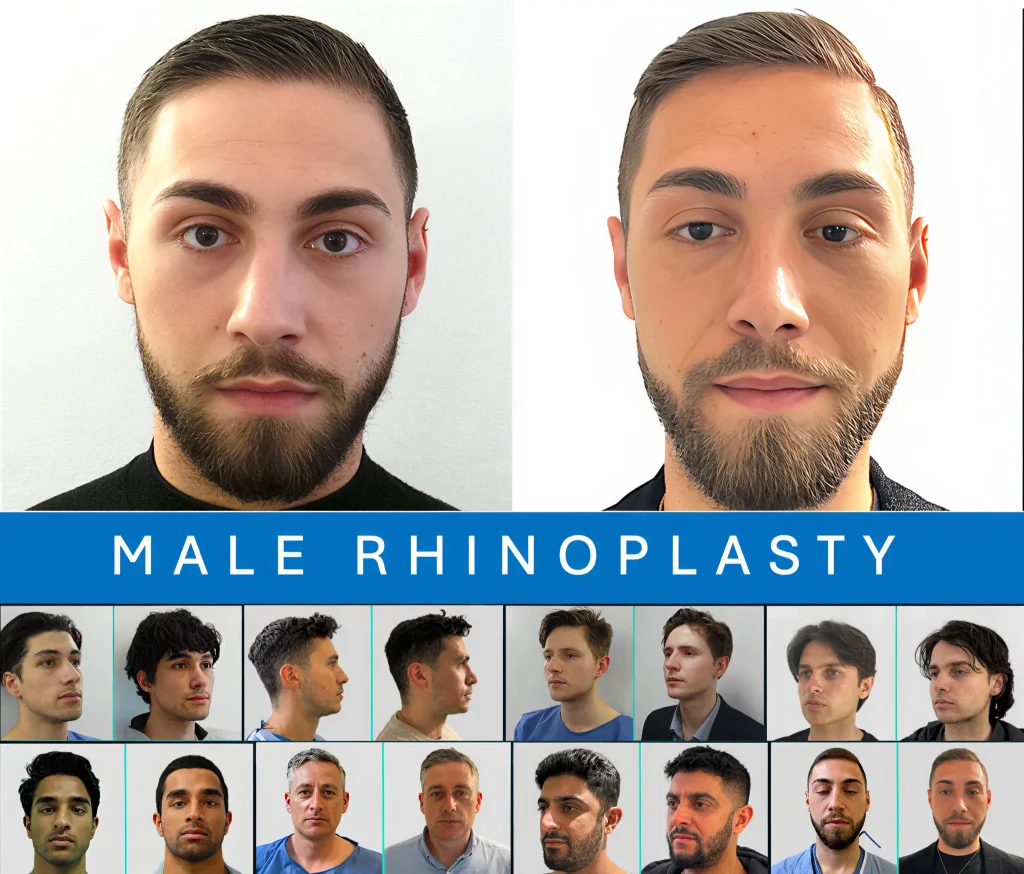


How old do you have to be to get a nose job? In the UK the short answer is 18. You must be at least 18 to have a cosmetic rhinoplasty or non-surgical nose fillers, and at Berkeley Square Medical, like other CQC-regulated private hospitals, we treat patients from the age of 18 only. But the legal minimum and the ideal age are not the same thing. The right time to reshape your nose depends on whether the nose has finished growing, your general health, and being emotionally ready with realistic goals. This guide, reviewed by a consultant plastic surgeon, explains the age rules clearly, why 18 is the line in the private sector, when under-18s can be treated on the NHS, and what the best age for rhinoplasty really means.
Key Takeaways
- The minimum age for a cosmetic nose job in the UK is 18, for both surgical rhinoplasty and non-surgical nose fillers. Berkeley Square Medical treats patients from 18 only.
- Nose fillers under 18 are illegal. A 2021 law bans cosmetic dermal fillers and anti-wrinkle injections for under-18s in England, even with parental consent.
- Cosmetic surgery under 18 is not offered in the private sector, in line with professional guidance and the way CQC-regulated hospitals operate, which start at 18.
- Under-18s with a genuine breathing or structural problem are usually treated on the NHS by an ENT or plastic surgeon, not as cosmetic surgery.
- There is no single "best" age above 18. The right time is once the nose has finished growing, you are in good health, and you are emotionally ready with realistic expectations.
- Rhinoplasty can be done well into later life, as long as you are in good general health; the surgeon simply tailors the plan to your skin and healing.
How Old Do You Have To Be To Get a Nose Job? UK Age Rules at a Glance
The age limit depends on the type of treatment and whether the reason is cosmetic or medical. Here is where each one stands in the UK.
| Treatment | Minimum age in the UK | What this means |
|---|---|---|
| Cosmetic rhinoplasty (surgery to change the shape of the nose) | 18 | Berkeley Square Medical and CQC-regulated private hospitals operate from age 18. Under-18s are not accepted for cosmetic surgery, even with parental consent. |
| Nose fillers / non-surgical rhinoplasty | 18 (by law) | Cosmetic dermal fillers for under-18s are illegal in England under the 2021 Act, regardless of consent. |
| Functional or reconstructive nasal surgery (breathing problems, injury, birth differences) | Assessed case by case | Where there is a genuine medical need, this is usually done on the NHS via a GP referral to an ENT or plastic surgeon. It is not cosmetic surgery. |
So if you are searching "can I get a nose job at 16" or "what age can you get a nose job", the answer for cosmetic surgery is 18. If the concern is breathing rather than appearance, the route is different, and we explain it below.
Why 18? The Law and the Clinic Rules
Two separate things sit behind the age-18 rule, and they are often confused.
Nose fillers: a legal ban under 18
For non-surgical rhinoplasty and other cosmetic dermal fillers, there is a clear law. The Botulinum Toxin and Cosmetic Fillers (Children) Act 2021 makes it a criminal offence in England to give cosmetic dermal fillers or anti-wrinkle injections to anyone under 18, even if a parent agrees. So the answer to "can I get nose filler at 16" is simply no.
Cosmetic surgery: professional standards and how private hospitals work
For surgical rhinoplasty the position is slightly different. There is no single statute that names an age, but reputable surgeons follow professional guidance from bodies such as the Royal College of Surgeons and the General Medical Council, which strongly advise against cosmetic surgery on under-18s. In practice, CQC-regulated private hospitals, where cosmetic surgery in the UK is carried out, operate from the age of 18. Berkeley Square Medical treats patients aged 18 and over only. This protects young people from making a permanent, irreversible decision before they are physically and emotionally ready.
Is There Really a "Best" Age for Rhinoplasty?
Once you are 18 or over, there is no single best age for a nose job. What matters is not the number, but three things: the nose has finished growing, you are in good general health, and you are emotionally ready with realistic goals. Here is how that plays out across adult life.
Growth has to be complete first
The nose is one of the last parts of the face to stop growing. This usually happens in the mid-to-late teens, a little earlier in girls than boys, but it varies from person to person. Operating before growth is finished risks the nose changing shape as it continues to develop, which can lead to asymmetry and the need for revision surgery later. Waiting until 18 comfortably clears this for almost everyone.
Your late teens, 20s and 30s
Many patients choose rhinoplasty in their late teens to their 30s. By this stage facial features are settled, the skin usually heals well, and people often have clear, considered goals. It is a common and straightforward time to have surgery, but it is not a deadline, and being slightly older brings no penalty.
Your 40s, 50s and beyond
Rhinoplasty later in life is entirely possible and very common. Age alone does not rule anyone out. In older patients the surgeon simply takes account of skin thickness and elasticity, which can change over time, and general health, which affects anaesthesia and healing. Many people finally have the nose surgery they have wanted for years, or choose it alongside other facial procedures, with natural, age-appropriate results.
In short, the "best" age is whenever growth is complete and you are genuinely ready. The clearest way to know if the timing is right for you is a rhinoplasty consultation.
Nose Fillers and Non-Surgical Rhinoplasty: The Age Rules
Non-surgical rhinoplasty uses dermal filler to smooth a small bump, add height or refine the shape without an operation. People often assume the age rules are more relaxed than for surgery. They are not. The legal minimum is exactly the same, and in fact it is set by law: it is illegal to give cosmetic non-surgical nose filler to anyone under 18 in England under the 2021 Act, with no exception for parental consent, and reputable clinics across the UK apply the same standard.
Because it avoids surgery and downtime, non-surgical rhinoplasty is a popular choice for younger adults who have just turned 18 and want a subtle change or to "try" a shape before considering surgery. It is not suitable for every nose, and it does not reduce a nose, so it is not a substitute for surgical rhinoplasty. Which option fits your nose and your goal is best decided in person.
Under 18 and Thinking About a Nose Job?
If you are a teenager, or a parent of one, and cosmetic surgery is not an option yet, it helps to know why, and what you can do.
- For appearance: cosmetic rhinoplasty and nose fillers are not available under 18 in the UK, as explained above. The best step now is time, because the nose may still be growing and feelings about appearance often change through the teenage years. If a concern is causing real distress, your GP is the right person to talk to first.
- For breathing or after an injury: if the nose is genuinely blocked, was broken, or there is a structural problem such as a badly deviated septum, this is a medical issue, not a cosmetic one. A GP can refer you to an ENT or plastic surgeon, and treatment where it is needed is usually provided on the NHS. Age is assessed case by case for medical need.
When you turn 18, if you are still considering surgery, that is the time to book a consultation and discuss it properly with a qualified surgeon.
Rhinoplasty at Berkeley Square Medical (18+)
If you are 18 or over and considering nose surgery, these pages will help you plan your next step:
- Rhinoplasty in London, how nose surgery works, techniques, recovery and results.
- Rhinoplasty cost in London, what a nose job costs and what is included.
- Non-surgical rhinoplasty, reshaping the nose with filler, no surgery.
- Meet the surgeon, Mr Taimur Shoaib FRCS (Plast), consultant plastic surgeon.
Age and Rhinoplasty: Frequently Asked Questions
Is there an age limit for rhinoplasty?
What is the minimum age for a nose job in the UK?
Can a 16-year-old get a nose job?
Why can't under-18s have cosmetic surgery in the UK?
What is the best age to get a rhinoplasty?
Do girls and boys reach the right age at different times?
What age can you get non-surgical rhinoplasty or nose filler in the UK?
Can older adults get a rhinoplasty?
Is the age rule different for medical versus cosmetic reasons?
Wondering if the timing is right for you?
If you are 18 or over, the clearest way to know whether it is the right time for rhinoplasty is a face-to-face assessment with a consultant plastic surgeon. There is no obligation, and honest advice on timing is part of it.
Book a consultation Explore rhinoplasty