
0330 058 0212

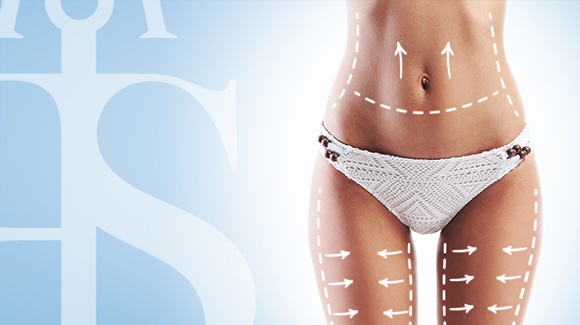
Knowing exactly when you can walk, exercise, or return to the gym after a tummy tuck surgery is one of the most common concerns patients have. The right timeline matters, especially if your procedure included muscle repair, which requires a slower and more cautious approach. Healing tissues must be protected from excessive strain to avoid complications such as swelling, soreness, or loosening of the repair.
This guide gives you clear, week-by-week exercise recommendations, including when to begin walking, when to restart low-impact cardio, and when strengthening work is safe again. You will also find separate guidance for patients with and without muscle repair, since their recovery timelines differ significantly.
The goal is simple: help you stay active safely, avoid setbacks, and progress confidently through each stage of healing.
Gentle walking usually begins around week 2–3, while treadmill walking is typically safe around week 3–4, depending on swelling and comfort.
Low-impact cardio (bike, incline walking) can start around weeks 4–6, unless extensive muscle repair was performed.
Running, swimming, spinning, and other full aerobic activities are usually possible from weeks 6–12, depending on surgeon approval.
Strength training and high-intensity exercise generally resume between weeks 12–18.
Ab exercises such as sit-ups and crunches should be avoided until at least 12 weeks after surgery.
Patients with muscle repair require longer timelines and must avoid anything that strains the core during the first 6–8 weeks.
“Walking too much,” heavy lifting, or high-impact training too soon can cause swelling, pulling sensations, or delayed healing.
Your recovery progresses in clear stages, and each phase comes with its own limits and safe activity options. The table below gives you a quick, easy-to-follow snapshot of when different types of exercise are typically allowed after a tummy tuck.
| Activity | When You Can Usually Resume It | Notes |
|---|---|---|
| Gentle Walking | Week 2–3 | Start slow and flat; increase gradually. |
| Treadmill Walking | Week 3–4 | Avoid incline until week 6–8. |
| Low-Impact Cardio (Bike, Elliptical, Incline Walk) | Week 4–6 | Delay if muscle repair was extensive. |
| Full Aerobic Activity (Running, Spin, Swimming) | Week 6–12 | Introduce gradually; stop if pulling or soreness occurs. |
| Strength Training & Weights | Week 12–18 | Avoid core strain until cleared by surgeon. |
| Ab Exercises (Sit-Ups, Crunches, Planks) | 12+ Weeks | Later if muscle repair was performed. |
| High-Intensity Training (HIIT) | Week 12–18+ | Return slowly; avoid anything that causes abdominal pressure. |
During the first two weeks, your body is focused entirely on healing the incisions and adjusting to the tightened abdominal tissues. Any strain on the core can delay healing or cause swelling, so activity must be minimal and controlled.
Short, slow walks around your home starting day 1–2, only for circulation
Standing upright gradually (your torso may feel tight at first)
Gentle mobility, such as slow pacing between rooms
No treadmill walking
No long outdoor walks
No lifting (even small children, pets, or grocery bags)
No stretching that pulls on the abdomen
No core engagement at all
This early phase is about preventing blood clots, reducing stiffness, and allowing the incisions and internal repair to settle.
Most patients can begin purposeful walking once swelling decreases and standing more upright feels comfortable. Walking too much too early is one of the most common reasons for increased swelling during weeks 2–4.
Flat, level-surface walking only
Slow pace
5–10 minutes at a time, increasing gradually
Stop if you feel any pulling, burning, or heaviness
This is the stage where most people ask:
“When can I walk on a treadmill after a tummy tuck?”
Answer: Typically week 3–4, only if:
You can walk comfortably outdoors
There is no abdominal pulling
Swelling is well-controlled
No incline and no power walking yet.
This period marks the transition from light walking to low-impact cardio, depending on whether muscle repair was performed.
You may begin:
Upright stationary bike
Recumbent bike
Gentle incline walking (very mild)
Elliptical without resistance
Stay on flat walking only
Delay all cardio that engages the core until week 6
No incline walking yet
No bike (it engages deep core stabilisers more than people realise)
Tummy tuck muscle repair requires 6–8 weeks for the sutures to hold stable tension. Cardio too early can cause:
Pulling sensations
Prolonged swelling
Repair loosening
Asymmetry in the muscle plication
As healing progresses, patients can typically return to fuller aerobic activity, but intensity must build slowly.
Running (start with jog-walk intervals)
Treadmill walking with mild incline
StairStep or StairMaster (slow pace)
Spin bike
Swimming (once incisions are fully sealed)
No sudden high-intensity bursts
Avoid twisting cardio (boxing, certain HIIT moves)
Any pulling or swelling = stop immediately
Start closer to week 8–10, not week 6.
Your core will still fatigue quickly—this is normal and expected.
This is the period where most patients feel “normal” again, but internal healing is still underway.
Strength training
Resistance machines
Bodyweight exercises
Light HIIT, if your surgeon approves
One of the highest-searched queries is:
“When can I do ab exercises after a tummy tuck?”
The safe window is:
No earlier than 12 weeks
Later (14–18 weeks) if muscle repair was extensive
Start with:
Dead bugs
Heel slides
Modified planks (knees down)
Pelvic tilts
Deep core activation, not crunching
Avoid:
Sit-ups
Full planks
Russian twists
Leg raises
These movements can strain the repair too early.
Discomfort that feels like:
Sharp pulling
Burning deep in the abdomen
Pressure in the lower belly
…means you need to stop.
Hydration supports:
Tissue repair
Energy levels
Reduced swelling
Especially important if you sweat easily.
Many surgeons recommend:
Compression garment for 6–8 weeks
High-waist supportive leggings once cleared
This helps reduce swelling during early movement.
Recovery is rarely linear. You may feel amazing one day and tight or swollen the next. This is normal. Reaching some of your weight loss goals before the surgery might also help you be patient after the procedure, while you still need to hold back on exercise.
Start with movements you feel fully safe performing.
Confidence grows with consistency, not intensity.
A supportive environment—friends, family, or online recovery groups—can help maintain motivation and reduce anxiety about setbacks.
London Cosmetic Surgery group Berkeley Square Medical, is one of the UK’s leading providers of aesthetic and cosmetic surgery. For more information about the tummy tuck procedure at out clinic, please visit: https://www.berkeleysquaremedical.com/tummy-tuck
Most patients can begin gentle walking on a flat surface around weeks 2–3. Walking helps circulation and reduces the risk of blood clots, but it should be slow and comfortable with no strain.
If muscle repair was performed, your timeline may be slower. Low-impact aerobic exercise usually begins around weeks 4–6, and core exercises should be avoided until at least 12 weeks unless your surgeon advises otherwise.
Most patients return to the gym for light, low-impact workouts around weeks 6–8. Strength training, weights, HIIT, and core work should wait until weeks 12–18.
Ab exercises like sit-ups, crunches, and leg raises should be avoided for at least 12 weeks because they place direct pressure on the repaired abdominal wall.
Only light walking is recommended during the first month. Avoid anything that engages the core, increases abdominal pressure, or involves lifting.
Yes. Over-walking too early can increase swelling and discomfort. Increase your steps gradually and stop immediately if you feel pulling, pressure, or pain.
Running is generally safe between weeks 6–12, depending on healing speed and whether muscle repair was included. Start slow and increase intensity gradually.
Yes. Physiotherapy can support posture, mobility, and abdominal strength once healing is underway. Many patients begin physio between weeks 6–12 with surgeon approval.


Patient Journey We are here to guide you to make the right decision for your well-being. If you are considering an aesthetic change to your appearance, we know that it’s one of the most important and personal decisions you wish to make. Therefore you need to be certain that the medical advice you receive is […]

Patient Aftercare All cosmetic surgery procedures at Berkeley Square Medical come with a comprehensive aftercare package and a 24-hour service so you can be assured you are always under the care and guidance of our surgical team. All your immediate aftercare is included in the cost of your surgery so there are no hidden extras in our […]

If you are considering Cosmetic Surgery, we understand that it's probably one of the most important decisions you're likely to make, therefore, you need to be sure it's right for you and you receive professional and independent advice about your procedure.

Our Philosophy We began our journey setting foot in the highly fashionable area of Berkeley Square, Mayfair where luxury fashion, galleries and five-star hotels all conveniently meet to set the example for world-leading client services and experience. Our goal was to create a cosmetic surgery practice that would not only exceed patients’ expectations but provide […]

