
0330 058 0212

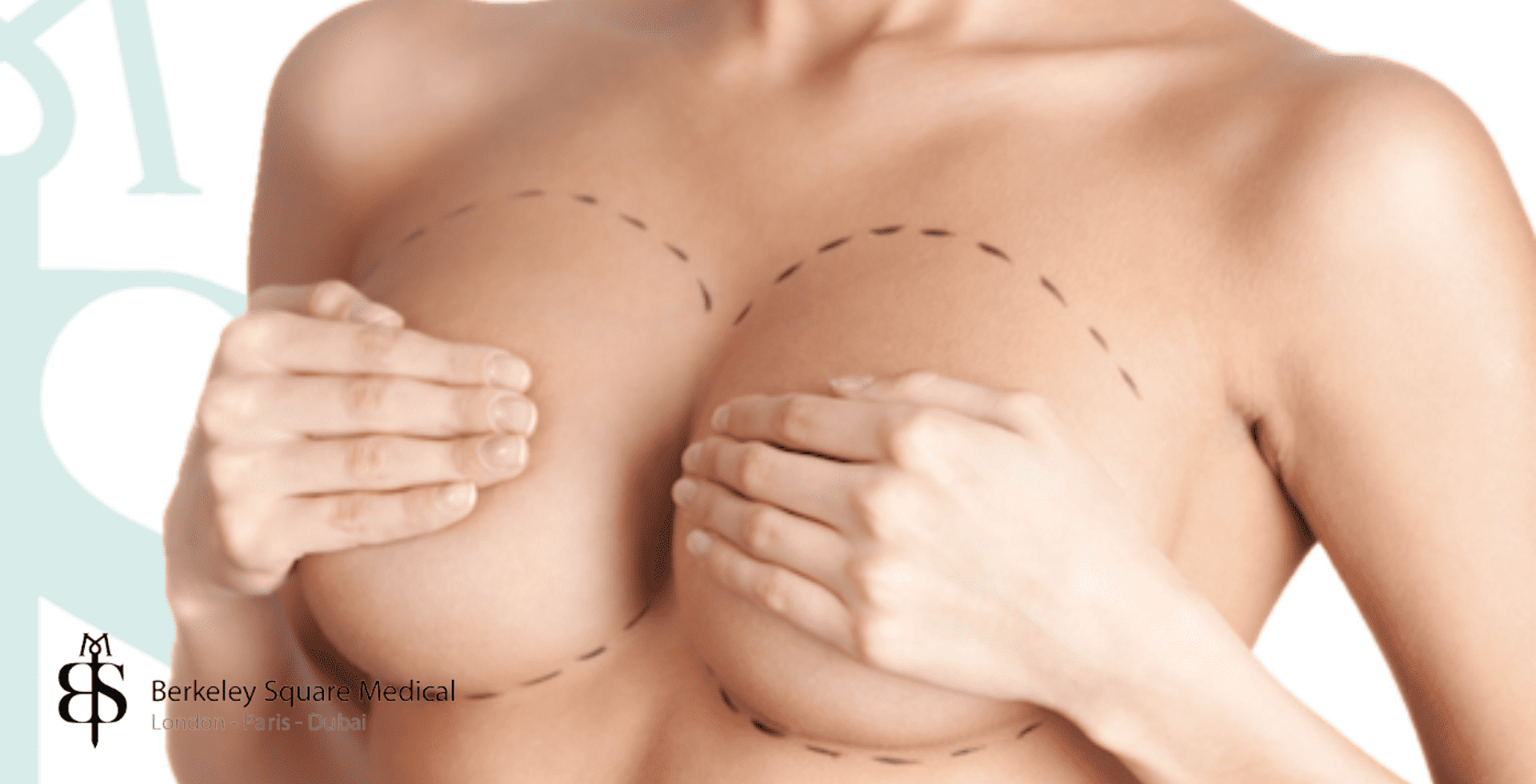
Tuberous breasts—sometimes called tubular breasts—are a congenital breast development condition that causes the breasts to appear narrow, constricted, or under-developed. Many patients wonder whether breast augmentation alone can correct this deformity.
Yes, breast augmentation can improve tuberous breasts, but only when combined with specialised release techniques that reshape the breast base and correct areola herniation.
This guide explains what causes tuberous breasts, how surgery corrects them, and what results you can expect.
Tuberous breasts cannot be corrected naturally — only surgery can release the constricted tissue and reshape the breast.
Breast augmentation alone is not enough; effective correction requires specialised techniques to widen the breast base and address lower-pole underdevelopment.
Areola herniation and enlarged areolae can be corrected using a circumareolar approach for a more proportionate appearance.
Results provide fuller, rounder, and more symmetrical breasts, often improving comfort, clothing options, and overall self-confidence.
Tuberous breasts develop when the lower breast tissue and base do not expand properly during puberty, resulting in a tight, narrow breast shape instead of the usual rounded form.
Common characteristics include:
A narrow or tight breast base, giving a tubular appearance
Underdeveloped lower pole, creating a high breast fold
Wide spacing between the breasts on the chest
Enlarged or puffy areolae caused by tissue herniation
Breast asymmetry, with one breast more affected than the other
This developmental variation can affect one or both breasts and ranges from mild to severe. While not medically harmful, the condition often leads to emotional distress or self-consciousness due to the noticeable shape differences.

A common question among patients is whether tubular breasts can be corrected without surgery. The short answer is no. Because the condition is caused by a congenital constriction of the breast base and underdevelopment of the lower pole, no exercise, massage technique, hormonal treatment, or external method can reshape the breast structure.
Non-surgical approaches may help with appearance management, such as:
choosing supportive or structured bras
using padding to improve symmetry
selecting clothing that enhances confidence
However, these options do not change the underlying anatomy.
Surgery is the only effective way to release the constricted tissue and create a naturally rounded breast shape.
Breast augmentation can significantly improve the appearance of tuberous breasts, but only when performed using specialised techniques that address more than just breast volume. Traditional augmentation alone will not correct the constricted shape.
A successful correction typically includes:
Internal scoring techniques loosen the tight, fibrous bands that restrict breast development. This allows the implant to expand the lower breast and create a rounder contour.
The surgeon broadens the breast’s foundation so the implant can sit naturally and symmetrically, improving fullness and projection.
Many patients have a high breast fold due to underdevelopment of the lower pole. Adjusting the fold allows the breast to take on a natural shape once augmented.
A circumareolar (donut) tightening technique reduces enlarged areolae and smooths the transition between areola and breast tissue.
Implants restore shape and volume, while tissue expanders may be used in more severe cases to gradually stretch the breast envelope before implant placement.
Breast augmentation for tuberous breasts is not only a cosmetic enhancement—it is a reconstructive reshaping that can improve both appearance and confidence.
By releasing constricted tissue and reshaping the breast base, augmentation produces a rounder, more natural contour. Many patients also see a significant improvement in symmetry.
Correcting the shape of tuberous breasts often leads to increased body confidence. Patients commonly report feeling more comfortable in fitted clothing, swimwear, and social settings.
The unique shape of tuberous breasts can make it difficult to find bras or swimwear that fit well. After surgery, many patients experience improved comfort and a wider range of clothing options.
Feeling more at ease with one’s body can contribute to overall emotional well-being. Many patients describe the surgery as a transformative and empowering experience.

As with any surgical procedure, tuberous breast correction carries potential risks. Understanding these helps patients make informed decisions.
Infection
Bleeding
Adverse reactions to anaesthesia
Scarring
Prolonged tenderness or discomfort
Implant-related complications: rupture, leakage, or capsular contracture
Changes in nipple or breast sensation: temporary or permanent
Residual asymmetry: despite best techniques, some asymmetry may remain
Possibility of revision surgery: to refine shape or address concerns over time
Success depends heavily on selecting a surgeon skilled in correcting tuberous breasts. Because this procedure involves both reconstructive and aesthetic elements, experience and precise technique are crucial for achieving natural, long-lasting results
London Cosmetic Surgery group Berkeley Square Medical is one of the UK’s leading providers of aesthetic and cosmetic surgery. For more information about breast enlargement surgery with us, please visit: https://www.berkeleysquaremedical.com/breast-enlargement
Tuberous breasts usually have a narrow base, a high breast fold, underdeveloped lower pole, and enlarged or puffy areolae. One or both breasts may appear tubular, small, or widely spaced. These features become noticeable during puberty.
No. Tubular breasts cannot be fixed naturally because the issue comes from a congenital constriction of the breast base. Only surgery can release the tight tissue and reshape the breast into a round, natural form.
Correction involves releasing the constricted tissue, widening the breast base, lowering the breast fold if needed, reducing areola herniation, and placing an implant to restore shape and volume. This reconstructive approach creates a fuller and more symmetrical breast.
Most patients do. Tuberous breasts typically have limited natural tissue, so implants help build volume and create a rounded lower pole. The implant is only one part of the procedure—internal reshaping is what corrects the deformity.
Yes. With the right technique, the breasts take on a natural, rounded shape with balanced proportions and improved symmetry. Areola size and shape can also be improved for a more harmonious appearance.
Yes. Unlike standard augmentation, this procedure involves reconstructing the breast base, correcting tissue herniation, and adjusting the inframammary fold. It requires a surgeon experienced in tuberous breast correction to achieve reliable, natural results.


Patient Journey We are here to guide you to make the right decision for your well-being. If you are considering an aesthetic change to your appearance, we know that it’s one of the most important and personal decisions you wish to make. Therefore you need to be certain that the medical advice you receive is […]

Patient Aftercare All cosmetic surgery procedures at Berkeley Square Medical come with a comprehensive aftercare package and a 24-hour service so you can be assured you are always under the care and guidance of our surgical team. All your immediate aftercare is included in the cost of your surgery so there are no hidden extras in our […]

If you are considering Cosmetic Surgery, we understand that it's probably one of the most important decisions you're likely to make, therefore, you need to be sure it's right for you and you receive professional and independent advice about your procedure.

Our Philosophy We began our journey setting foot in the highly fashionable area of Berkeley Square, Mayfair where luxury fashion, galleries and five-star hotels all conveniently meet to set the example for world-leading client services and experience. Our goal was to create a cosmetic surgery practice that would not only exceed patients’ expectations but provide […]

